Strategic industrial ingredients supplied globally under strict quality control standards for diversified applications.
An in-depth chemical whitepaper on the processing capabilities, downstream requirements, and manufacturing options of MCAA.
Mono Chloro Acetic Acid (MCAA), structurally represented as ClCH2COOH, is a vital organochlorine building block utilized extensively across global industrial chemistries. Its high reactivity, derived from both the carboxylic acid function and the alpha-chlorinated carbon atom, makes it indispensable for synthesizing organic intermediates. To address diverse industrial configurations, leading manufacturers offer ODM (Original Design Manufacturing) solutions, adapting physical form factors, purity concentrations, and custom packaging systems to integrate seamlessly into client operational setups.
MCAA is manufactured primarily through two major synthetic pathways: the direct catalytic chlorination of glacial acetic acid, and the hydrolysis of trichloroethylene. The direct chlorination method represents the dominant commercial pathway due to feedstock efficiency and structural simplicity. The process is represented by the formula:
CH3COOH + Cl2 → ClCH2COOH + HCl
Because the reaction naturally yields secondary chlorinated products like Dichloroacetic Acid (DCA) and Trichloroacetic Acid (TCA), advanced manufacturers employ multi-stage crystallization or catalytic hydrogenation technologies to yield low-DCA products. Our ODM capacities allow us to calibrate the exact ratio of active MCAA to secondary halogen compounds, aligning with stringent pharmaceutical or cosmetic limits.
“The modern chemical buyer does not simply purchase a molecule; they buy the reliability of a process. For MCAA, optimizing the crystallization sequence is key to driving down Dichloroacetic Acid (DCA) to sub-100 ppm margins, which is critical for downstream pharmaceutical syntheses.”
The global market for Monochloroacetic Acid is driven by escalating demand in developing economies, notably across agricultural, pharmaceutical, and construction sectors. Procuring MCAA requires navigating complex logistics and safety regulatory systems. As a Class 8 (Corrosive) and Class 6.1 (Toxic) chemical agent, MCAA storage and handling require strictly engineered containers, temperature regulation (to avoid solid crystallization of molten liquid states during transport), and detailed hazard training.
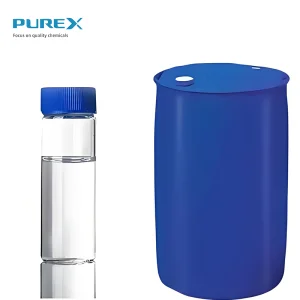
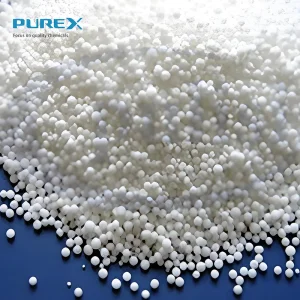
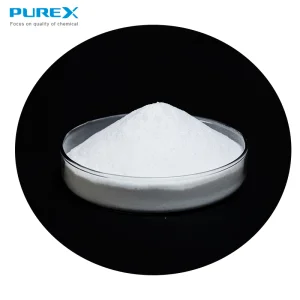
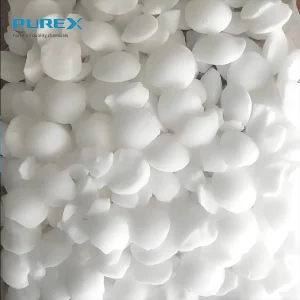
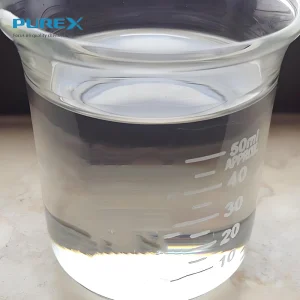
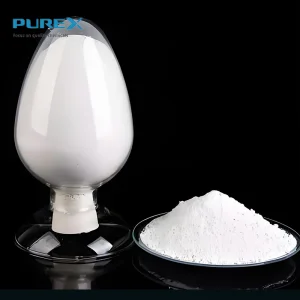
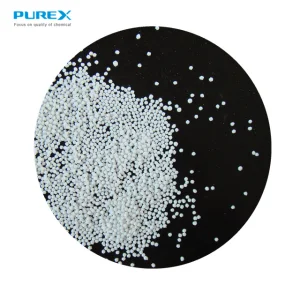
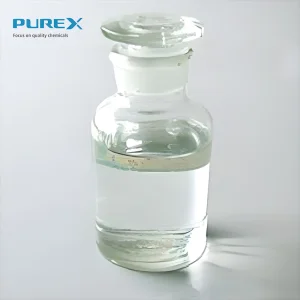
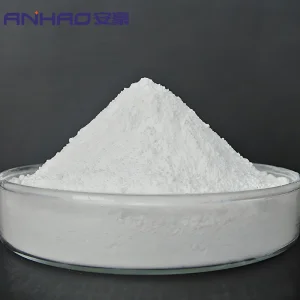
Strategic B2B chemical procurement relies on hedging raw material inputs—specifically acetic acid and liquid chlorine. As an ODM supplier, Shandong Pulisi Chemical Co., Ltd. coordinates pricing volatility by leverage-stocking key feedstocks at critical logistics nodes. For global buyers, this secures a stable supply of MCAA flakes (typically 98% min purity) or liquid forms (typically 80% concentration) without risk of production interruptions.
MCAA serves as a primary precursor for a broad range of industrial chemicals:
Precursor for phenoxy herbicides such as 2,4-D (2,4-Dichlorophenoxyacetic acid) and MCPA. MCAA acts as the alkylating agent reacting with chlorinated phenols to produce high-efficacy weed control products.
The largest industrial consumer of MCAA. Sodium Monochloroacetate (SMCA) is reacted with alkali cellulose to form CMC, which acts as a thickening agent in oil-drilling muds, detergents, paper, and food products.
Essential for manufacturing mild amphoteric surfactants, specifically Cocamidopropyl Betaine (CAPB). MCAA alkylates fatty amines to yield biodegradable, low-irritation foaming agents for shampoos and soaps.
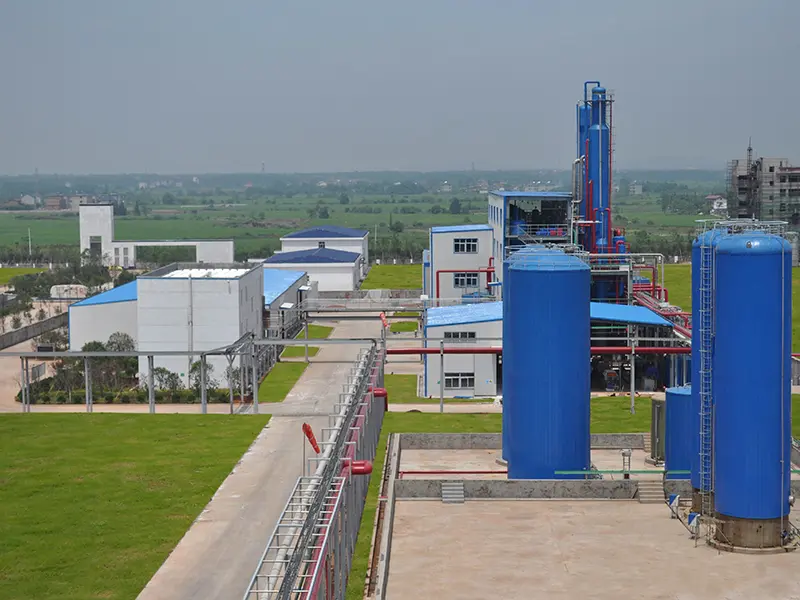
The manufacturing process of Monochloroacetic Acid is shifting toward carbon footprint reduction and waste minimized processes. Standard technical roadmaps emphasize hydrogen chloride (HCl) gas recovery systems. The secondary HCl generated during chlorination is recycled into industrial-grade hydrochloric acid or re-chlorinated for vinyl chloride monomer production, driving circular integration.
To reduce energy consumption, crystallizing processes are continuously optimized. Vacuum cooling crystallization systems replace old solvent-based separations, eliminating volatile organic compound (VOC) emissions from the purification circuit. Additionally, transition-metal catalysts are under development to selectively chlorinate acetic acid at the alpha position, minimizing the creation of Dichloroacetic Acid (DCA) and bypassing energy-intensive purification cycles.
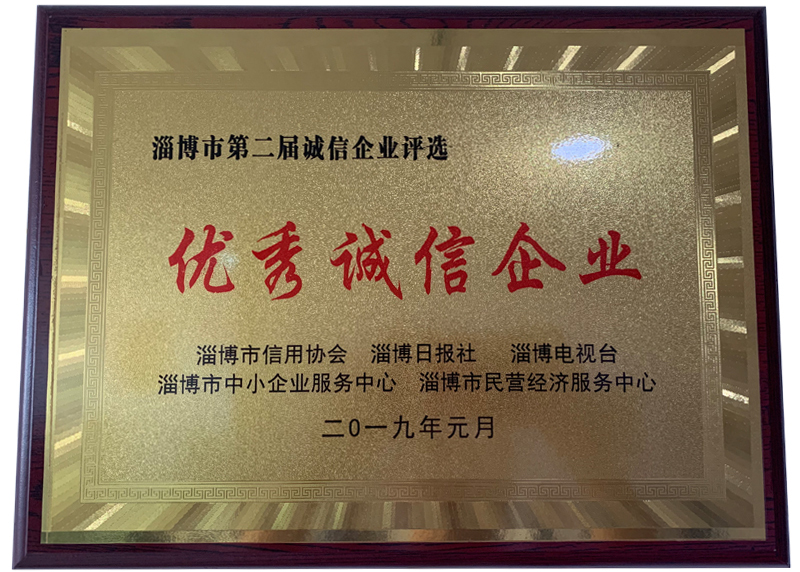
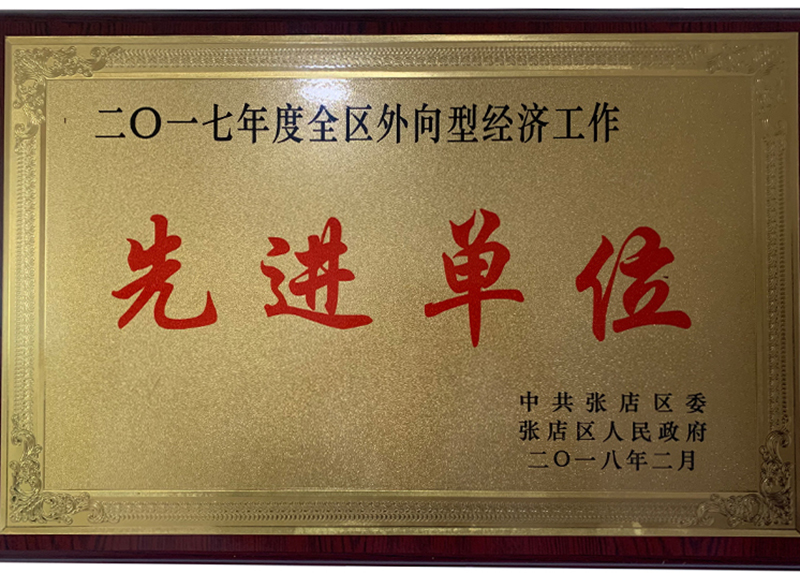
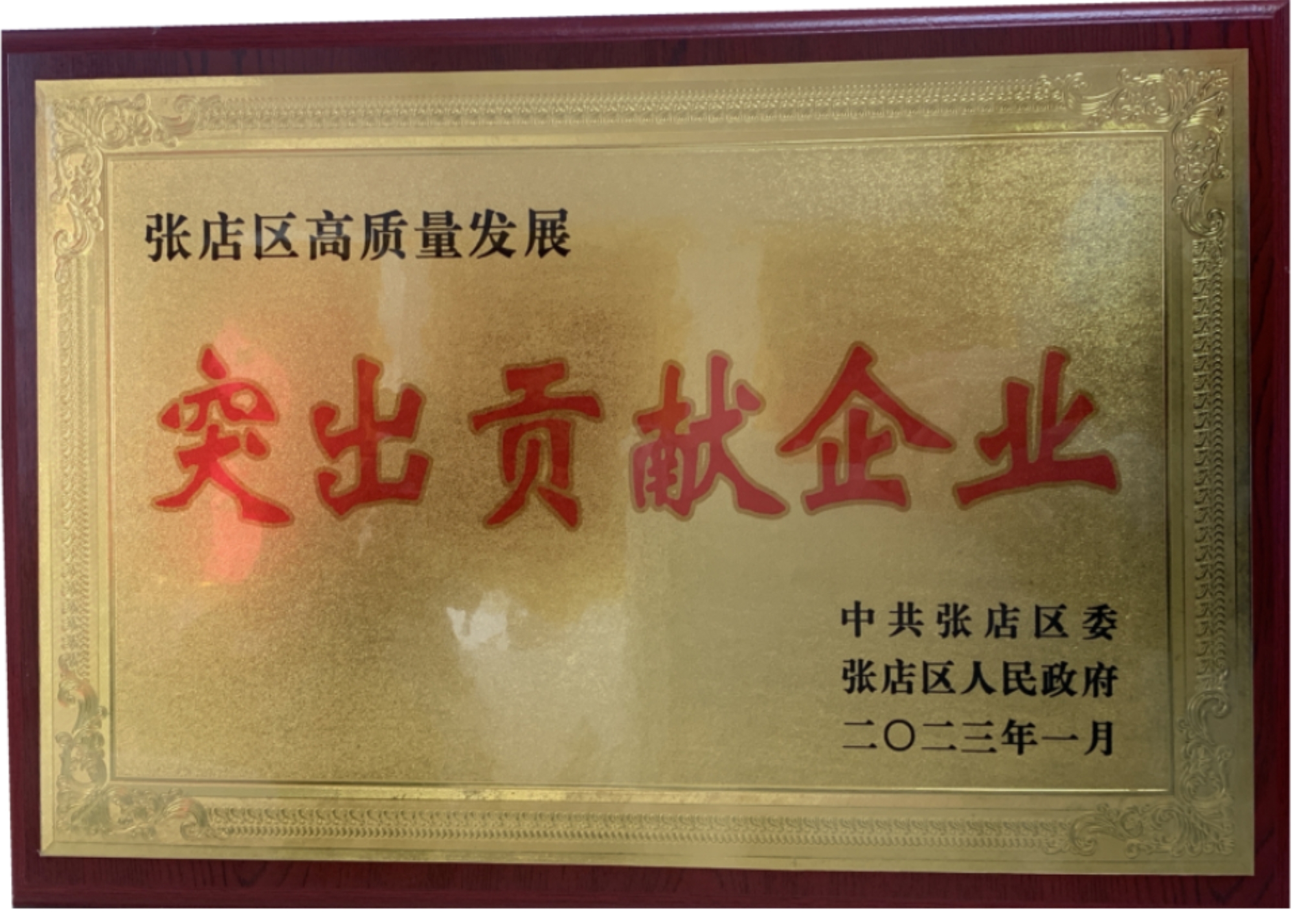
A trusted public enterprise delivering high-end chemical raw materials and custom manufacturing since 2006.

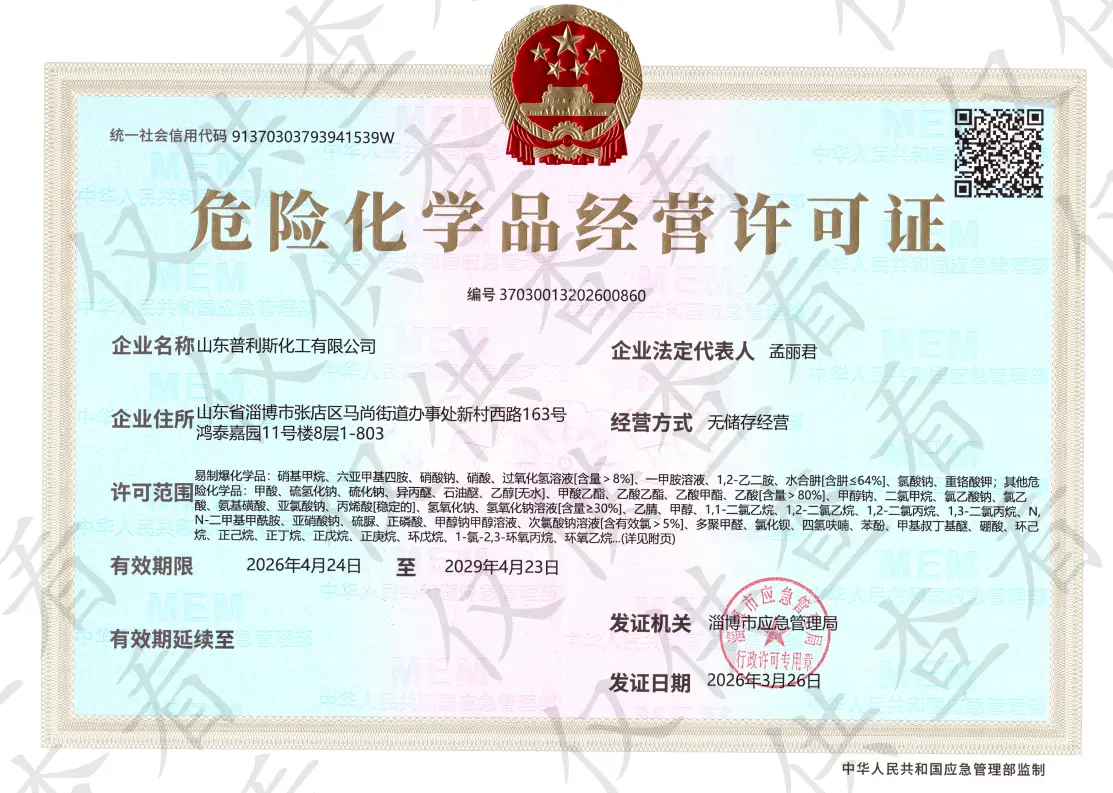
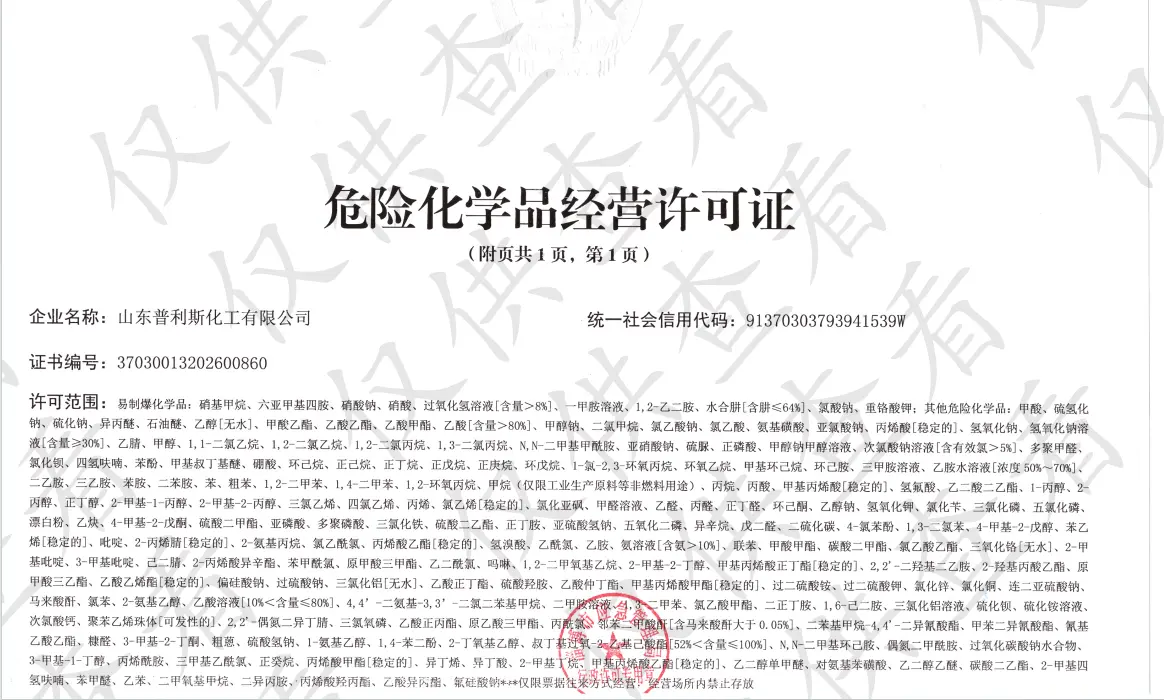
Shandong Pulisi Chemical Co., Ltd. was established in 2006 and listed publicly with Stock Code: 307785. As a leading manufacturer and exporter, we focus on petrochemicals, mining chemicals, feed chemicals, and pharmaceutical chemicals. We have built strong, long-term partnerships with Fortune Global 500 enterprises including China National Petroleum Corporation (CNPC) and Saint-Gobain.
Our operational philosophy—"Customer First, Rapid Response; Striving as the Foundation, Efficient Collaboration; Integrity and Uprightness, Agile Adaptation"—drives our day-to-day operations. Our mature logistics and warehousing footprints are located at key shipping corridors like Qingdao Port, Tianjin Port, and critical land borders such as Alashankou and Khorgos, enabling swift worldwide distribution.
Strict Statement: Shandong Pulisi has not established branches outside of Shandong Province. If there is any act of impersonating Shandong Pulisi, our company will reserve the right to pursue legal responsibilities.
We supply chemical solutions engineered for maximum performance across diverse international sectors.

Specialty dyeing auxiliaries, textile processing, and leather tanning raw materials.
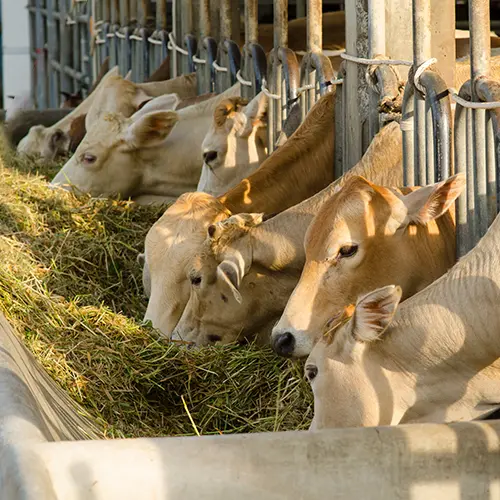
Pesticides formulation, organic synthesis inputs, and livestock nutrients.

Concrete admixtures, superplasticizers, and protective coating formulations.
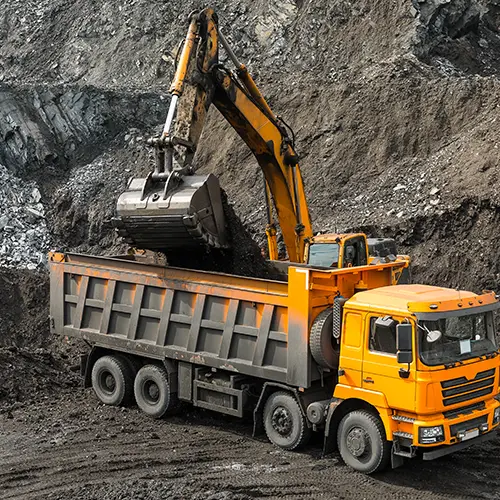
Flotation collectors, froth agents, and processing reagents.
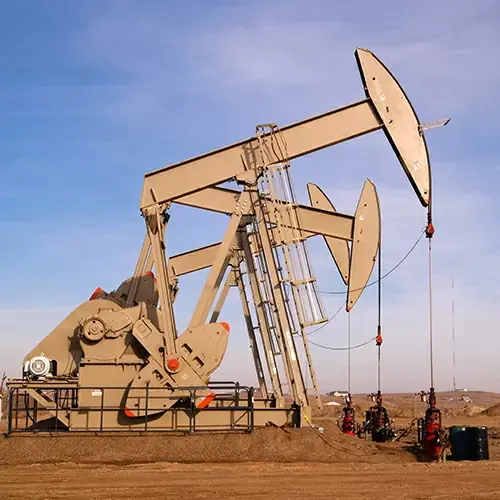
Fluid loss additives, shale stabilizers, and mud viscosity modifiers.
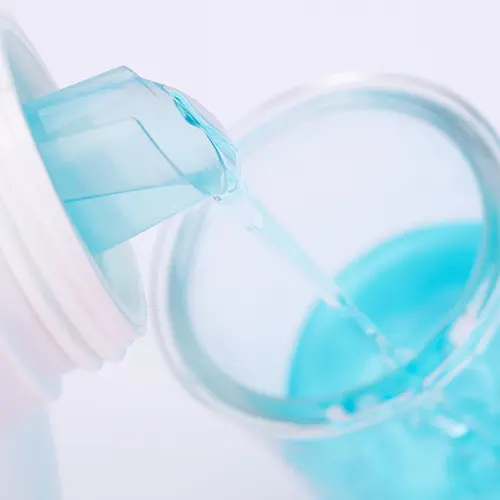
Formulations for sanitization, active pharmaceutical bases, and cleaning chemicals.
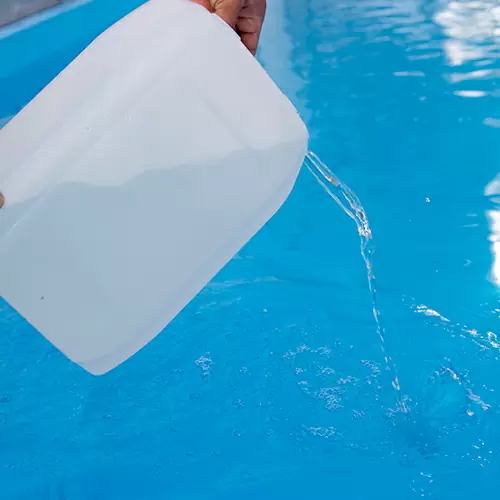
Flocculants, anti-scalants, and pH modifiers for industrial municipal loops.
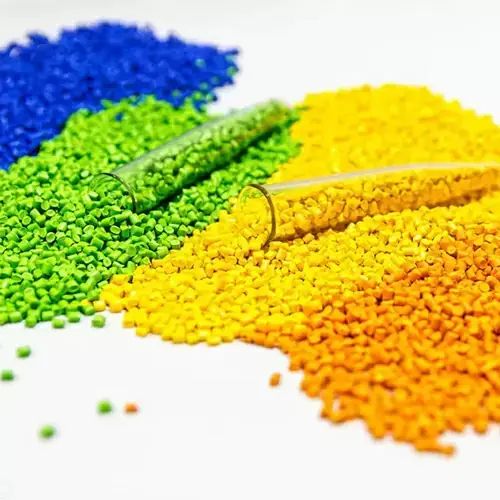
Plasticizers, polymer processing aids, and additive compounds.
Providing global supply chain reliability through customized designs, certified safety processes, and localized distribution hubs.
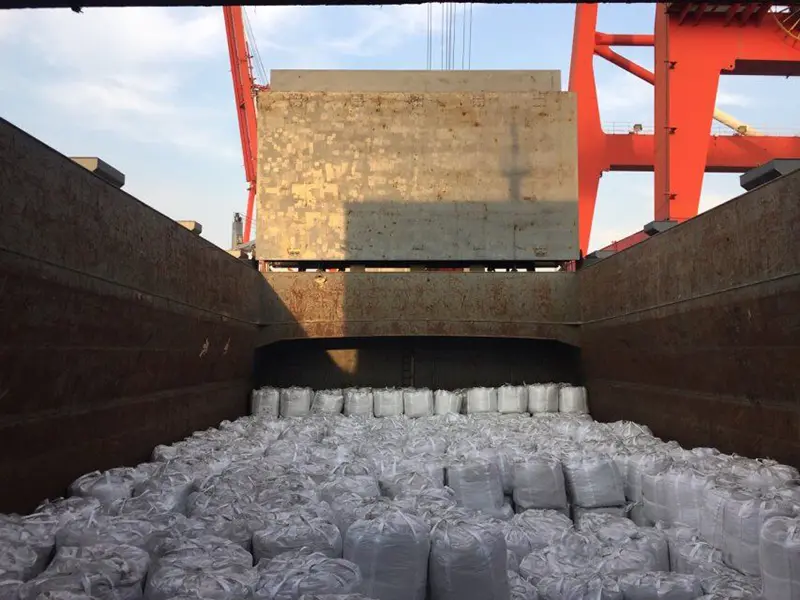
We ship high-purity chemicals to over 100 countries and regions, securing critical maritime and overland logistics corridors to satisfy global industrial demands.
Over 20 years of focus in custom organic intermediates synthesis and supply chain coordination. We maintain active partnerships with more than 1,000 global companies.
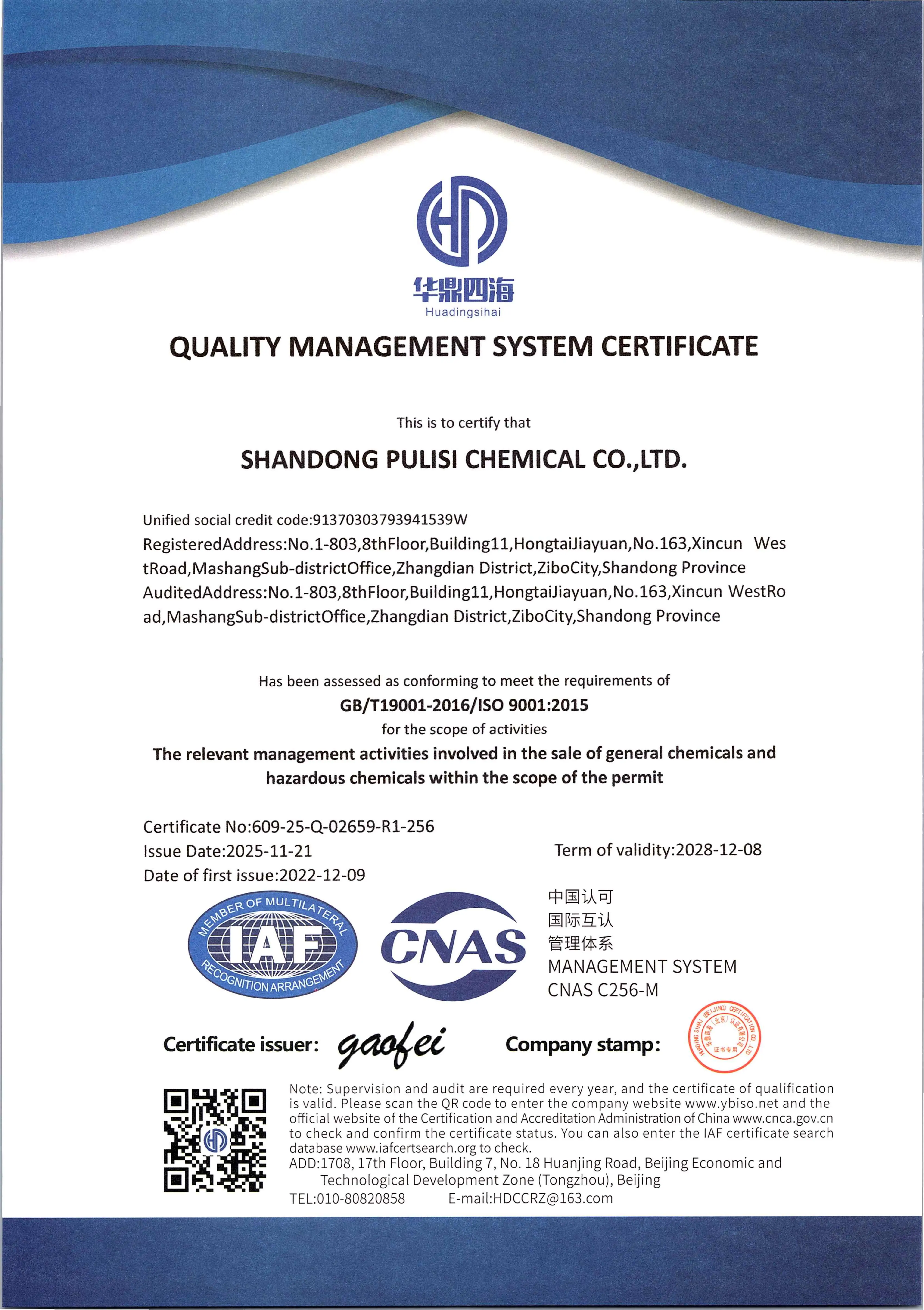
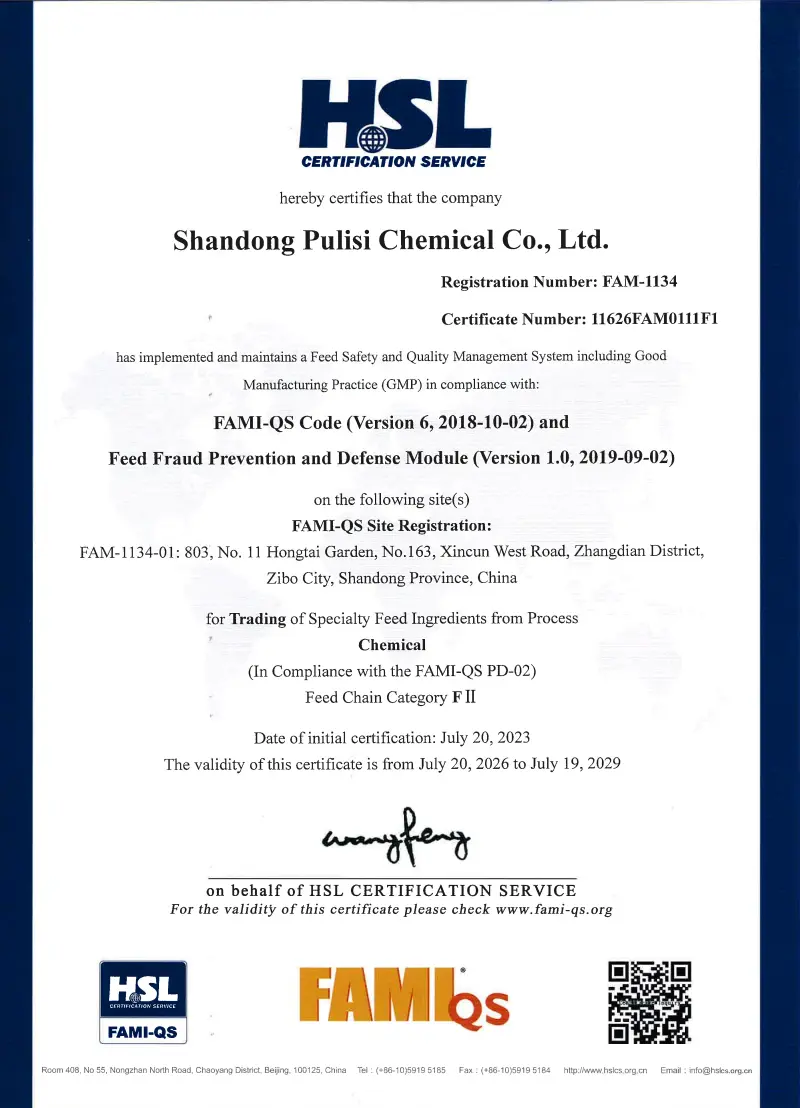
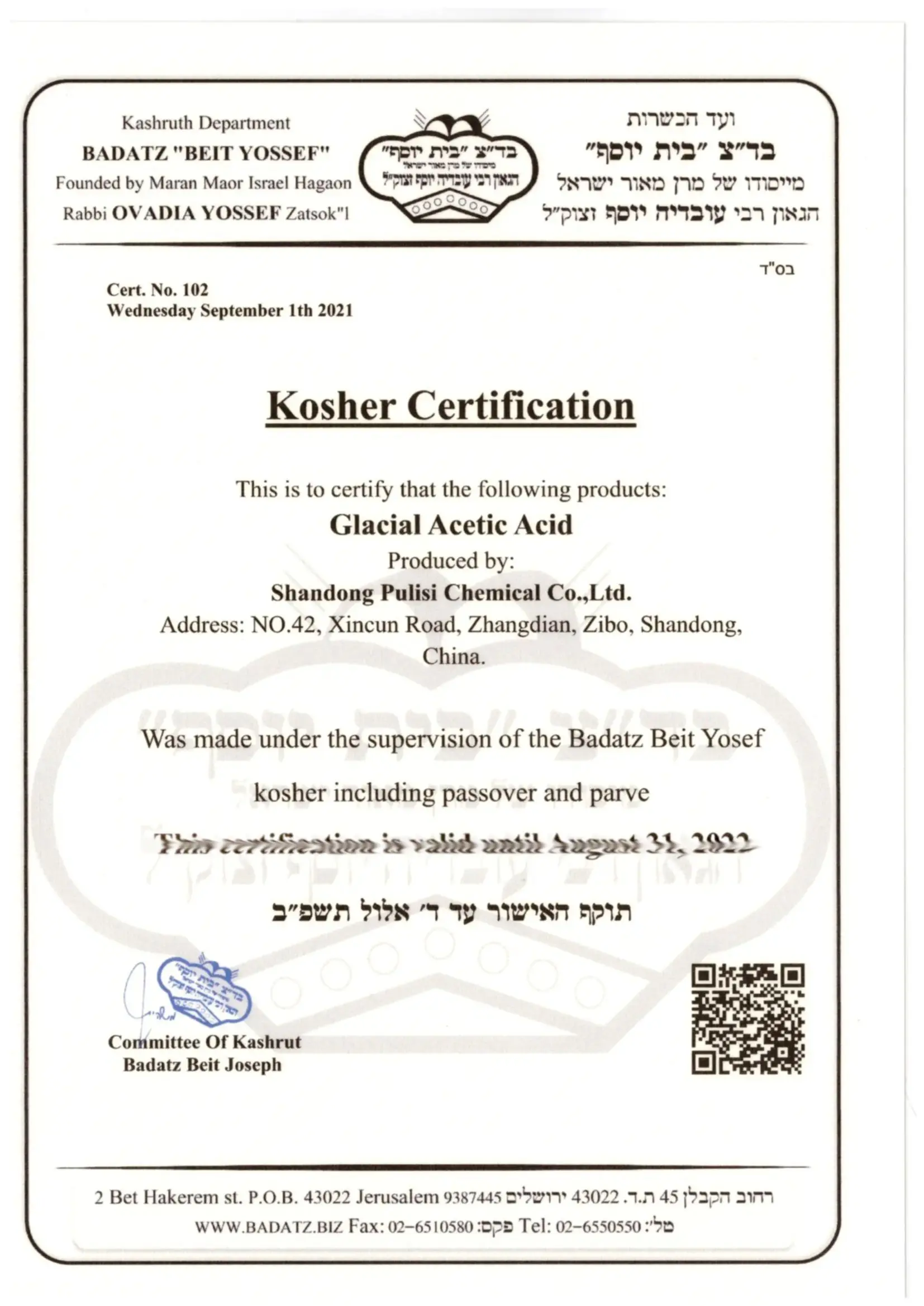
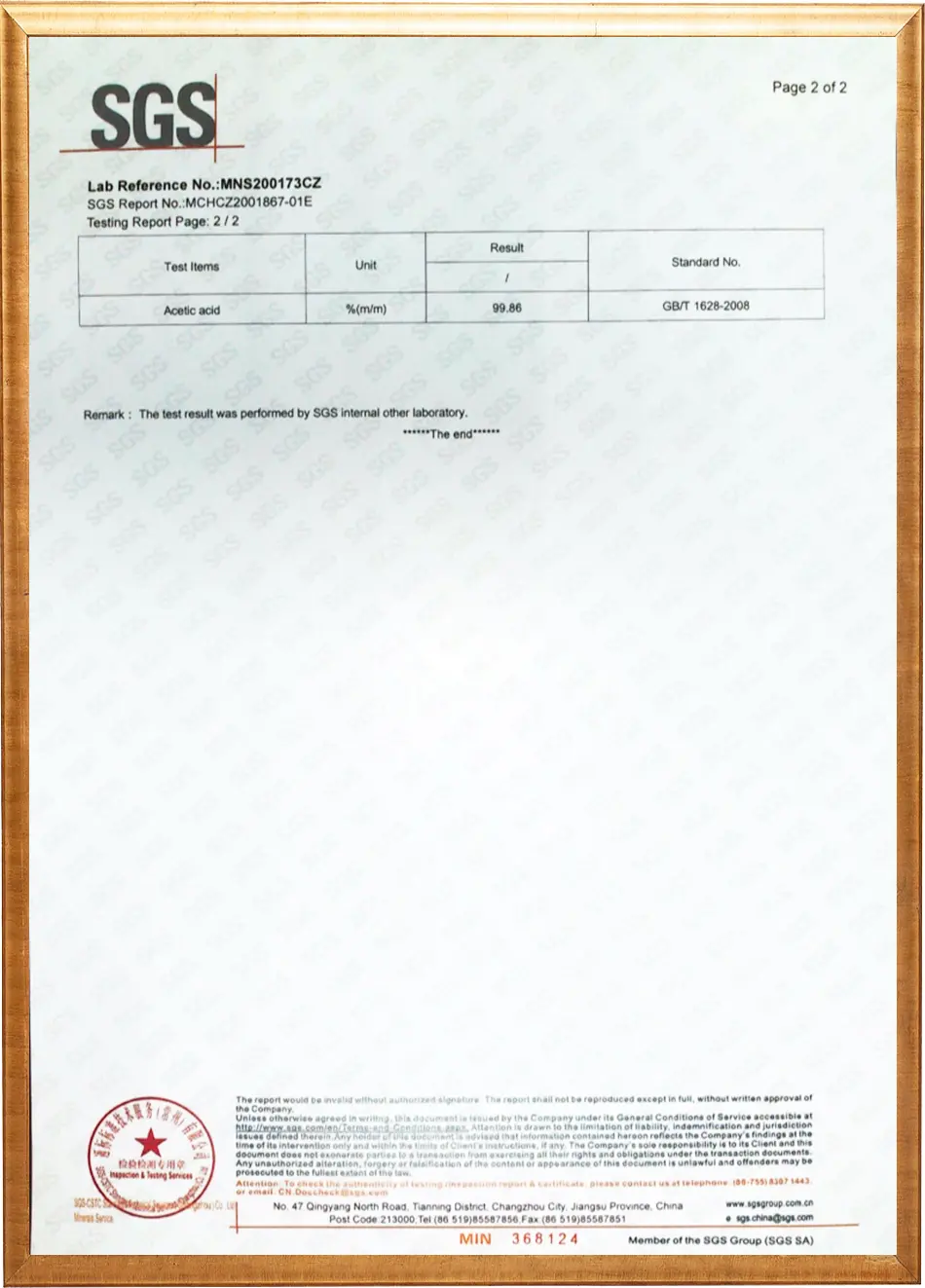
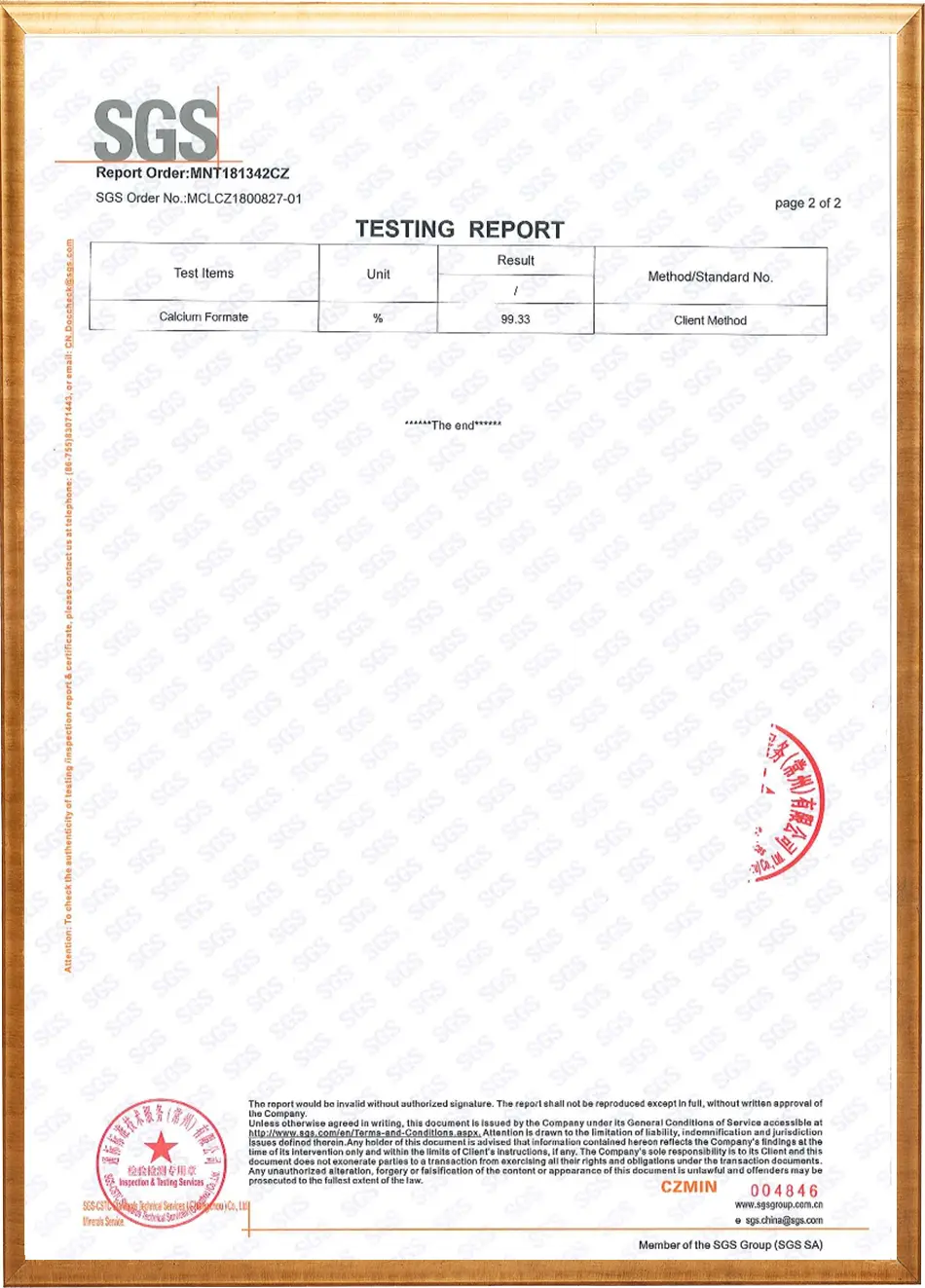
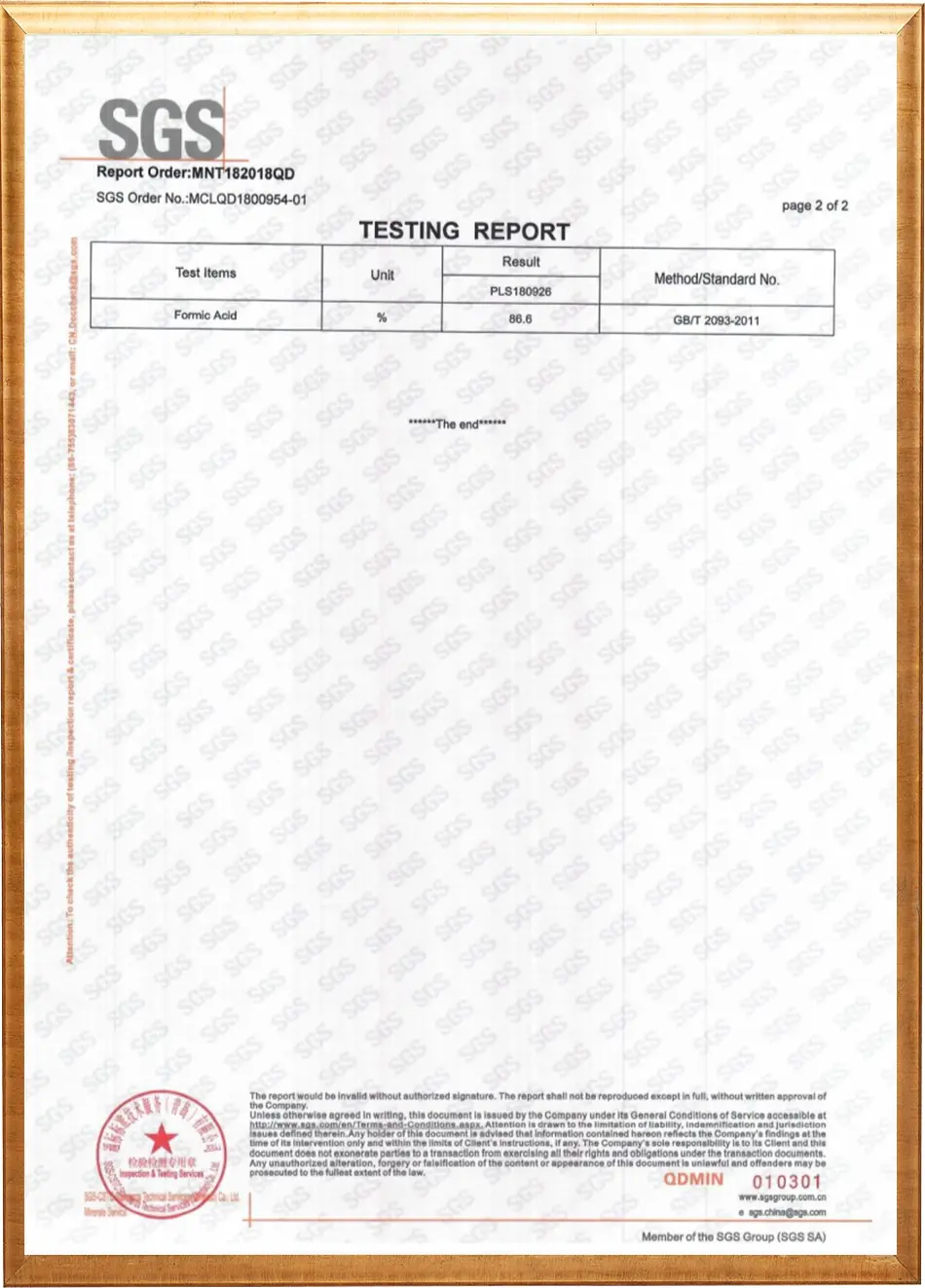
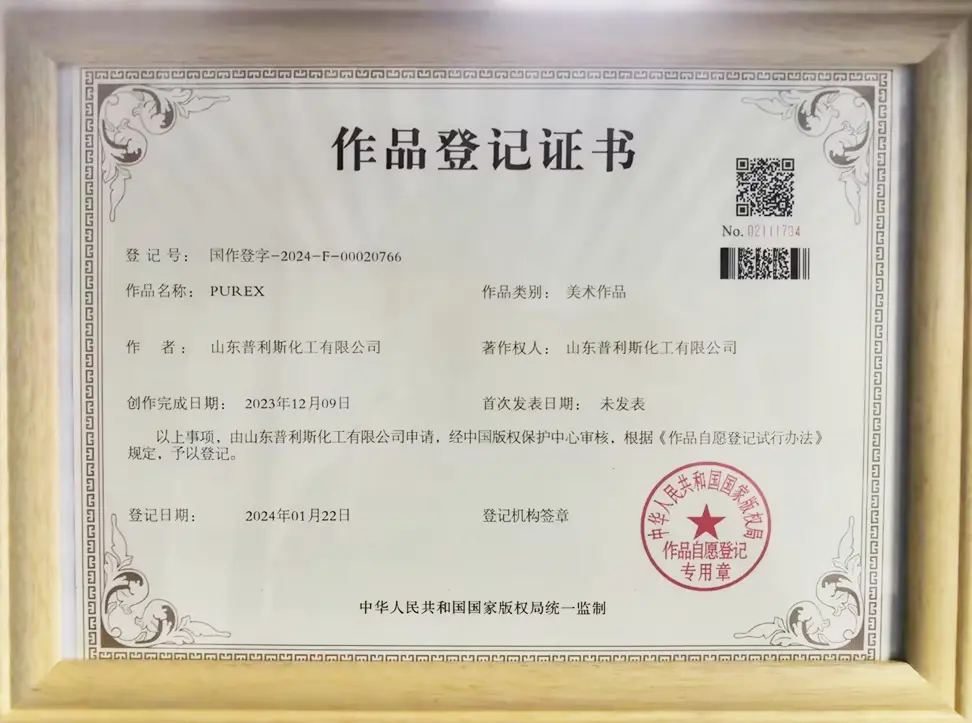
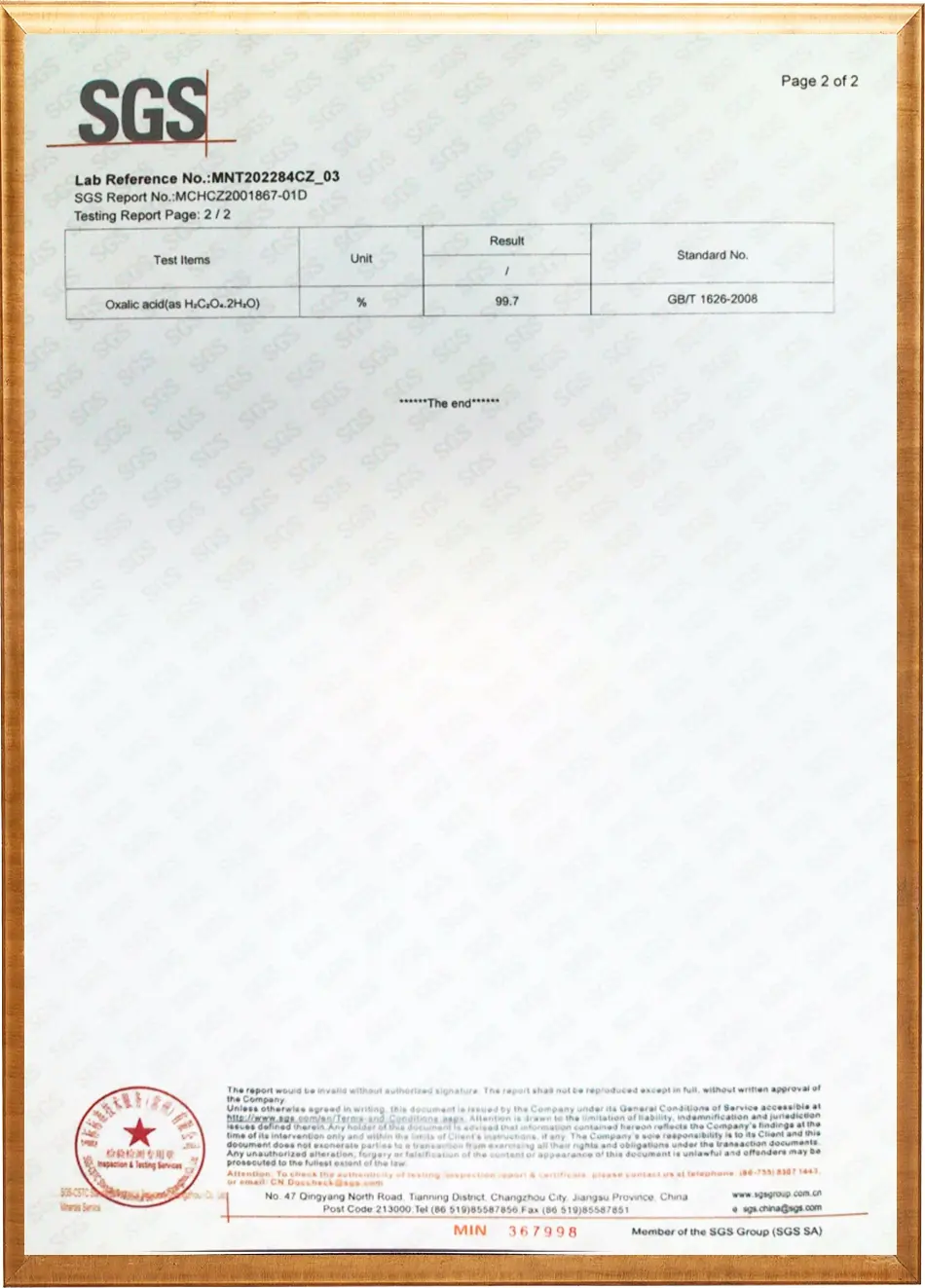
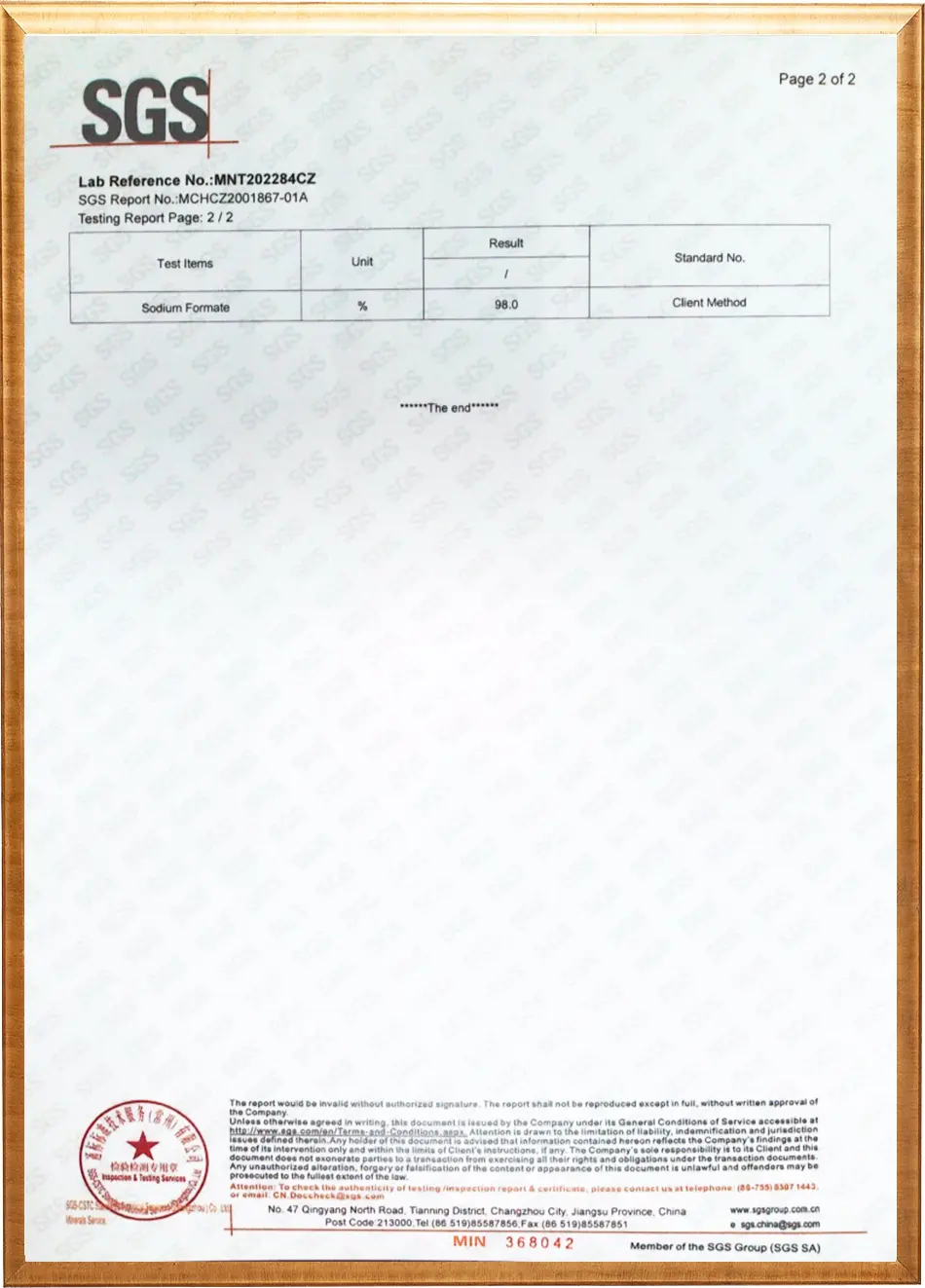
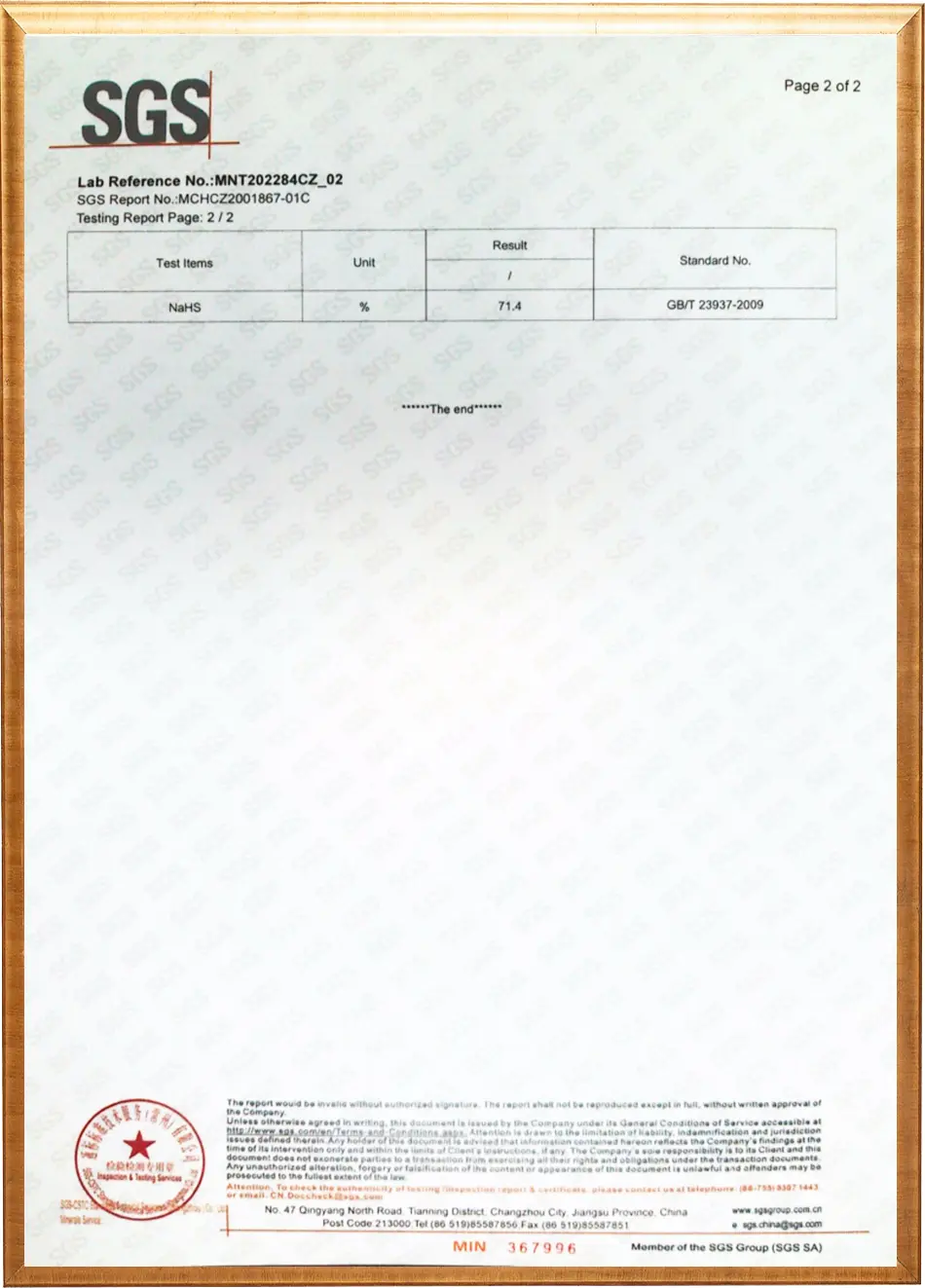
Operating under strict frameworks including ISO 9001:2015, SGS validation, K-REACH registration for Korean trade, and FAMI-QS for livestock feeds.
Our integration with local downstream raw material producers allows us to offer optimized pricing strategies based on custom purity and packaging configurations.
Our logistics hubs near Qingdao Port and Tianjin Port maintain dedicated stocking reserves, facilitating fast customs declarations and shipment times.
Our chemical engineers offer deep consultation from regulatory compliance evaluations to optimal shipping methods for hazardous products.
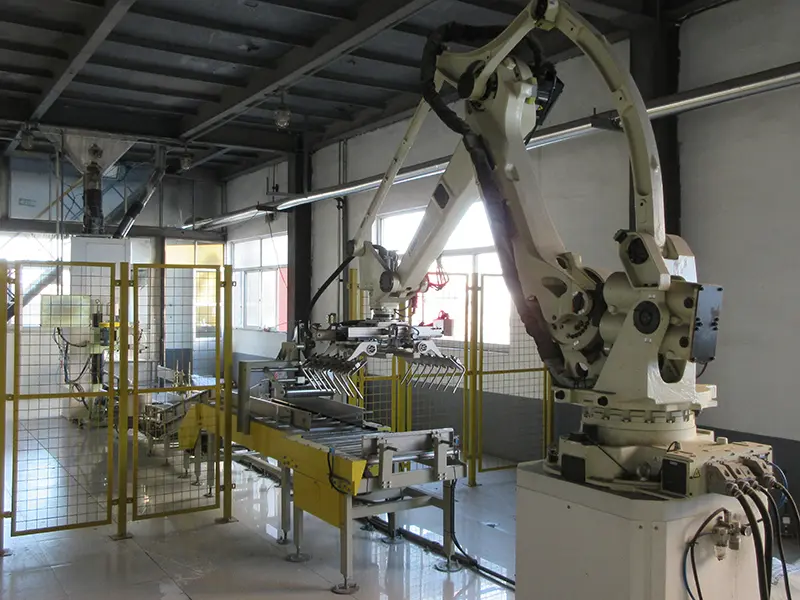
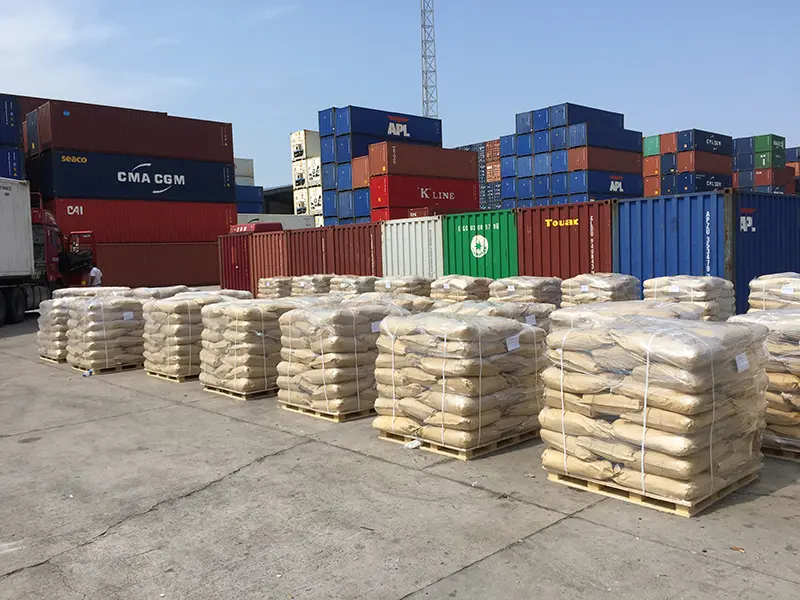
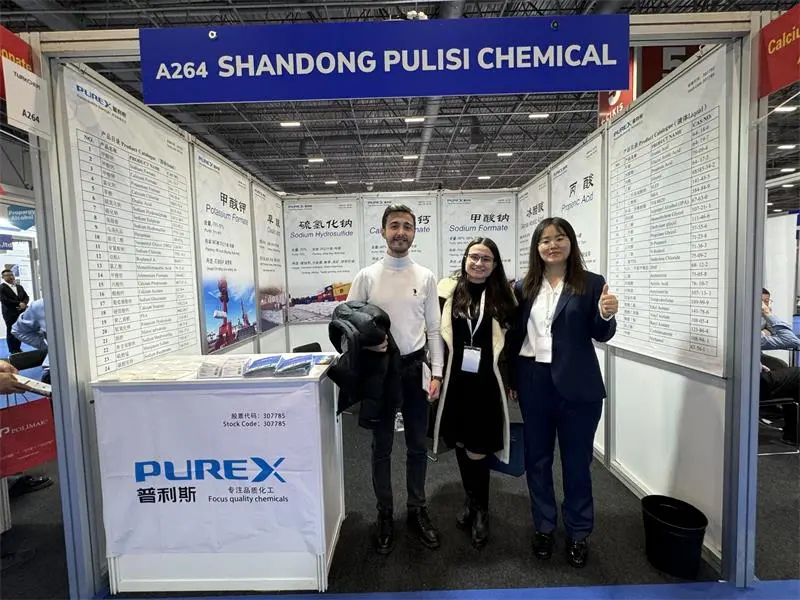
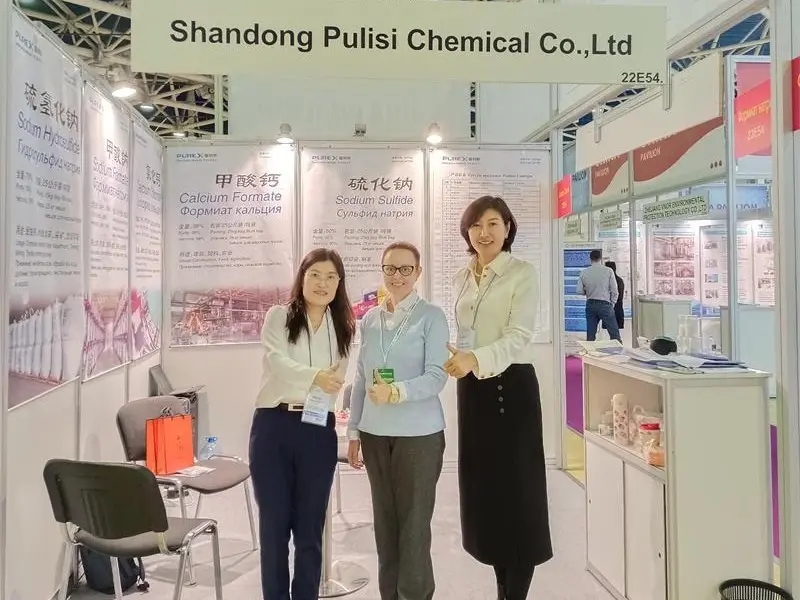
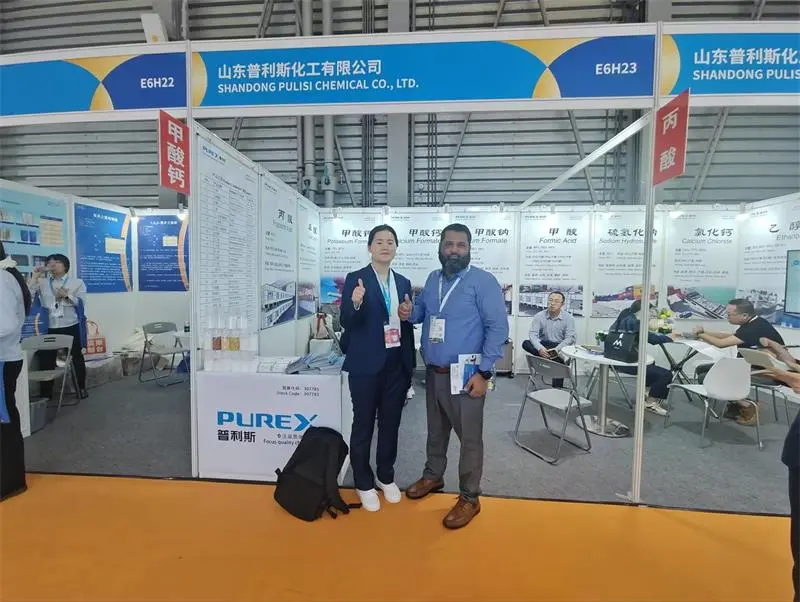
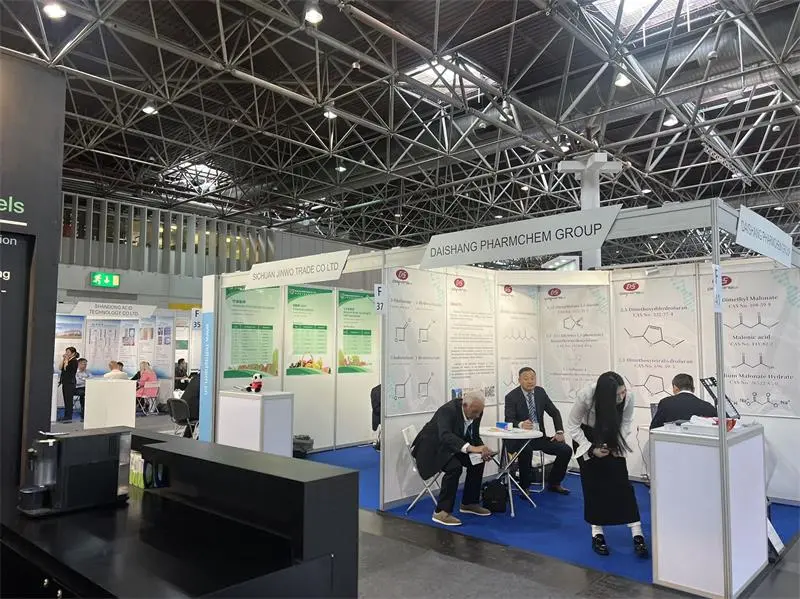
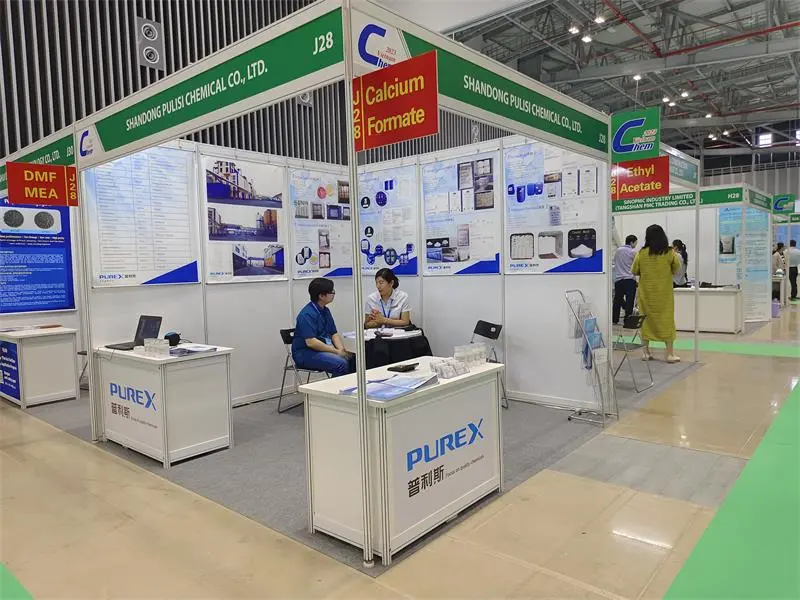
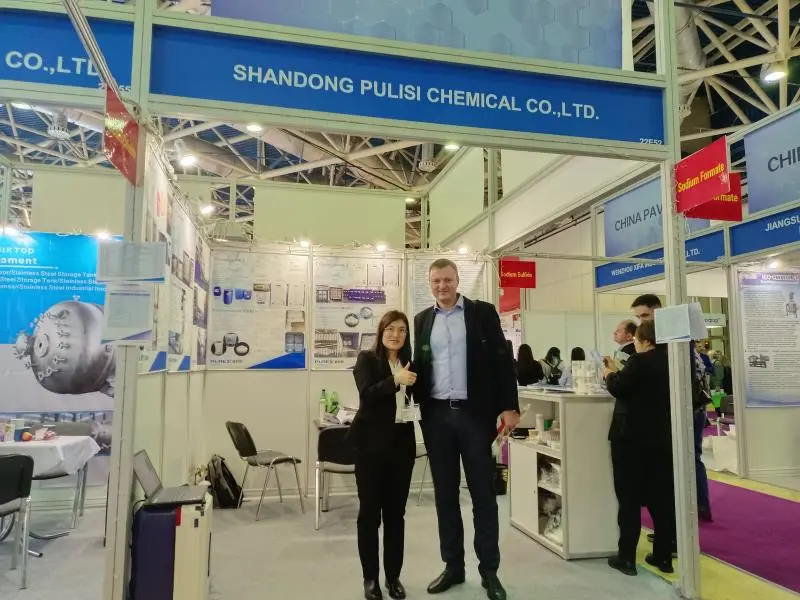
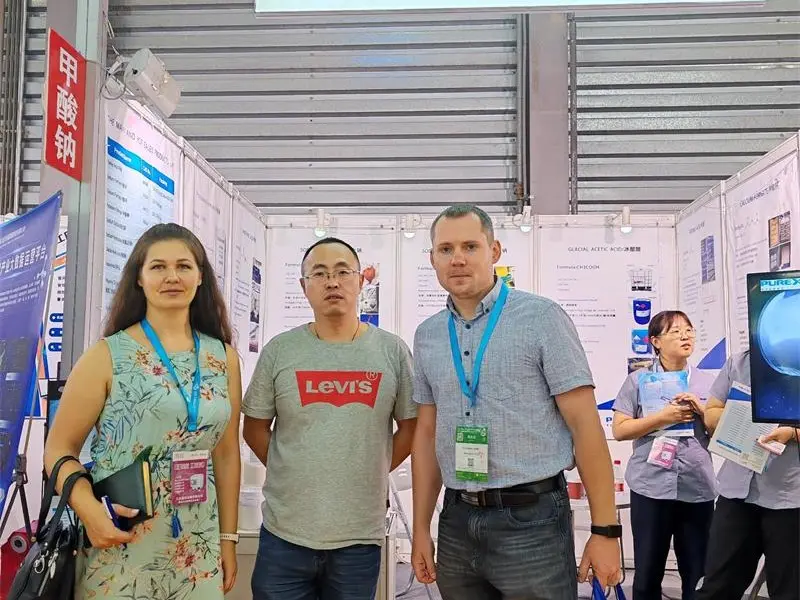
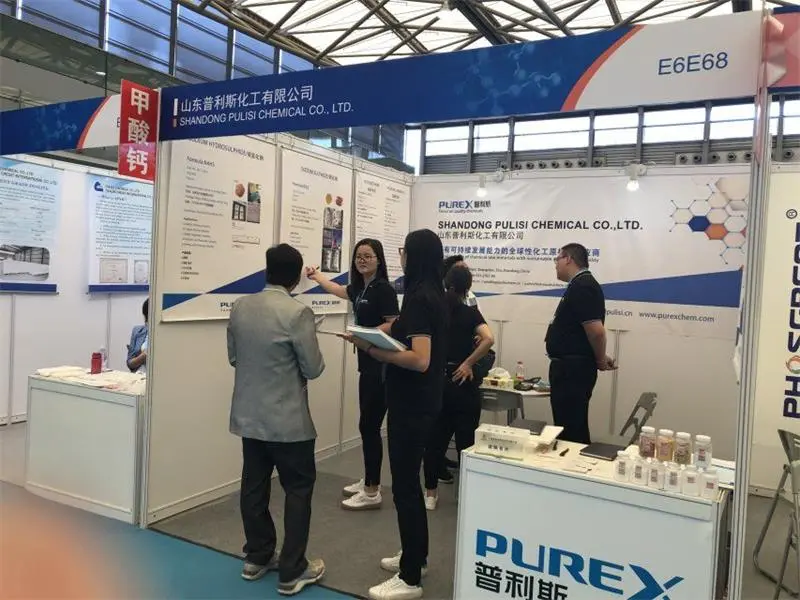
Strengthening international connections through face-to-face commercial exchanges and robust industrial collaborations.










Expert answers addressing the logistical, commercial, and technical challenges of global chemical procurement.
What are the customization choices for packaging and concentrations of MCAA?
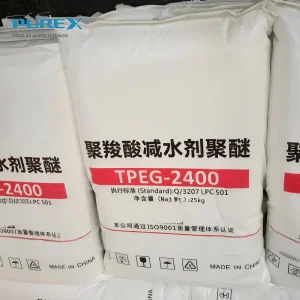
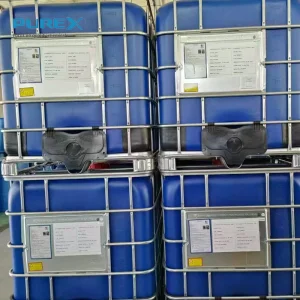
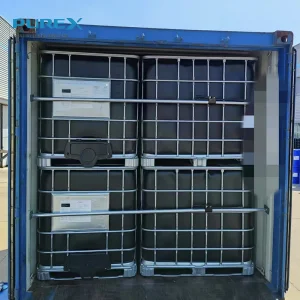
We offer MCAA in both liquid (approx. 80% concentration) and solid flake forms (typically 98% min purity). Flakes can be packed in 25kg, 500kg, or 1000kg composite bags. Molten liquid shipments require temperature-controlled ISO tank containers equipped with heating coils to prevent crystallization during transit.
How do you control impurity levels like Dichloroacetic Acid (DCA) in ODM production?
We employ fractional crystallization technology rather than simple chemical distillation. By reducing the crystallization temperature step-by-step, we isolate pure MCAA crystals from the liquid phase containing high DCA levels. This enables us to achieve ultra-pure grades containing less than 100 ppm DCA, ideal for pharmaceutical syntheses.
Is it possible to print our logo or custom labels on the packaging?
Yes. We can design and print custom labels including product identification, custom batch codes, corporate logo, and specific regulatory GHS danger signs required by your local target port authorities.
Do you accept small trial orders or require high MOQ limits?
While our primary capacities support large commercial contracts, we recognize that new projects require scaling. We accommodate trial orders starting from single FCL (Full Container Load) quantities to support your growth stages.
What are your payment terms and do you accept third-party verification?
We accept T/T (Telegraphic Transfer), L/C (Letter of Credit) at sight, D/P (Documents Against Payment), and O/A (Open Account) terms. Third-party testing by agencies like SGS or Bureau Veritas is welcomed prior to shipping to verify compliance.
Can I visit your factory and manufacturing operations in China?
Yes, we welcome chemical buyers and engineers to visit our manufacturing facilities in Zibo, Shandong Province, located a convenient 1.5-hour drive from Jinan airport.
Do you provide free pre-shipment samples for quality testing?
Yes, we provide free lab samples for evaluation. Please contact our sales team with your target specifications to arrange express sample delivery.
How do you ensure on-time shipping for international routes?
Our strategic logistics network maintains storage spaces at main ports (Qingdao, Tianjin) and key border crossings like Khorgos and Alashankou. This allows us to mitigate transport bottle-necks and guarantee consistent delivery schedules.
Broad catalog of industrial organic and inorganic chemicals for mining, coating, and water-treatment applications.
 Pulisi