OEM Hydroxyethyl acrylate Company, Products

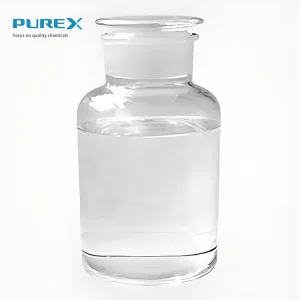
CAS NO.818-61-1 Molecular formula:C5H8O3 Molecular weight:116.12 EINECS number:212-454-9 Melting point: -60 ° C Boiling point: 90-92 ° C12mm Hg (lit.) Density: 1.106g/mL at 20 ° C Vapor density>1 (vsair) Vapor pressure:<0.1mmHg (20 ° C) Refractive index: n20/D1.45 (lit.) Flash point: 209 ° F Storage conditions: 2-8 ° C Form: oily liquid Acidity coefficient (pKa): 13.85 ± 0.10 (Predicted) Color: Colorless Transparent Liquid 

Product Description

Logistics and operations reliability diagram
Global logistics distribution and quality network

Delivery & Excellence

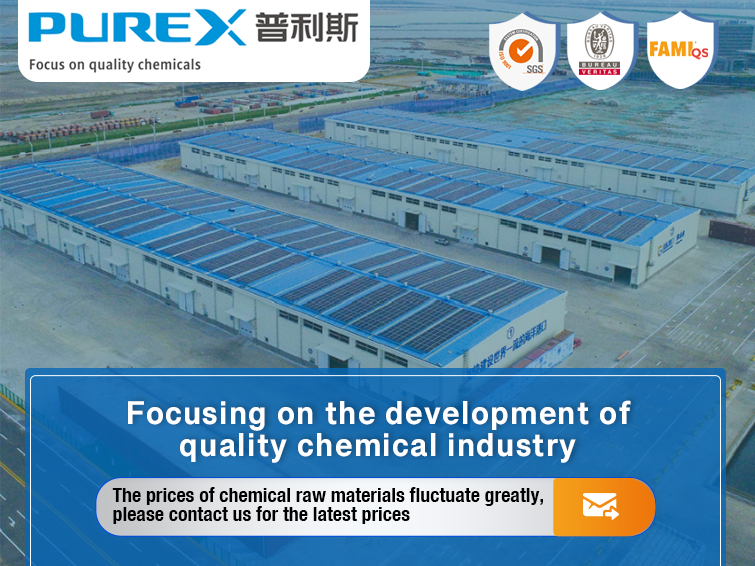
  • Strategic inventory hubs at Qingdao, Tianjin, and Longkou port warehouses with 1,000+ metric tons of stock available.
  • 68% of orders delivered within 15 days; urgent orders prioritized via express logistics channel (30% acceleration).

Quality & Compliance

  • Triple-certified under REACH, ISO 9001, and FMQS standards.
  • Compliant with global hygiene regulations; 100% customs clearance success rate for Russian imports.

Security Framework

  • Flexible payment terms: LC (sight/term), TT (20% advance + 80% upon shipment).
  • Specialized schemes: 90-day LC for South American markets; Middle East: 30% deposit + BL payment.
  • Dispute resolution: 72-hour response protocol for order-related conflicts.

Supply Chain Infrastructure

  • Multimodal Logistics:
    Air freight: 3-day delivery for propionic acid shipments to Thailand.
    Rail transport: Dedicated calcium formate route to Russia via Eurasian corridors.
    Difluoromethane ISO TANK solutions: Direct liquid chemical shipments.
  • Packaging Optimization:
    Flexitank technology: 12% cost reduction for ethylene glycol (vs. traditional drum packaging).
    Construction-grade calcium formate: Moisture-resistant 25kg woven PP bags.

Risk Mitigation

  • End-to-End Visibility:
    Real-time GPS tracking for container shipments.
    Third-party inspection services at destination ports (e.g., acetic acid shipments to South Africa).
  • After-Sales Assurance:
    30-day quality guarantee with replacement/refund options.
    Complimentary temperature monitoring loggers for reefer container shipments.
Hydroxyethyl Acrylate (HEA) application diagram

Hydroxyethyl Acrylate (HEA) - Application Overview

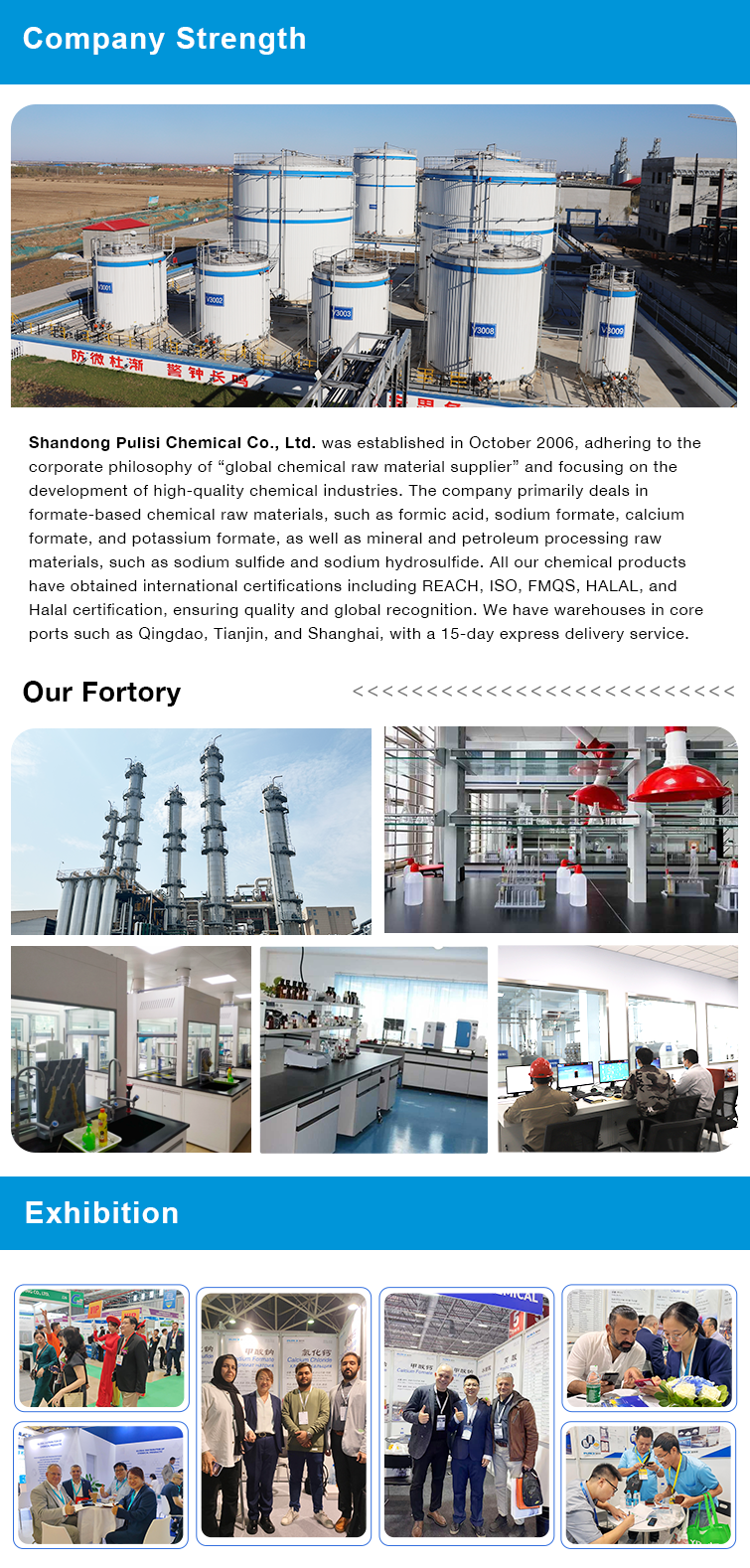
Hydroxyethyl acrylate (HEA) serves as a lubricant detergent additive in the oleochemical industry and as a dehydration agent for electron microscopy in the electronics industry. In the textile industry, it is used for producing fabric adhesives. Furthermore, it functions as a chemical reagent in analytical chemistry and is applied in water-miscible embedding agents, among other uses.
HEA can copolymerize with a wide range of monomers including acrylic acid and its esters, acrolein, acrylonitrile, acrylamide, methacrylonitrile, vinyl chloride, and styrene. The resulting copolymers are used for treating fibers to enhance their water resistance, solvent resistance, wrinkle resistance, and waterproof properties. These polymers are also employed in manufacturing high-performance thermosetting coatings, synthetic rubber, and lubricant additives. In the field of adhesives, copolymerization with vinyl monomers improves bond strength. For paper processing, HEA is used in producing coating acrylic emulsions, enhancing the water resistance and strength of the paper.
HEA acts as a reactive diluent and crosslinking agent in radiation-curing systems and can also serve as a resin crosslinker, as well as a modifier for plastics and rubber.
It is primarily used in the manufacture of thermosetting acrylic coatings, UV-curable acrylic coatings, photosensitive coatings, adhesives, textile treatment agents, paper processing chemicals, water stabilizers, and polymeric materials. A key characteristic of HEA is its ability to significantly enhance product performance even when used in small quantities.

Storage Conditions for Hydroxyethyl Acrylate

Hydroxyethyl acrylate (HEA) is a highly reactive acrylic monomer whose storage conditions prioritize chemical stability and safety. Improper storage may lead to spontaneous polymerization, quality deterioration, or safety incidents.

1

Temperature and Light

Temperature: Recommended to store in a cool environment, ideally between 2°C and 25°C. High temperatures and direct sunlight must be avoided.
Reason: Increased temperature significantly accelerates its polymerization rate, posing a risk of self-polymerization even with the presence of an inhibitor.

2

Inhibitor

Type: Hydroxyethyl acrylate is typically inhibited with MEHQ to suppress free radical polymerization during storage and transportation.
Maintaining Effectiveness: To ensure the inhibitor remains effective, excessive contact with air (oxygen) must be avoided. Oxygen depletes MEHQ, reducing its inhibitory effect. Therefore, nitrogen padding in the container is crucial.

3

Container and Atmosphere

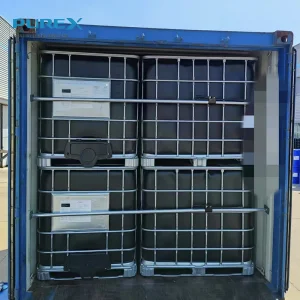
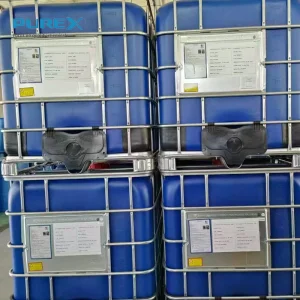
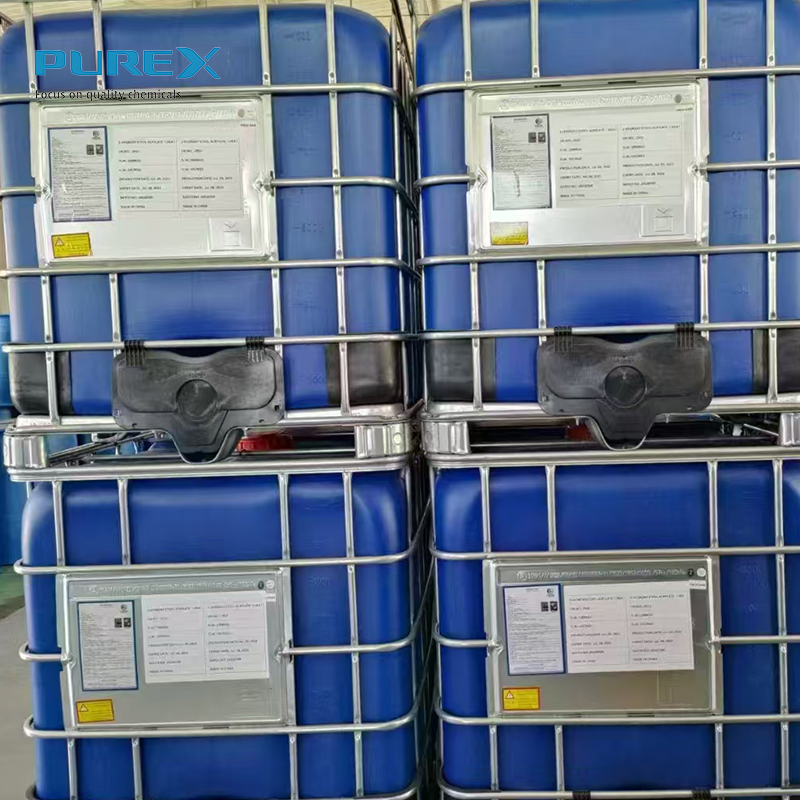
Container: Containers made of stainless steel, phenolic resin lining, or polyethylene should be used.
Atmosphere: Containers should be padded with nitrogen to maintain an inert environment and minimize contact with oxygen.
Sealing: Containers must always be kept tightly sealed.

4

Storage Environment

Ventilation: The warehouse or storage area must have good ventilation.
Safety Precautions: Keep away from heat sources, sparks, open flames, and incompatible materials such as strong oxidizing agents, strong acids, and strong bases.

5

Shelf Life

Provided all storage conditions are followed, the typical shelf life of HEA is 6 to 12 months from the date of manufacture. Before use, the product's appearance and specifications should be checked (typically 2-10%) to ensure it has not polymerized or deteriorated.

Frequently Asked Questions

Need help? Explore common answers regarding Hydroxyethyl Acrylate and shipping processes!

What are the primary applications of Hydroxyethyl Acrylate (HEA)?

HEA is mainly used to manufacture thermosetting acrylic coatings, UV-curable coatings, adhesives, textile treatment agents, paper processing chemicals, water stabilizers, and as a reactive diluent in radiation-curing systems.

What is the recommended storage temperature range for HEA?

The ideal storage temperature is between 2°C and 25°C. High temperatures and direct sunlight must be strictly avoided to prevent self-polymerization.

Why is MEHQ inhibitor used and how is it maintained?

MEHQ is used to suppress free radical polymerization. To prevent oxygen from depleting MEHQ and reducing its safety function, containers are typically padded with nitrogen and kept tightly sealed.

What materials are suitable for HEA storage containers?

HEA should be stored in containers constructed of stainless steel, polyethylene, or containers with a phenolic resin lining to ensure compatibility and stability.

What is the standard shelf life of Hydroxyethyl Acrylate?

When stored under recommended guidelines, HEA has a typical shelf life of 6 to 12 months. Product specifications and appearance should be verified prior to usage.

What delivery terms and logistics channels are supported?

Deliveries are supported by a multimodal network including air, rail, and ISO Tank solutions. Stock is distributed from strategic hubs in Qingdao, Tianjin, and Longkou with standard and express options available.
Related Products