Triethylene glycol uses
Triethylene glycol is used as a solvent, extractant, and desiccant. It serves as an excellent dehydrating agent for natural gas, oilfield associated gas, and carbon dioxide. It acts as a solvent for nitrocellulose, rubber, resins, greases, paints, pesticides, etc., and functions as an air bactericide. Teg is a plasticizer in the form of triethylene glycol esters for polyvinyl chloride, polyvinyl acetate resin, glass fiber, and asbestos pressed plates. Teg is also used as a tobacco anti-drying agent, fiber lubricant, and desiccant for natural gas.
In organic synthesis, triethylene glycol is utilized in the production of brake fluid with a high boiling point and good low-temperature performance. Triglycol is used as a stationary liquid in gas chromatography (with a maximum operating temperature of 100°C, and solvents including acetone and methanol), suitable for aqueous solution analysis. Its selectivity is similar to that of polyethylene glycol, making it suitable for the analysis of oxygen-containing compounds, especially alcohols, anilines, fatty amines, pyridines, and quinolines. Additionally, Triethylenglycol is a solvent for nitrocellulose, various resins, and gums, and is involved in organic synthesis processes.
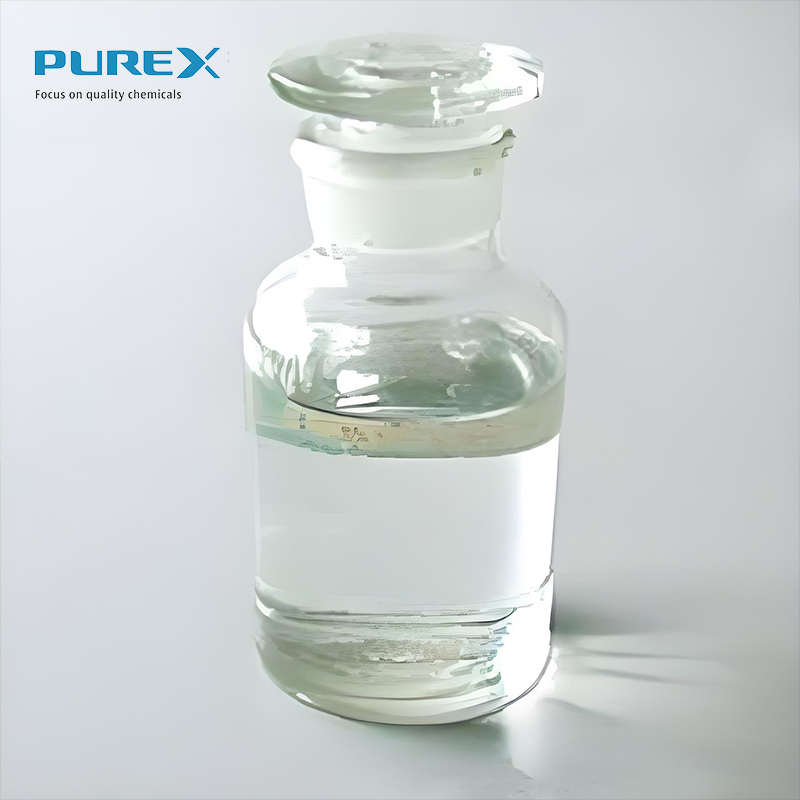
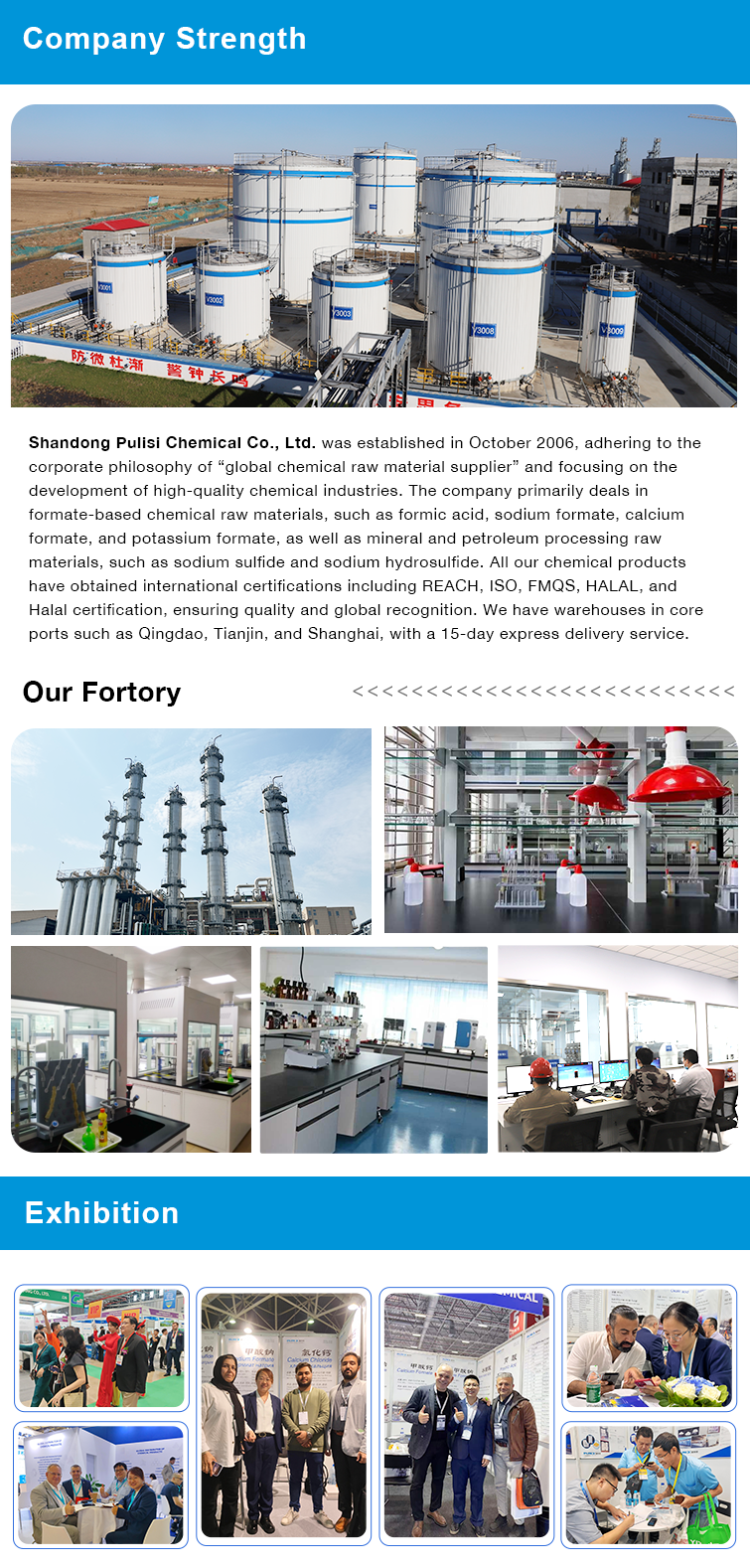
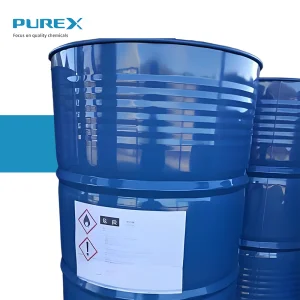
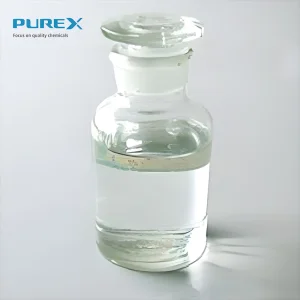
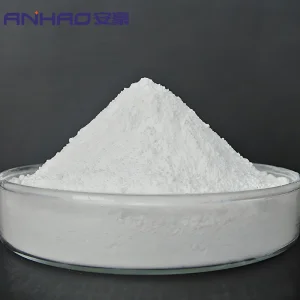
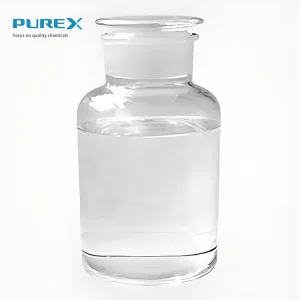
Triethylene glycol (TEG) is a colorless, odorless, and hygroscopic viscous liquid. It is miscible with water and ethanol, slightly soluble in diethyl ether, and almost insoluble in petroleum ether.
What are the primary applications of Triethylene Glycol (TEG)?
Triethylene glycol is widely used as a dehydrating agent for natural gas, a solvent for nitrocellulose and various resins, a plasticizer in plastics production, and an air disinfectant. It is also key in formulating high-performance brake fluids.
Is Triethylene Glycol miscible with water?
Yes, TEG is fully miscible with water and ethanol. However, it is only slightly soluble in diethyl ether and practically insoluble in petroleum ether.
What logistics solutions are available for international shipping?
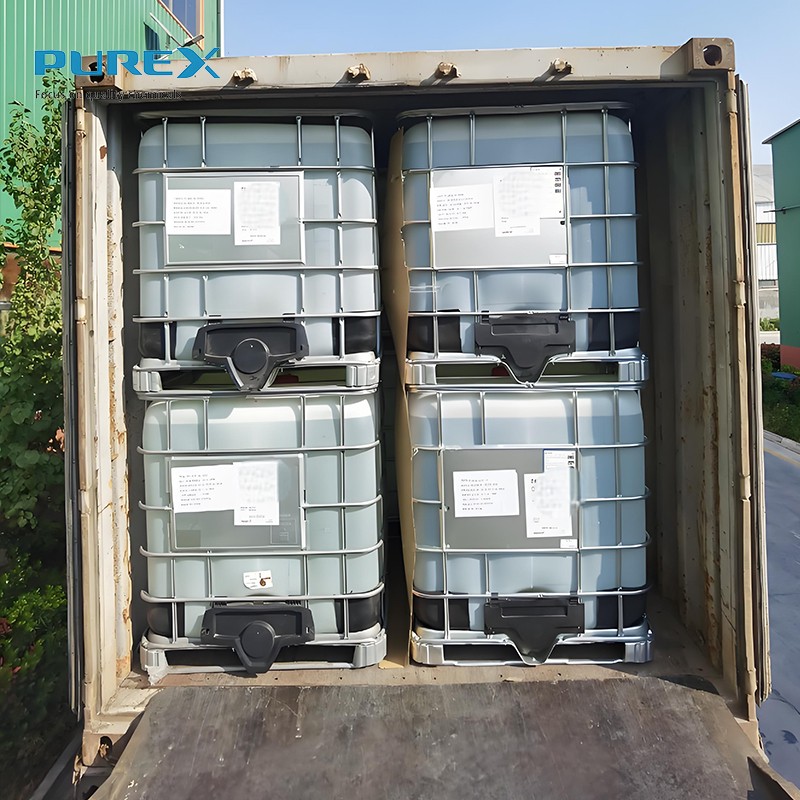
We offer flexible multimodal shipping, including dedicated rail transport to Eurasian regions, express air freight options, and direct liquid chemical distribution using specialized ISO TANK systems.
How do you ensure cargo security and quality during transit?
We employ end-to-end real-time GPS tracking for all container shipments, perform third-party port inspections at destinations, and offer complimentary temperature loggers for temperature-sensitive shipping.
What quality standards and certifications do your products hold?
Our products are fully certified under global quality standards, holding REACH, ISO 9001, and FMQS compliance certifications, ensuring standard customs clearance across global regions.
What payment terms do you accept?
We support highly flexible transactional structures including Letter of Credit (Sight/Term LC) and Telegraphic Transfer (TT with 20% advance and 80% upon shipment). Specific regional payment protocols are also available.
 Pulisi