 Pulisi
1 / 2
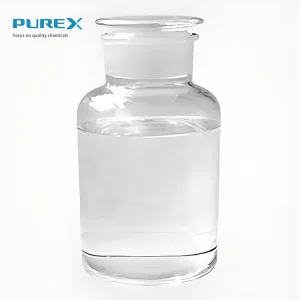
Hydroxypropyl acrylate is a colorless and transparent liquid with a pungent odor and certain chemical activity. Its storage requires comprehensive consideration of various factors. The specific storage conditions are as follows:
It should be stored in a cool environment, and the storage temperature is generally recommended to be maintained between -10°C and 25°C. Excessively high temperatures may accelerate the polymerization reaction of hydroxypropyl acrylate, causing product deterioration and affecting its chemical properties and usability.
Direct sunlight should be avoided because exposure to light such as ultraviolet rays may trigger photochemical reactions, promoting the polymerization reaction. Therefore, indoor storage is generally adopted, and shading materials can be installed on the windows of the warehouse to reduce the impact of light on the product.
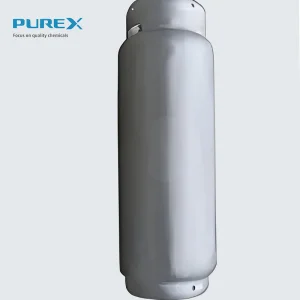
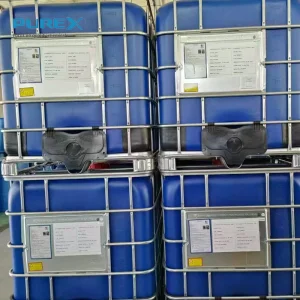
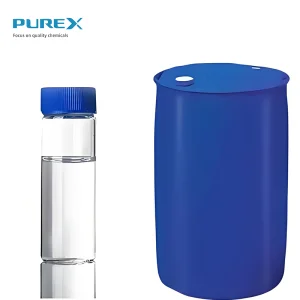
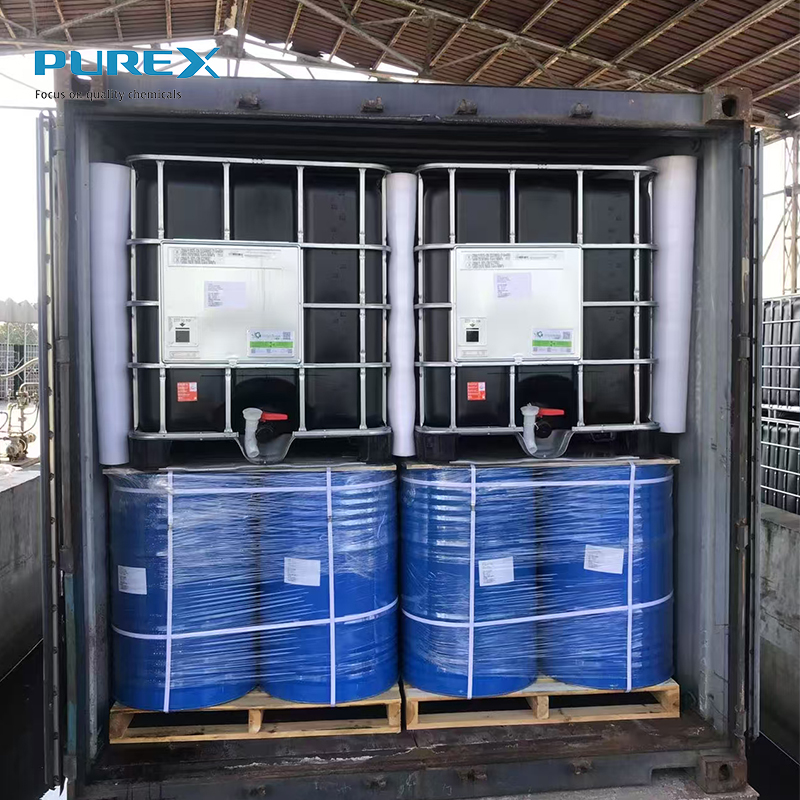
Sealed containers that meet relevant standards should be used for storage, usually stainless steel containers or plastic containers (such as high-density polyethylene containers). Hydroxypropyl acrylate is corrosive to metals (such as iron), so ordinary iron containers should not be used, while stainless steel containers can better resist its corrosive effect; for plastic containers, it is necessary to ensure that they do not chemically react with hydroxypropyl acrylate, and high-density polyethylene containers are a more suitable choice.
The container must have good sealing performance to prevent air from entering. Because hydroxypropyl acrylate is more prone to oxidation and polymerization reactions in the presence of oxygen, a well-sealed container can reduce contact with oxygen and extend the product's shelf life.
The storage area needs to have good ventilation conditions, which can timely discharge the potentially leaked hydroxypropyl acrylate vapor, reduce the concentration of its vapor in the air, avoid reaching the explosion limit, and at the same time help ensure the health of staff in the storage environment and prevent excessive inhalation of harmful vapors.
Hydroxypropyl acrylate is flammable and can react violently with strong oxidants. Therefore, the storage warehouse should maintain a sufficient safe distance from ignition sources (such as open flames, electric sparks, etc.), and should not be stored together with oxidants (such as potassium permanganate, hydrogen peroxide, etc.).
The name of "hydroxypropyl acrylate", hazards (such as flammable, harmful, etc.), storage precautions, and other information should be clearly marked on the storage container to facilitate management and identification.
Regularly inspect the stored hydroxypropyl acrylate to check whether the container is leaking and whether the product has signs of deterioration (such as color change, precipitation, etc.) to ensure storage safety.
Common questions regarding Hydroxypropyl acrylate uses, logistics, and storage specifications.
Hydroxypropyl acrylate is mainly used in the production of adhesives, thermosetting coatings, UV-curable coatings, photosensitive coatings, textile treatment agents, water stabilizers, and modifiers for synthetic resin copolymers. It serves as a key crosslinking functional monomer for acrylic resins to improve adhesion, weatherability, and chemical resistance.
It is recommended to maintain the storage temperature between -10°C and 25°C in a cool environment. Storing HPA at higher temperatures can accelerate its polymerization reaction, causing product deterioration and altering its chemical properties.
Hydroxypropyl acrylate is corrosive to metals like iron. For safe storage, it is recommended to use stainless steel containers or plastic containers, such as those made from high-density polyethylene (HDPE), which resist chemical corrosion and do not react with the product.
Direct sunlight and ultraviolet (UV) rays can trigger photochemical reactions that promote the polymerization of Hydroxypropyl acrylate. To prevent this, HPA must be stored indoors, and shading materials should be installed on warehouse windows to minimize light exposure.
The storage area must have excellent ventilation to dilute leaked vapors and prevent them from reaching explosive concentrations. Additionally, the warehouse must keep a safe distance from ignition sources (such as electric sparks and open flames) and must not store HPA alongside strong oxidants.
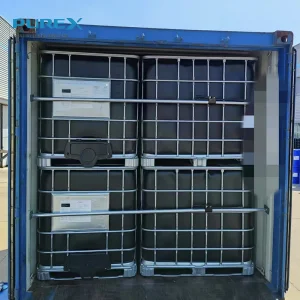
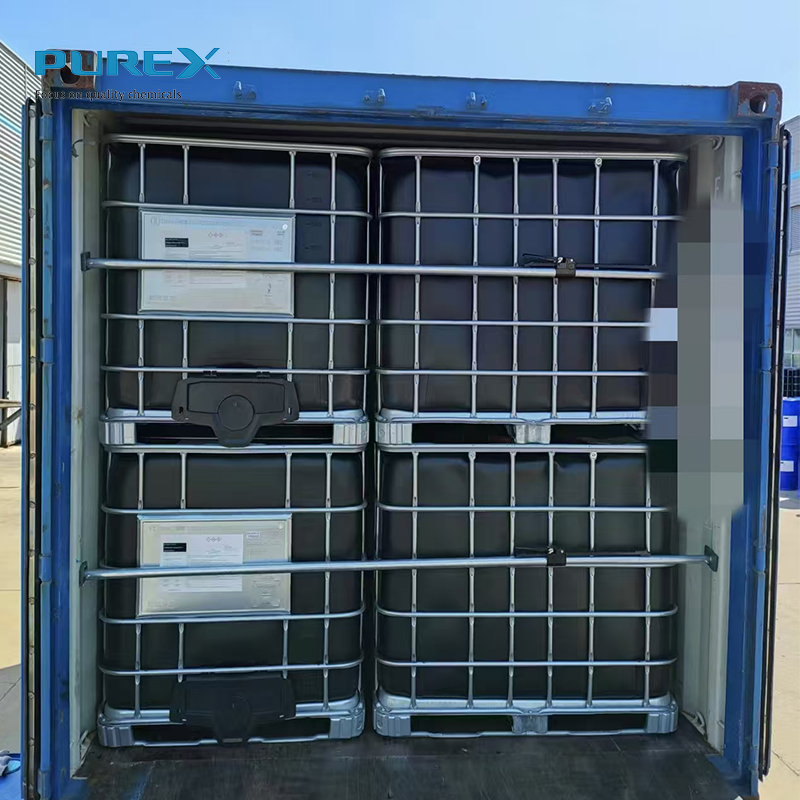
Shipments are backed by multimodal logistics networks, including air freight and dedicated rail routes, alongside Flexitank and ISO TANK solutions. Transit safety is maintained via real-time GPS tracking, third-party inspections at destination ports, and complimentary temperature monitoring loggers for reefer containers.