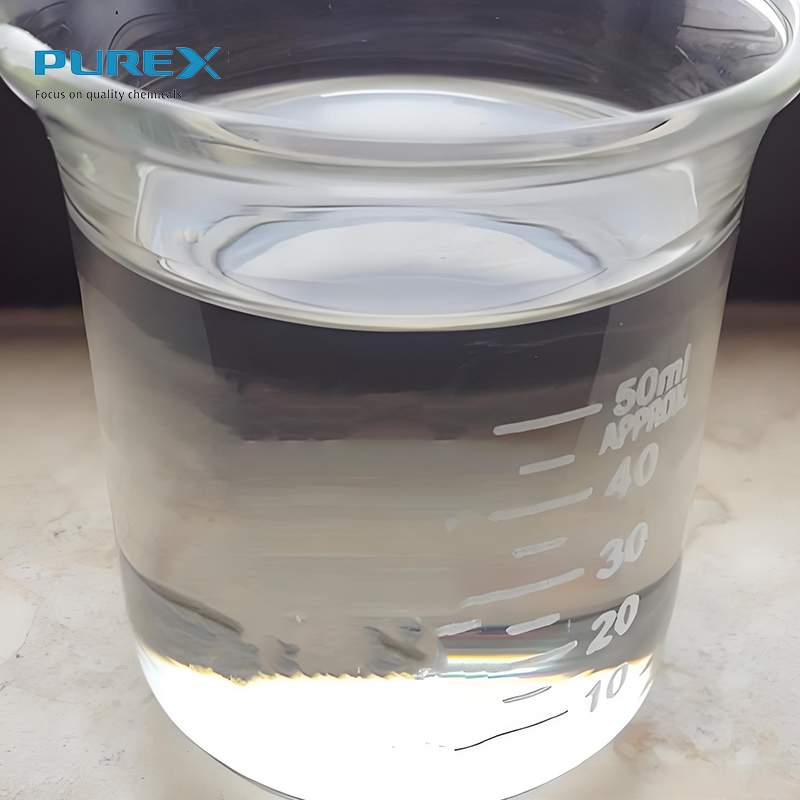
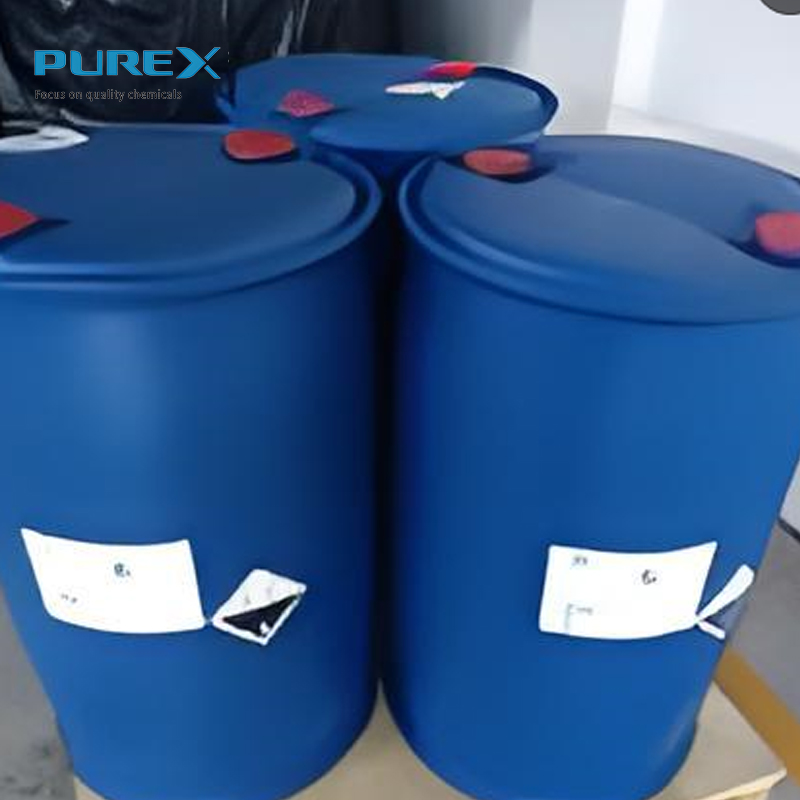
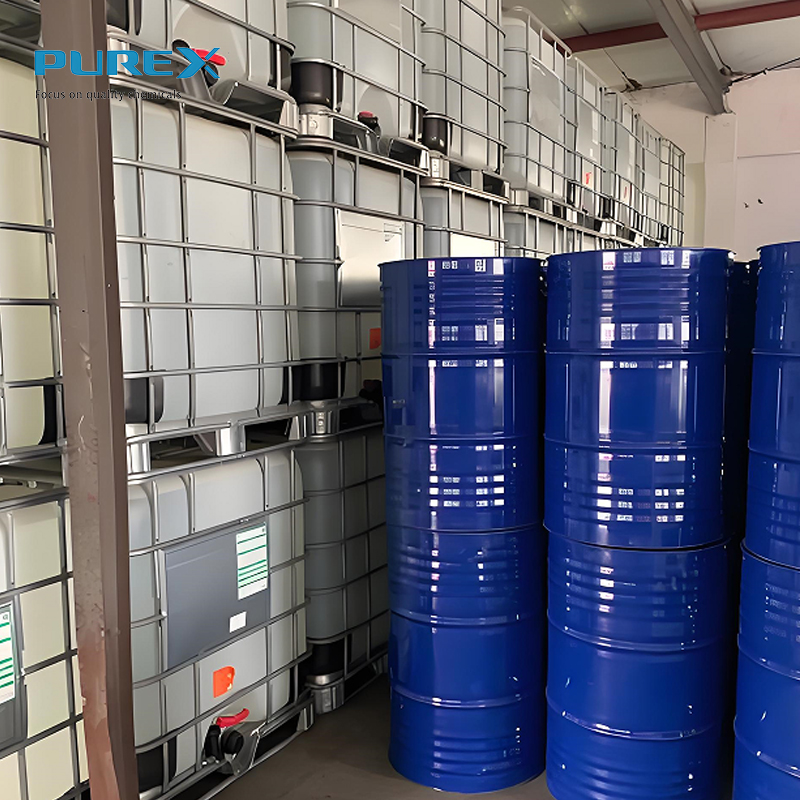
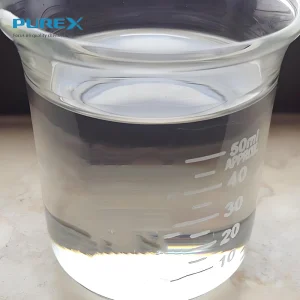
CAS No.929-06-6Molecular formula: C4h11no2Molecular weight: 105.14EINECS number: 213-195-4Melting point:-12.5 °CBoiling point:222.5 °CDensity: 1.06 g/cm3 (25℃)Flash point:127 ℃ (GB/T 261)Storage conditions:Store separately from food and feed.Do not store or place it together with acids.Water solubility:Soluble, 1000 G/LForm:LiquidColor: Colorless to Light YellowOdor: Amine odor
Third-party inspection services at destination ports (e.g., acetic acid shipments to South Africa).
After-Sales Assurance:
30-day quality guarantee with replacement/refund options.
Complimentary temperature monitoring loggers for reefer container shipments.
Product Spotlight: Diethylene Glycol Amine (DGA)
Diethylene glycol amine is a colorless to light yellow liquid with an amine-like odor. It is miscible with water in various proportions and is a widely used intermediate.
Primary Applications of Diethylene Glycol Amine (DGA) / Diethanolamine (DEA)
Diethanolamine (DEA) is used to remove carbonyl sulfide (COS) from liquid hydrocarbons, as well as carbon dioxide (CO₂) and hydrogen sulfide (H₂S) from natural gas, aliphatic hydrocarbon fluids, and other acid gases.
Diethylene glycol amine DEA acts as a selective solvent for recovering aromatics from refinery streams.
Diethylene glycol amine DEA is also used as a photoresist stripper, and in personal care products and metalworking fluids.
Notably, Diethylene glycol amine DEA performs exceptionally well as a desulfurizing agent.
Diethanolamine (DEA) can be used in extremely cold environments, and is particularly suitable for hot, water-scarce, and desert regions.
2-(2-Aminoethoxy) Ethanol DGA can be produced independently, co-produced with morpholine, or recovered as a by-product of morpholine production.
Technical Specifications & Parameters
2-(2-Aminoethoxy) Ethanol Parameter
Unit
Specification
Results
Platinum Cobalt Chroma
/
≤20
5
Water
%
≤0.20
0.06
Diethylene glycol amine DGA
%
≥99.5
99.81
DEG
%
≤0.10
0.01
Frequently Asked Questions
Q:
What are your key delivery speeds and warehousing capacities?
We utilize strategic inventory hubs at Qingdao, Tianjin, and Longkou port warehouses maintaining over 1,000 metric tons of stock. This framework ensures 68% of standard orders are delivered within 15 days, with urgent orders accelerated by 30% through our express logistics channels.
Q:
What standards and regulatory requirements do your products comply with?
Our logistics and supply processes are triple-certified under REACH, ISO 9001, and FMQS standards. Additionally, we comply with global hygiene regulations and maintain a 100% customs clearance success rate for Russian imports.
Q:
What payment options and safety guarantees are available?
We offer flexible payment terms including LC (sight/term) and TT (20% advance + 80% upon shipment). Specialized schemes are available such as a 90-day LC for South American markets and a 30% deposit + BL payment structure for Middle East markets. All orders are backed by a 72-hour conflict response protocol.
Q:
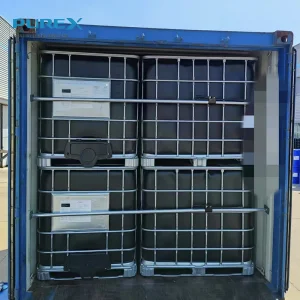
What transport methods and packaging options do you support?
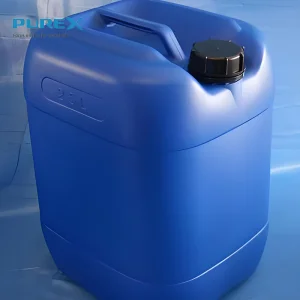
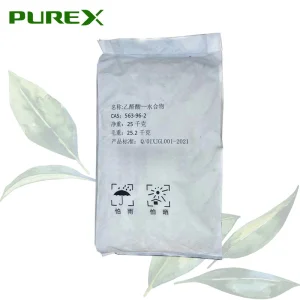
We offer air freight (e.g. 3-day delivery to Thailand), rail transport via Eurasian routes, and direct ISO TANK options for liquid chemicals. For packaging, we optimize costs using Flexitank technology (saving 12% on ethylene glycol) and offer moisture-resistant 25kg woven PP bags for solid grades.
Q:
What are the primary industrial applications of Diethylene Glycol Amine (DGA)?
DGA is widely utilized as an intermediate to remove carbonyl sulfide (COS), CO2, and H2S from gases and liquid hydrocarbons. It also acts as a selective solvent for aromatics recovery, a photoresist stripper, a desulfurizing agent, and is found in personal care products and metalworking fluids.
Q:
Can Diethanolamine (DEA) be used in extreme climates?
Yes. Diethanolamine (DEA) performs exceptionally well as a desulfurizing agent in extreme environments, making it highly suitable for both extremely cold regions and hot, water-scarce desert environments.
 Pulisi