Explore our premium grade chemical materials engineered to meet international safety and industrial specifications.
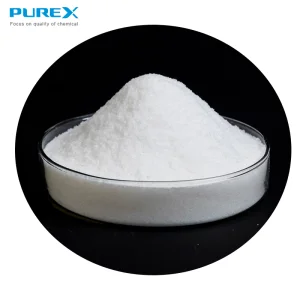
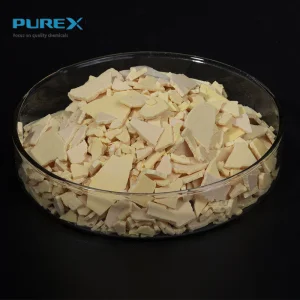
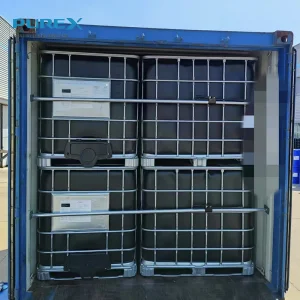
In the global leather tanning industry, chrome tanning remains the dominant processing method, accounting for over 80% of all finished leather products. Achieving optimal chrome fixation while preventing leather fibers from becoming brittle requires sophisticated chemical control. Sodium Formate (HCOONa) 95% min purity plays a critical role as an essential masking agent and buffering component in this system.
During chrome tanning, trivalent chromium complexes [Cr(H2O)6]3+ react with the carboxyl groups of collagen in raw hides. When the pH of the bath is raised too rapidly (basification), chromium complexes undergo olation—forming large, insoluble chromium hydroxide precipitates that cannot penetrate the inner layers of the hide, leading to a phenomenon known as "surface tanning."
Introducing Sodium Formate 95% provides formate anions (HCOO-) which coordinate directly with Cr(III) ions. This temporary coordination reduces the net positive charge of the chromium complexes, acting as a "masking shield." Consequently, it:
| Chemical Parameter | Standard Specification (95% Leather Grade) | Testing Protocol |
|---|---|---|
| Sodium Formate Purity | ≥ 95.0% | Titration Method |
| Sodium Hydroxide (NaOH) | ≤ 0.5% | Acid-Base Titration |
| Sodium Carbonate (Na2CO3) | ≤ 1.5% | Gravimetric Method |
| Moisture (H2O) | ≤ 3.0% | Karl Fischer / Loss on Drying |
| Heavy Metals (as Pb) | ≤ 0.001% | Atomic Absorption Spectroscopy |
Procuring Sodium Formate 95% requires balancing cost-effectiveness, chemical purity, and logistical stability. Large-scale global tanneries located in major leather hubs—such as South America (Brazil, Argentina), Southern Europe (Italy, Spain), South Asia (India, Bangladesh), and Southeast Asia (Vietnam, Indonesia)—exhibit distinct demand patterns based on their product offerings.
Fluctuations in active formate levels directly affect buffering calculations. A consistent 95.0% purity allows computerized dosing systems to run without manual calibration adjustments.
High moisture levels trigger caking in silo storage and during ocean transit. Premium suppliers keep moisture levels below 3.0%, ensuring excellent free-flowing properties.
Elevated levels of secondary salts (like chlorides and sulfates) can cause osmotic imbalances in the tanning bath, resulting in uneven leather dye absorption later on.
Enterprise procurement teams typically secure raw material through annual supply contracts with established manufacturers like Shandong Pulisi Chemical Co., Ltd. (Stock Code: 307785). These agreements mitigate risks related to ocean freight volatility and raw material pricing swings, ensuring steady monthly deliveries to processing facilities.
Established in 2006 and listed publicly in 2023 under Stock Code: 307785, Shandong Pulisi Chemical Co., Ltd. has developed into a premier global provider of petrochemicals, mining chemicals, feed chemicals, and pharmaceutical intermediates.
Over the past two decades, we have established long-term, stable strategic partnerships with Fortune Global 500 companies, including China National Petroleum Corporation (CNPC) and Saint-Gobain. Operating under our core corporate philosophy—"Customer First, Rapid Response; Striving as the Foundation, Efficient Collaboration; Integrity and Uprightness, Agile Adaptation"—we deliver chemical solutions that enhance raw material utilization and boost our clients' market competitiveness.
Our mature warehousing and distribution infrastructure is strategically located near major maritime and overland export hubs, including Qingdao Port, Tianjin Port, and crucial Xinjiang border ports (Alashankou, Khorgos). This enables flexible supply chains, short lead times, and reliable delivery for tanneries and chemical distributors globally.

With environmental regulations tightening globally, leather manufacturers face strict compliance requirements regarding wastewater discharge. Regulatory groups like the Leather Working Group (LWG) monitor chemical oxygen demand (COD), total dissolved solids (TDS), and heavy metal concentrations in tannery effluents.
Using Sodium Formate 95% offers distinct environmental benefits compared to alternative masking agents like Sodium Acetate:
Integrating Sodium Formate 95% into basification recipes helps global tanneries meet sustainability targets without sacrificing grain smoothness or tensile strength.
Historically, Sodium Formate has been produced using two primary industrial routes. Understanding these methods is critical for evaluating raw material consistency and pricing stability.
This method involves reacting carbon monoxide (CO) gas with sodium hydroxide (NaOH) under high pressure (1.5–2.0 MPa) and temperature (150–200°C):
CO + NaOH → HCOONa
This direct synthesis route yields a product with minimal organic impurities and excellent batch-to-batch consistency. Shandong Pulisi leverages this process to provide high-purity Sodium Formate 95% and 98% grades that are virtually free of residual catalysts.
Sodium Formate can also be recovered as a by-product of pentaerythritol production. While cost-effective, this material often contains traces of pentaerythritol, dipentaerythritol, and other organic residues. These impurities can occasionally cause unexpected foaming in tanning drums, making the direct synthesis route the preferred choice for premium leather manufacturing.
The chemical industry is increasingly moving toward captured carbon monoxide (CCU) and bio-based sodium hydroxide to produce Sodium Formate. This shift aims to reduce the product's carbon footprint, helping downstream leather brands achieve net-zero scopes throughout their supply chains.
Importing chemical raw materials requires navigating complex international trade regulations, customs protocols, and safety compliance standards. Shandong Pulisi supports global operations through a rigorous compliance framework:
Our products comply with European REACH, South Korean K-REACH, and global GHS labeling standards, ensuring smooth customs clearance at destination ports.
We maintain ISO9001:2015 Quality Management and German BV certifications. Our products hold Kosher, Halal, and FAMI-QS certifications for specialized applications.
We operate dedicated warehousing facilities at Qingdao Port and Tianjin Port, as well as land border ports in Xinjiang, enabling rapid dispatch and flexible shipping arrangements.
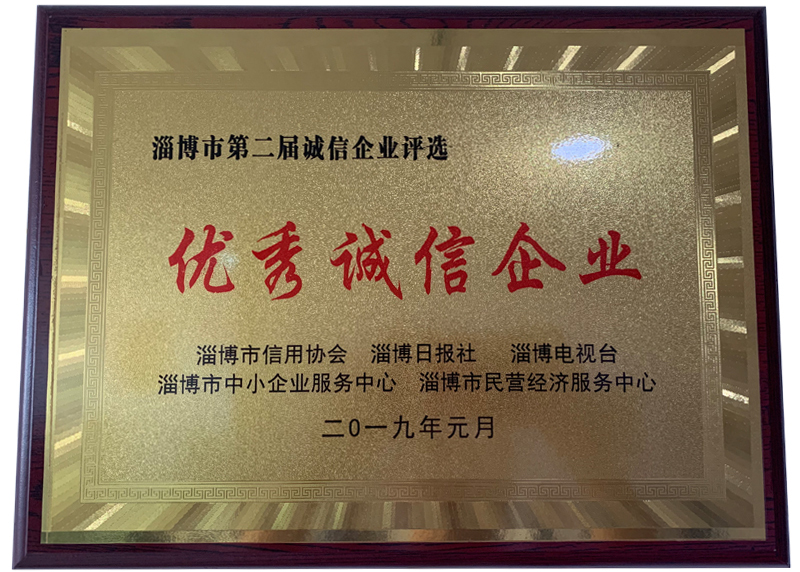
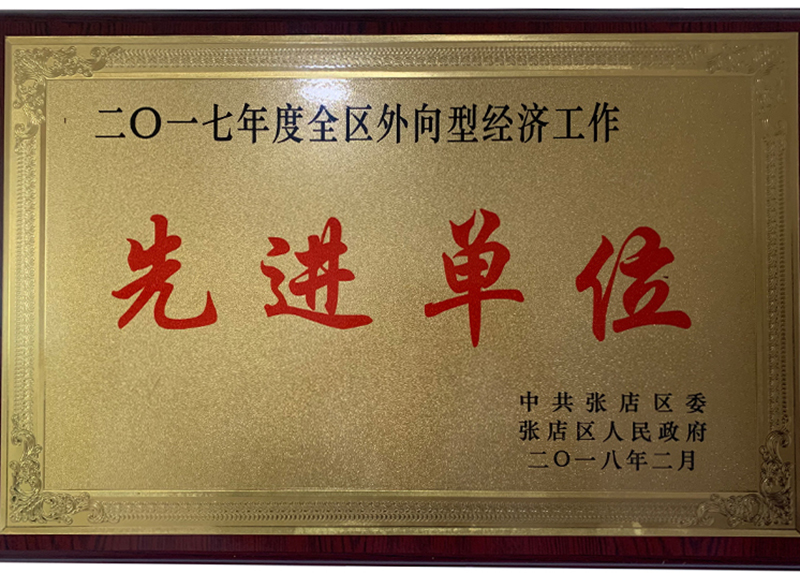
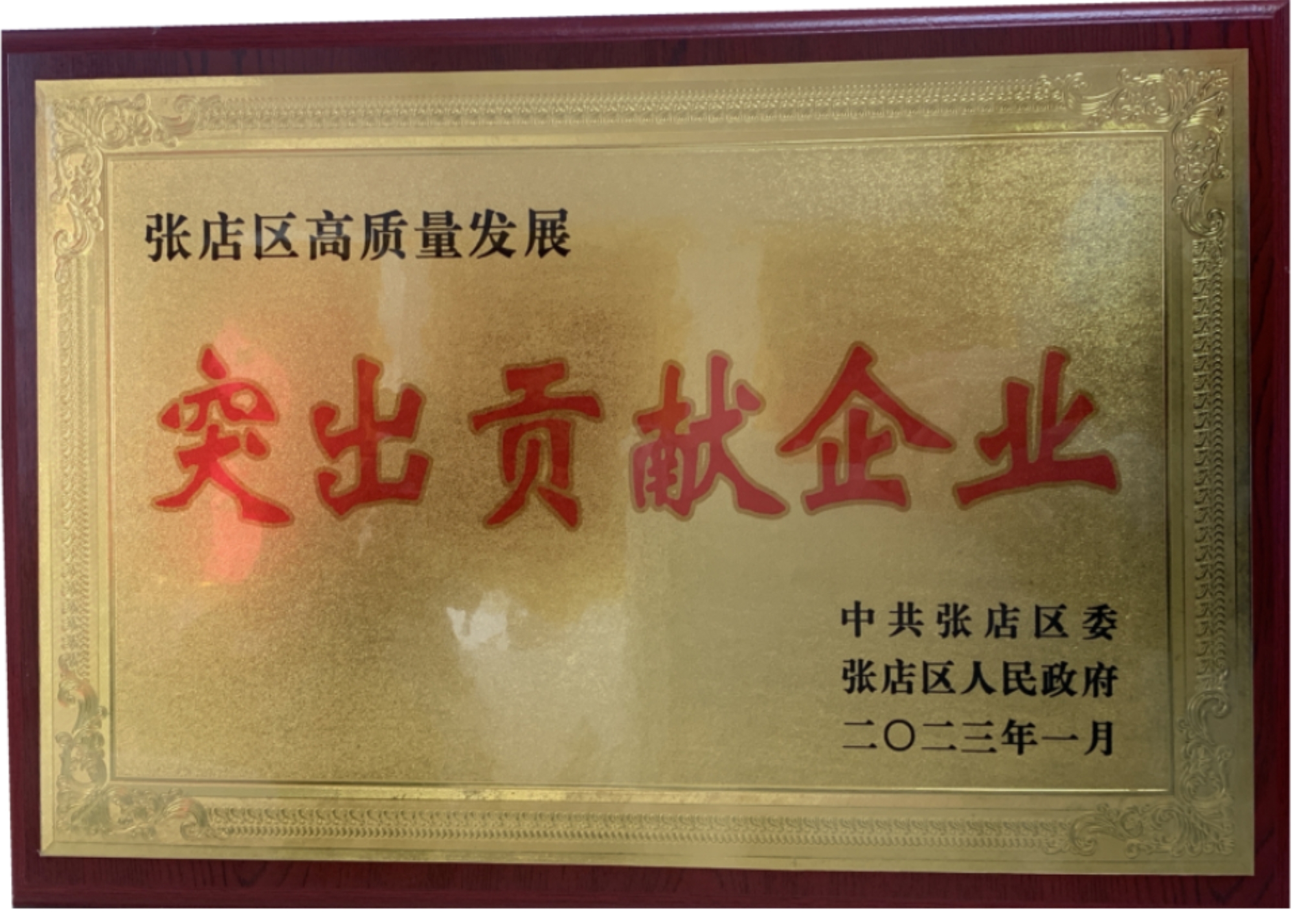
Our products undergo rigorous testing and hold third-party certifications to ensure reliability and safety in industrial applications.
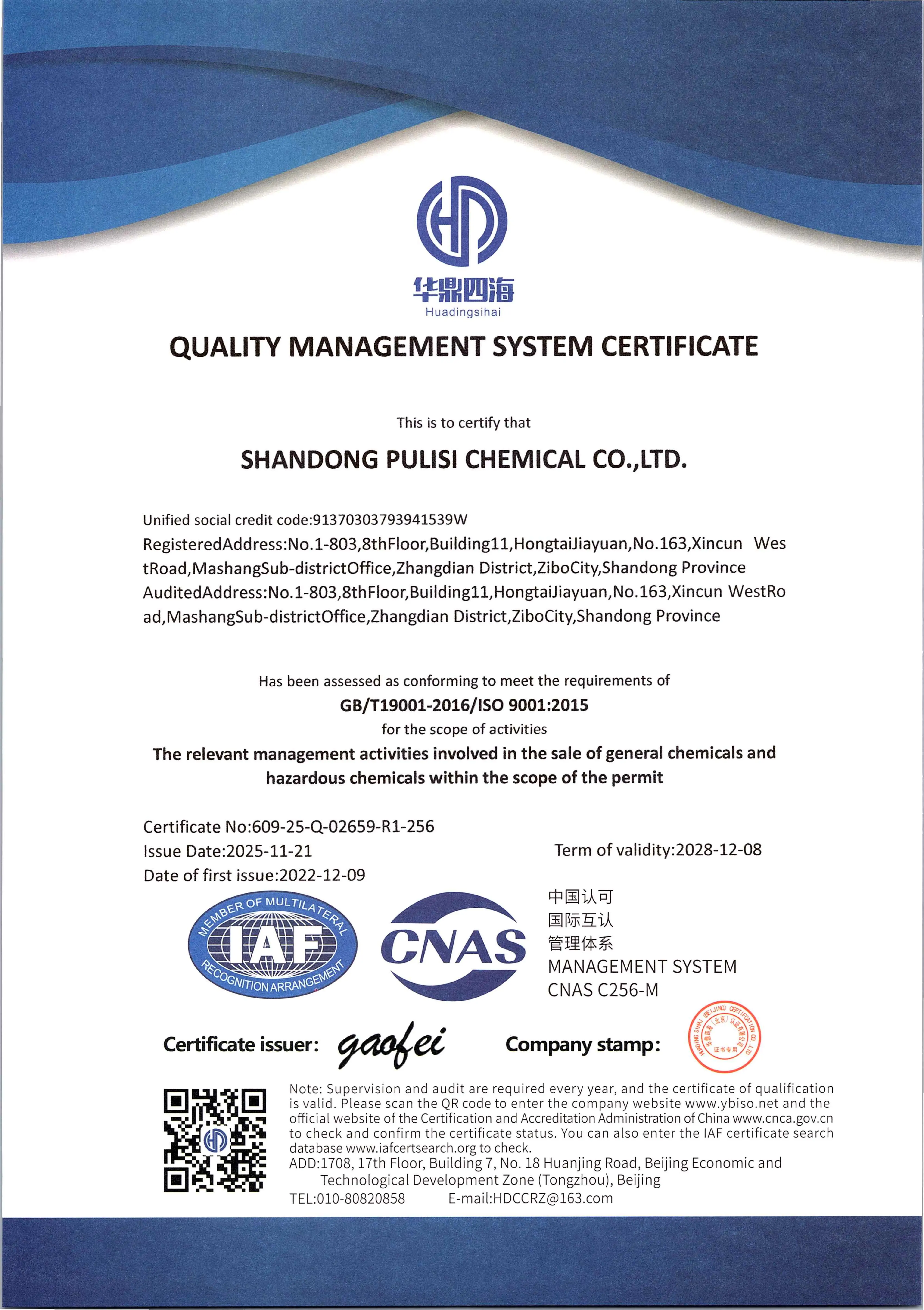
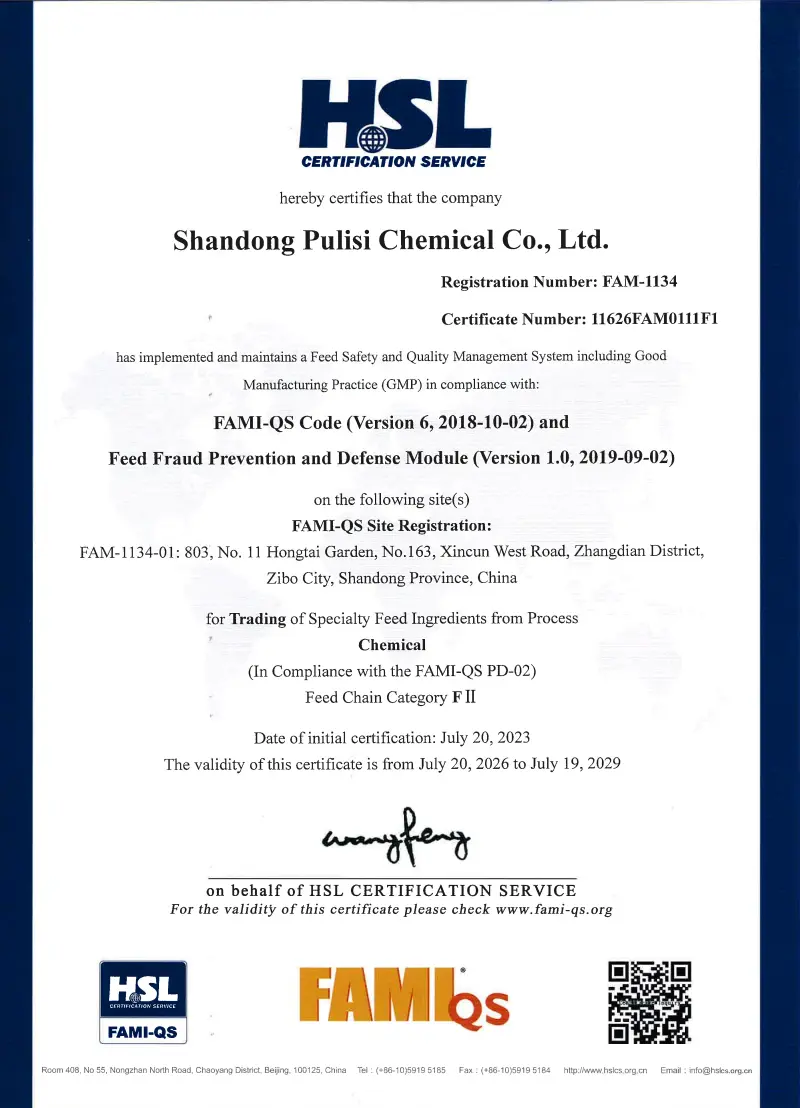
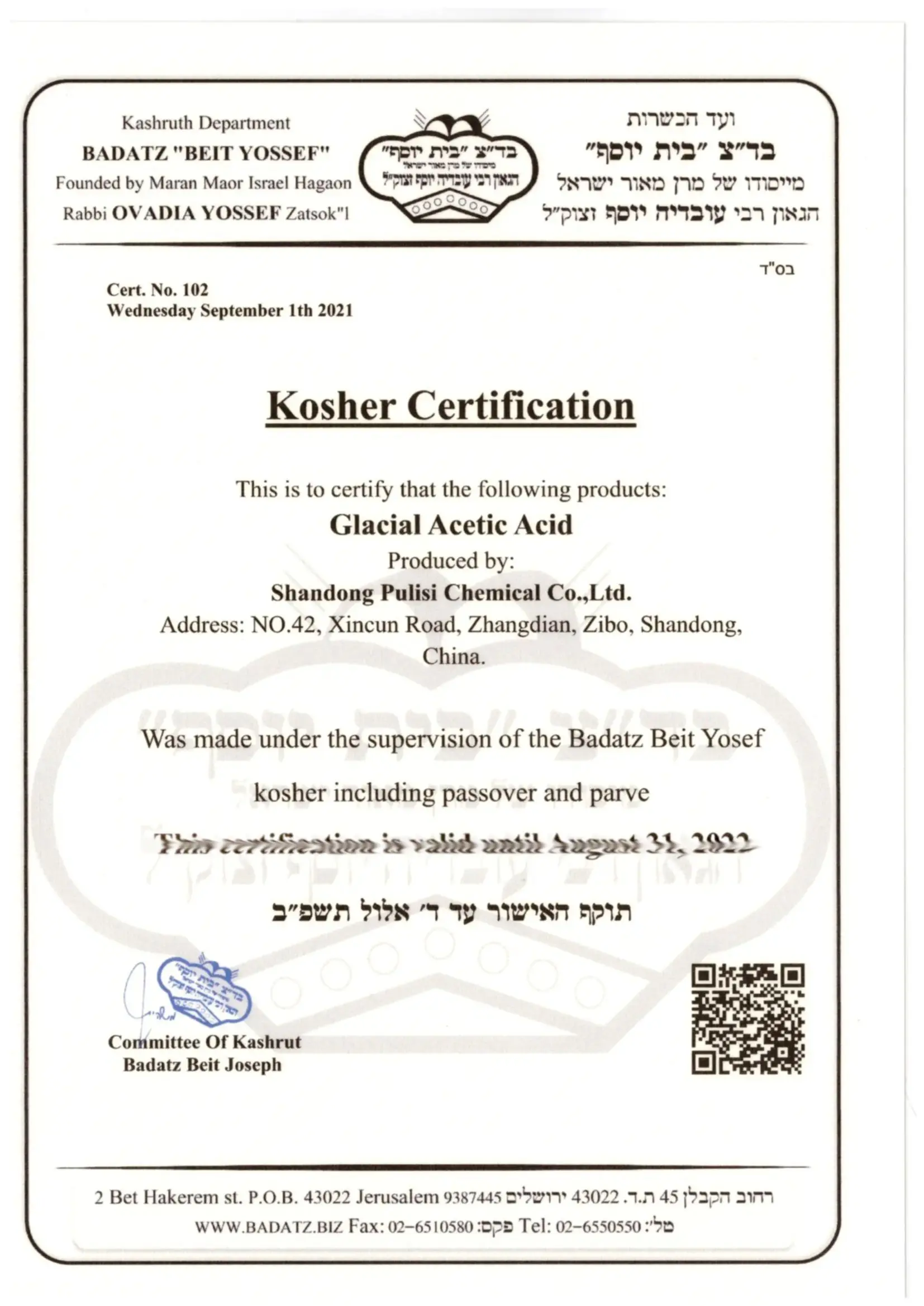
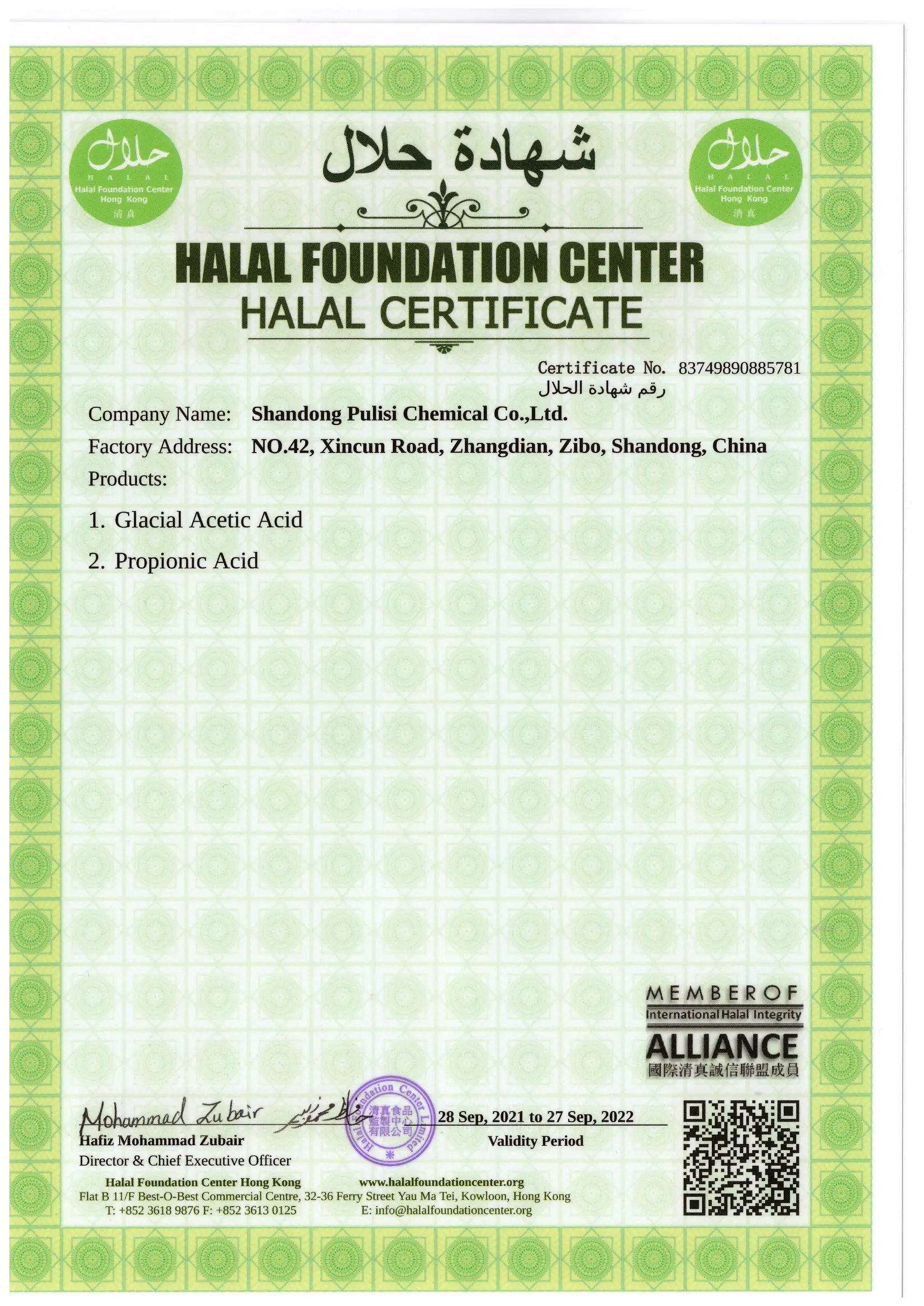
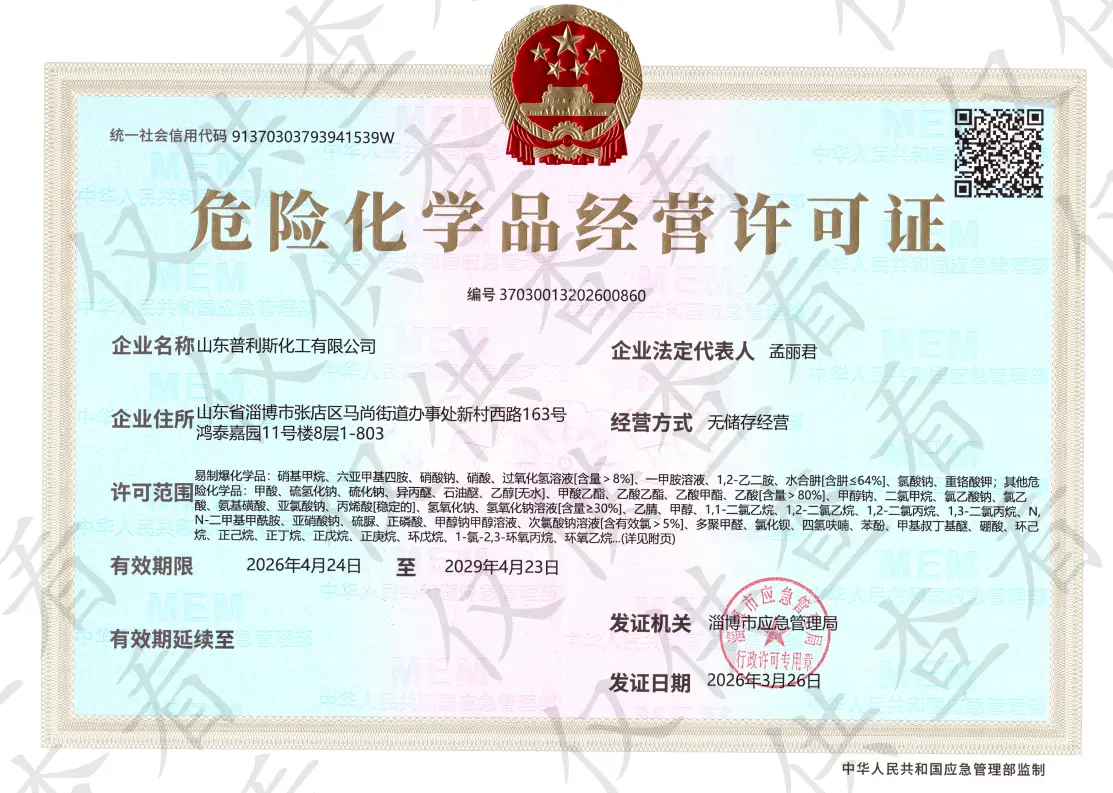
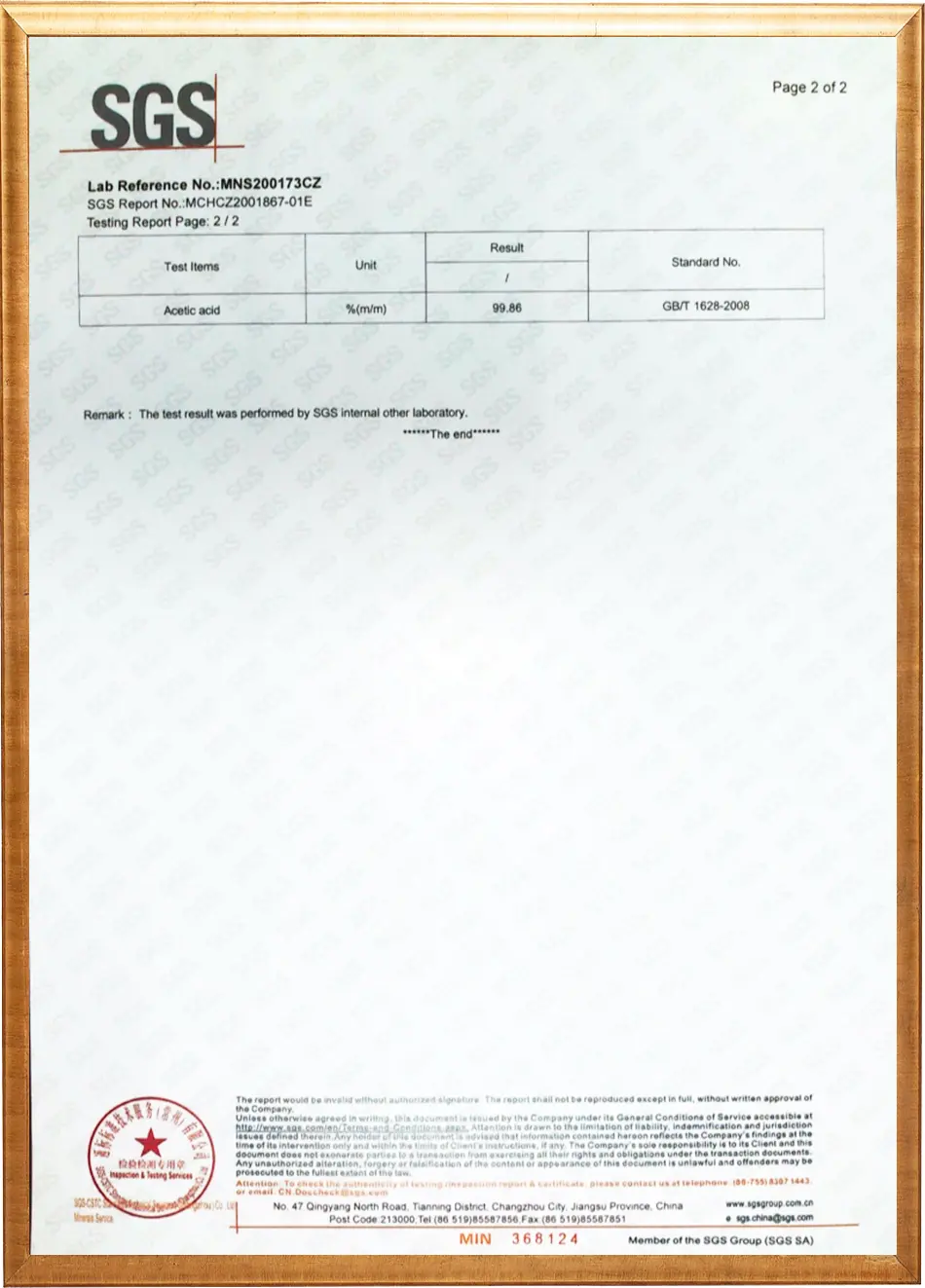
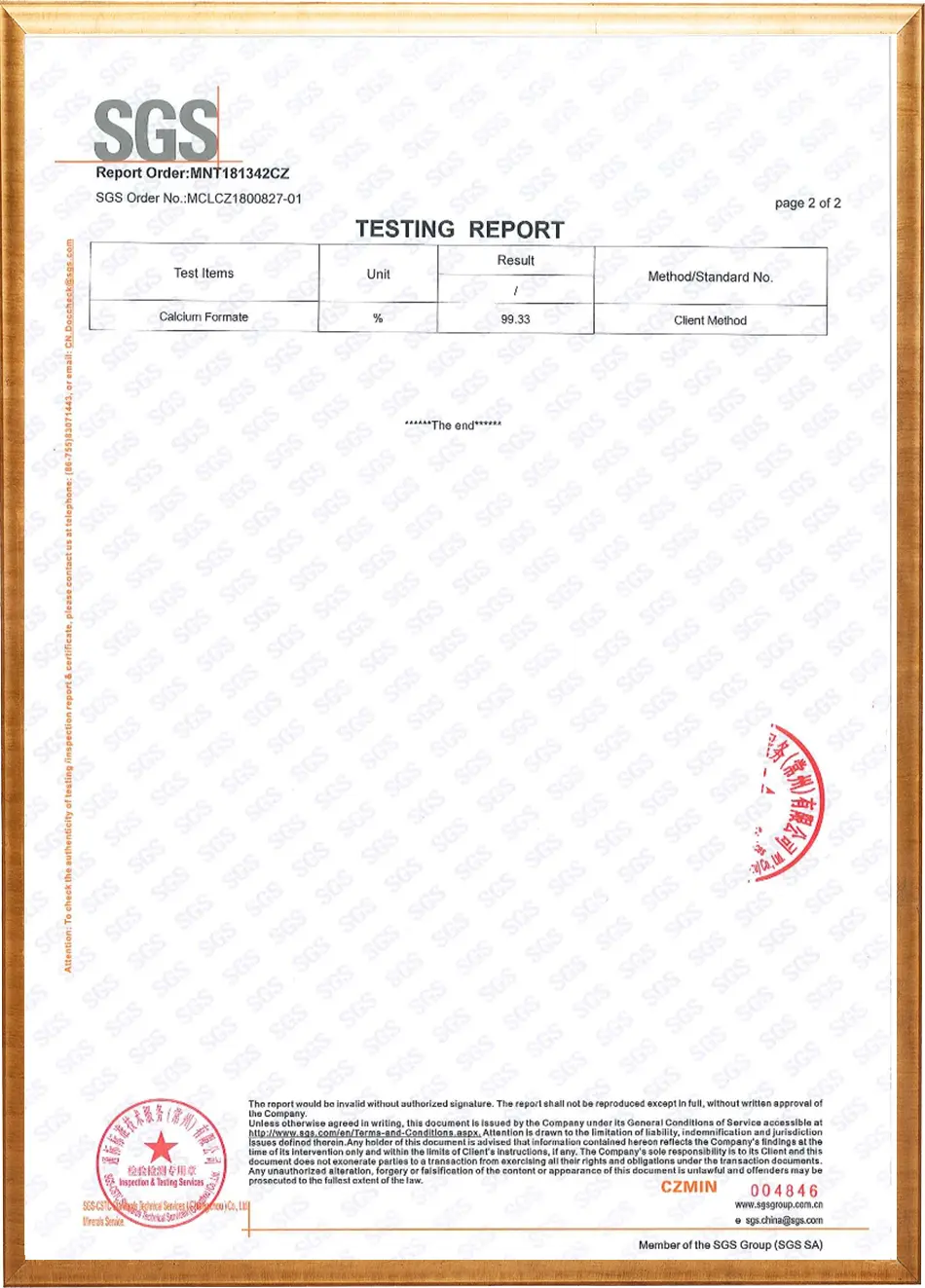
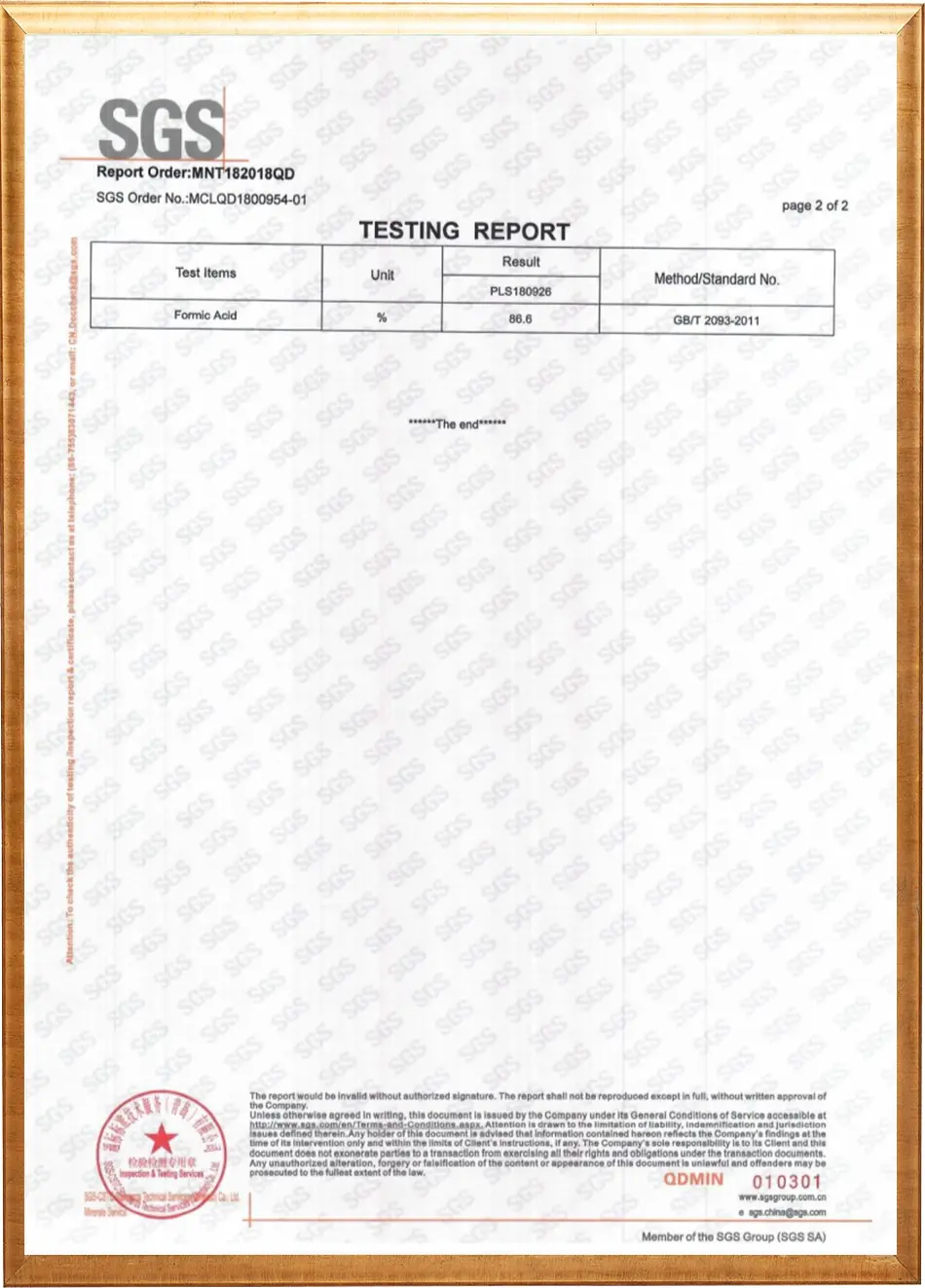
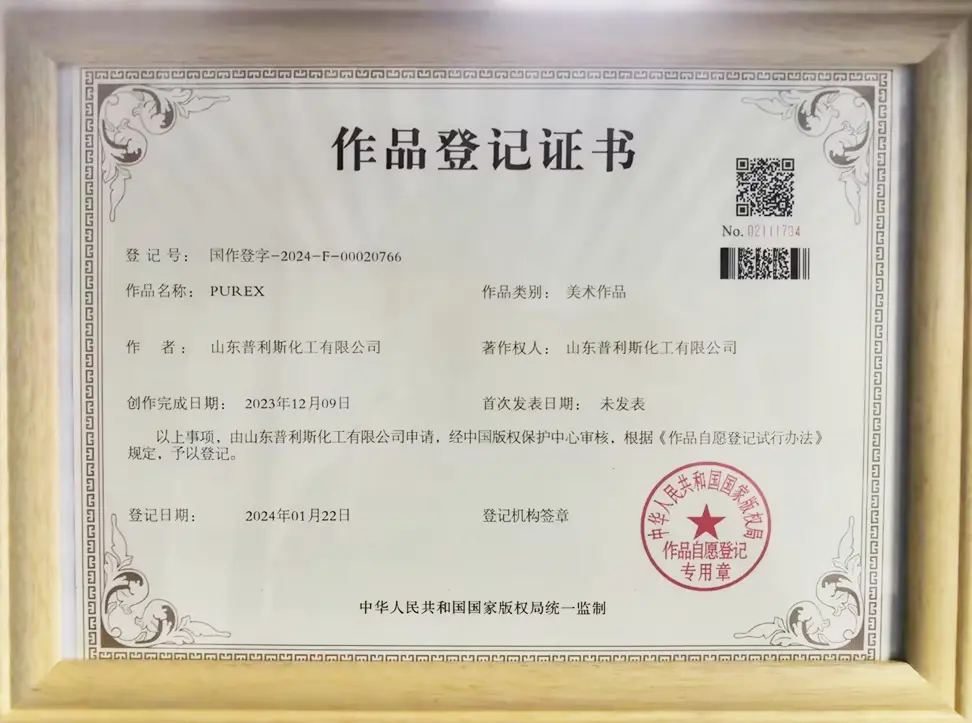
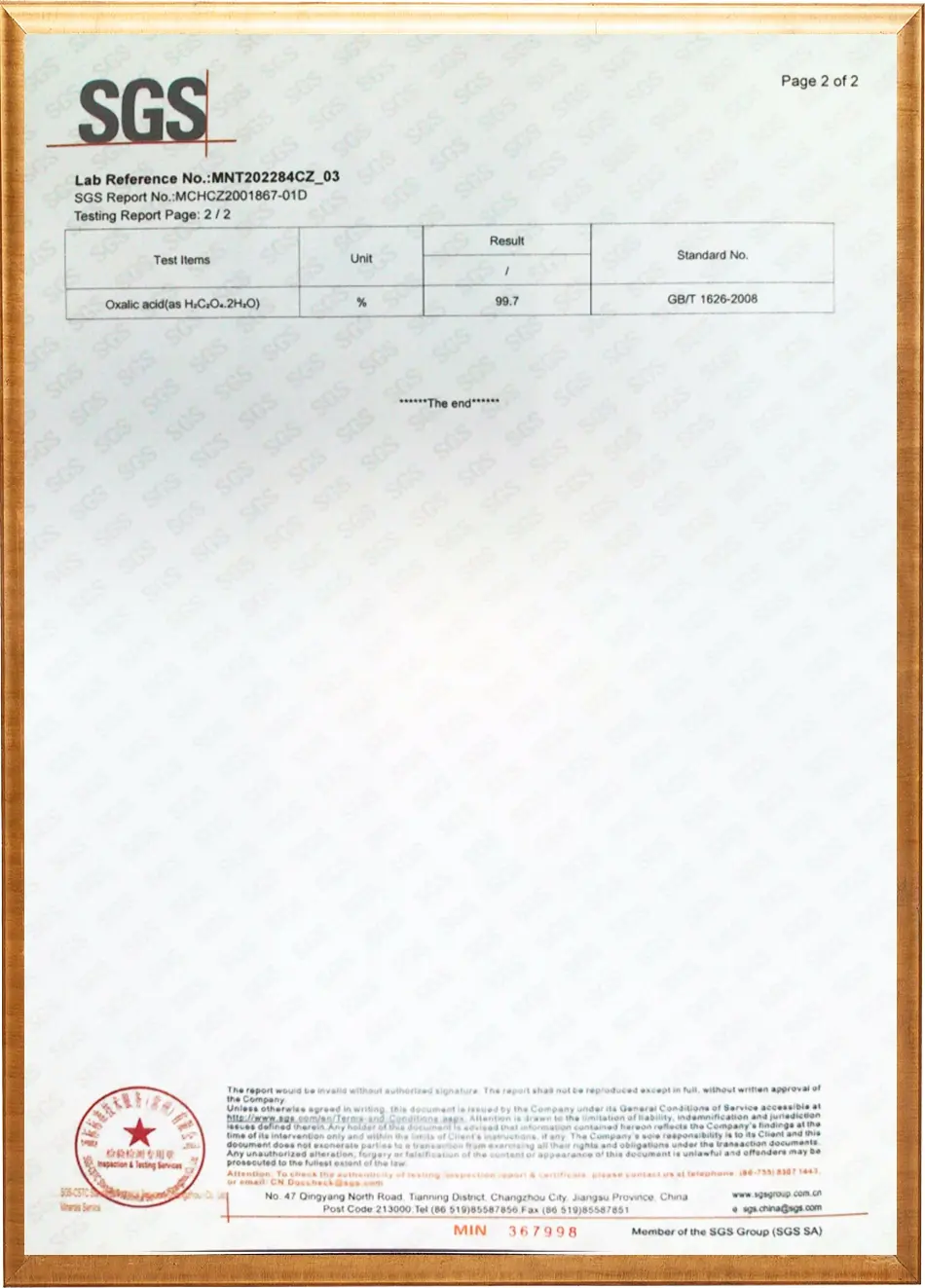
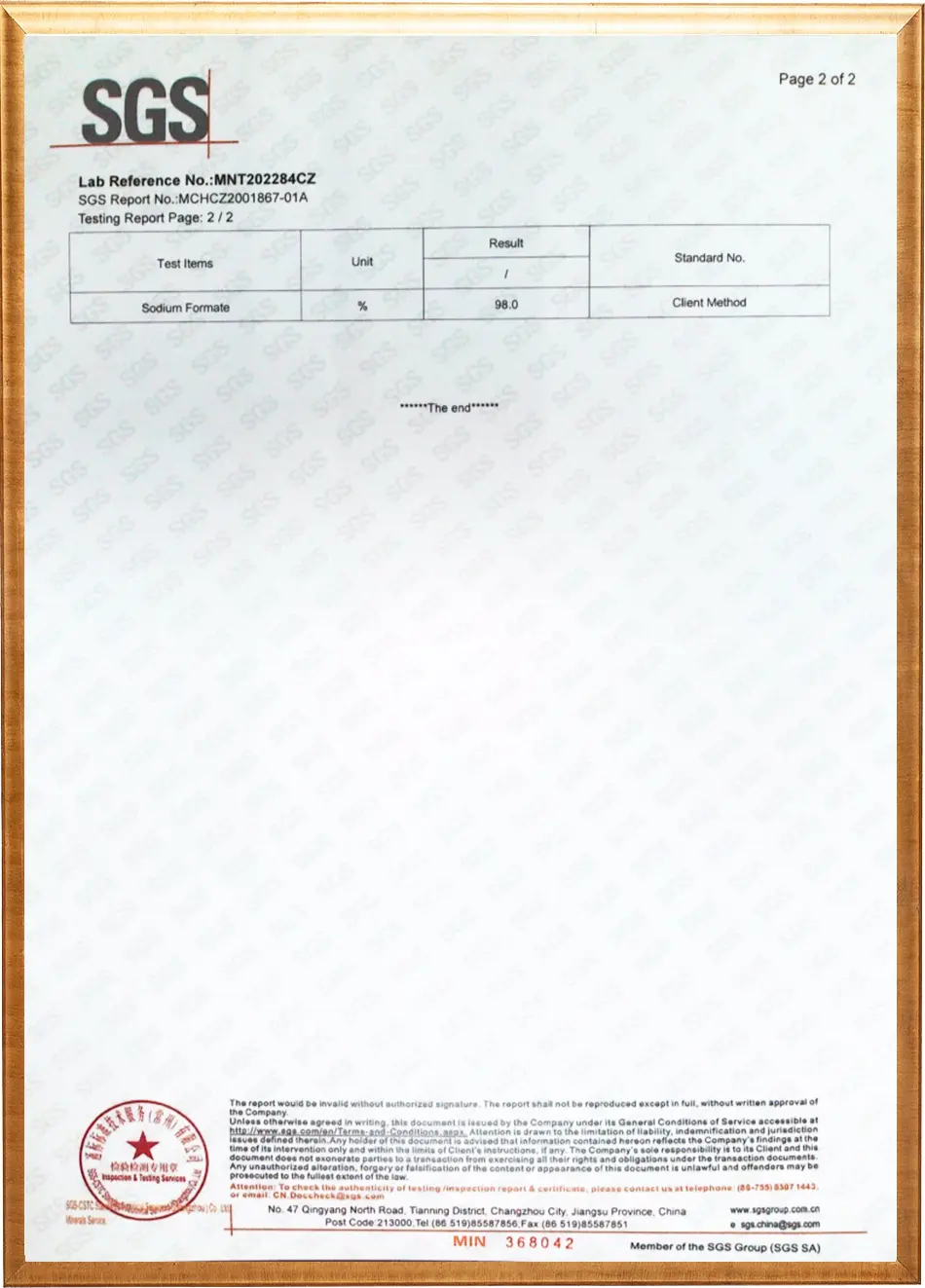
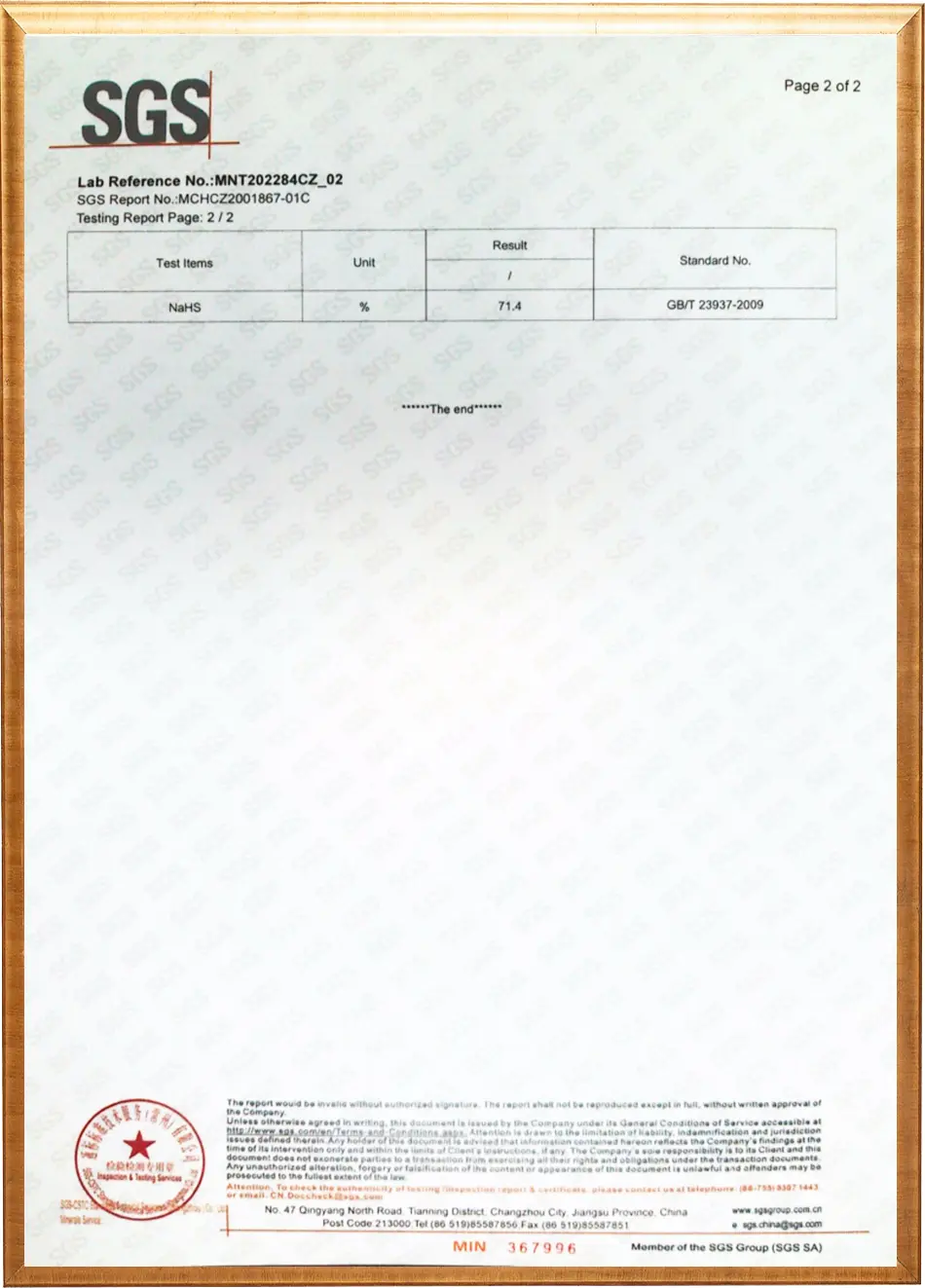
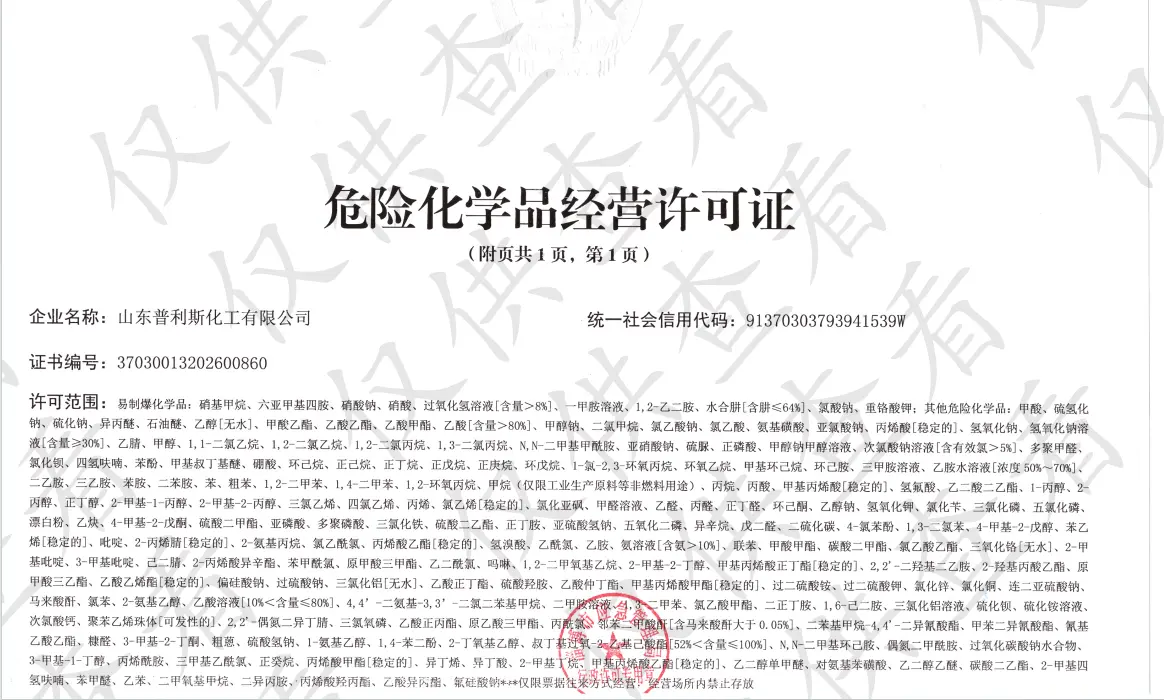
Shandong Pulisi Chemical's journey of innovation, strict management, and commitment to environmental safety is recognized by municipal and international bodies alike.
We actively showcase our latest developments and chemical solutions at international industry events, fostering collaboration with global partners.
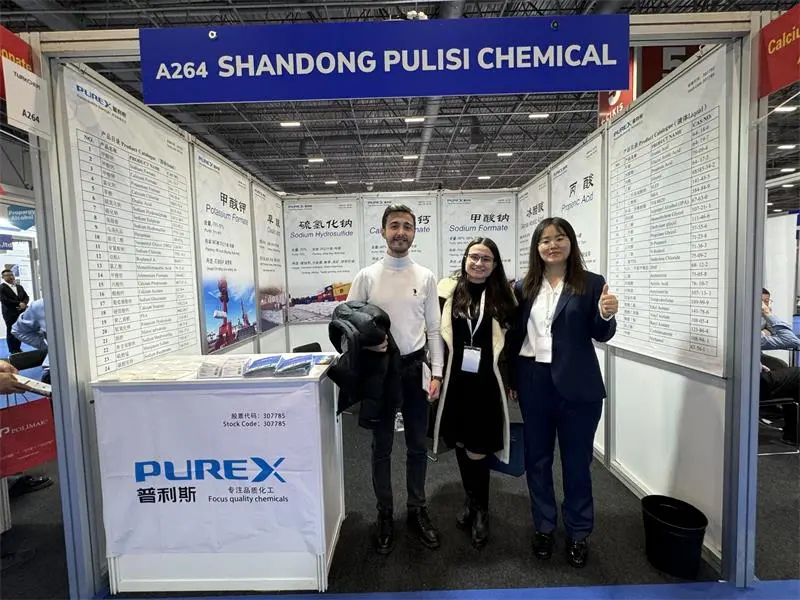
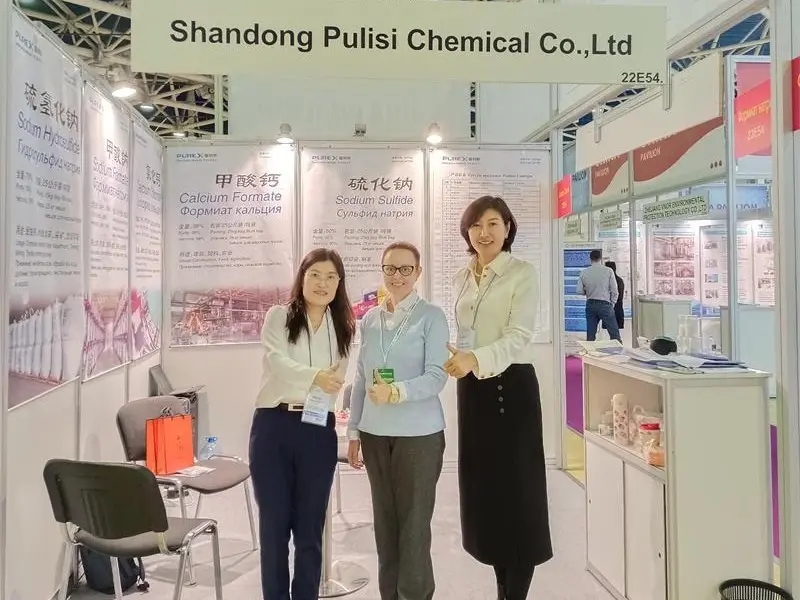
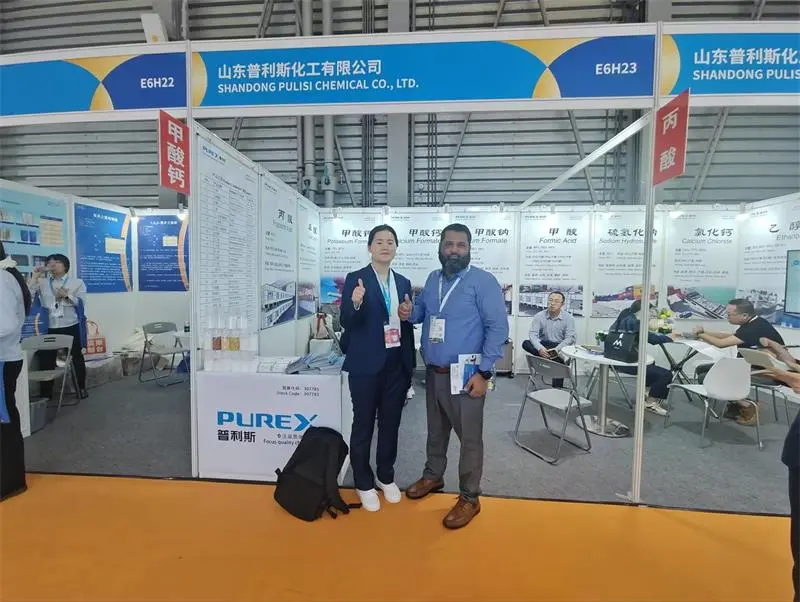
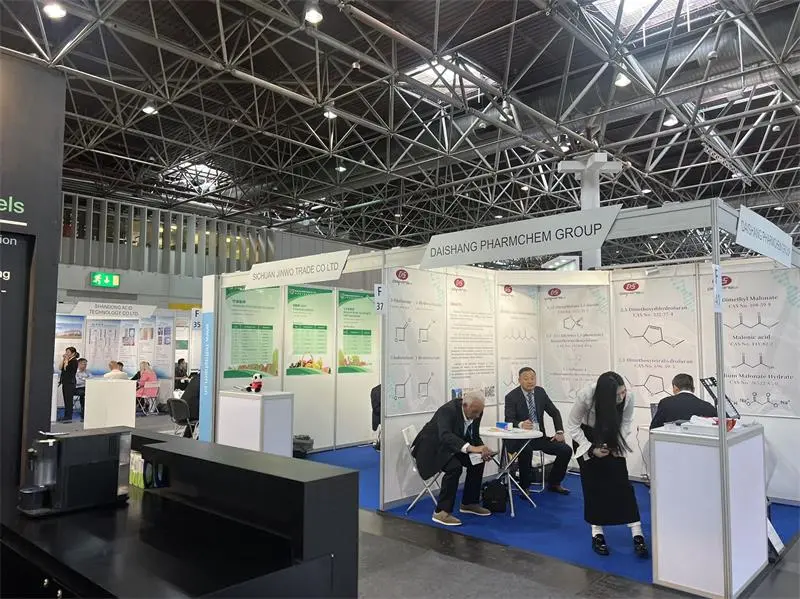
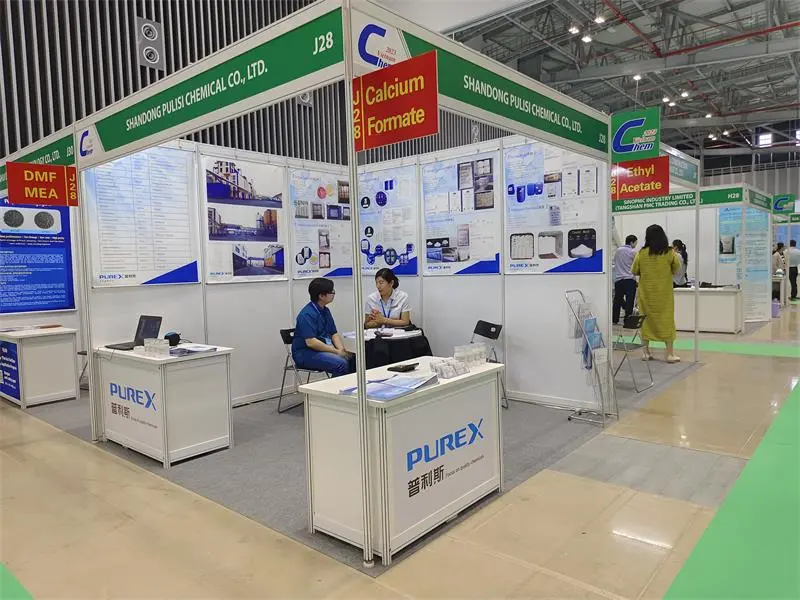
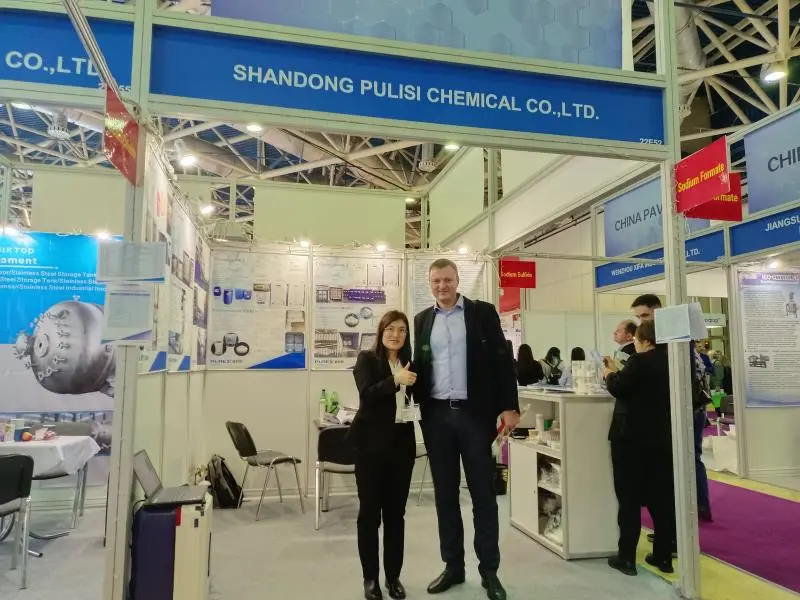
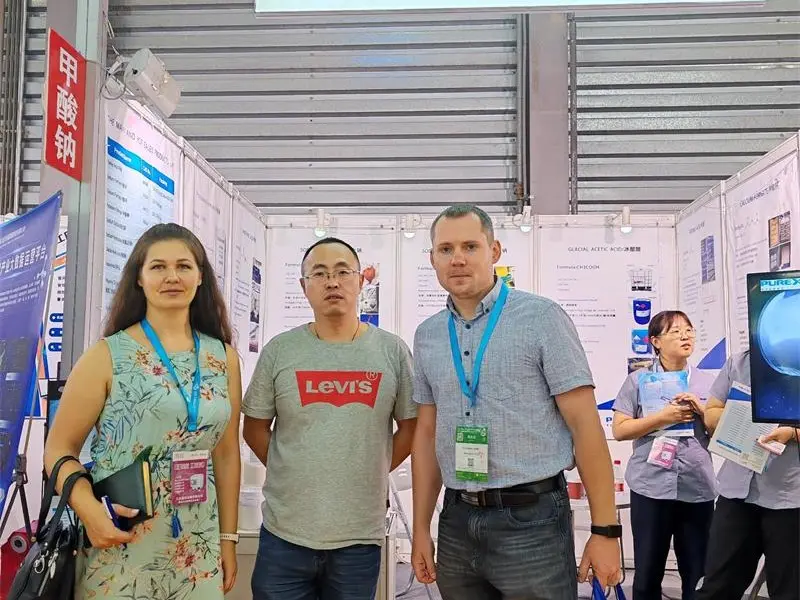
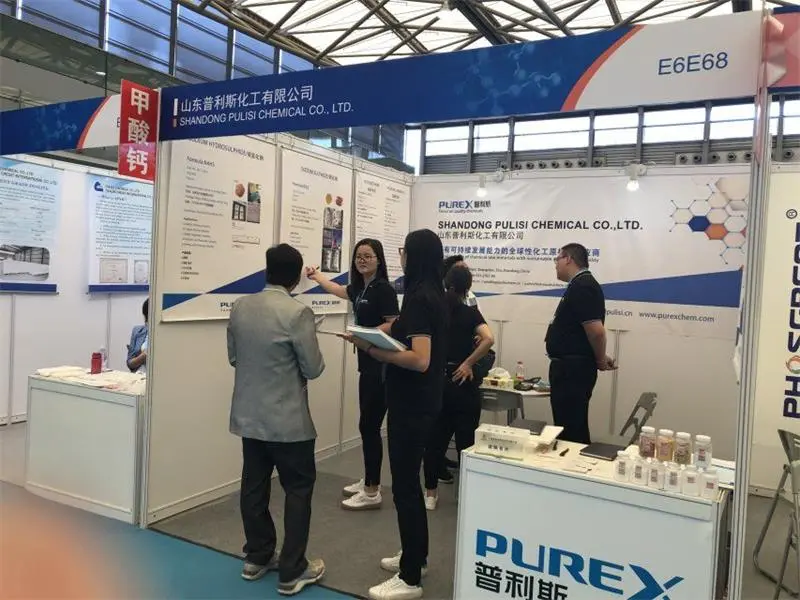
Direct from our manufacturing units to your logistical warehouses. Pure formulations, certified quality parameters.
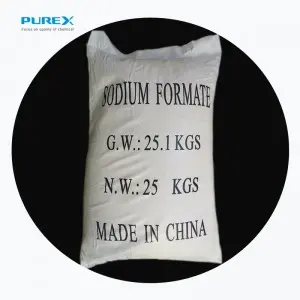
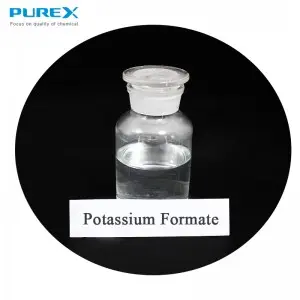
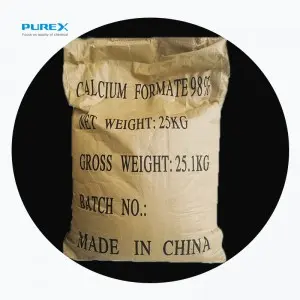
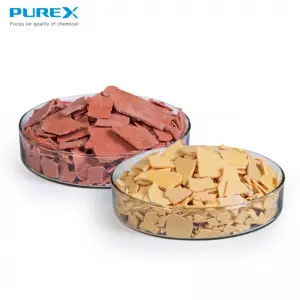
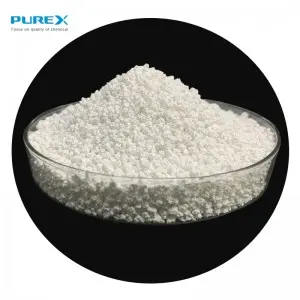
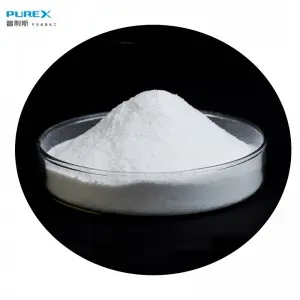
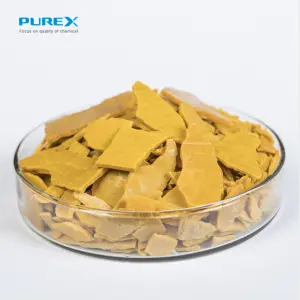
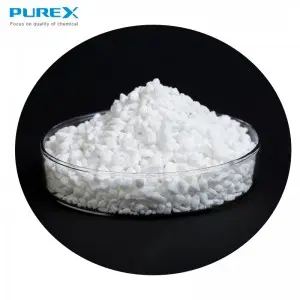
Providing high-performance chemical solutions across major global industries, from construction to textile processing.








We combine advanced manufacturing processes with global distribution networks to support chemical supply chains worldwide.
Exporting to more than 100 countries and regions with customs compliance assurances.
Over 20 years of export experience, maintaining active partnerships with more than 1,000 global enterprises.
Certified by ISO, SGS, K-REACH, and FAMI-QS to meet strict regulatory and safety standards.
We provide structured, transparent pricing based on volume contracts and custom packaging requirements.
We maintain dedicated warehouse facilities at major ports, enabling rapid shipping and transit times.
Our technical sales team offers rapid response and comprehensive after-sales support.

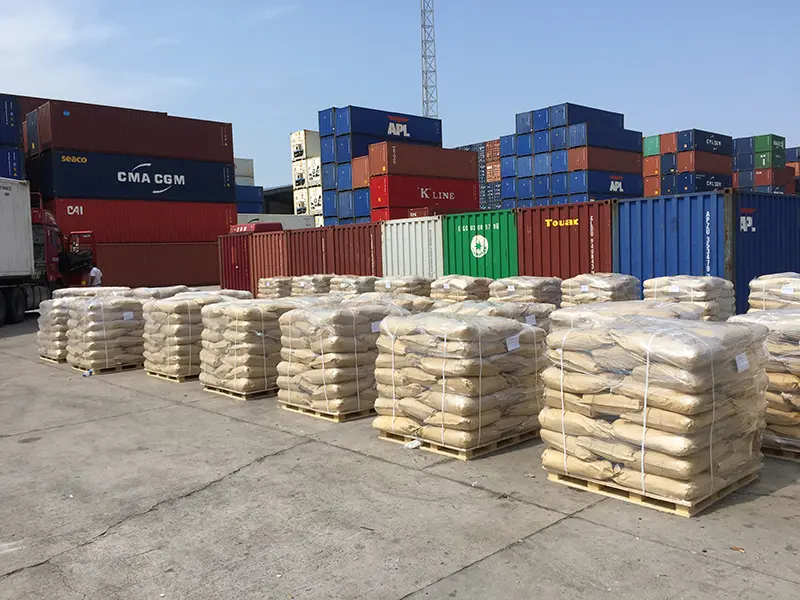
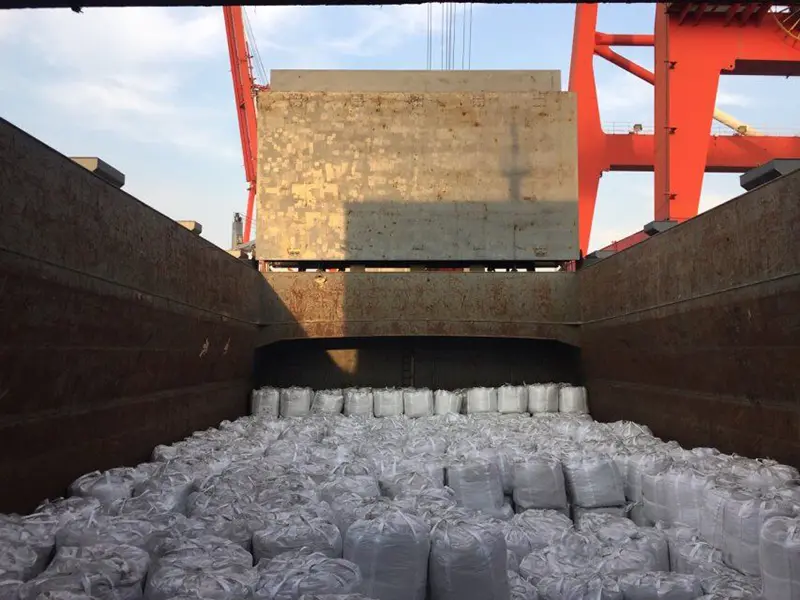
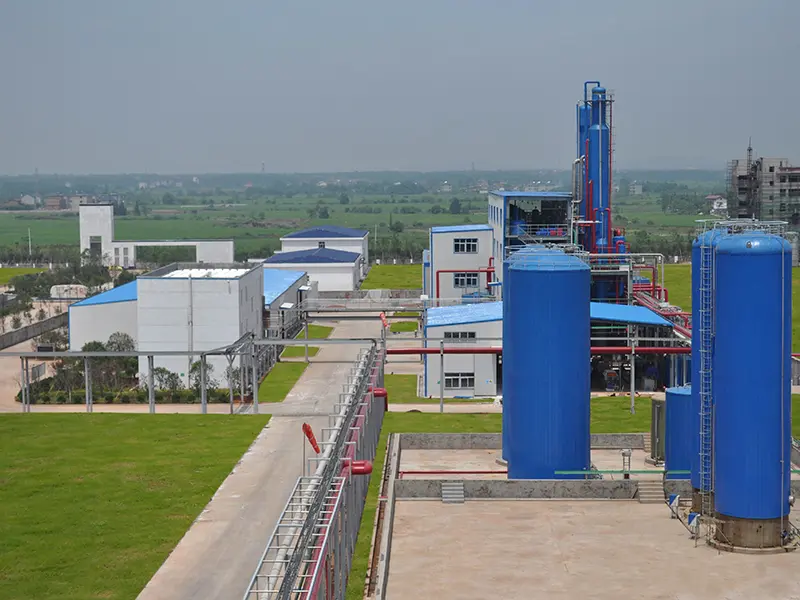
We work closely with major multinational chemical buyers and state-owned enterprises to ensure raw material supply chain security.










Get authoritative technical, commercial, and logistical answers regarding Sodium Formate 95% and related chemical orders.
Access our full range of raw materials for construction, agricultural, mining, and industrial applications.
 Pulisi