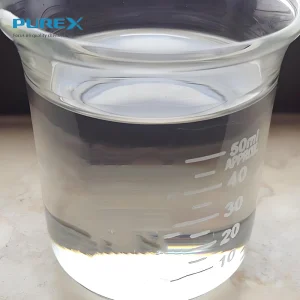
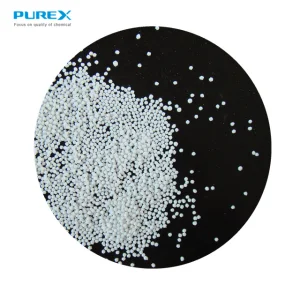
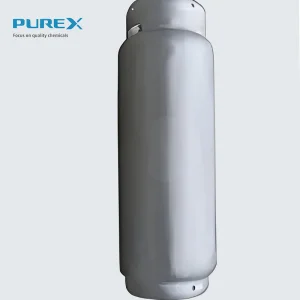
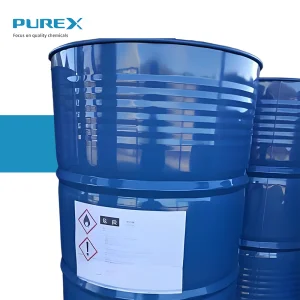
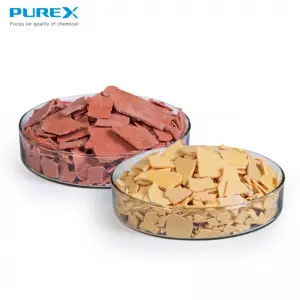
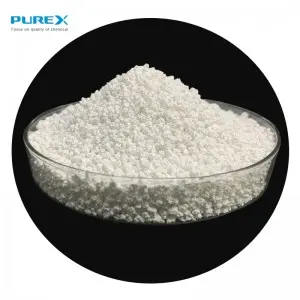
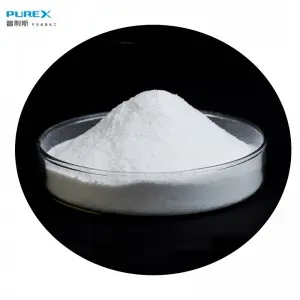
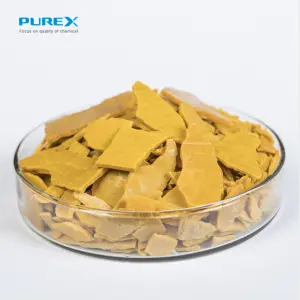
Explore our highly integrated chemical product list supplying petrochemical, agricultural, construction, and mining industries globally.
In the modern synthetic chemical industry, Formic Acid (HCOOH, Methanoic Acid) holds a pivotal position as one of the most versatile carboxylic acids. Serving as a crucial raw material across leather tanning, agricultural feed preservation, rubber latex coagulation, and pharmaceutical synthesis, formic acid demands extreme precision in both its synthesis methods and global supply chain logistics.
As a leading Chinese supplier of formic acid, Shandong Pulisi Chemical Co., Ltd. (established in 2006, Stock Code: 307785) is at the forefront of combining advanced synthesis technologies with robust, certified quality systems. We maintain long-term partnerships with Fortune Global 500 companies such as China National Petroleum Corporation (CNPC) and Saint-Gobain, customizing chemical solutions that drive cost efficiency while complying with K-REACH, FAMI-QS, ISO, and SGS standards.

Establishment Year
Years Industry Experience
Export Countries & Regions
Global Partner Companies
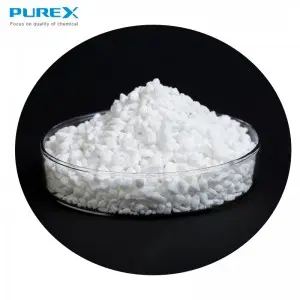
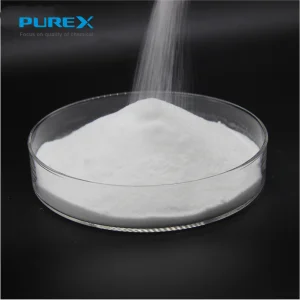
Formic acid is industrially produced primarily via two dominant routes. Choosing the correct chemical factory depends on their mastery of these processes to guarantee consistency in concentrations: 85%, 90%, 94%, and 99% pure commercial grades.
This modern and highly efficient method yields high-purity formic acid. Carbon monoxide (CO) and methanol (CH₃OH) react under high pressure in the presence of basic catalysts to produce Methyl Formate (HCOOCH₃). Subsequent hydrolysis of methyl formate produces formic acid and regenerates methanol, which is recycled back into the process.
Commonly employed to generate industrial-grade formic acid. Sodium hydroxide (NaOH) absorbs carbon monoxide (CO) under heat and pressure to yield Sodium Formate (HCOONa). This is then treated with sulfuric acid (H₂SO₄) to produce formic acid alongside sodium sulfate (Na₂SO₄) as a co-product.
| Parameters | 85% Industrial Grade Spec | 94% Industrial Grade Spec | Analytical Reference Method |
|---|---|---|---|
| Formic Acid Assay (HCOOH) | ≥ 85.0% | ≥ 94.0% | Titration Method |
| Color (Hazen / APHA) | ≤ 10 Pt-Co | ≤ 10 Pt-Co | GB/T 3143 |
| Chloride (Cl¯) | ≤ 0.003% | ≤ 0.003% | Turbidimetry |
| Sulfate (SO₄²¯) | ≤ 0.001% | ≤ 0.002% | Turbidimetry |
| Heavy Metals (as Pb) | ≤ 0.001% | ≤ 0.001% | ICP-OES |
| Iron (Fe) | ≤ 0.0001% | ≤ 0.0005% | Spectrophotometry |
Synthesized directly in our state-of-the-art facility to meet global industrial standards.
Integrating formic acid solutions across key heavy industrial and agriculture value chains worldwide.

Chemicals For Textile, Printing & Leather
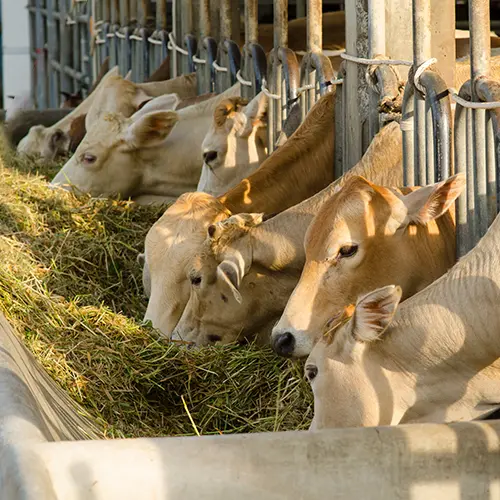
Agricultural Chemicals, Food & Feed Additives

Chemicals For Construction & Coatings
Chemicals For Mining
Chemicals For Oil Drilling
Disinfectant & Solvent Chemicals
Chemicals For Water Treatment
Plastic Raw Material
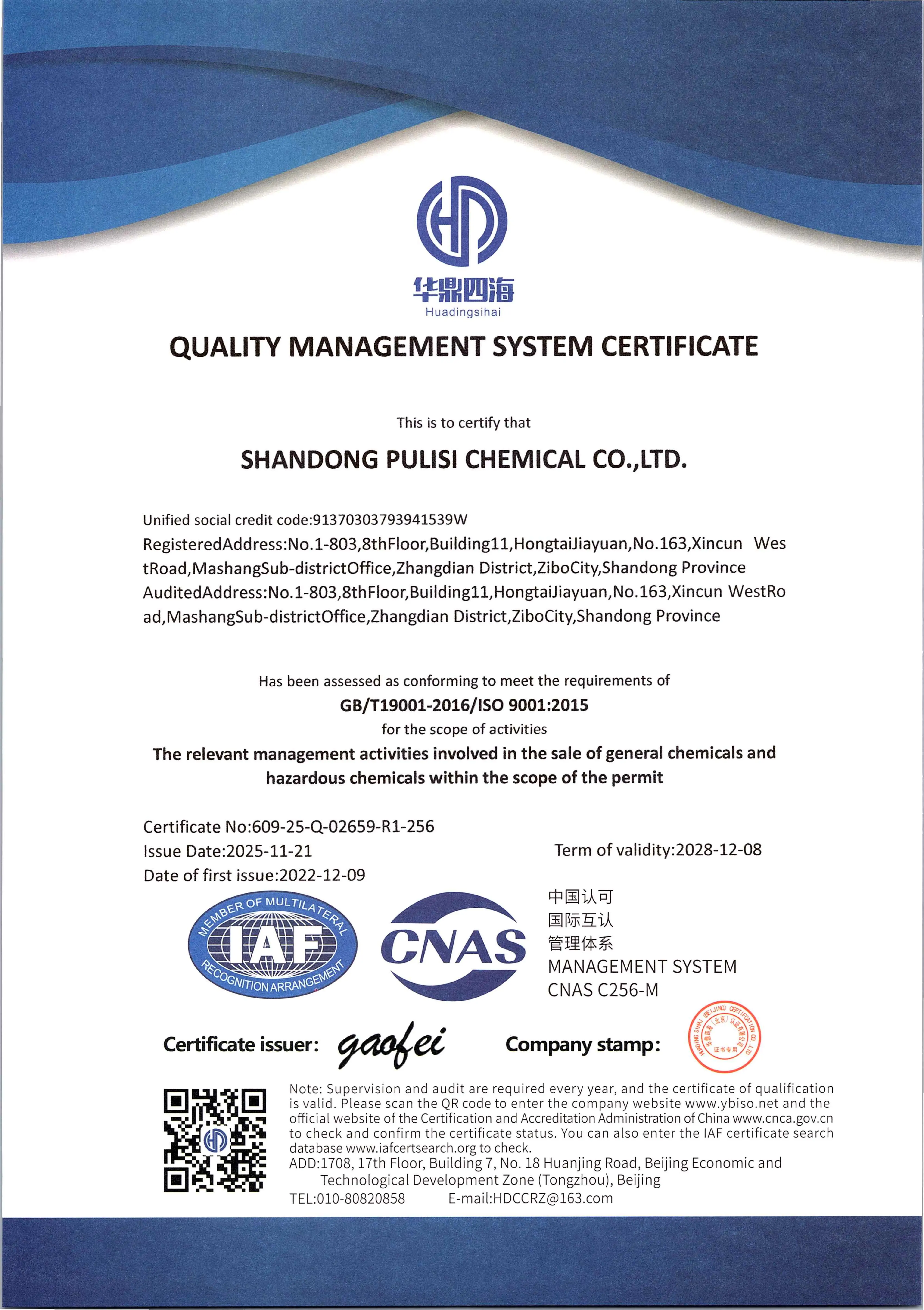
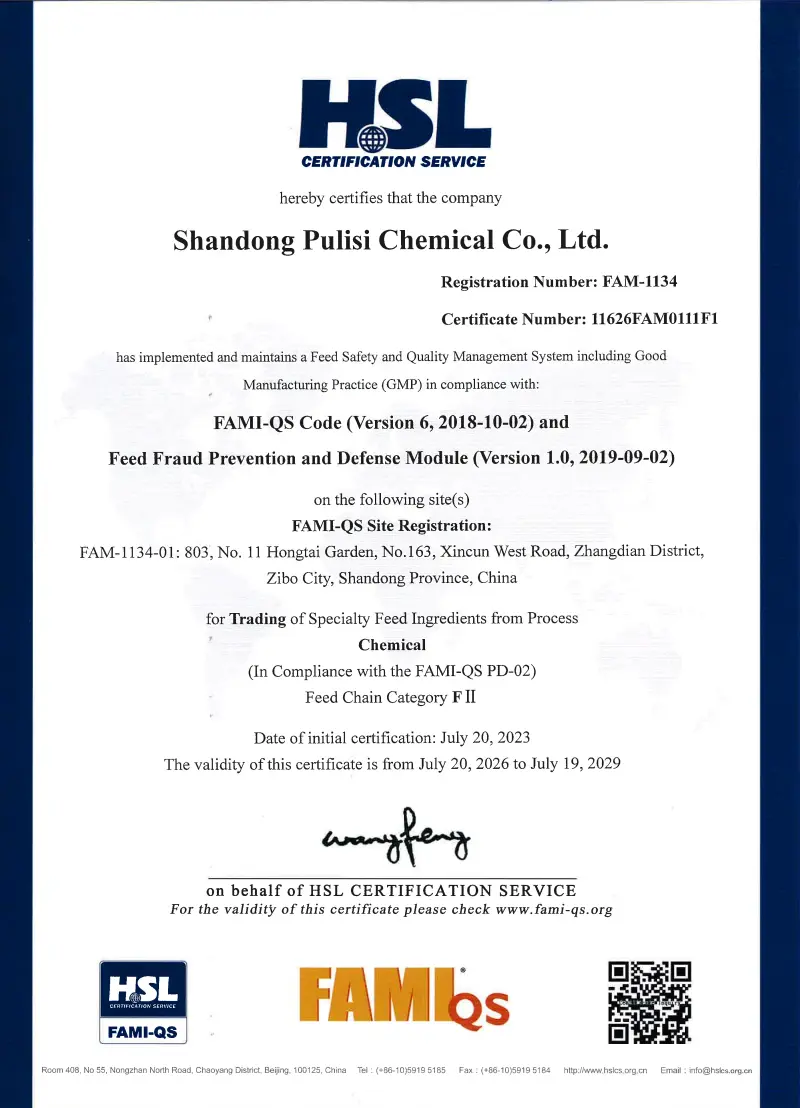
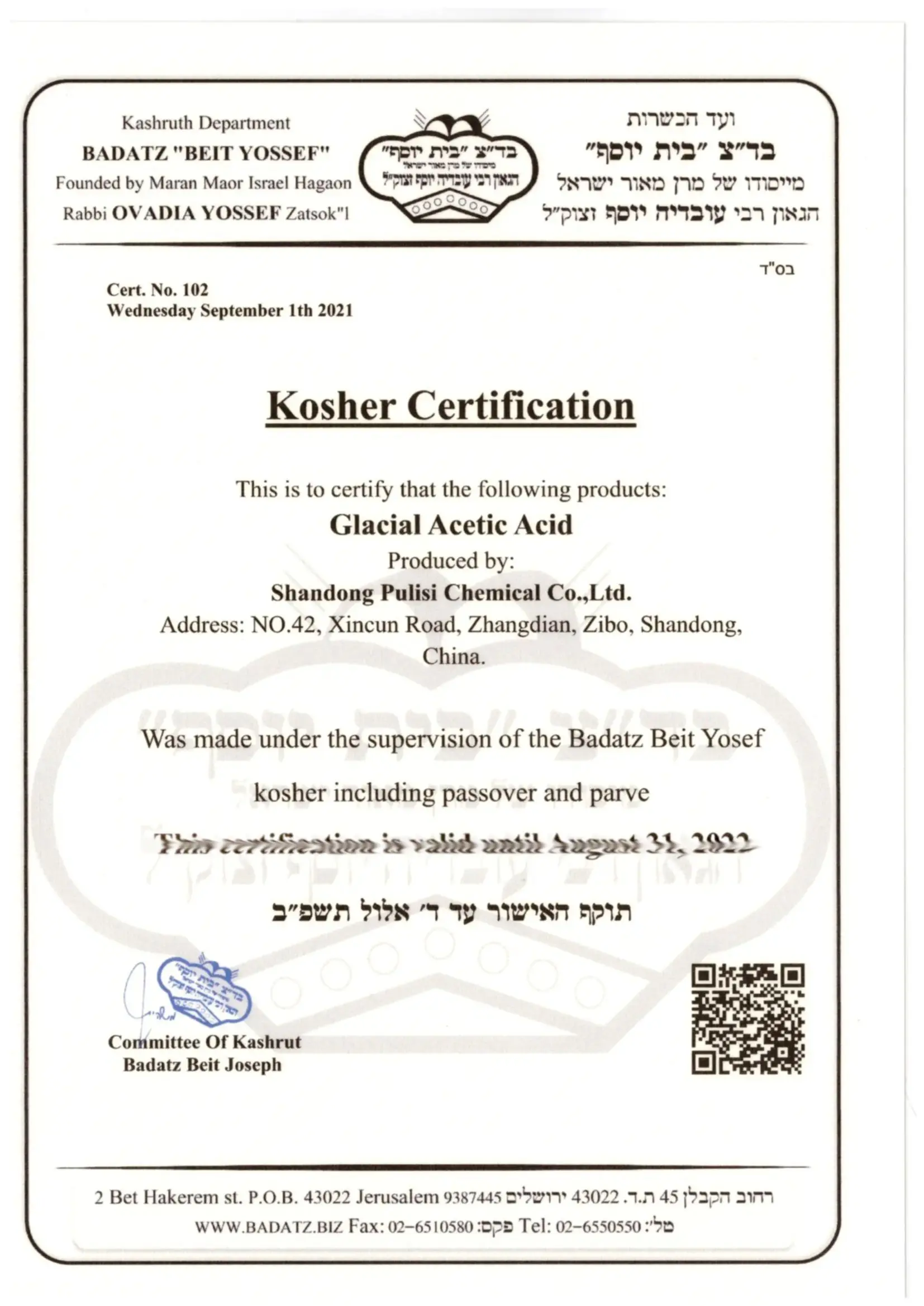
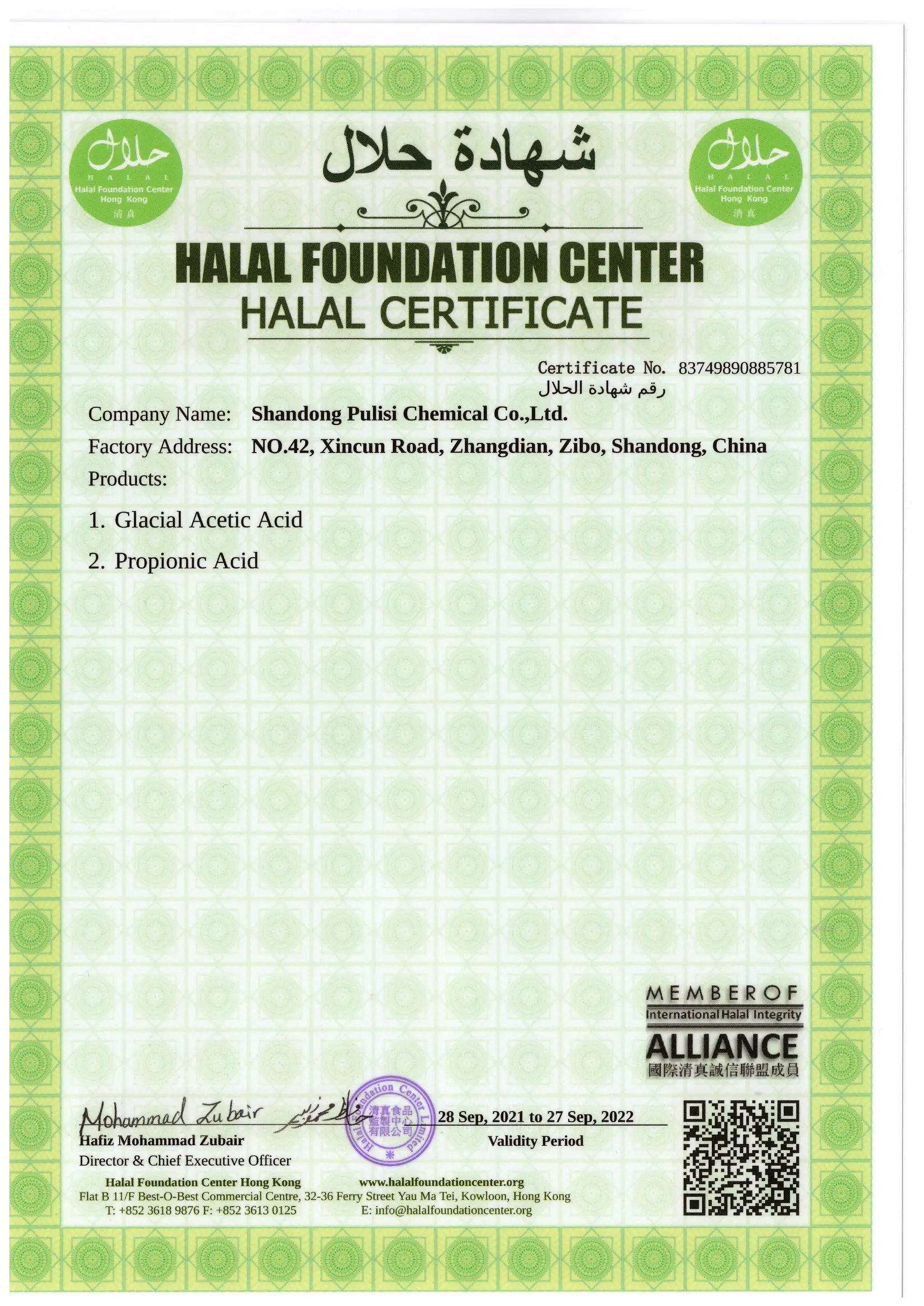
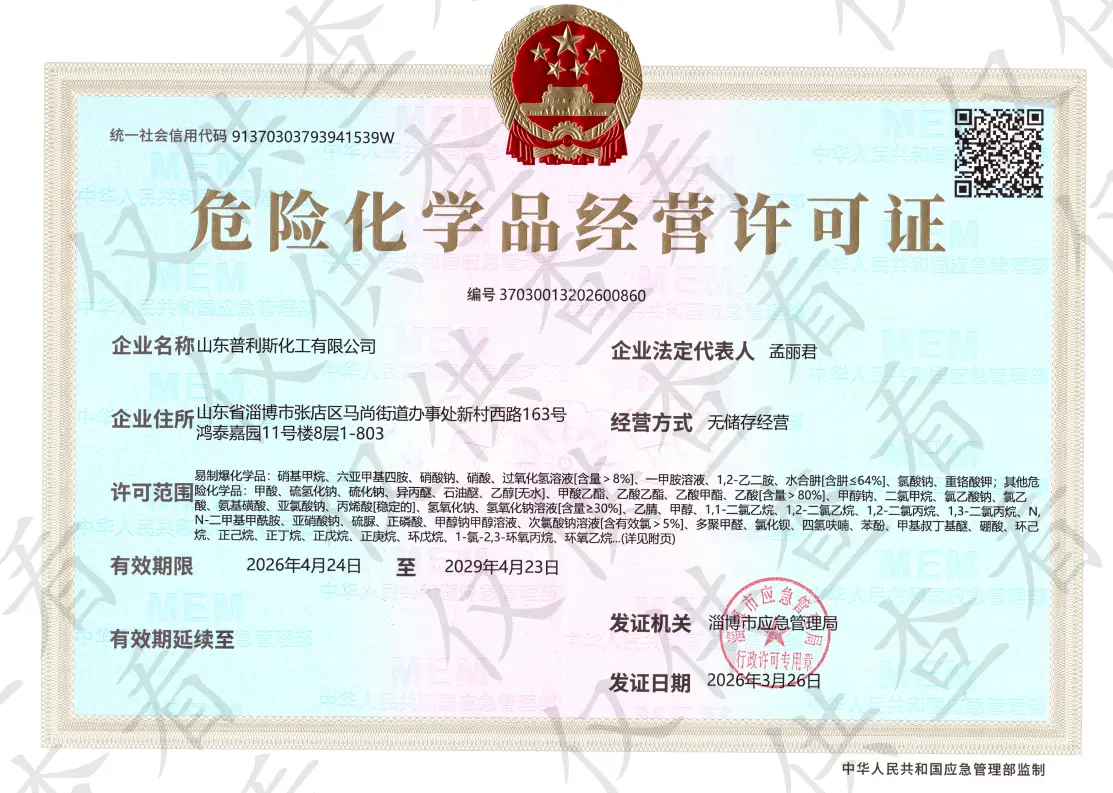
Our facility holds international chemical quality certifications ensuring safe import, animal feed safety, and religious compliance.
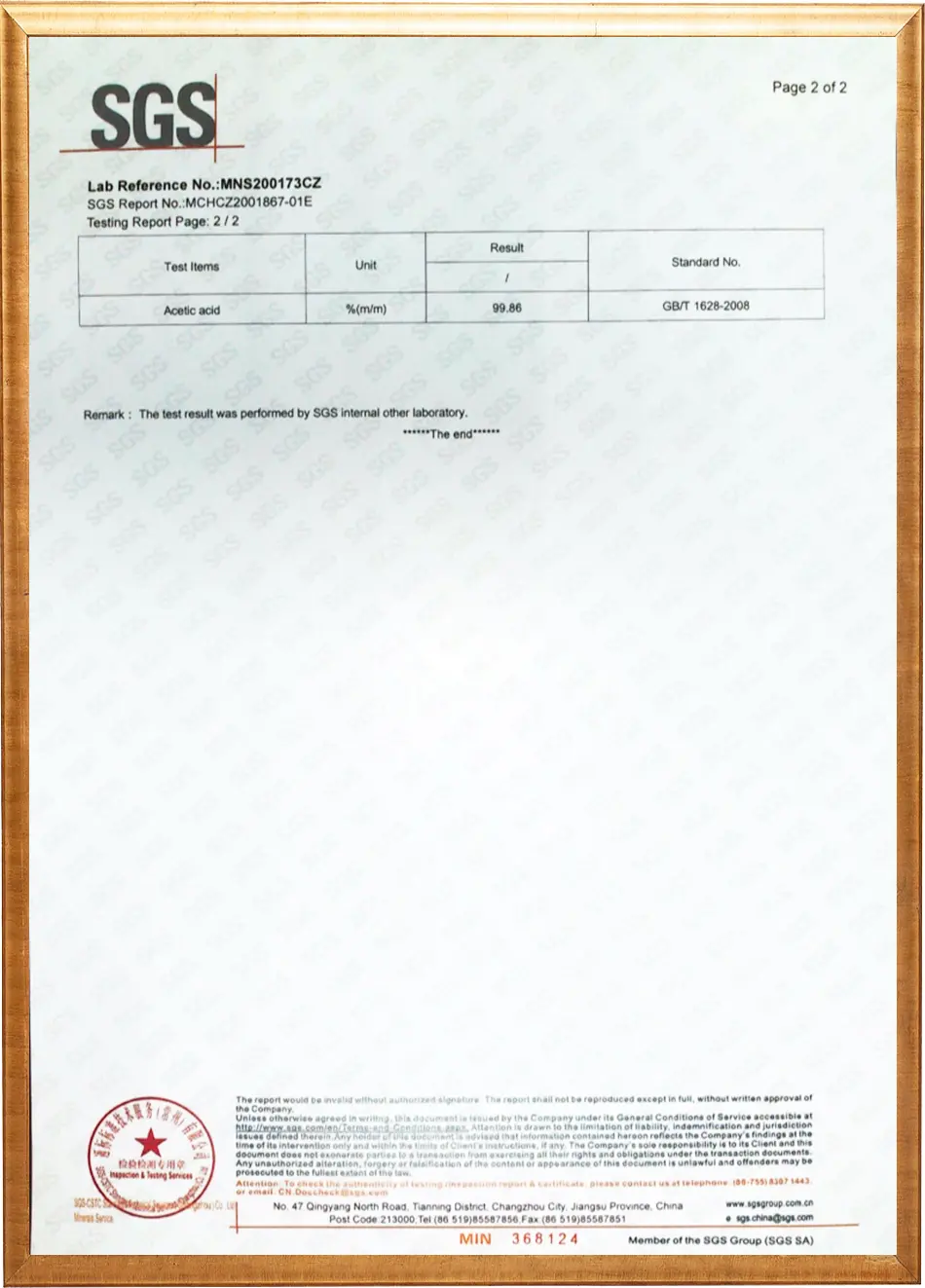
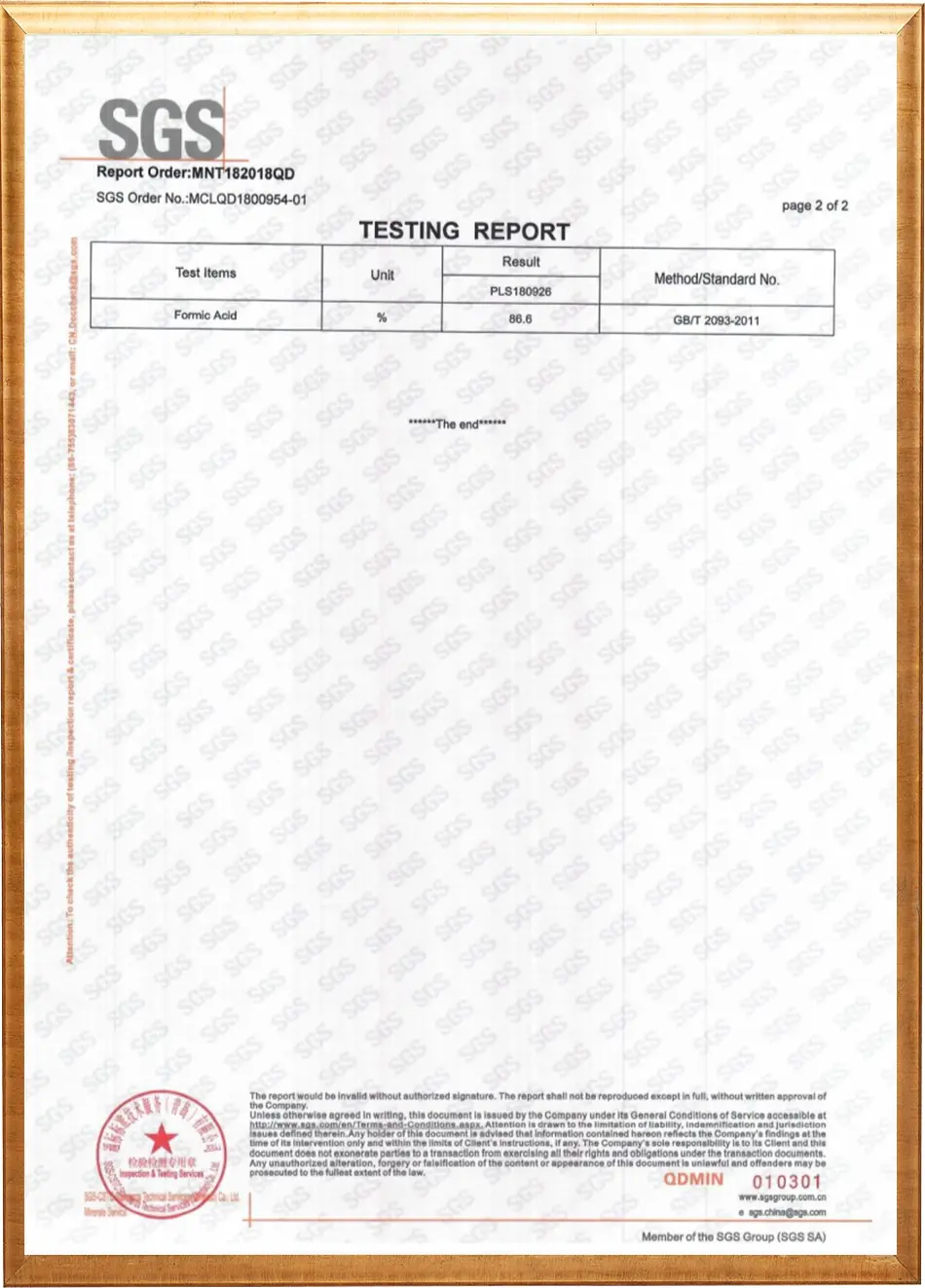
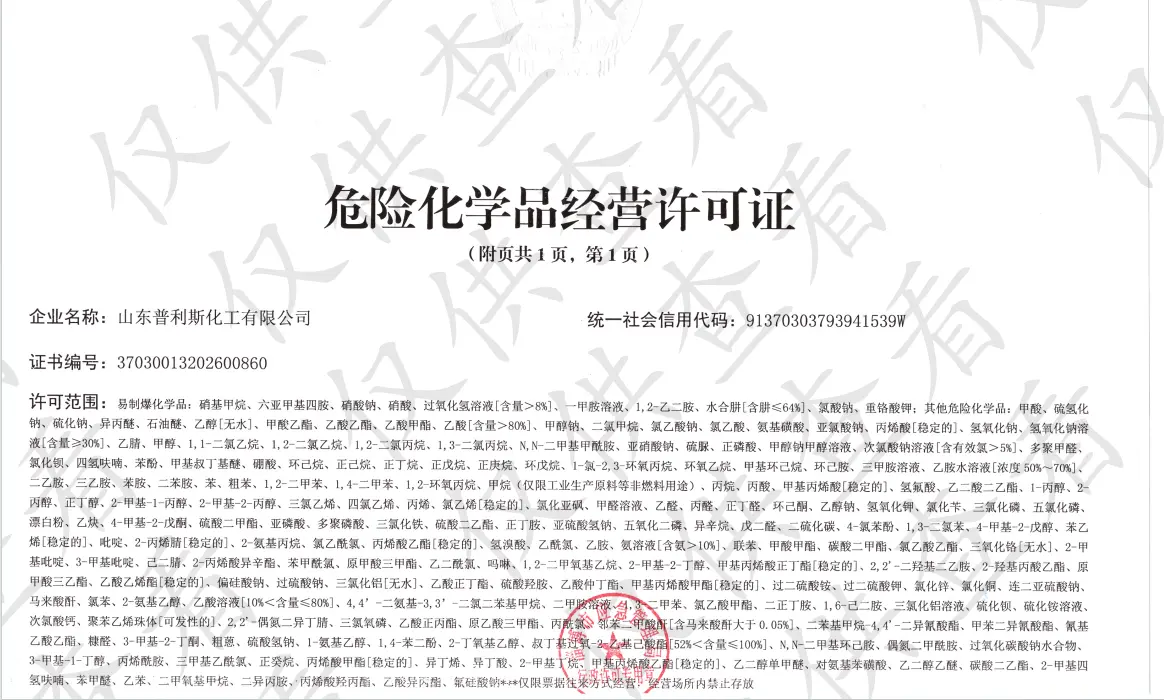
We operate structured storage bases at primary shipping junctions, ensuring rapid customs handling and lower transport costs.
Direct supply routes through Qingdao Port and Tianjin Port, offering routine schedules to North America, South America, Europe, and Southeast Asia.
Strategically positioned near key inland ports including Khorgos and Alashankou, facilitating rail deliveries to Central Asia and Europe.
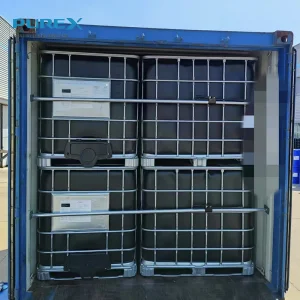
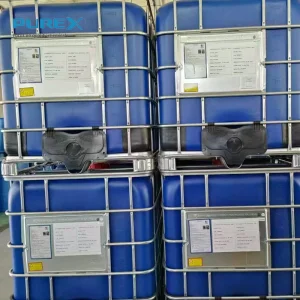
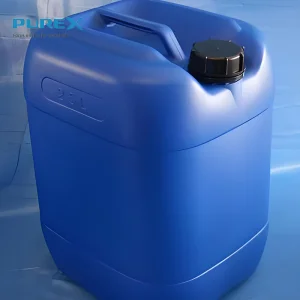
Formic acid is a Class 8 corrosive substance (UN 1779). We provide verified IBC drums, 25kg PE drums, and ISO tanks for safe transit.
Successfully exporting to over 100 countries with complete documentation.
More than 20+ years of export experience, maintaining cooperative relations with more than 1,000 companies.
ISO Certification, SGS certification, K-REACH Certification, and FAMI-QS Certification.
We always provide reasonable prices based on customization and design requirements.
Large warehouses located directly inside the main ports for prompt dispatches.
Efficient and professional sales team offering comprehensive after-sale service.
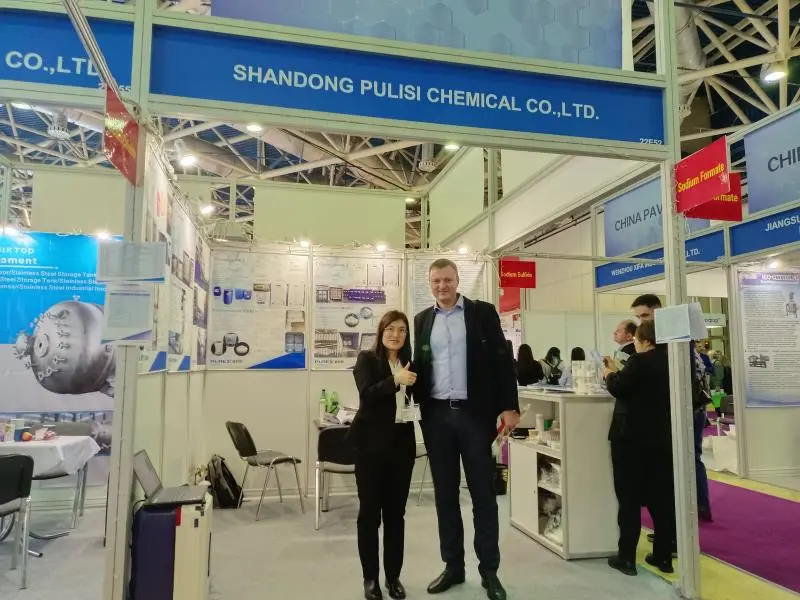
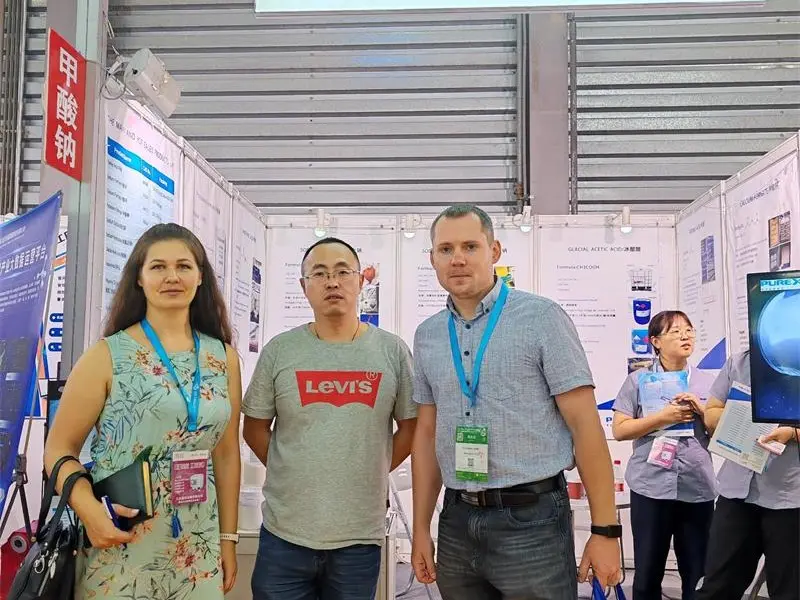
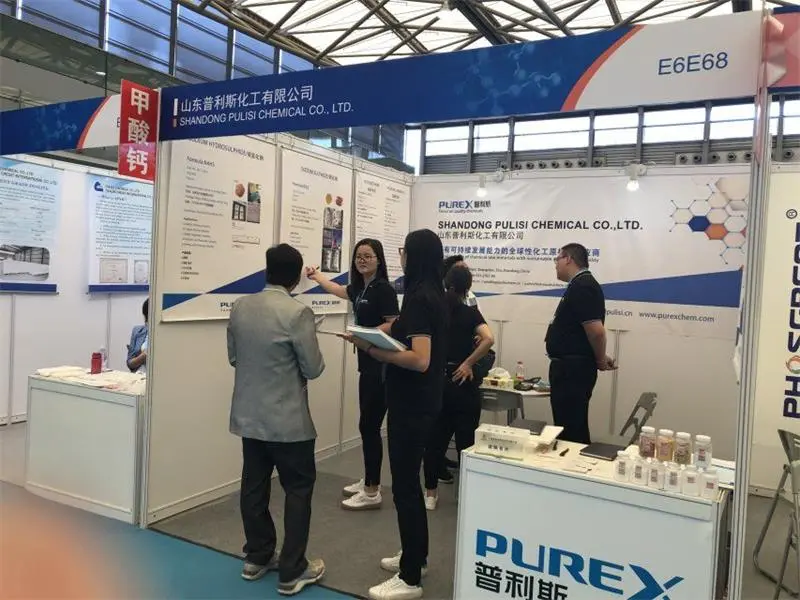
Building long-term chemical distribution channels through physical commerce, onsite factory inspections, and international partnerships.
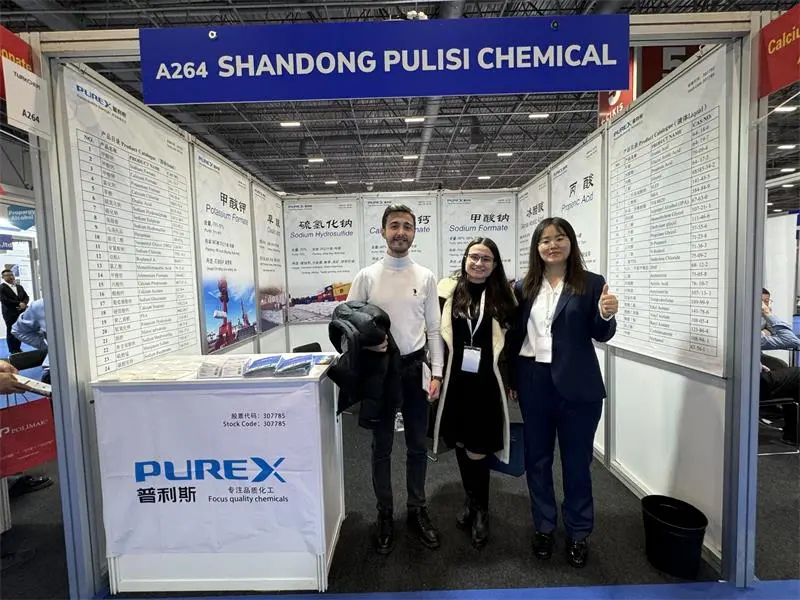
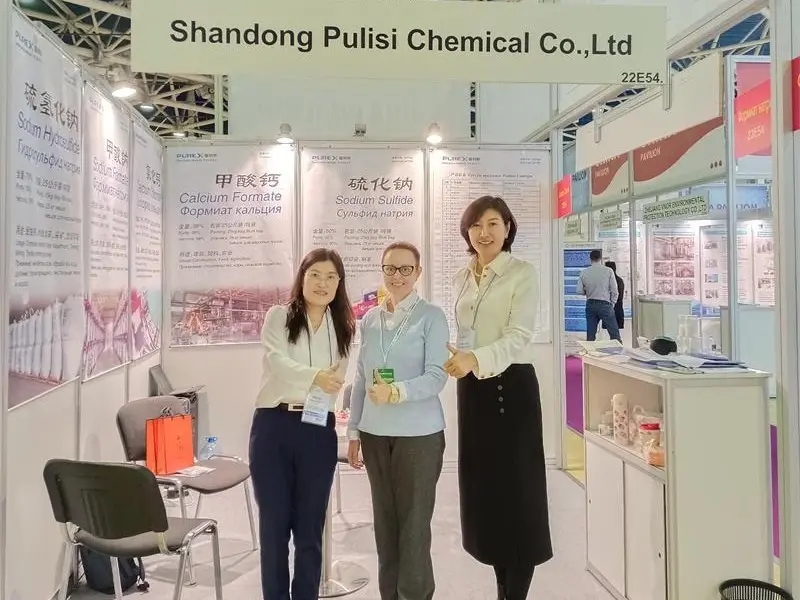
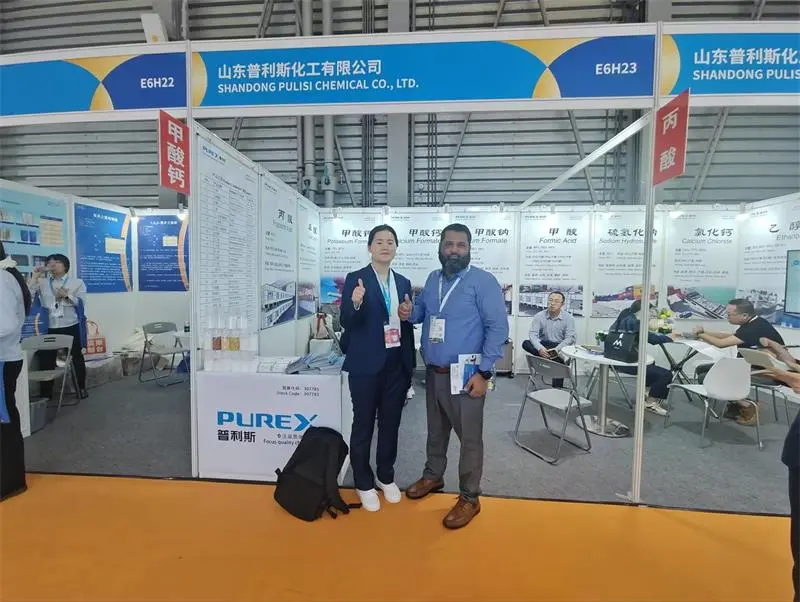
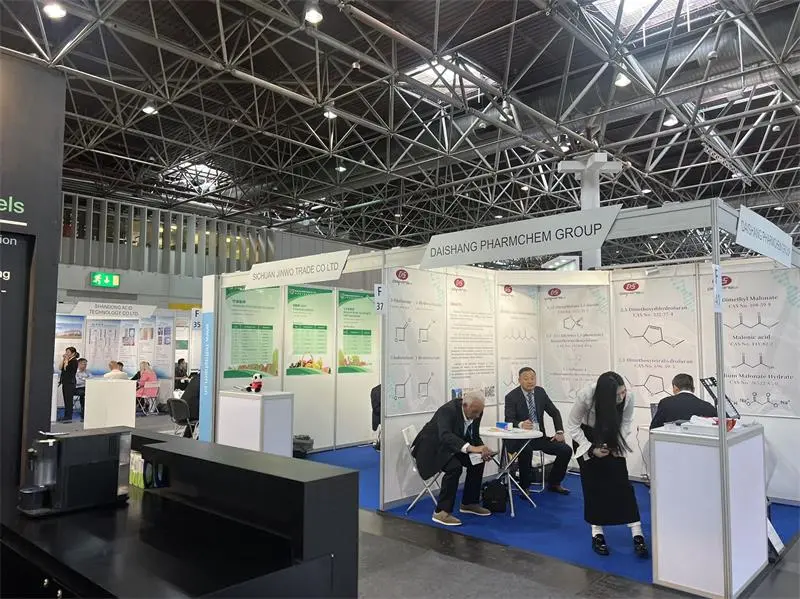
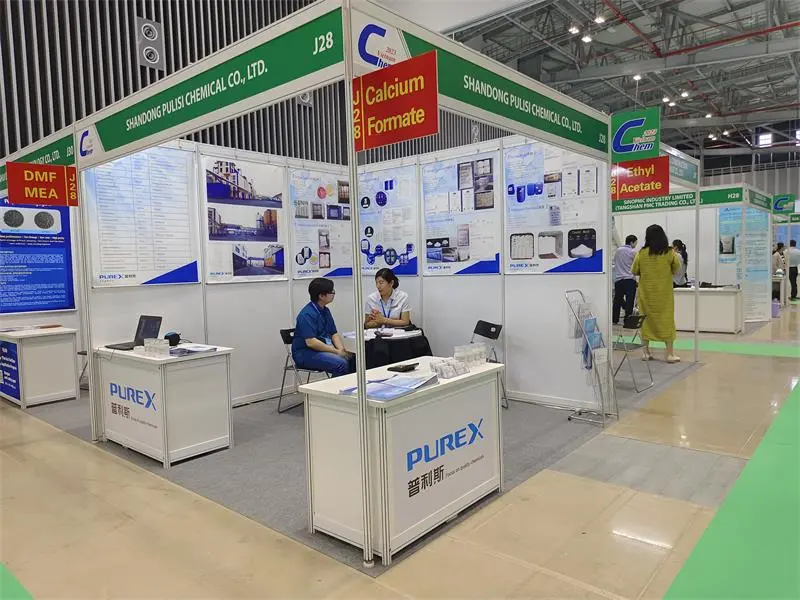





Formic acid procurement managers face several challenges, from price volatility in chemical markets to strict regulations on hazardous materials. Below is an overview of the key factors to consider when sourcing formic acid globally.
Historically, Europe and the Asia-Pacific region have been the largest consumers of formic acid. In Europe, the demand is driven by the livestock farming sector, which utilizes formic acid as a key preservative and antibacterial agent in animal feed silage. In contrast, the market dynamics in Asia-Pacific are shaped by the leather processing industries in China, India, and Vietnam, where formic acid is used to regulate pH levels during the chrome tanning process.
Because of its corrosiveness, formic acid is heavily regulated. Understanding these requirements is essential for smooth customs clearance and import compliance:
As chemical industries transition toward carbon-neutral goals, the formic acid roadmap points toward green synthesis. This includes synthesizing formic acid through carbon dioxide hydrogenation (capturing CO₂ emissions and reacting them with hydrogen) and bio-based biomass degradation. Shandong Pulisi is actively monitoring these carbon capture developments to provide sustainable chemical supply options in the future.
Clear answers regarding custom branding, batch ordering, logistics processes, and payment methods.
Browse additional chemical materials sourced directly from our integrated partners and raw materials network.
 Pulisi