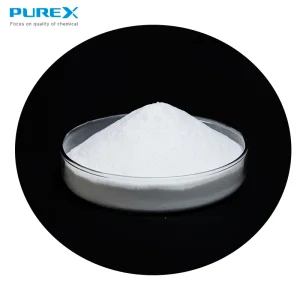
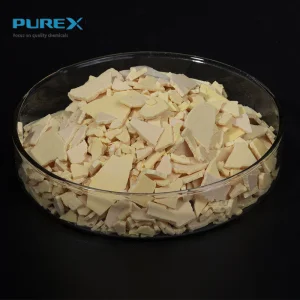
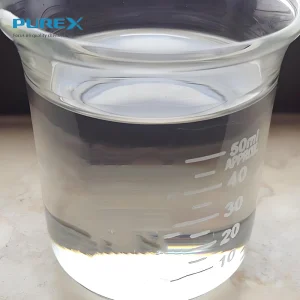
Explore our curated selection of high-performance chemicals, manufactured to strict global standards for diverse industrial applications.
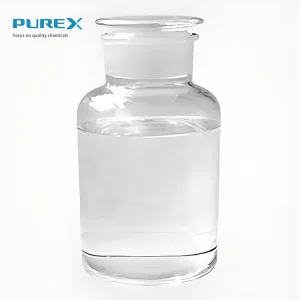
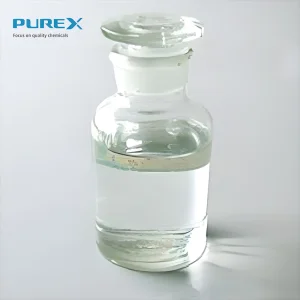
Toluene Diisocyanate (TDI) is an aromatic isocyanate compound existing as a mixture of isomers. The designation TDI 80/20 represents a precise ratio of 80% 2,4-toluene diisocyanate and 20% 2,6-toluene diisocyanate. This specific isomer ratio is critical in polyurethane chemistry as it directly dictates the reactivity kinetics, cell structure stability, and mechanical strength development of downstream flexible foams and elastomers.
Under the guidance of Shandong Pulisi Chemical’s advanced chemical engineering division, our TDI 80/20 is synthesized under rigorous thermodynamic controls. The 2,4-isomer contains a highly reactive para-isocyanate group relative to the ortho-groups found in both 2,4- and 2,6-isomers. This kinetic differentiation enables foam manufacturers to fine-tune the gelation and blowing processes during polymer expansion. Any deviation from the 80/20 ratio could lead to collapse or shrinkage in flexible polyurethane blocks.
To maintain operational clarity and technical trust, we adhere to global quality benchmarks. Below are the typical parameters verified by our analytical centers and third-party inspectors like SGS and BV:
| Typical Parameters | Standard Values | Testing Method |
|---|---|---|
| Assay (TDI Isomers) | ≥ 99.5 wt% | Gas Chromatography | Isomer Ratio (2,4 / 2,6) | 80.0 ± 1.0 / 20.0 ± 1.0 | Infrared Spectroscopy (FT-IR) |
| Hydrolyzable Chlorine | ≤ 0.01 wt% | Argentometric Titration |
| Total Acidity (as HCl) | ≤ 0.004 wt% | Acid-Base Titration |
| Water Content | ≤ 0.02 wt% | Karl Fischer Method |
| Color (APHA) | ≤ 25 Pt-Co | Spectrophotometric |
Delivering extreme purity at scale requires deep chemical process integration. Our manufacturing partners rely on mature, high-yield synthetic routes coupled with modern energy conservation technologies.
The primary manufacturing pathway involves nitration of toluene to yield dinitrotoluene (DNT), followed by catalytic hydrogenation to form toluene diamine (TDA). The TDA isomer mixture is then reacted with phosgene in a dry, inert solvent (such as ortho-dichlorobenzene) to yield raw TDI. Our ODM partners utilize continuous loop phosgenation under pressurized systems to achieve high isomer conversion rates and minimal residue accumulation.
Crude TDI contains hydrogen chloride (HCl) byproducts and solvent residues. Standard purification requires a multi-stage vacuum distillation column array. High-vacuum technology operates at reduced temperatures to prevent thermal decomposition of TDI into carbodiimides and higher polymers. The solvent is entirely recovered and recycled, preserving operational cost efficiency and environmental integrity.
To align with global ecological demands and China's "dual carbon" objectives, modern plants convert byproduct HCl into chlorine gas using the catalytic Deacon process or recycle it into industrial hydrochloric acid. Gaseous waste runs through multi-stage alkaline scrubbers ensuring zero fugitive emissions of volatile organic compounds (VOCs) and halogenated pollutants.
In polyurethane synthesis, TDI 80/20 acts as the electrophilic core reacting with polyether or polyester polyols. The primary reaction occurs between the high-activity 4-position NCO group on the 2,4-TDI molecule and the terminal hydroxyl (-OH) groups of the polyol. This formsurethane linkages:
Concurrently, a blowing reaction takes place when TDI reacts with water. This process generates carbon dioxide (CO2) gas and amine intermediates. The gas acts as the expanding agent that creates the cellular structure in foams. Meanwhile, the amine intermediates react with additional isocyanates to create urea linkages. This crosslinking provides structural integrity and load-bearing capacity (IFD/ILD properties) to the final polyurethane matrix.
Integrating raw materials such as TDI 80/20 within downstream plants requires deep knowledge of compatibility and reaction conditions. Shandong Pulisi Chemical provides consulting for process design and chemical optimization.
Catalyst Balancing: Maintaining an optimal balance between blowing catalysts (e.g., amine-based BDMAEE) and gelling catalysts (e.g., organotin formulations) prevents splits or dense shrinkage zones within block processes.
Isocyanate Index Control: Running TDI indexes between 105 and 112 optimizes tensile properties while mitigating unreacted monomer emissions, reducing environmental footprint.
As a listed company (Stock Code: 307785) established in 2006, Shandong Pulisi Chemical Co., Ltd. has developed robust operational capacities that safeguard our partners against price volatility and supply disruptions.
We maintain dedicated chemical storage hubs at major transit terminals including Qingdao Port, Tianjin Port, and crucial Xinjiang border ports (Alashankou and Khorgos). This geographic distribution reduces transit times and allows for rapid domestic and transcontinental dispatch.
TDI is highly moisture-sensitive. To prevent hydrolysis, which yields insoluble ureas and dangerous gaseous carbon dioxide buildup, our storage vessels and drum lines utilize pressurized dry nitrogen padding. This maintains raw product moisture content at ≤ 0.02% until the point of use.
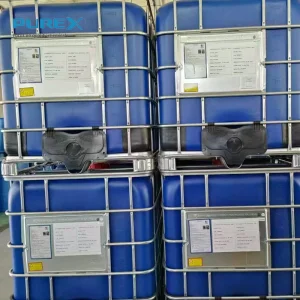
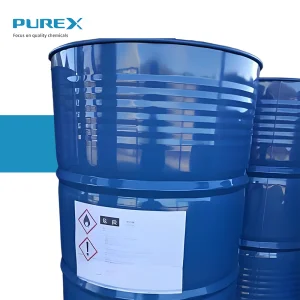
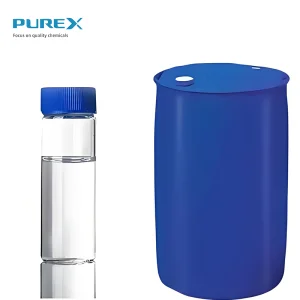
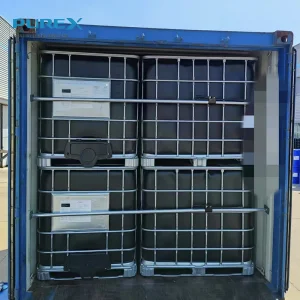
From specialized steel drums (250 kg net weight) to high-volume bulk ISO tanks (20,000 to 24,000 liters), our logistics infrastructure supports road, rail, and sea transport. We provide temperature-controlled shipping to prevent TDI from freezing (freezing point: ~12-14°C) during winter transit.
Chemical procurement demands absolute reliability and compliance with regulatory bodies. Shandong Pulisi Chemical Co., Ltd. maintains robust quality management protocols to ensure each batch of TDI 80/20 meets international health, safety, and performance criteria.
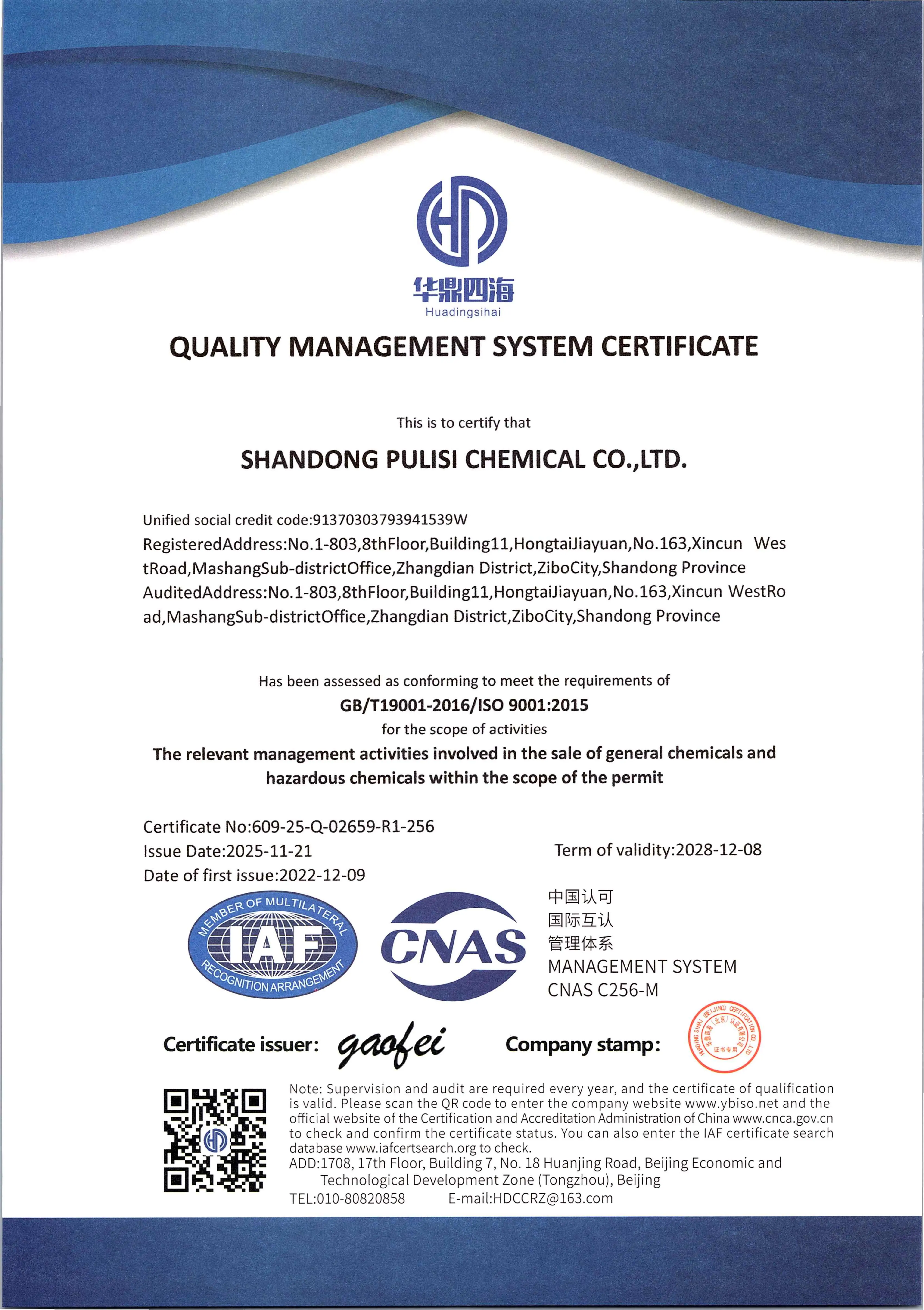
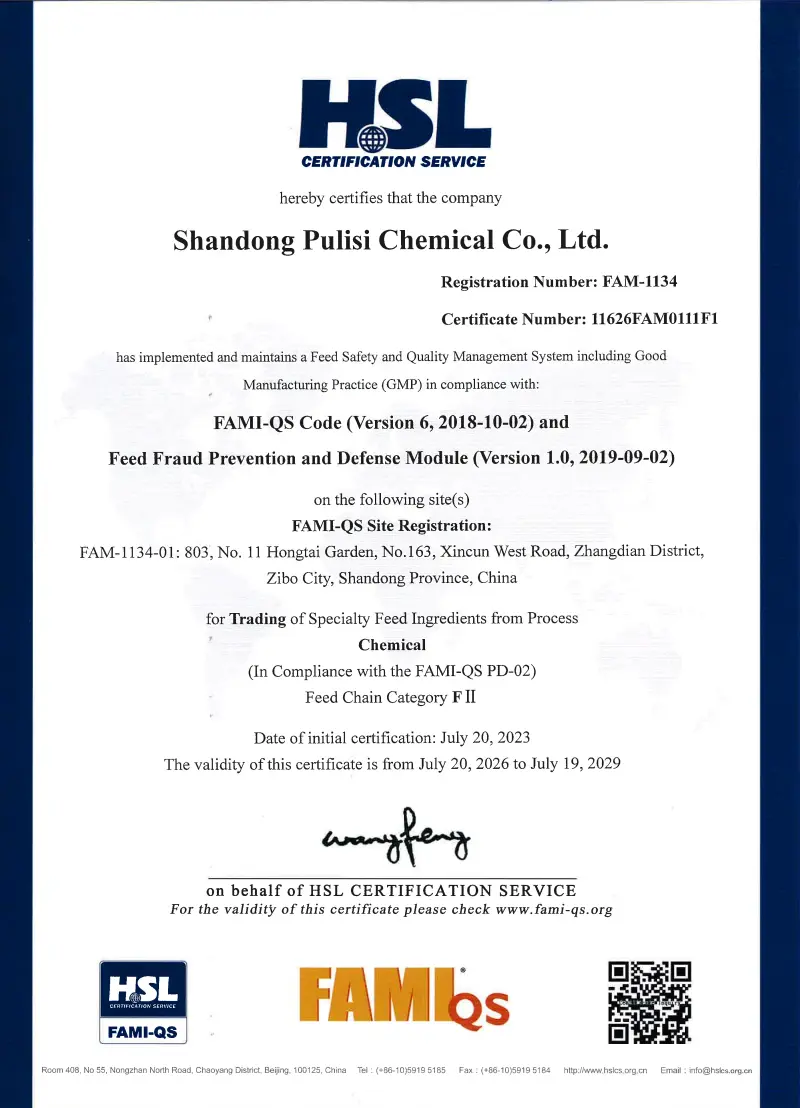
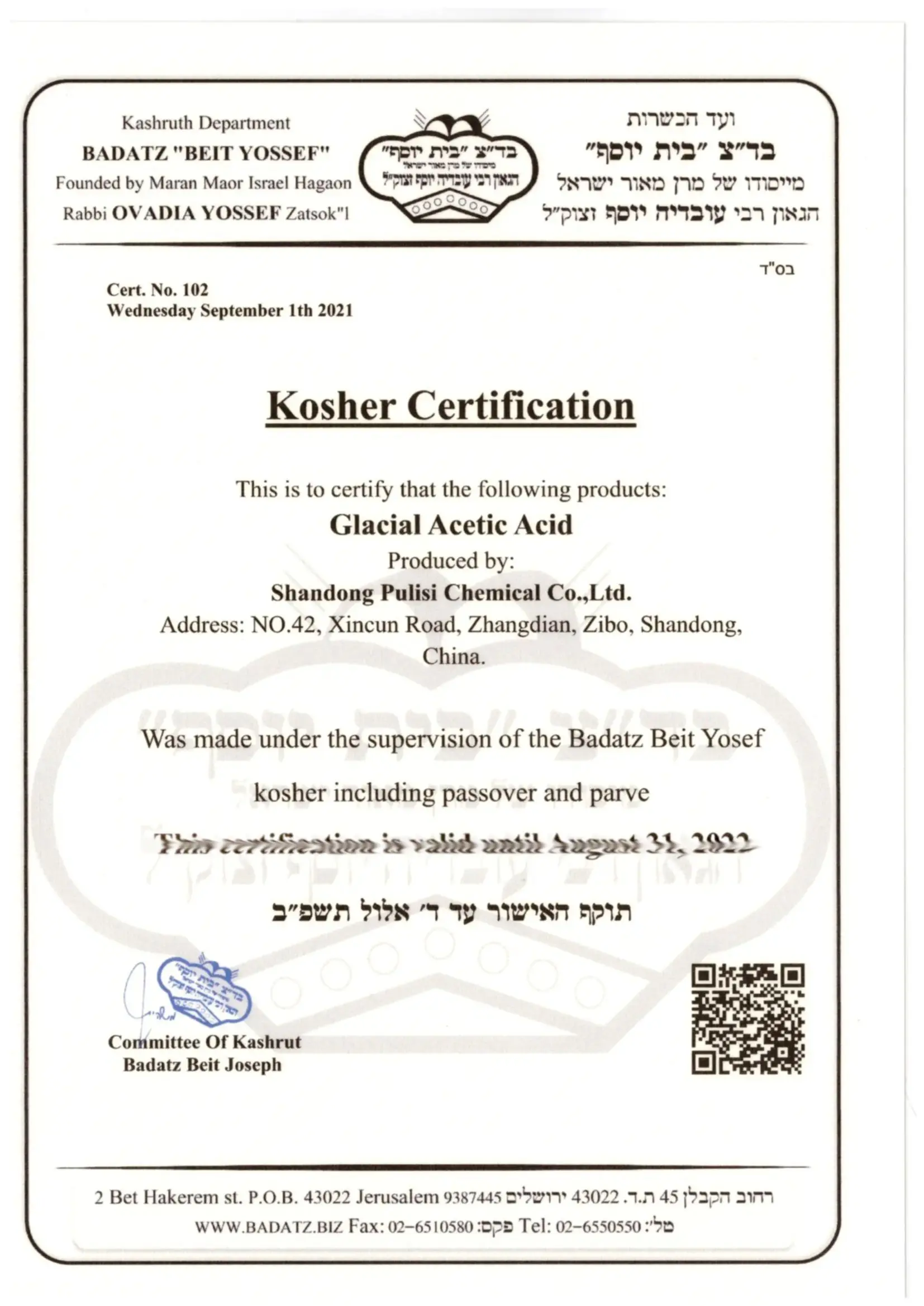
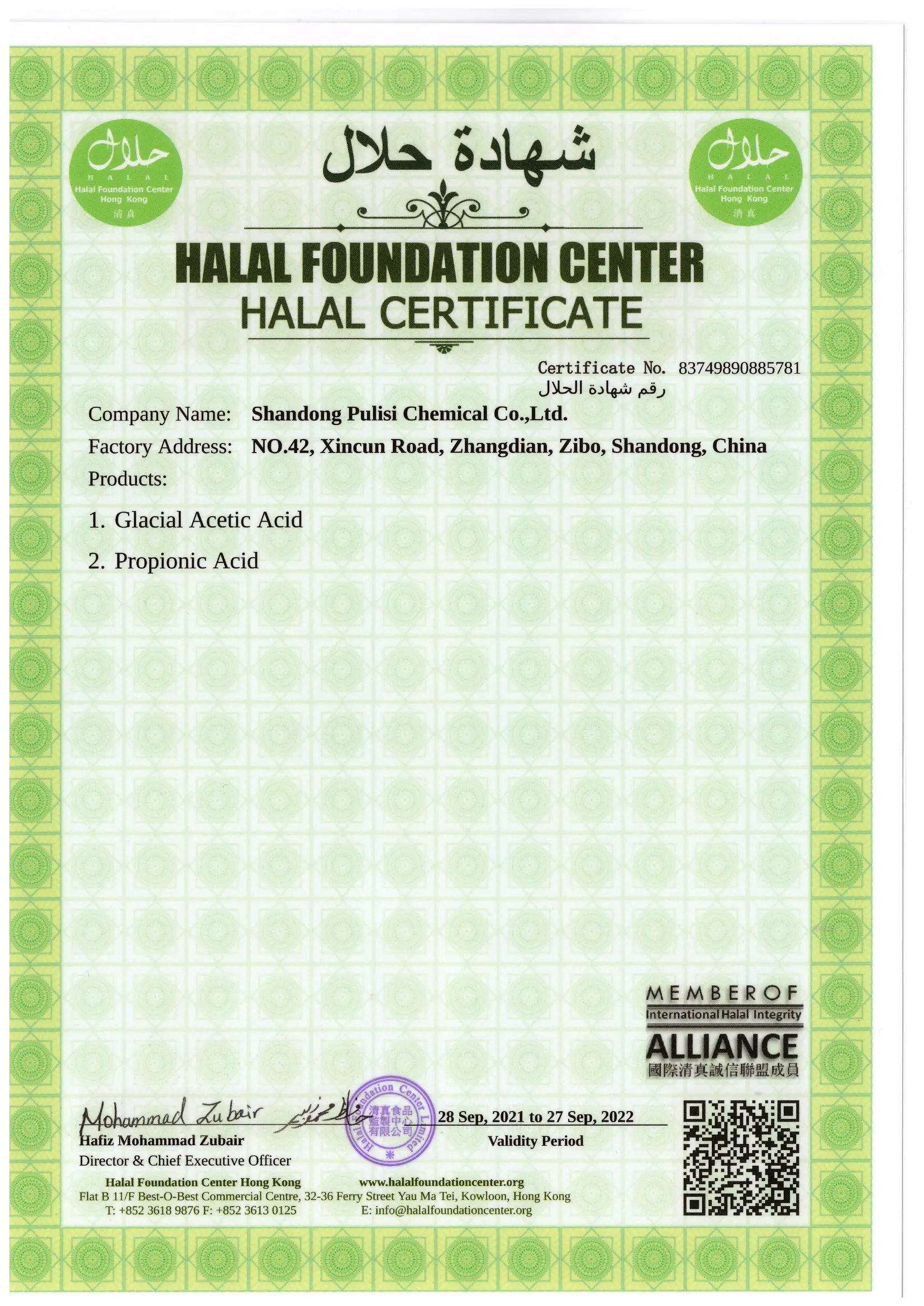
Our production systems conform to the ISO 9001:2015 Quality Management System and have successfully cleared the German Bureau Veritas (BV) audits. For European and regional markets, our chemical catalog aligns with necessary pre-registration files and REACH directives, including South Korean K-REACH. For specific feed or food-grade applications elsewhere in our product tree, we hold Halal, Kosher, and FAMI-QS certifications.
Every shipment of TDI 80/20 is backed by a certified Certificate of Analysis (COA). If requested by the client, we coordinate third-party pre-shipment inspections with SGS or Intertek. These independent labs sample the material directly from the bulk terminal, verifying isomer purity, acidity levels, and hydrolyzable chlorine fractions. This transparency guarantees peace of mind before the vessel departs Chinese berths.
Toluene Diisocyanate is classified as a hazardous chemical (Class 6.1 toxic substance) under GHS definitions. Proper containment and workplace training are critical to mitigate health risks related to inhalation and dermal contact.

Established in 2006, Shandong Pulisi Chemical Co., Ltd. (Stock Code: 307785) has grown into a leading developer, manufacturer, and exporter of petrochemicals, mining chemicals, feed chemicals, and pharmaceutical intermediates. Over the years, we have forged strategic, long-term partnerships with Fortune Global 500 enterprises, including China National Petroleum Corporation (CNPC) and Saint-Gobain. Guided by customer demand, we deliver tailored chemical solutions that enhance raw material security and downstream performance.
In 2023, the company reached a significant milestone by listing on the stock exchange (Stock Code: 307785). We have built modern logistics networks near major hubs like Qingdao Port, Tianjin Port, and key border ports in Xinjiang (Alashankou and Khorgos). These locations allow us to coordinate flexible delivery solutions that secure supply lines for partners worldwide.
We strictly adhere to the core philosophy: "Customer First, Rapid Response; Striving as the Foundation, Efficient Collaboration; Integrity and Uprightness, Agile Adaptation." We remain committed to helping partners strengthen their market position with high-quality, compliant products.
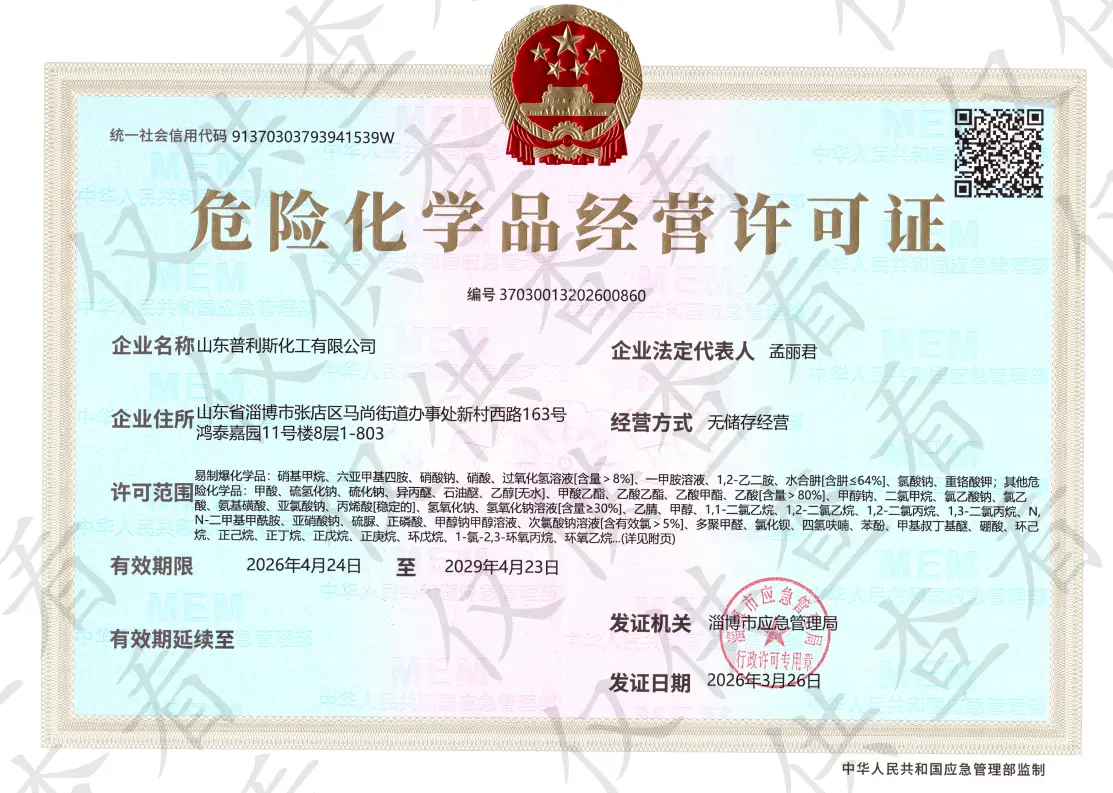
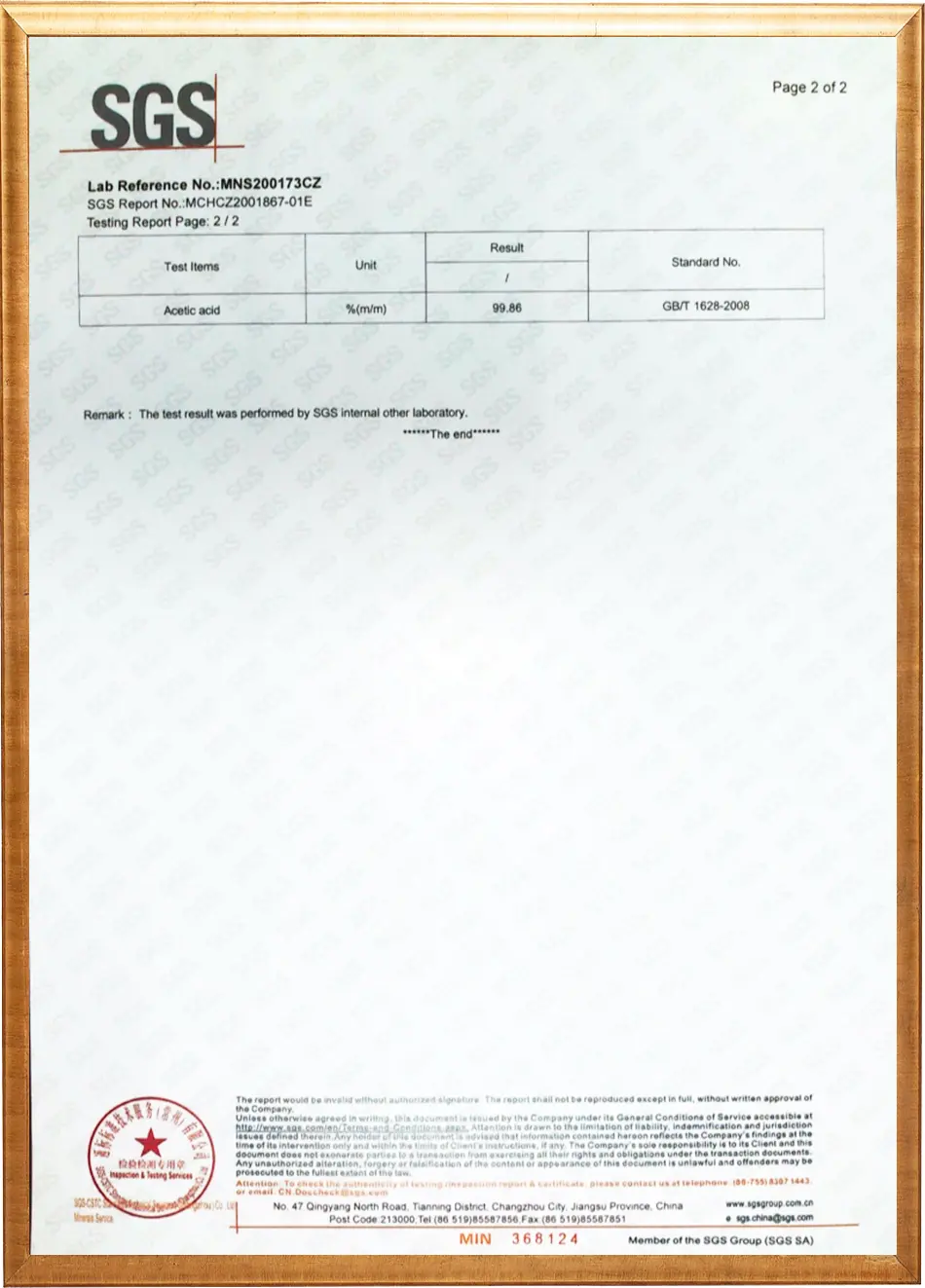
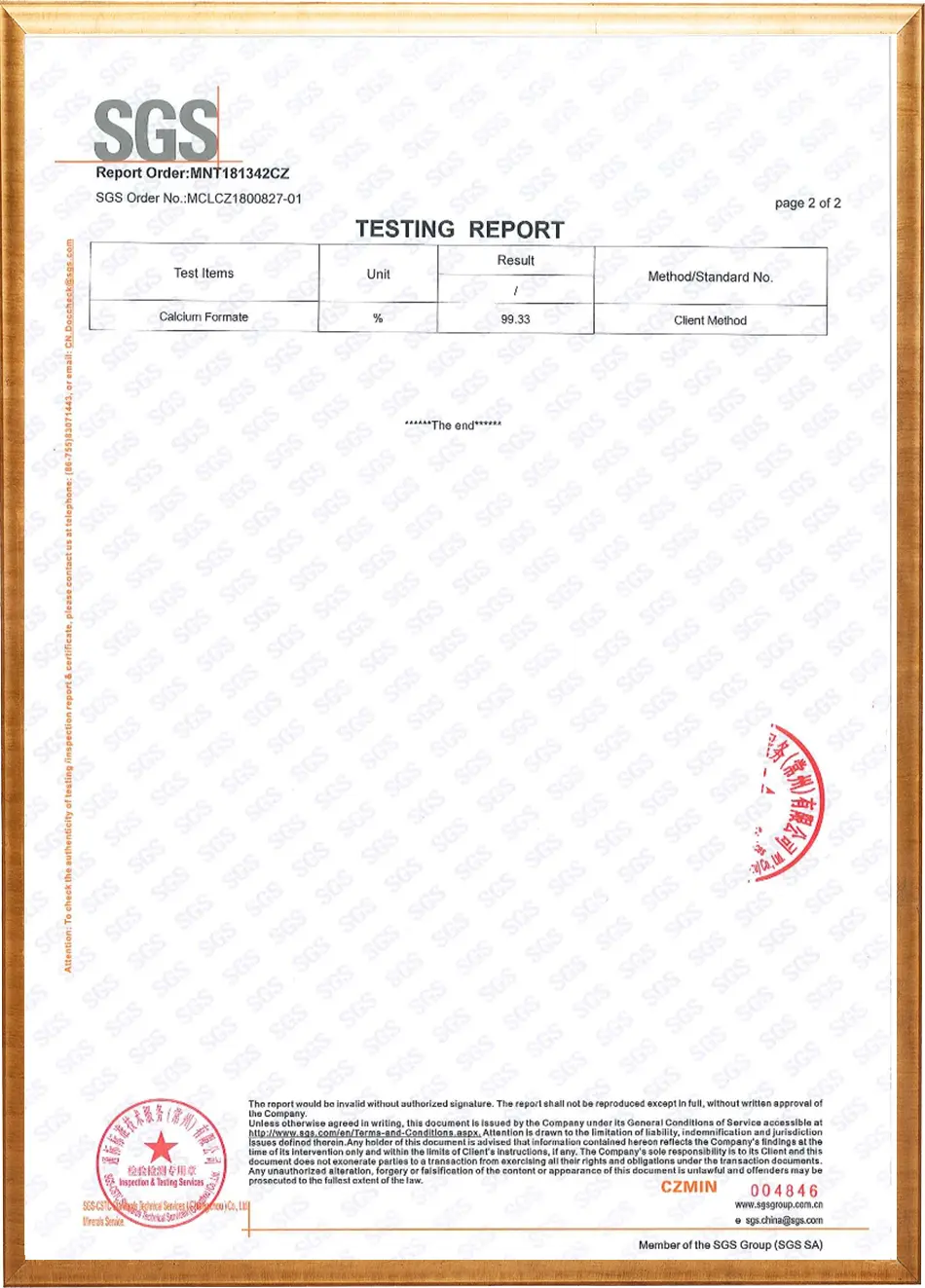
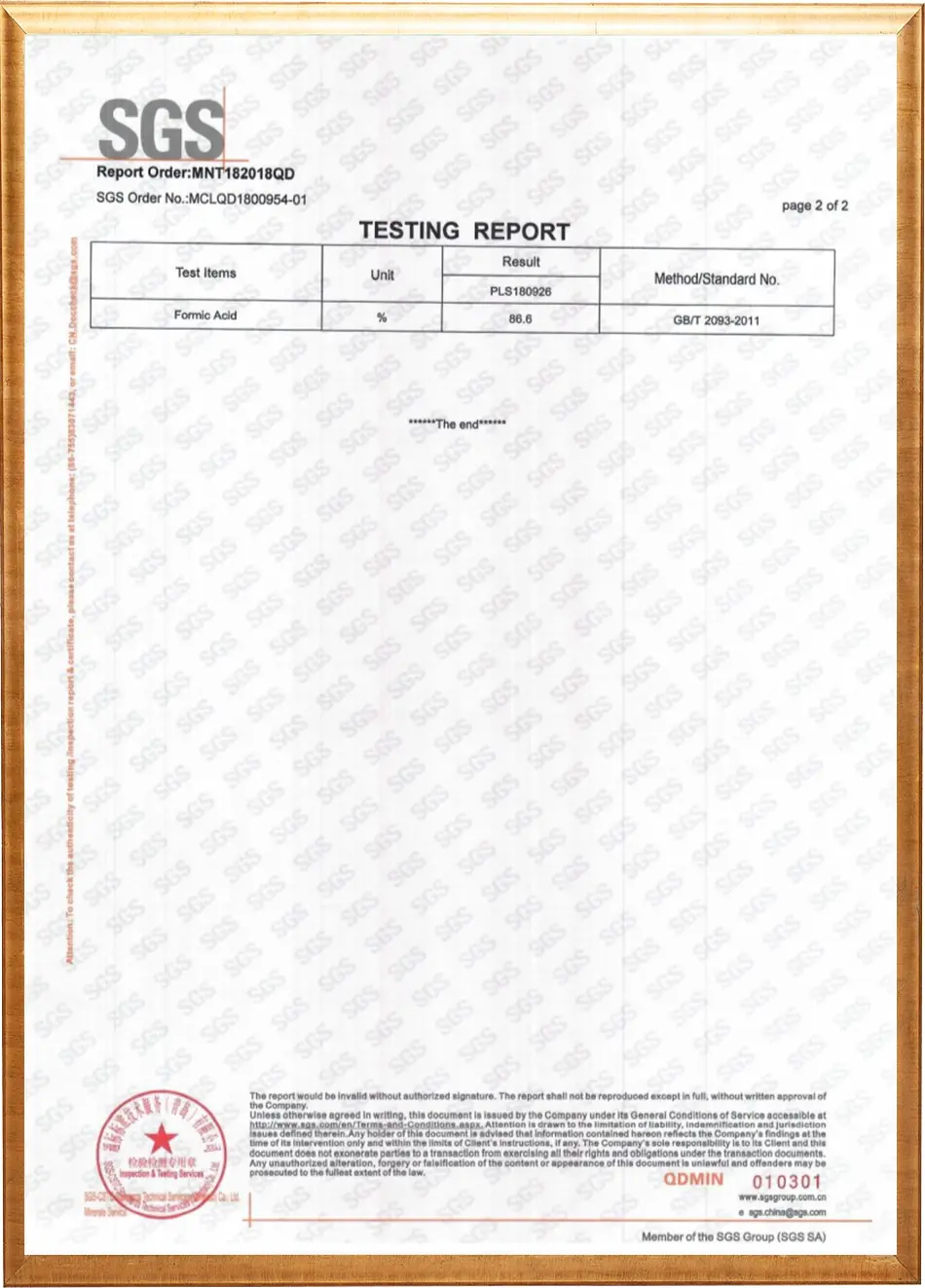
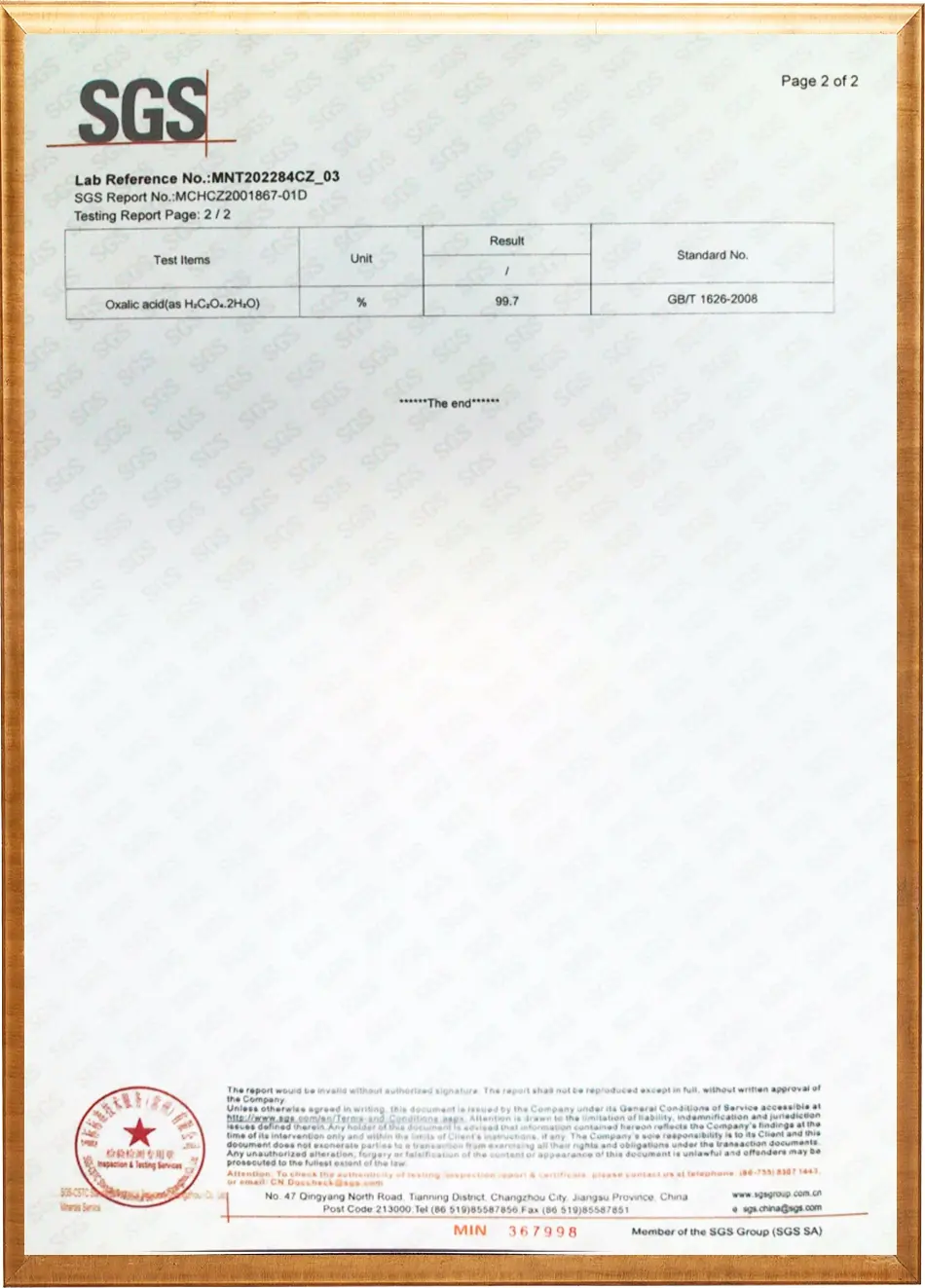
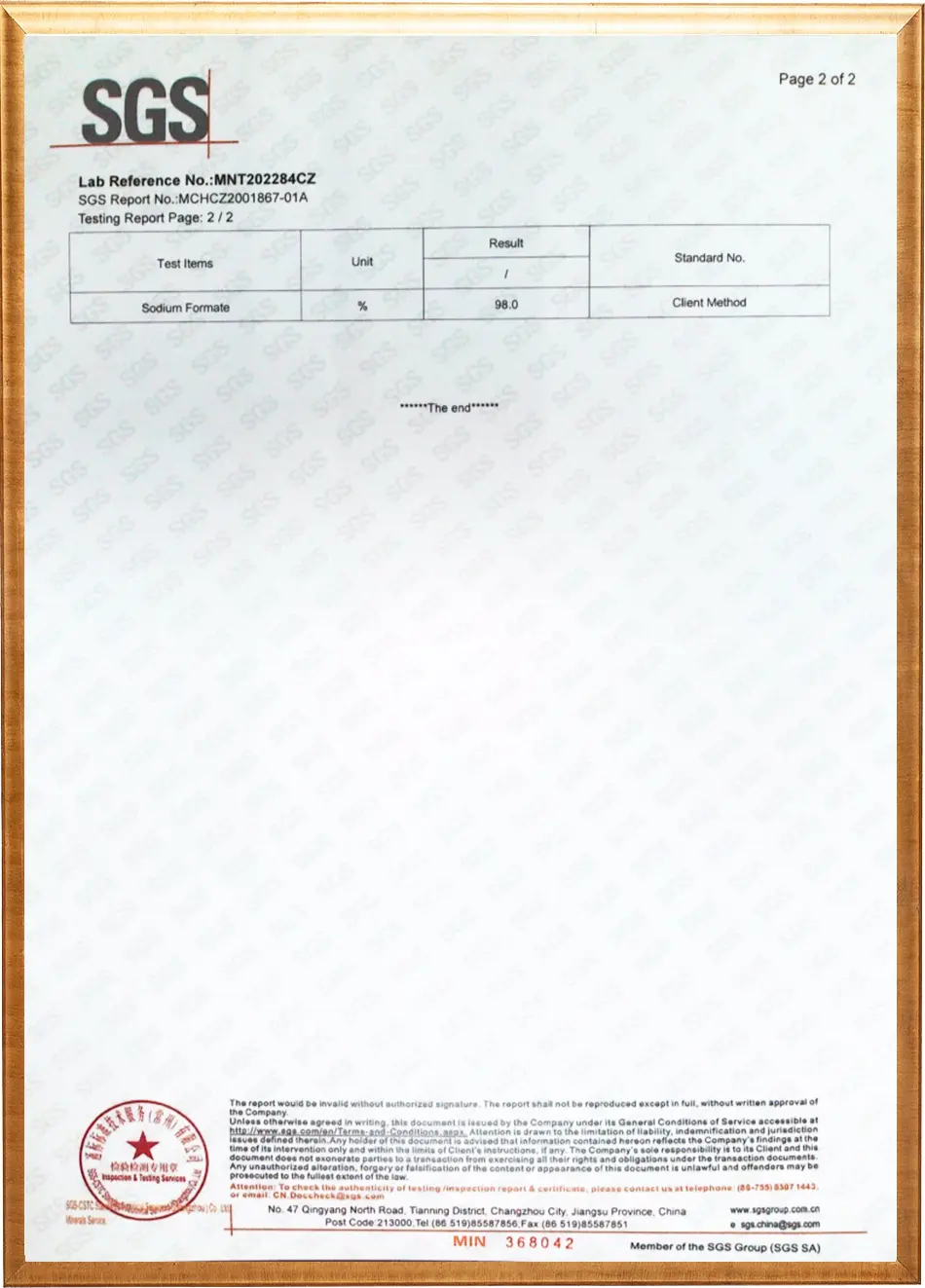
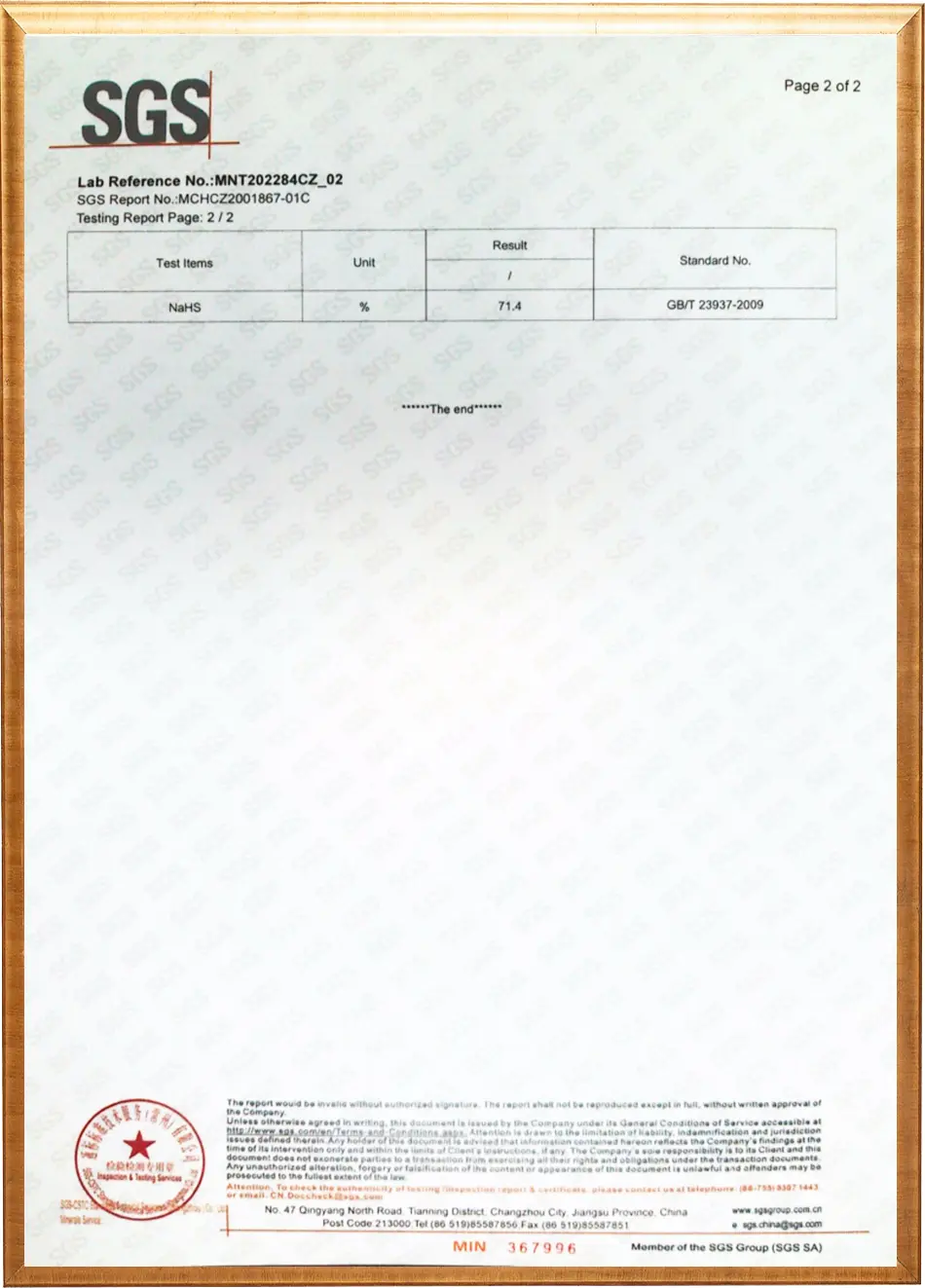
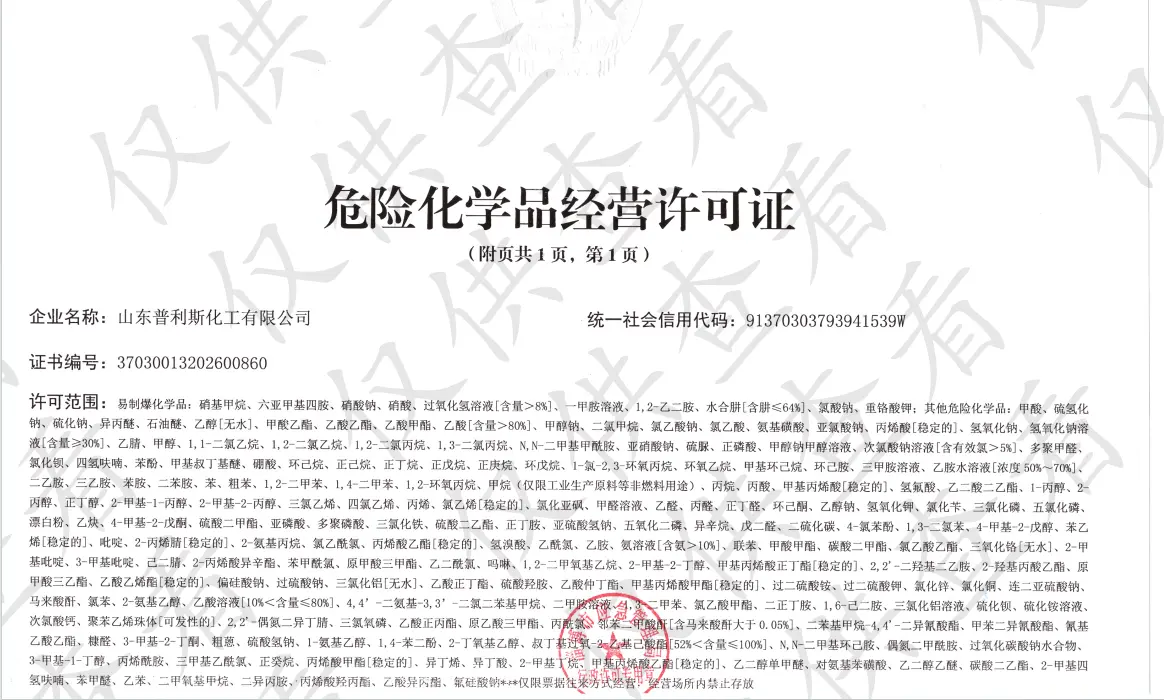
Our chemical operations conform to international environmental, quality, and dietary safety frameworks. Review our credentials below:
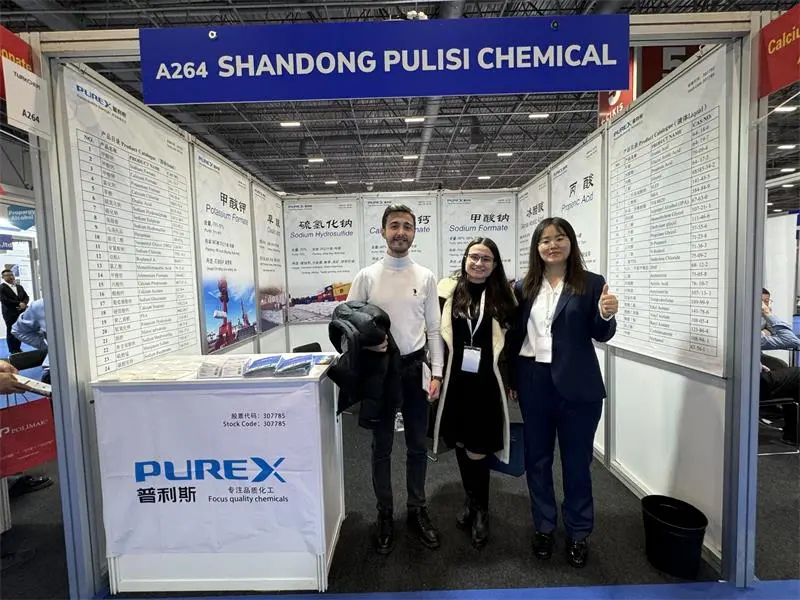
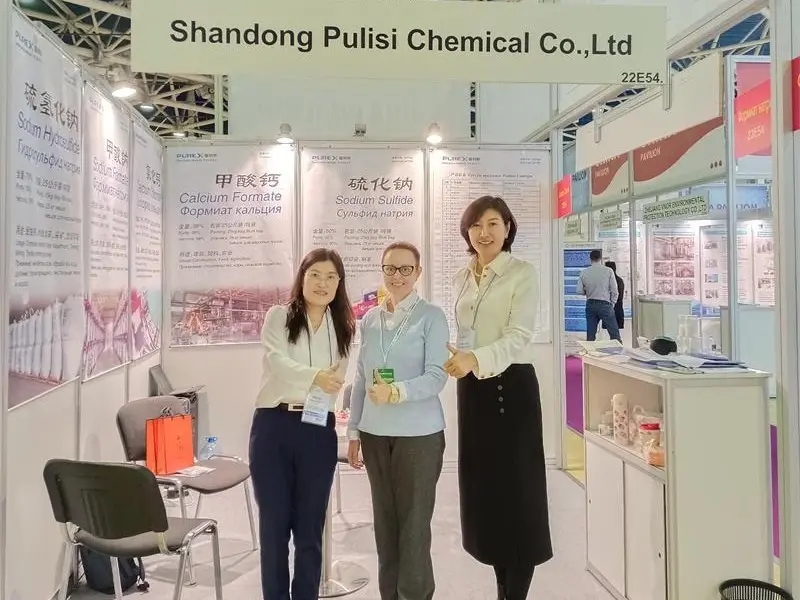
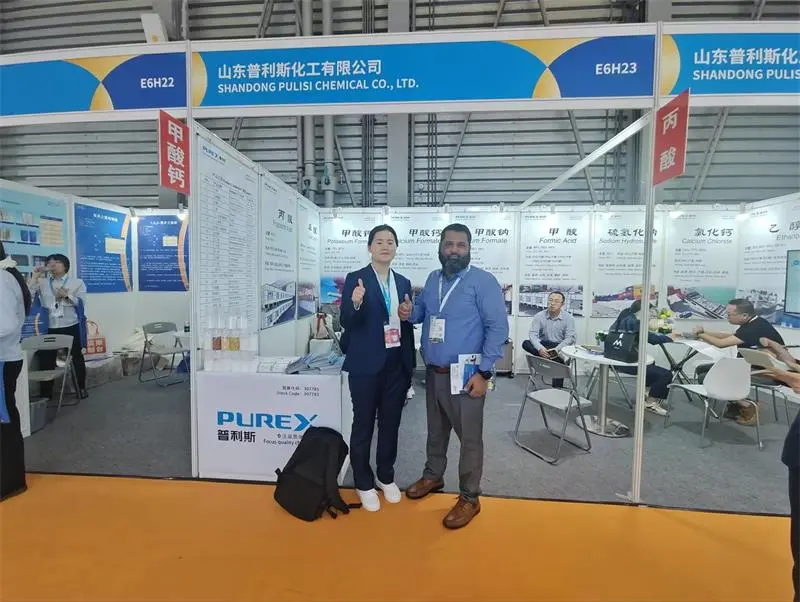
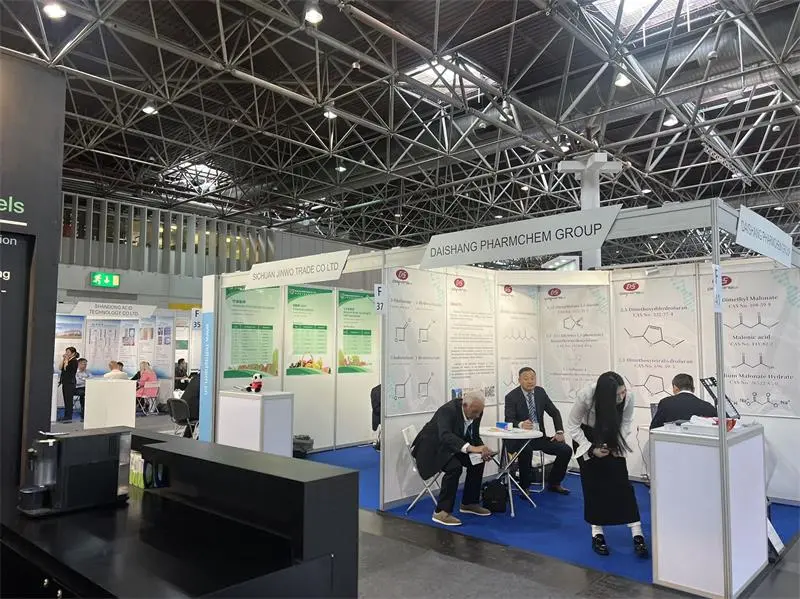
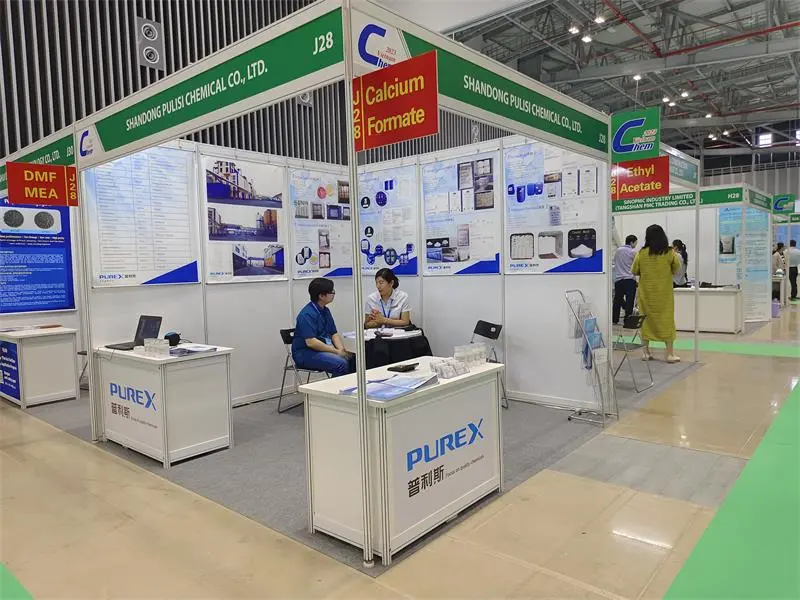
Shandong Pulisi Chemical actively participates in major chemical trade fairs, conventions, and technical symposiums worldwide to engage with our clients face-to-face and keep pace with downstream technological developments.
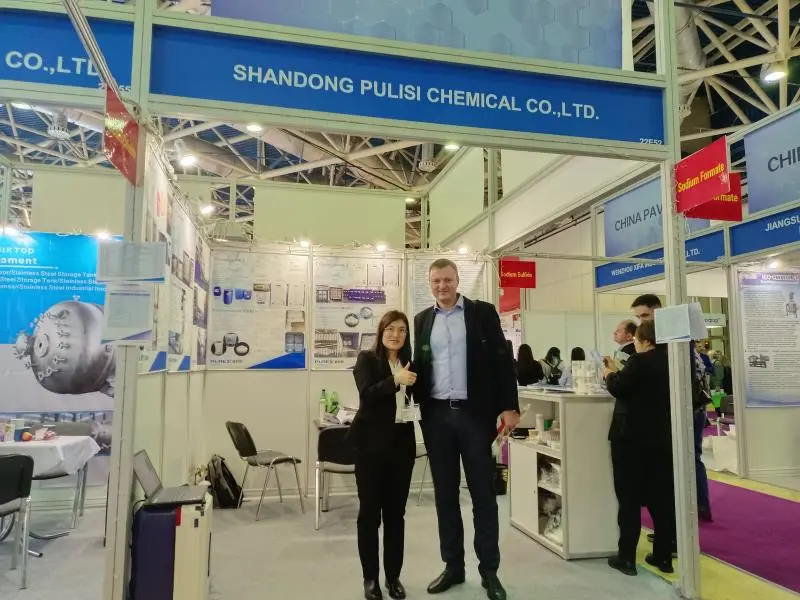
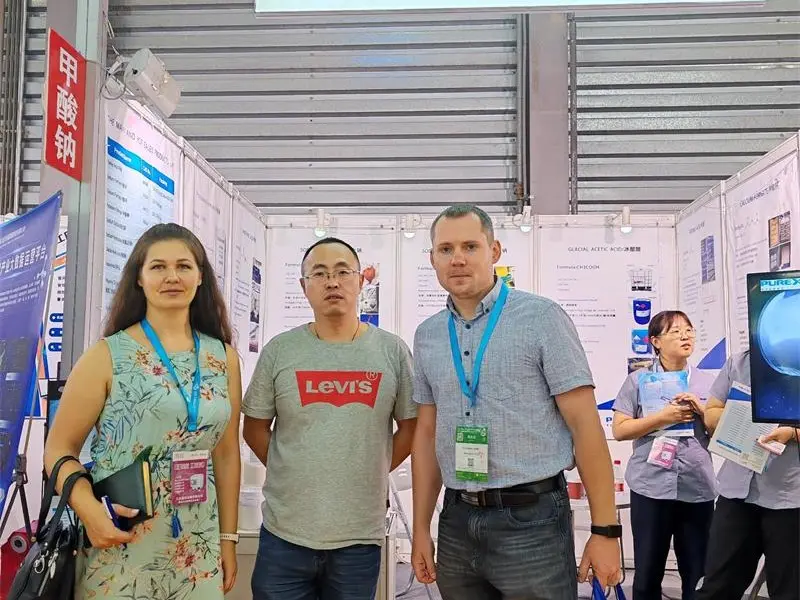
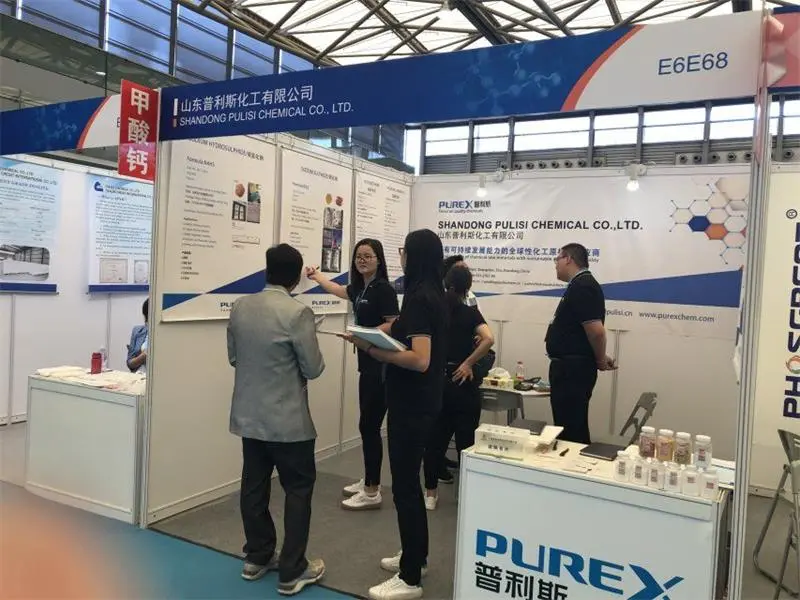
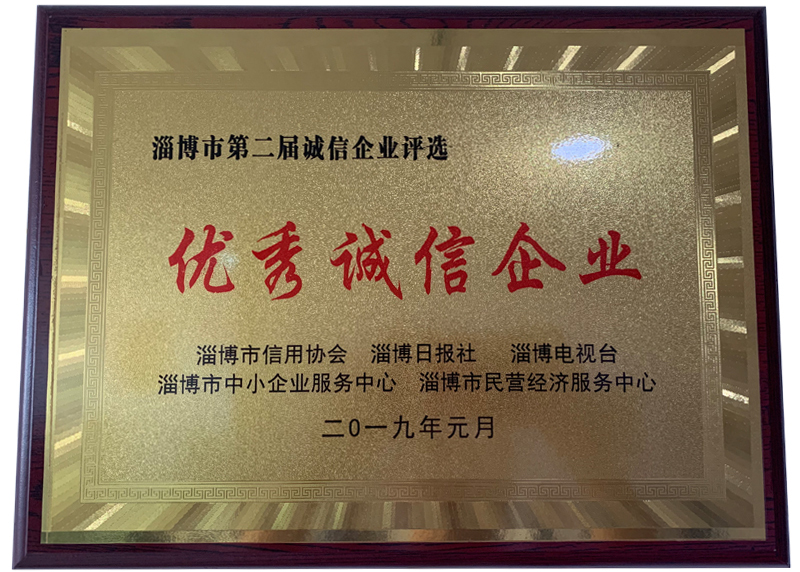
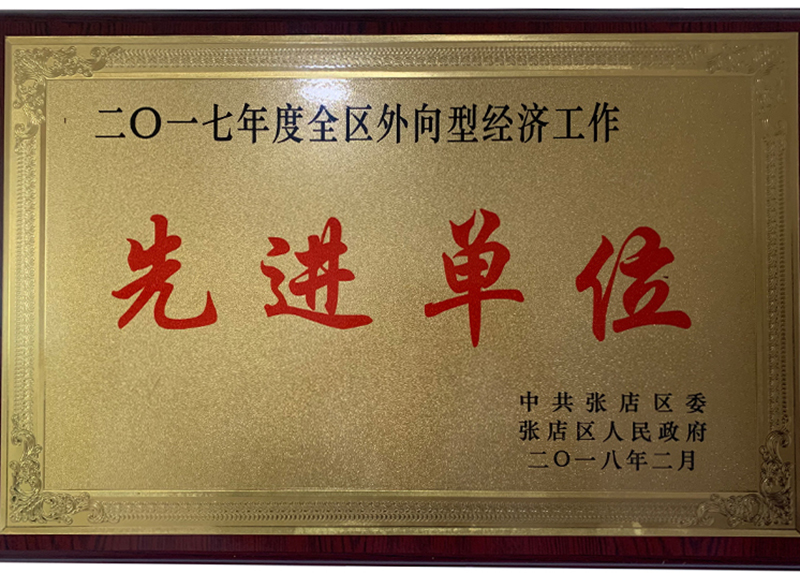
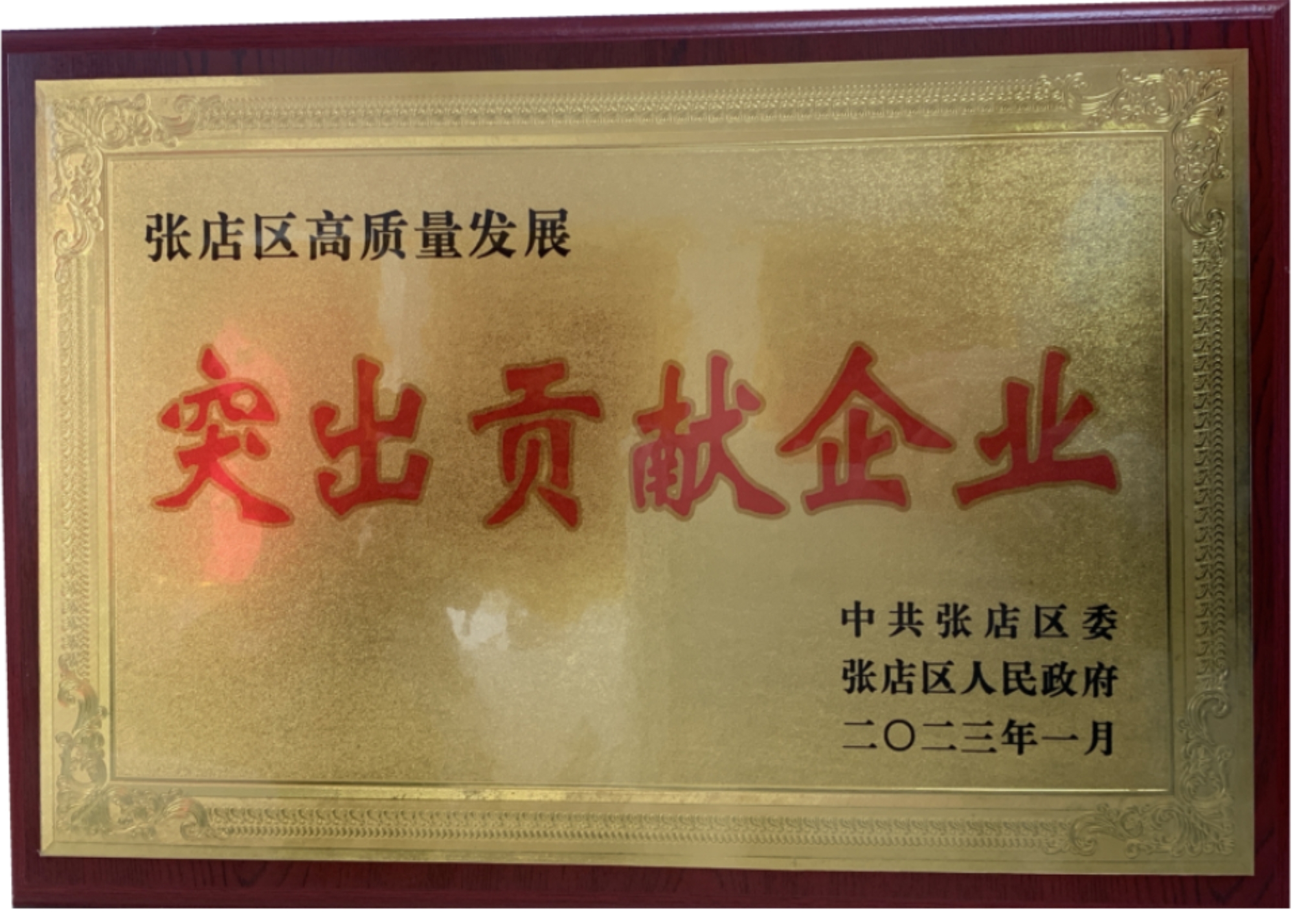
Recognition of our manufacturing standards and business practices by national and international trade chambers.










Common technical, logistical, and commercial inquiries addressed by our technical service department.
The 80/20 ratio (80% 2,4-TDI and 20% 2,6-TDI) is optimized to balance the gelling and blowing reactions in flexible polyurethane foam manufacturing. The 2,4-isomer is more reactive due to lower steric hindrance, initiating initial polymer chain extension. The 2,6-isomer reacts at a slower rate, facilitating late-stage crosslinking. This precise balance is critical to prevent foam collapse or shrinkage during the expansion process.
Acidity, measured as hydrochloric acid equivalents, directly acts as a catalyst retarder. In polyurethane reactions, high acidity levels deactivate the amine catalysts, slowing down the polymerization rate and leading to incomplete cure cycles or density variations in the finished foam. Shandong Pulisi keeps acidity levels under 0.004 wt% to ensure predictable reactivity curves.
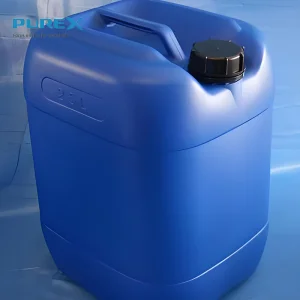
We offer multiple packaging formats: standard 250 kg dry steel drums (nitrogen-padded) loaded 20 metric tons per 20-foot container, or bulk transport using 20,000 to 24,000-liter ISO tanks. For bulk land transport across Central Asian corridors (via Alashankou or Khorgos), we deploy dedicated hazmat road tankers with nitrogen padding systems.
TDI reacts with moisture to form carbon dioxide and insoluble ureas. To prevent this, we execute standard dry nitrogen padding during filling. We also manage shipping routes to avoid temperature extremes. TDI can freeze below 12-14°C, requiring temperature-controlled logistics or pre-heating protocols upon arrival at destination terminals.
Yes, we support trials and pilot runs for smaller retailers or entrepreneurs. We aim to establish long-term relationships and support our clients' scaling requirements by providing flexible minimum order quantities (MOQs).
Yes, we provide ODM and OEM services. We can print custom branding, product codes, batch numbers, and localized GHS safety labeling on the packaging to align with your regulatory and logistics requirements.
We accept standard international trade payment terms, including Telegraphic Transfer (T/T), Letter of Credit at sight (L/C), Documents Against Payment (D/P), and Open Account (O/A) for verified clients with established trading histories.
Clients are welcome to visit our headquarters and production coordination hubs in Zibo, Shandong Province, located approximately 1.5 hours' drive from Jinan Airport. Please coordinate with our sales representatives to obtain formal letters of invitation and arrange safety orientations before your arrival.
Browse our extended chemical catalog for specialized manufacturing and industrial applications:
 Pulisi