 Pulisi

1. Introduction to Solid Oxalic Acid (Ethanedioic Acid)
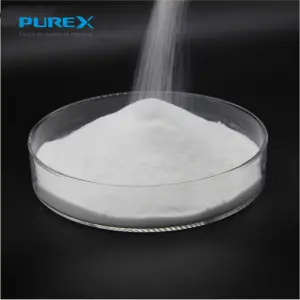
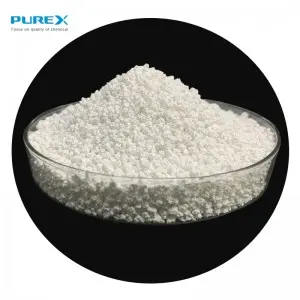
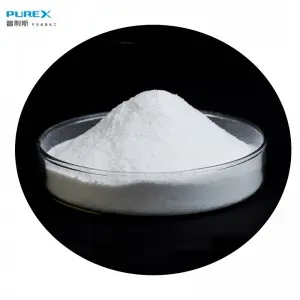
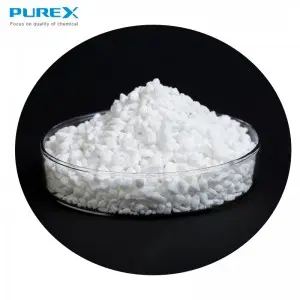
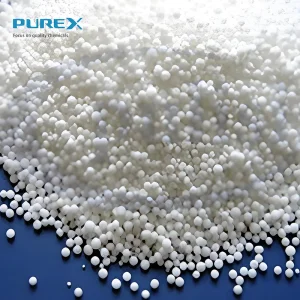
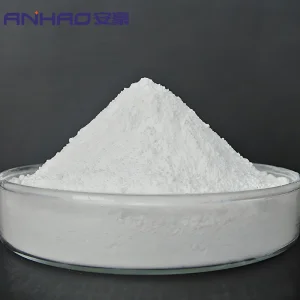
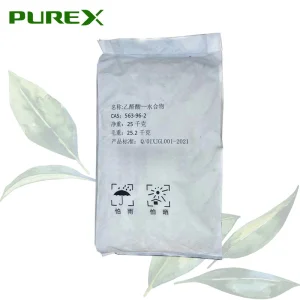
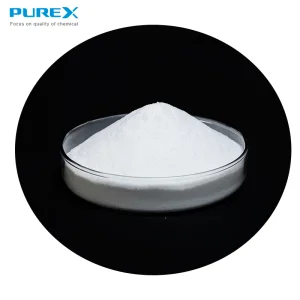
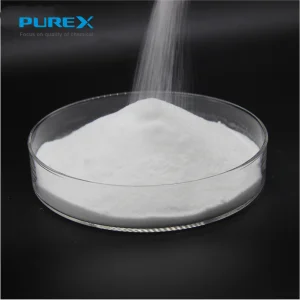
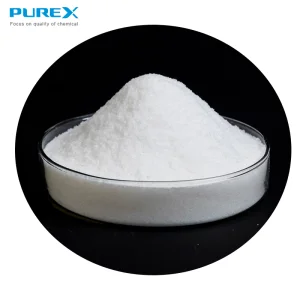
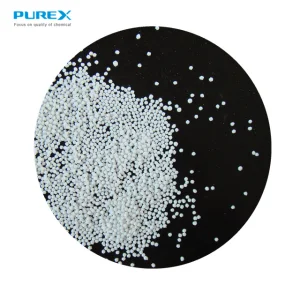
Solid Oxalic Acid (CAS No. 144-62-7 for anhydrous, 6153-56-6 for dihydrate) is a fundamental dicarboxylic acid structured as H₂C₂O₄. Presenting as white crystalline solids or granules, it is synthesized on an industrial scale to support highly specific chemical transformation, purification, and modification projects. Unlike weaker monocarboxylic acids, Oxalic Acid’s structural acidity makes it a highly effective chelating agent for metal cations, a primary reducing agent in organic syntheses, and a crucial component in high-performance surface preparation compounds.
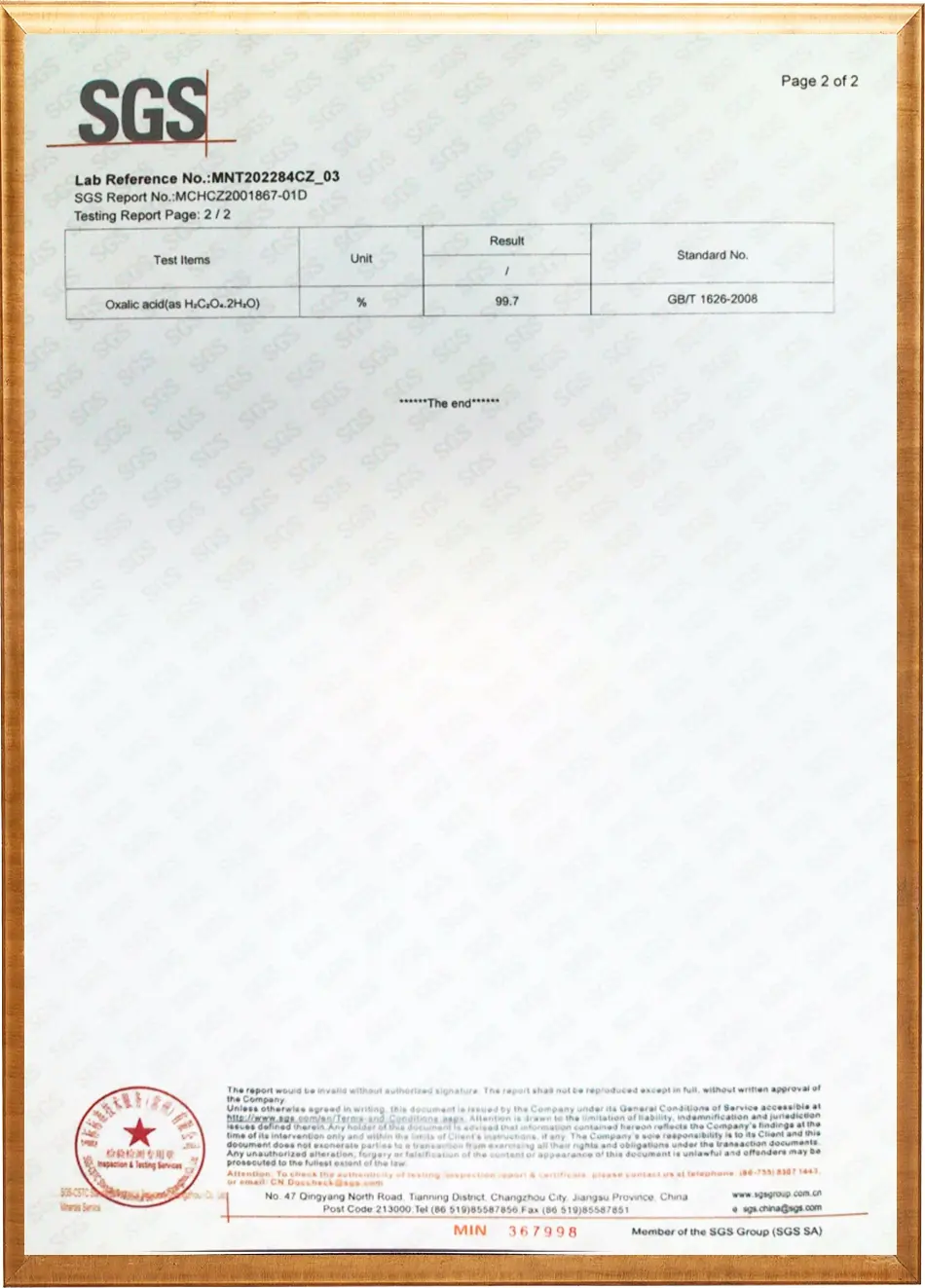
Historically, the market has categorized Solid Oxalic Acid based on purity grades. The 99.6% purity grade remains the international industrial standard, striking an optimal balance between yield performance and cost efficiency. For high-end applications like electronics manufacturing and pharmaceutical formulations, refined ultra-pure grades are produced, characterized by low ppm counts of trace transition metals like copper and iron.
2. Macro-Industrial Solutions & Application Matrices
The operational versatility of solid oxalic acid spans multiple major industrial sectors, each relying on its unique chemical characteristics:
- Hydrometallurgy and Rare Earth Refining: Solid oxalic acid is the premier precipitant for rare earth elements. It yields insoluble rare-earth oxalates that can easily be calcined into corresponding oxides. Its chemical selectivity ensures that target lanthanides are cleanly isolated from iron and aluminum impurities.
- Industrial Metal Cleaning & Passivation: Oxalic acid acts as a dual-action rust remover and metal chelator. By forming soluble metal complexes with trivalent iron ions ($[Fe(C_2O_4)_3]^{3-}$), it strips oxides without causing structural damage to underlying steel and alloy piping systems.
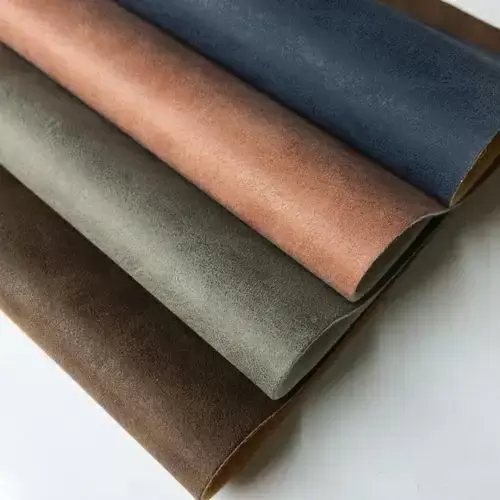
- Advanced Textile and Leather Processing: In textile printing and dyeing mills, oxalic acid serves as a mordant, pH adjuster, and bleaching agent. In tanneries, it is widely used to bleach leather and strip residual calcium salts during deliming processes.
- Pharmaceutical Intermediate Synthesis: The molecule acts as a critical structural block for synthesizing bulk drugs and APIs, including semi-synthetic penicillins, antibiotics, and central nervous system therapeutics.
3. Global Industrial Synthesis & Technical Roadmaps
To ensure high quality, modern production facilities use advanced chemical synthesis pathways, primarily shifting away from old wood-waste nitric acid oxidation methods toward catalytic routes:
Sodium Formate Dehydrogenation Process
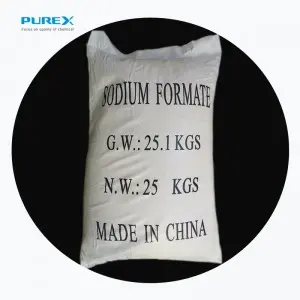
Sodium formate ($HCOONa$), obtained from carbon monoxide and sodium hydroxide, is heated rapidly under hydrogen pressure to synthesize sodium oxalate ($Na_2C_2O_4$). This is then converted to calcium oxalate ($CaC_2O_4$) and metathesized with sulfuric acid ($H_2SO_4$) to yield high-purity oxalic acid solutions, which are crystallized into solid form.
Oxidation of Carbohydrates and Propylene
Industrial carbohydrates (glucose, starch) or propylene gases undergo liquid-phase oxidation with nitric acid in the presence of catalyst packages (typically containing vanadium pentoxide). Precise temperature control is maintained to achieve high selectivities and prevent runaways.
Green Electro-Catalytic Synthesis (Future Outlook)
Modern R&D is focused on directly reducing carbon dioxide ($CO_2$) to oxalic acid via solid-state proton exchange membranes. This technology reduces waste and aligns with net-zero chemical manufacturing trends.
4. Global Market Dynamics & Price Factors
The price of Solid Oxalic Acid depends on feedstock cost fluctuations (coal, nitric acid, sodium hydroxide), energy costs, and shipping logistics. Because the main production bases are concentrated in East Asia, changes in local environmental regulations can quickly affect global supplies and spot prices.
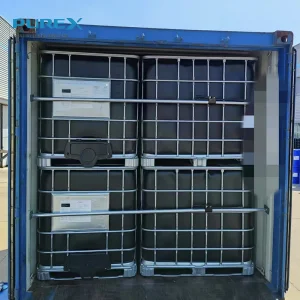
Savvy procurement teams manage these risks by using flexible contract frameworks with verified tier-1 suppliers, utilizing bonded port storage, and keeping buffer stocks at key regional hubs (such as Qingdao, Tianjin, and European ports).