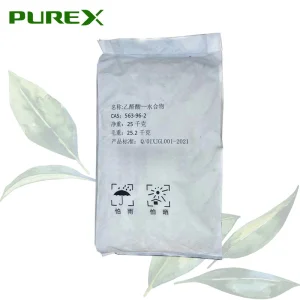
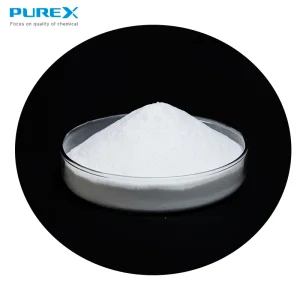
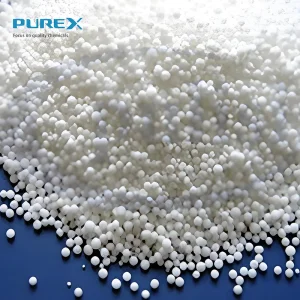
Reliable chemical solutions manufactured with state-of-the-art synthetic processes for global distribution.
Formic acid (methanoic acid, HCOOH) stands as the simplest carboxylic acid, characterized by its pungent, penetrating odor and highly corrosive properties. On an industrial scale, it has transformed from a simple agricultural preservative to a high-value platform chemical. The global supply landscape is heavily anchored in specialized manufacturing clusters, with Shandong's chemical corridors—notably the Luxi industrial region—serving as a premier node for high-capacity synthesis, technical development, and distribution logistics.
As regulatory scrutiny tightens around synthetic growth promoters and heavy metal coagulants, Formic Acid has increasingly become the preferred replacement agent. Its high acidity coupled with its natural biodegradation profile renders it indispensable across animal husbandry, high-precision textile processing, leather tanning, and energy sectors. Shandong Pulisi Chemical Co., Ltd. (Stock Code: 307785) bridges the connection between these world-class chemical manufacturing capacities and international clients, ensuring a robust, secure supply chain.

Understanding the synthesis chemistry of Formic Acid is vital for buyers targeting chemical purity and batch consistency. Manufacturers globally utilize two primary chemical pathways:
1. Methyl Formate Hydrolysis (The Modern Standard): Carbon monoxide (CO) is reacted with methanol (CH3OH) in the liquid phase under high pressure in the presence of a basic catalyst (such as sodium methoxide) to produce methyl formate. The intermediate is then hydrolyzed to yield formic acid and methanol. The methanol is recycled back into the reactor. This process produces high-purity formic acid (typically 85%, 90%, 94%, or 99%) with minimal mineral acid contaminants.
2. Sodium Formate Acidulation: This process reacts carbon monoxide with sodium hydroxide under pressure to produce sodium formate, which is subsequently reacted with sulfuric acid to yield formic acid and sodium sulfate as a by-product. While historically popular due to lower upfront capital requirements, modern Luxi factories favor methyl formate hydrolysis due to its superior environmental footprint and elimination of vast salt-cake byproducts.
The global demand for Formic Acid has entered a steady growth phase, projected to expand at a CAGR of 4.5% to 5.2% over the next decade. The primary drivers are the rapid phase-out of antibiotic growth promoters (AGPs) in livestock feed across Europe, Asia-Pacific, and the Americas, coupled with a surging demand for eco-friendly runway deicers and industrial leather processing agents.
China has solidified its position as the largest exporter and producer of formic acid globally. Within the country, the Shandong province cluster forms the backbone of global export supply. Shandong Pulisi Chemical Co., Ltd., leveraging its stock listing and mature logistics networks, channels this massive manufacturing capacity to over 100 countries. By maintaining localized storage hubs near key shipping ports like Qingdao and Tianjin, we insulate international buyers from domestic logistics disruptions and sudden shipping lane congestions.
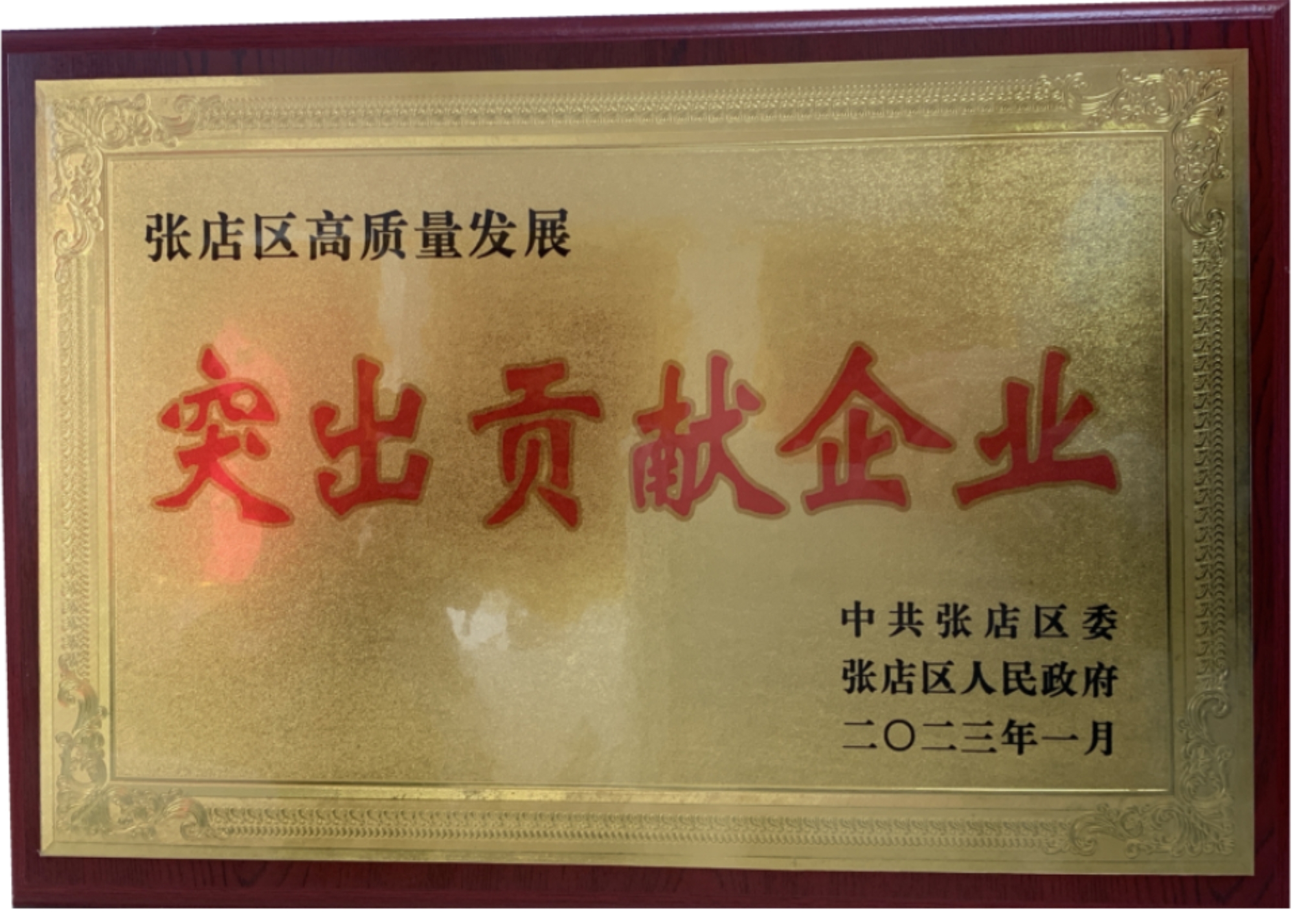
Robust operational fundamentals driving our global chemical supply chain services since 2006.
Unlocking the versatility of Formic Acid across global manufacturing sectors.
Acts as an acidifier, antibacterial agent, and preservative. It effectively controls pathogenic bacterial growth (like Salmonella and E. coli) in animal feed, while preserving nutritional value in silage storage.
Utilized as a pickling agent and decalcification regulator. It ensures uniform acid penetration inside the hides, leading to homogeneous chromium fixation and a premium leather texture.
Serves as a pH regulator in acid dyeing processes. It replaces traditional volatile mineral acids, providing gentle fiber treatment, precise color matching, and consistent dye exhaustion rates.
Formic acid is an efficient acidizing fluid in high-temperature deep oil wells. It displays low corrosivity to casing pipes while actively dissolving calcium carbonate scales in critical geologic formations.
Acts as a synthetically active intermediate in the creation of active pharmaceutical ingredients (APIs), food additives (like aspartame), and diverse downstream carboxylic acid compounds.
In the form of potassium or sodium formate derivatives, it provides eco-friendly airport de-icing solutions that prevent runway re-freezing with minimal impact on local water systems.
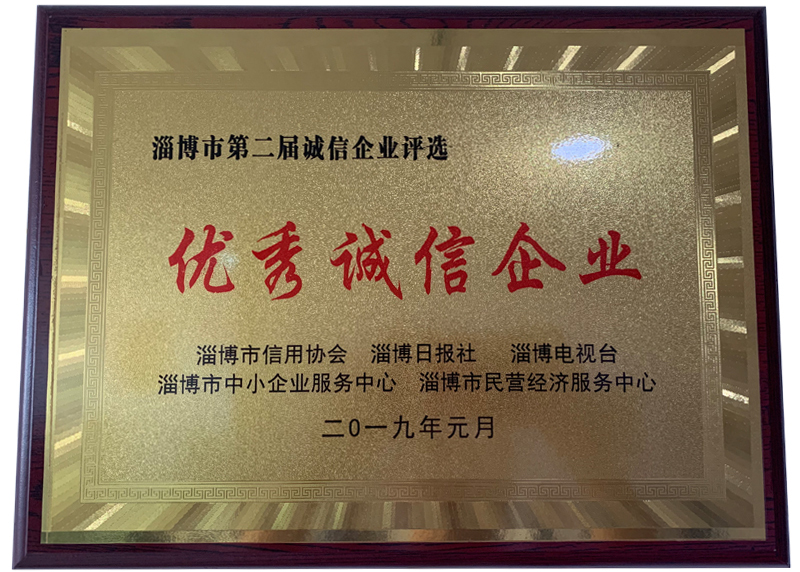
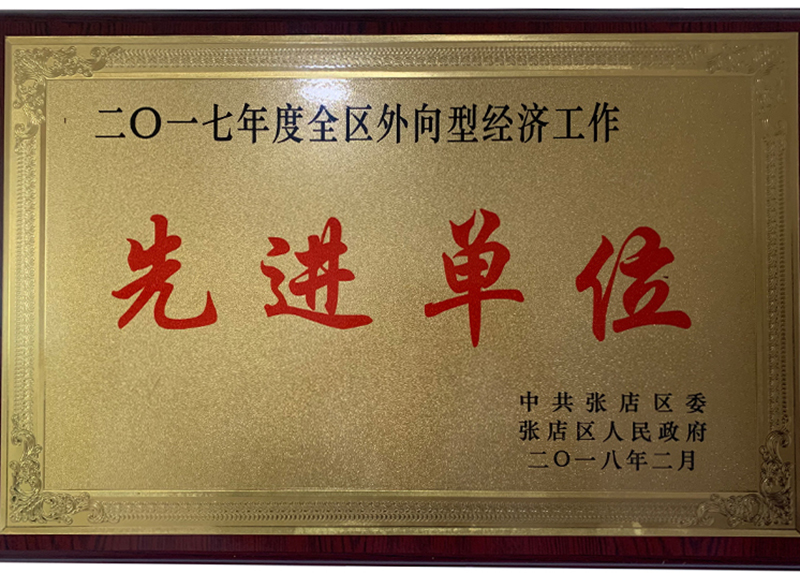
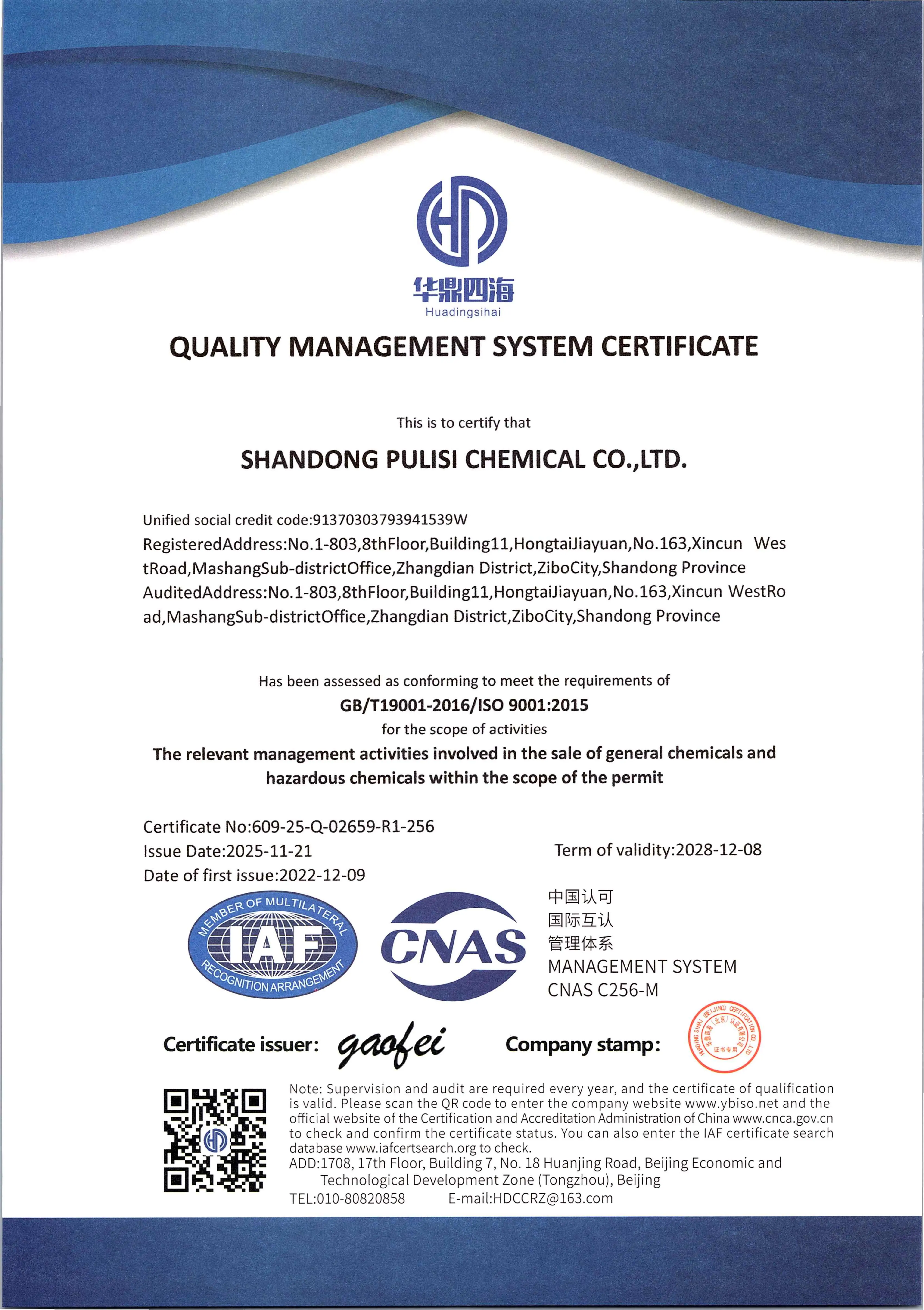
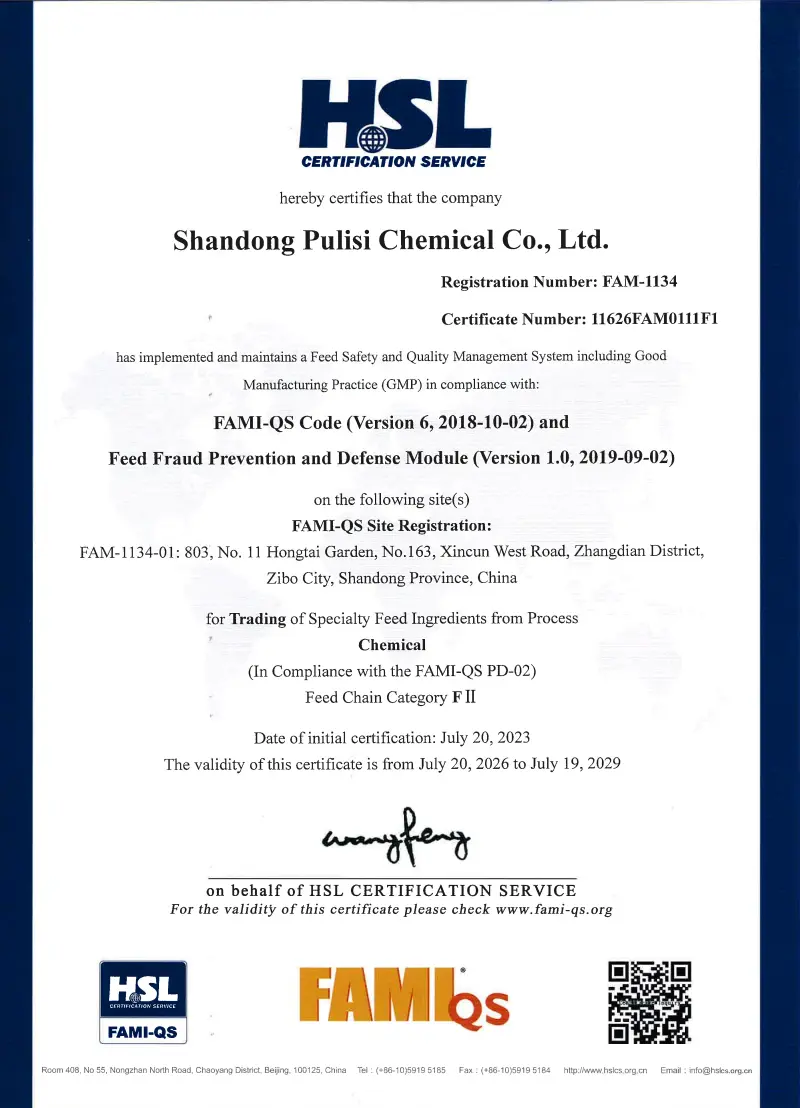
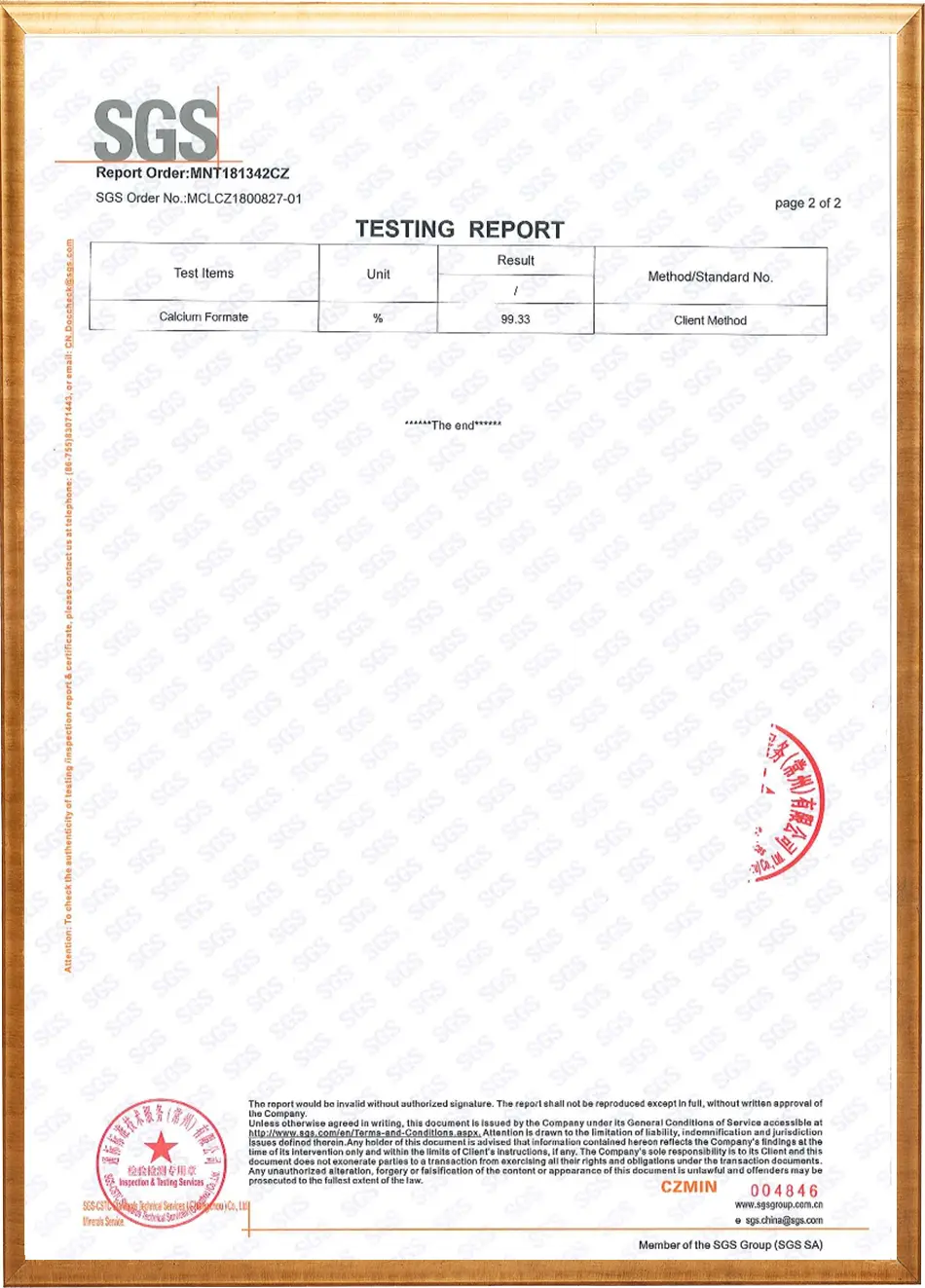
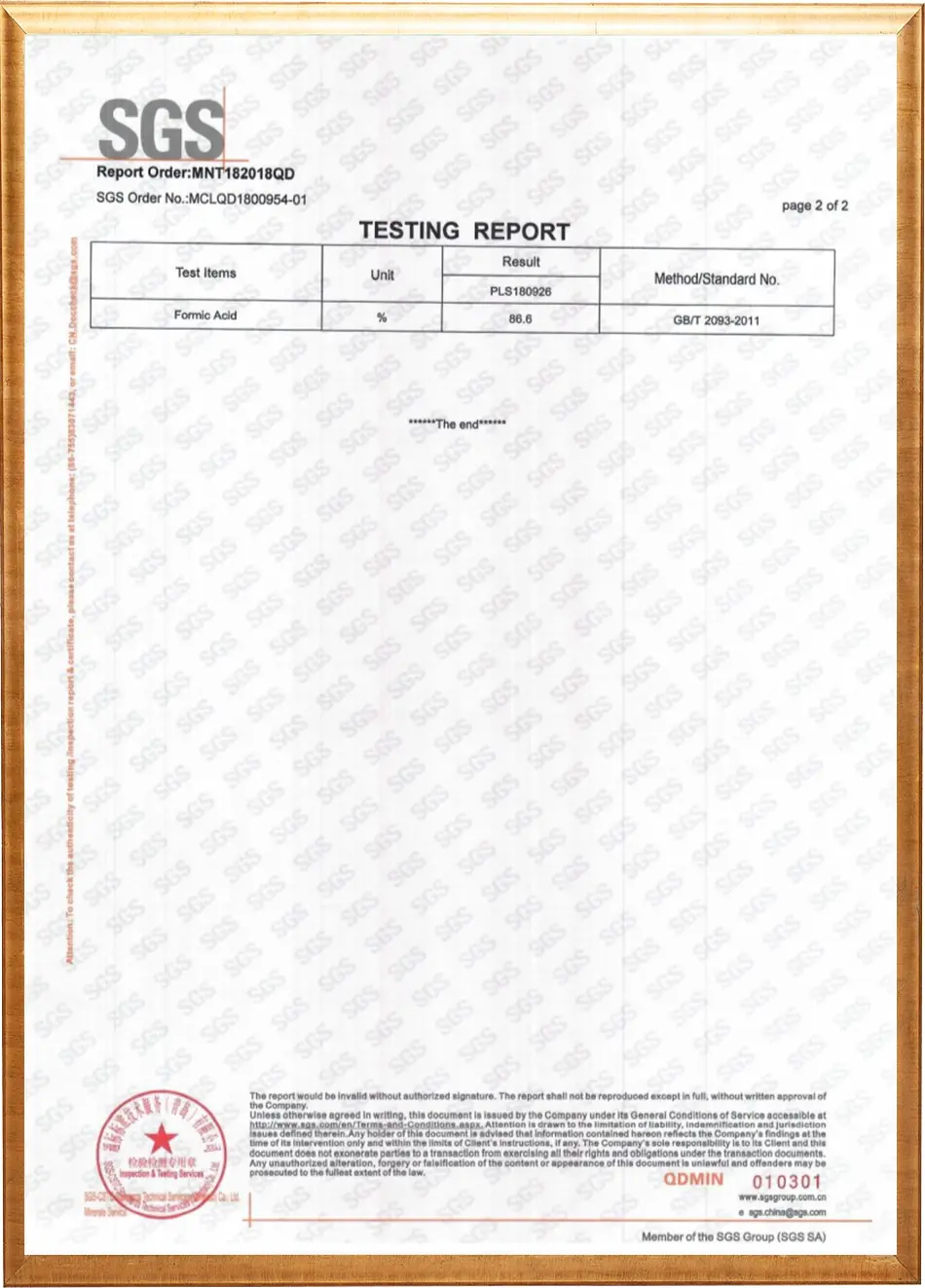
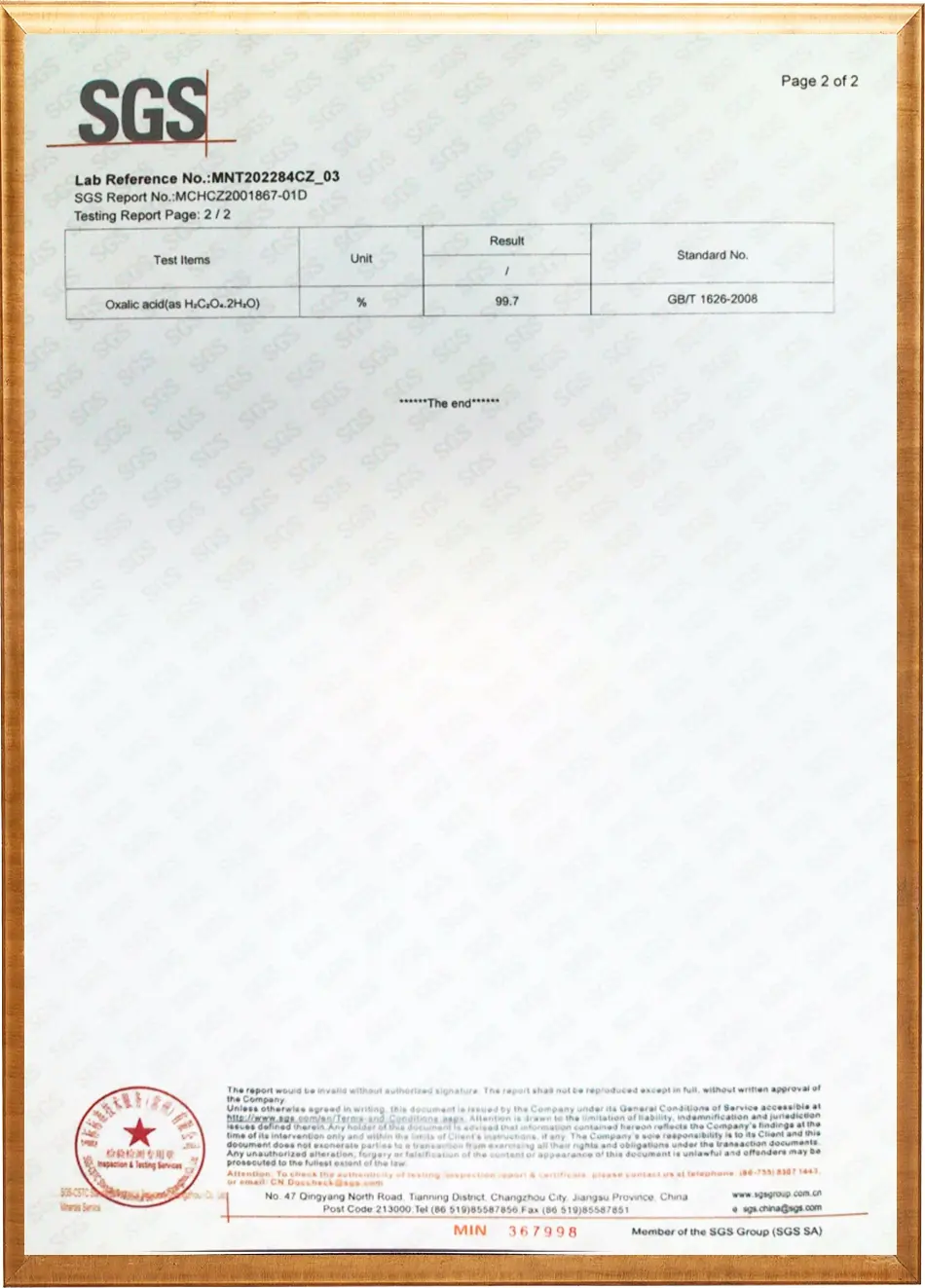
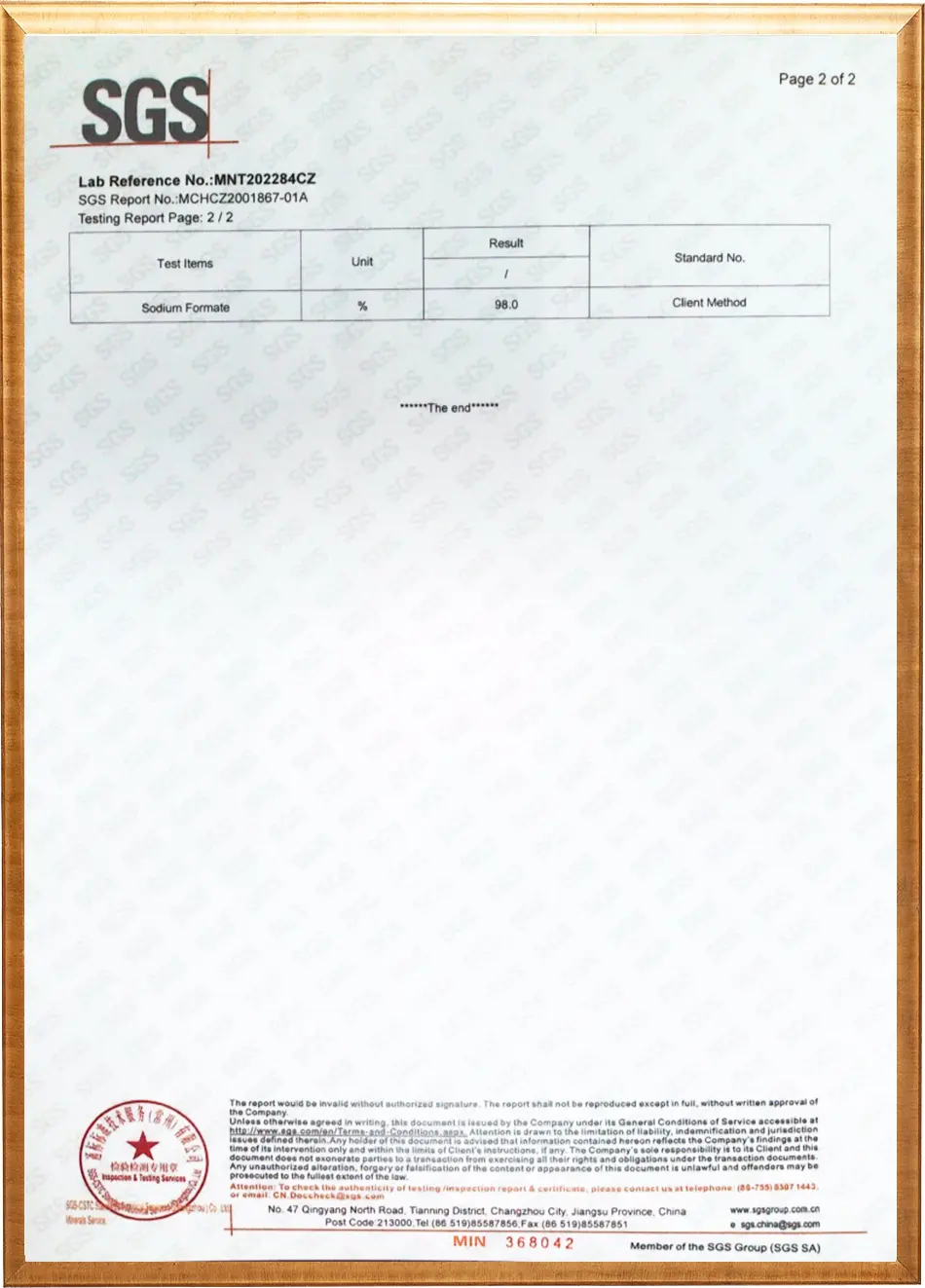
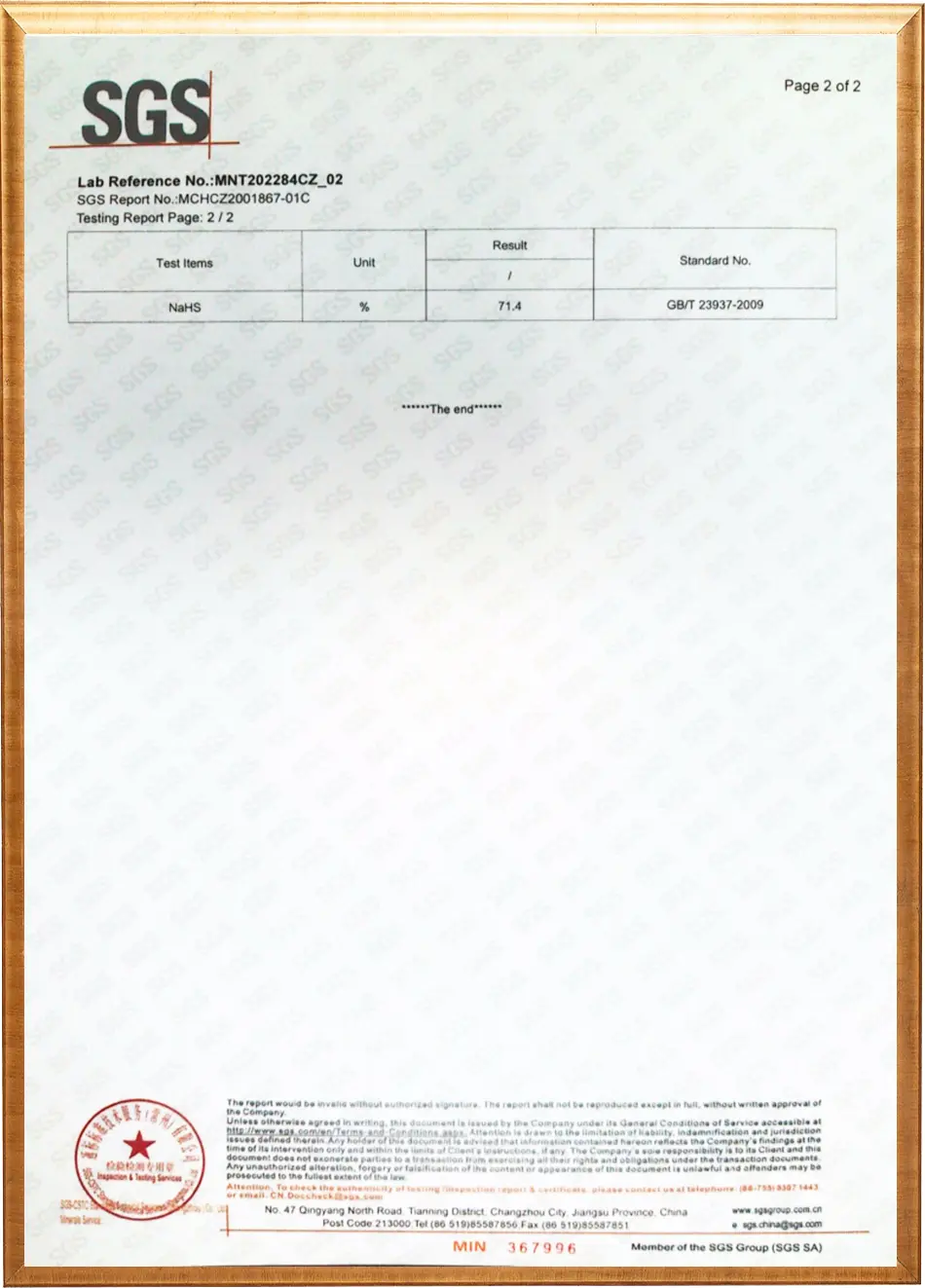
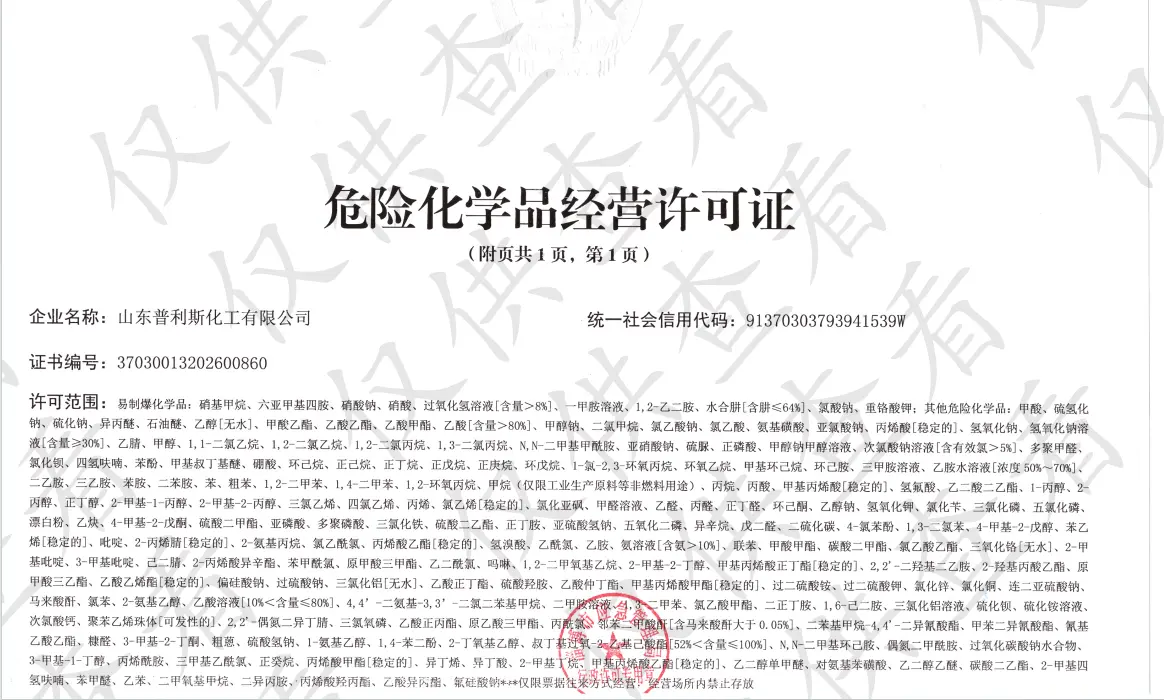
Ensuring cross-border compliance through rigorous testing and international quality alignments.
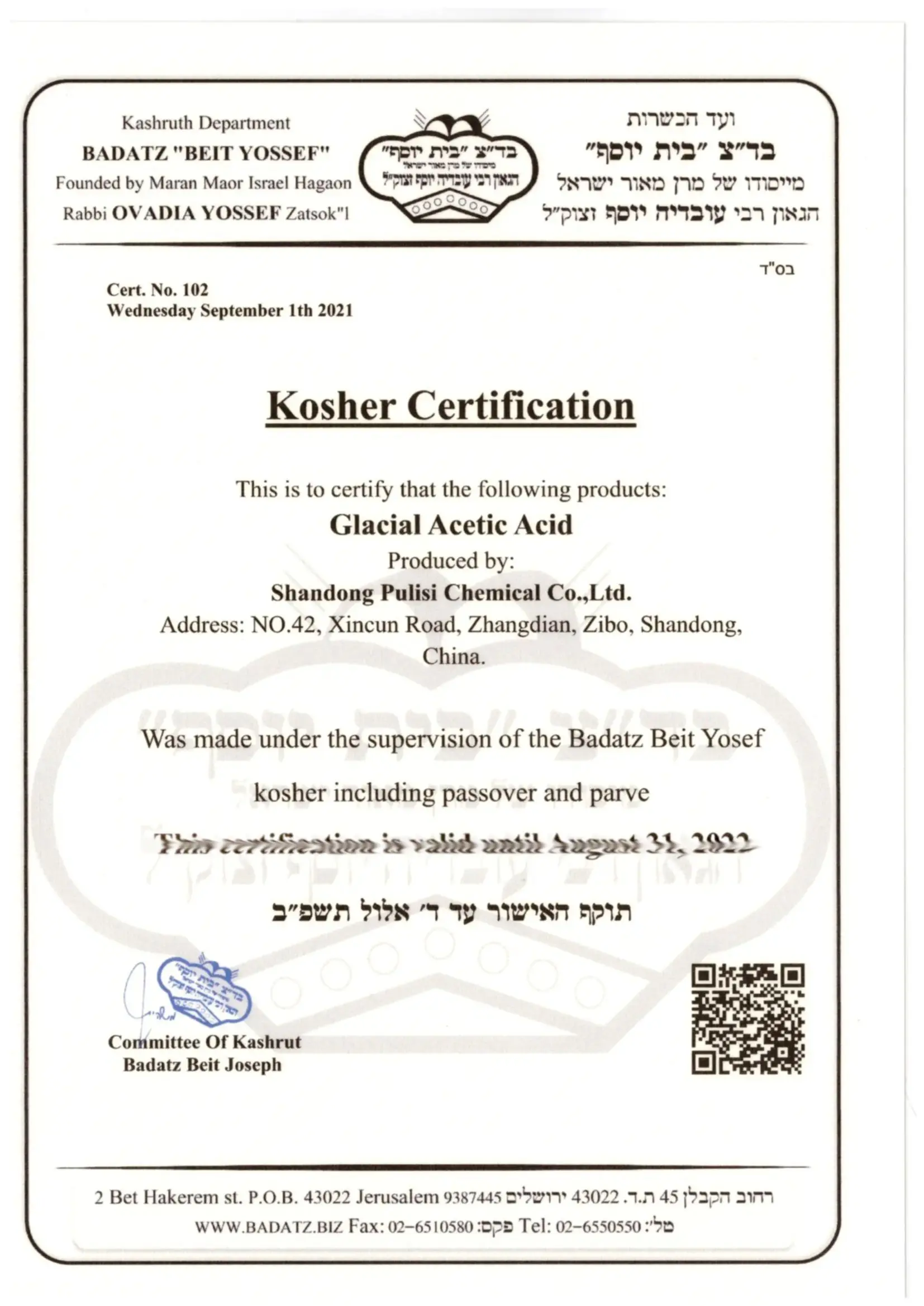
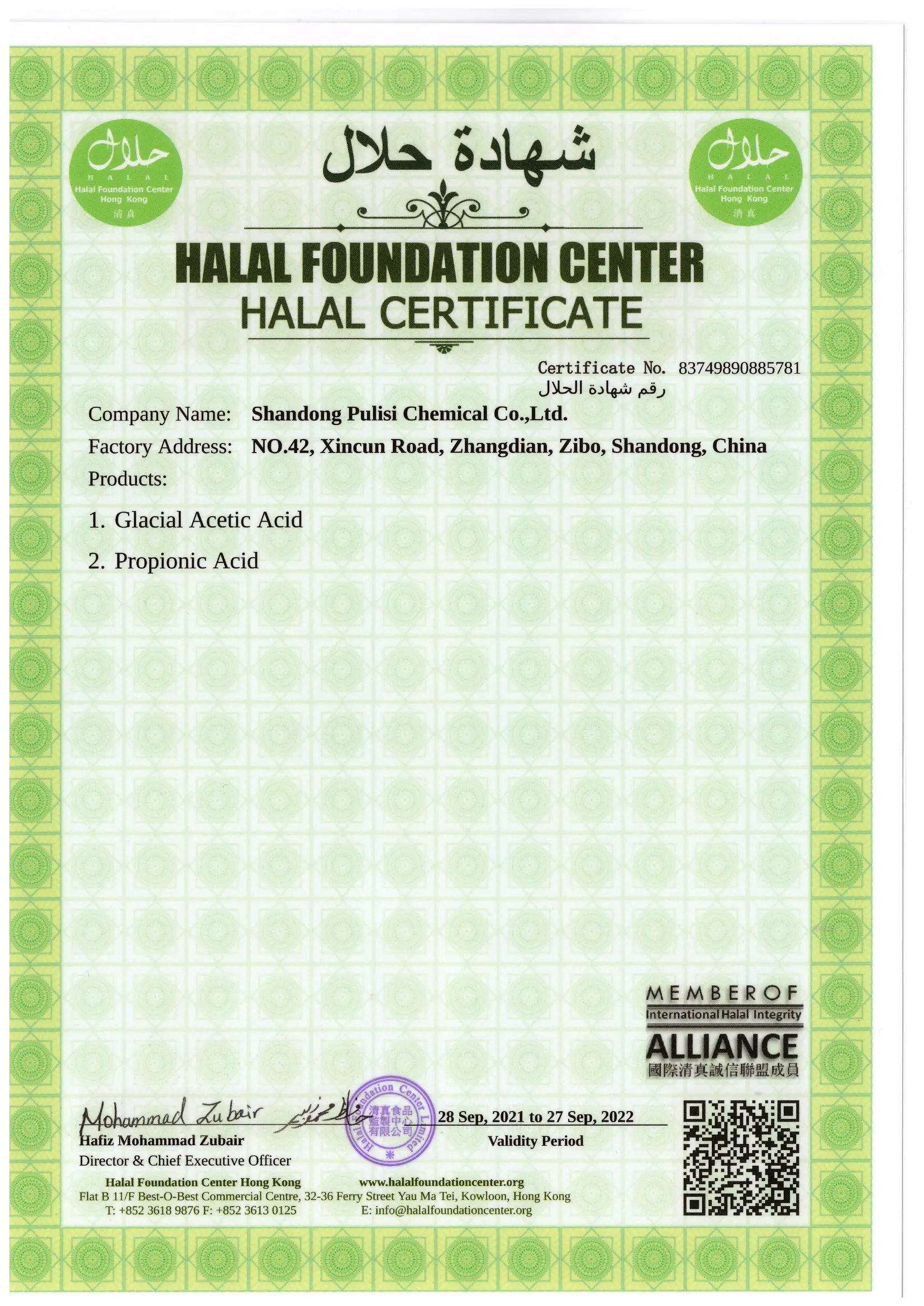
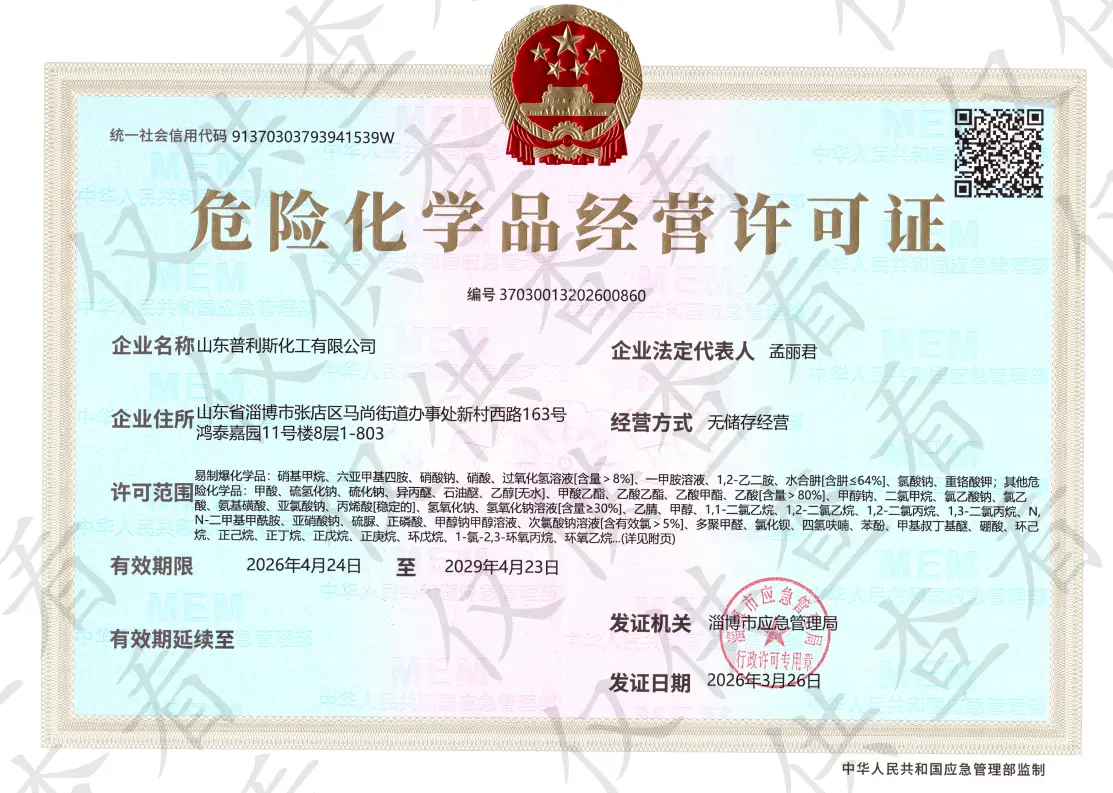
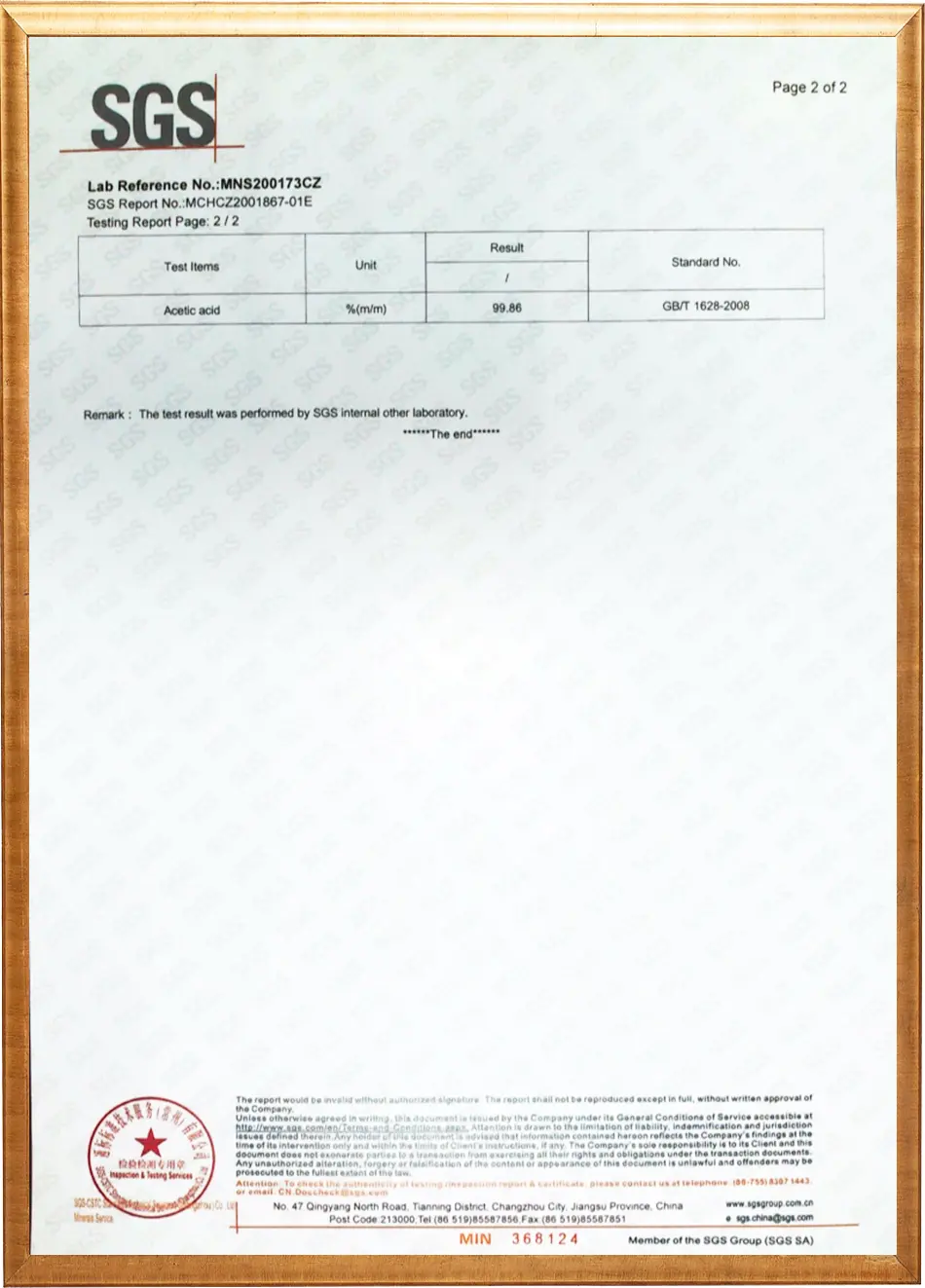
Pioneering green synthesis processes and looking towards the future of clean energy chemical storage.
One of the most exciting shifts in chemical manufacturing is the emergence of Formic Acid as an LOHC. Because of its high hydrogen content by weight (approx. 4.4 wt%) and relative stability at room temperature, formic acid is being extensively researched and deployed as a chemical battery. It can release hydrogen under mild catalytic conditions, providing a path toward decarbonized maritime transport, stationary power storage, and heavy machinery transport.
Our commitment to sustainable production means we actively look toward integrating bio-based feedstocks and carbon-capture technology in the supply networks. By capturing CO2 emissions directly from heavy industries and hydrogenating it with green hydrogen, future manufacturing loops can produce carbon-negative formic acid. This aligns with global carbon-neutral goals, ensuring our customers purchase products that meet stringent European and North American carbon-border tax requirements.
Mitigating cross-border supply chain risks with strategically located logistical hubs.
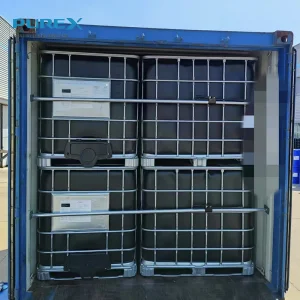
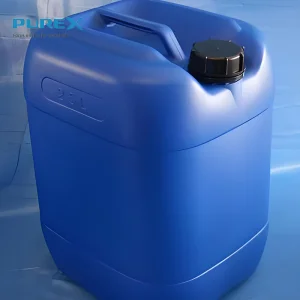
Chemical logistics require strict safety protocols, climate-controlled cargo configurations, and rapid domestic routing. To fulfill these complex operational needs, Shandong Pulisi has set up massive warehousing systems at key transit points: Qingdao Port, Tianjin Port, and critical Xinjiang land ports (Alashankou and Khorgos). These locations facilitate quick transfer of ISO tanks, IBC drums, and plastic jerrycans straight onto container vessels or cross-border rail links.
Our proximity to these hubs allows for same-week shipping updates, minimizing demurrage charges and preventing factory shutdowns for our downstream partners. Furthermore, by maintaining continuous safety protocols compliant with local transport codes, we guarantee that all dangerous goods documentation (IMDG, ADR) is processed cleanly, eliminating customs delays at international ports of entry.
Continuous participation in international trade shows, expanding partnerships worldwide since 2006.
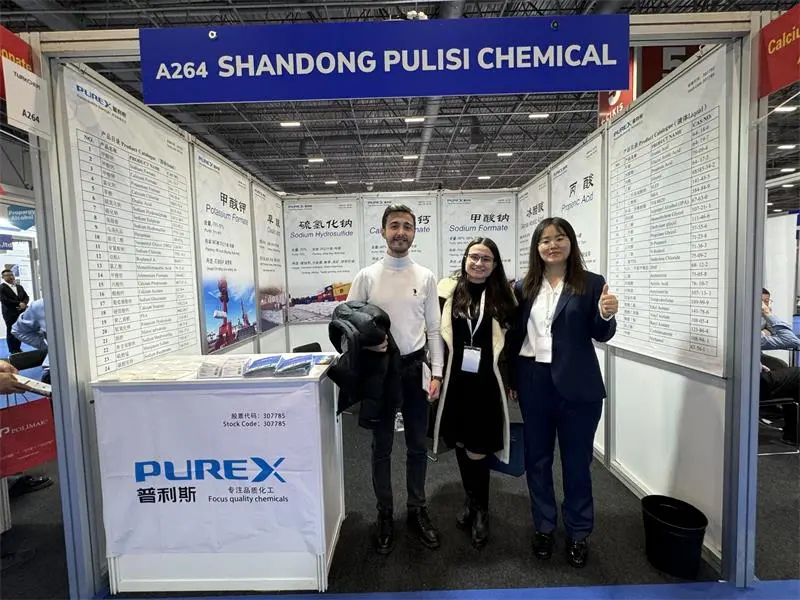
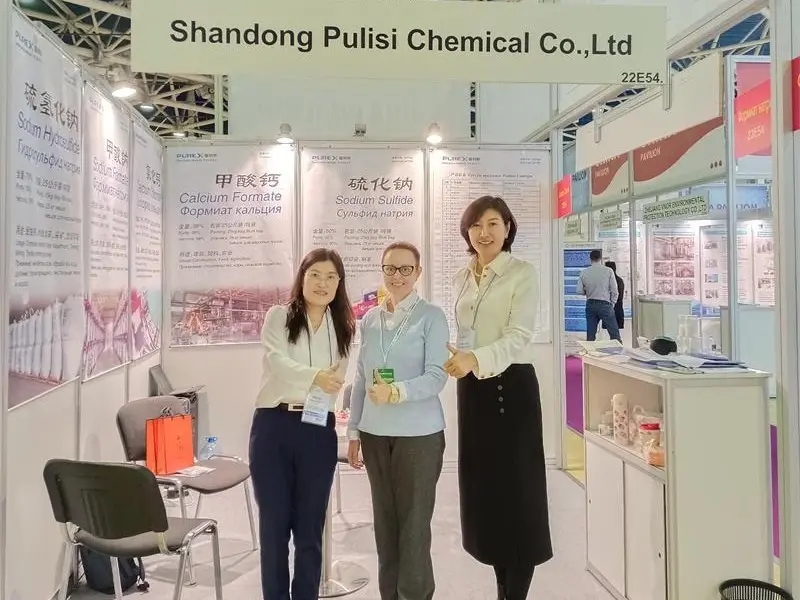
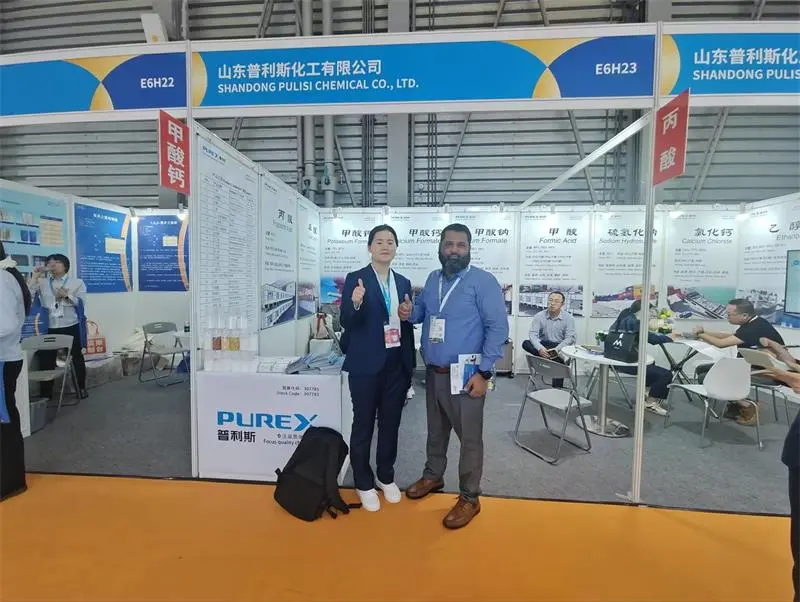
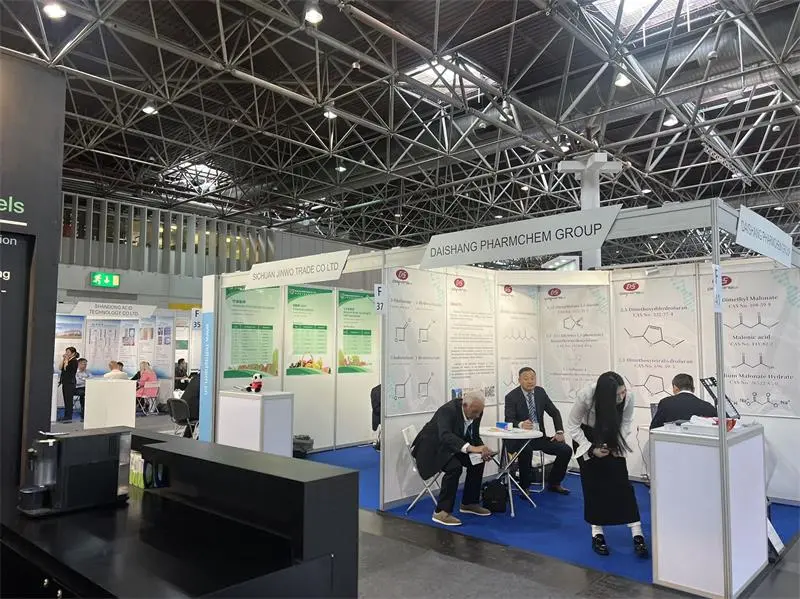
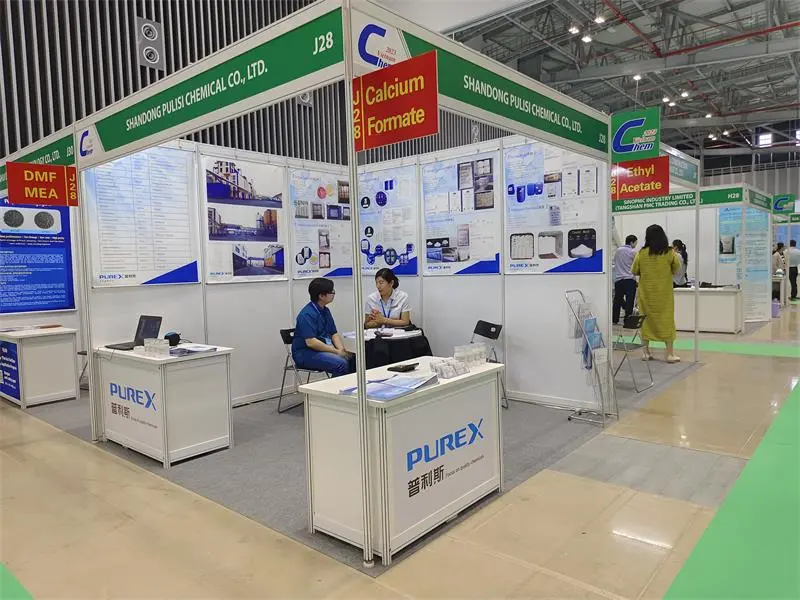
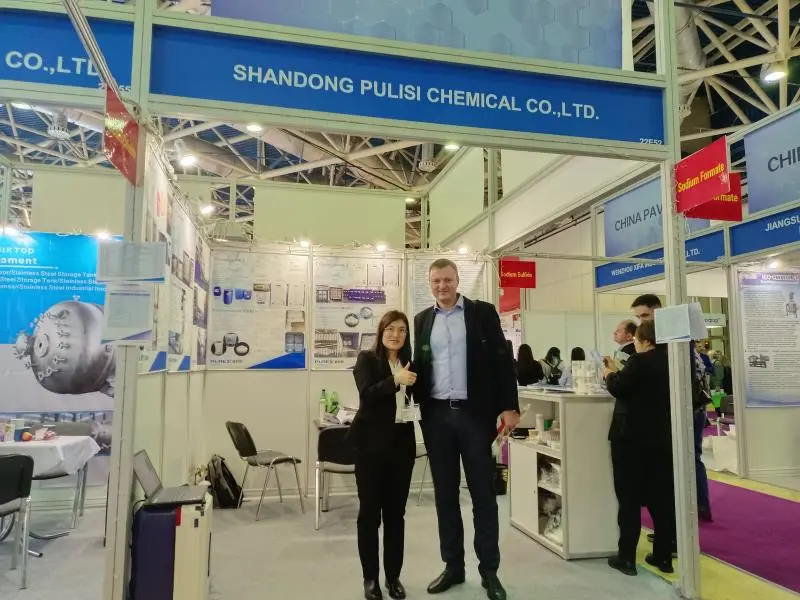
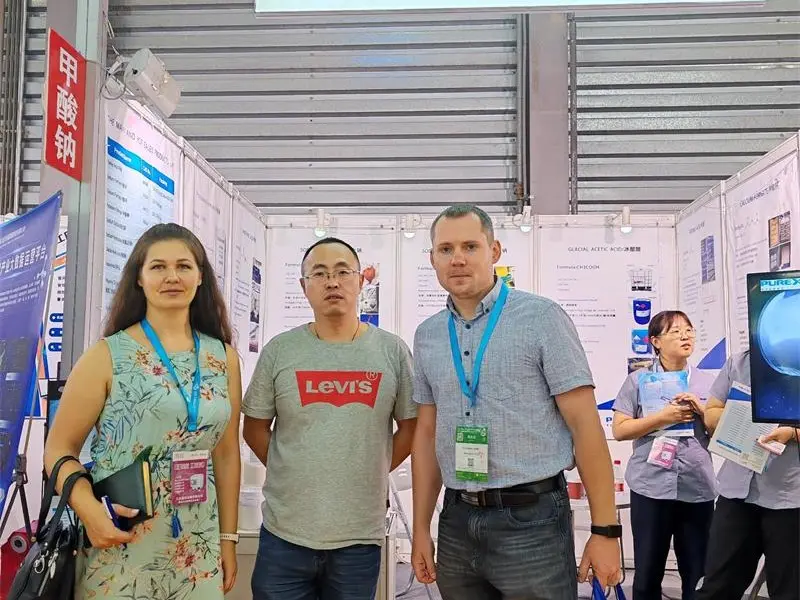
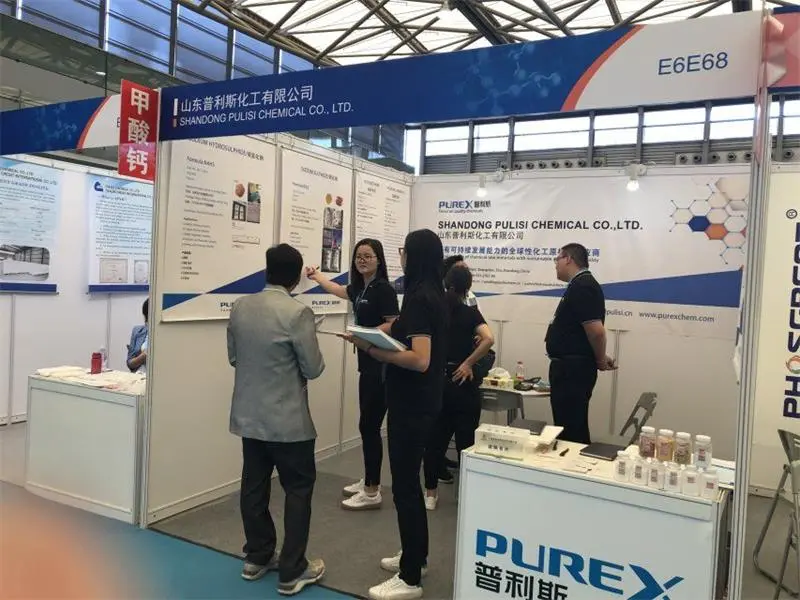
Strategic partnerships built on reliable quality, financial transparency, and agile service delivery.




Comprehensive technical and commercial support regarding our Formic Acid supply chains and products.
Yes, we support OEM/ODM packaging requests. You can submit your vector logo file and layout guidelines, and our logistics team will ensure customized printing on IBC drums, jerrycans, or plastic bags meets local shipping display regulations.
Whether you are an established Fortune 500 company or a growing commercial distributor, we can adjust our supply options. We are committed to building long-term trading partnerships by accommodating diverse container loads.
Our pricing model changes dynamically based on current raw material costs (methanol, sulfur, carbon monoxide), ocean freight indices, and ordered volumes. We prioritize our customers' economic interests and offer bulk pricing adjustments.
Yes, we provide free product samples (within standard laboratory volumes) for quality testing. Customers are only asked to cover international courier fees, which are credited back upon final contract signing.
Yes. By using our own warehouses at Qingdao Port, Tianjin Port, and Alashankou/Khorgos land ports, we bypass local transport delays. This allows us to load shipments directly onto scheduled ocean liners or rail routes.
We support standard payment methods including T/T (Telegraphic Transfer), L/C (Letter of Credit) at sight, D/P (Documents Against Payment), and O/A (Open Account) for long-term partners with established credit profiles.
You are welcome to tour our operations in Zibo, Shandong Province, located approximately 1.5 hours' drive from Jinan Airport. Please coordinate with our sales representatives to arrange entry permits and transportation.
You can contact our sales representatives directly via email or our online inquiry form. We will generate a proforma invoice detailing batch specifications, pricing, incoterms, and dispatch timelines.
Premium grade industrial, mining, agriculture, and construction chemicals for global supply chains.
 Pulisi