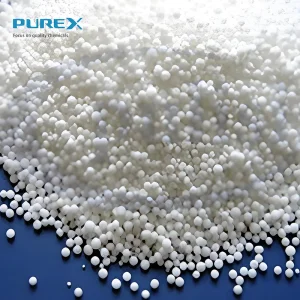
Premium grade industrial, agricultural, and process chemical solutions manufactured under strict global standards.
Acido Propionico (Propionic Acid, CAS 79-09-4) represents a critical short-chain saturated fatty acid utilized broadly across agricultural preservation, chemical synthesis, and pharmaceutical processing. Characterized by its highly pungent, clear liquid form, this monocarboxylic acid serves as the functional backbone for the manufacture of key esters, cellulose derivatives, and direct antimicrobials. As global requirements for food and feed safety intensify, the demand for high-purity, CE-certified Acido Propionico has seen substantial growth, particularly within the European Economic Area (EEA) and highly regulated Western hemispheres.
Historically, the chemical market has sourced this compound via petrochemical pathways. However, the rise of stringent environmental standards and regional feed safety protocols has shifted buyer priorities. B2B procurement managers are no longer merely seeking competitive quotes; they demand robust verification of manufacturing consistency, raw material traceability, and regulatory compliance. Shandong Pulisi Chemical Co., Ltd. addresses these evolving expectations by merging large-scale Chinese chemical manufacturing efficiency with internationally accredited certifications.
Our manufacturing systems ensure that industrial and feed grades of Acido Propionico meet the strict standards required for CE marking and global distribution. By maintaining an end-to-end quality assurance program—extending from feedstock purity verification through to specialized ISO-compliant chemical logistics—we deliver high-performance molecules that lower process variation for downstream users.
Understanding the chemistry behind Acido Propionico production is vital for understanding its purity and sustainability metrics. The primary chemical pathway utilized by leading global manufacturers, including facilities in Shandong, involves the Ethylene Oxo Synthesis (Hydroformylation). In this technical sequence, ethylene is reacted with carbon monoxide and hydrogen in the presence of a cobalt or rhodium catalyst system to synthesize propionaldehyde. Subsequent liquid-phase oxidation converts the intermediate aldehyde directly into propionic acid:
CH2=CH2 + CO + H2 → CH3CH2CHO (Propionaldehyde)
2 CH3CH2CHO + O2 → 2 CH3CH2COOH (Acido Propionico)
An alternative route is the Reppe Carbonylation process, wherein ethylene, carbon monoxide, and water are reacted directly under pressure using a nickel catalyst. While effective, the hydroformylation method remains dominant due to its high yield and lower corrosive impact on production vessels.
Looking forward, Shandong Pulisi is actively monitoring and testing bio-based technical routes. The biological production of Acido Propionico relies on anaerobic fermentation of sugars (glucose, sucrose) by bacteria of the genus Propionibacterium (e.g., Propionibacterium acidipropionici). Though downstream isolation and purification costs currently restrict biological methods to specialty food-grade applications, the technical roadmap aims to scale green production. Combining carbon capture and renewable biomass feedstocks represents the next evolution of carbon-neutral chemical manufacturing.
Trace heavy metals or aldehyde residues in industrial propionic acid can deactivate catalyst complexes in downstream esterification or polymer manufacturing, leading to yield loss.
Every production run undergoes gas chromatography (GC) to verify that chemical concentration consistently meets or exceeds 99.5%, maintaining strict limits on water and heavy metals.
Our integrated manufacturing site utilizes heat-recovery networks during ethylene hydroformylation to significantly reduce steam consumption and lower our carbon footprint.
Acido Propionico functions in diverse ways depending on the target market. A localized understanding of its performance requirements ensures regulatory compliance and optimal cost efficiency across different regions.
1. European Union (EU) Agricultural Feed & Preservation Sector
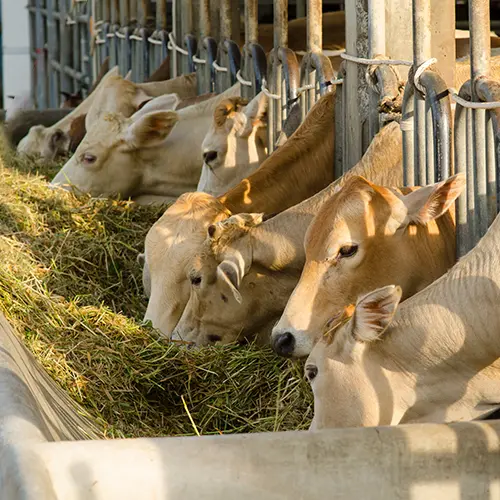
Within the EU, Acido Propionico is used primarily as an agricultural preservative. It prevents mold and bacterial growth in animal feed, grain silos, and silage. The compound works by penetrating the cell walls of molds and bacteria, disrupting metabolic pathways and reducing competitive microbial growth. European farmers rely on CE-certified, FAMI-QS compliant feed additives to ensure animal safety and prevent mycotoxin contamination in dairy and meat supply chains.
2. North American Chemical Intermediates & Coatings
In the United States and Canada, the focus is on utilizing propionic acid as a precursor for polymers, plastics, and high-performance solvents. A key derivative is Cellulose Acetate Propionate (CAP), a thermoplastic ester utilized in automotive coatings, consumer plastics, and printing inks. CAP provides excellent UV resistance, thermal stability, and clarity. The demand in this region requires low-water, high-concentration acid to avoid side-reactions during esterification processes.
3. Latin American Grain & Feed Storage Management
In Brazil, Argentina, and neighboring agricultural centers, high-humidity storage environments make stored grains highly susceptible to degradation. Local grain storage facilities utilize blended propionate formulations (combining free propionic acid and ammonium propionate) to provide long-lasting mold control. This helps maintain nutritive values and protects grain exports during maritime transit to global markets.
4. Asia-Pacific Industrial Solvents & Specialty Esters
Across East and Southeast Asia, the product is used in the synthesis of esters like butyl propionate and pentyl propionate. These function as low-VOC solvents in modern lacquers, paint systems, and industrial cleaning agents. Additionally, the regional agrochemical sector uses propionic acid as an intermediate for manufacturing herbicides (such as dichlorprop and mecoprop), requiring a reliable chemical supply chain.
A publicly listed, globally integrated manufacturer providing petrochemical, mining, feed, and pharmaceutical chemical solutions.
Established in 2006 and publicly listed in 2023 under Stock Code: 307785, Shandong Pulisi Chemical Co., Ltd. has developed into a leading supplier of chemical raw materials. We focus on petrochemicals, mining chemicals, feed chemicals, and pharmaceutical chemicals. Through steady investment in manufacturing systems and quality control, we have built stable, long-term partnerships with Fortune Global 500 enterprises, including China National Petroleum Corporation (CNPC) and Saint-Gobain.
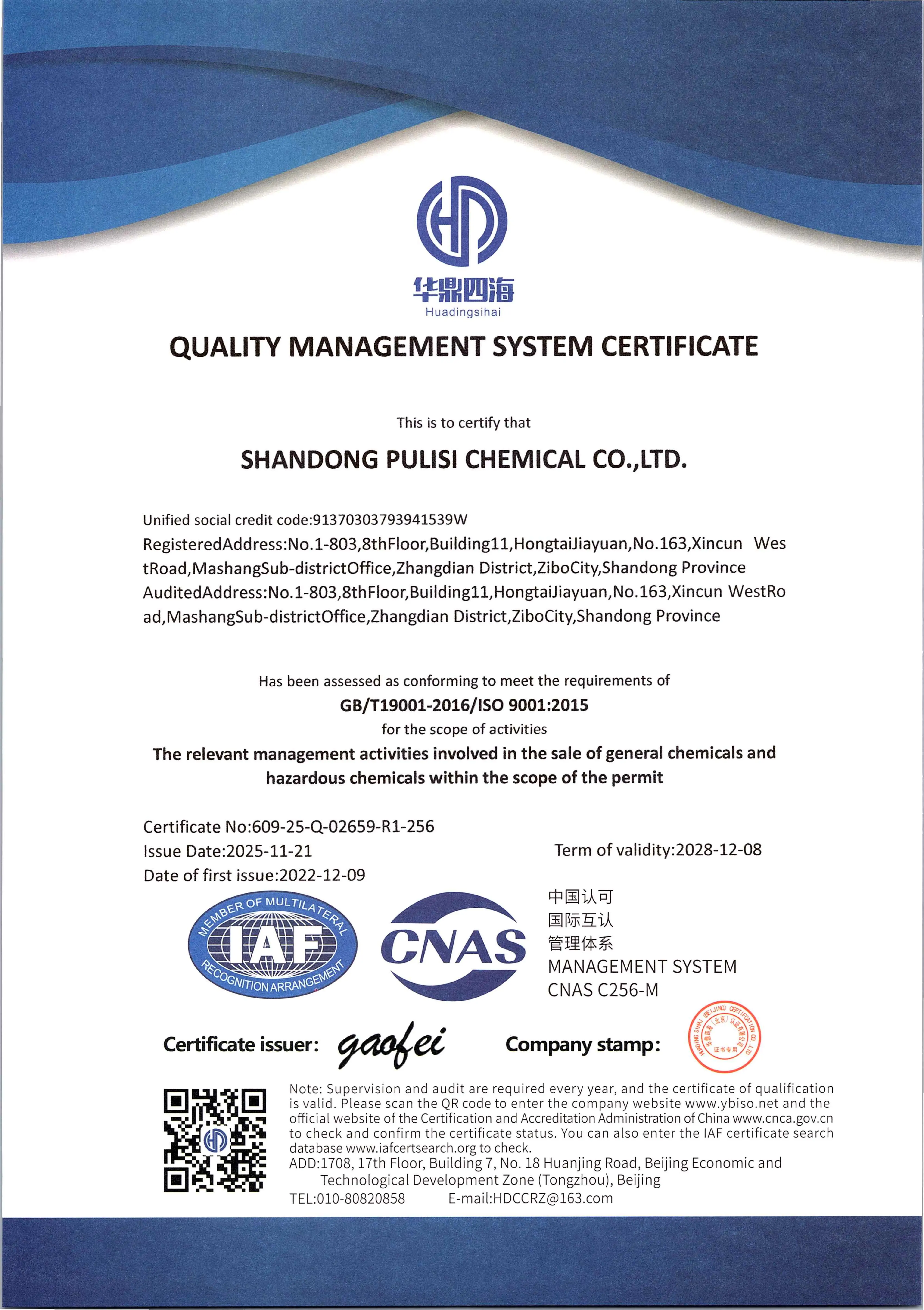
Our operations prioritize compliance and product quality. The company has passed ISO9001:2015 Quality Management System Certification and German BV (Bureau Veritas) Certification. We have been recognized with honors including "Foreign-Oriented Economic Enterprise," "Alibaba Demonstration Base," and "Contribution Enterprise."
We operate under the core corporate values of: "Customer First, Rapid Response; Striving as the Foundation, Efficient Collaboration; Integrity and Uprightness, Agile Adaptation." We focus on supplying high-quality products and reliable services to help our clients strengthen their market competitiveness.
Strict Statement: Shandong Pulisi Chemical Co., Ltd. has not established branch offices outside of Shandong Province. If there is any act of impersonating our company or representatives, we reserve the right to pursue full legal responsibilities.
Managing a global chemical supply chain requires reliable logistics infrastructure to handle hazardous materials, balance seasonal demand shifts, and mitigate geopolitical disruptions. Shandong Pulisi Chemical has built a resilient distribution network that ensures consistent, on-time delivery.
We operate warehousing and distribution systems at key Chinese ports and border gateways, including Qingdao Port, Tianjin Port, and the Western inland border crossings of Alashankou and Khorgos. This dual-route shipping strategy—combining sea freight and overland rail corridors—enables us to supply markets efficiently.
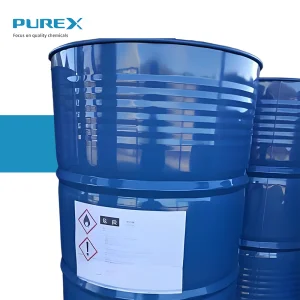
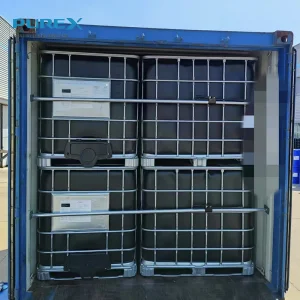
Furthermore, our logistics team manages all aspects of shipping hazardous chemicals. Since Acido Propionico is classified as a Class 8 corrosive substance (UN 3463, Class 3 sub-risk), it requires compliant packaging and documentation. Every shipment includes comprehensive Safety Data Sheets (SDS), certificates of origin, and custom-clearance documents to prevent port delays.
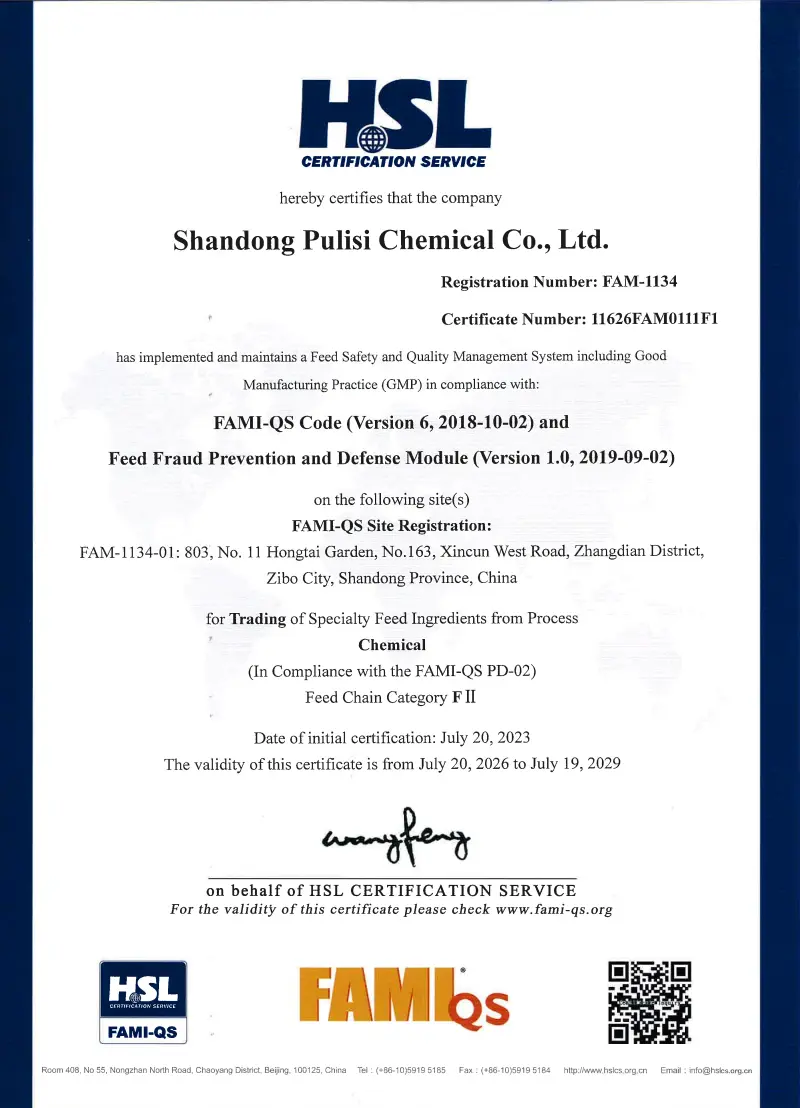
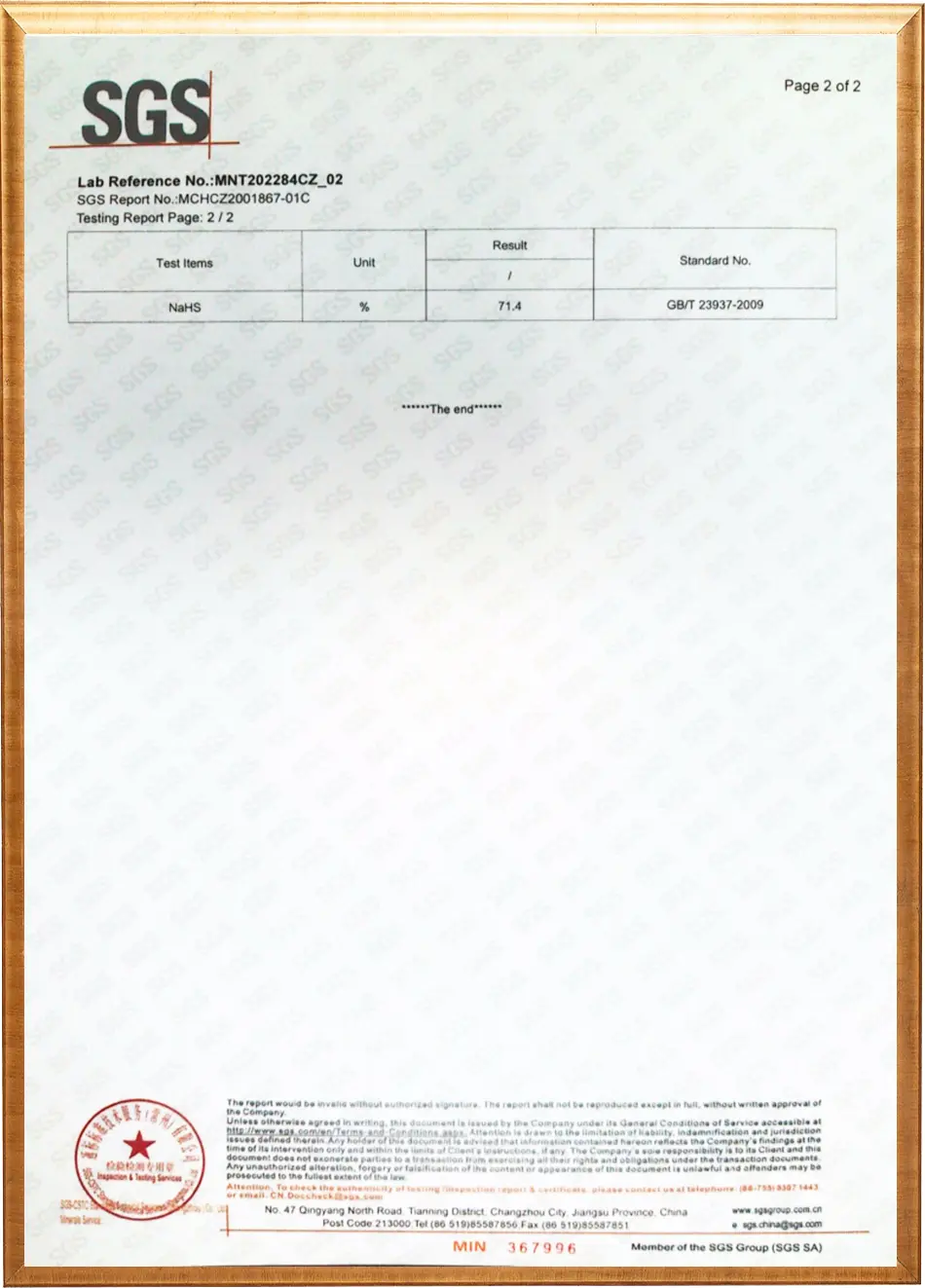
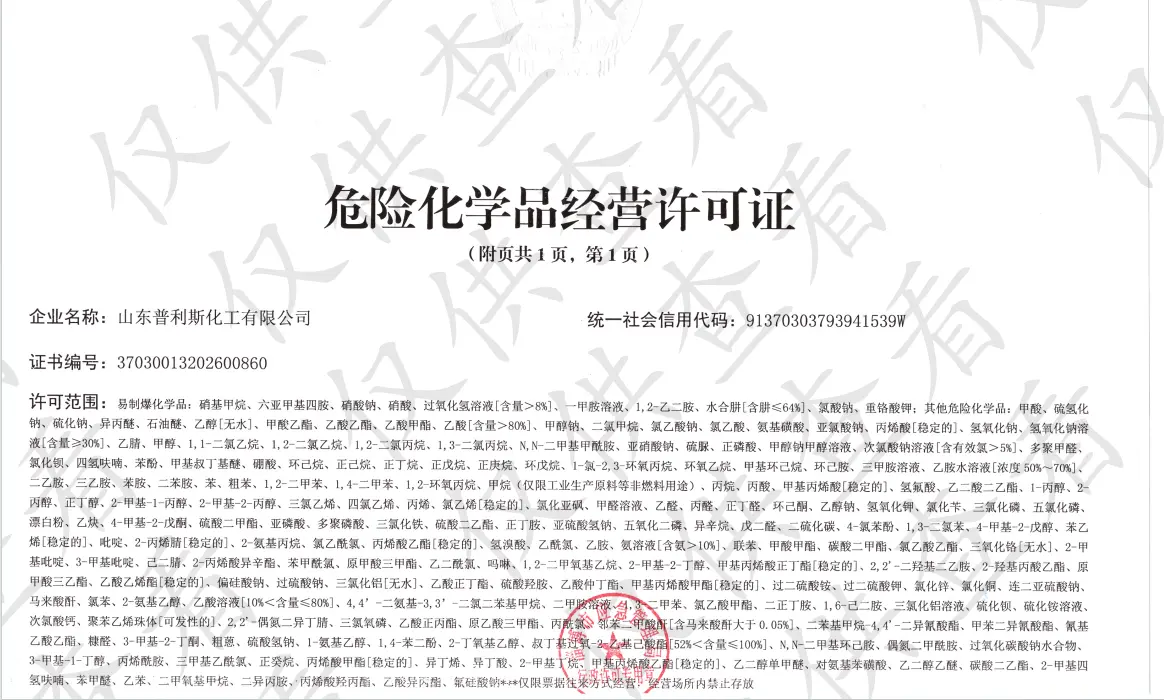
We maintain international certifications to ensure our products meet strict quality, safety, and trade standards.
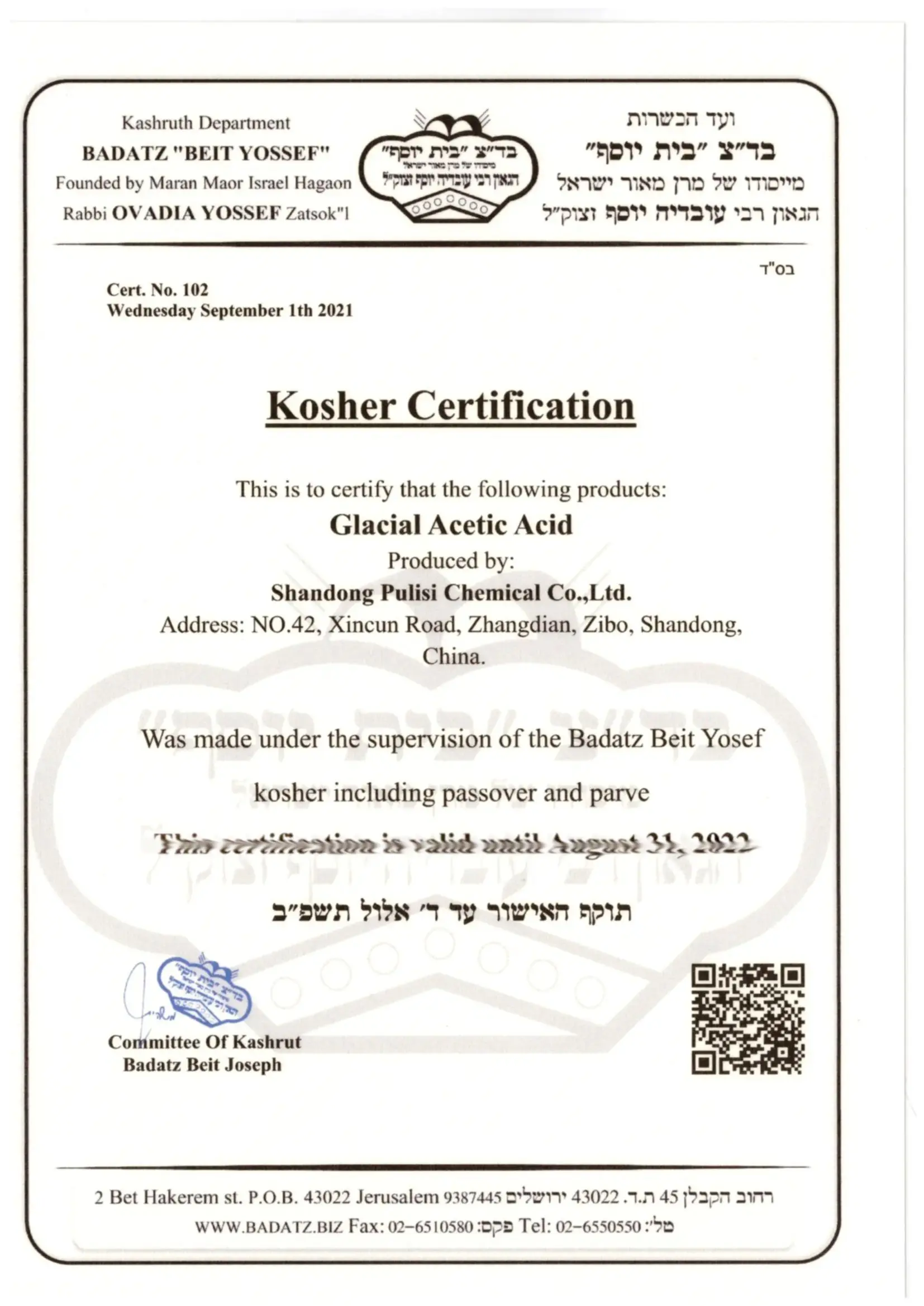
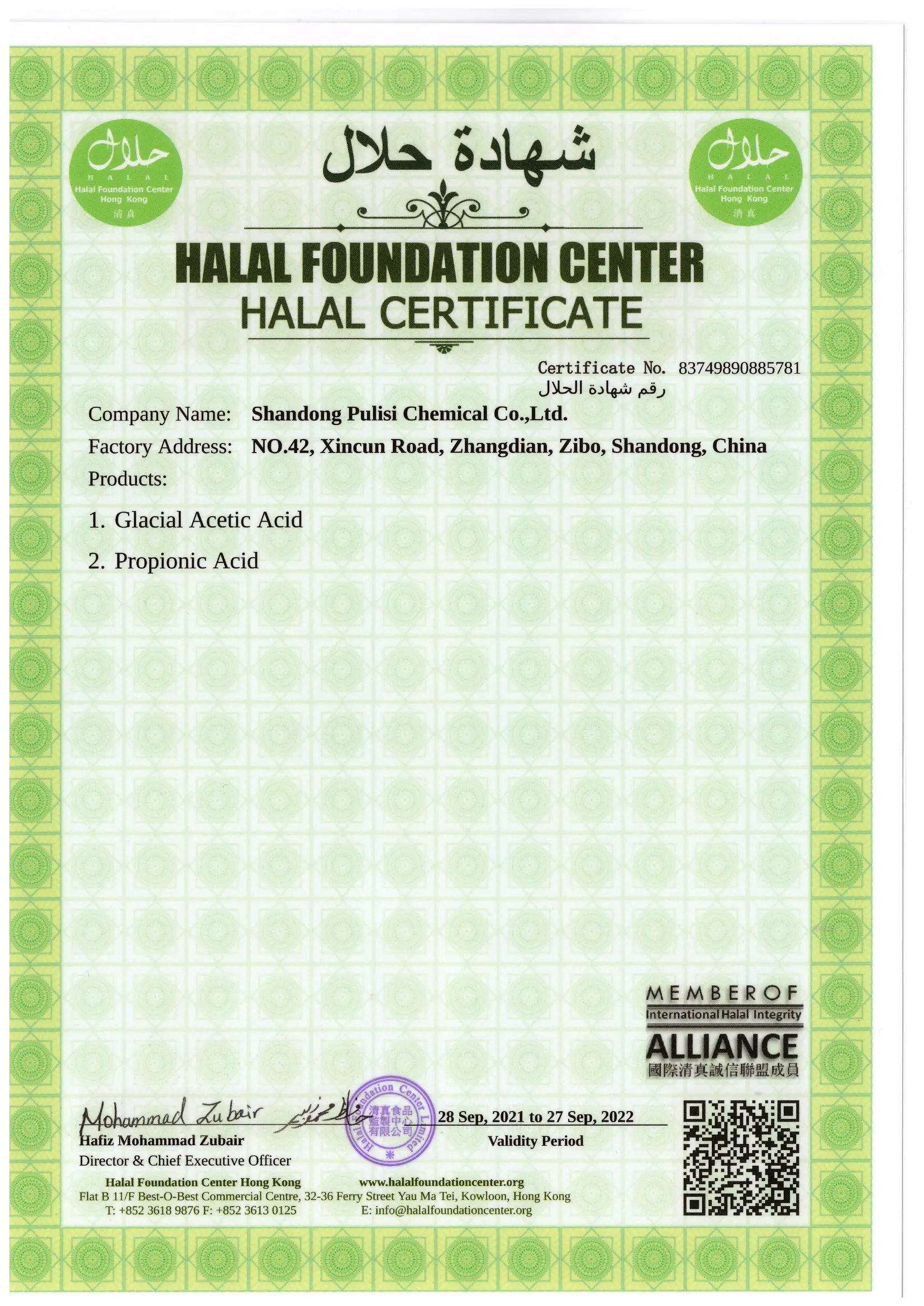
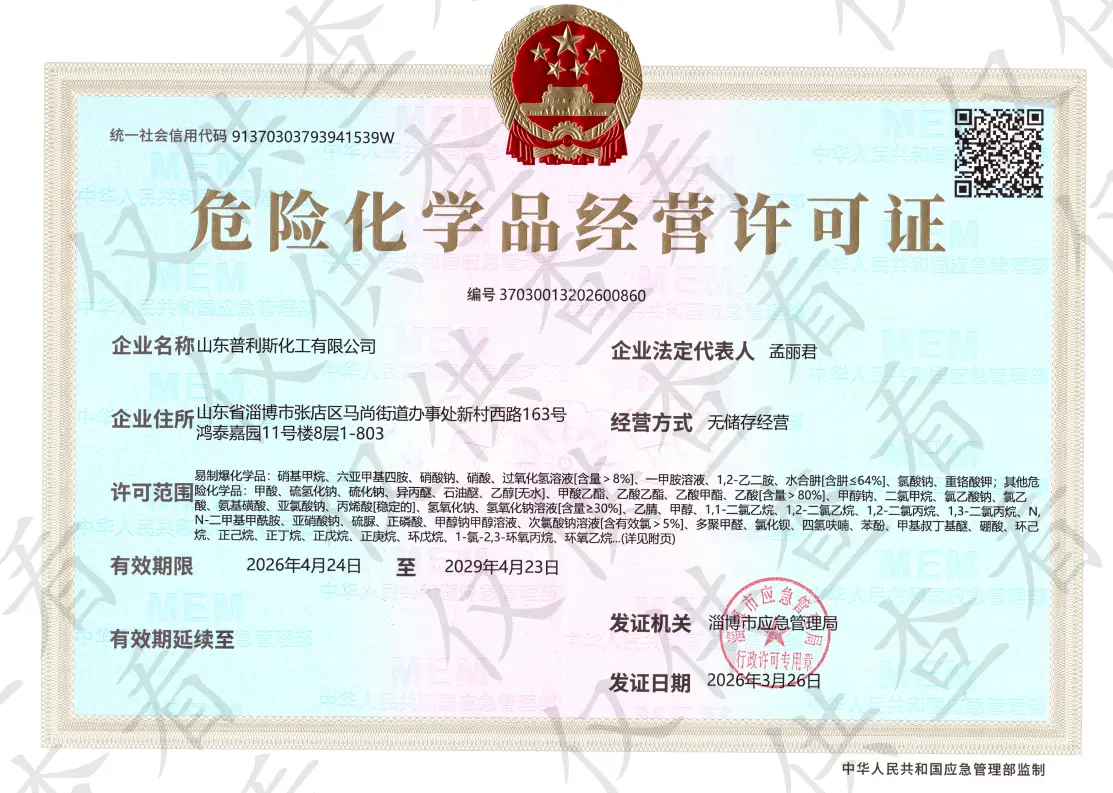
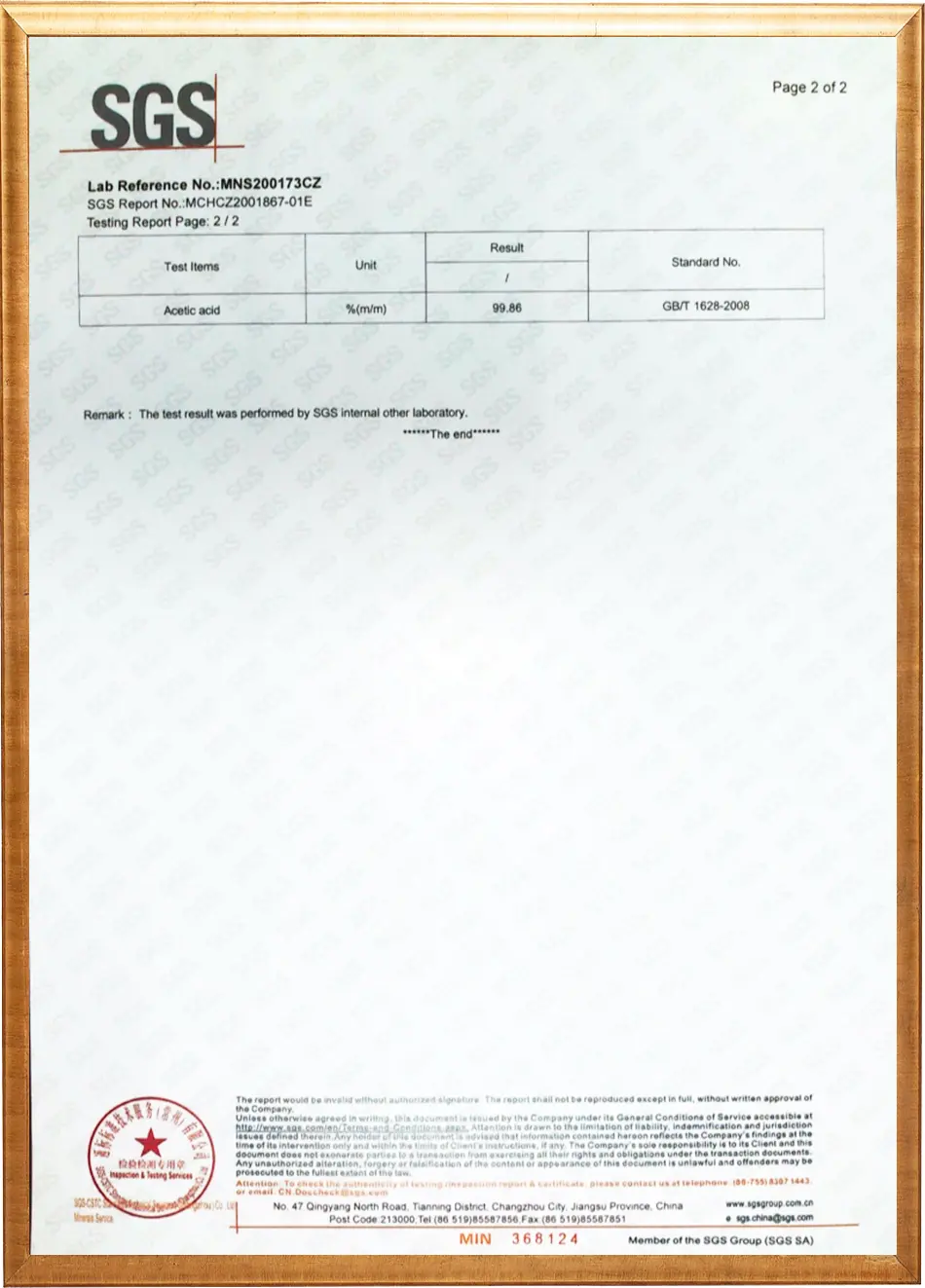
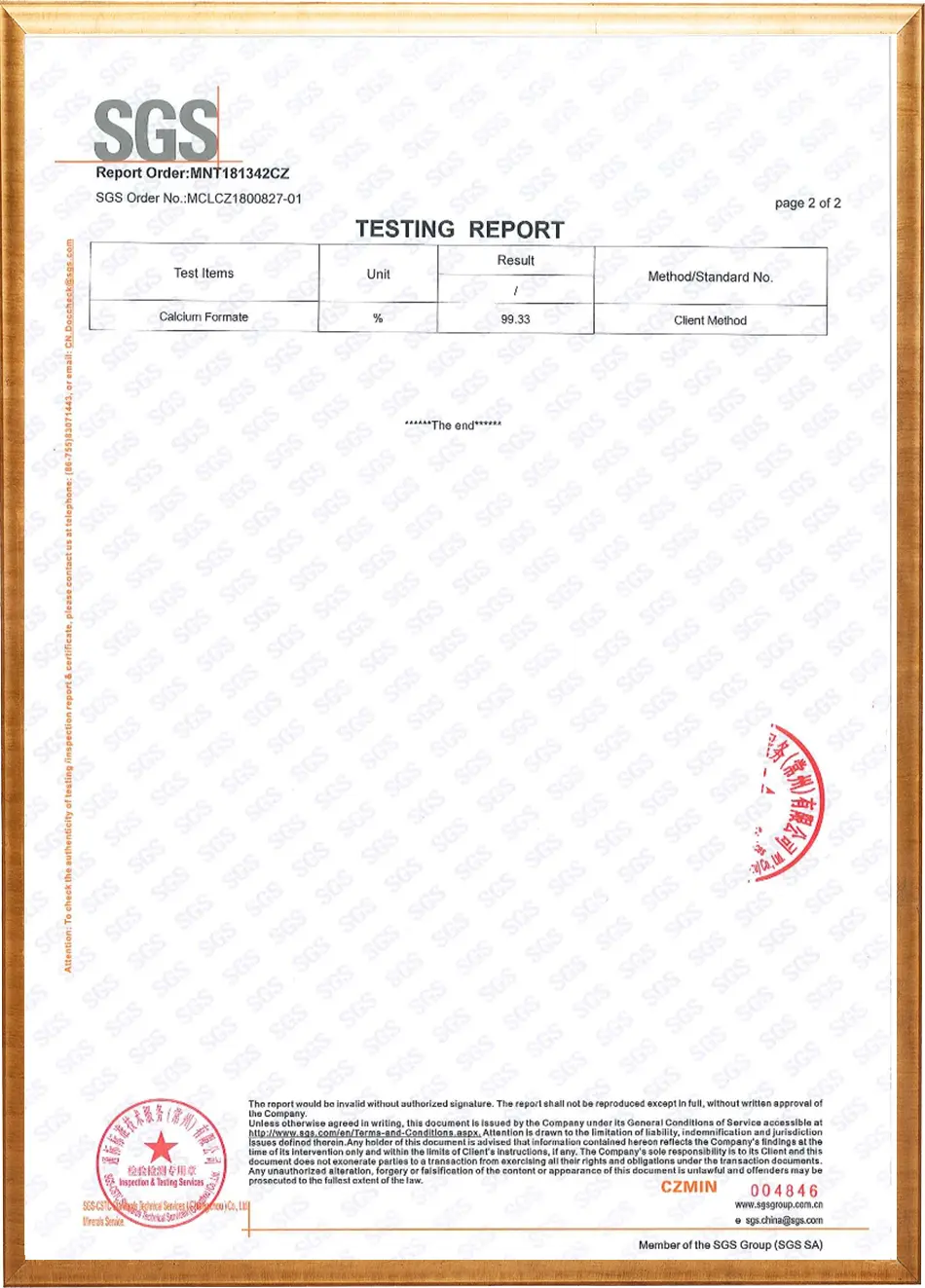
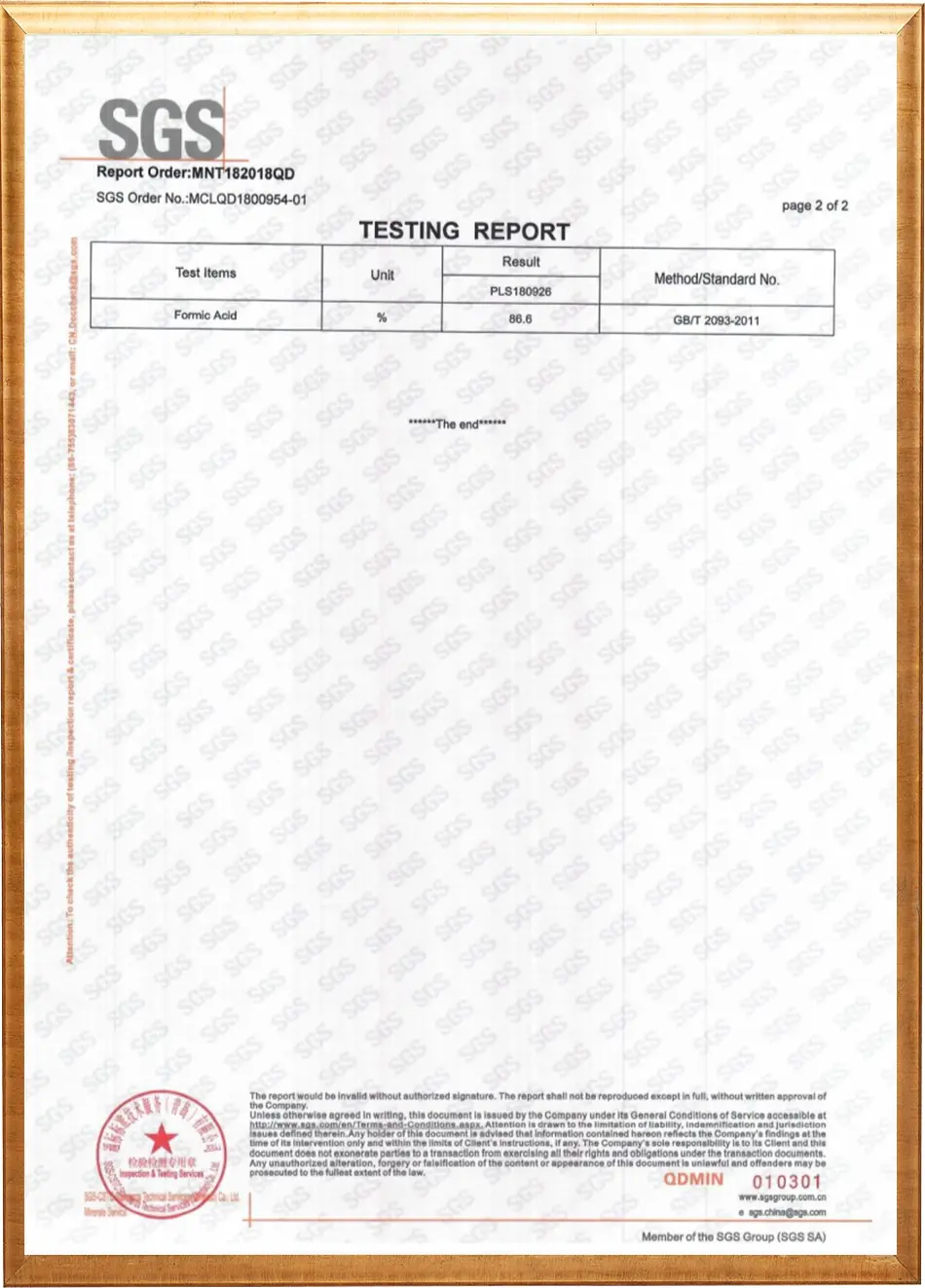
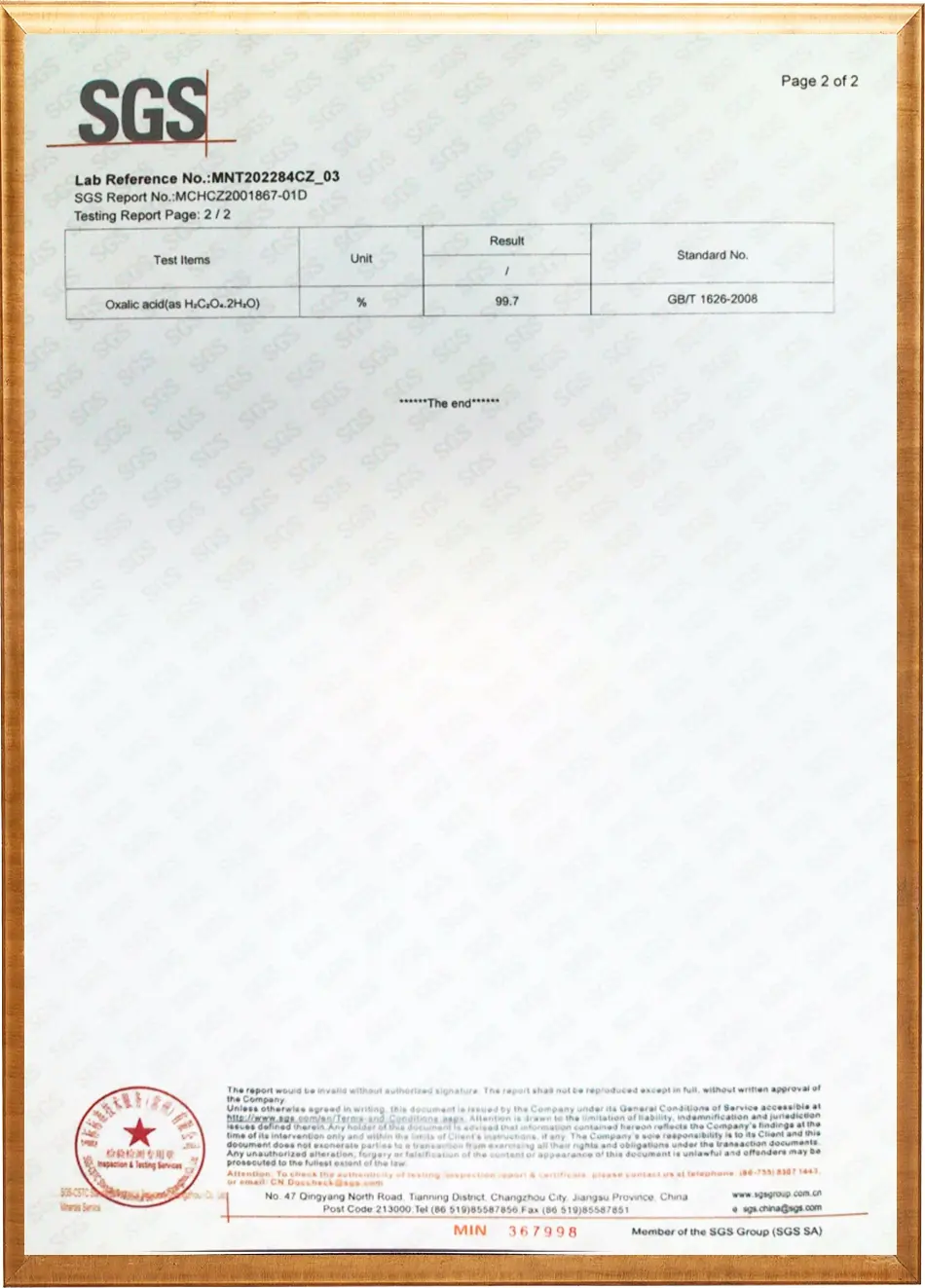
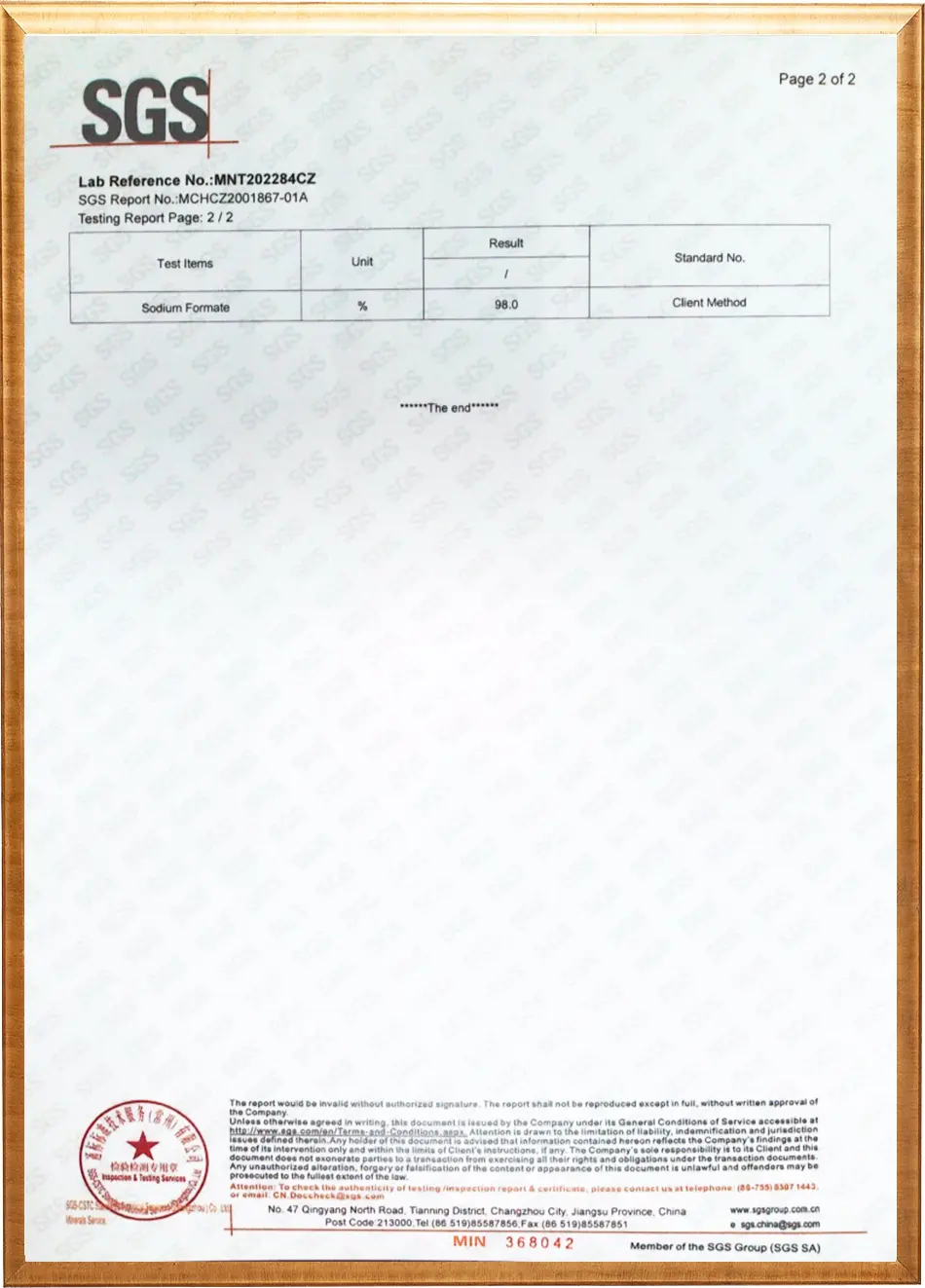
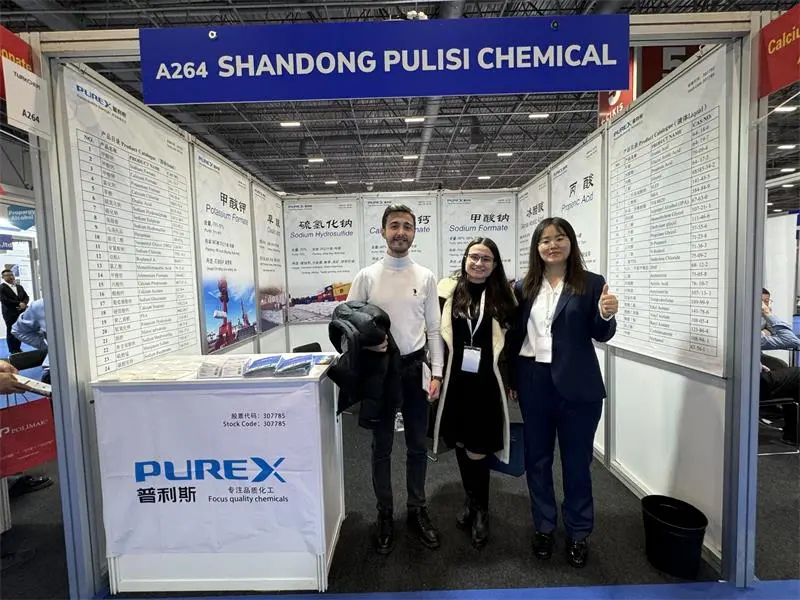
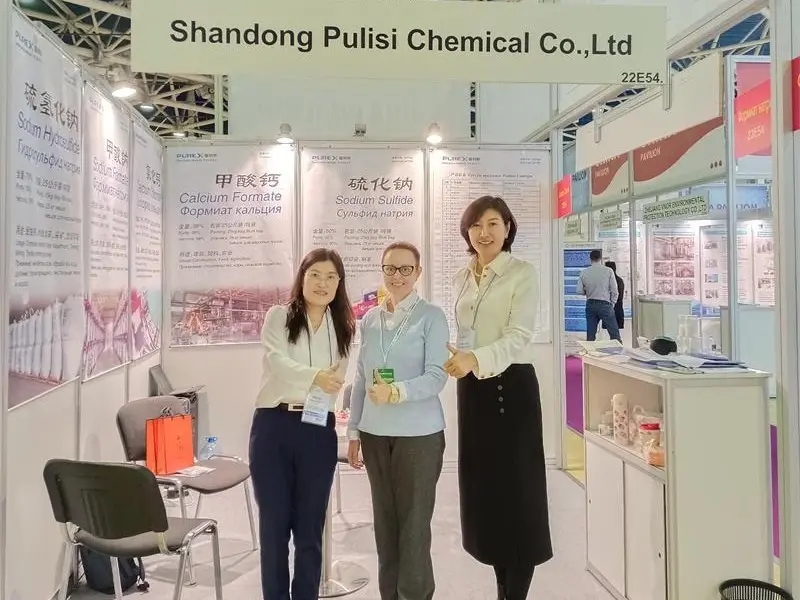
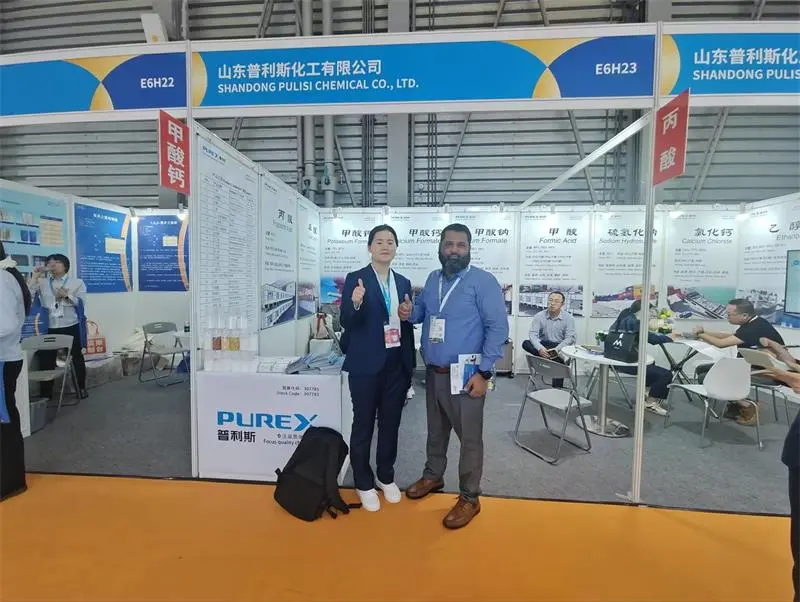
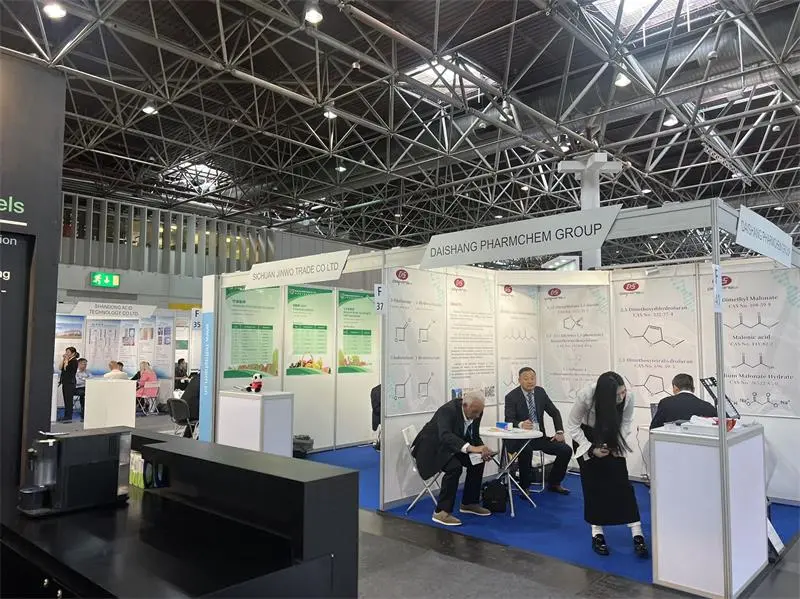
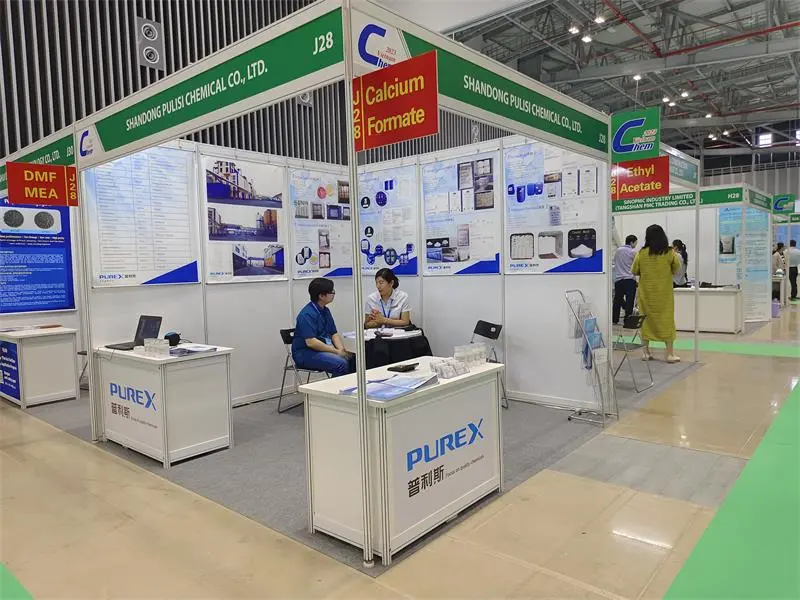
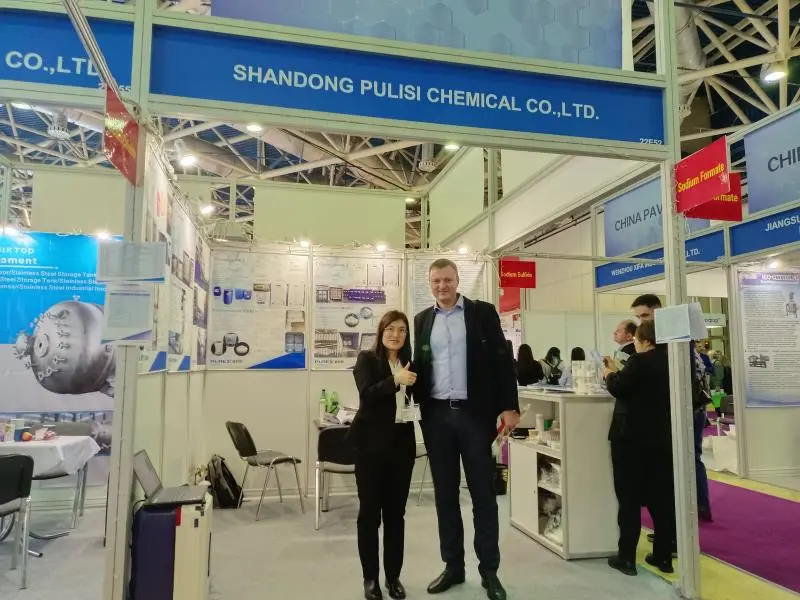
Connecting with partners at global trade shows and industrial exhibitions to support sustainable industry growth.
Since 2006, Shandong Pulisi has focused on its role as an "industrial, mining, and chemical raw material supply service provider." Our participation in major trade events highlights our focus on quality control, technical innovation, and customer support. By maintaining direct contact with international buyers, we customize our production and logistics systems to meet shifting industry demands.
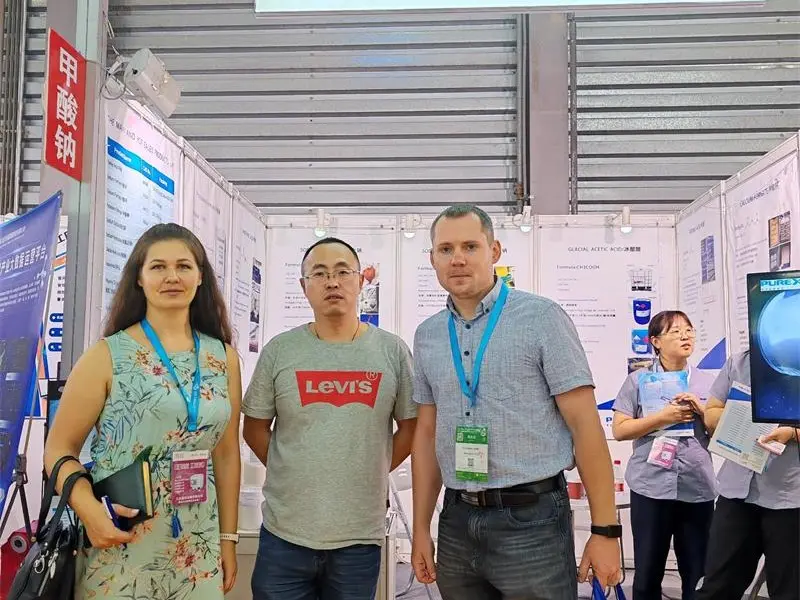
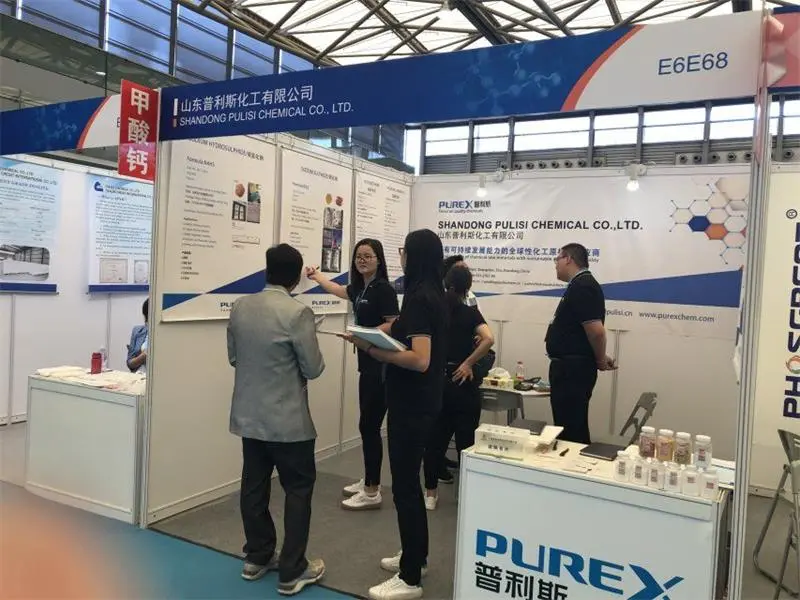
Connecting chemical inputs to diverse downstream applications, including construction, textile processing, and mining operations.
Our operational capabilities support secure, compliant chemical purchasing for global manufacturers.
We export to over 100 countries, helping regional buyers navigate local import regulations and customs rules.
With 20+ years of export experience, we maintain active supply partnerships with more than 1,000 global companies.
Our operations hold ISO, SGS, K-REACH, and FAMI-QS certificates, meeting strict food and chemical safety standards.
We structure pricing based on specific grade, packaging, and concentration requirements, providing clear cost breakdowns.
Our port-side warehouses enable rapid dispatch, reducing delays caused by domestic transport issues.
Our sales and technical support teams assist buyers from inquiry and safety review to final delivery.
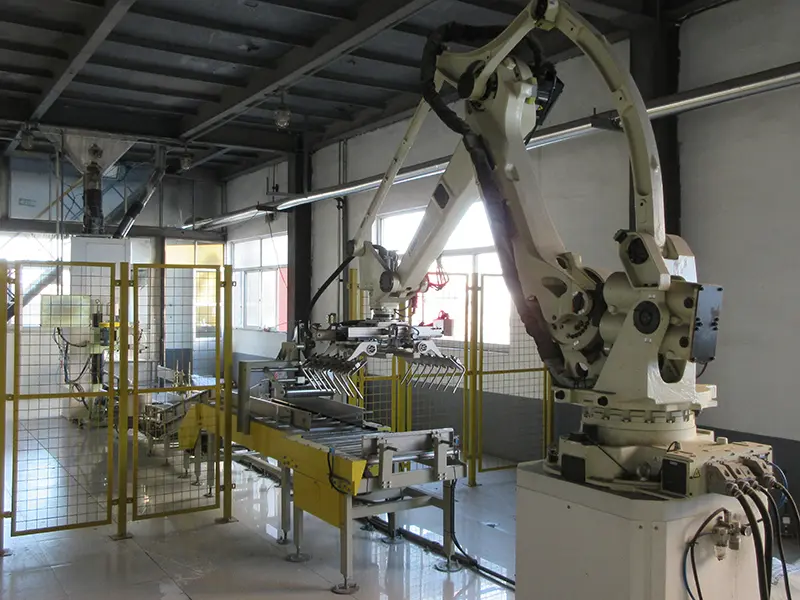
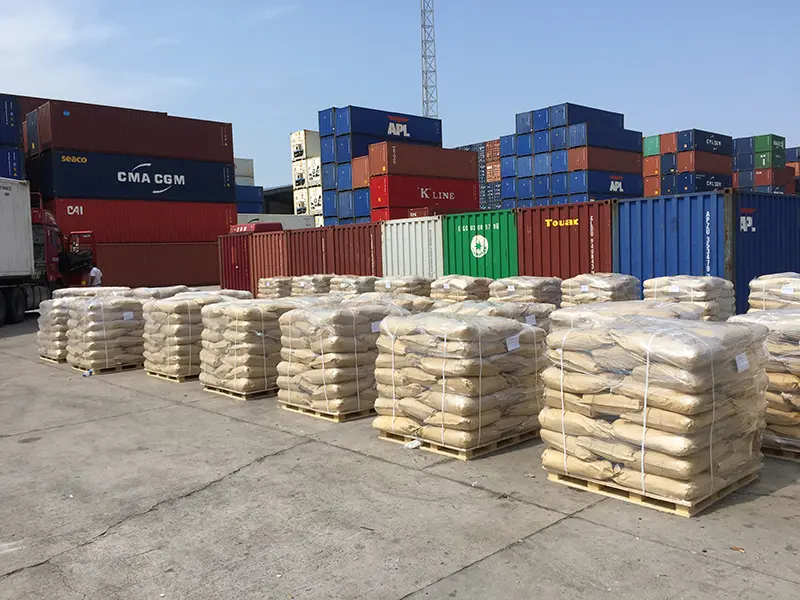
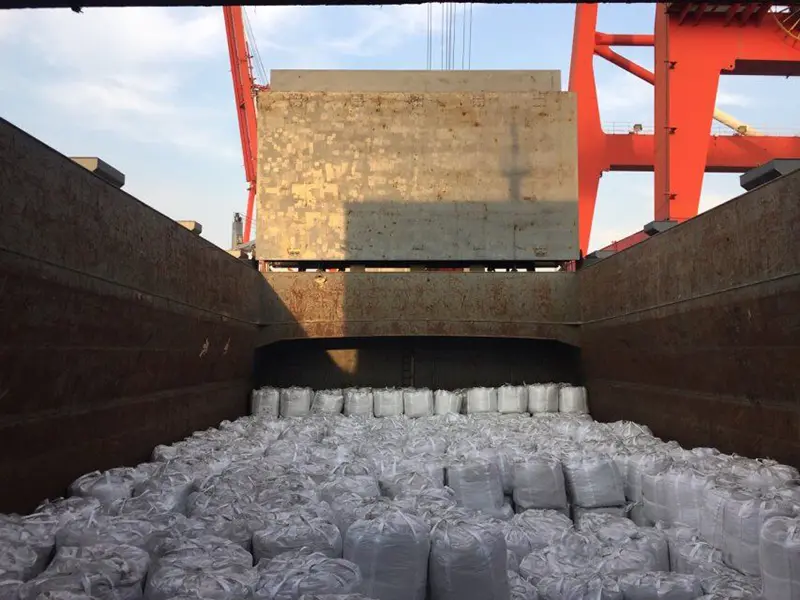
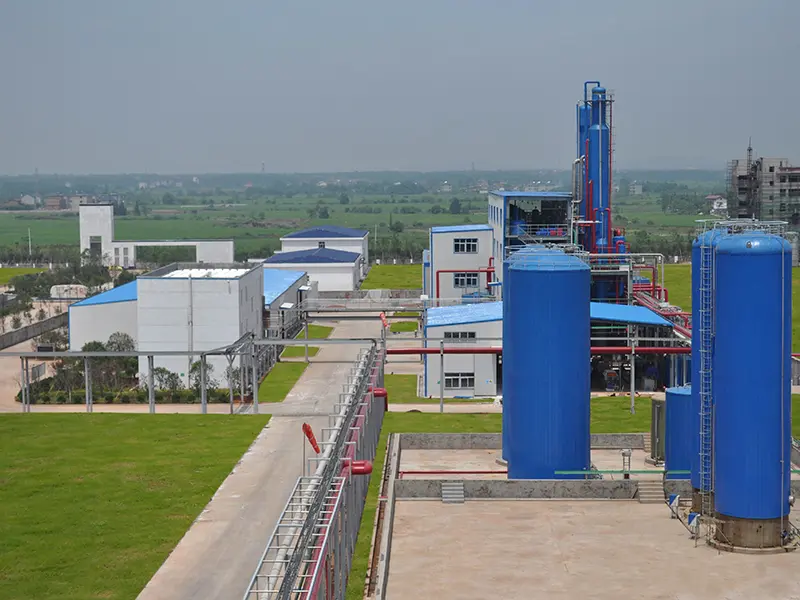
We work with global leaders to maintain reliable, high-performance chemical supply chains.










Direct answers regarding specifications, compliance, trade terms, and logistics for our chemical products.
Explore our full selection of chemical products manufactured for international industrial, pharmaceutical, and mining use.
 Pulisi