Explore Shandong Pulisi Chemical's verified industrial chemical portfolio, serving Fortune Global 500 corporations worldwide.
Understanding the chemical properties, synthesis pathways, and high-performance attributes of the world's most demanded anionic surfactant.
Linear Alkyl Benzene Sulfonic Acid, commonly referred to as LABSA (CAS No. 27176-87-0), is a high-volume synthetic surfactant. Chemically characterized by its hydrophilic sulfonic acid group attached to a hydrophobic linear alkylbenzene tail, it is the primary active ingredient utilized in the formulation of household and industrial detergents, cleaning agents, and emulsifiers.
The industrial prominence of LABSA stems from its outstanding cost-to-performance ratio, excellent foaming capabilities, superior emulsification properties, and swift environmental biodegradability. By modifying surface tension between aqueous solutions and hydrophobic substrates, LABSA enables the efficient removal of greasy soils, lipids, particulate debris, and heavy industrial grimes.
When purchasing LABSA from direct manufacturing facilities and export channels, the primary specification evaluated is the Active Matter Concentration (typically 96% min). Sourcing sub-standard 90% or unverified grade LABSA often introduces impurities such as free sulfuric acid and unreacted alkylbenzenes. These impurities compromise formula viscosity control, lead to chemical separation, and result in undesirable coloration (darkening) of the final liquid detergents. Shandong Pulisi Chemical Co., Ltd. provides laboratory-verified LABSA with minimal free oil and low sulfuric acid content, ensuring optimal batch consistency for global detergent manufacturing facilities.
How LABSA serves as an indispensable workhorse surfactant across key global industries, providing structural functionality and high-efficiency performance.
LABSA is the foundational chemical behind laundry powders, liquid detergents, dishwashing concentrates, and hard surface cleaners. Neutralized in-situ to produce LAS, it lifts stubborn grease and prevents redeposition on fabrics.
For heavy-duty plant degreasing, clean-in-place (CIP) pipelines, vehicle washes, and commercial laundry systems. Offers excellent wetting performance and stability in highly concentrated alkaline solutions.
Acts as a secondary dispersing agent and wetting emulsifier in pesticide, herbicide, and fungicide concentrates. Enhances target retention on crop leaves for improved bio-efficacy.
Serves as a scouring agent to wash raw wool, cotton, and synthetic fibers. Promotes uniform dye uptake by acting as a powerful wetting and leveling auxiliary in high-temperature dye baths.
Assists in the degreasing of wet blue hides. Enhances the penetration of fatliquors and synthetic tanning agents into leather cross-sections, optimizing final leather softness.
Acts as a flotation collector for various mineral ores, including phosphates and silicates. In drilling fluids, it functions as an emulsifier to maintain mud homogeneity under extreme downhole pressures.
Evaluating the global demand dynamics, supply chain challenges, and the technological evolution of the LABSA market.
The global Linear Alkyl Benzene Sulfonic Acid market is heavily driven by increasing urbanization, rising hygiene awareness, and the expansion of the home care sector in Latin America, Southeast Asia, Africa, and the Middle East. As clean water access improves, the demand for primary surfactants like LABSA escalates exponentially.
Simultaneously, mature economies in North America and Western Europe are focusing on ultra-concentrated liquid detergent products. This structural shift requires exceptionally high-purity, low-salt LABSA to prevent phase separation and cloud point depression in complex formulation mixtures.
Because LABSA is directly manufactured by the sulfonation of Linear Alkylbenzene (LAB) using sulfur trioxide (SO3) or oleum, its market price is closely linked to crude oil derivatives (paraffins and benzene). Savvy global sourcing teams require chemical partners with robust storage infrastructure and secure feedstock contracts.
Shandong Pulisi Chemical mitigates these macroeconomic price spikes through deep partnerships with leading petrochemical conglomerates, ensuring stable raw material supply and consistent production capacities even during volatile energy cycles.
Delivering certified chemical raw materials and custom logistics solutions worldwide since 2006.
Established in 2006, Shandong Pulisi Chemical Co., Ltd. has developed into a premier supplier of petrochemicals, mining chemicals, feed additives, and specialty industrial ingredients. Headquartered in Zibo, Shandong Province, we operate state-of-the-art logistics, warehousing, and testing centers. In 2023, our commitment to compliance, quality control, and business integrity was highlighted by our successful public listing on the stock exchange (Stock Code: 307785).
We operate under a customer-centric philosophy: "Customer First, Rapid Response; Striving as the Foundation, Efficient Collaboration; Integrity and Uprightness, Agile Adaptation." We serve global industry leaders, including Fortune Global 500 corporations such as China National Petroleum Corporation (CNPC) and Saint-Gobain, tailoring specific chemical grades, packaging types, and logistics arrangements to maximize processing yields and reduce supply chain risk.

Meeting stringent global safety, quality, and environmental regulations across key consumer zones.
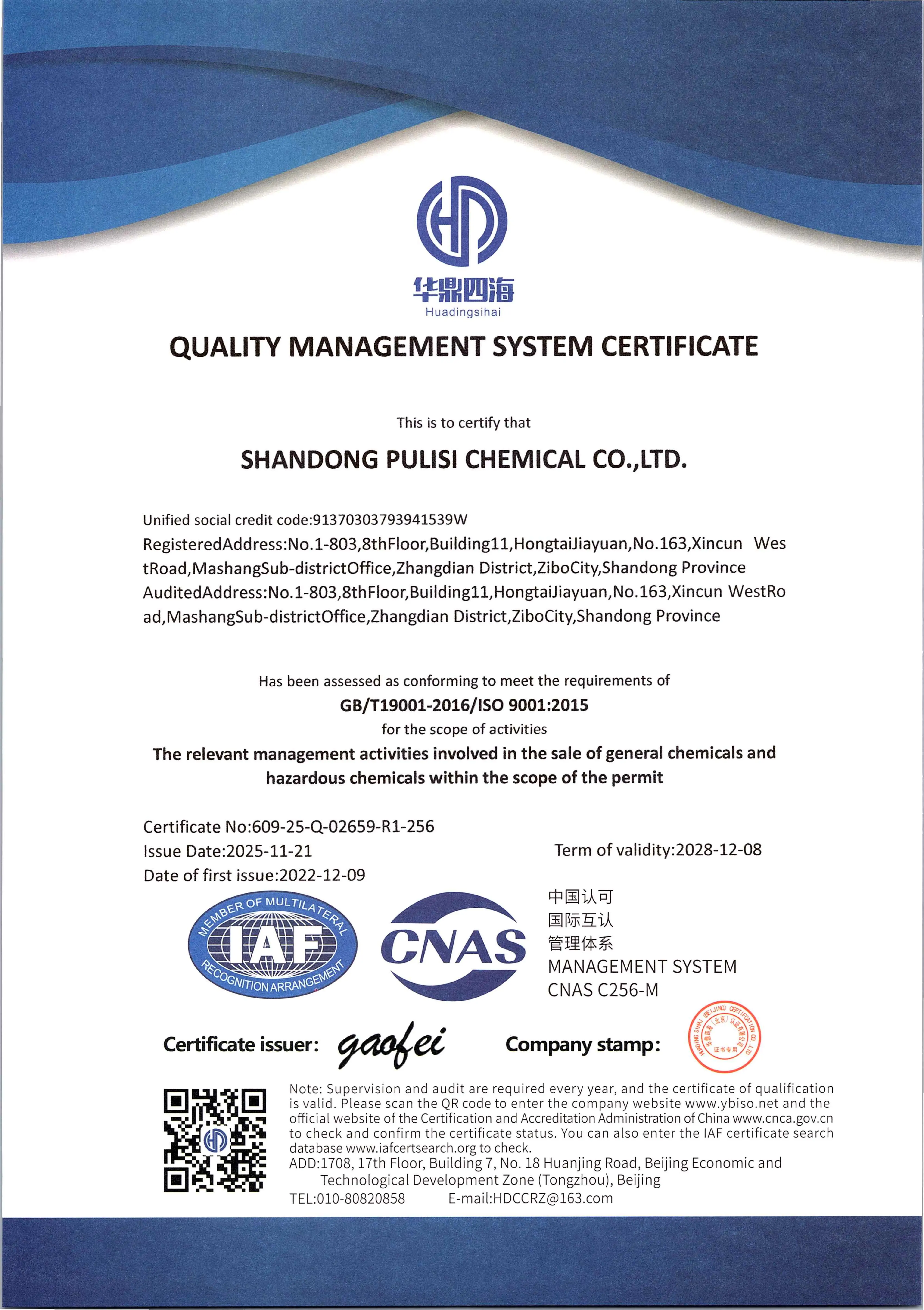
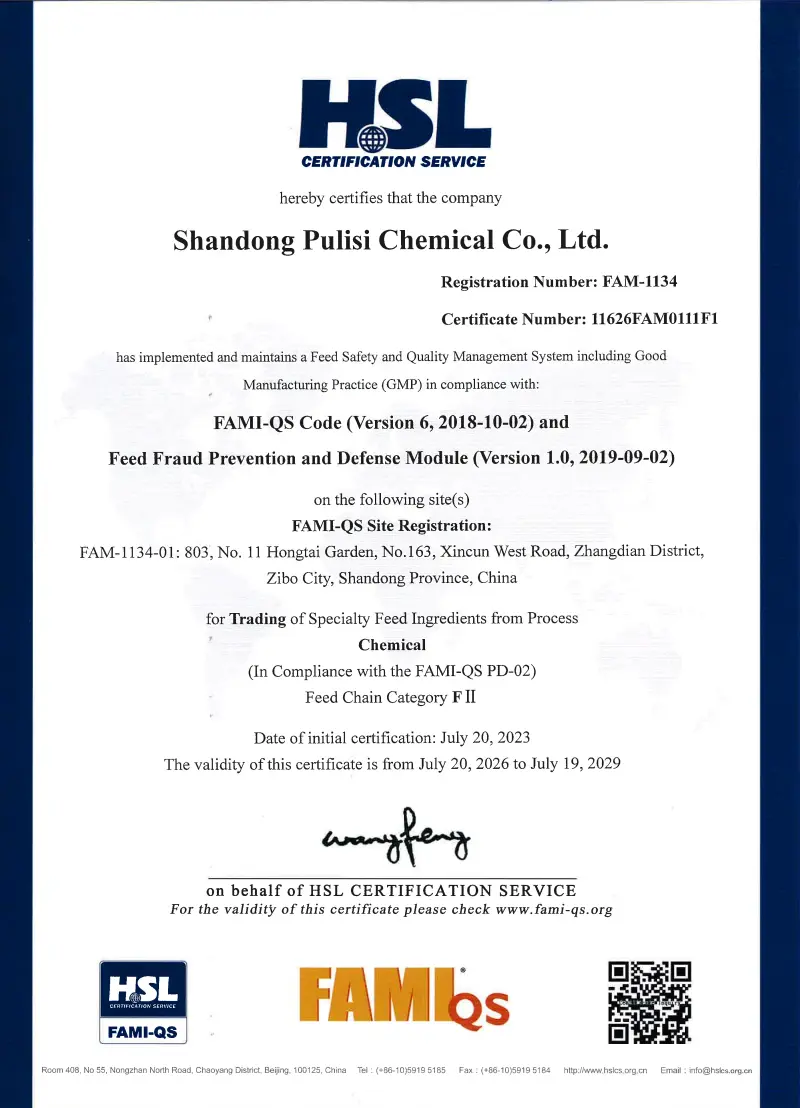
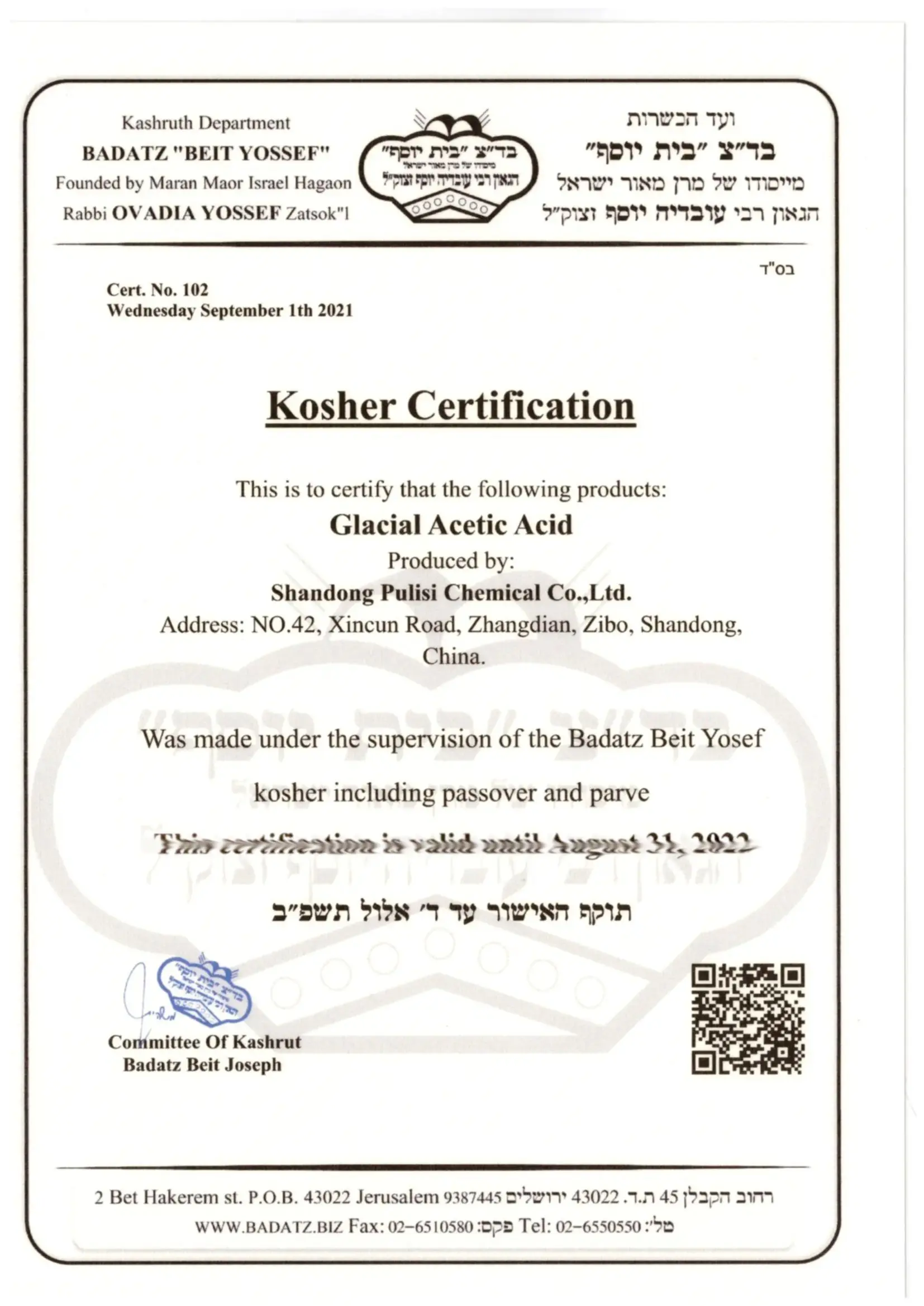
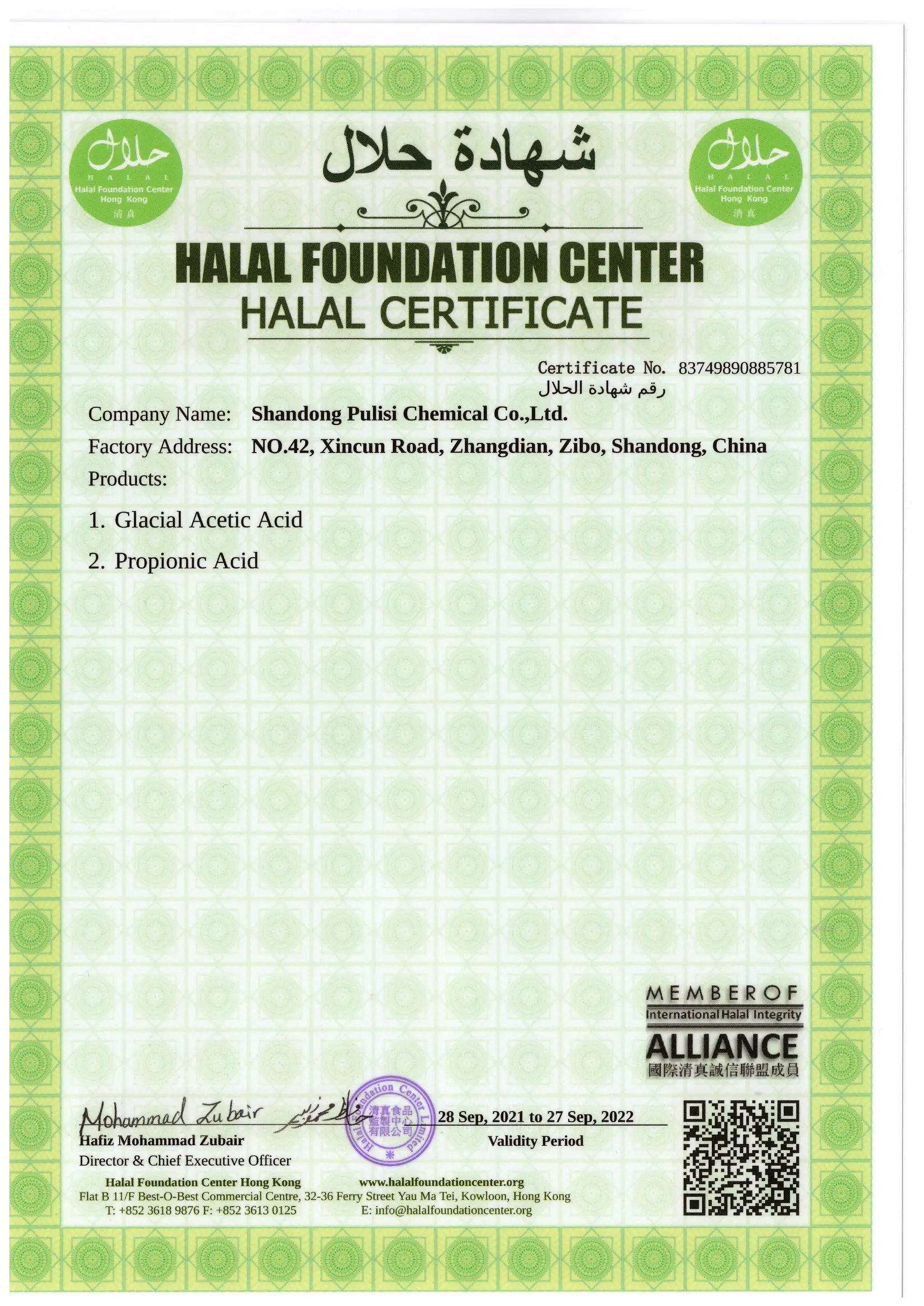
Importing chemicals requires high levels of regulatory oversight. To guarantee safe and legal processing, our factory maintains active certifications that verify chemical safety, non-toxicity, and standard operating procedures. Our products have successfully passed rigorous third-party audits by German BV (Bureau Veritas) and SGS.
For food-contact packaging, feed-grade applications, and regional market entry, Shandong Pulisi complies with ISO 9001:2015 Quality Management Systems, FAMI-QS, and holds validated Halal and Kosher Certificates.
Whether exporting to Europe, East Asia, or the Americas, we provide comprehensive dossier support:
Evaluating the ecological footprint, production safety, and the green chemistry transition of the surfactant industry.
As environmental awareness grows, the chemical industry is focusing on bio-based feedstock integrations and carbon-neutral processing. Traditional sulfonation lines are optimizing energy recovery by utilizing the high exothermic heat of sulfonation reactions to generate low-pressure steam, significantly lowering overall factory carbon footprints.
While bio-based surfactants like APGs (Alkyl Polyglucosides) and amino-acid-based formulations are gaining market share, LABSA remains the most cost-effective and highly biodegradeable primary surfactant available. The development of bio-paraffins derived from renewable lipids is paving the way for "Bio-LAS", allowing manufacturers to maintain their current production equipment while transitioning to fully renewable raw materials.
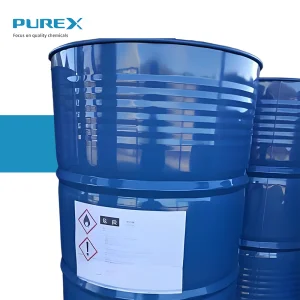
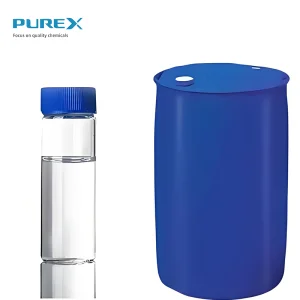
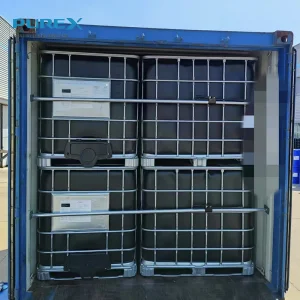
Due to its strong acidic and corrosive nature (UN 2586, Class 8), transport safety is a critical priority. Modern factories are moving away from traditional iron drums to advanced high-density polyethylene (HDPE) plastic drums and dedicated ISO tanks. Shandong Pulisi maintains automated drumming plants that prevent exposure, eliminate oxidation discoloration, and ensure the product arrives at your manufacturing plant in pristine condition.
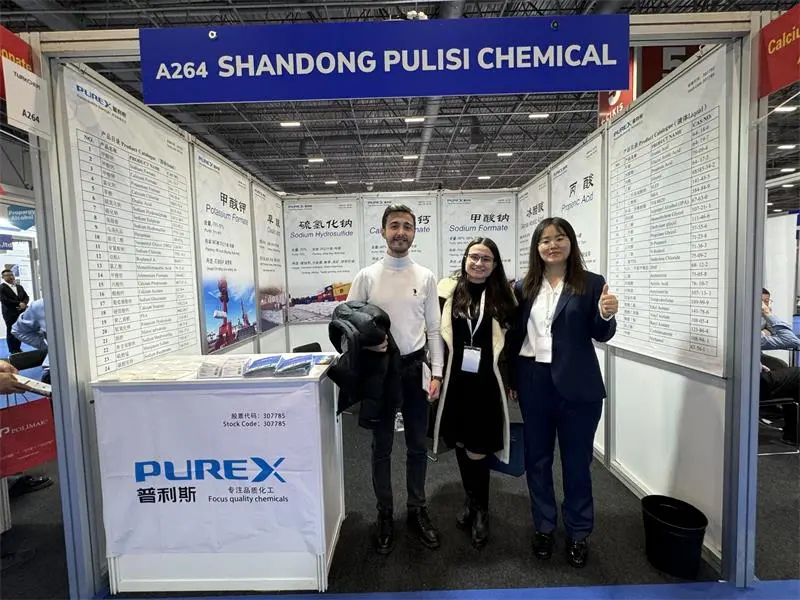
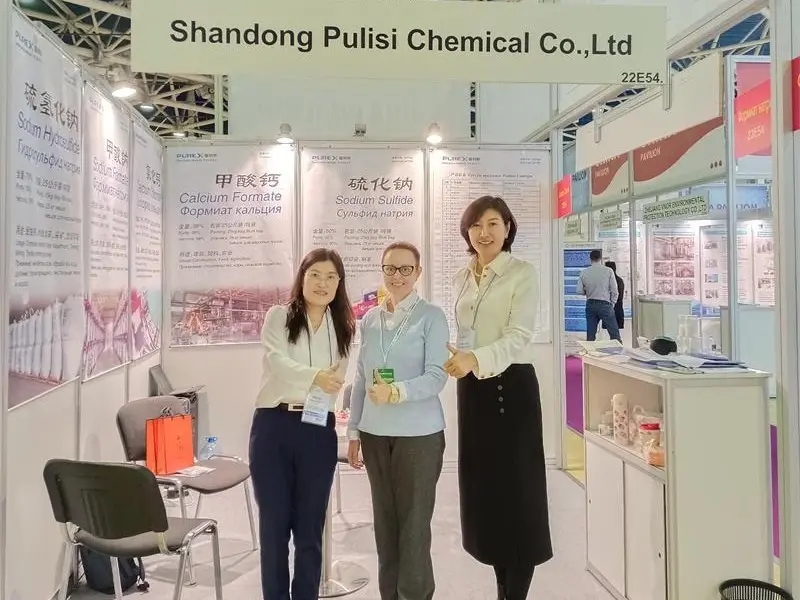
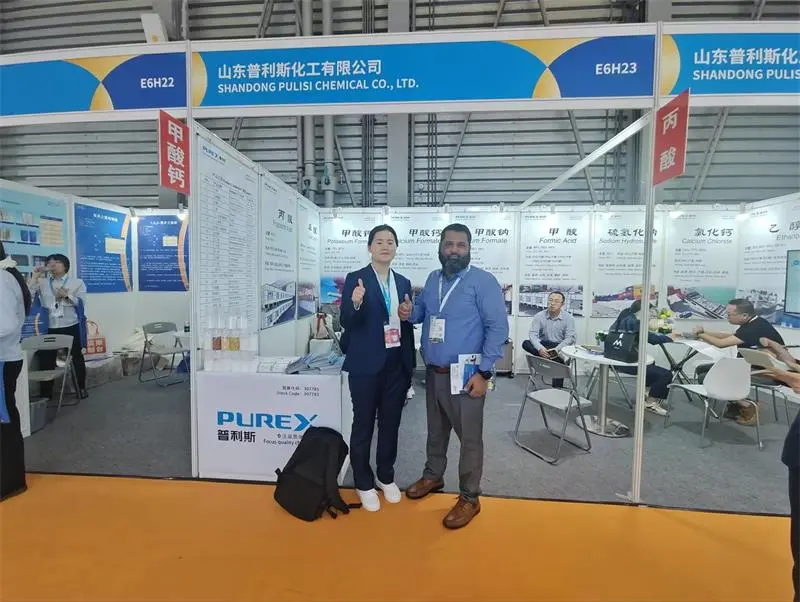
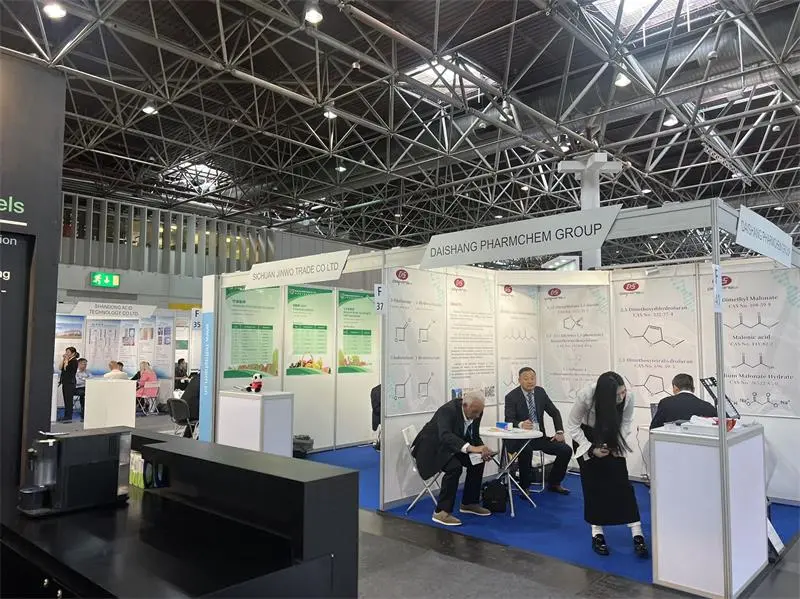
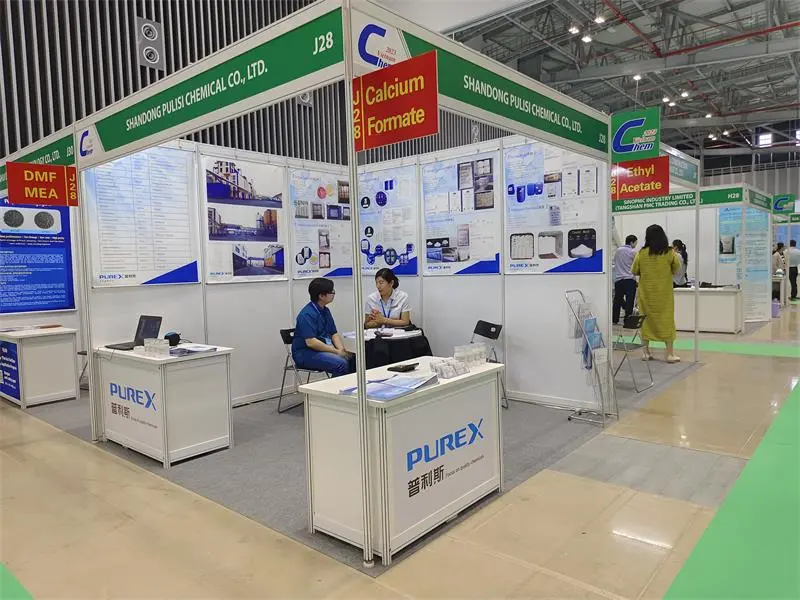
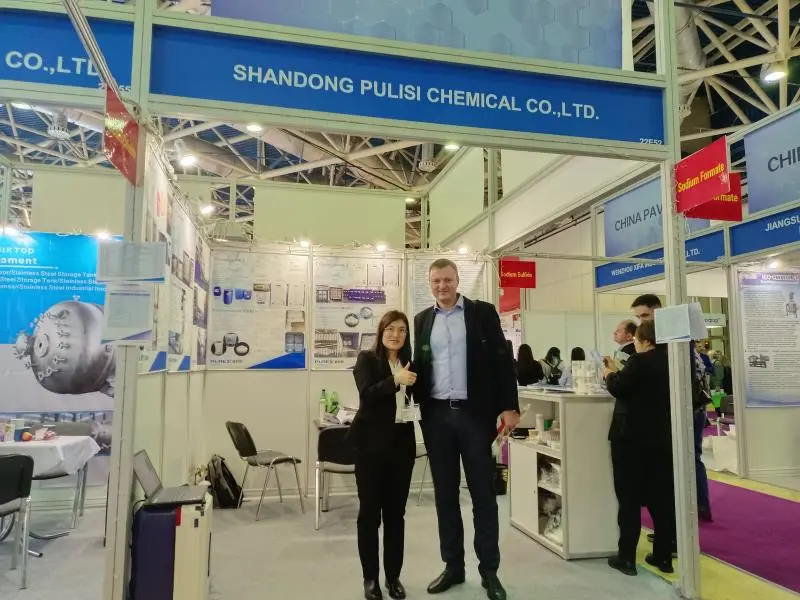
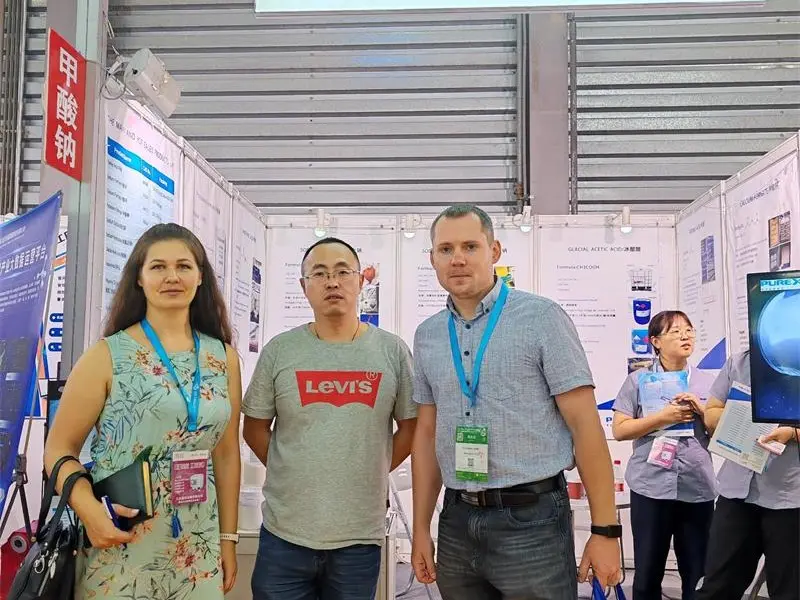
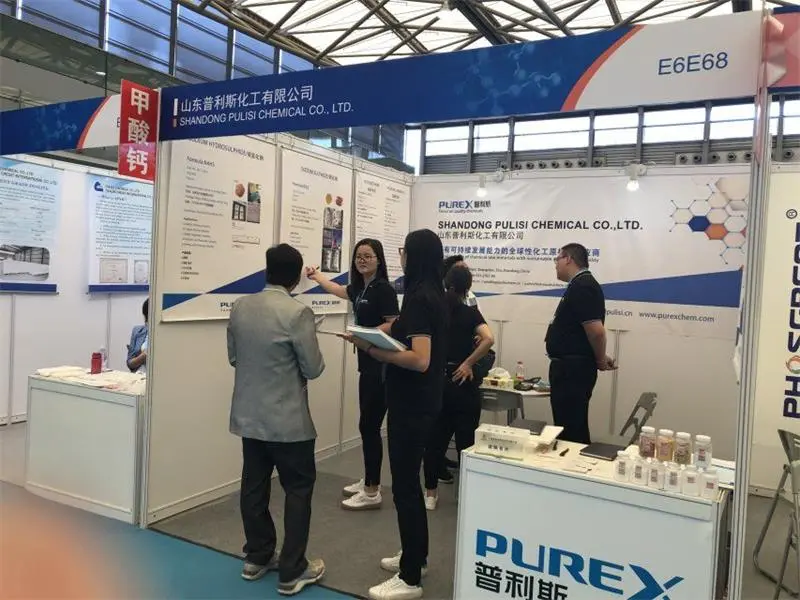
Connecting with global procurement teams at trade fairs and collaborating with leading chemical enterprises.










Key technical and purchasing inquiries answered by Shandong Pulisi Chemical's technical service department.
Providing a comprehensive range of industrial chemicals, performance intermediates, and food-grade raw materials.
 Pulisi