Engineered to comply with Northern European performance requirements under extreme climates.
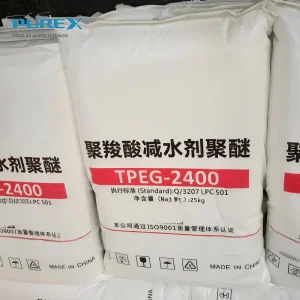
High water reduction rate and excellent workability retention optimized for low carbon footprint cements.
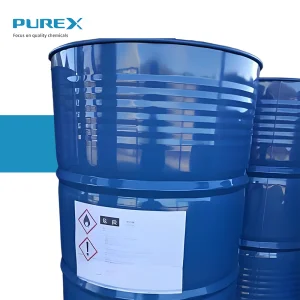
High-purity organic solvent utilized in customized industrial coatings and sealing resins for concrete.
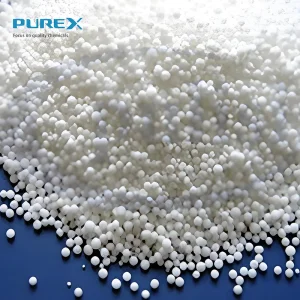
Core monomer for formulating high-durability epoxy coatings and repairs in coastal marine engineering.
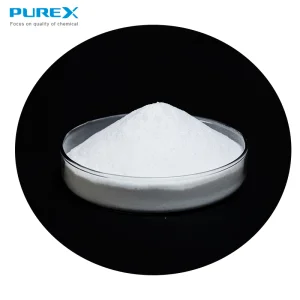
Promotes rapid setting and high early strength in tunnel concrete spray systems and dry-mix mortars.
The construction sector in Denmark is experiencing a profound transition centered on the national climate target of a 70% reduction in greenhouse gas emissions by 2030. Concrete, being the most widely used structural material, is under scrutiny. The Danish concrete value chain is actively shifting towards "Green Concrete" (Grøn Beton) and low-clinker cements, such as CEM II and CEM III variants. However, reducing clinker content and substituting it with supplementary cementitious materials (SCMs) like calcined clay, slag, or fly ash changes the hydration kinetics of concrete.
This biochemical shift requires highly advanced Concrete Admixtures to maintain workability, early-strength development, and long-term durability. In projects like Copenhagen's urban regeneration and Jutland's transport infrastructure, the incorporation of Polycarboxylate Ether (PCE) superplasticizers is vital. PCEs optimize the water-to-binder ratio, enabling high fluidity even with reduced clinker cements, reducing the environmental footprint without compromising structural integrity.
Danish Construction Standard (DS/EN 206) compliance is mandatory. Every chemical admixture imported into Denmark must maintain strict consistency, low toxicity, and precise chemical properties to prevent alkali-silica reactions (ASR) in marine environments.

Bridging scale, raw material vertical integration, and compliance for Denmark imports.
On a global scale, the concrete admixtures market is moving towards extreme specialization. As sustainable building certifications (such as DGNB Denmark) become standard, procurement teams look beyond simple price matrices. They demand reliable chemical structures, verified batch uniformity, and raw material security. The international chemical supply chain relies on robust production centers capable of synthesizing base monomers and functional admixtures at scale.
By managing base synthesis and advanced chemical formulations in one facility, Chinese manufacturing eliminates mid-tier supply chain markups, yielding a resilient pricing structure for Scandinavian bulk importers.
Modern Chinese factories integrate Western compliance standards directly into their automated SCADA control loops, meeting EN 934-2 requirements and ensuring seamless customs clearance at Danish ports.
Operating out of critical logistics hubs near Qingdao Port and Tianjin Port allows for immediate dispatch of bulk containers, reducing lead times to Copenhagen and Aarhus.

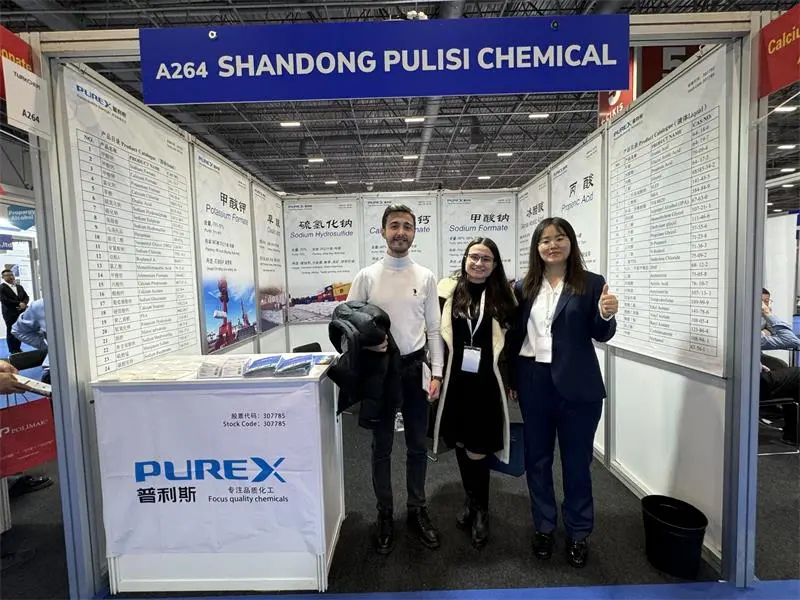
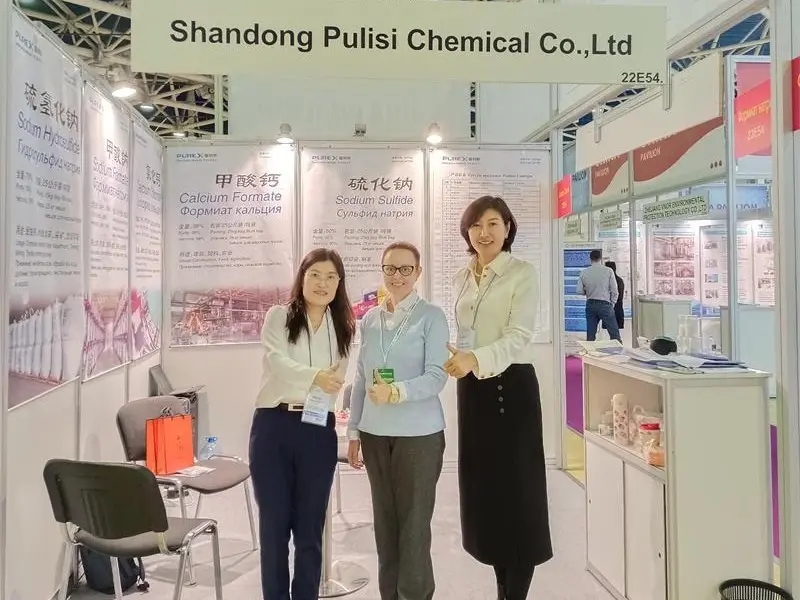
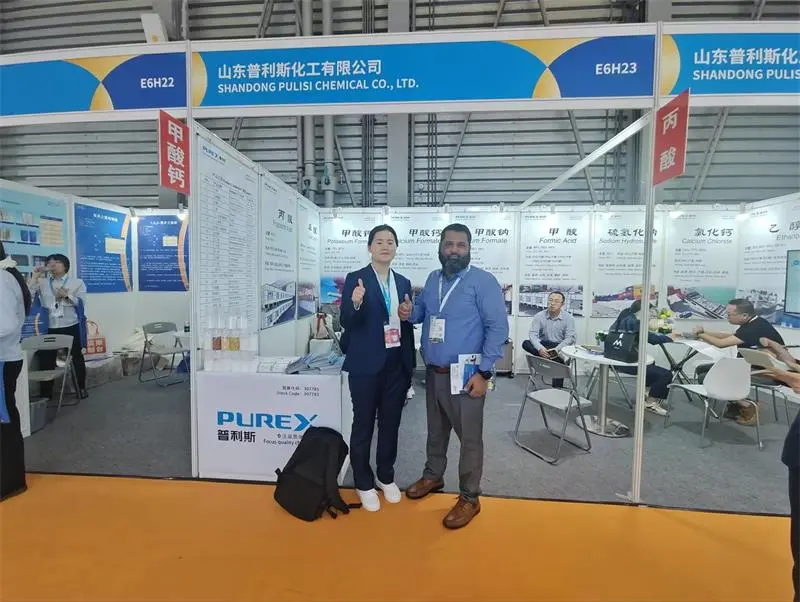
Established in 2006 (Stock Code: 307785), Shandong Pulisi Chemical Co., Ltd. is a leading industrial chemical manufacturer focusing on construction chemicals, mining chemicals, and feed additives. Over nearly two decades, we have built trusted relationships with global industry leaders, including Saint-Gobain and China National Petroleum Corporation (CNPC).
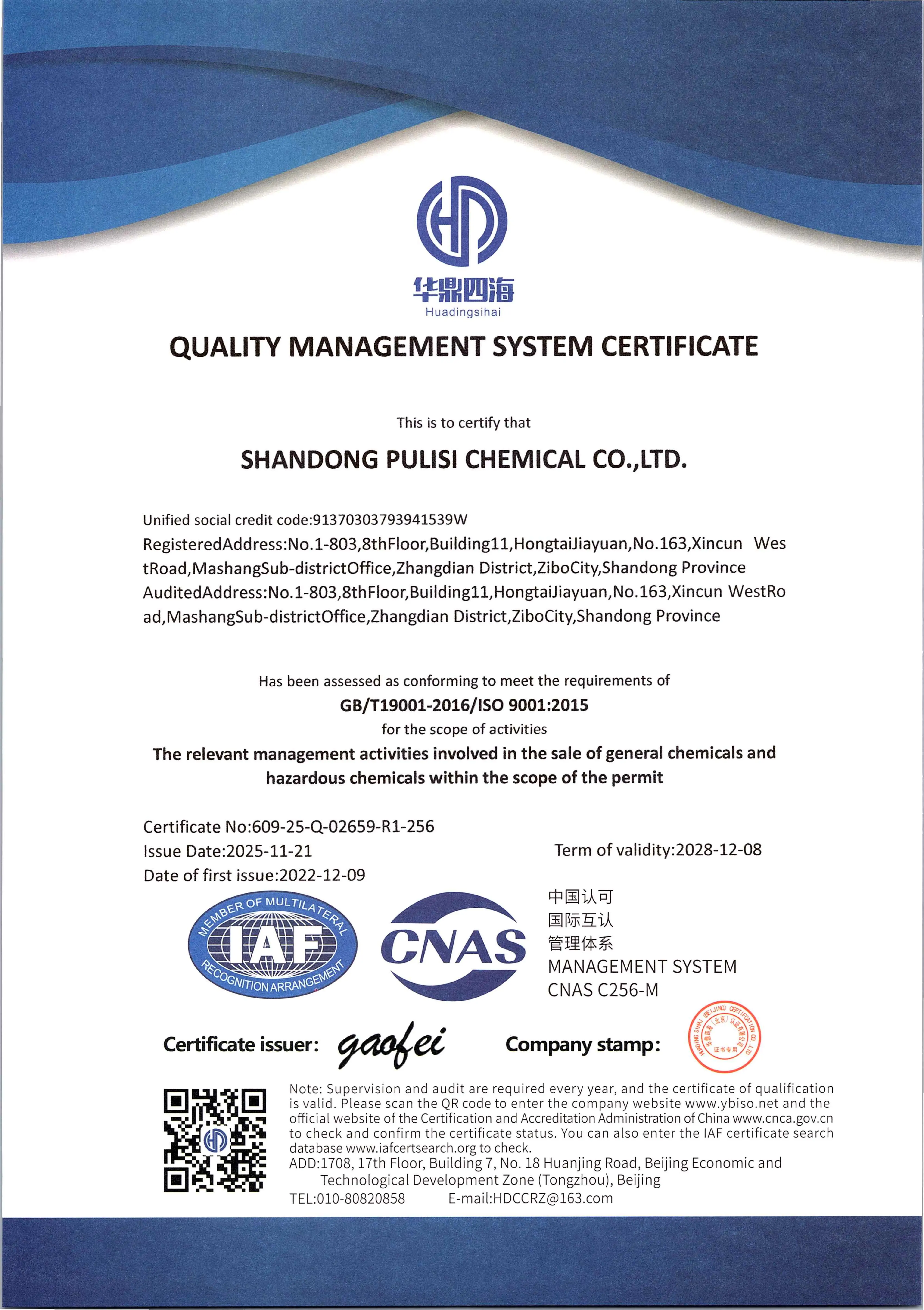
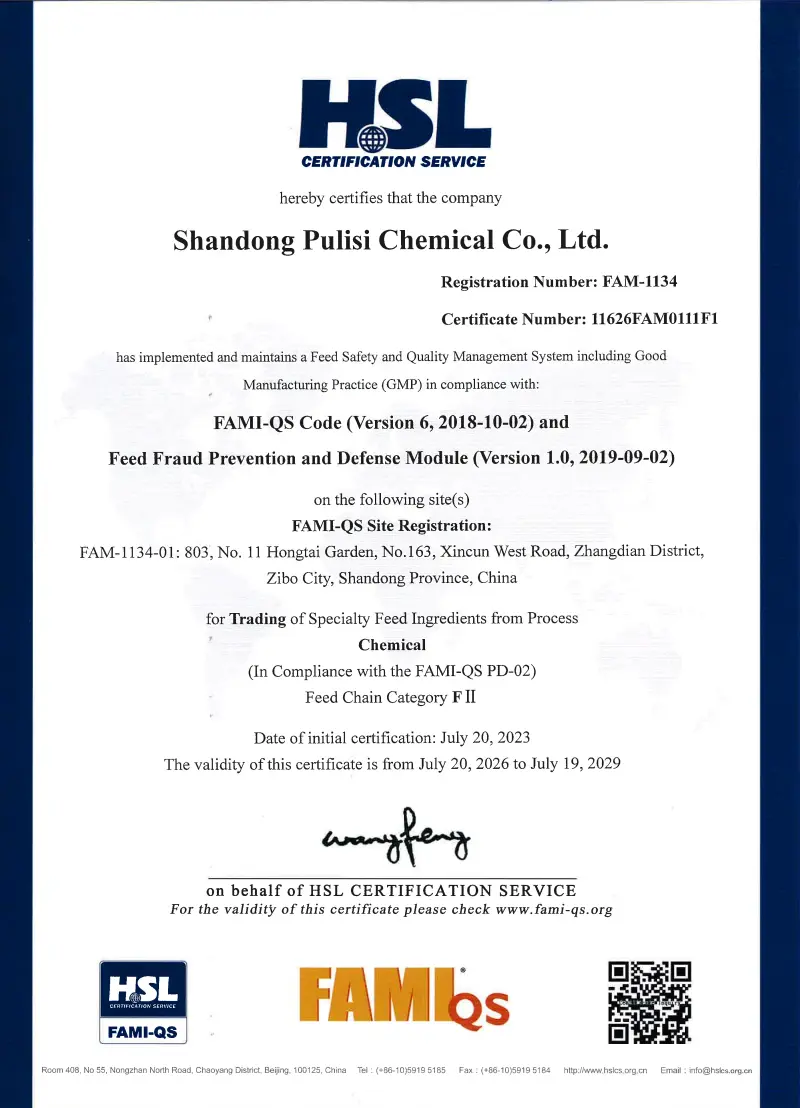
Our manufacturing and processing facilities adhere strictly to ISO 9001:2015 Quality Management Systems and carry German BV certification. By operating dedicated logistics infrastructures at major domestic ports (Qingdao, Tianjin) and key inland border hubs, we guarantee flexible, secure supply lines for European concrete producers who cannot afford project delays.
How our chemical systems solve real-world engineering challenges in the Nordic region.
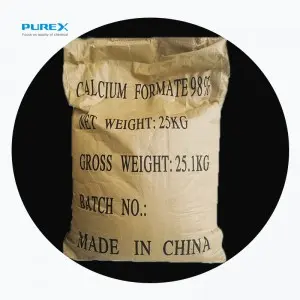
Danish winters present a challenge for concrete curing. Temperatures hovering near freezing slow down cement hydration, delaying formwork striking times. By utilizing specialized chemical accelerators such as calcium formate, our formulations speed up the early crystallization of tricalcium silicate ($C_3S$). This allows precast plants in Odense and Aarhus to maintain production rates without expensive heating infrastructure.
Infrastructure exposed to the Baltic Sea and Kattegat marine environments requires resistance to chloride ion penetration, which causes rebar corrosion. By incorporating high-performance Polycarboxylate Superplasticizers, concrete producers can lower water-to-binder ratios below 0.35. This reduces capillary porosity, protecting bridges, ports, and offshore wind turbine foundations from environmental degradation.
Danish architecture relies heavily on precast concrete components. To achieve smooth, defect-free surface finishes, concrete must flow into complex formwork without segregation. Our PCE dispersants provide steric hindrance alongside electrostatic repulsion, ensuring stable flowability and self-compacting properties for architectural concrete panels.
Explore our expanded range of high-grade raw materials and concrete modifiers.
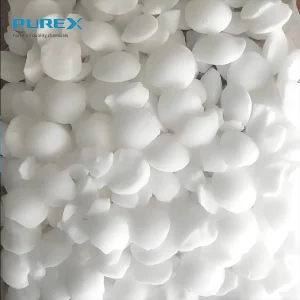
Key raw material for unsaturated polyester resins used in fiber-reinforced polymer concrete applications.
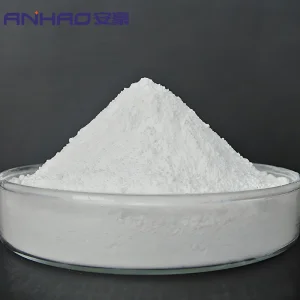
Highly efficient waterproofing additive for dry-mix plasters, mortar renders, and concrete block designs.
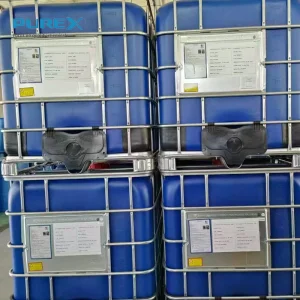
Monomer reactant used for producing thermosetting acrylic coatings and concrete surface sealers.
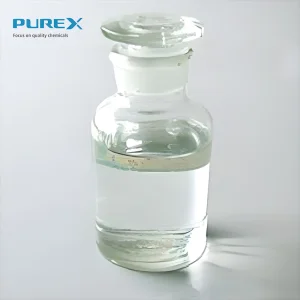
Reduces particle agglomeration during clinker grinding, optimizing energy use in cement plants.
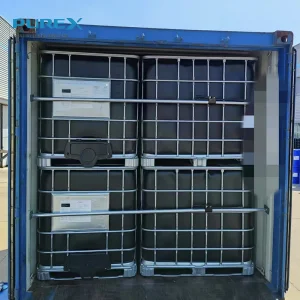
Synthesized to improve adhesion, flexibility, and weathering resistance in exterior concrete coatings.
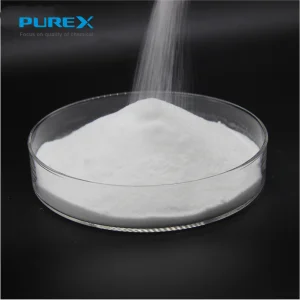
Used to prevent calcium carbonate efflorescence on decorative concrete blocks and facades.
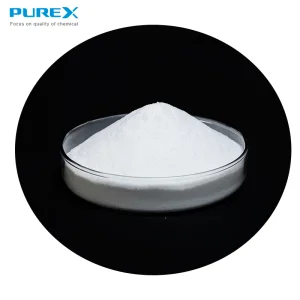
Imparts flame retardancy and anti-fungal protection to polymer-concrete composite panels.
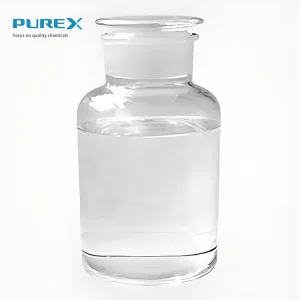
Key chemical intermediate for producing acrylic emulsion polymers used in cement modification.
Adapting chemical synthesis to support smart and circular construction.
Increasing environmental regulations in Denmark are driving research into bio-based superplasticizers. Synthesized from renewable raw agricultural feedstocks rather than petrochemical pathways, these future dispersants aim to reduce initial concrete CO2 equivalent metrics by up to 15%.
3D concrete printing is gaining traction in Scandinavian construction. This method demands rapid structural build-up without vertical collapse. Admixture packages must combine precise doses of PCEs for pumping with rapid accelerators (like sodium metasilicate) at the print nozzle to enable wet-on-wet layer printing.
Reclaiming aggregates from demolished structures is key to a circular economy. However, recycled aggregates absorb more water and carry contaminants. Specialty surfactants and clay-mitigating agents are incorporated into PCEs to neutralize clay contaminants and control water absorption, ensuring consistent concrete performance.
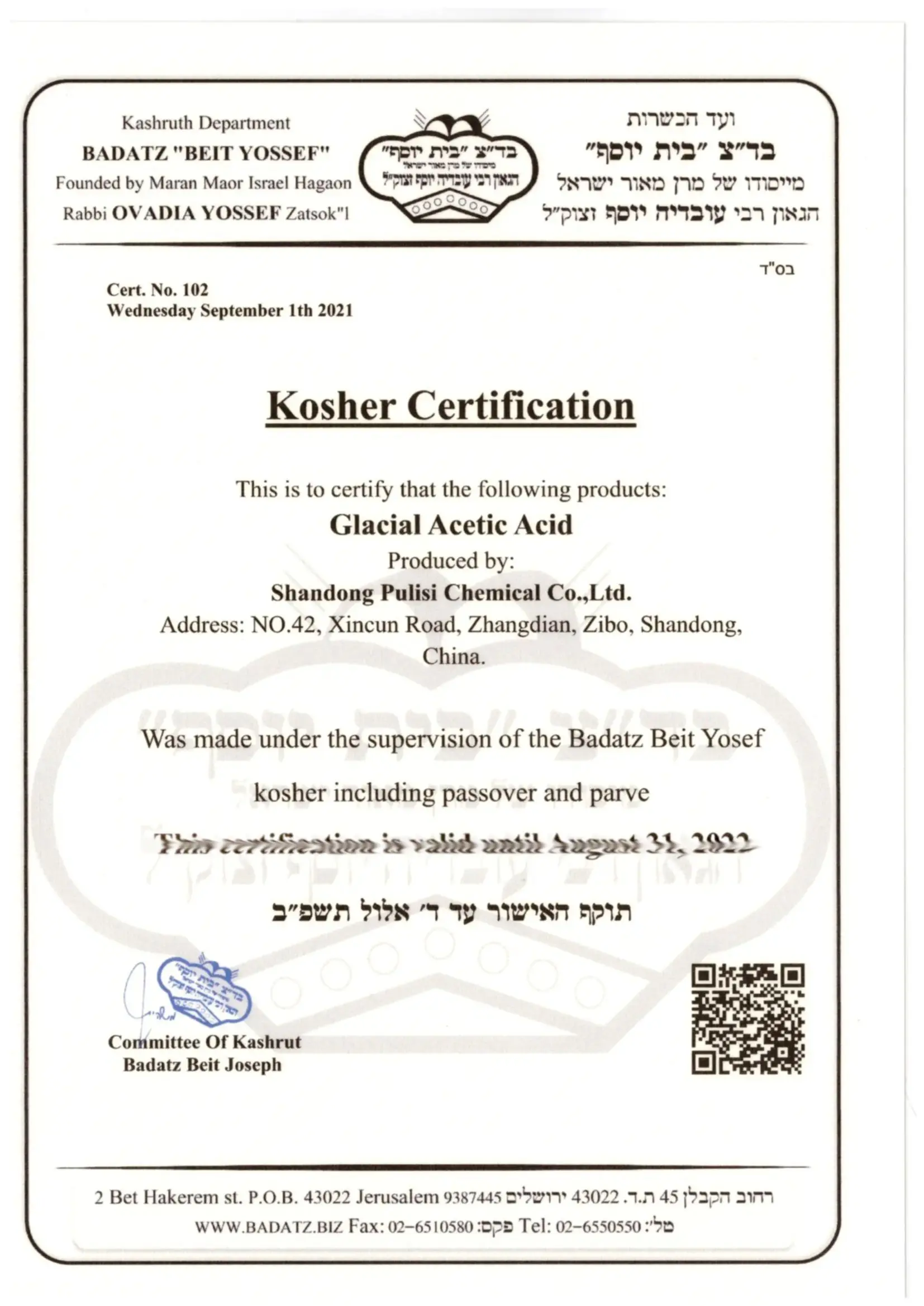
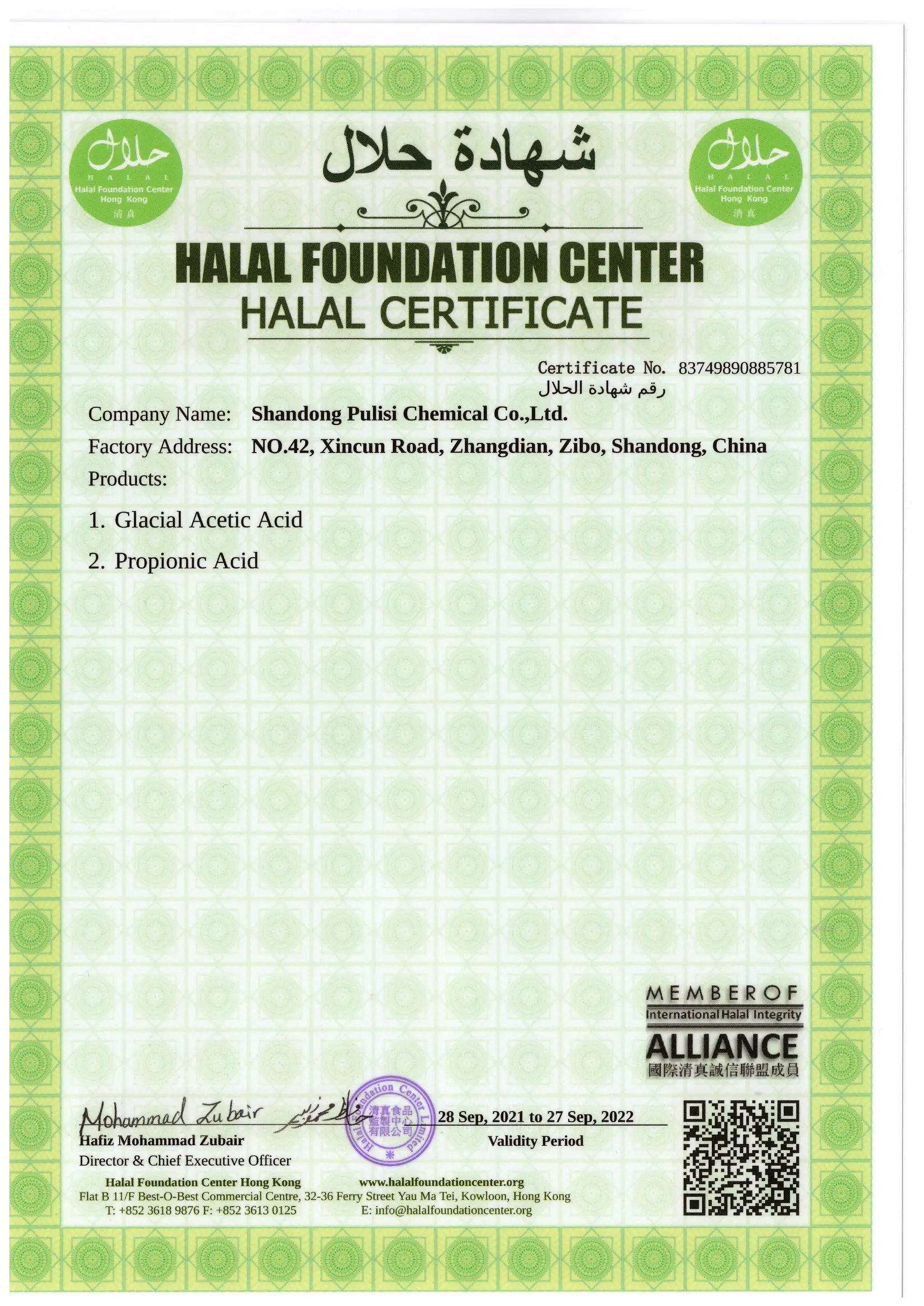
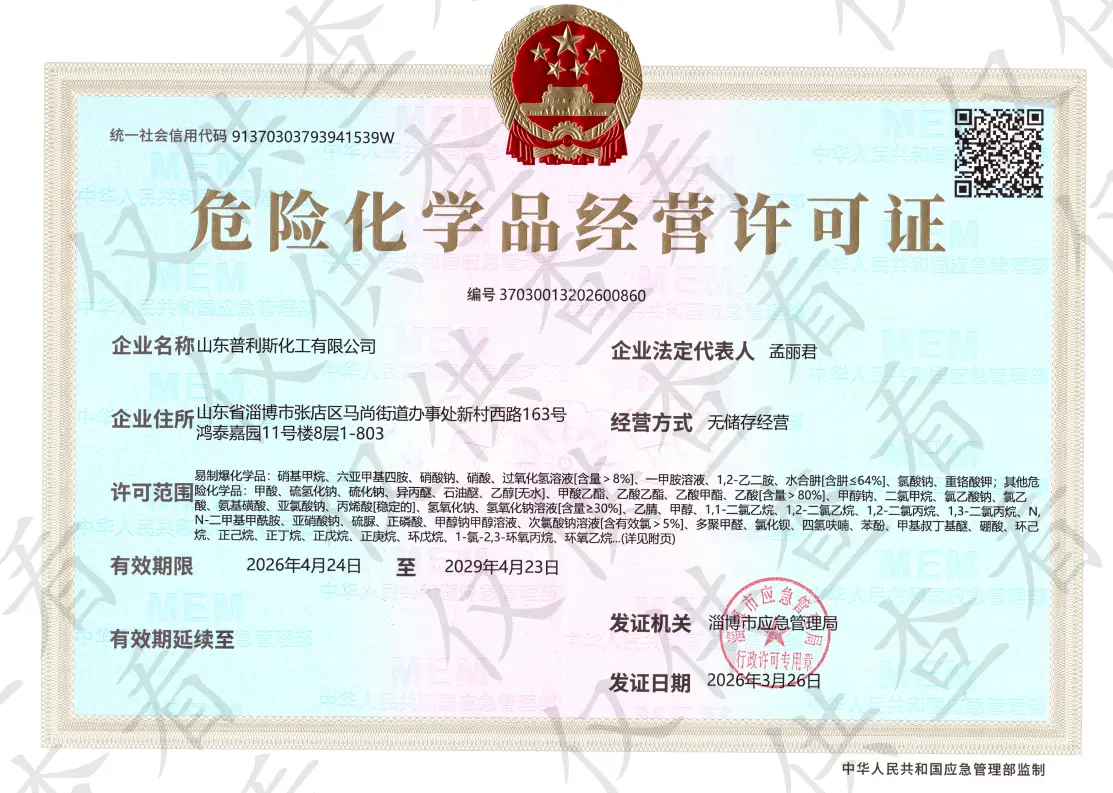
Every batch is tested to meet strict European quality, safety, and environmental standards.
Answers to key technical and logistics questions for Danish and global buyers.










Partner with Shandong Pulisi Chemical for reliable logistics, certified production quality, and competitive pricing for Scandinavian construction projects.
Send Inquiry Now*Shandong Pulisi Chemical Co., Ltd. does not operate branch offices outside Shandong Province. Beware of impersonators.
 Pulisi