 Pulisi
Technical White Paper: Sodium Hydrosulphite Industrial Paradigm
Analyzing physical-chemical indicators, regional capacity balances, and B2B sourcing vectors for global logistics networks.
1. Global Commercial & Industrial Landscape of Sodium Hydrosulphite
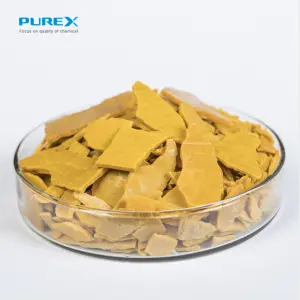
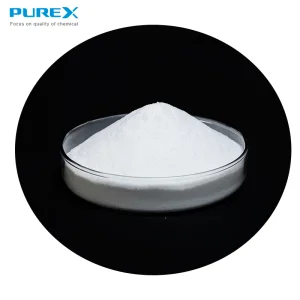
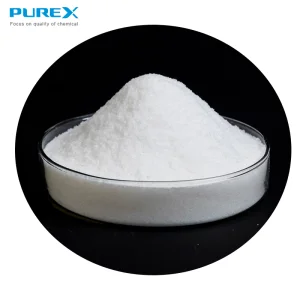
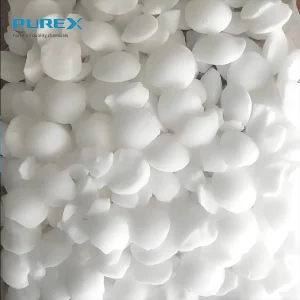
Sodium Hydrosulphite (also known as Sodium Dithionite, $Na_2S_2O_4$, CAS No. 7775-14-6) is a vital industrial reducing agent. It operates through the dithionite anion ($S_2O_4^{2-}$), which dissociates in aqueous solution to form highly reactive sulfoxyl free radicals ($SO_2^{\bullet-}$). These radicals possess a strong standard reduction potential ($E^0 = -1.12\text{ V}$ at pH 9), enabling them to reduce complex organic chromophores, metalliferous ions, and polymeric groups.
Historically, the demand for bulk sodium hydrosulphite has been closely tied to the textile dyeing, wood pulp processing, and mineral refinement industries. In vat dyeing processes (such as indigo dyeing), sodium hydrosulphite reduces water-insoluble pigments into soluble leuco-compounds. This enables the dye to penetrate cellulose fibers before it is fixed through atmospheric re-oxidation. In the pulp and paper industry, the chemical serves as a selective bleaching agent that lightens mechanical and chemical pulps without degrading the structural integrity of cellulose chains.
"The global demand for high-assay sodium hydrosulphite remains resilient. However, sourcing has shifted toward suppliers that can guarantee chemical stability, strict quality standards, and compliance with maritime shipping protocols for Class 4.2 self-heating solids."
2. The Efficiency & Logistics Edge of Chinese Chemical Infrastructure
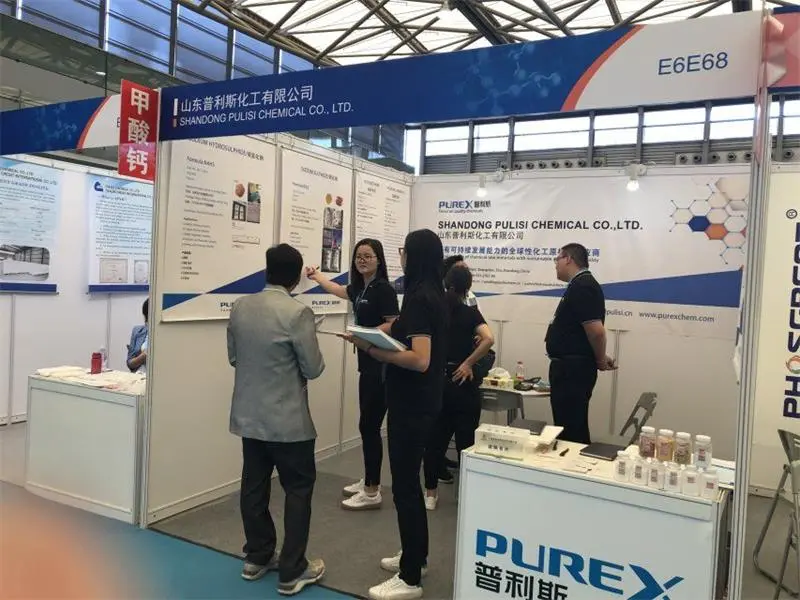
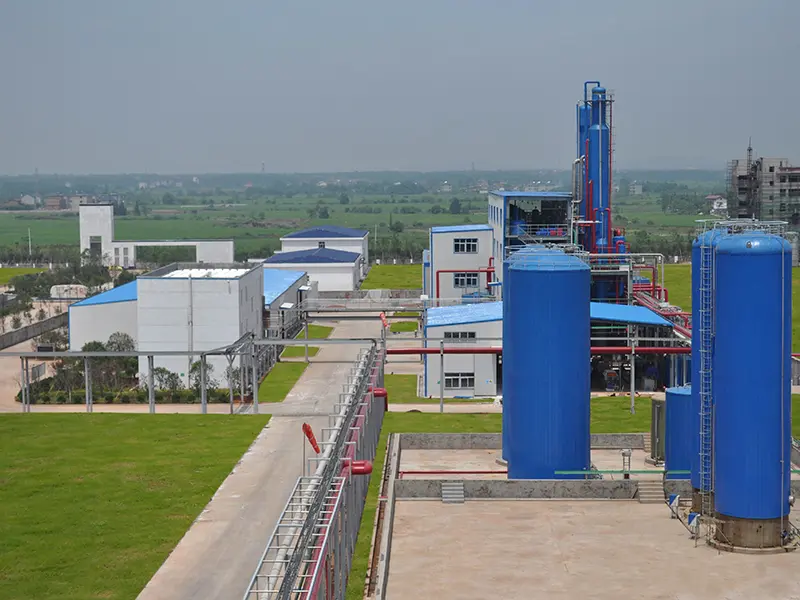
The global supply chain for sodium hydrosulphite is highly consolidated, with Shandong Province, China, serving as a primary manufacturing hub. The local industrial ecosystem features close geographic integration with chlor-alkali and formic acid plants. This enables a continuous pipeline supply of key feedstocks, including carbon dioxide, sulfur dioxide, caustic soda, and sodium formate.
This concentration of production offers major advantages for bulk procurement:
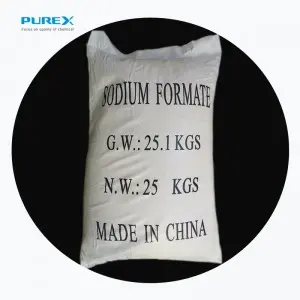
- Integrated Production Routes: By utilizing the sodium formate process over older zinc dust methods, modern factories reduce heavy-metal contamination. This process yields a product with high purity (assay $\ge 88\%$ or $90\%$) while minimizing environmental impact.
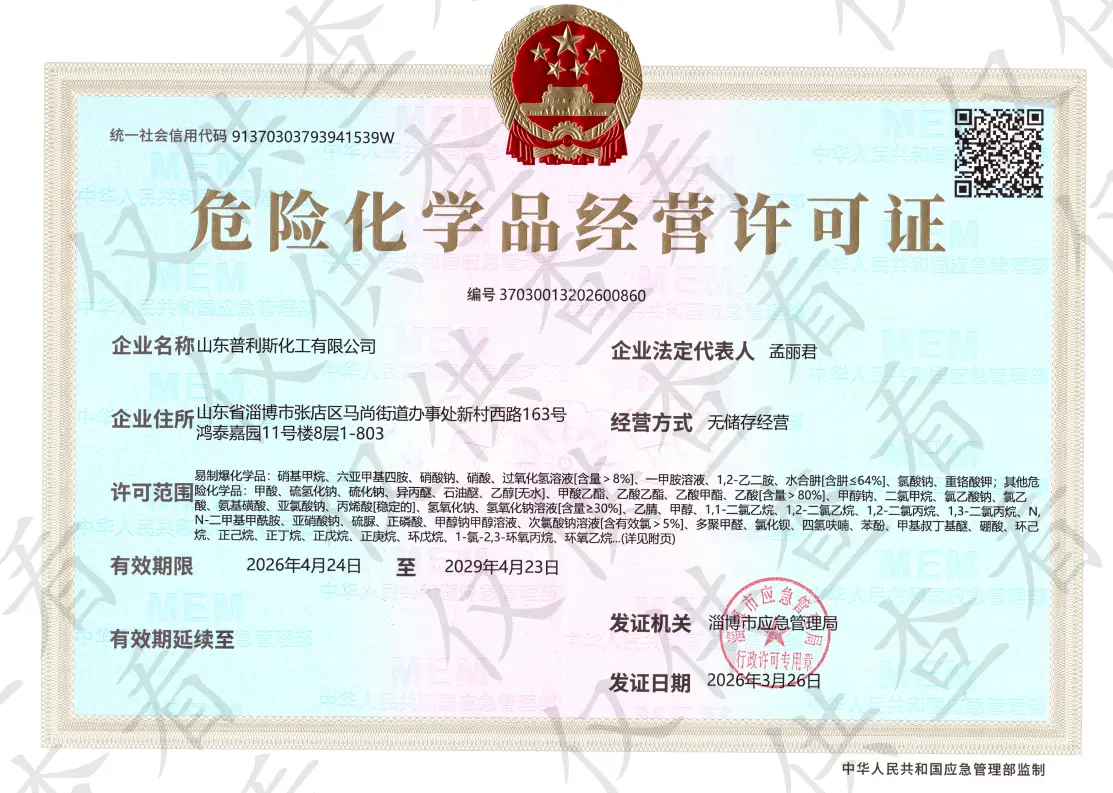
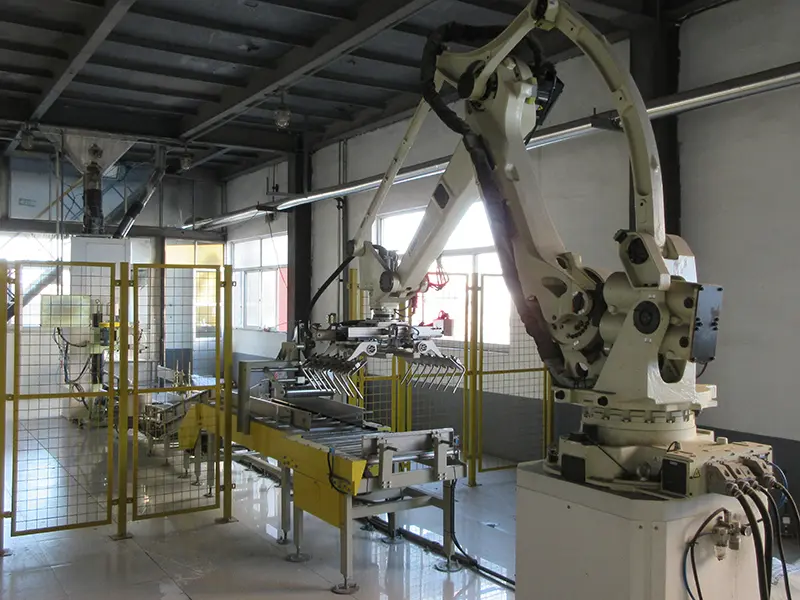
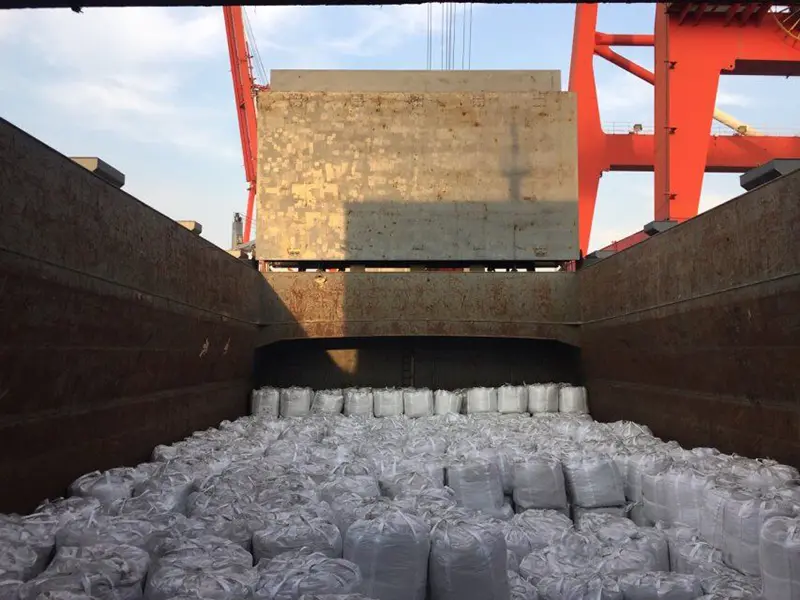
- Thermal Control & Storage: Sodium hydrosulphite is sensitive to moisture and heat, meaning logistics management is critical. Chinese producers utilize automated, humidity-controlled storage facilities directly linked to major shipping ports like Qingdao and Tianjin.
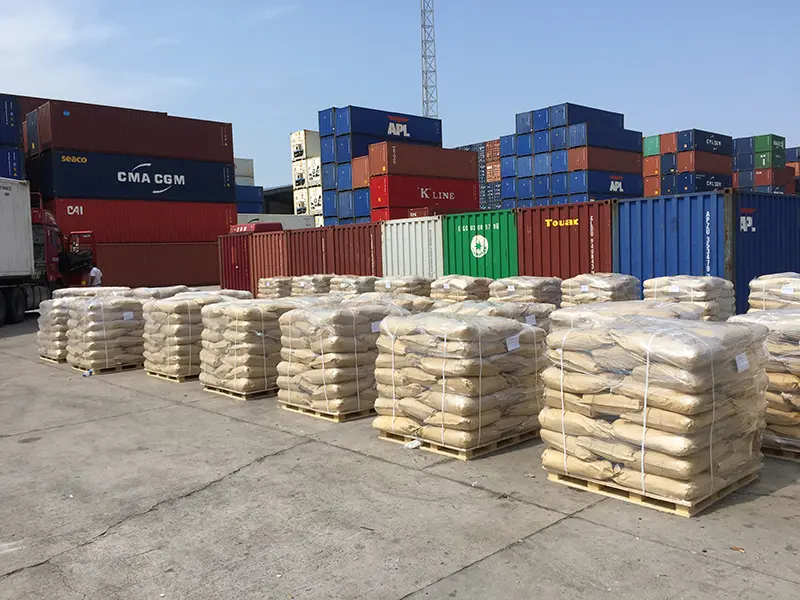
- Strategic Port Access: Proximity to major ports minimizes inland transit times. This reduces the exposure of Class 4.2 hazardous cargo to temperature fluctuations prior to maritime loading.
3. Localization Applications & Geographic Demands
Procurement requirements for sodium hydrosulphite vary significantly by geographic region and application:
- Southeast Asia & Latin America (Textile & Apparel Hubs): Buyers in these markets prioritize consistent reduction kinetics. The product must remain highly stable during transport to maintain its efficiency in continuous vat dyeing and reduction clearing processes.
- North America (Kaolin Clay Processing): In kaolin clay refining, sodium hydrosulphite reduces colored ferric oxide ($Fe_2O_3$) impurities into soluble ferrous compounds ($Fe^{2+}$). This reaction is sensitive to iron contamination, requiring the chemical agent to have low heavy-metal limits.
- Europe (Pulp & Paper Bleaching): European paper manufacturers operate under strict environmental regulations. They require suppliers to hold REACH registrations and provide detailed product safety data sheets (SDS) outlining chemical decomposition profiles.
4. Future Trends: Automation and Regulatory Compliance
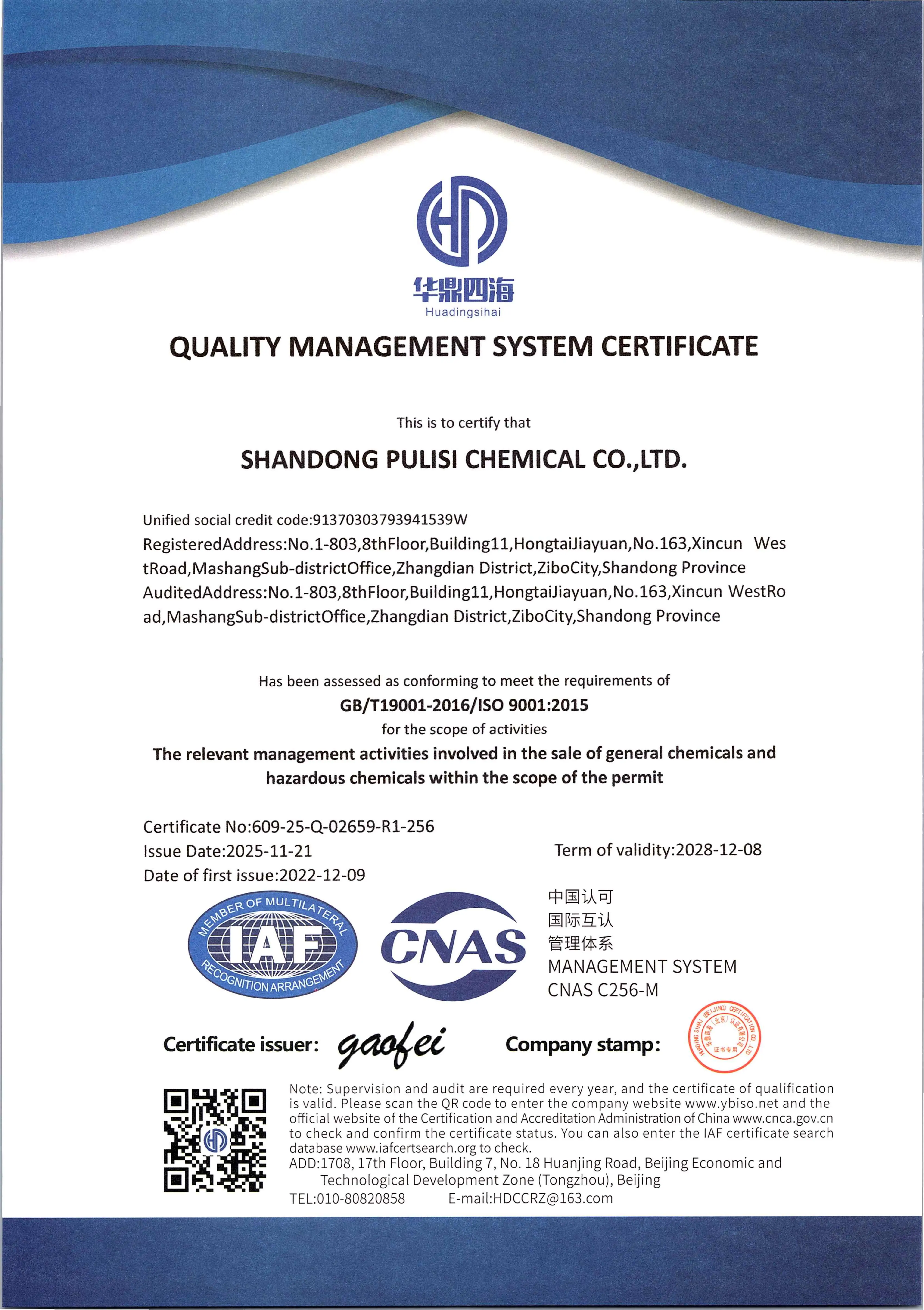
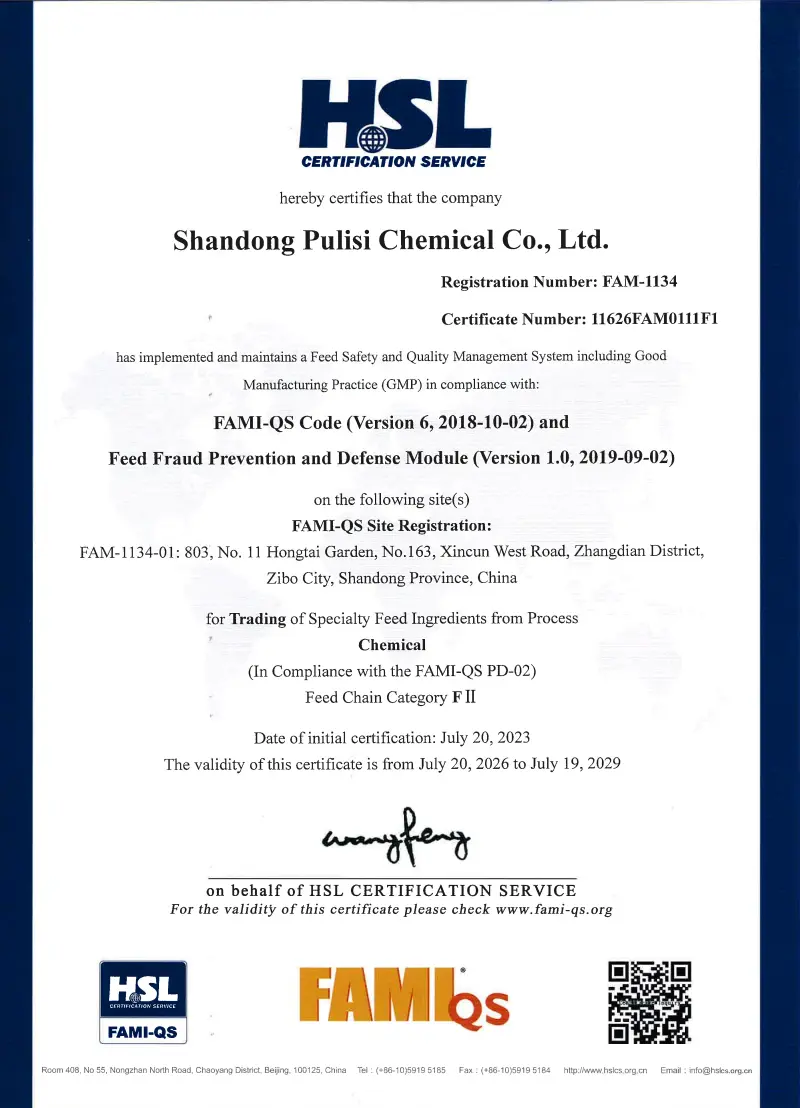
The global chemical manufacturing sector is shifting toward digital supply chain tracking and automated process controls. For sodium hydrosulphite, this means implementing precise packaging steps that inert the containers with nitrogen. Doing so prevents atmospheric moisture from triggering exothermic oxidation reactions during transport. Additionally, international compliance frameworks (such as K-REACH, FAMI-QS, and ISO certifications) are standard requirements for qualified suppliers.