Direct access to certified manufacturing plants, standardized export solutions, and verified supplier networks.
An authoritative review of the global macro commercial landscape, technical roadmaps, and key polymer properties.
Polypropylene (PP), a fundamental thermoplastic addition polymer synthesized through the chain-growth polymerization of propylene monomers, stands as one of the cornerstones of modern industrial material science. In the contemporary global market, the demand for PP continues to accelerate, driven by structural shifts in packaging optimization, automotive lightweighting, healthcare requirements, and sustainable infrastructure developments. Worldwide, PP manufacturers and bulk factories are rapidly scaling production capacities to meet both homopolymer and copolymer applications.
As industrial activities evolve, buying agents and logistics directors require more than just raw material distribution; they demand high-performance polymers engineered with optimized Melt Flow Rates (MFR), enhanced tensile strengths, and superior chemical resistance. The geographic center of gravity for PP production has increasingly aligned with strategic logistics networks. For instance, Shandong Province, China, has emerged as a premier hub for polymer and bulk chemical production, characterized by intensive chemical infrastructure and direct access to major maritime corridors.
Established in 2006, Shandong Pulisi Chemical Co., Ltd. (Stock Code: 307785) has positioned itself as an elite global supply chain partner specializing in petrochemicals, mining reagents, feed additives, and specialty industrial solvents. With a firm dedication to absolute compliance, rapid delivery pipelines, and comprehensive technical documentation, our corporation operates as a trusted manufacturer and exporter, delivering high-performance materials to over 100 countries and sovereign territories.
Strict Regulatory and Corporate Statement: Shandong Pulisi Chemical Co., Ltd. has not established branches or joint ventures outside of Shandong Province. Any external entity claiming representation or operation under the "Shandong Pulisi" brand without official Zibo headquarters authorization is legally unauthorized. Our company reserves the right to pursue full legal remedies for unauthorized brand representation.
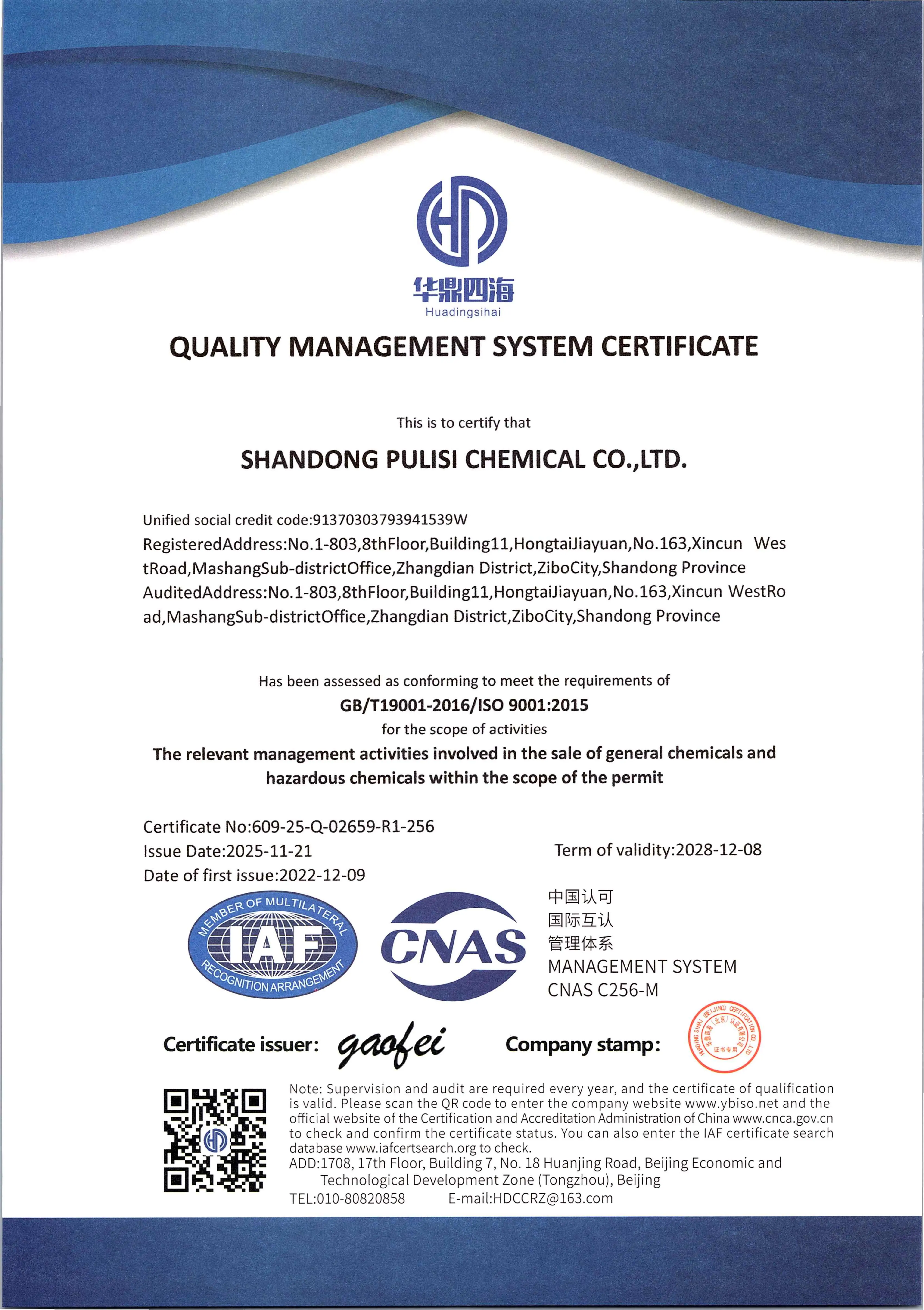
Our operational capabilities are backed by strong partnerships with Fortune Global 500 enterprises, including China National Petroleum Corporation (CNPC) and Saint-Gobain. These collaborations are built on a foundation of rigorous quality management systems, specifically conforming to ISO 9001:2015 standards and verified by Germany’s Bureau Veritas (BV). By combining state-of-the-art warehousing networks with customized logistical routes, we maintain a highly responsive, customer-first delivery model.
Choosing the correct polypropylene grade requires understanding the mechanical stresses and environmental conditions of the final application. Industrial buyers classify polypropylene into three distinct categories based on molecular configuration and additives:
From a macrocommercial perspective, factories and polymer companies are actively integrating recycled polymers (PCR - Post-Consumer Recycled PP) and bio-based alternatives. Advanced compounding lines now utilize mineral fillers (talc, calcium carbonate) and glass fiber reinforcements to elevate the thermal deformation temperatures and tensile properties of PP, making it a viable, cost-effective substitute for engineering plastics like ABS and Polyamides.
Modern Polypropylene synthesis utilizes advanced catalyst technologies, moving from conventional Ziegler-Natta systems to Metallocene catalysts. Metallocene-catalyzed PP offers narrow molecular weight distributions, allowing for thinner walls in injection-molded components without sacrificing impact strength. This development supports global weight reduction goals in automotive designs, directly reducing fuel and energy consumption.
Furthermore, molecular modification techniques like nucleating agent additions accelerate crystallization speeds. This enables injection molding machines to operate at shorter cycle times, helping processing factories increase throughput by 10-15% while reducing energy consumption per unit produced.
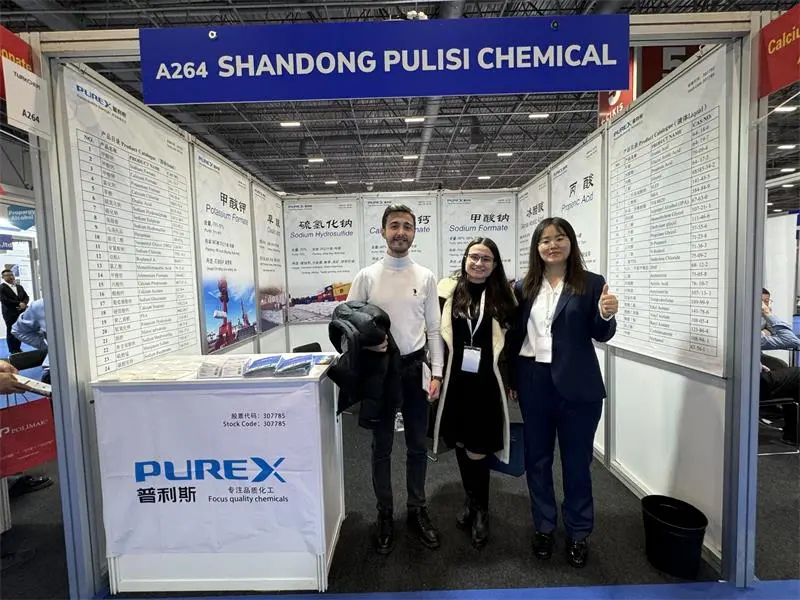
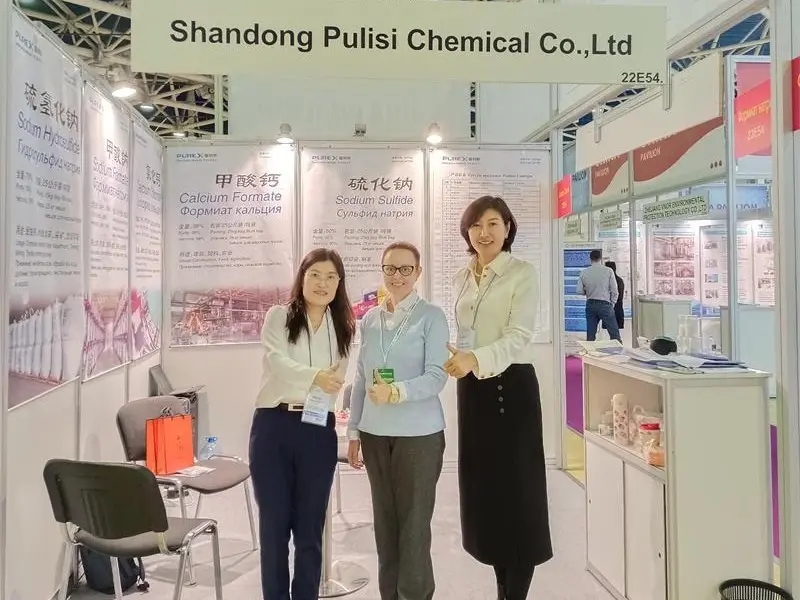
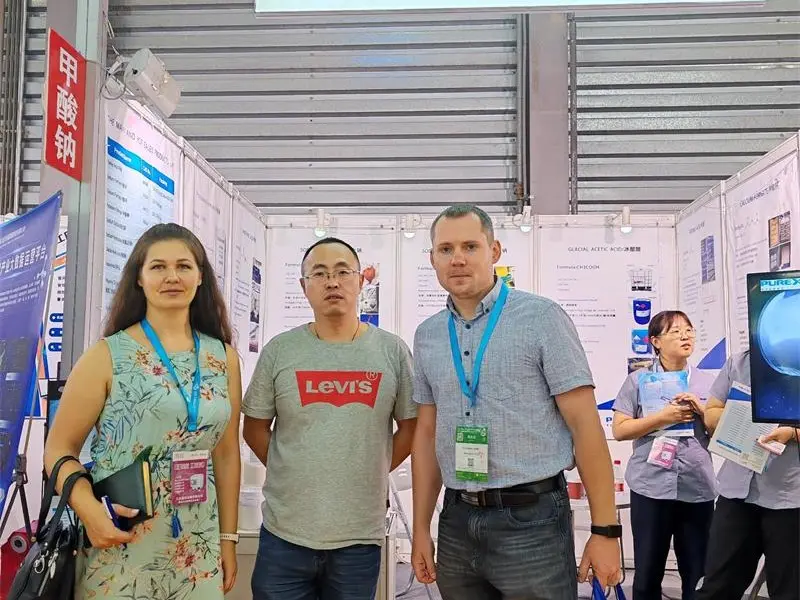
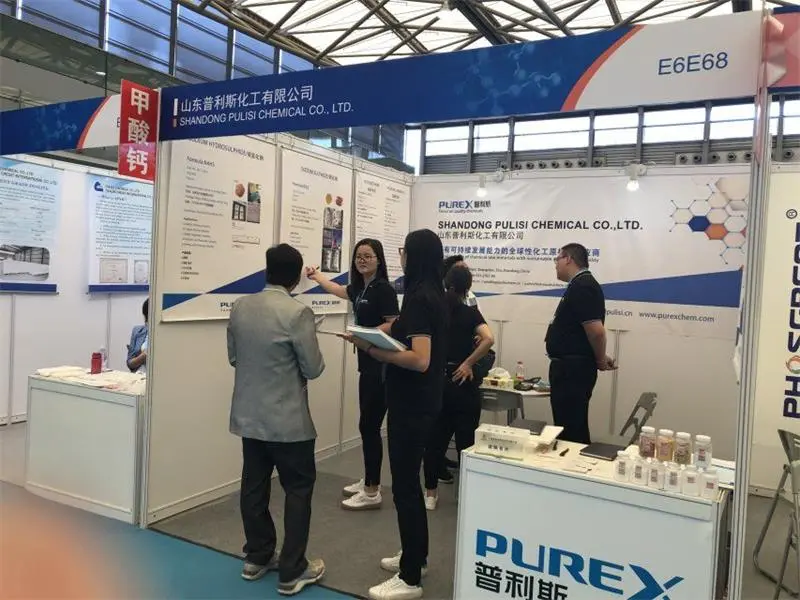
A visual representation of our physical facilities, manufacturing scale, and participation in international industrial exhibitions.
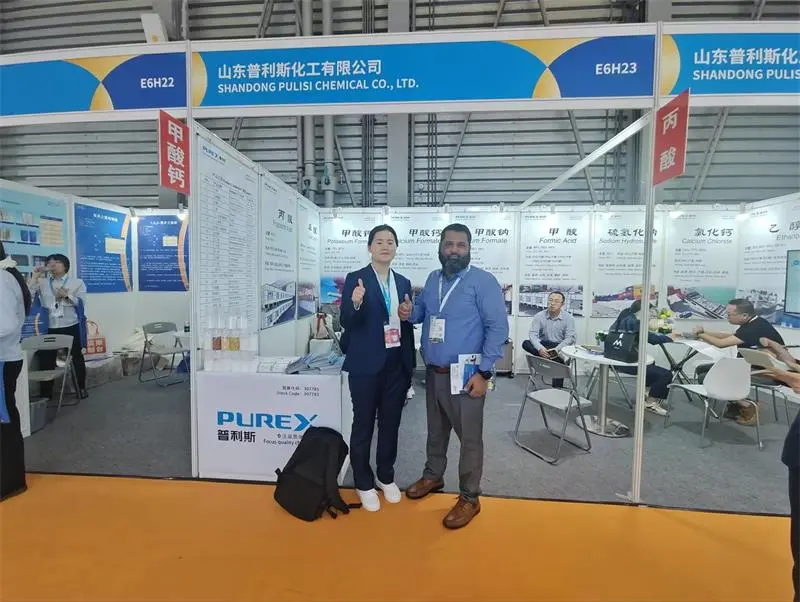
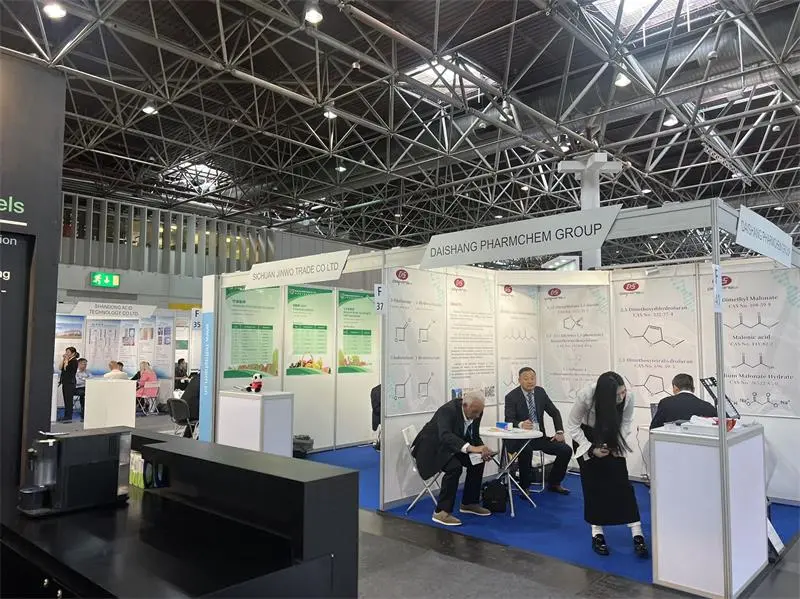
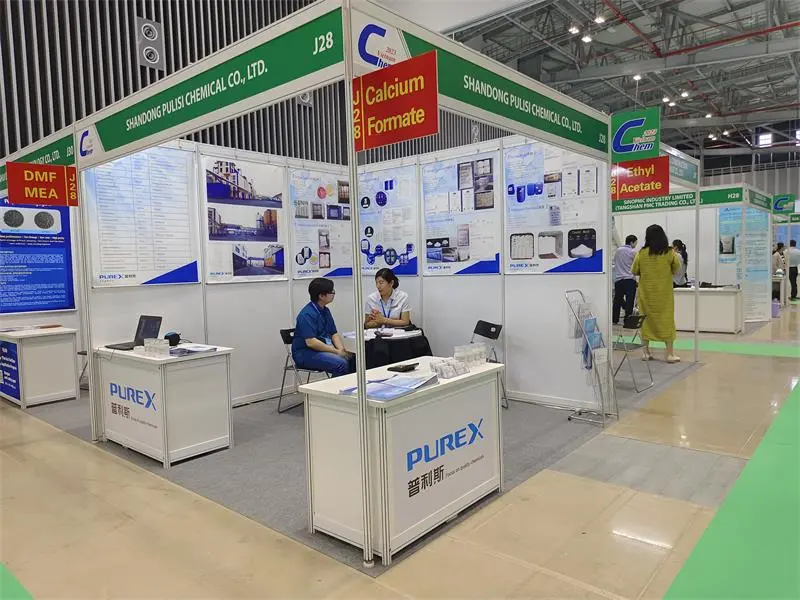
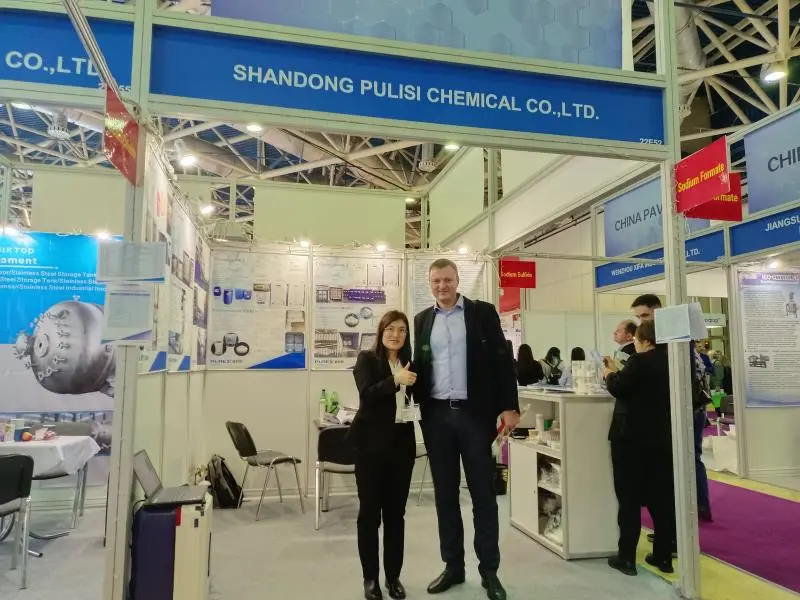
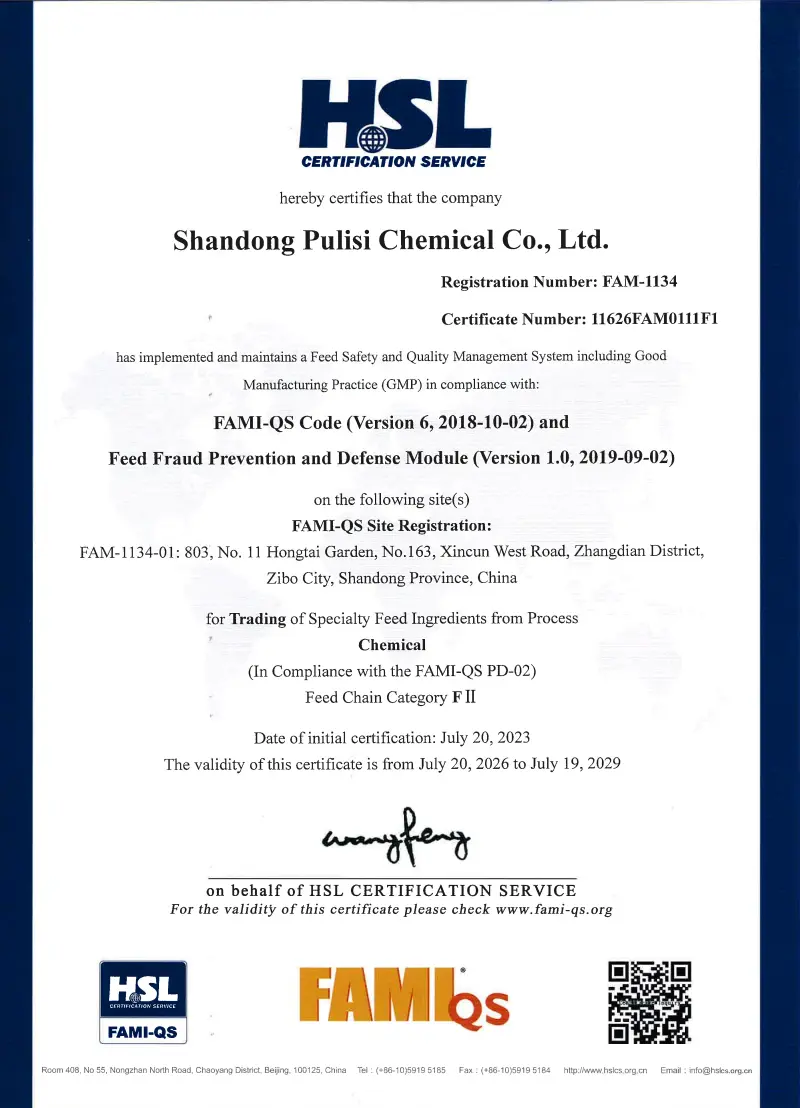
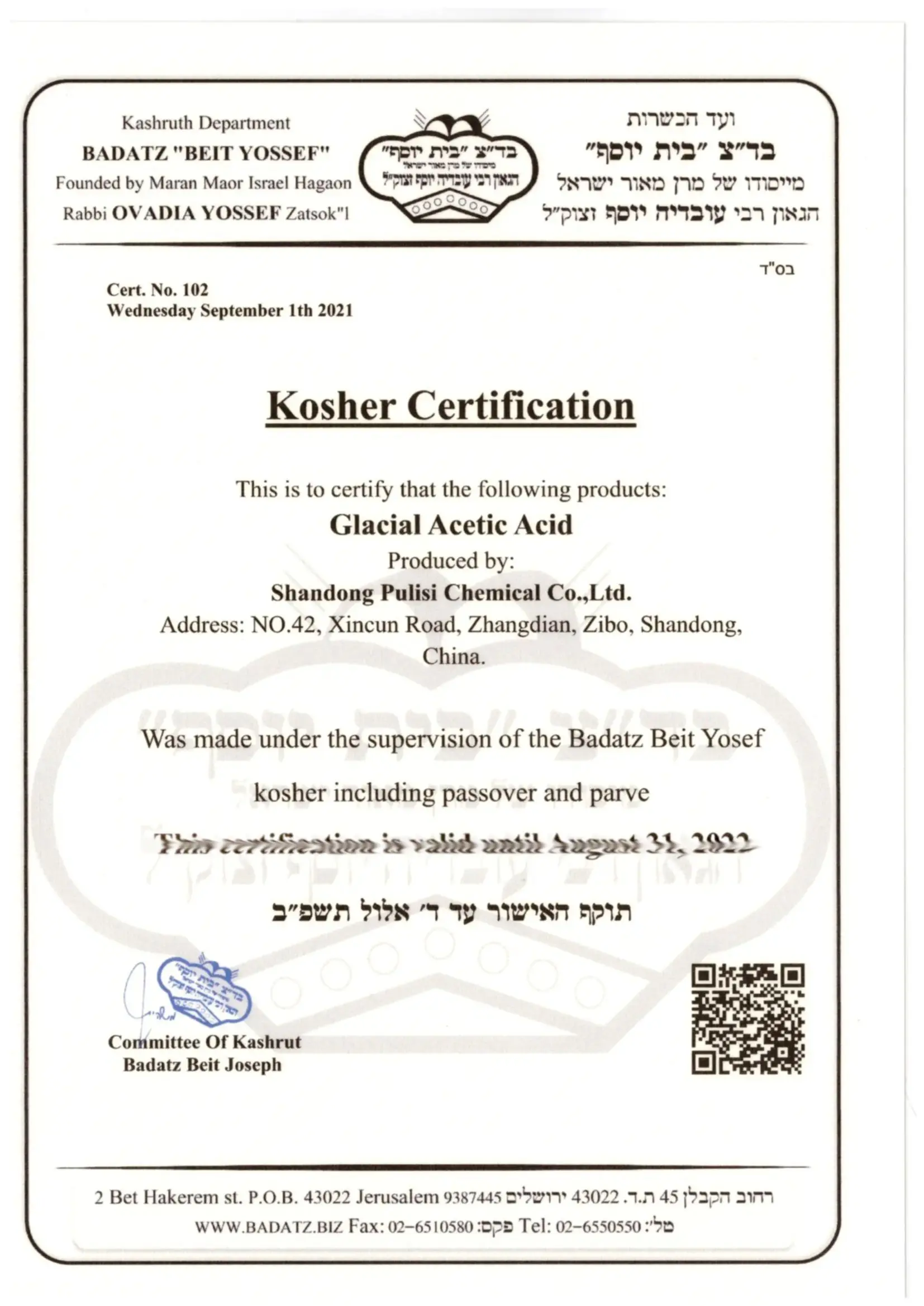
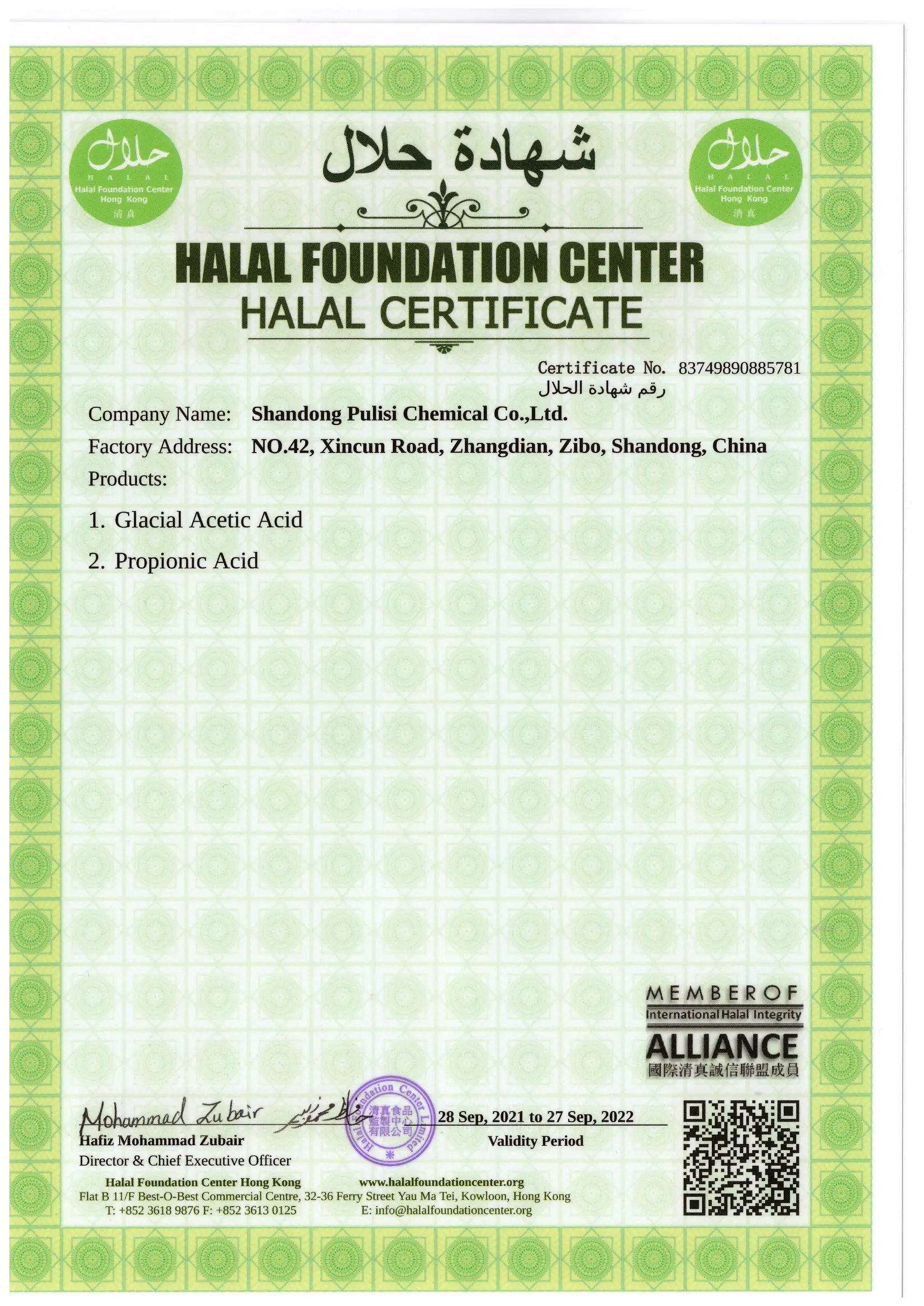
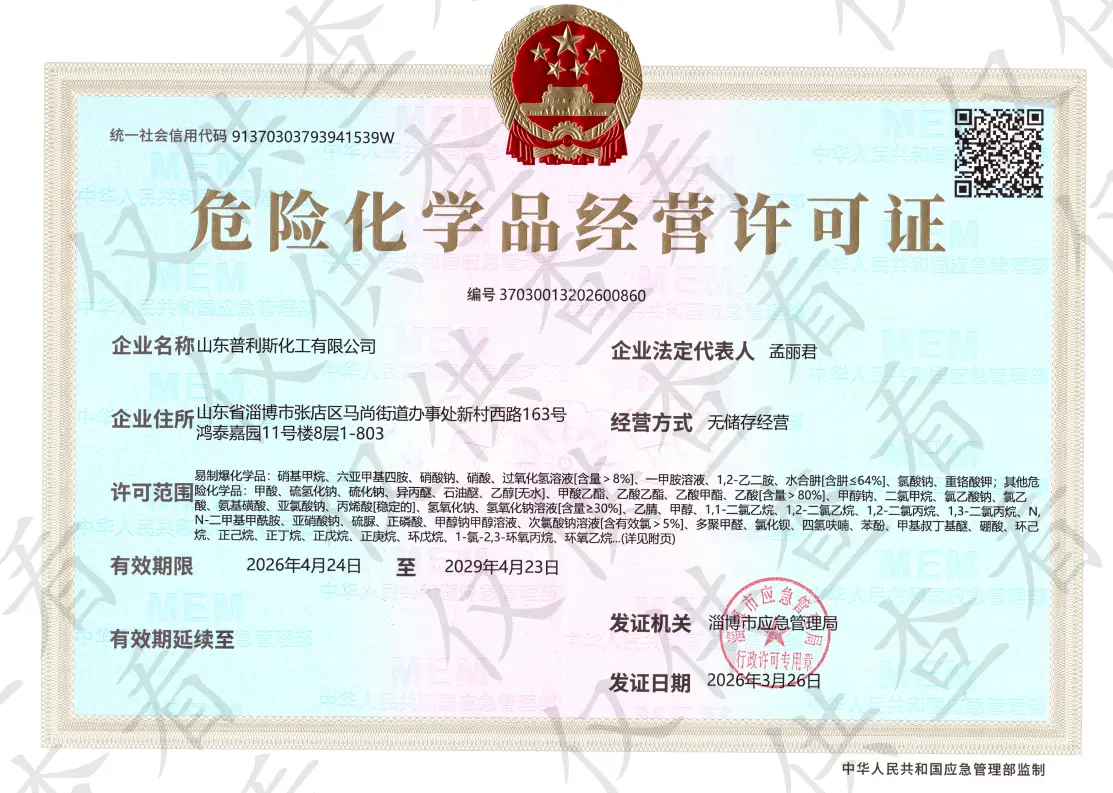
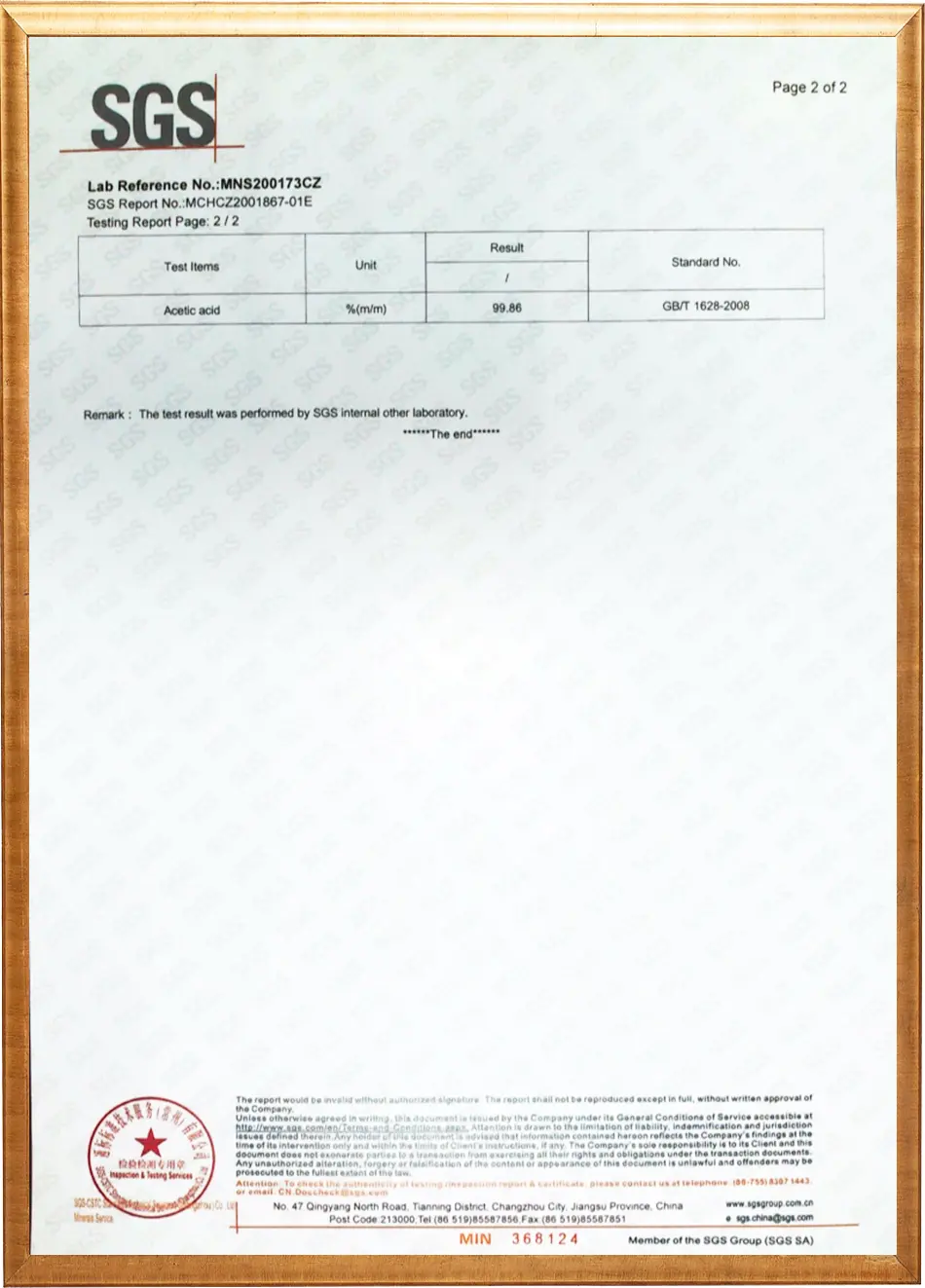
Ensuring compliance, reliability, and traceabilty across our entire chemical and polymer supply chain.
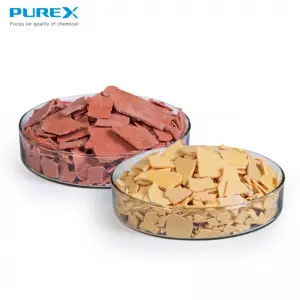
Providing high-purity chemical compounds and polymer structures engineered for specialized downstream industries.

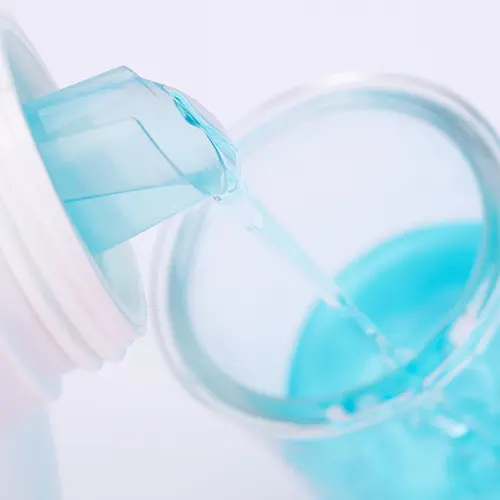
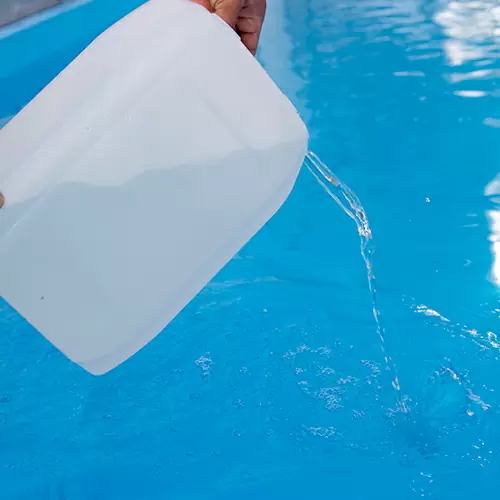
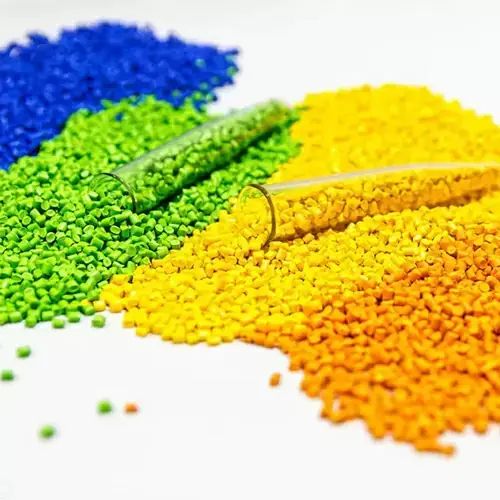
Procuring raw petrochemical materials and bulk polymers internationally requires navigating complex regulatory environments and supply chain challenges. Under our risk-mitigation framework, we address these challenges through two main pillars:
We provide full support for complex regional chemical regulations, including K-REACH (South Korea), EU REACH, and specialized agricultural requirements like FAMI-QS. Every shipment is accompanied by standardized documentation, including current Safety Data Sheets (SDS), certificates of analysis (COA), and third-party validation reports from organizations like SGS and Bureau Veritas.
To reduce transit times and mitigate supply chain disruptions, we operate strategic warehousing hubs near major transit points:
Our localized warehousing strategies allow us to offer flexible supply contracts. This helps manufacturing facilities maintain leaner inventories by reducing lead times and stabilizing safety stock levels during periods of high demand.
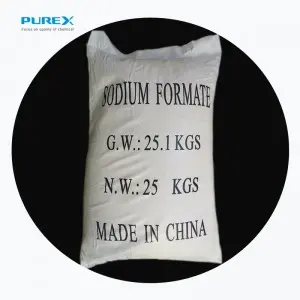
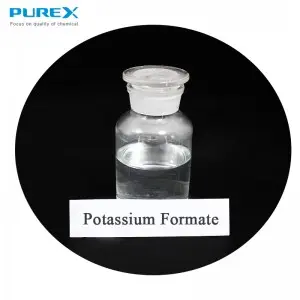
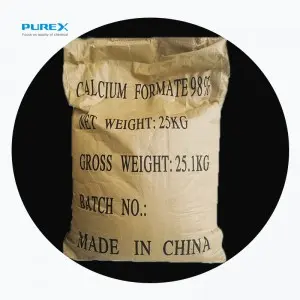
Direct chemical derivatives manufactured in our state-of-the-art Zibo processing facilities.
Why procurement teams and engineering managers partner with Shandong Pulisi Chemical.
Active supply chains shipping to over 100 countries and regional territories, supported by local customs documentation experts.
Certified production according to ISO 9001, FAMI-QS, Kosher, and Halal, with pre-shipment SGS validation options.
Strategic warehouse positioning near key logistics hubs (Qingdao, Tianjin, Alashankou, Khorgos) to ensure stable material supply.
Tailored compounding modifications, including adjustable melt flow indices, pigment masterbatches, and mineral fillings.
Over 20 years of export experience and strong supplier relationships, supporting long-term commercial projects.
Technical support teams ready to assist with regulatory compliance, custom formulation inquiries, and logistical coordination.
Direct access to certified manufacturing plants, standardized export solutions, and verified supplier networks.
Collaborating with industrial companies to build reliable, high-performance global supply chains.






Expert clarifications regarding technical parameters, logistical protocols, and global trading conditions.
 Pulisi