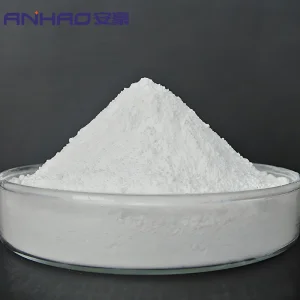
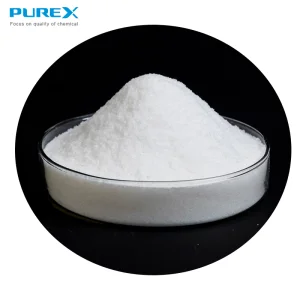
Premium industrial chemicals manufactured under strict ISO quality control protocols to optimize supply chain value.
An authoritative analysis of industrial-grade organic dicarboxylic acids, processing chemistry, and market application strategies.
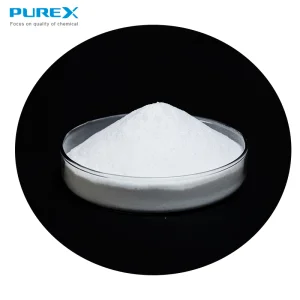
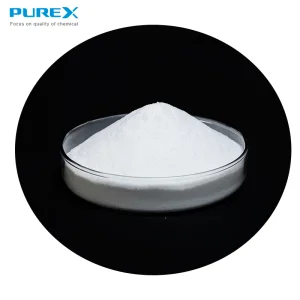
Oxalic acid (specifically in its dihydrate crystalline format, $\text{C}_2\text{H}_2\text{O}_4 \cdot 2\text{H}_2\text{O}$) serves as one of the most effective organic dicarboxylic acids for metal surface preparation, industrial descaling, and rust conversion. From a thermodynamic perspective, oxalic acid displays highly selective chelating kinetics with transition metal ions. It reacts with oxidized iron ($Fe^{3+}$) to convert insoluble ferric compounds into highly water-soluble complex ions, specifically the trioxalatoferrate(III) complex:
This chelation mechanism makes oxalic acid far superior to mineral acids (like hydrochloric or sulfuric acid) for rust removal on sensitive substrates. Mineral acids indiscriminately etch the underlying virgin metal, causing hydrogen embrittlement and rapid flash rusting. Oxalic acid, on the other hand, exhibits a self-limiting etching process, binding target metal oxides while preserving structural base alloy integrity. This biochemical logic has propelled its adoption as a core active ingredient in commercial rust removers, industrial wood bleaches, stone floor crystallization polishing agents, and marine hull cleaning compounds.
Currently, the global oxalic acid market is entering a phase of rapid transformation driven by technological iterations, strict environmental regulations, and shifting upstream production capabilities. Geographically, manufacturing is highly consolidated within key industrial hubs in Asia. Major consumption markets are distributed across North America, Europe, and developing manufacturing regions.
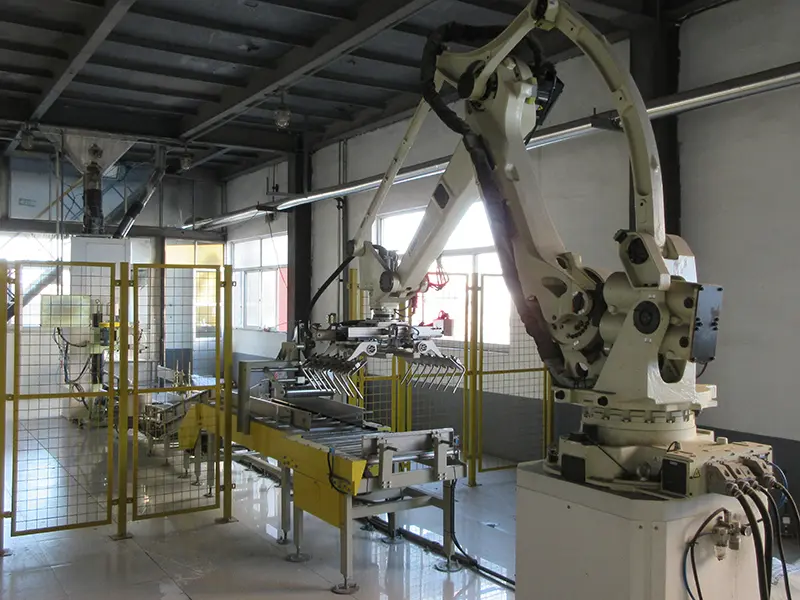
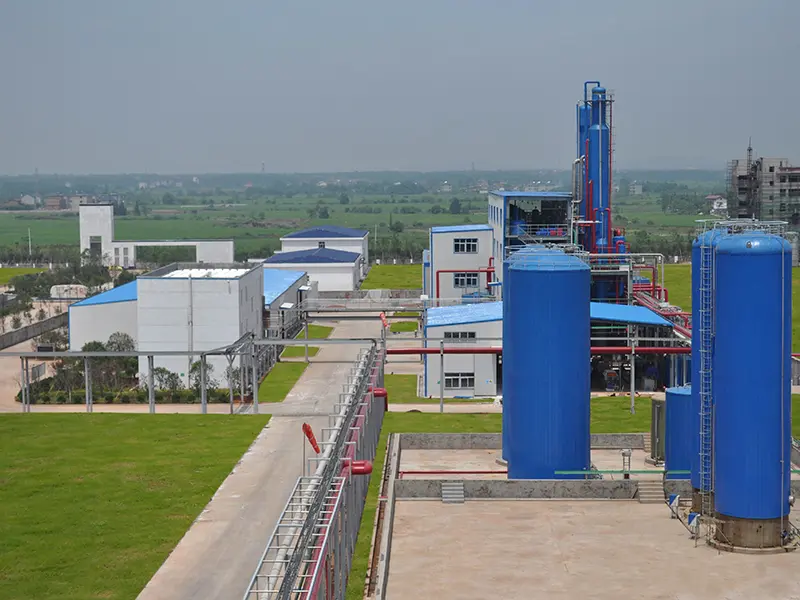
As environmental regulations tighten globally under mandates like Europe's REACH, USA's TSCA, and global ESG initiatives, traditional coal-gasification or raw carbohydrate oxidation manufacturing pathways are undergoing intense modernization. Leading players like Shandong Pulisi Chemical Co., Ltd. have invested in state-of-the-art closed-loop synthesis setups. These reduce nitric acid vapor emissions, recover waste heat, and reuse crystallization mother liquors. This technological edge guarantees a reliable supply chain while maintaining cost efficiencies, shielding downstream OEM/ODM buyers from sudden environmental compliance shutdowns or price volatility.
Different cleaning applications demand precise control over oxalic acid's chemical parameters. As a leading manufacturer and exporter, Pulisi Chemical tailors solutions across three main axes:
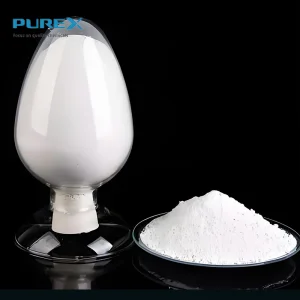
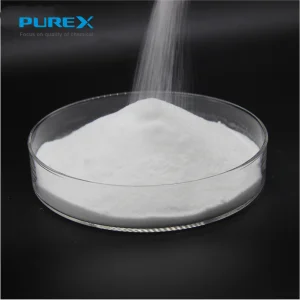
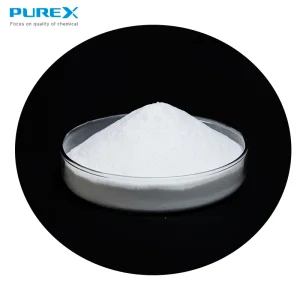
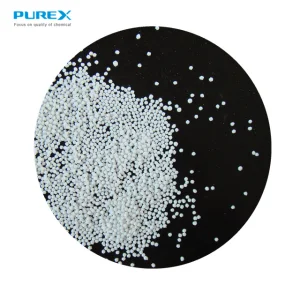
We supply fine powder (under 100 mesh) for fast-dissolving liquid cleaning formulations, alongside large crystalline formats (99.6%+ purity) for abrasive powder compounds and slow-release industrial cleaning bricks.
Long-distance maritime shipping causes pressure-induced crystallization caking. We utilize non-toxic, eco-friendly food-grade anti-caking agents that maintain free-flowing properties under high humidity, crucial for tropical ports.
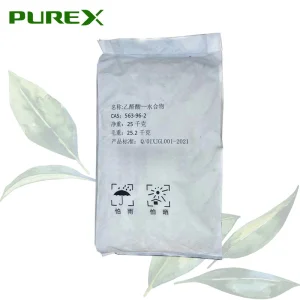
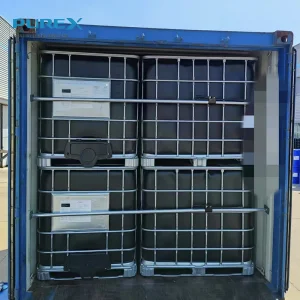
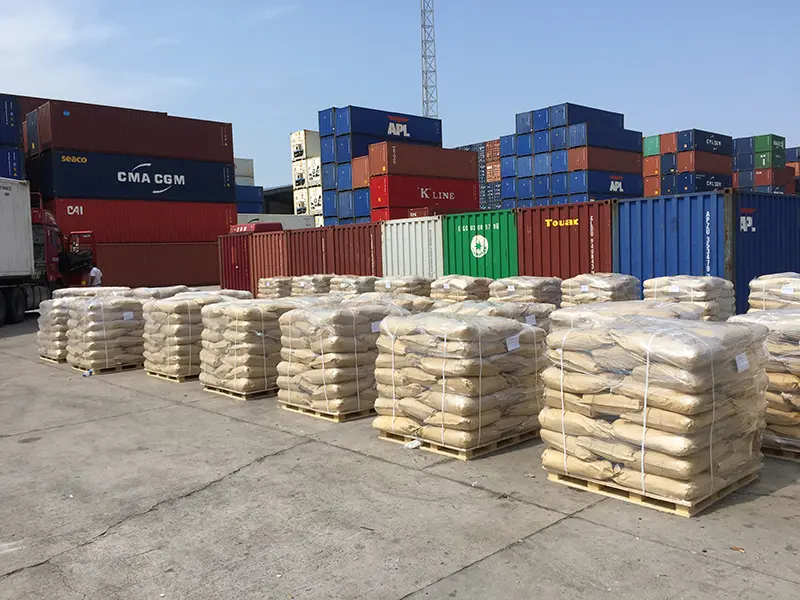
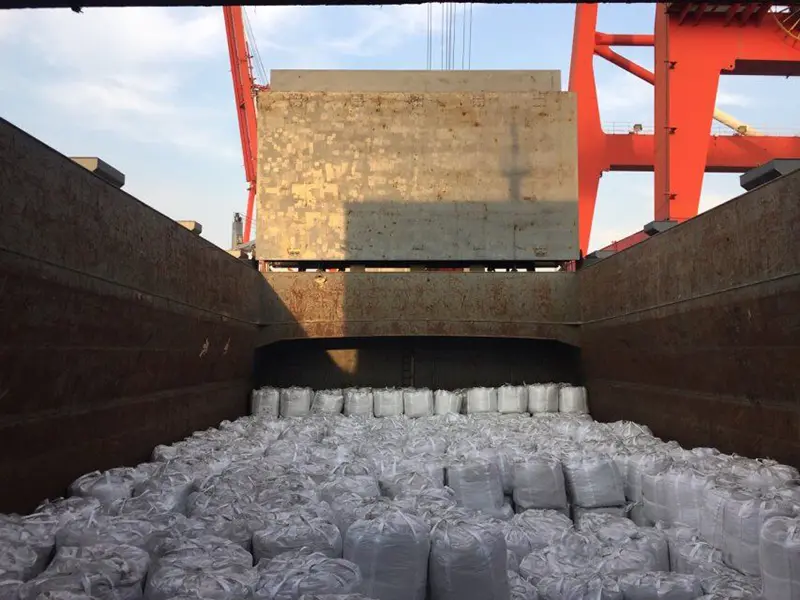
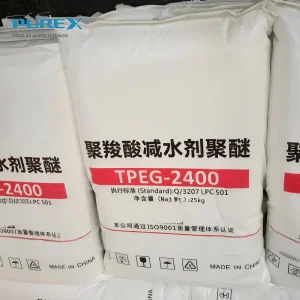
To support global brands, we provide custom-labeled retail pouches, heavy-duty 25kg PE/PP bags, and 1000kg flexible intermediate bulk containers (FIBC jumbo bags) with full hazardous chemical warning labels.
The future of industrial cleaning points toward biodegradable and bio-sourced chemical solutions. Pulisi Chemical's R&D department is pioneering green-catalytic production pathways for organic acids. We are testing biological pathways that convert industrial starch or agricultural waste into oxalic acid. This lowers the product's carbon footprint and meets future ESG requirements.
Additionally, our chemistry labs are developing synergistic formulation pre-mixes. By combining oxalic acid with biodegradable surfactants and citric acid, we enhance cleaning performance at lower active ingredient levels. This helps customers reduce water treatment costs and chemical discharge loads.

Established in 2006 and listed publicly in 2023 (Stock Code: 307785), Shandong Pulisi Chemical Co., Ltd. has grown to become a premium supplier of petrochemicals, mining chemicals, feed chemicals, and pharmaceutical chemicals.
We have forged long-term, stable strategic partnerships with Fortune Global 500 enterprises, including China National Petroleum Corporation (CNPC) and Saint-Gobain. Guided by customer demands, we deliver customized formulation and logistics solutions to help global businesses strengthen their market competitiveness.
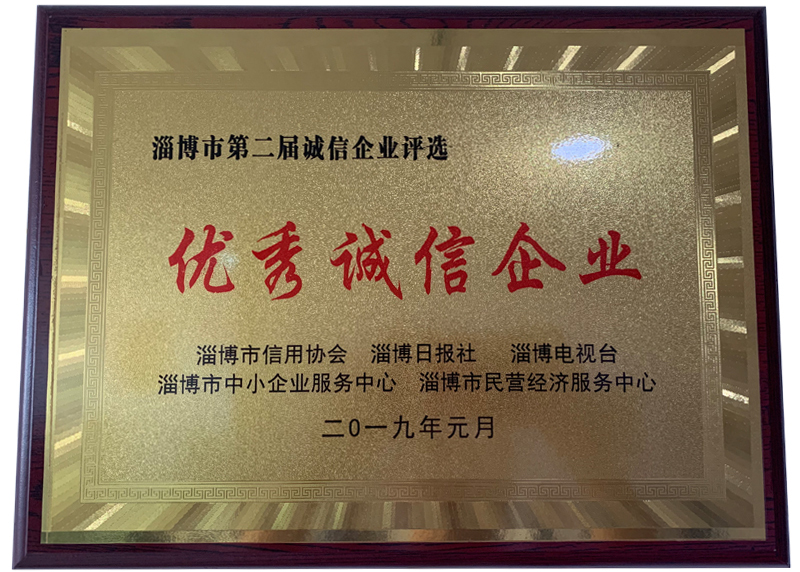
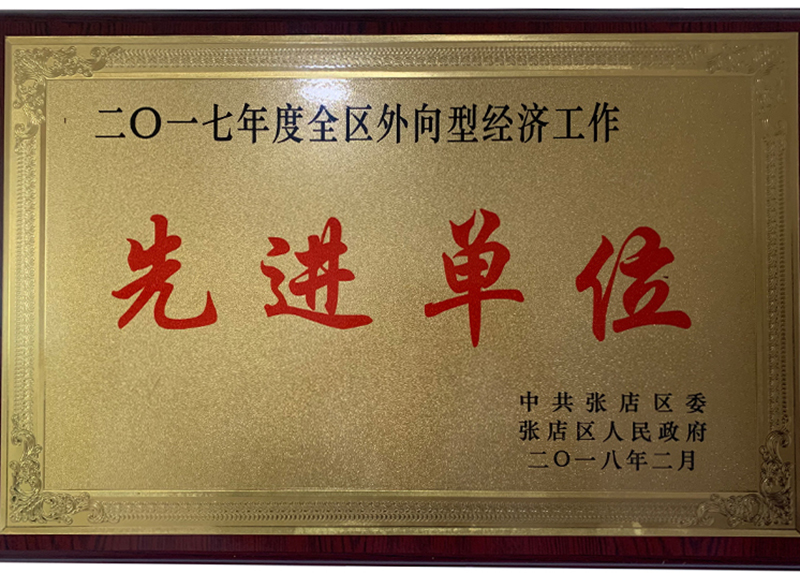
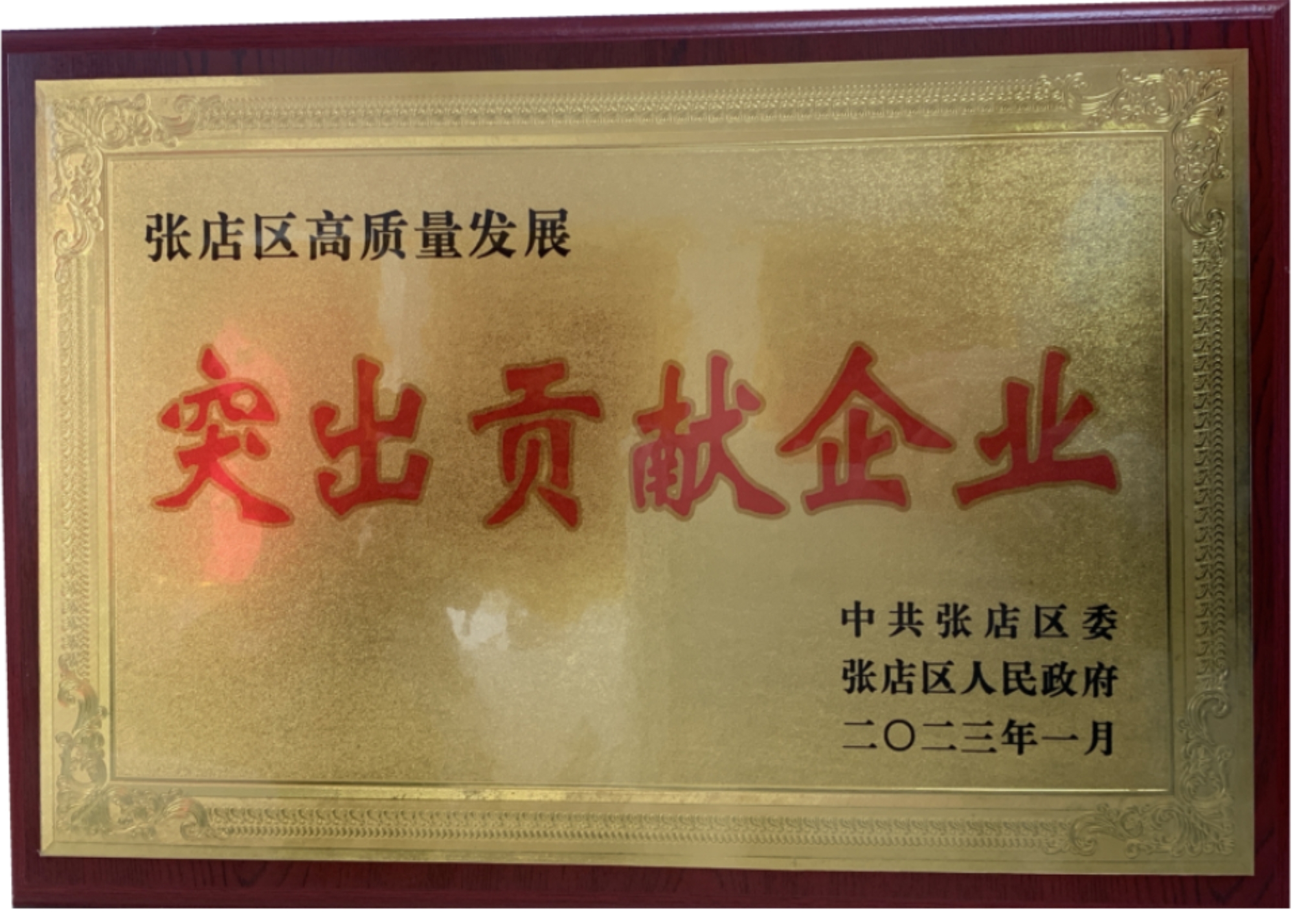
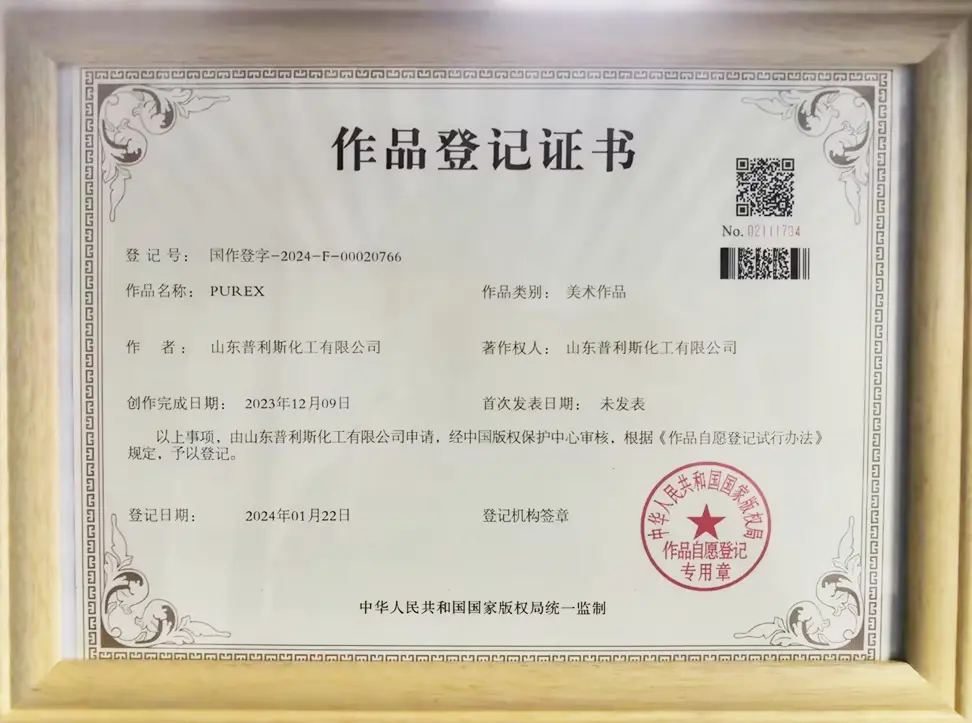
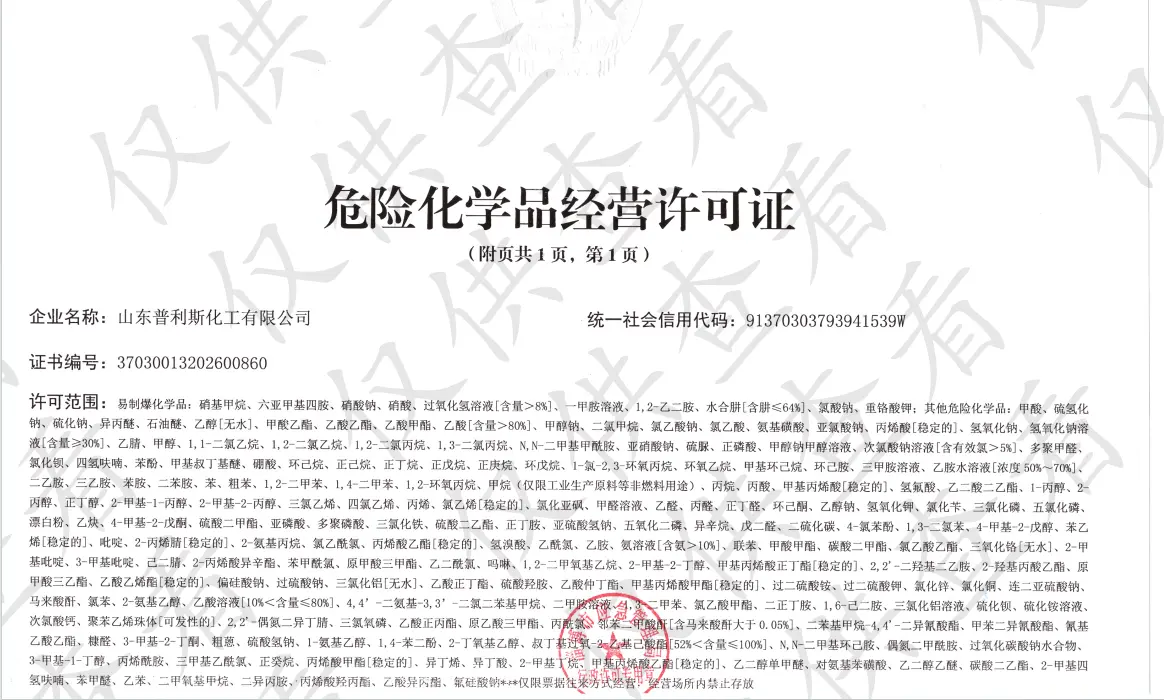
Recognized globally for quality compliance, trade integrity, and local economic contribution.
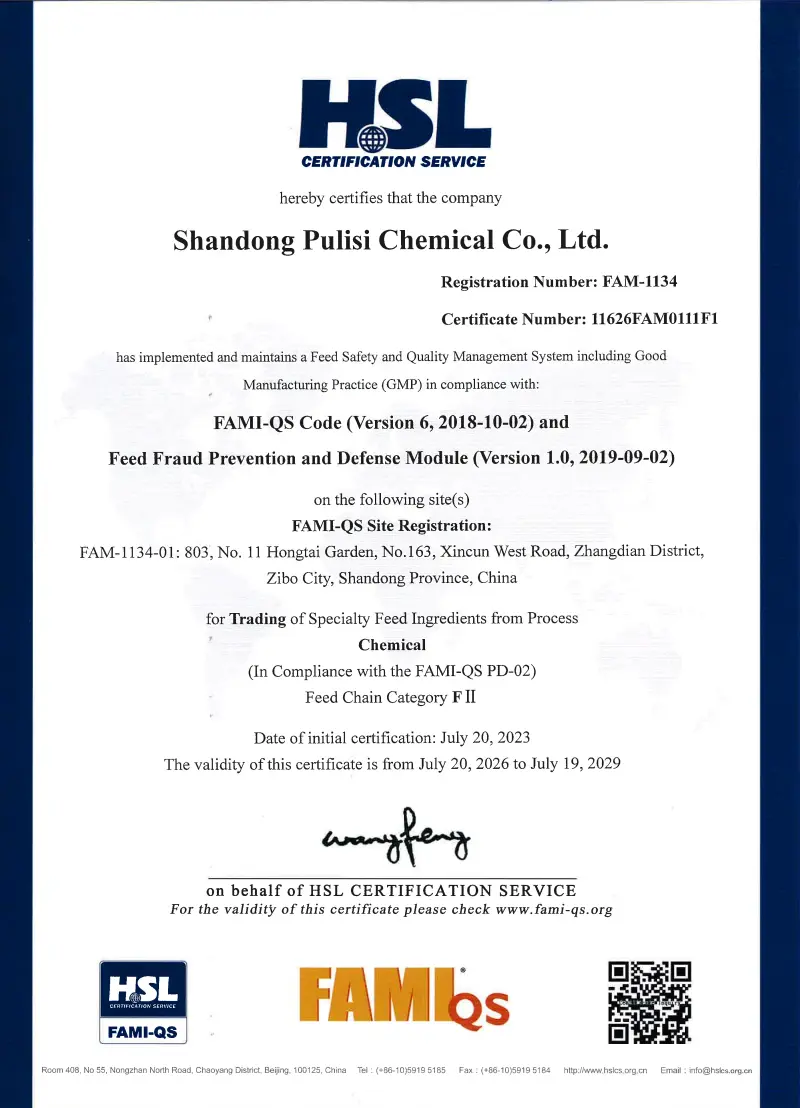
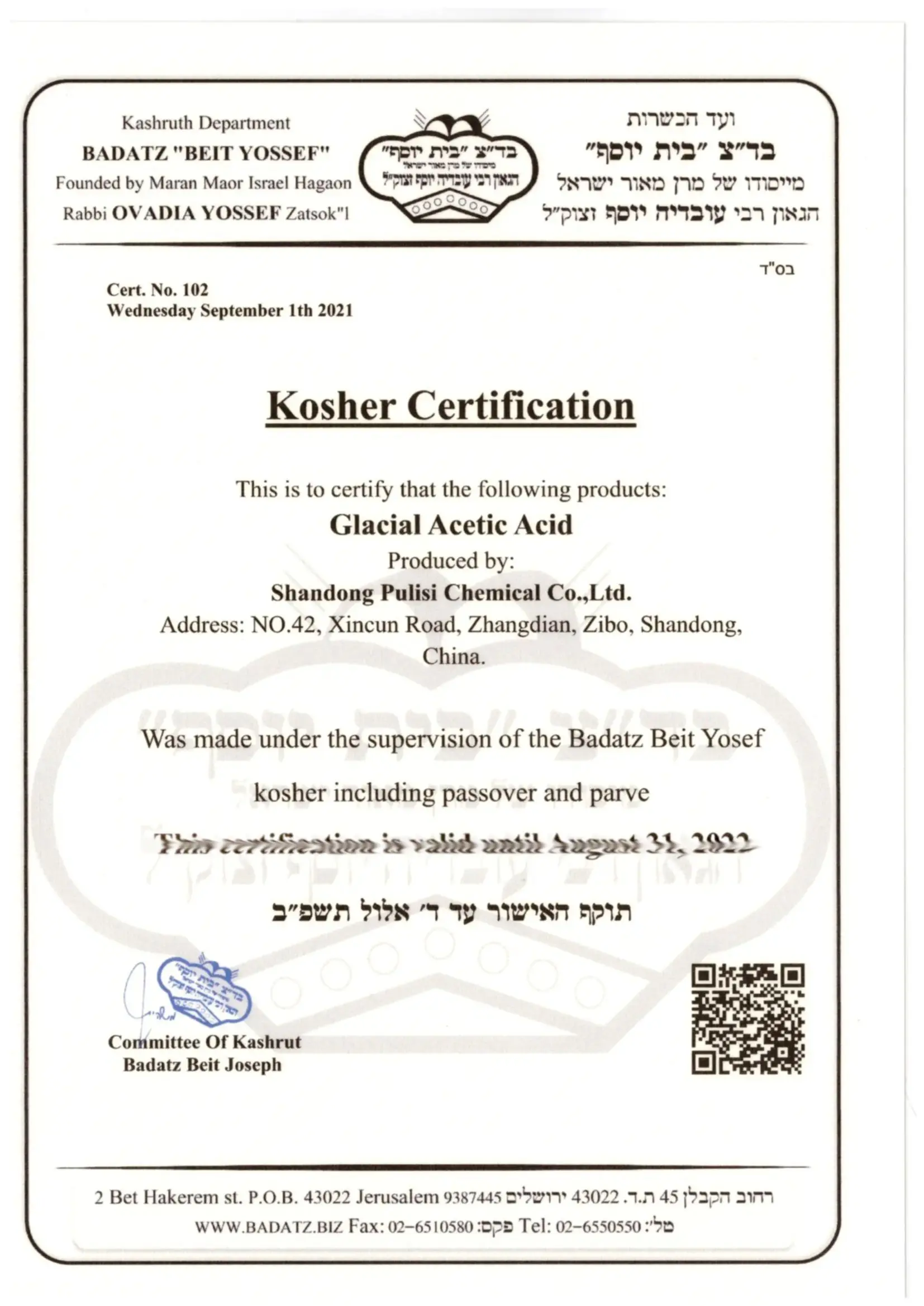
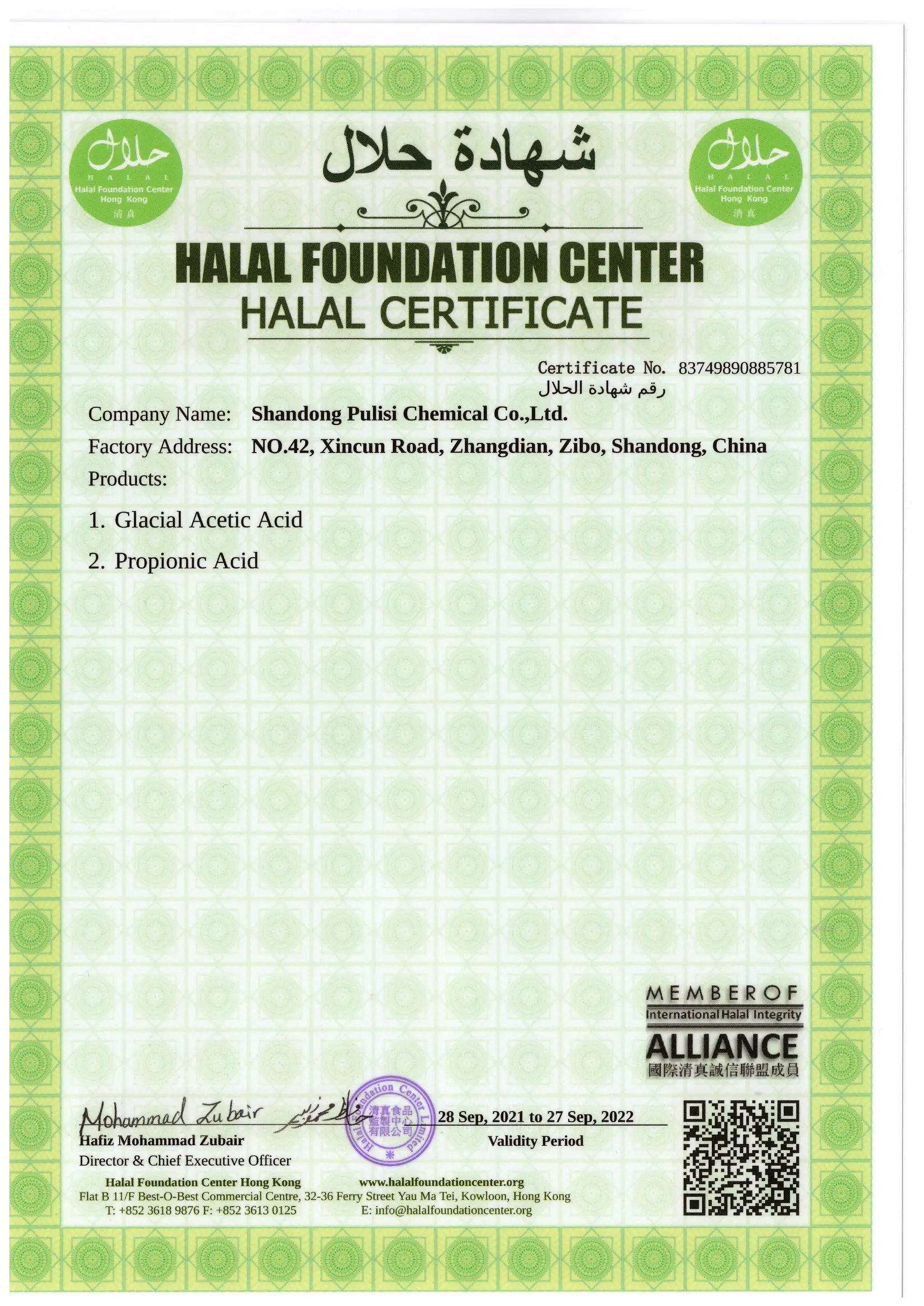
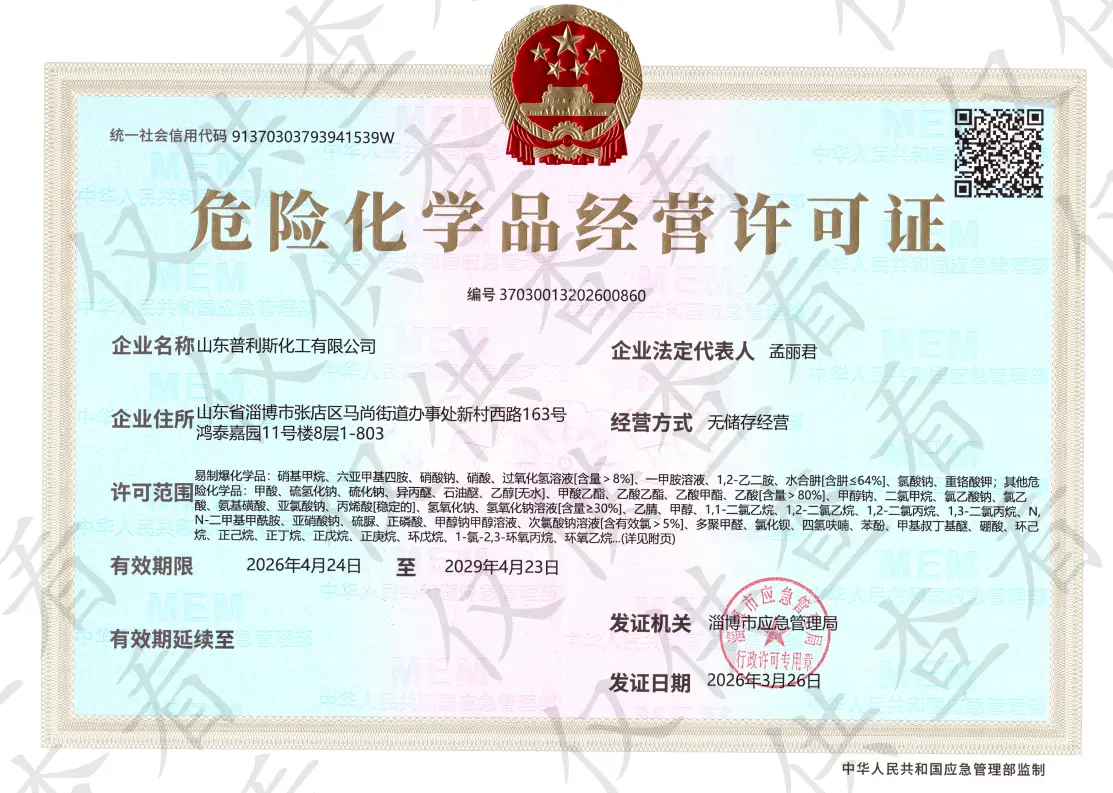
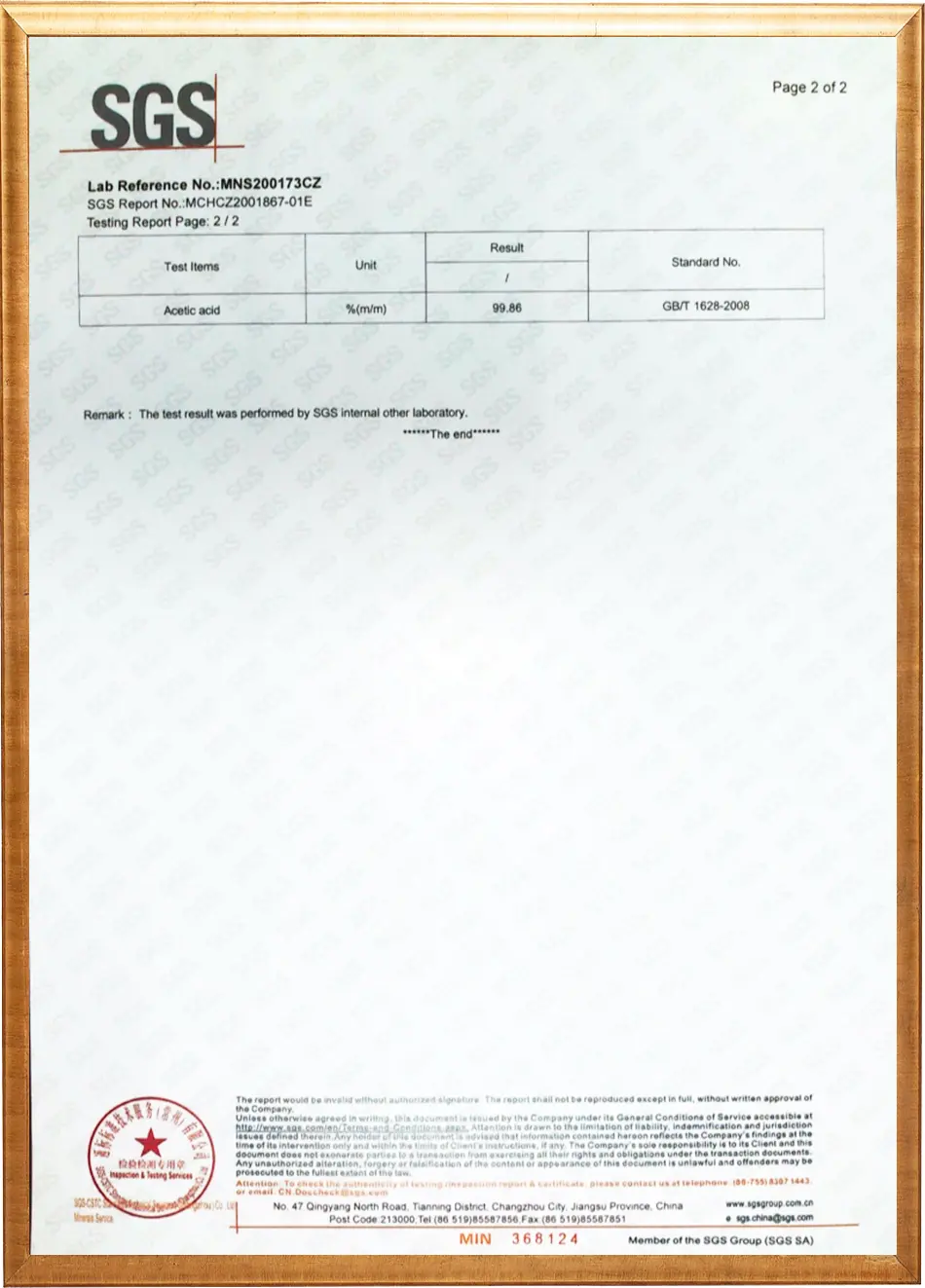
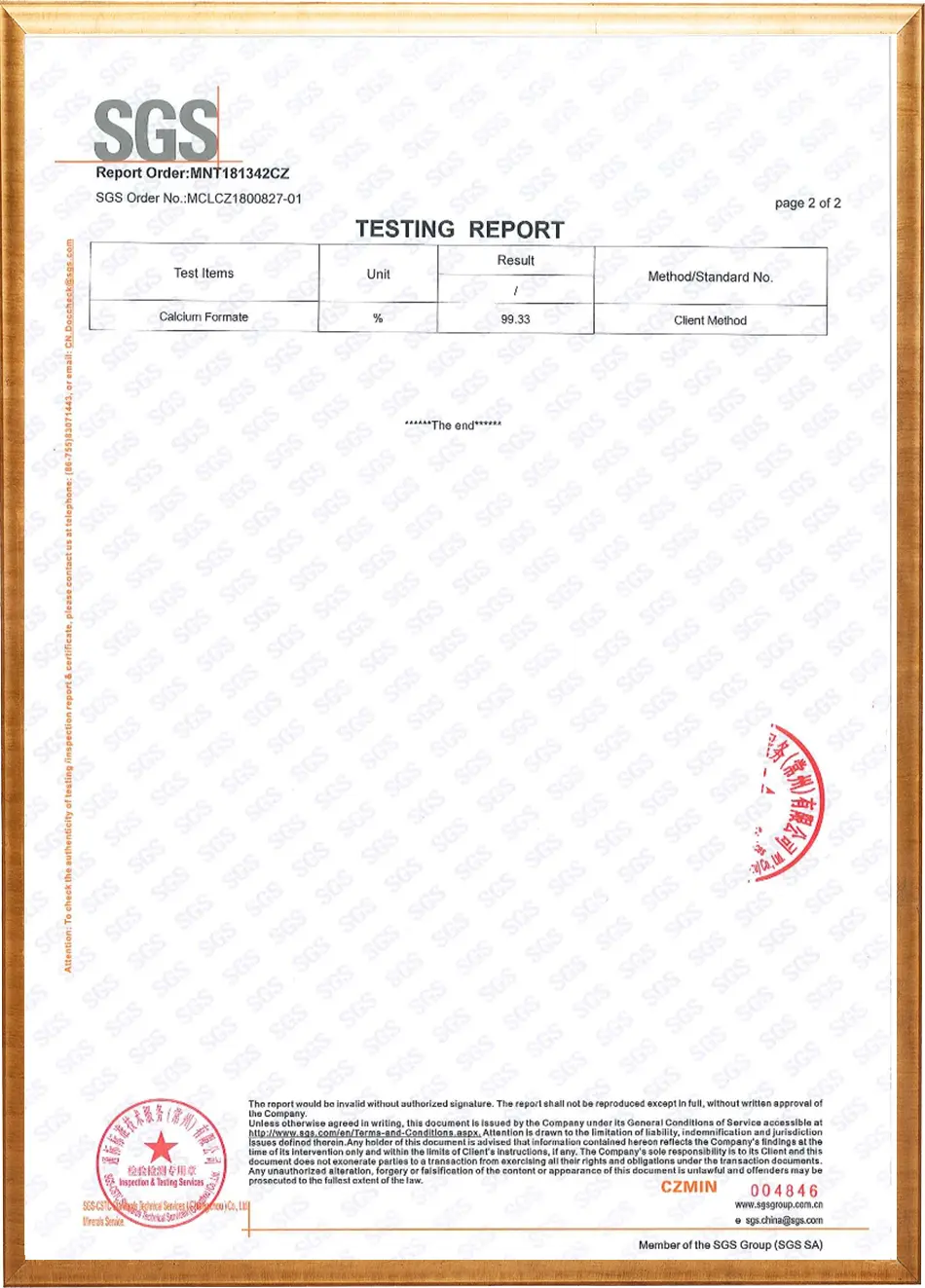
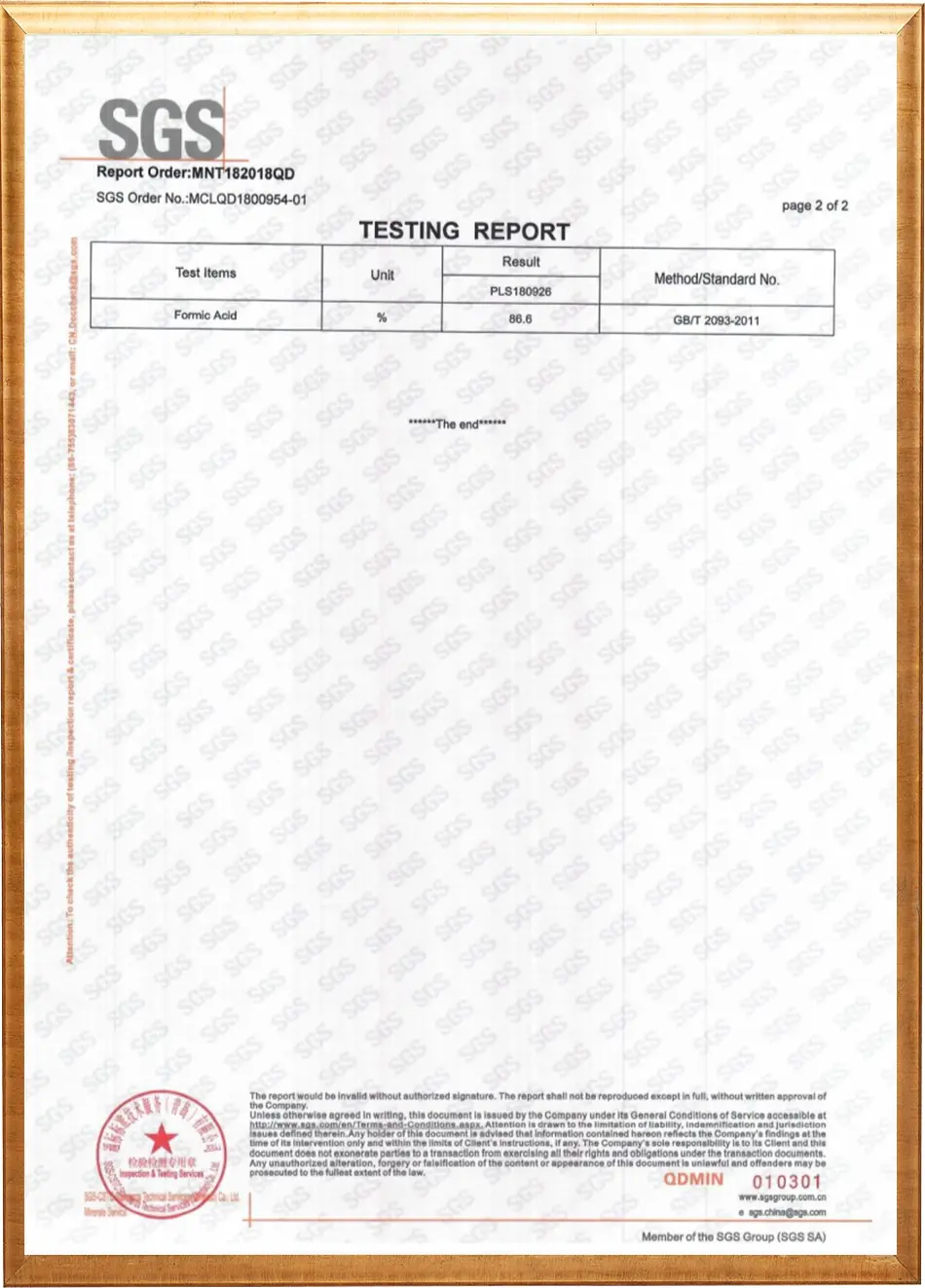
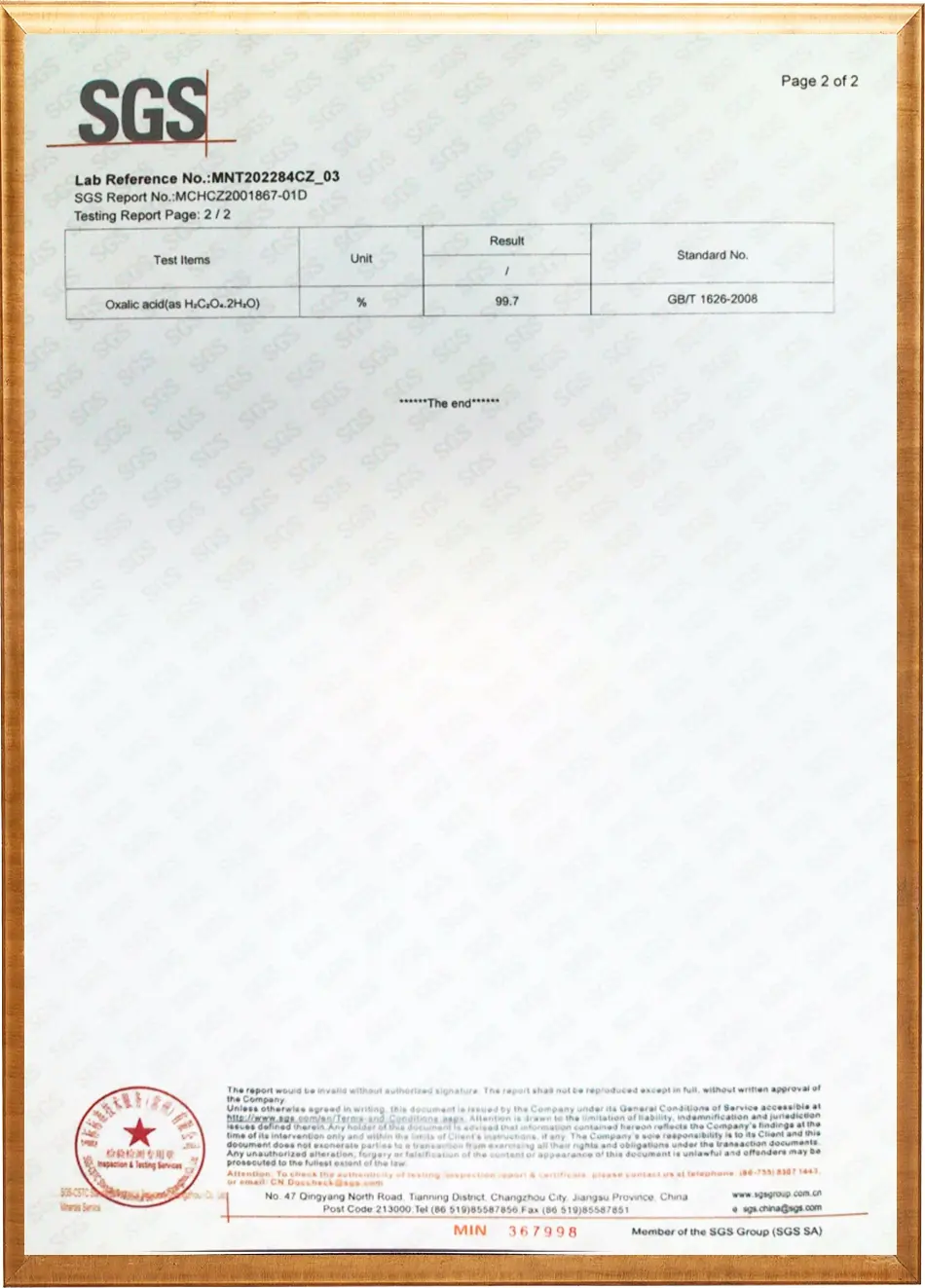
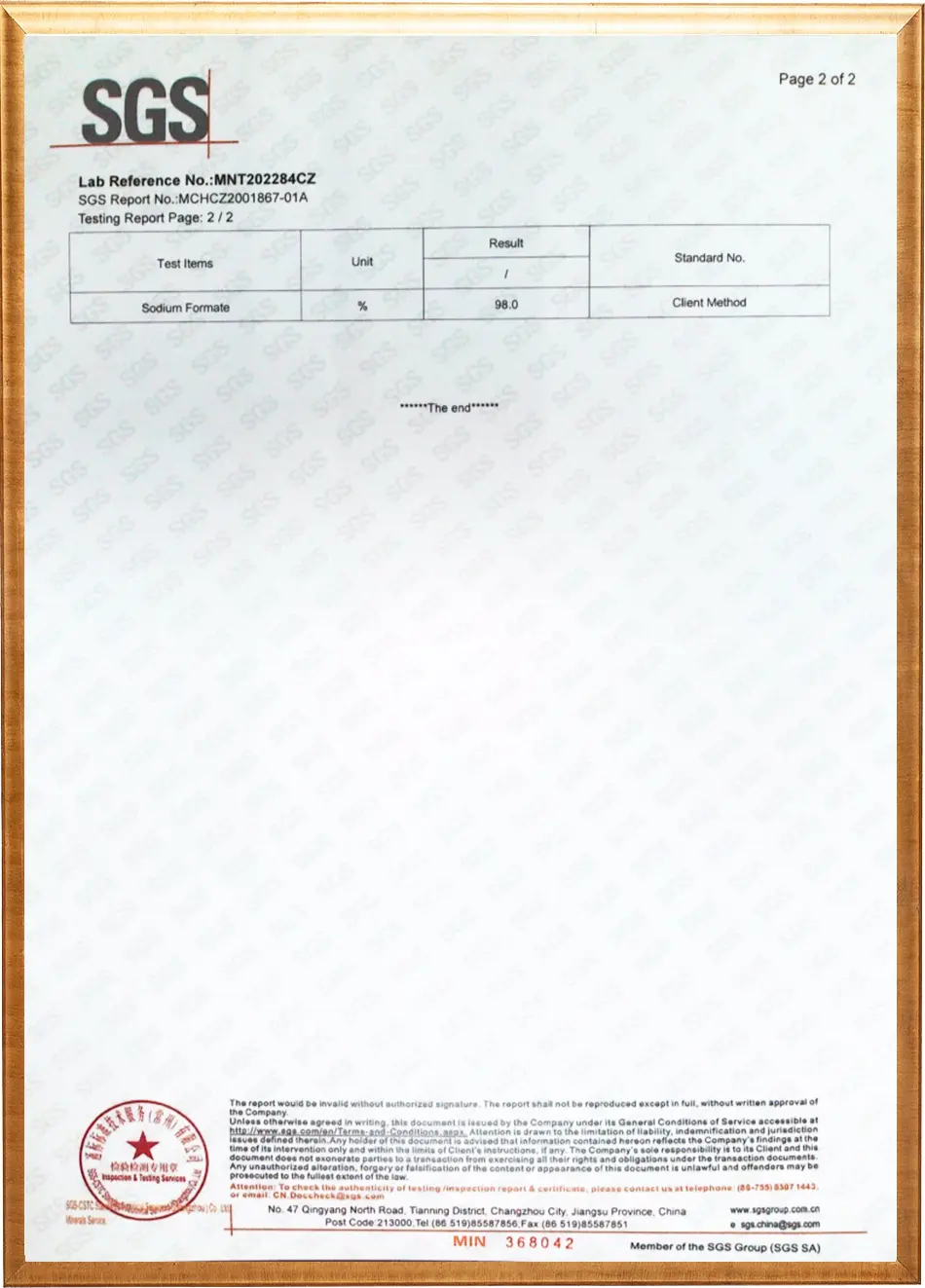
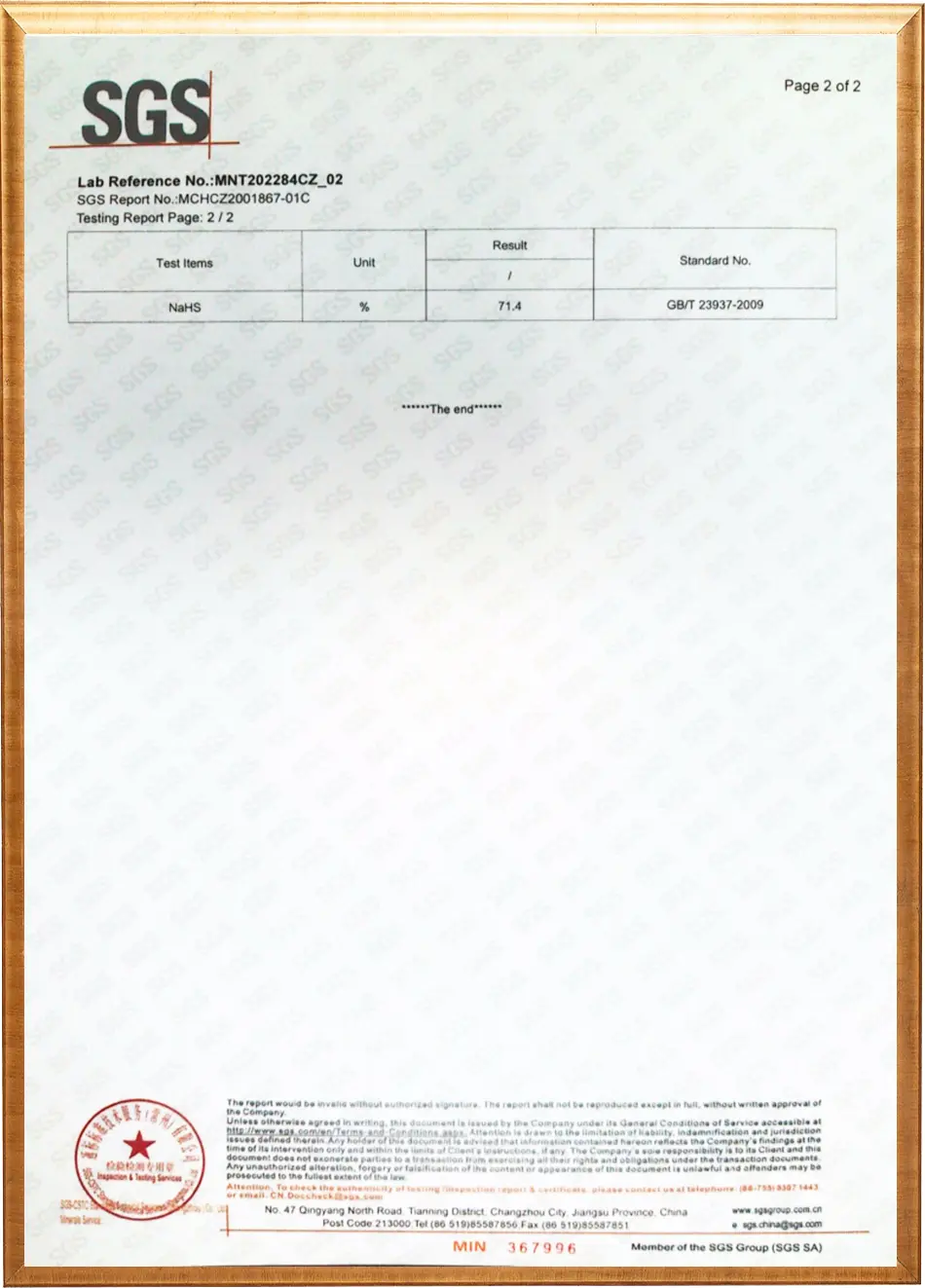
Our compliance structure features internationally recognized certifications, ensuring reliable product performance.
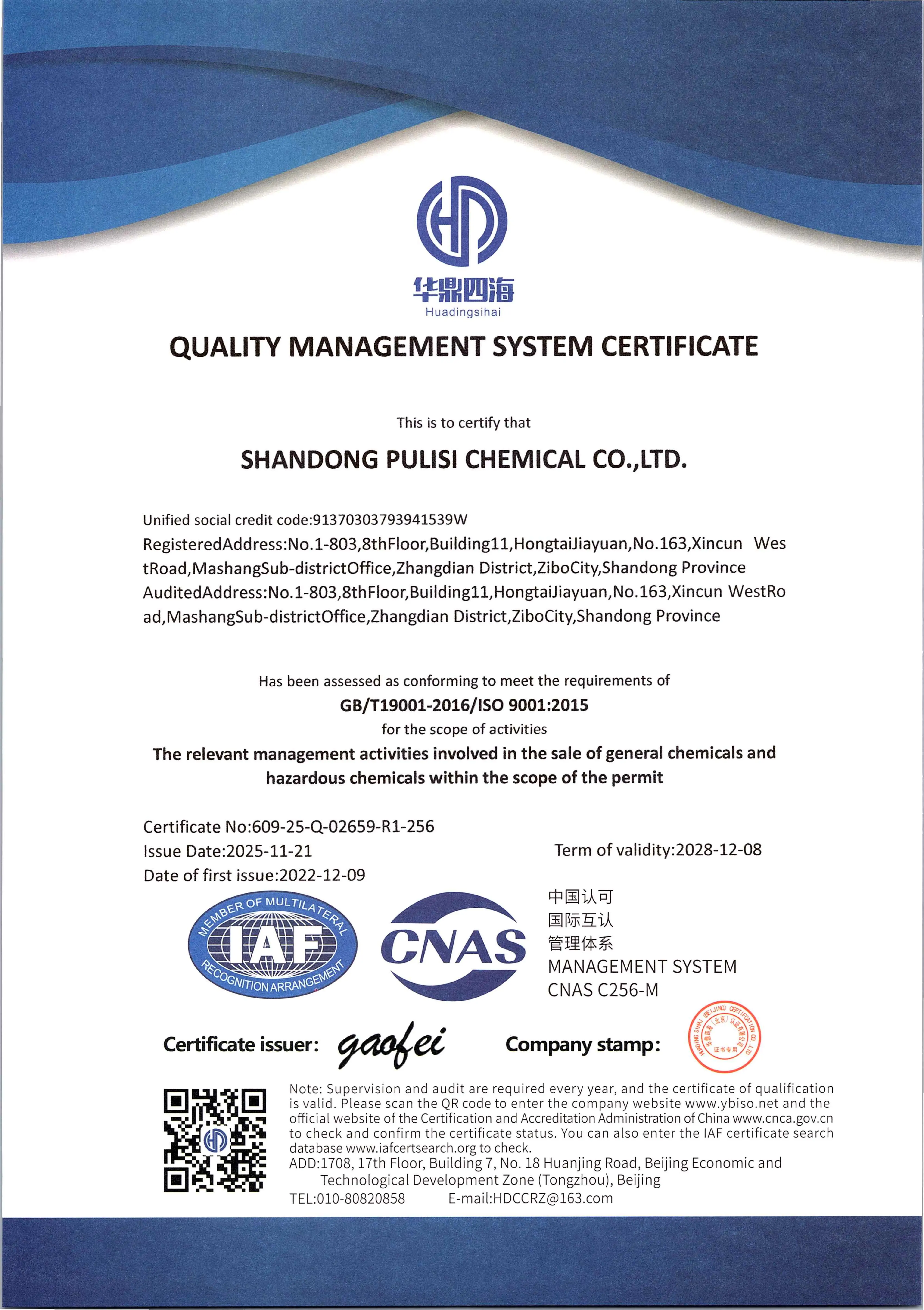
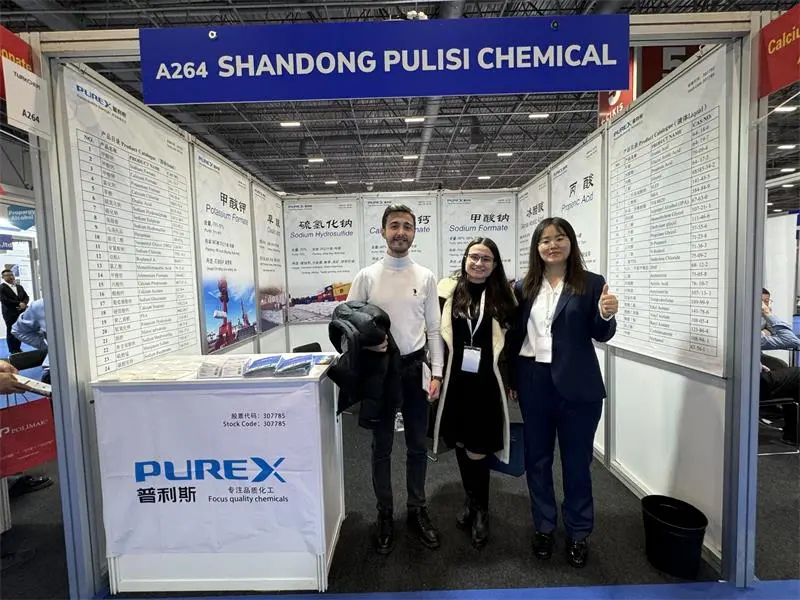
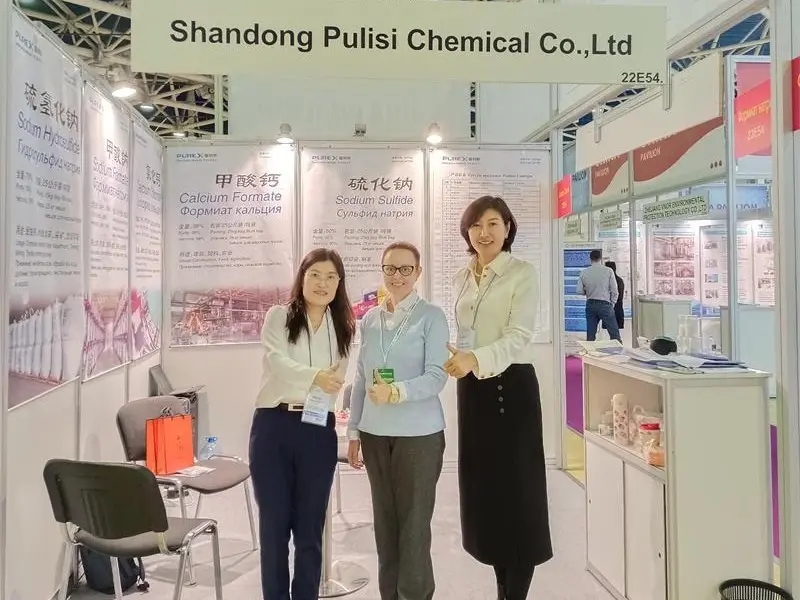
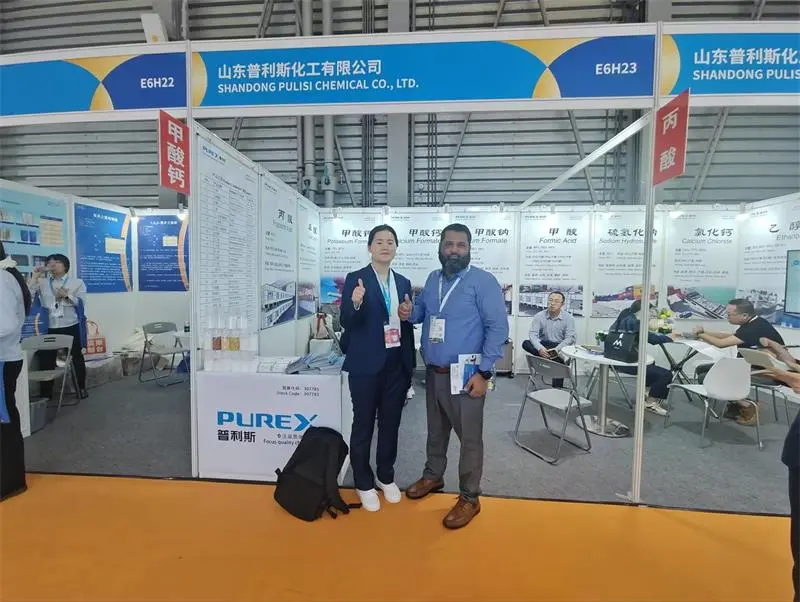
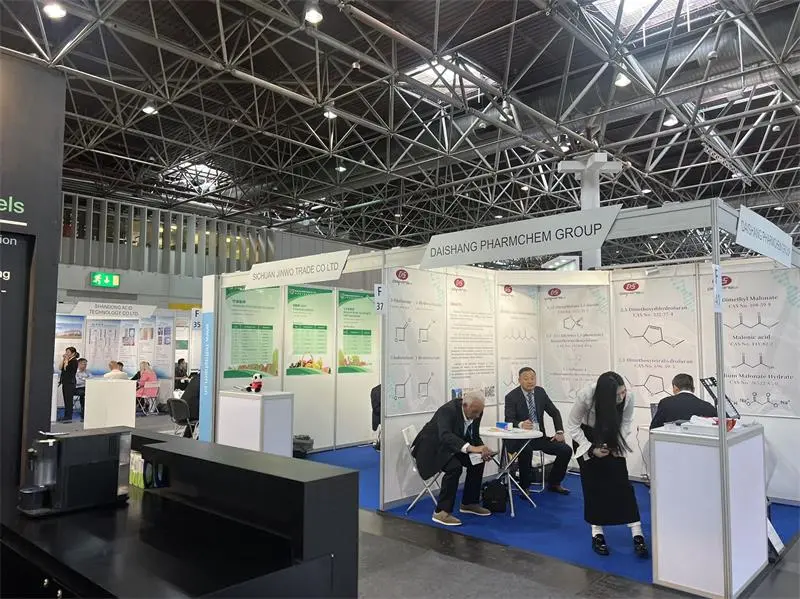
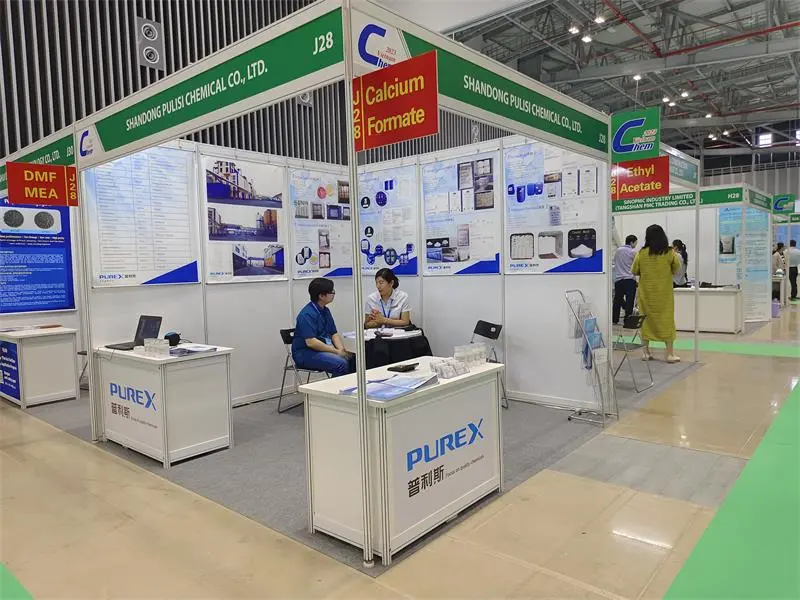
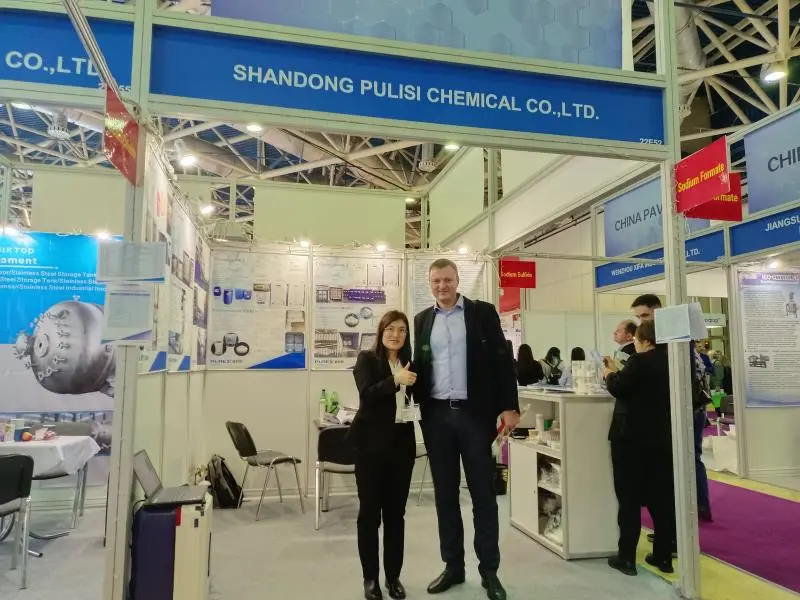
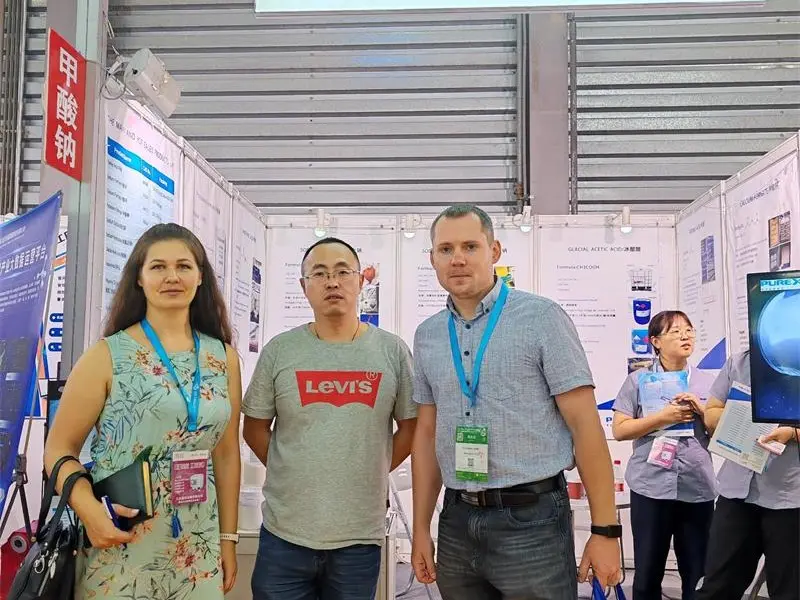
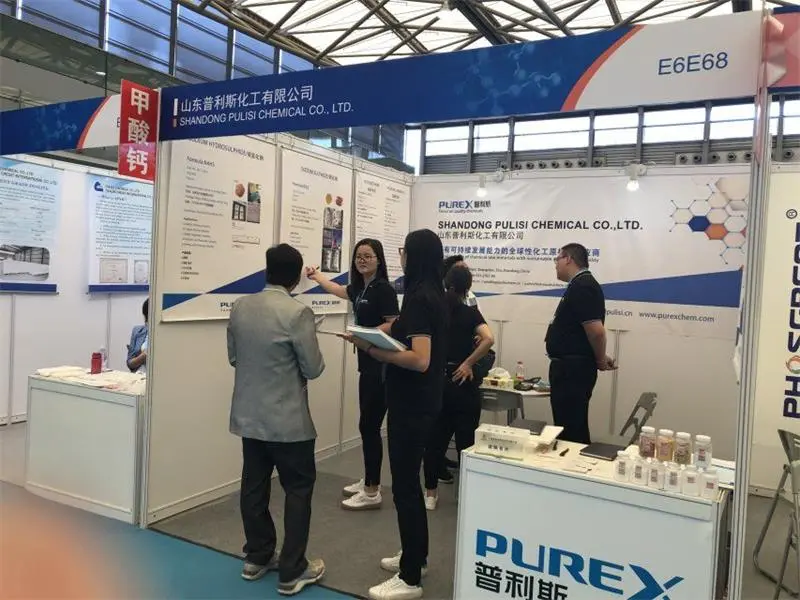
Active in international trade events to connect directly with global industrial partners.
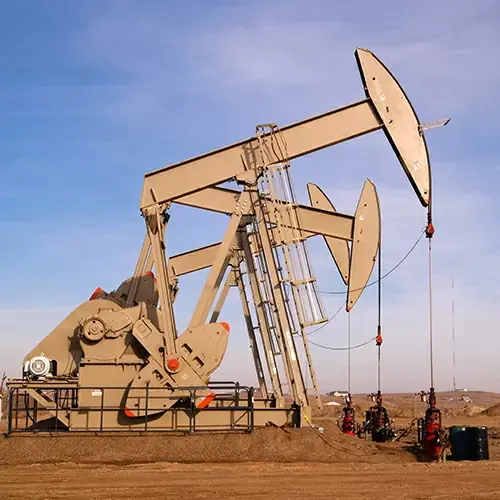
Manufactured to international specifications for textiles, oil drilling, water treatment, and construction.
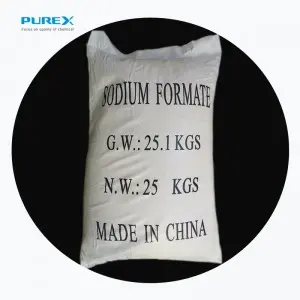
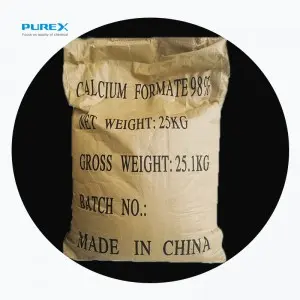
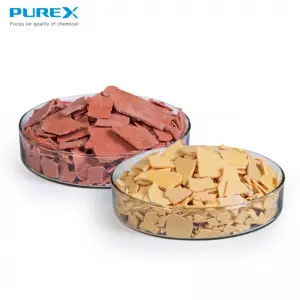
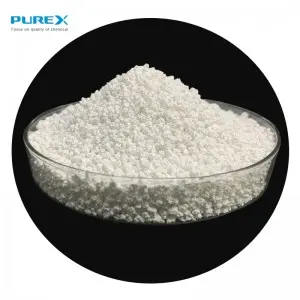
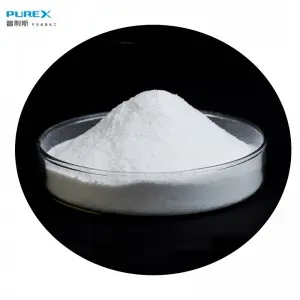
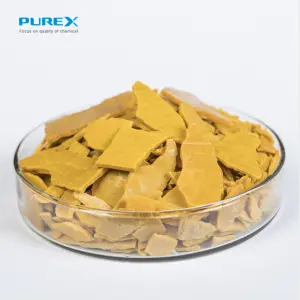
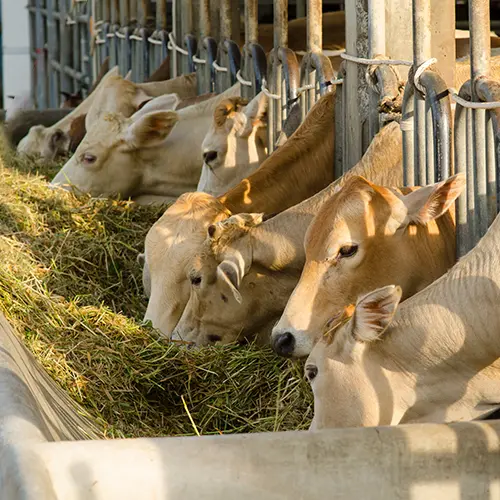
Providing specialized chemical raw materials tailored to distinct industrial applications.



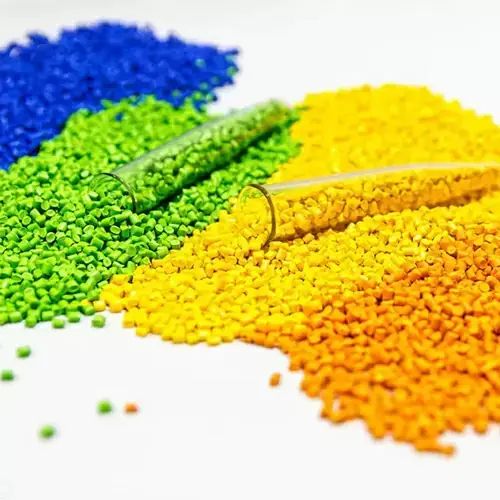
Providing value-driven supply chain structures, certifiably consistent quality, and prompt customer support.
Reliable logistics channels routing premium chemical agents to over 100 countries and regions worldwide.
Over 20 years of chemical manufacturing and export history, serving more than 1,000 corporate clients.
Our operations comply with global quality standards, holding ISO, SGS, K-REACH, and FAMI-QS certifications.
Leveraging raw material advantages and large-scale manufacturing to provide optimized cost structures.
Utilizing strategically positioned hubs at Qingdao Port, Tianjin Port, and Xinjiang border gates to ensure on-time delivery.
Our technical and logistics experts offer rapid responses and 24/7 shipment tracking updates.
Providing raw materials to Fortune Global 500 enterprises and industrial processing leaders.










Detailed technical and business solutions for procurement managers, chemical importers, and formulators.
Expand your supply chain with our certified range of industrial processing chemicals.
 Pulisi