Understanding the structural shifts in supply, production methodologies, and trade regulations that impact procurement strategies.
Acetonitrile ($CH_3CN$) serves as a vital solvent across the global chemical landscape, driven heavily by its function in high-performance liquid chromatography (HPLC), oligonucleotide synthesis, pharmaceutical manufacturing, and the extraction of butadiene. Unlike other solvents which can be synthesized directly with ease, the primary source of Acetonitrile is as a byproduct of acrylonitrile synthesis (via the Sohio ammoxidation of propylene). Because of this dependent manufacturing mechanism, its global supply and subsequent pricelist are highly volatile, directly tied to the supply chain dynamics of acrylic fibers and plastics.
In recent years, the chemical landscape has observed structural relocations of production capacities. While traditional Western producers faced high energy tariffs and strict local emissions policies, Asian chemical clusters—primarily based in China—have significantly scaled their facilities. By pairing cutting-edge environmental scrubbers and advanced catalysts with massive integrated petrochemical chains, manufacturers have positioned themselves as the dominant suppliers for international industrial demands.
For global procurement managers, identifying dependable OEM companies is key to stabilizing long-term cost models. OEMs provide specialized packaging, varying grades from industrial to ultra-pure LC-MS standards, and custom chemical formulations that fit localized storage infrastructures. As demand surges in downstream pharmaceutical synthesis and lithium battery processing, securing direct links to certified Chinese chemical factories has transitioned from a cost-saving preference to a core strategic necessity.
Additionally, modern supply chains require agile planning. Major regional disruptions in acrylonitrile output can cause localized acetonitrile shortages. OEMs that offer diversified port integration, such as shipping out of both major North China and East China maritime hubs, provide vital mitigation strategies for global supply disruptions.
| Parameter / Specification | Industrial Grade (≥99.0%) | HPLC Grade (≥99.9%) | Anhydrous Grade (≥99.99%) |
|---|---|---|---|
| Assay (GC) | ≥ 99.0% | ≥ 99.9% | ≥ 99.99% |
| Water Content (Karl Fischer) | ≤ 0.05% | ≤ 0.005% (50 ppm) | ≤ 0.001% (10 ppm) |
| Residue on Evaporation | ≤ 0.01% | ≤ 0.0005% | ≤ 0.0001% |
| UV Transmittance (200nm) | N/A | ≥ 90.0% | ≥ 95.0% |
| Acidity (as CH3COOH) | ≤ 0.02% | ≤ 0.001% | ≤ 0.0005% |
How integrated logistics, scale economics, and advanced chemical clusters form a highly competitive global export ecosystem.
By positioning factories within large-scale petrochemical clusters, raw propylene feedstocks, ammonia, and catalysts are transferred directly via pipeline. This minimizes internal logistics costs, eliminates cross-contamination, and maintains consistent feedstock prices.
Modern Chinese distilleries use automated, continuous multi-column fractional distillation. This reduces energy consumption per metric ton while producing ultra-pure solvent cuts with minimal manual intervention.
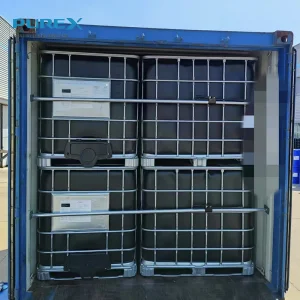
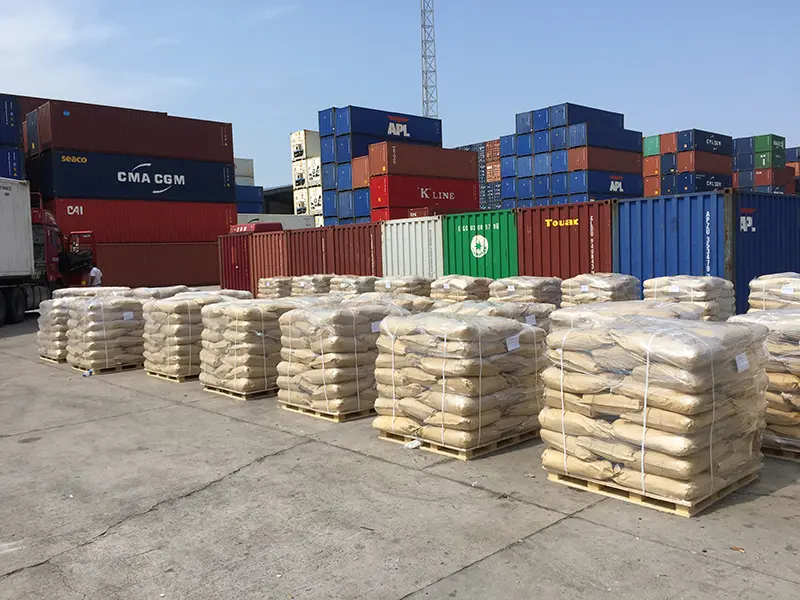
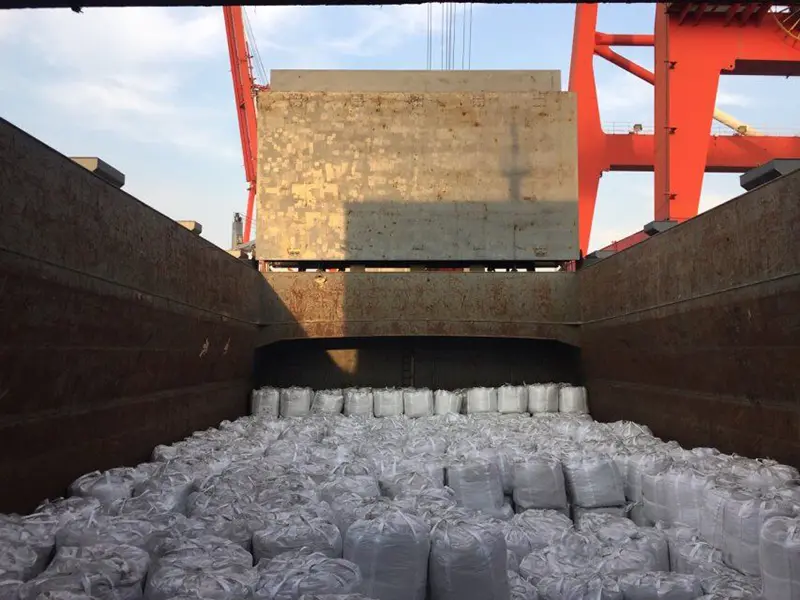
Proximity to Qingdao Port, Tianjin Port, and strategic inland rail hubs like Alashankou and Khorgos enables agile global supply. Whether via bulk liquid chemical vessels, ISO tanks, or overland rail freight, delivery transit times are consistently reduced.
For buyers comparing global supplier networks, the primary point of differentiation in a Chinese chemical partner is the integration of compliance systems directly with shipping terminals. Because chemicals like Acetonitrile fall under Class 3 Flammable classification (UN 1648), having dedicated, factory-controlled berths and container terminals at major ports significantly reduces port handling bottlenecks, transit delays, and storage surcharge rates.
Established in 2006 (Stock Code: 307785), We are a Leading Petrochemical & Industrial Raw Material Supply Partner.

Founded in 2006, Shandong Pulisi Chemical Co., Ltd. (Stock Code: 307785) has established itself as an industry leader in petrochemicals, mining chemicals, feed chemicals, and pharmaceutical raw materials. By developing long-term partnerships with Fortune Global 500 companies such as China National Petroleum Corporation (CNPC) and Saint-Gobain, we deliver reliable raw material solutions that strengthen our customers' market competitiveness.
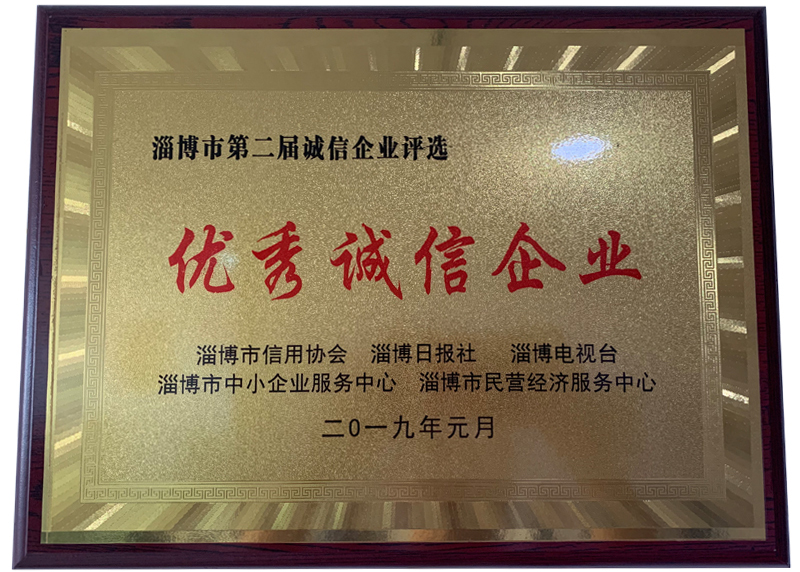
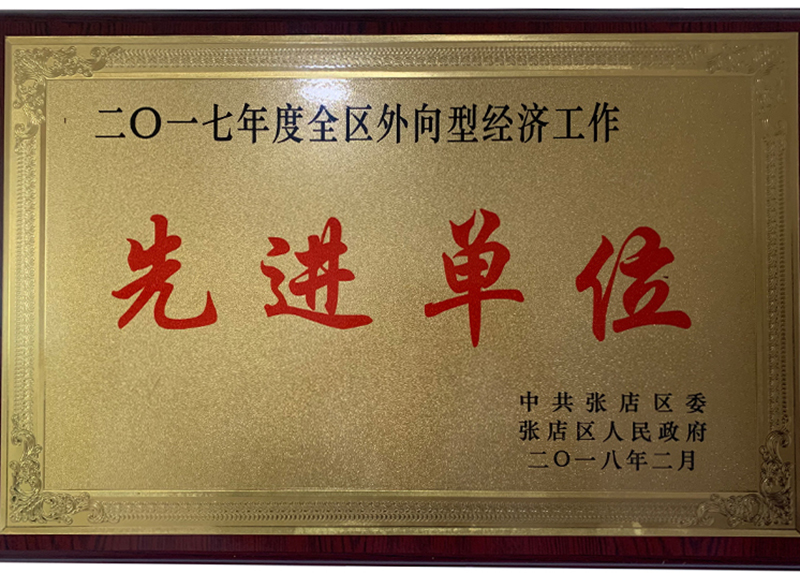
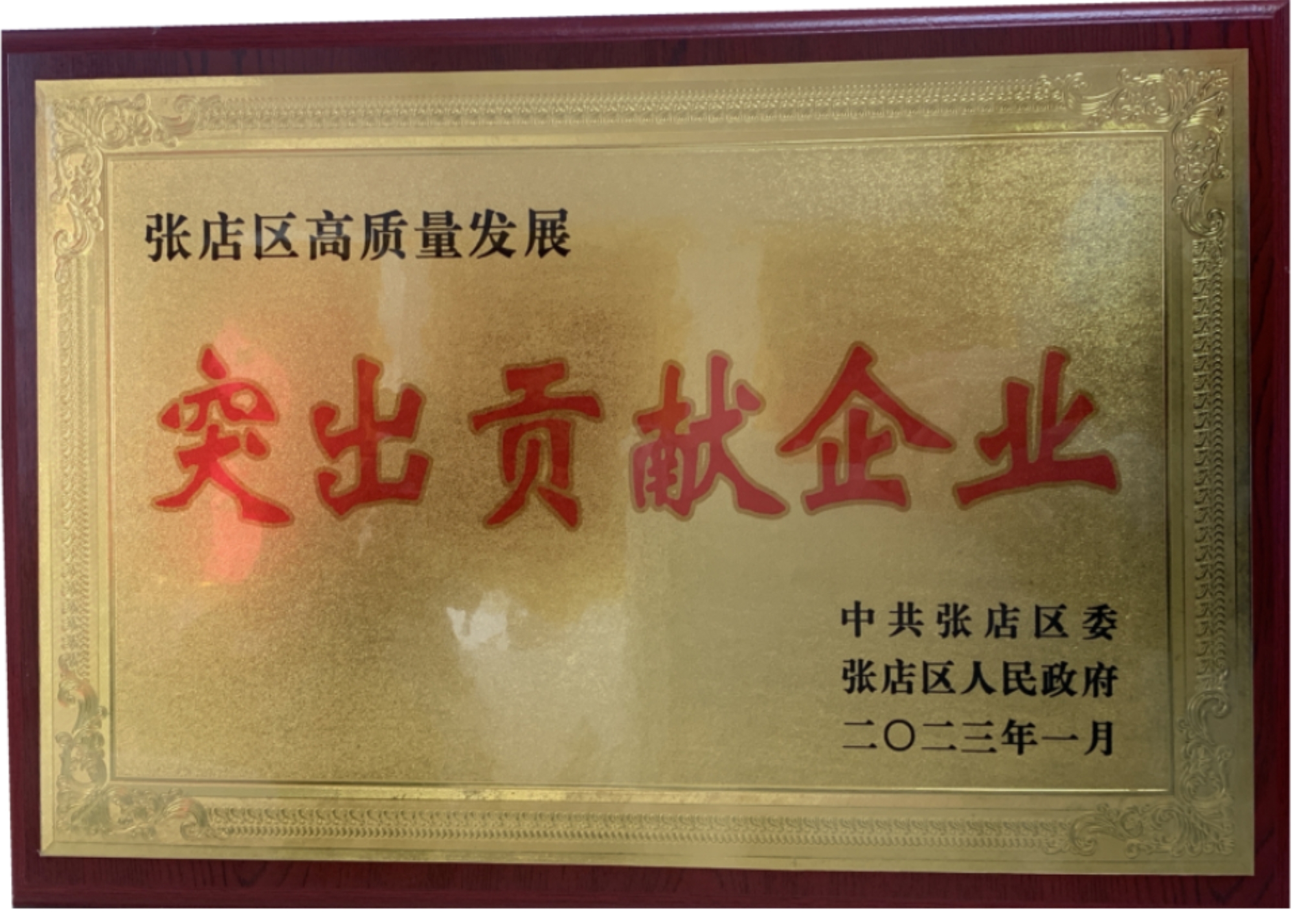
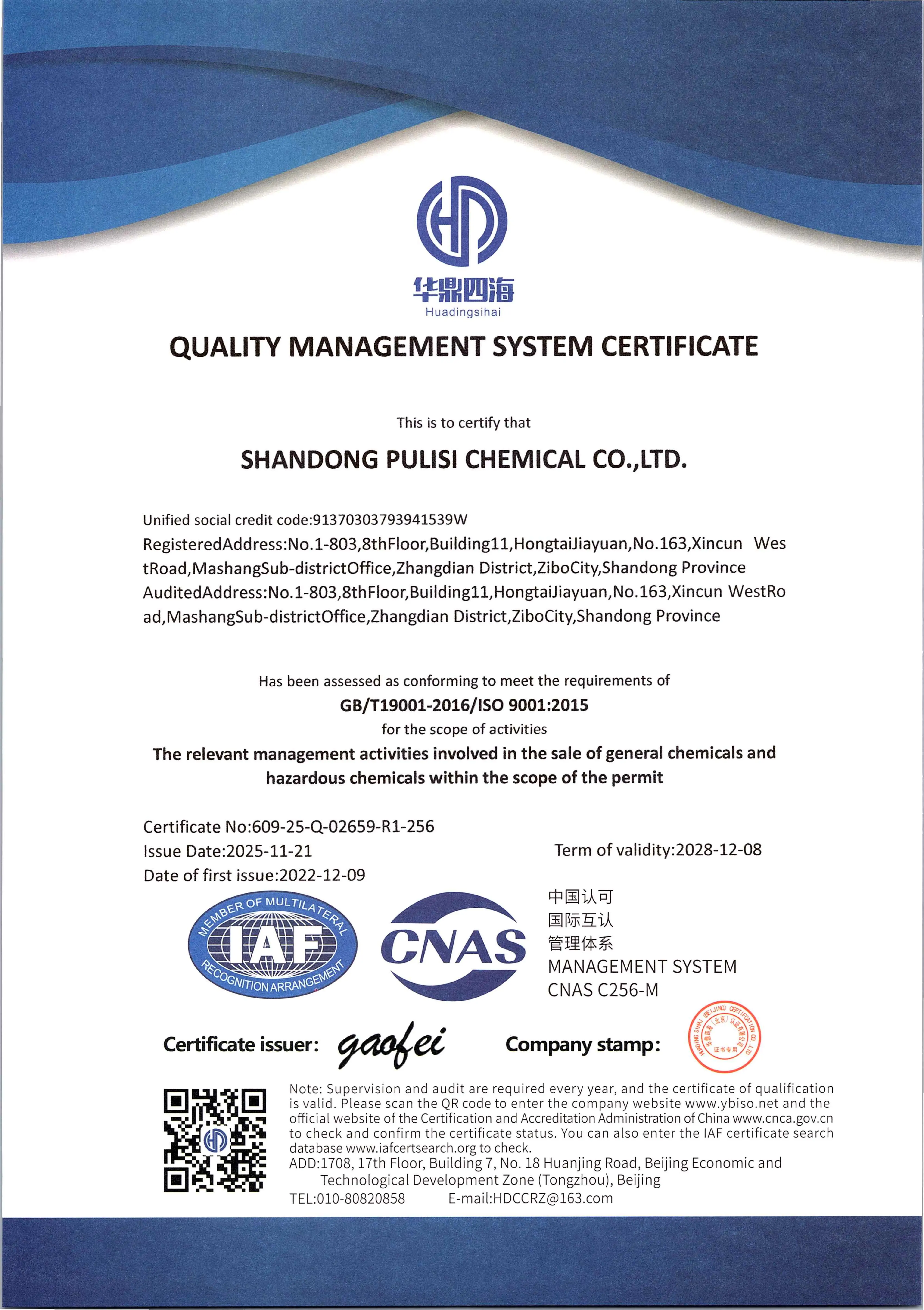
Our commitment to rigorous quality control is demonstrated through our ISO9001:2015 Quality Management System Certification and German BV Certification. As a designated Foreign-Oriented Economic Enterprise, Alibaba Demonstration Base, and Contribution Enterprise, we offer stable supply chains. Following our listing in 2023 under Stock Code: 307785, we continue to scale our operations to meet growing international demands.
* Strict Statement: Shandong Pulisi has not established branches outside of Shandong Province. If there is any act of impersonating Shandong Pulisi, our company reserves the right to pursue legal responsibilities.
Meeting stringent global regulatory, food, feed, and industrial certification mandates.
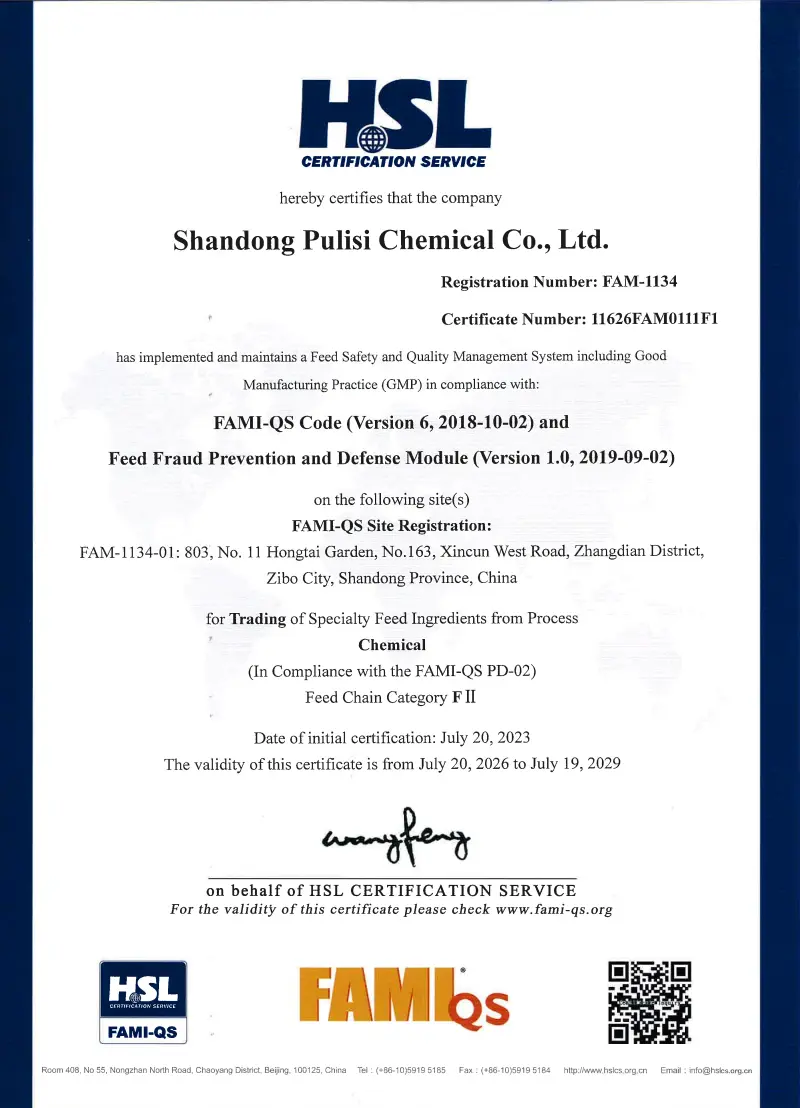
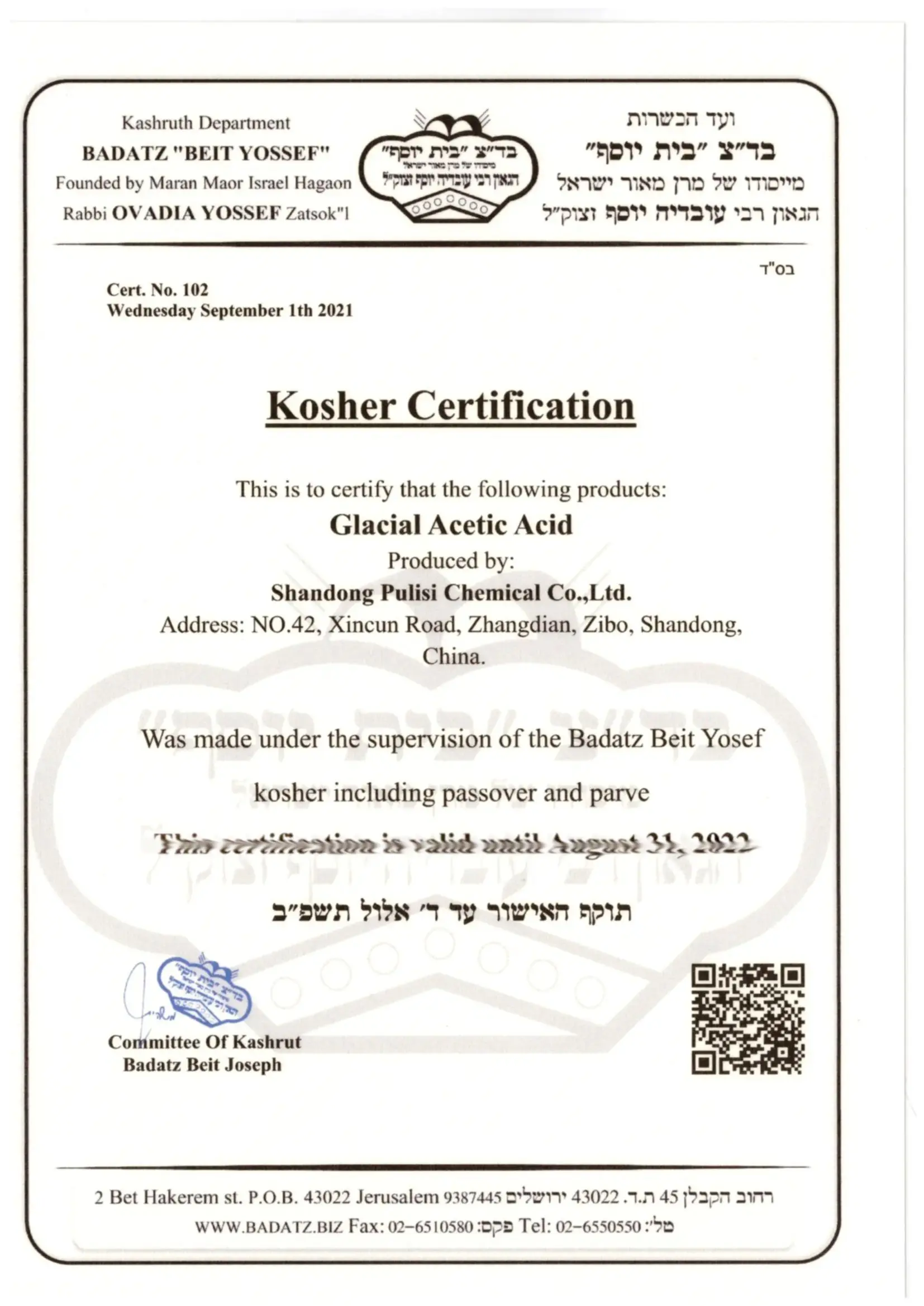
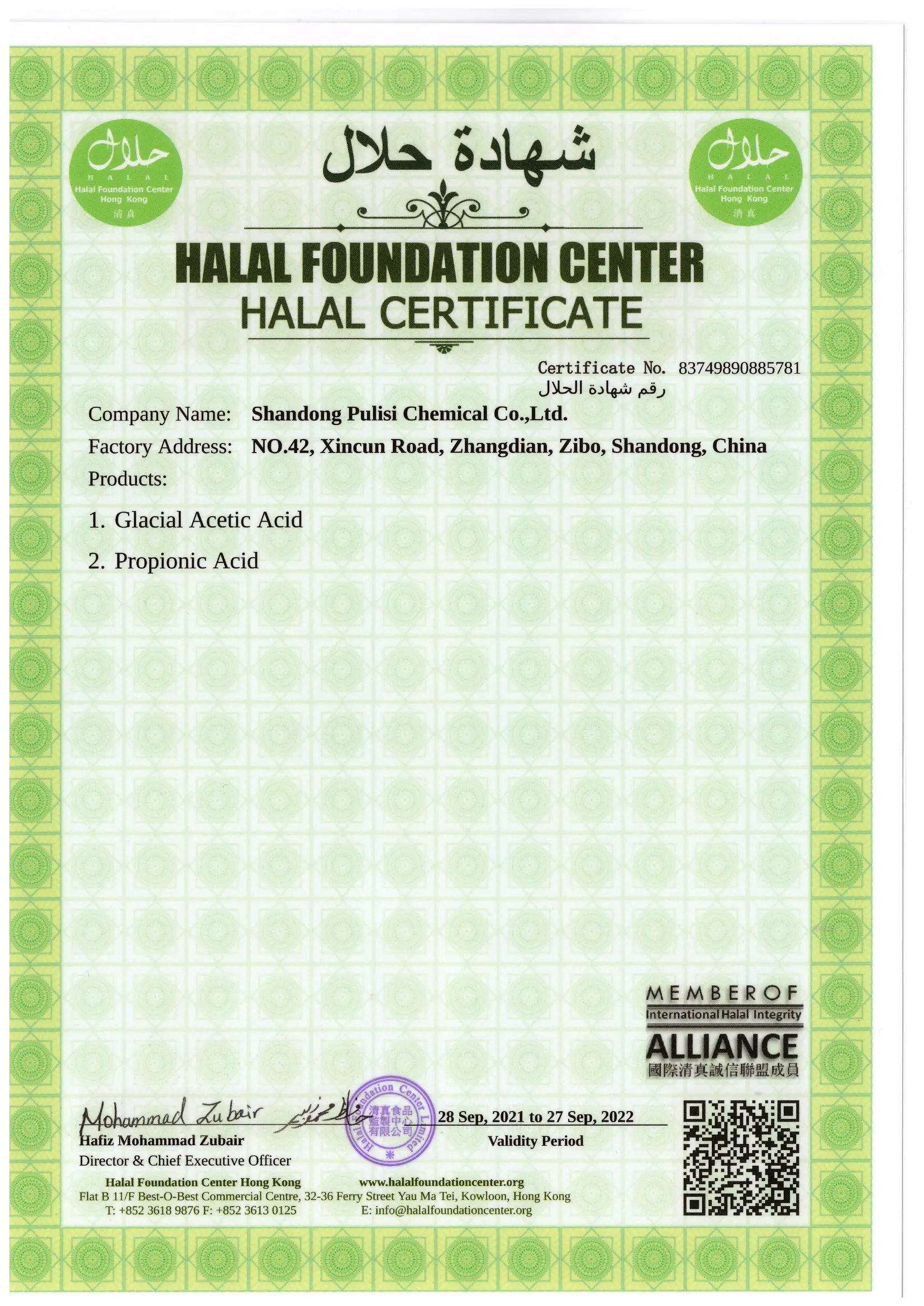
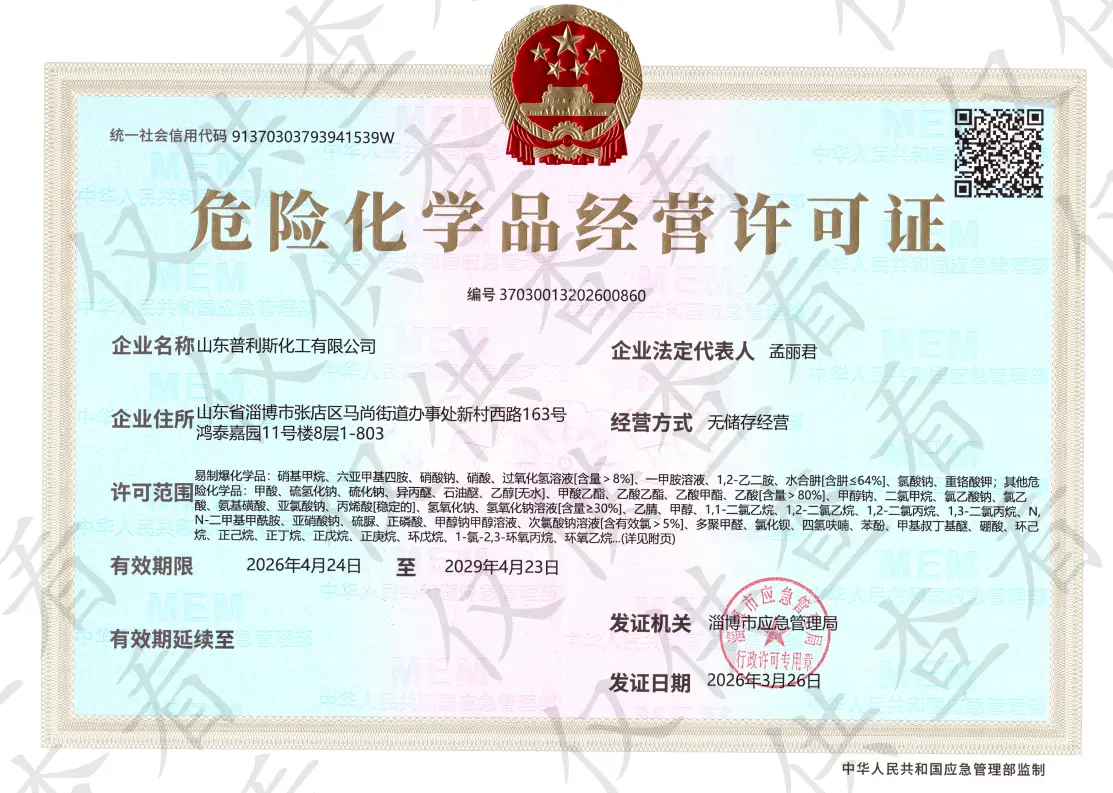
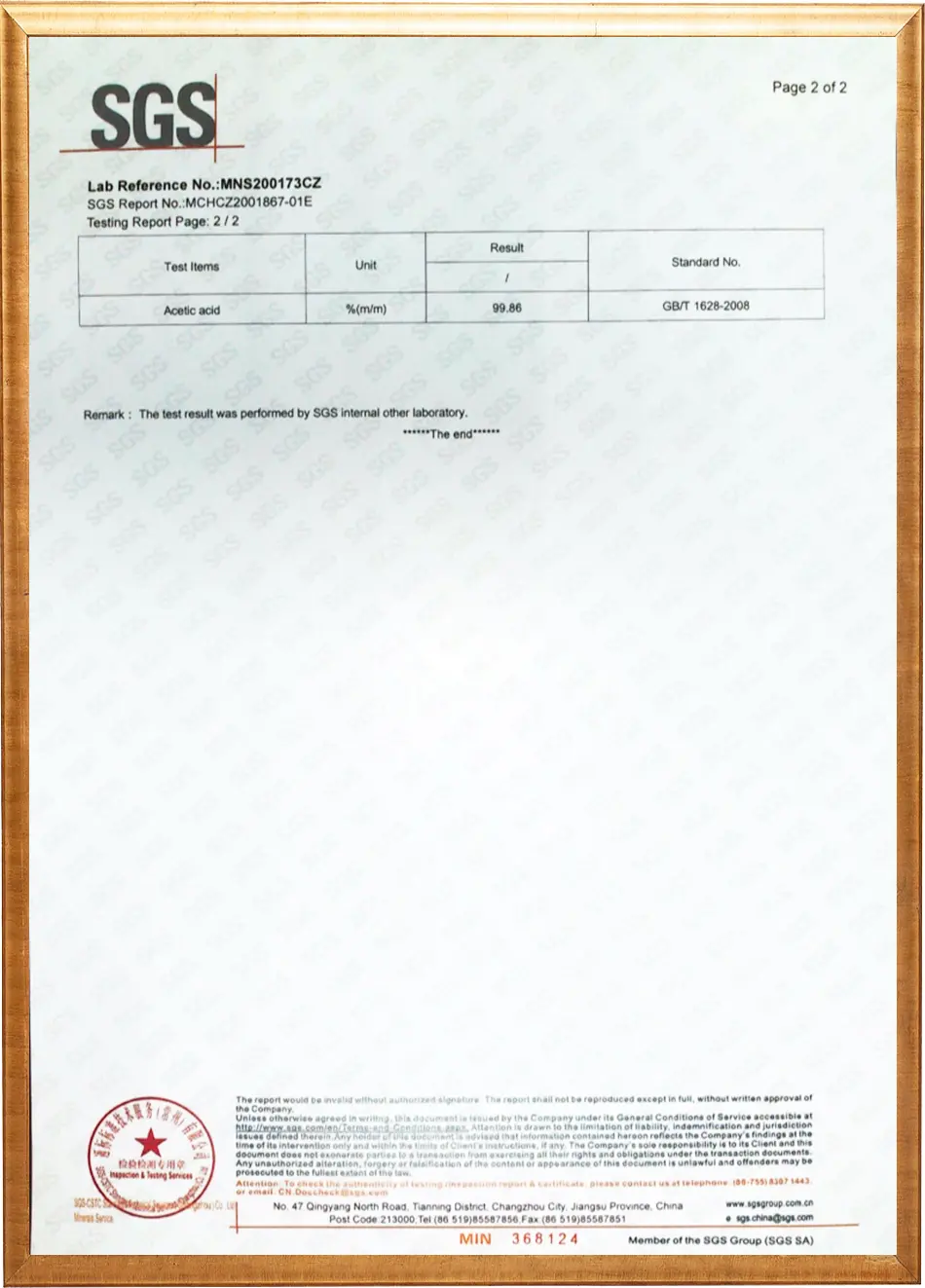
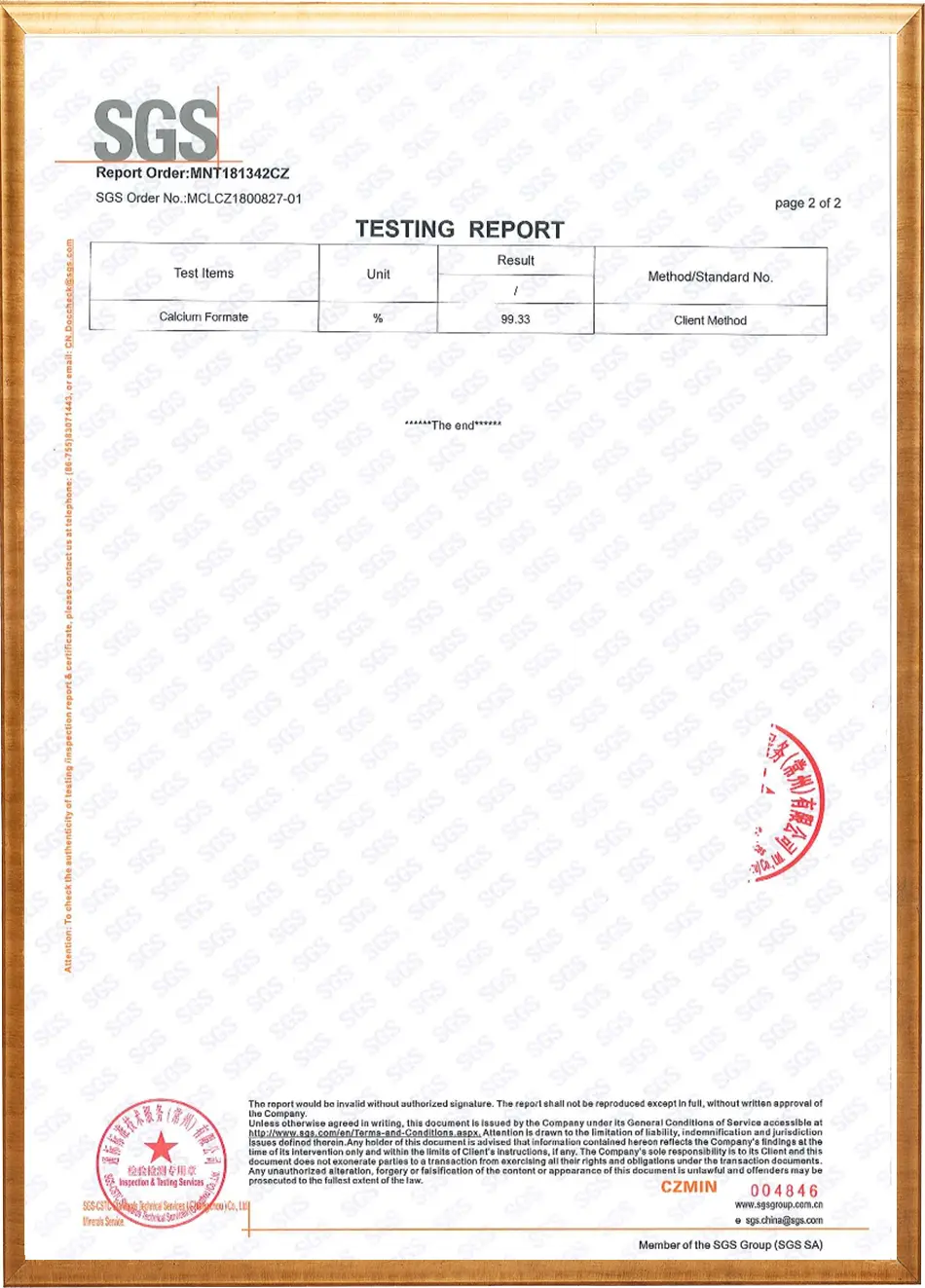
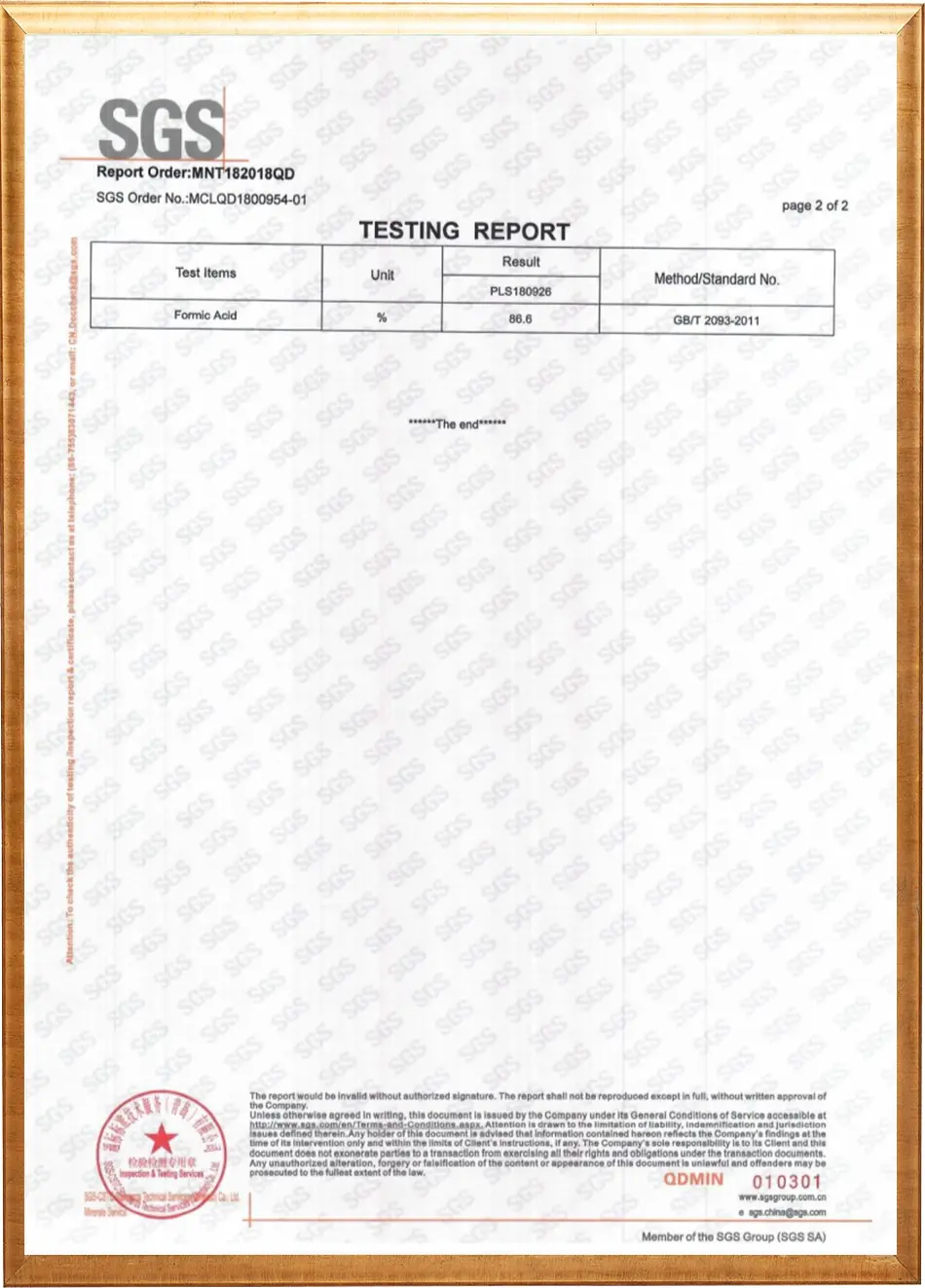
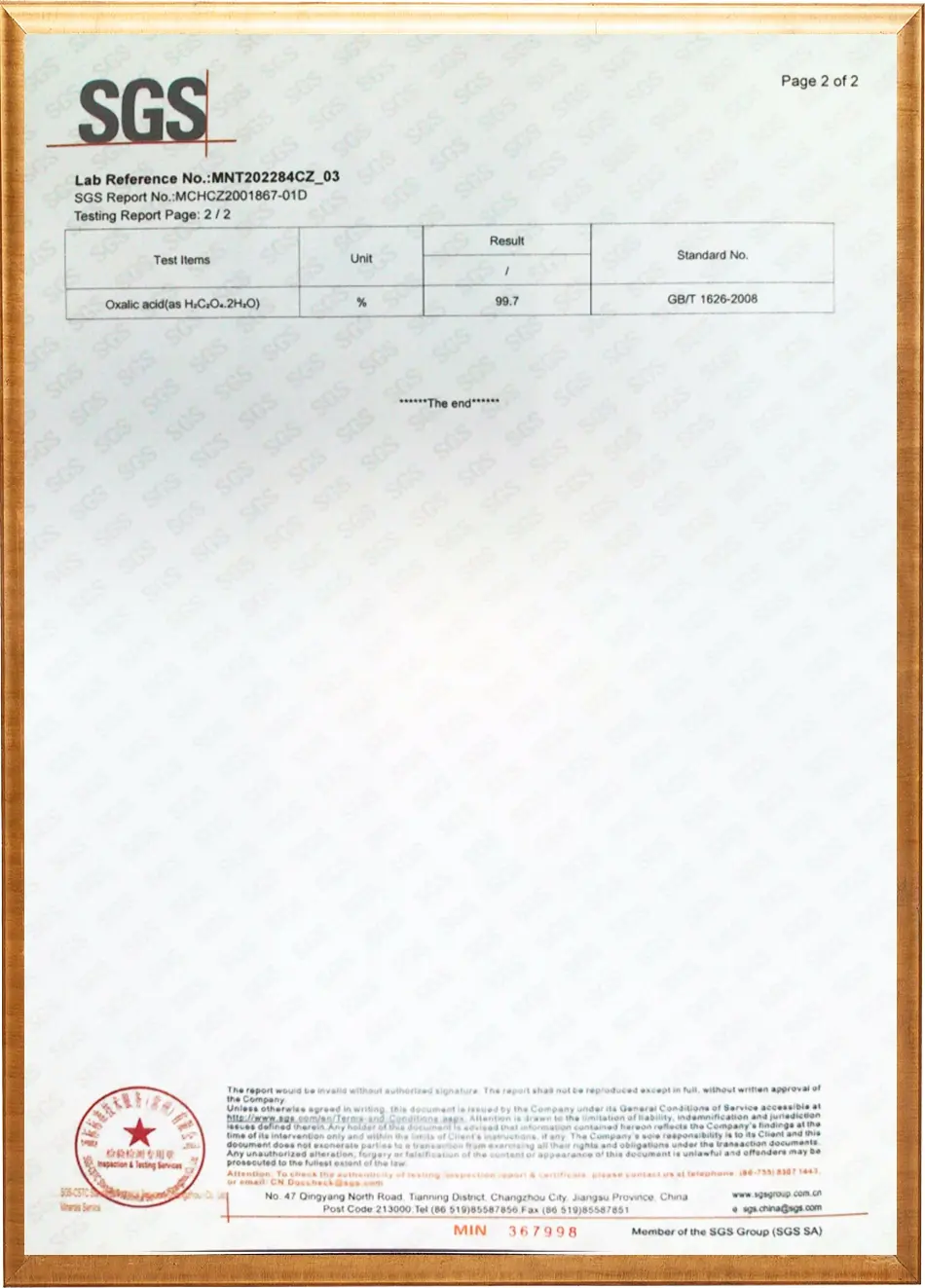
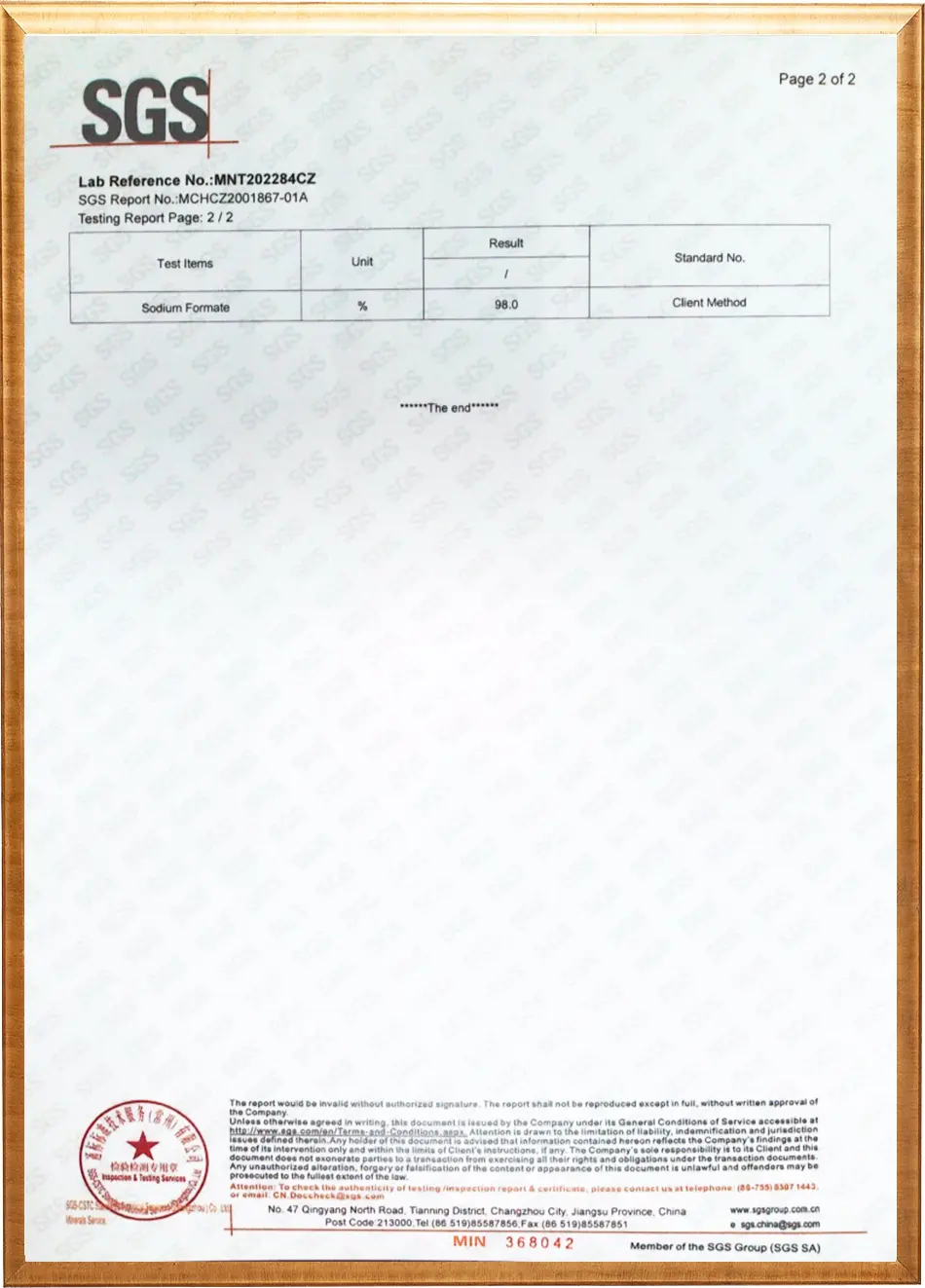
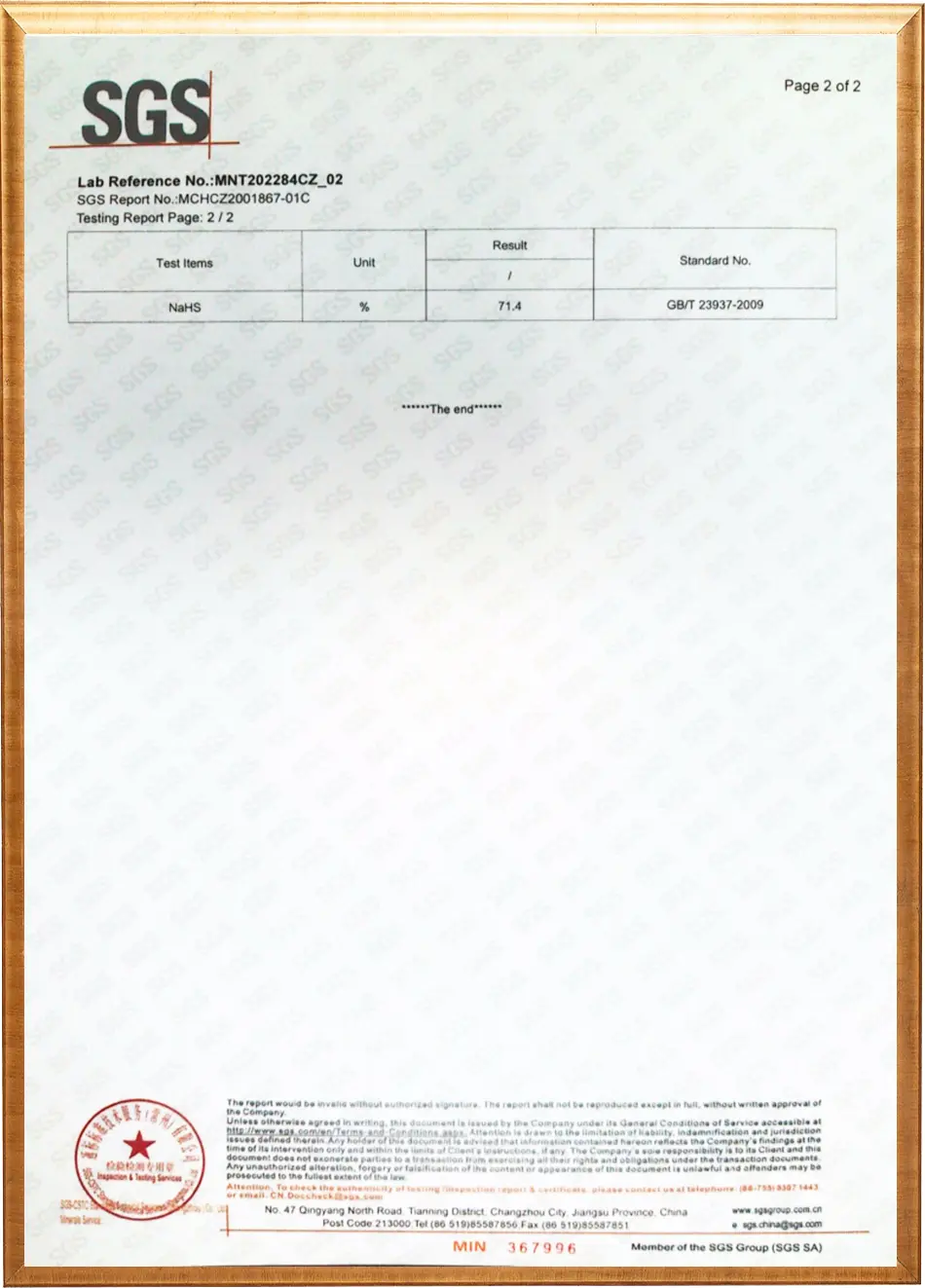
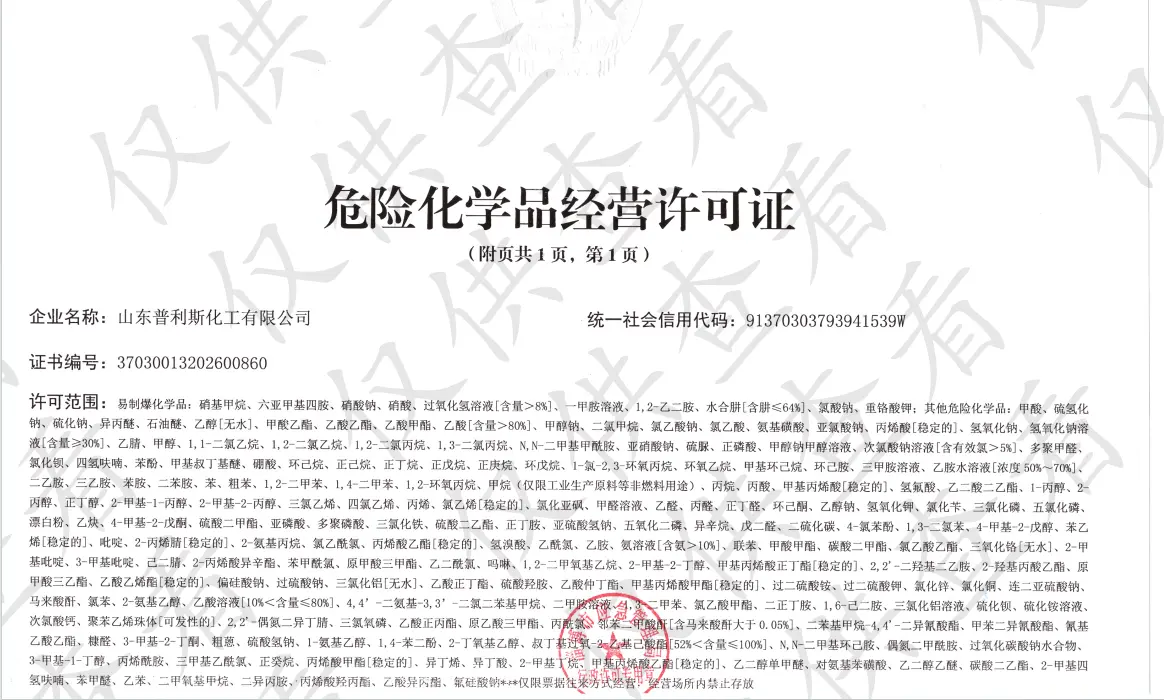
Acetonitrile is utilized across diverse critical industrial and analytical applications globally.

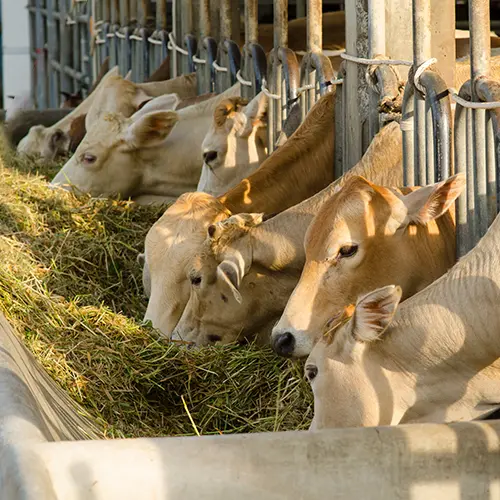

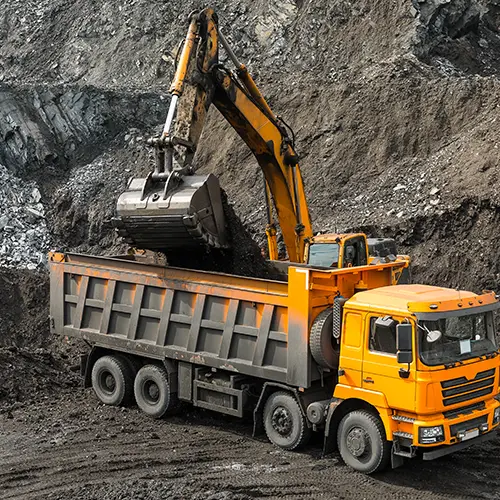
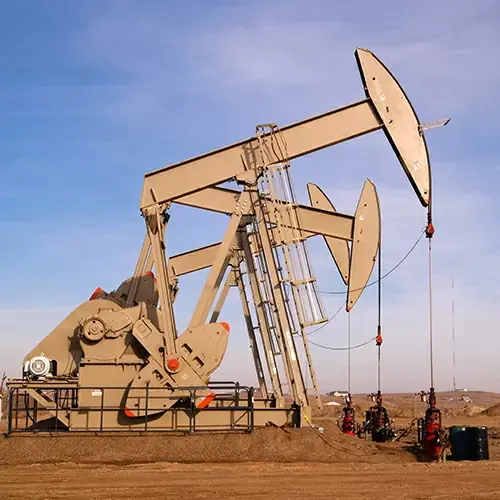


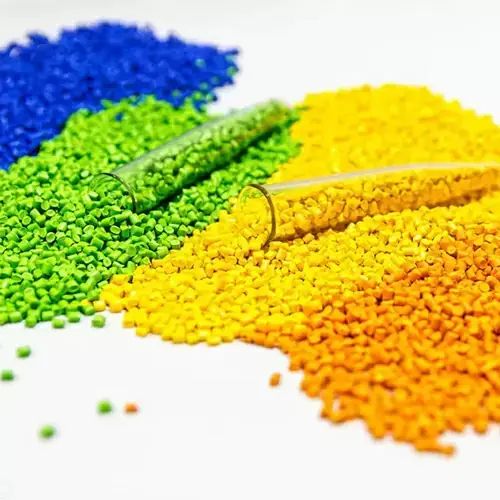
In analytical sectors, Acetonitrile is highly valued due to its low viscosity, high elution strength, and minimal UV cutoff (190 nm), which are essential for liquid chromatography methods. In industrial chemistry, its high dipole moment makes it an exceptional medium for organic syntheses, including pharmaceutical manufacturing (cephalosporins, vitamins, APIs) and the manufacture of agrochemical actives. Additionally, emerging markets utilize highly purified acetonitrile as an electrolyte solvent in lithium double-layer supercapacitors.
Key macro trends impacting procurement, regulatory policy, and global volume forecasts.
As the Sohio production route responds to changes in the acrylic fiber market, companies are increasingly shifting toward long-term OEM contracts with index-linked pricing to mitigate risks associated with spot price volatility.
Advancements in DNA/RNA synthesis (oligonucleotides) require extremely low water content (down to <10ppm). OEMs are investing in advanced column drying technologies to meet these specifications directly at the manufacturing level.
Global environmental initiatives place pressure on direct emissions and recovery systems. Lead-level companies now run zero-waste recovery processes, condensing secondary solvent vapors back into recycled feed streams.
Our operational strengths are tailored to satisfy international industrial procurement requirements.
Successfully importing specialty chemicals requires reliable coordination across quality control, safety certifications, and logistics networks. Shandong Pulisi Chemical provides high-quality products backed by efficient customer service to ensure a dependable supply chain.
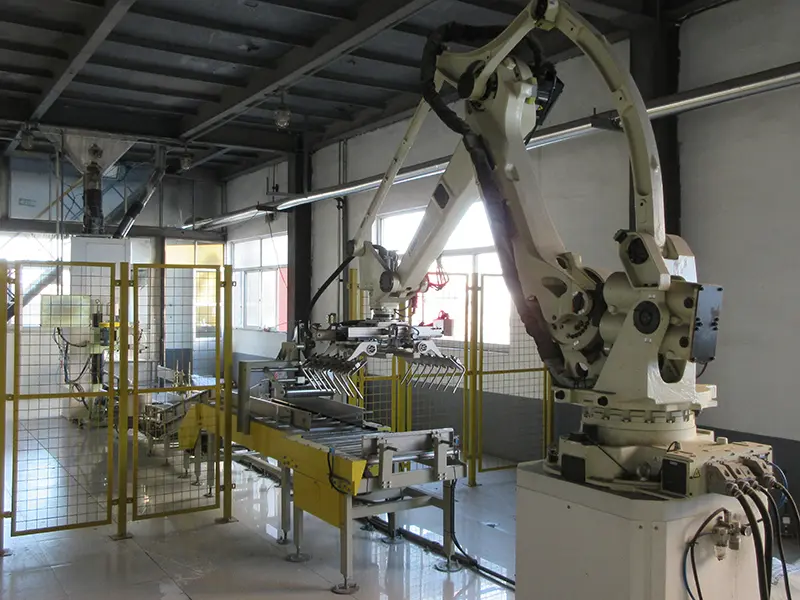
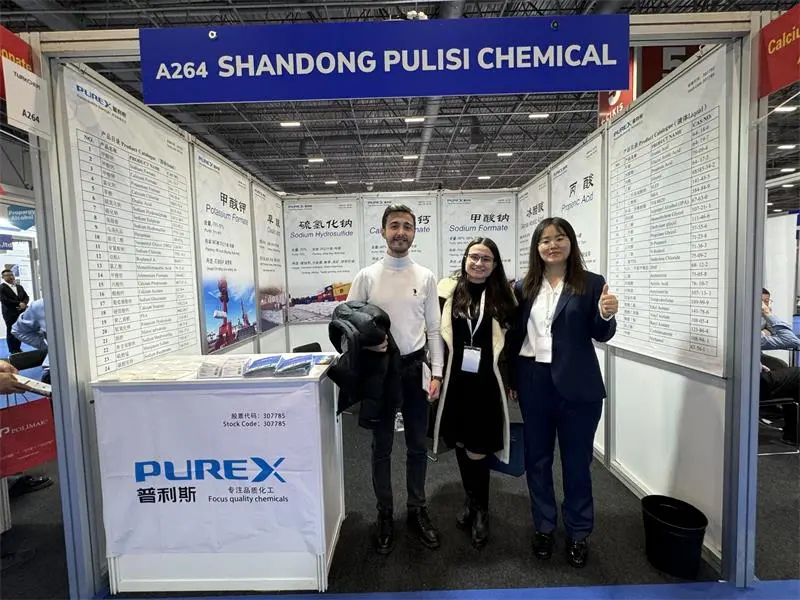
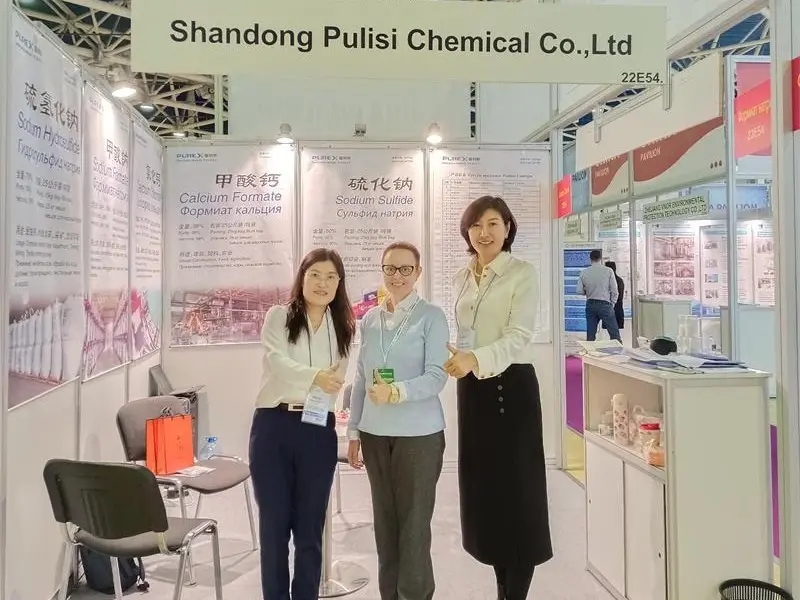
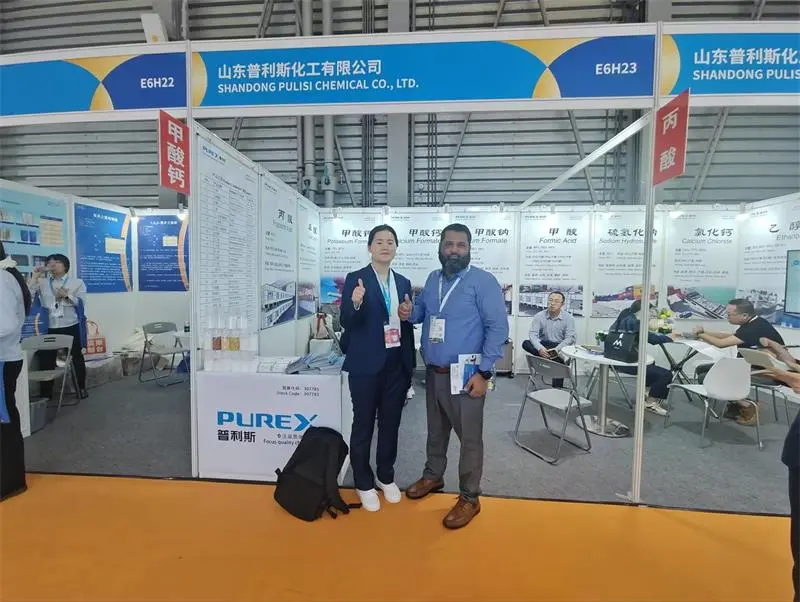
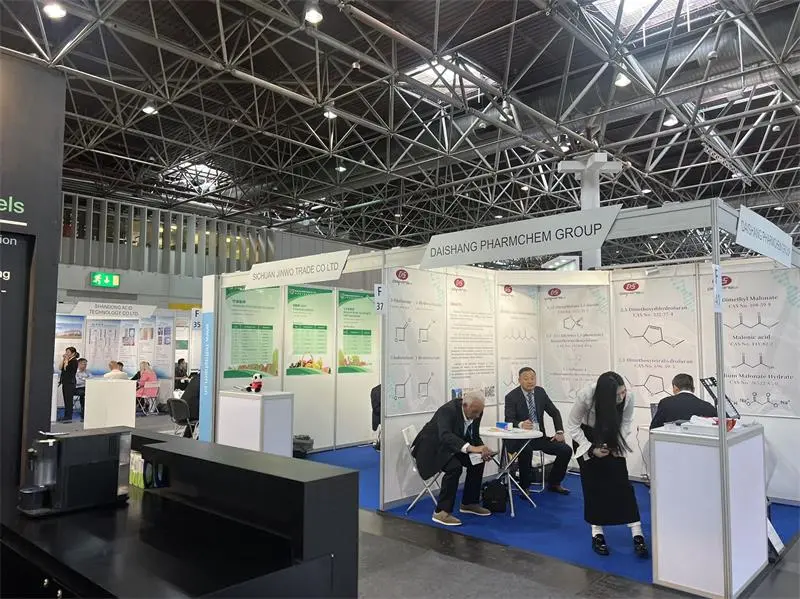
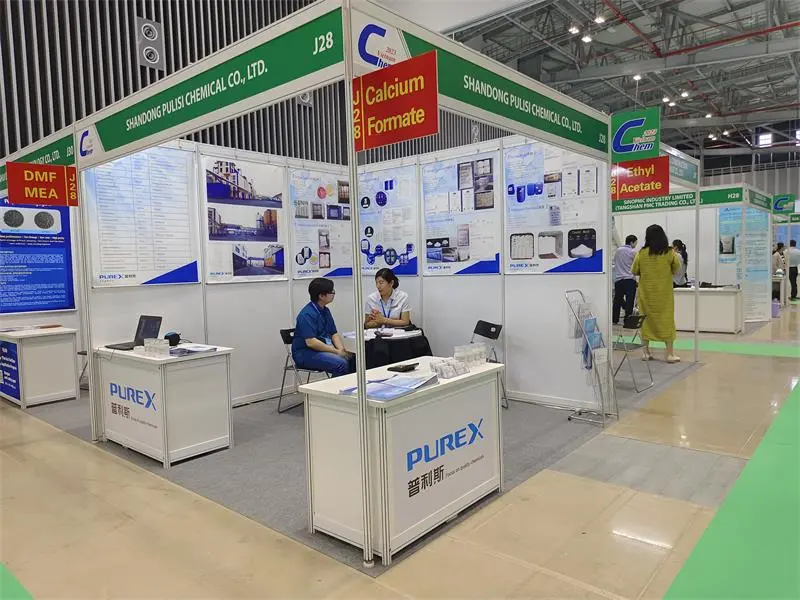
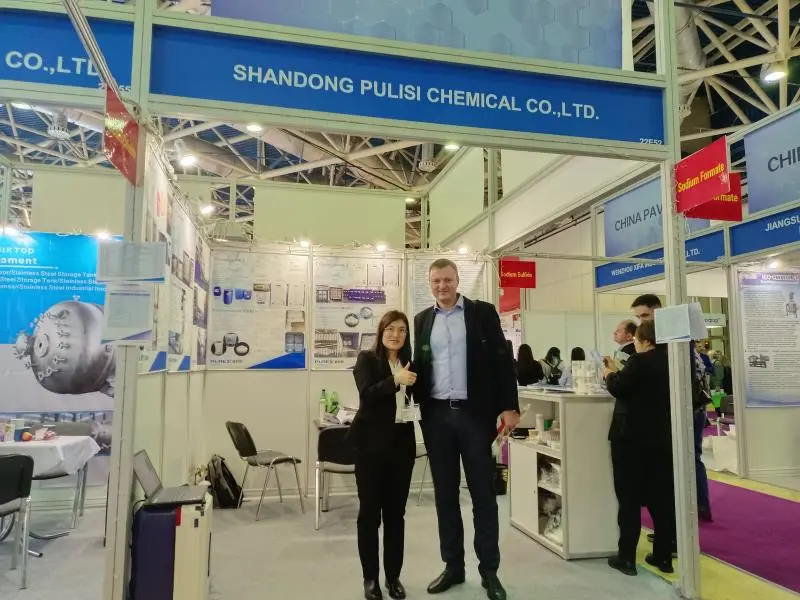
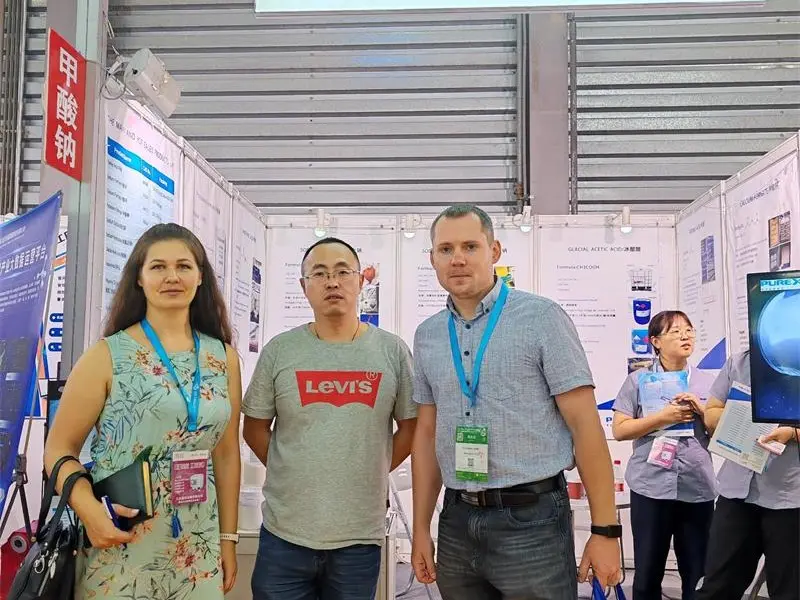
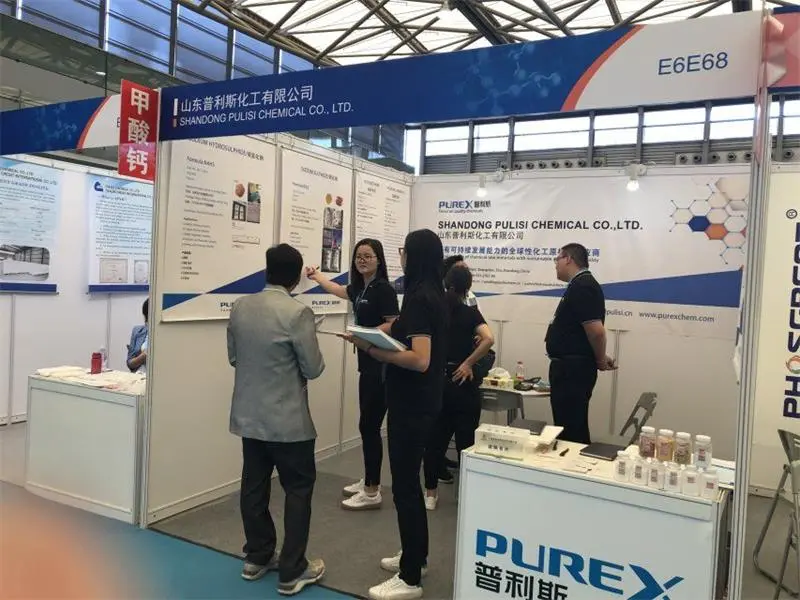
Active participation in major trade events connects us with global partners and helps us stay aligned with international chemical industry trends.
Collaborating with Fortune 500 enterprises and chemical organizations worldwide.








Technical, commercial, and logistical inquiries regarding our OEM Acetonitrile operations.
 Pulisi