Acetic Acid (systematically named ethanoic acid) is one of the most critical carboxylic acids utilized across the global chemical industry. As a primary building block for Vinyl Acetate Monomer (VAM), Purified Terephthalic Acid (PTA), acetic anhydride, and various acetate esters, its cost structure is heavily dependent on several macroeconomic factors, chemical processing technologies, and upstream feedstocks.
For chemical procurement officers, calculating the exact OEM Acetic Acid Cost requires a deep understanding of the raw materials index, catalyst costs (rhodium or iridium systems), processing efficiency, and regional electricity tariffs. In addition, regulatory frameworks and carbon taxes play an increasing role in shaping the final pricing index of factories globally.

Methanol and carbon monoxide drive up to 65% of direct manufacturing costs. Fluctuations in petroleum coke, thermal coal, and natural gas create rapid price shifts in global markets.
Precious metal catalysts require intensive capital investment. Plant utility costs (electricity, high-pressure steam, cooling water) comprise the second-largest operational expense block.
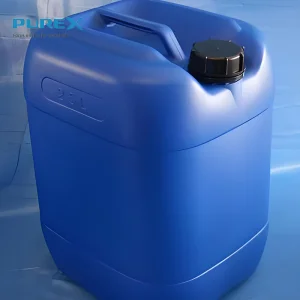
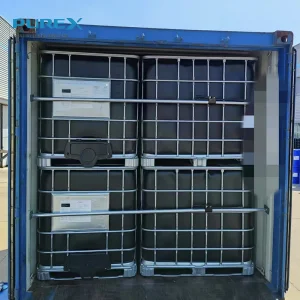
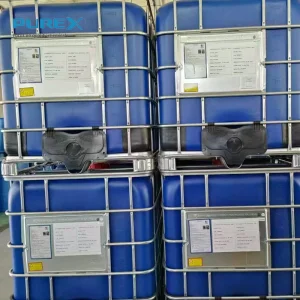
As a Class 8 hazardous chemical (UN 2789 for glacial, UN 2790 for solution), transport relies on specialized ISO tanks or IBC containers, requiring strict environmental audits.
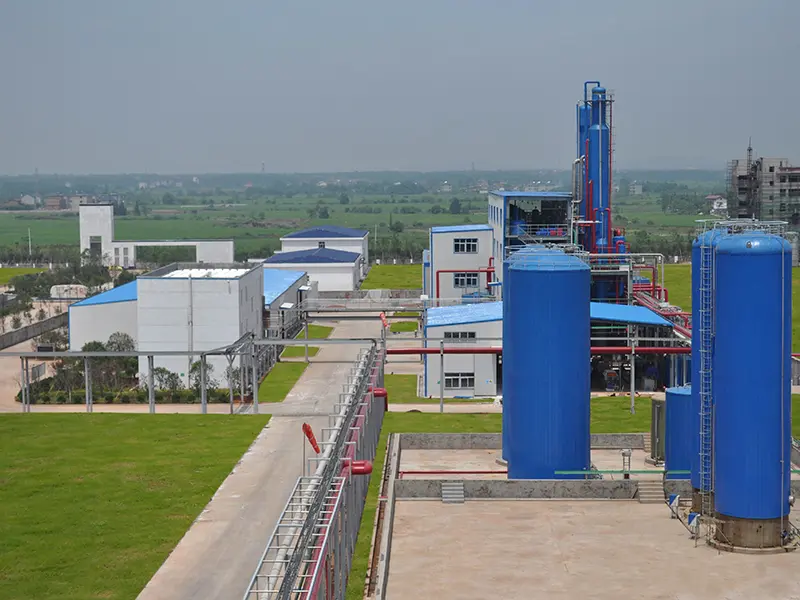
In the highly competitive petrochemical sector, Chinese manufacturers have pioneered "Factory 4.0" automation architectures. By integrating Distributed Control Systems (DCS) with advanced AI analytics, plants are now capable of monitoring feedstock consumption and energy waste in real-time. This structural transition significantly lowers the baseline margin for OEM Acetic Acid Cost Factory operations.
Furthermore, China's massive chemical clusters benefit from horizontal and vertical integration. For instance, the integration of coal gasification projects directly adjacent to carbonylation systems eliminates transit costs for carbon monoxide gas, protecting buyers from local raw material spikes.
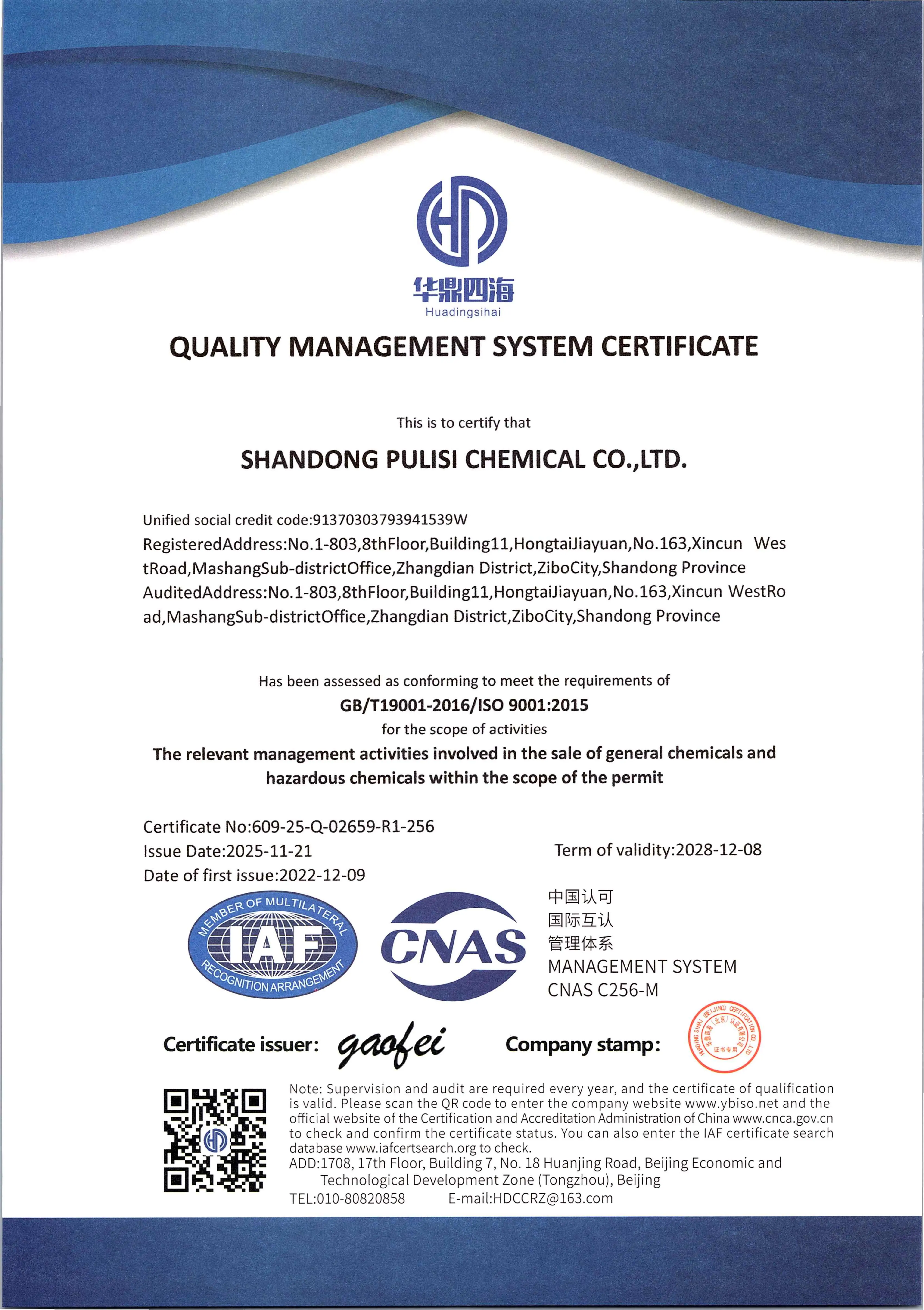
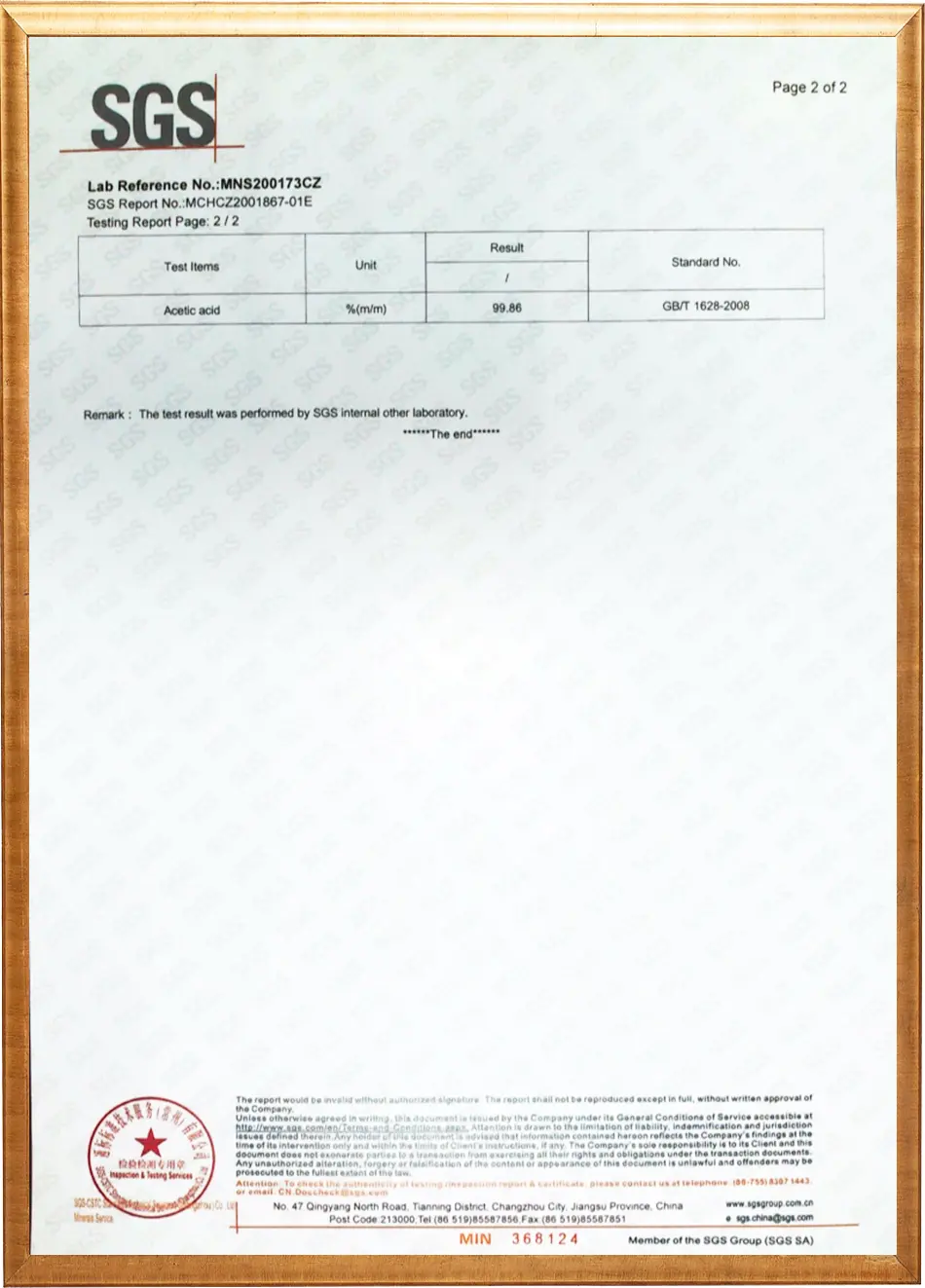
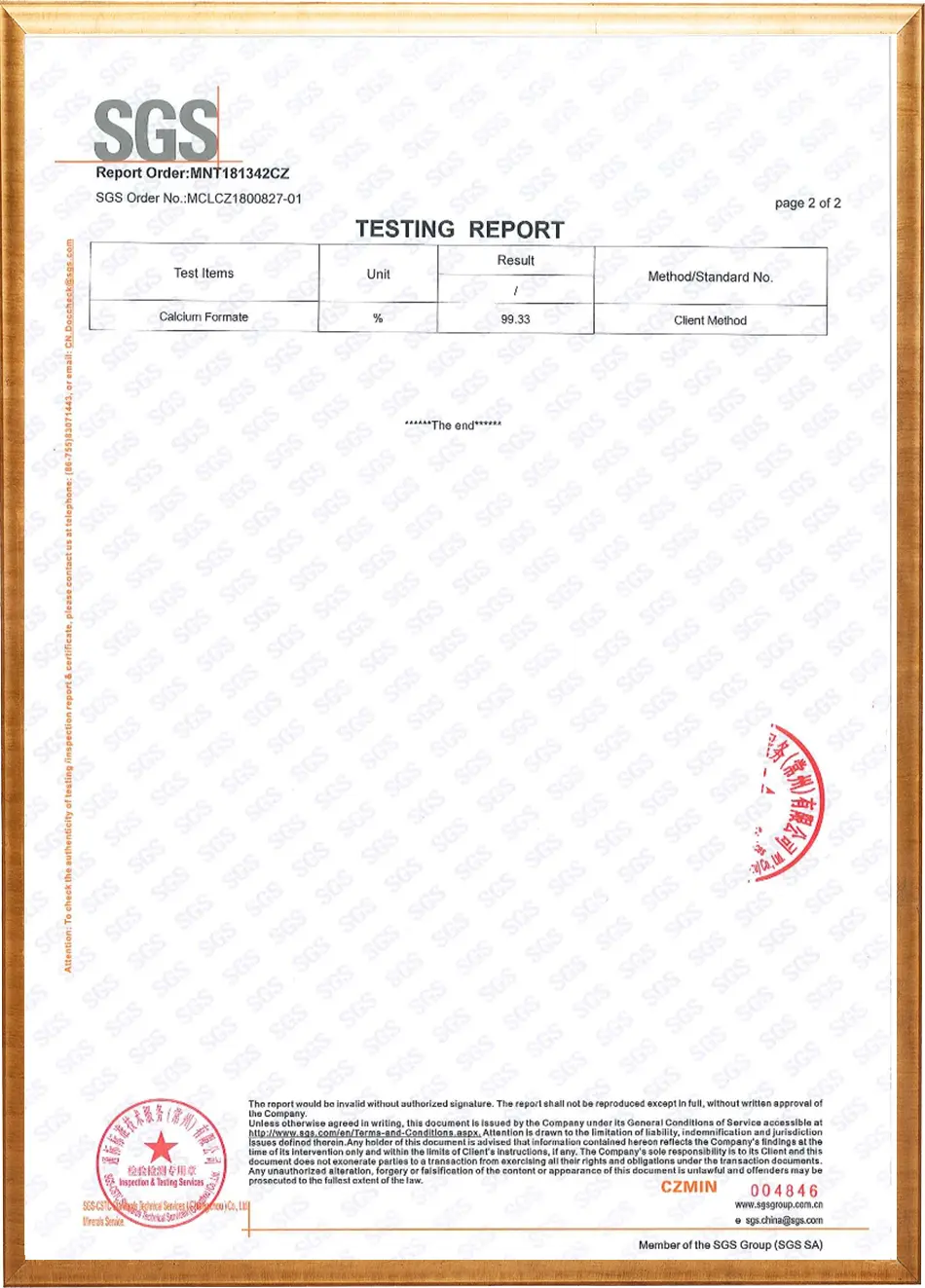
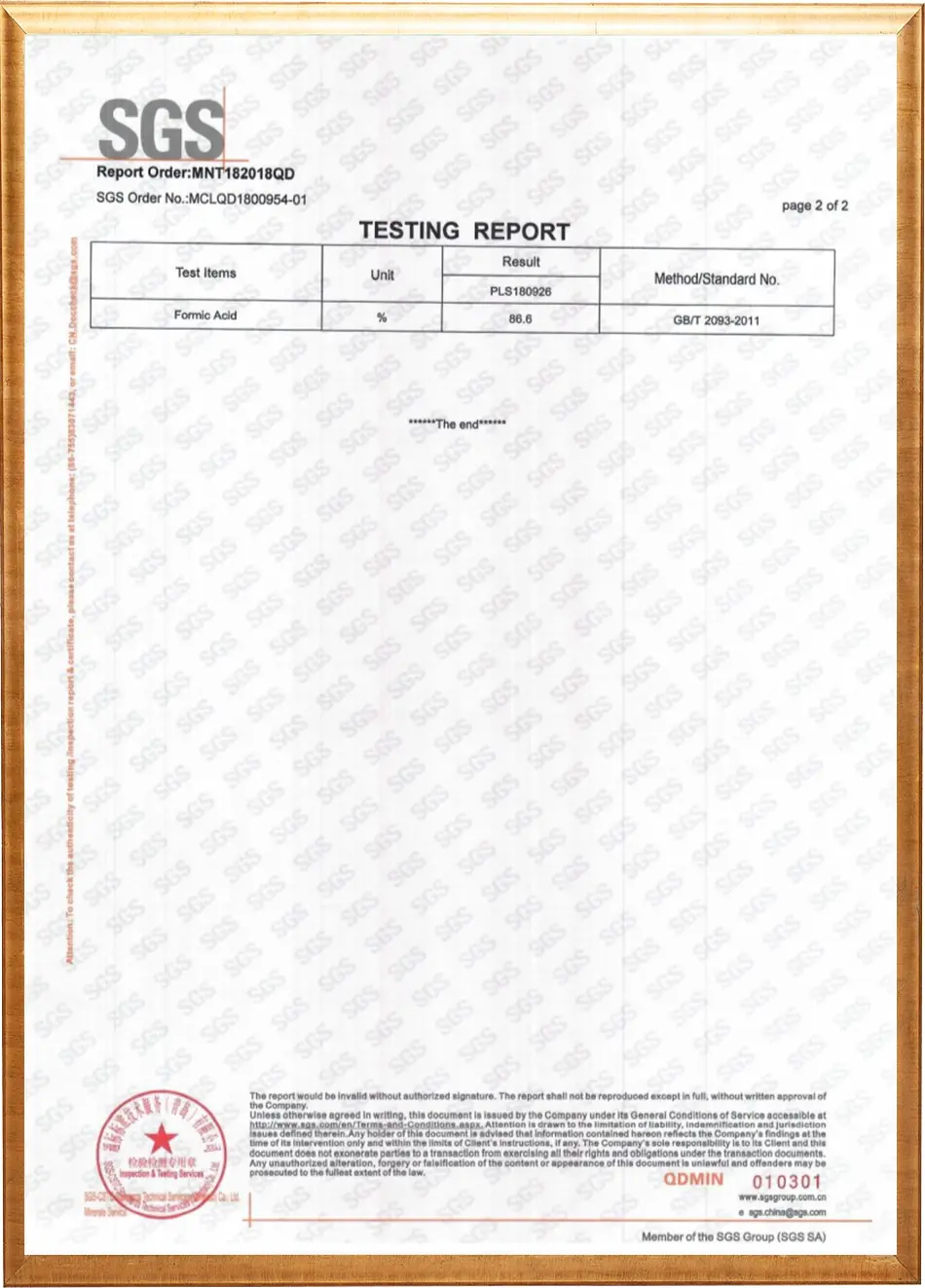
Operational resilience is also bolstered by compliance with ISO certifications. Major players like Shandong Pulisi Chemical Co., Ltd. maintain stringent quality checks alongside international certifications (ISO 9001, German BV, SGS), ensuring that low production costs are never achieved at the expense of quality and safety.
| Cost Driver | Traditional Factory Model | China Factory 4.0 Model | Strategic Advantage |
|---|---|---|---|
| Utility Wastage | Estimated 8% to 12% loss | Under 2.5% via DCS feedback loop | Lower operational overheads |
| Feedstock Logistics | Inter-provincial shipping | Direct pipelines in Chemical Clusters | Elimination of transit volatility |
| Regulatory Audits | Periodic inspection downtime | Continuous emissions monitoring | Continuous production stability |
Shandong Pulisi Chemical Co., Ltd. was established in 2006 (Stock Code: 307785). The company focuses on petrochemicals, mining chemicals, feed chemicals, and pharmaceutical chemicals. At present, the company has established long-term and stable partnerships with Fortune Global 500 companies such as China National Petroleum Corporation and Saint-Gobain. We always take customer demand as the core orientation and provide tailored solutions to help customers strengthen their market competitiveness.
The company has passed ISO9001:2015 Quality Management System Certification and German BV Certification, and has been awarded multiple honors such as Foreign-Oriented Economic Enterprise, Alibaba Demonstration Base, and Contribution Enterprise. In 2023, the company successfully went public with stock code: 307785.
The company upholds the corporate culture philosophy of "Customer First, Rapid Response; Striving as the Foundation, Efficient Collaboration; Integrity and Uprightness, Agile Adaptation." We focus on providing compliant and high-quality products and supporting services, and are committed to becoming a long-term and stable partner for customers.
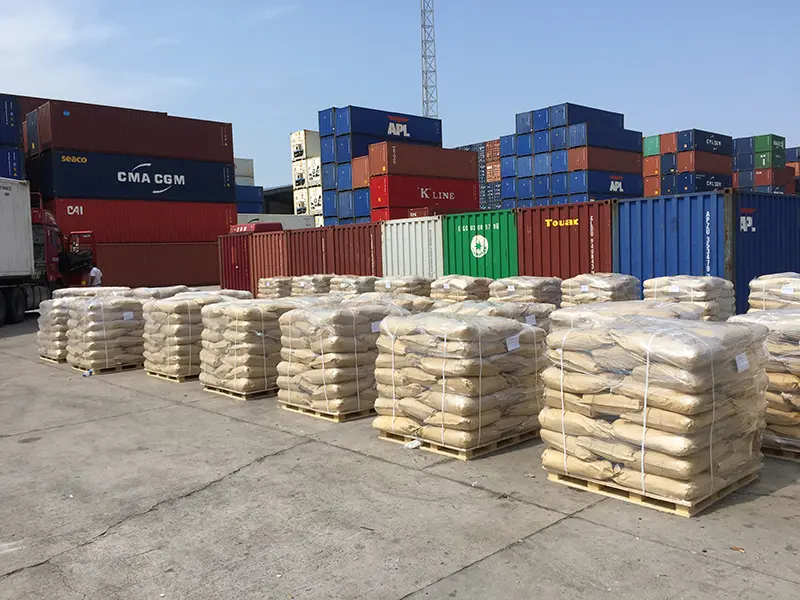
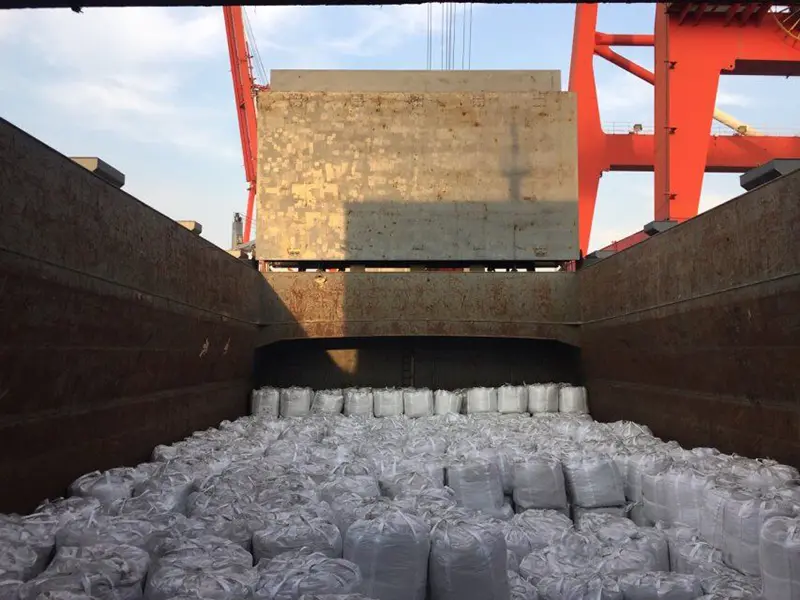
Meanwhile, the company has established mature warehousing and distribution systems at key logistics hubs, including Qingdao Port, Tianjin Port, and Xinjiang border ports (Alashankou, Khorgos). We are able to provide flexible supply solutions according to customer needs to ensure timely order delivery. No matter where customers are located, Shandong Pulisi Chemical will safeguard their business development with professional service systems and efficient response capabilities.
"Creating value for customers and making their products better, based on reputation and guaranteed by service."
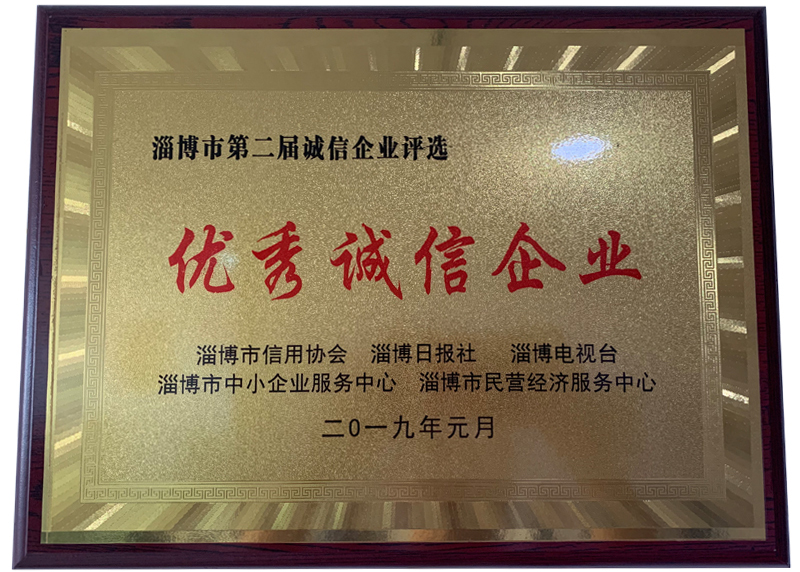
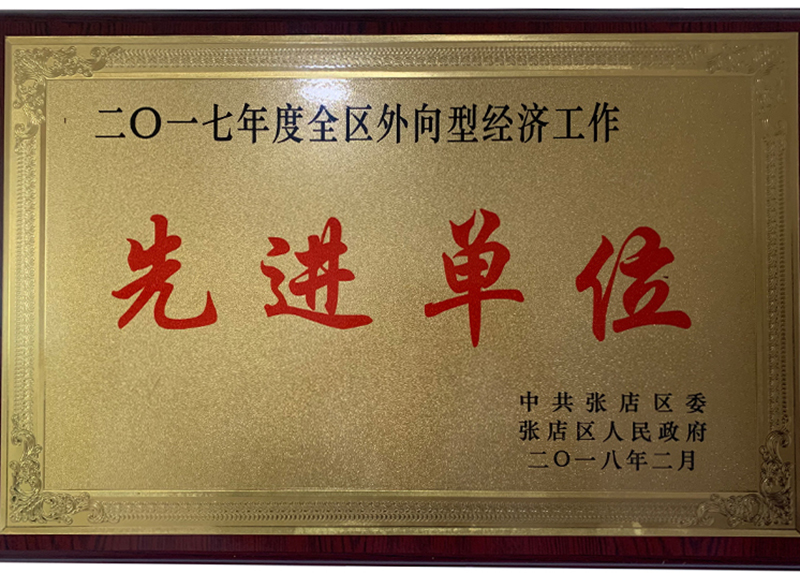
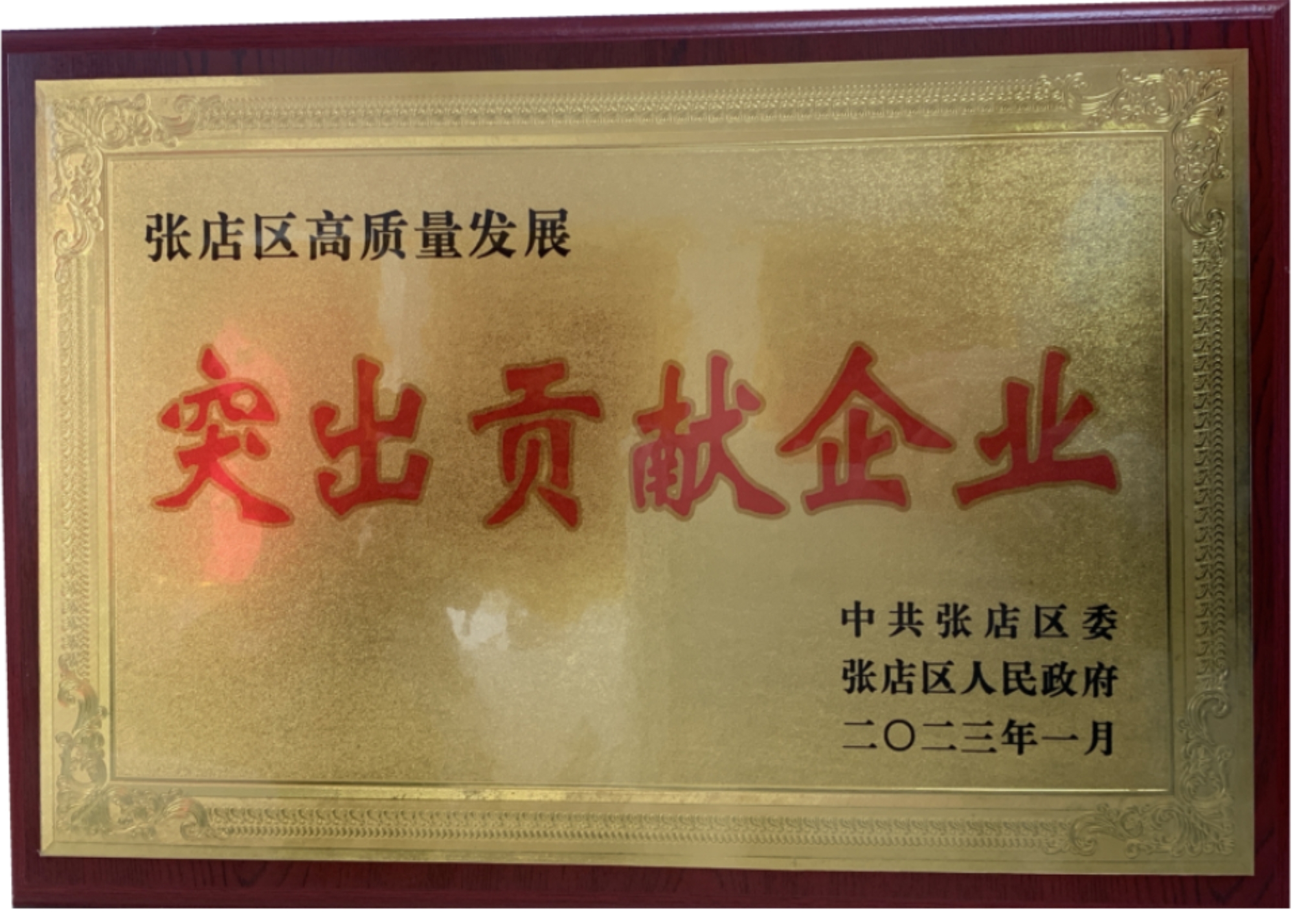
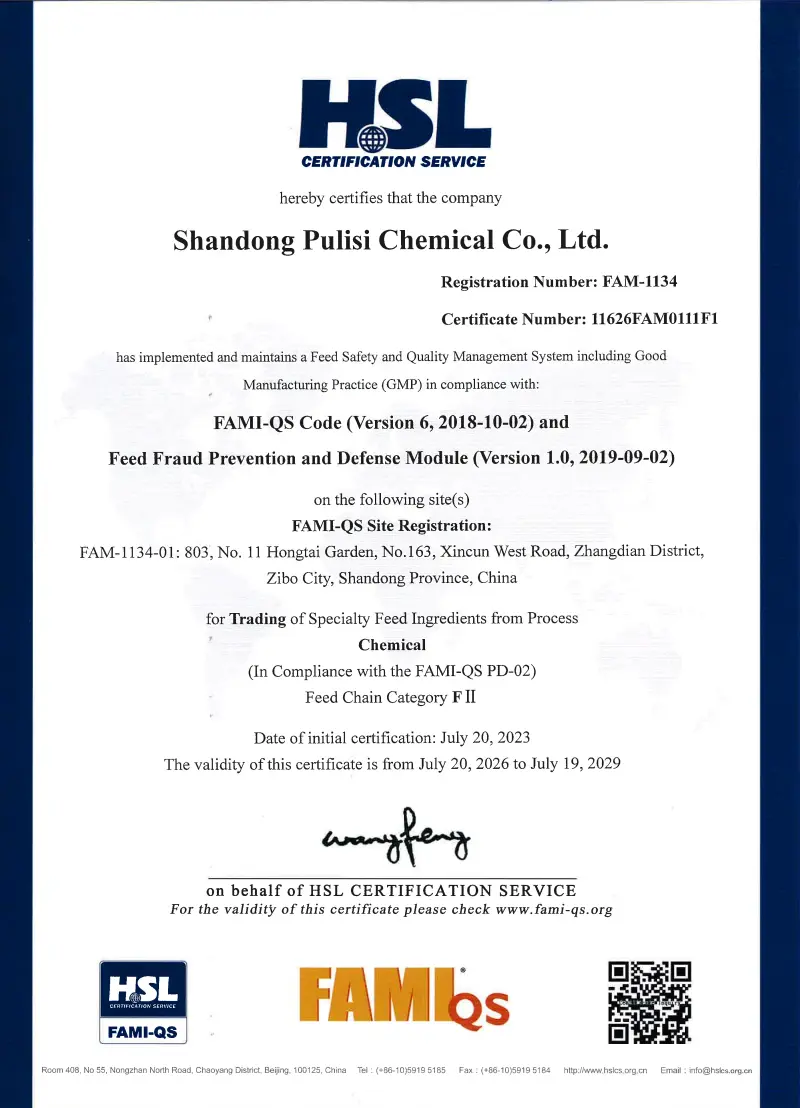
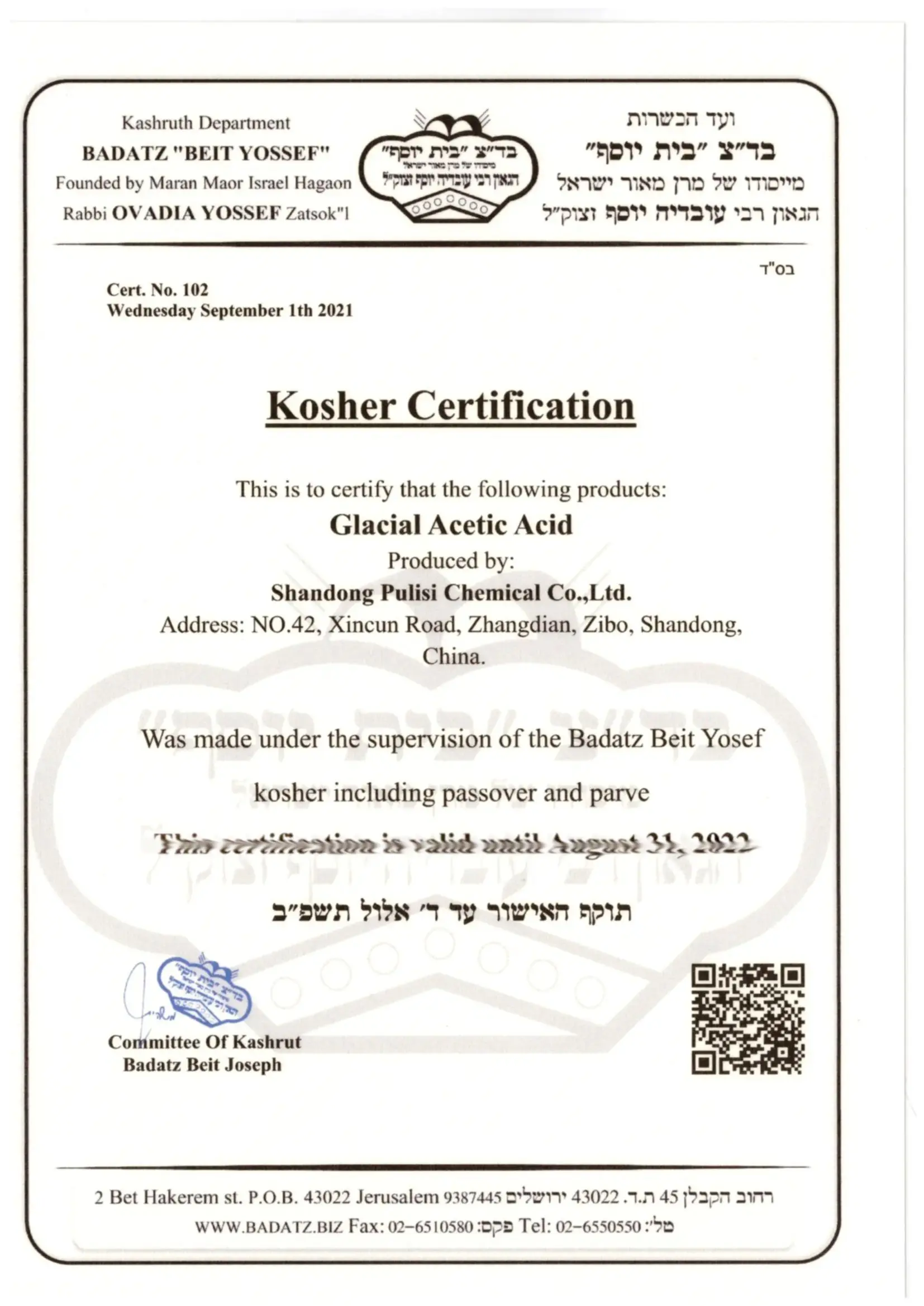
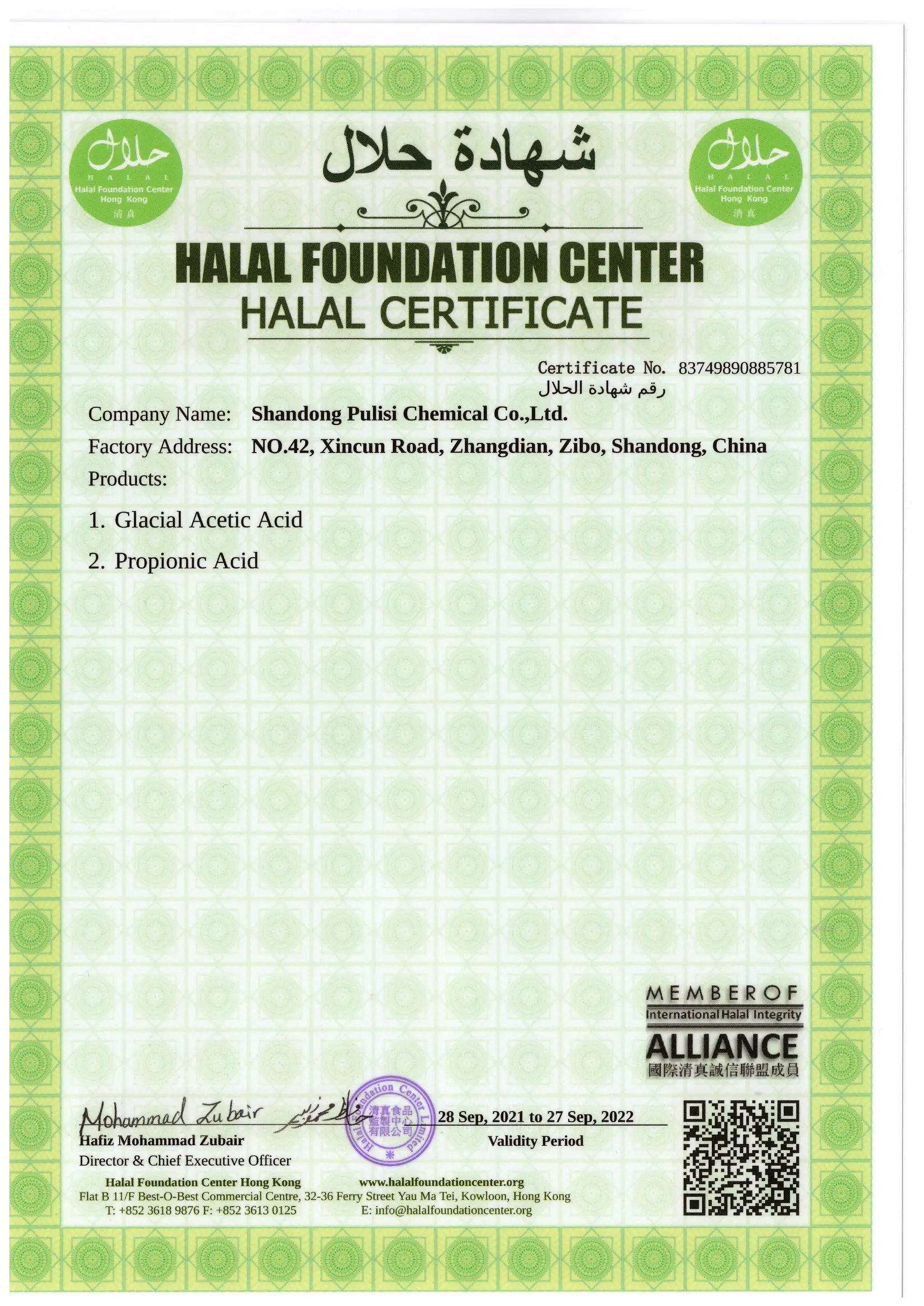
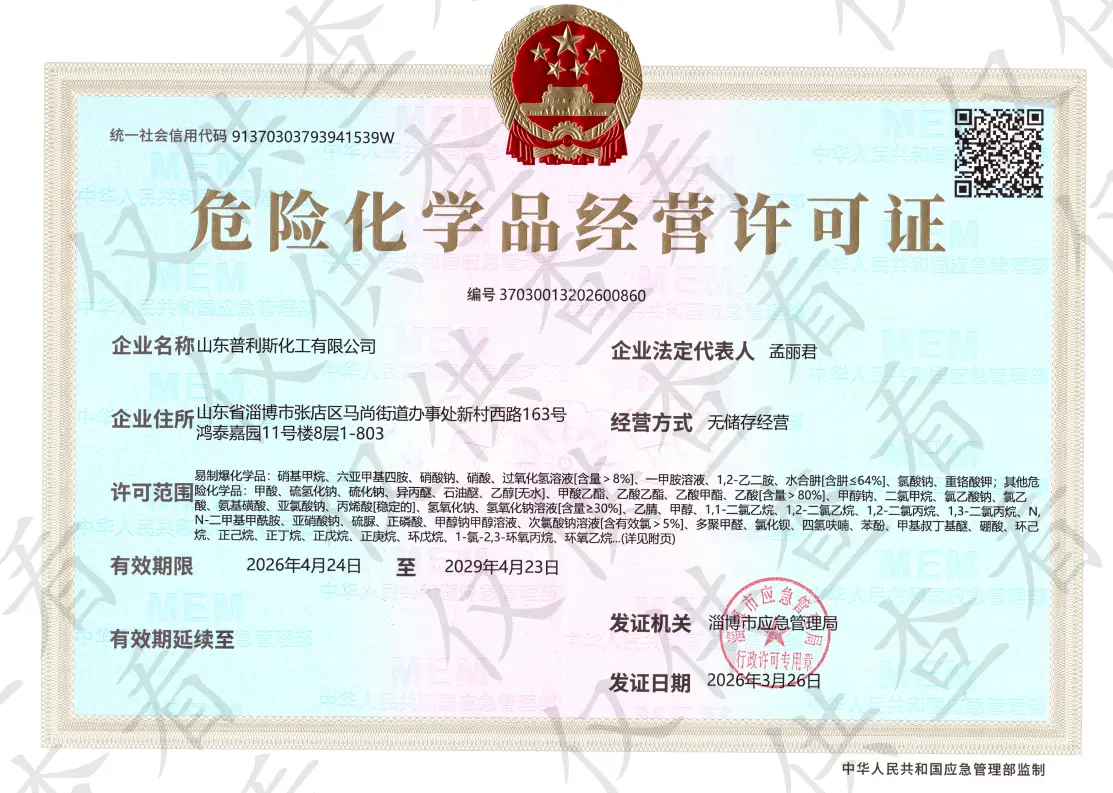
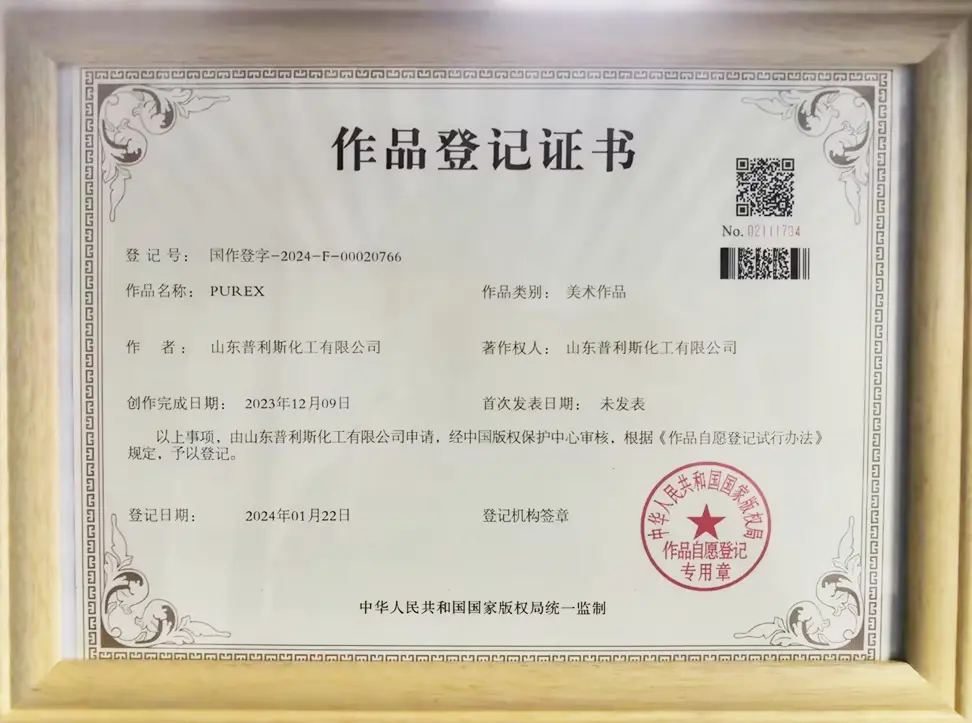
To support global distribution and ensure our products meet strict chemical safety parameters, Shandong Pulisi is fully compliant with leading verification bodies.
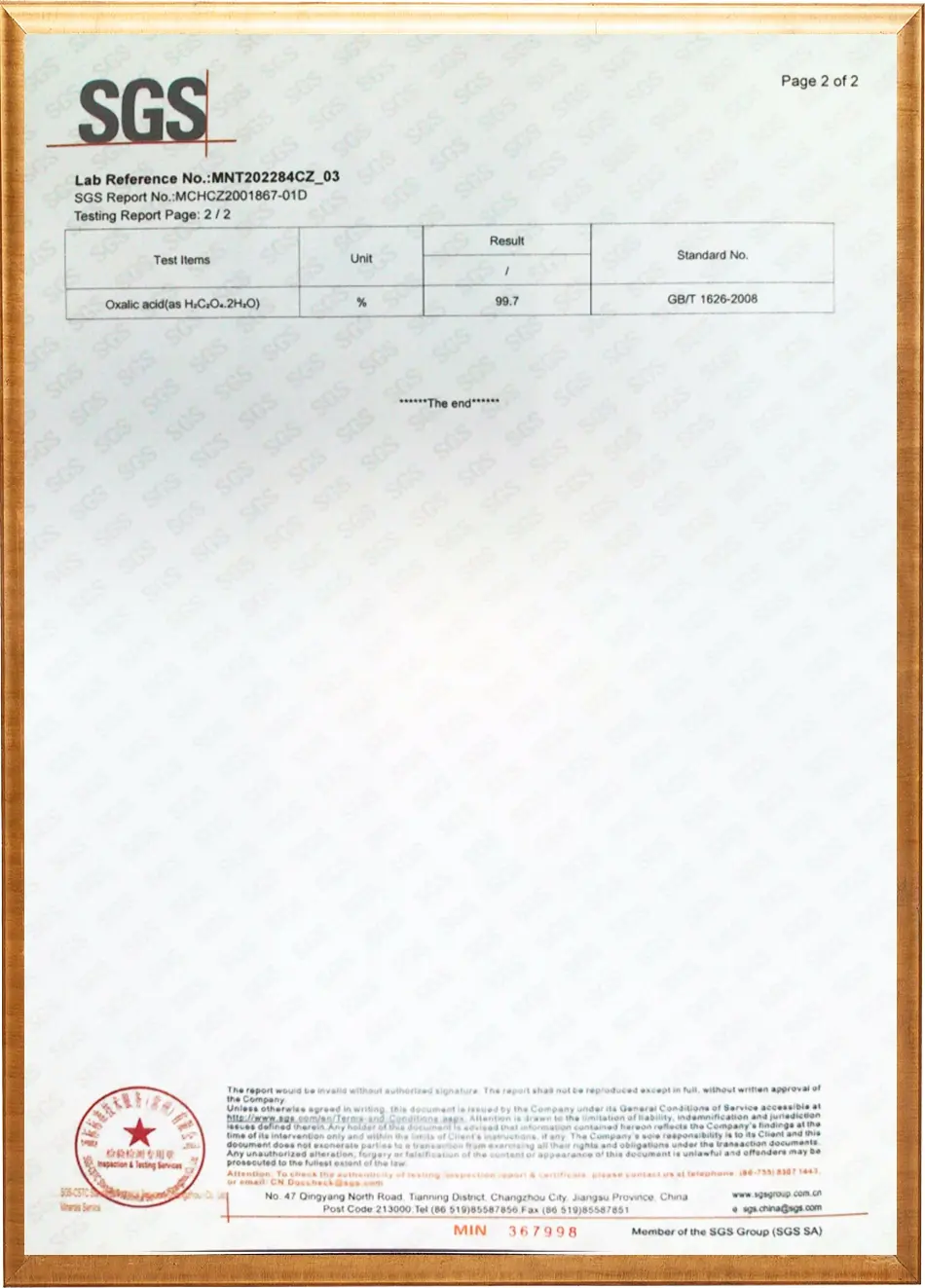
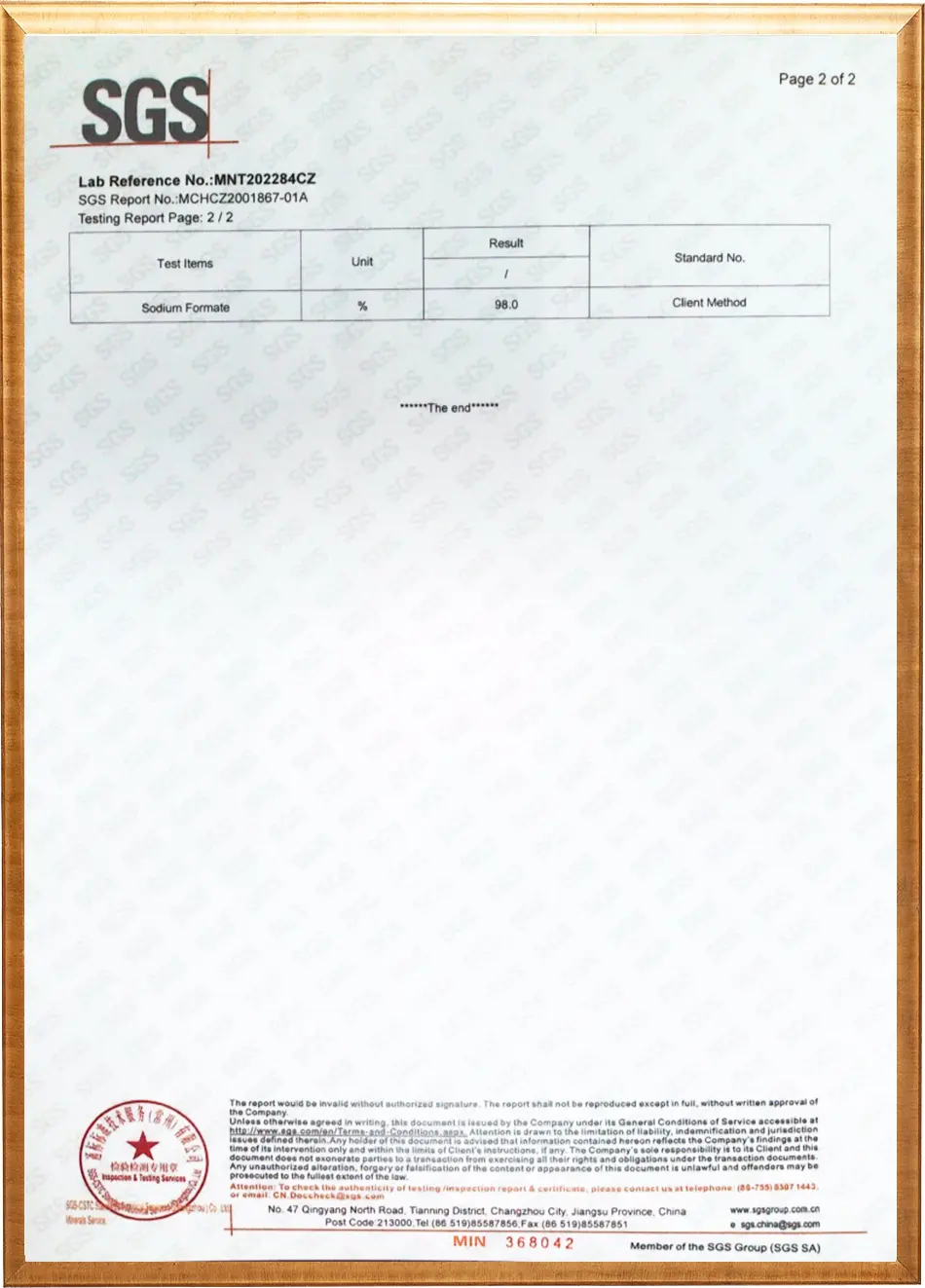
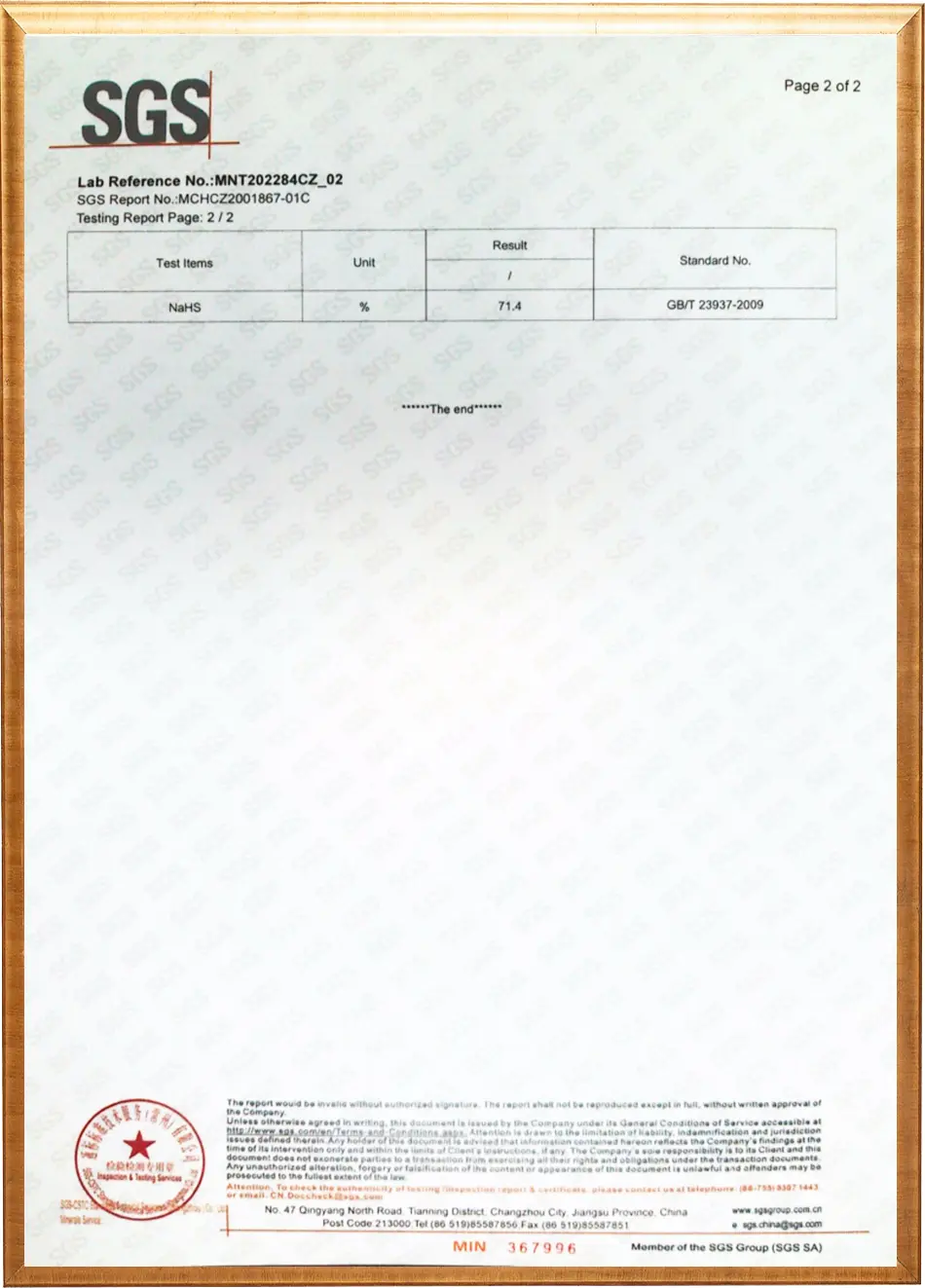
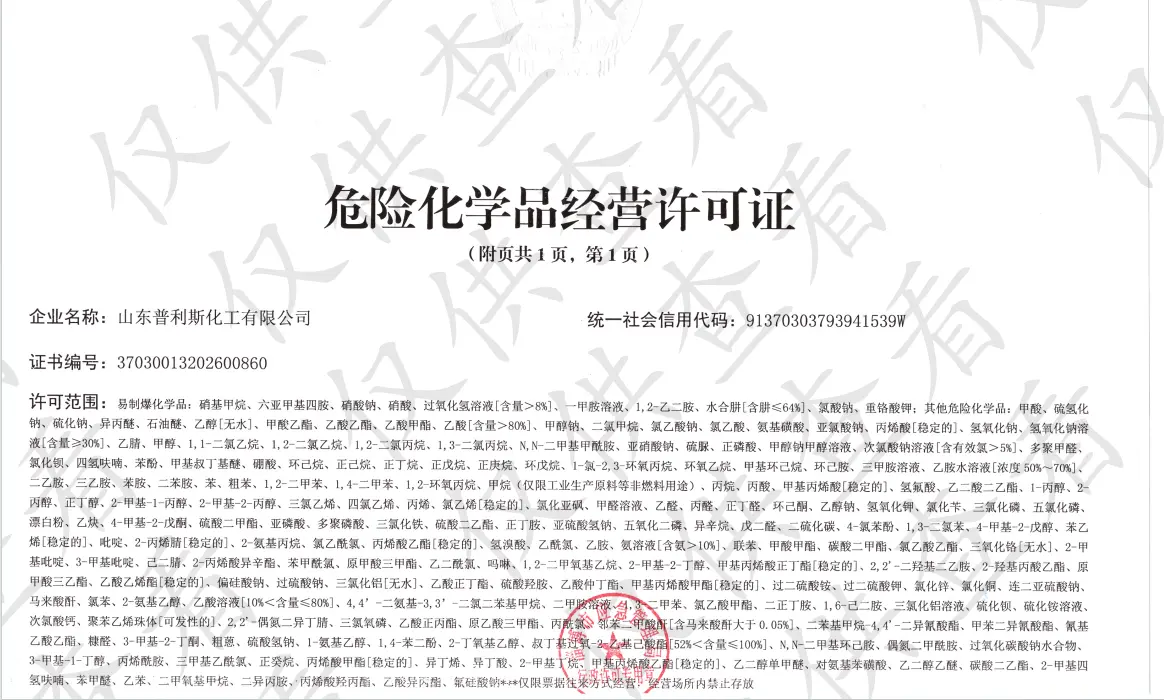
From heavy duty construction solutions to fine chemical additives, our products are used extensively in various critical industries.

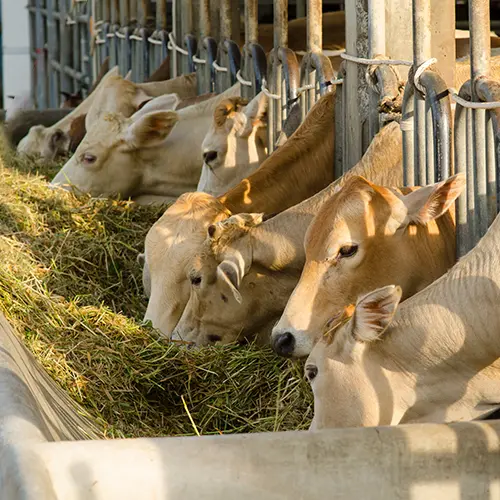

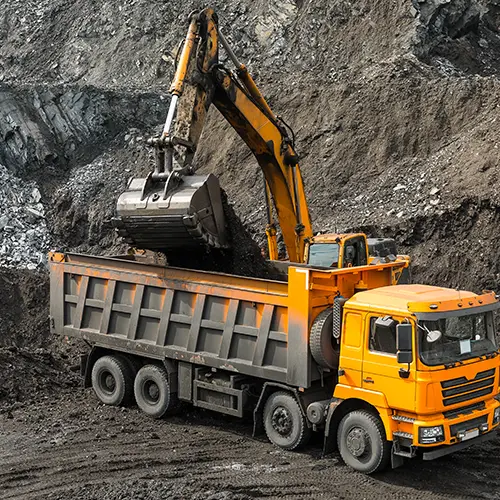
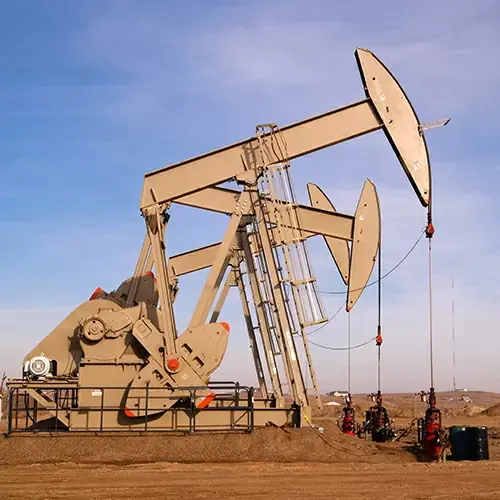



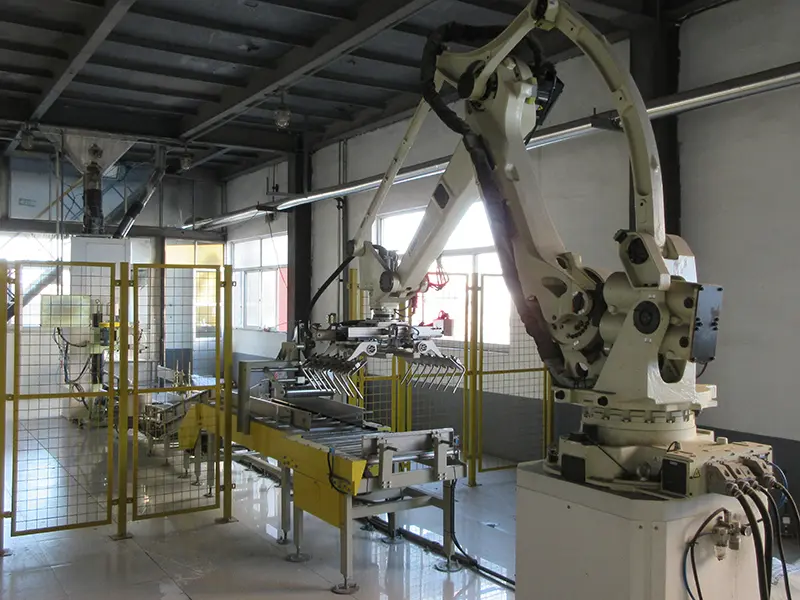
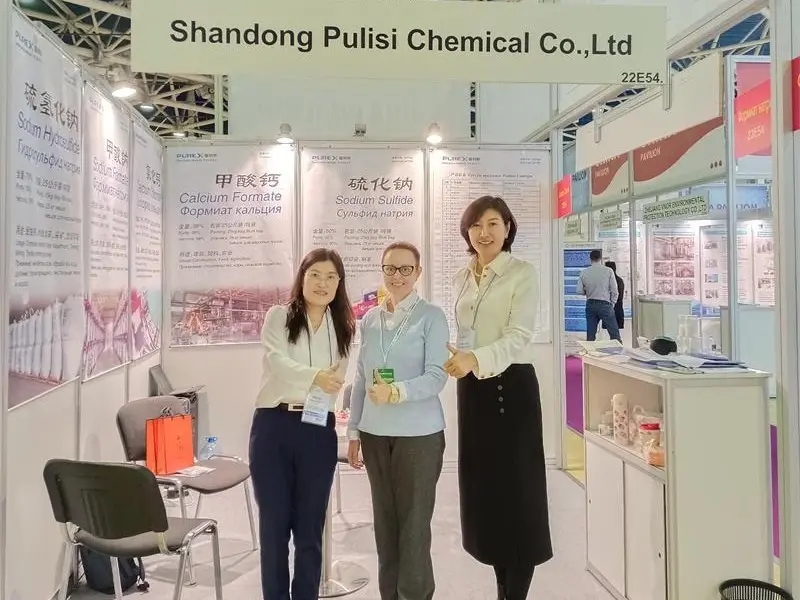
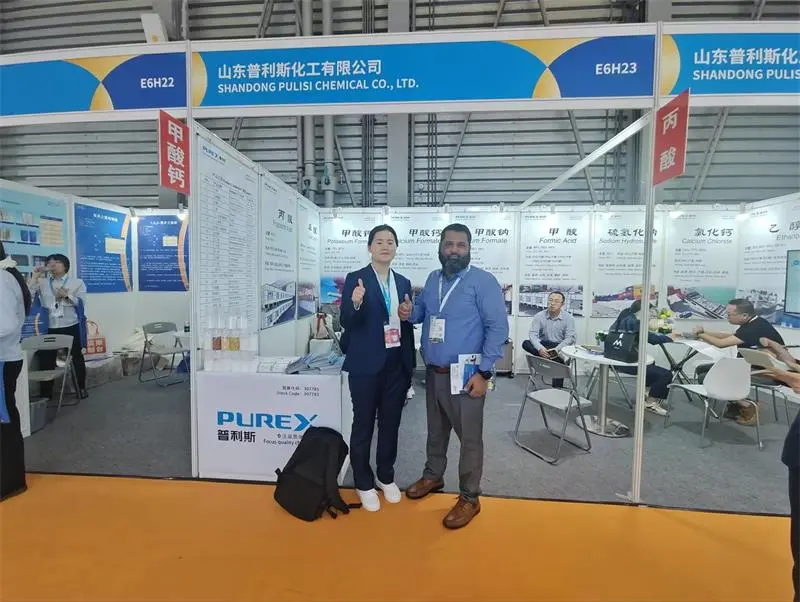
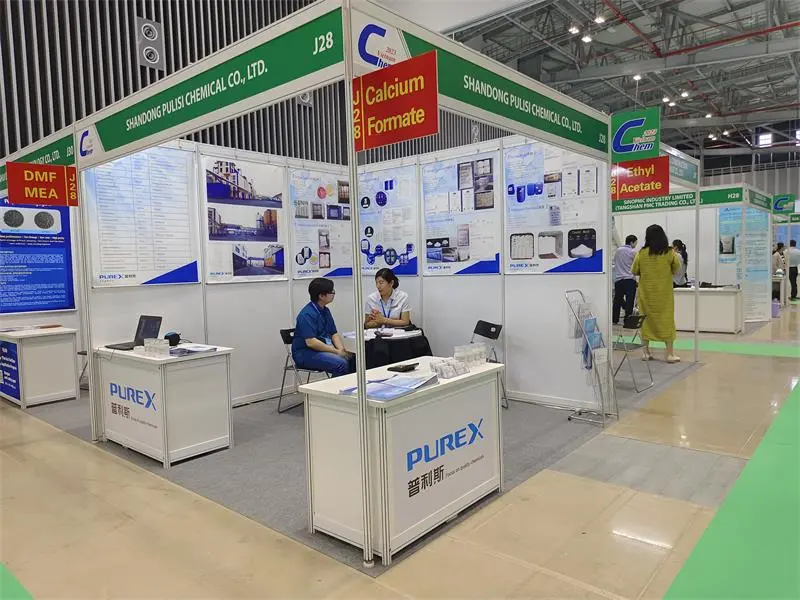
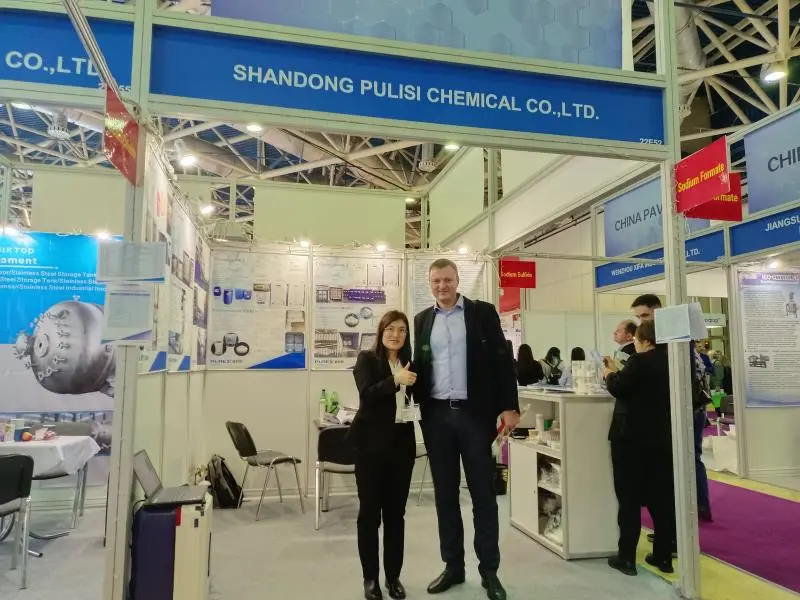
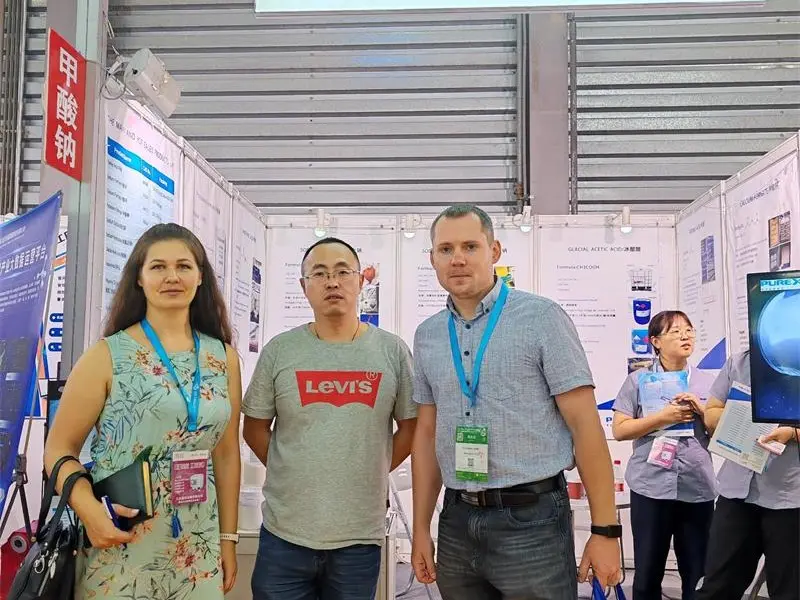
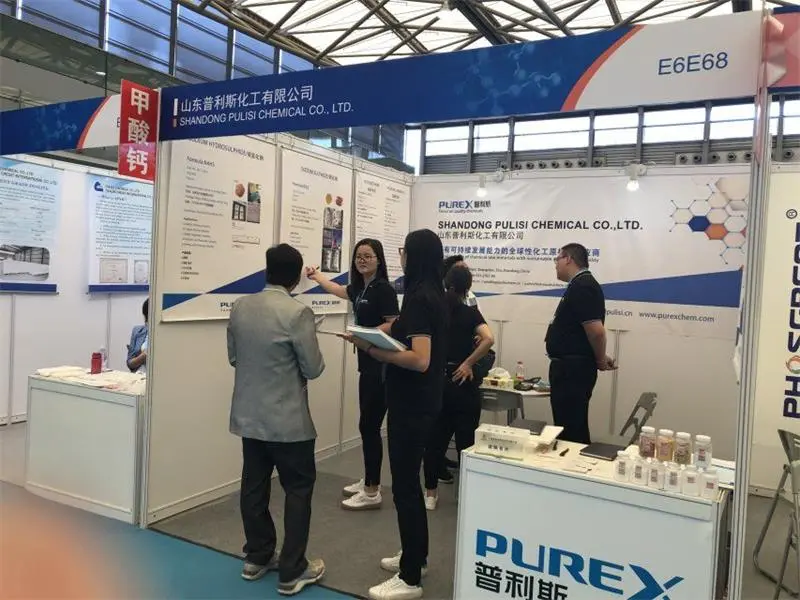
Since our inception in 2006, Shandong Pulisi Chemical has been committed to serving as a premier "industrial, mining, and chemical raw material supply service provider." Our presence at international chemical forums allows us to continually optimize our supply chain partnerships and present innovative solutions to global buyers.
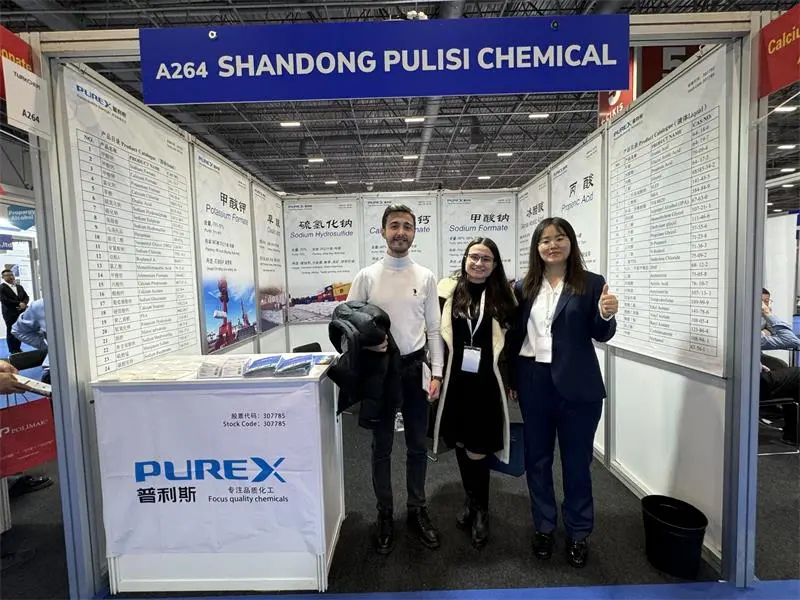










Industrial acetic acid operates within cyclical pricing waves. Large-scale global chemical operations require systematic buying patterns to protect cash flow and gross margins. When procuring from an OEM Acetic Acid Cost Factory, buyers must implement structured sourcing plans, utilizing both spot pricing contracts and long-term volume agreements.
1. Index-Linked Pricing: To minimize direct risk, modern procurement units utilize third-party price databases (such as ICIS or Platts) as reference margins, adding fixed conversion and freight surcharges. This ensures transparency across the raw materials pipeline.
2. Inventory Buffers: Due to maritime supply disruptions, holding inventory in regional hubs is critical. The strategic warehouses operated by Shandong Pulisi at key maritime outlets allow overseas distributors to bypass transport delays and access ready stock instantly.
3. Purity Standard Verification: From industrial applications requiring 99.8% Glacial Acetic Acid to food-grade alternatives, verifying chemical assay reports via SGS or BV is non-negotiable. Sourcing teams must audit factories for raw gas impurities, halide traces, and heavy metal concentrations before issuing procurement contracts.
 Pulisi