Analyzing production methodologies, structural price trends, and the operational value of high-purity anhydrous media across critical industries.
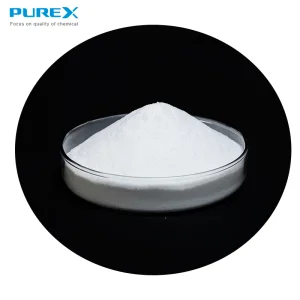
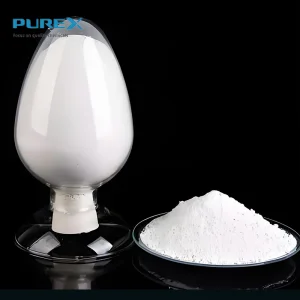
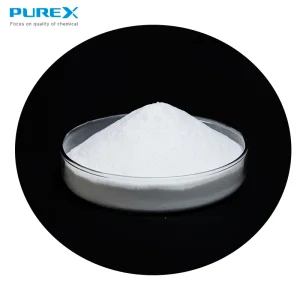
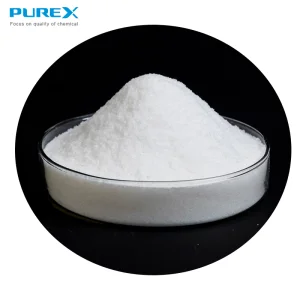
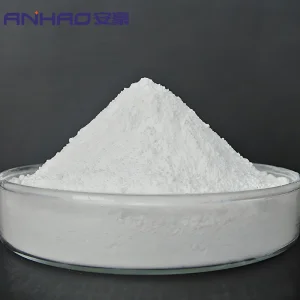
In modern industrial chemistry, Anhydrous Oxalic Acid ($C_2H_2O_4$) is recognized as a key reagent where hydration must be strictly avoided. Unlike its dihydrate counterpart ($C_2H_2O_4 \cdot 2H_2O$), which contains approximately 28.5% water of crystallization, the anhydrous form offers a moisture-free profile (typically $\leq 0.5\%$). This makes it essential for chemical synthesis, pharmaceutical manufacturing, and water-sensitive solvent configurations.
Purchasing teams face a complex global market when sourcing this raw material. Price stability is tied to upstream feedstock fluctuations (such as carbon monoxide, sodium hydroxide, and sulfuric acid) and the energy costs of crystallization and dehydration. Finding reliable manufacturers requires evaluating production capacity, packaging barriers, and local logistics systems to ensure the material remains anhydrous during transport.
The price of raw materials like sodium formate, sulfuric acid, and nitric acid directly impacts the overall cost of anhydrous oxalic acid production.
Converting dihydrate crystals into high-purity anhydrous powder requires thermal processing under vacuum, making energy costs a key variable in pricing.
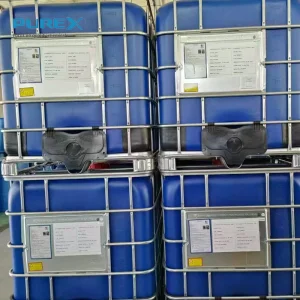
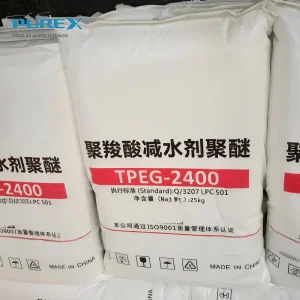
Because the anhydrous form is highly hygroscopic, it requires specialized, moisture-barrier packaging to prevent it from reverting to the dihydrate form during storage.
A comparison of physical properties, reactivity profiles, and application suitability.
| Property | Anhydrous Oxalic Acid ($C_2H_2O_4$) | Dihydrate Oxalic Acid ($C_2H_2O_4 \cdot 2H_2O$) |
|---|---|---|
| Molecular Weight | 90.03 g/mol | 126.07 g/mol |
| Assay (Purity) | ≥ 99.0% or ≥ 99.5% Min | ≥ 99.6% Min (hydrated basis) |
| Moisture Content | ≤ 0.5% Max | ~ 28.5% (Crystal Water) |
| Melting Point | 189.5 °C (Decomposes) | 101.5 °C |
| Water-Sensitive Use | Excellent (Suitable for anhydrous reactions) | Unsuitable (Water interferes with reactions) |
| Hygroscopicity | High (Requires moisture-resistant barrier bags) | Stable under standard ambient conditions |
How high-purity anhydrous oxalic acid supports performance in global chemical, metallurgical, and electronic supply chains.
Used as an agent for precipitating high-purity rare earth oxides. The anhydrous form prevents water-induced oxidation during critical smelting processes.
Serves as a key intermediate in syntheses that require water-free environments to prevent side-reactions or byproduct formation.
Used in high-purity cleaning mixtures to remove copper oxides and other trace metal contaminants from silicon wafers without degrading fine circuits.
Acting as a mordant in dyeing, an industrial rust remover, and a neutralizing agent in tanneries. The lack of water dilution improves efficiency and control.
A preferred raw material for esterification and condensation reactions, including the production of diethyl oxalate and dimethyl oxalate, where minimizing water formation helps drive chemical equilibrium.

Established in 2006, Shandong Pulisi Chemical Co., Ltd. (Stock Code: 307785) has grown into a leading supplier of petrochemicals, mining chemicals, feed additives, and pharmaceutical chemical products. With over two decades of export experience, we focus on delivering reliable products that meet global market requirements.
We work with global companies, including Fortune Global 500 corporations like China National Petroleum Corporation (CNPC) and Saint-Gobain. Through efficient logistics and reliable quality control systems, we help our partners optimize their chemical supply chains and manage sourcing challenges.
Note: Shandong Pulisi Chemical does not operate branches outside of Shandong Province. Any entity claiming representation outside this territory is unauthorized, and our company reserves the right to pursue legal protections against brand misrepresentation.
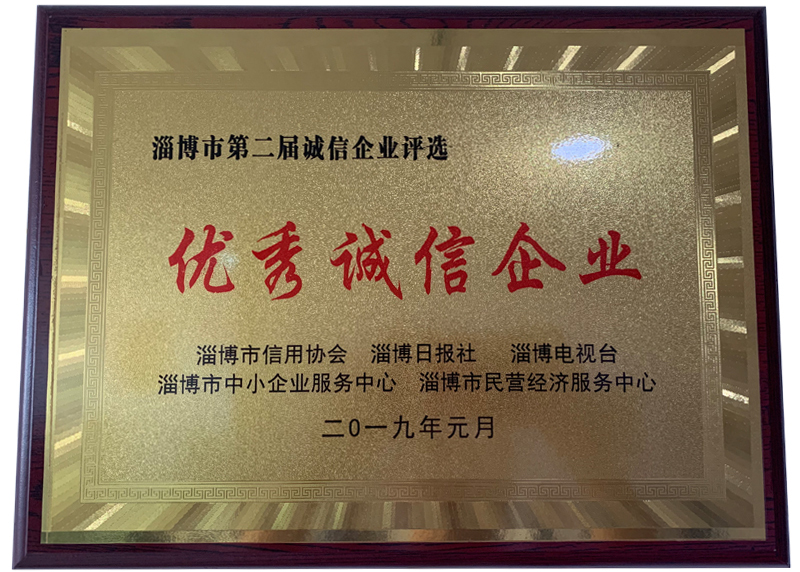
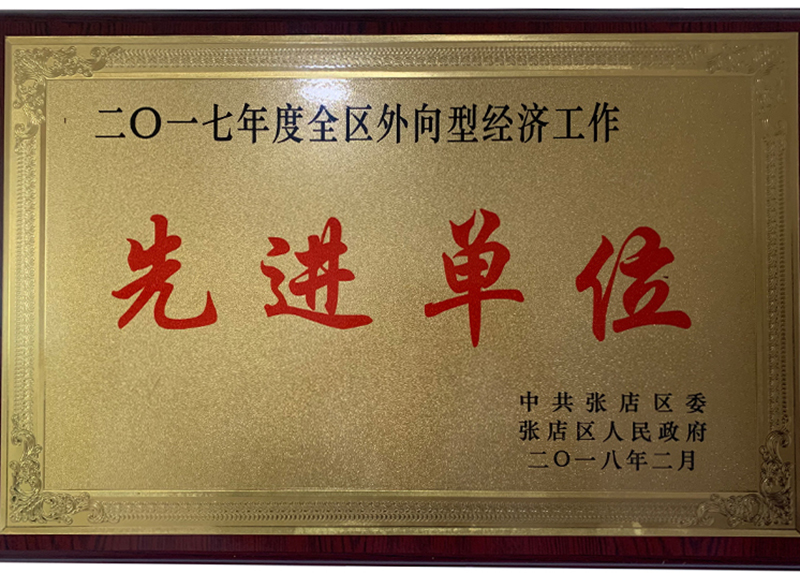
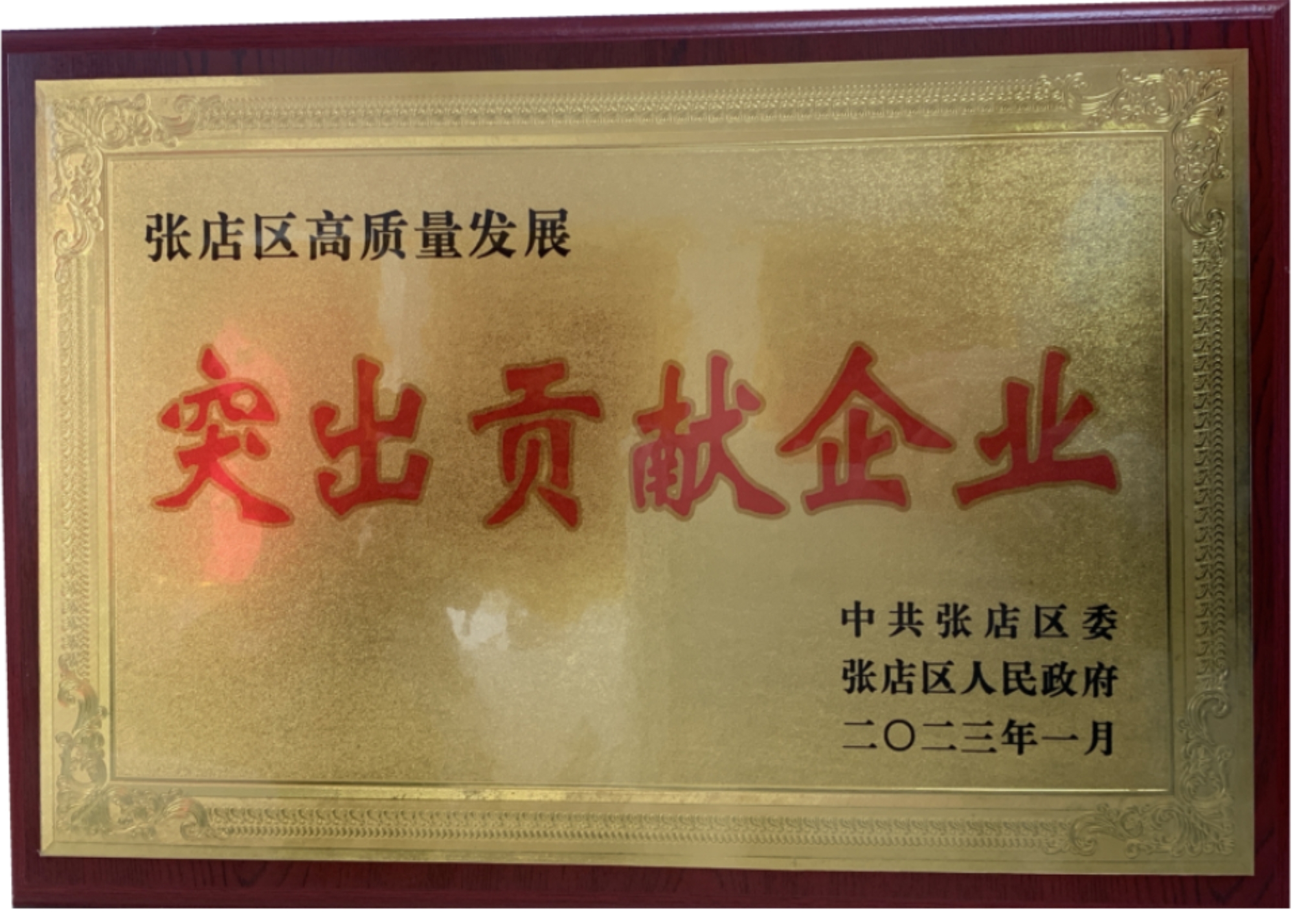
Our logistics and certification infrastructure helps ensure delivery times and product quality across different regulatory regions.
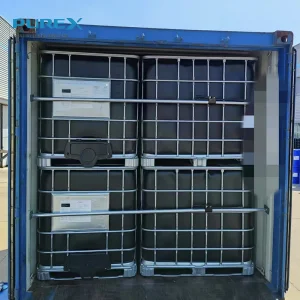
We maintain regional warehousing hubs at Qingdao Port, Tianjin Port, and Xinjiang border ports (Alashankou, Khorgos) to ensure stable logistics options and dispatch times.
Our operations comply with global regulatory frameworks, including ISO9001:2015, FAMI-QS for agricultural applications, and K-REACH filings for South Korean buyers.
All batches undergo third-party verification, including SGS and German BV audits, ensuring that purity, heavy metals, and moisture criteria are within specified parameters.
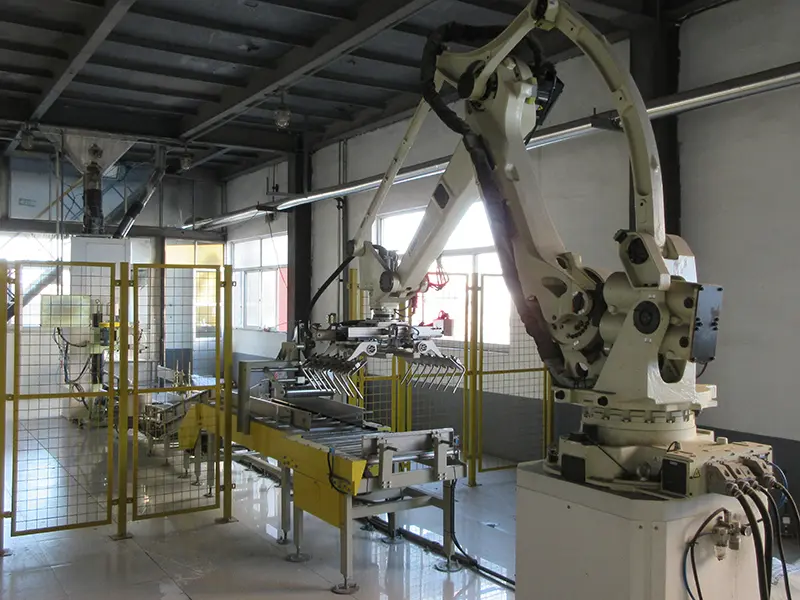
Our certified production systems align with international quality, safety, and operational standards.
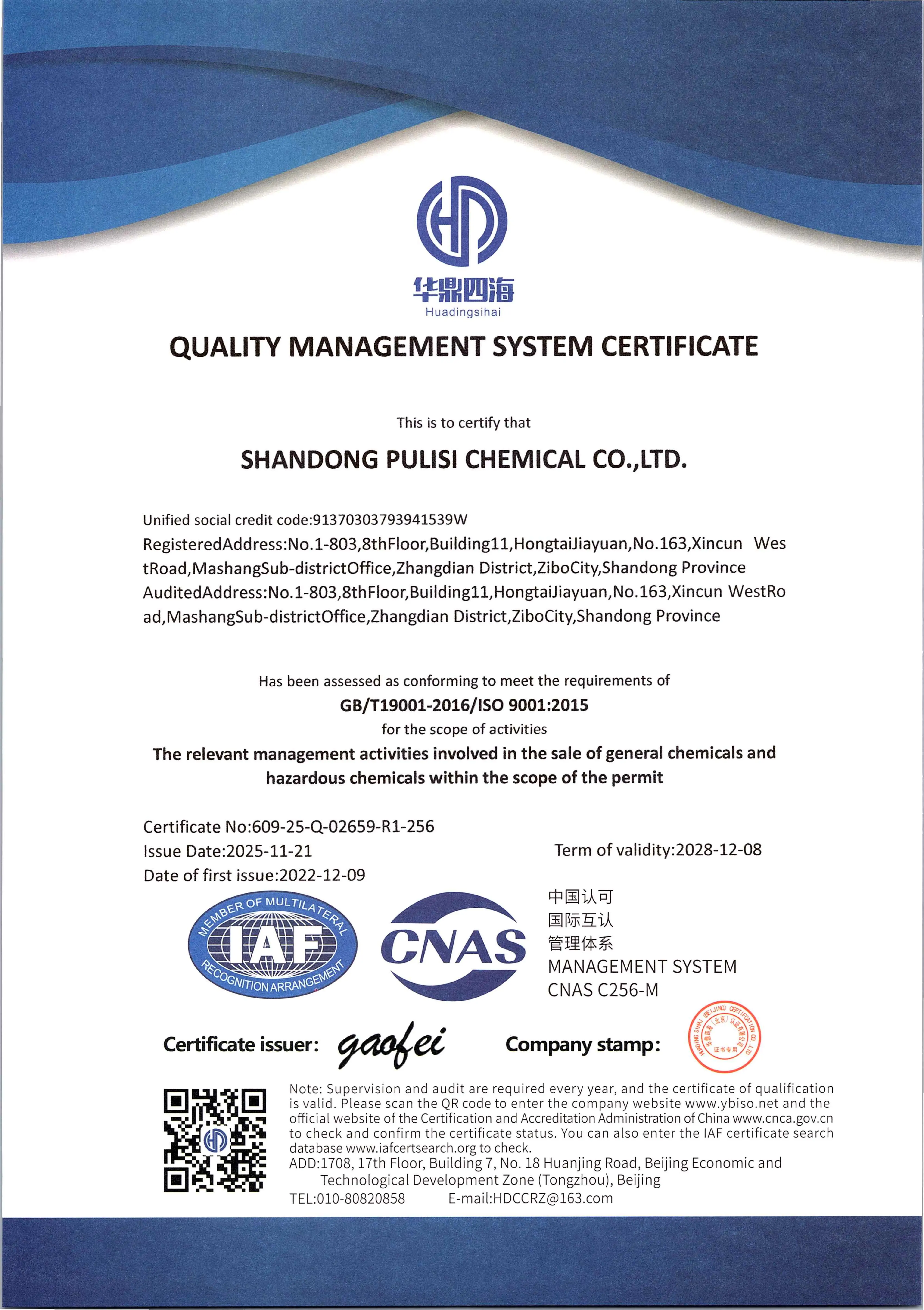
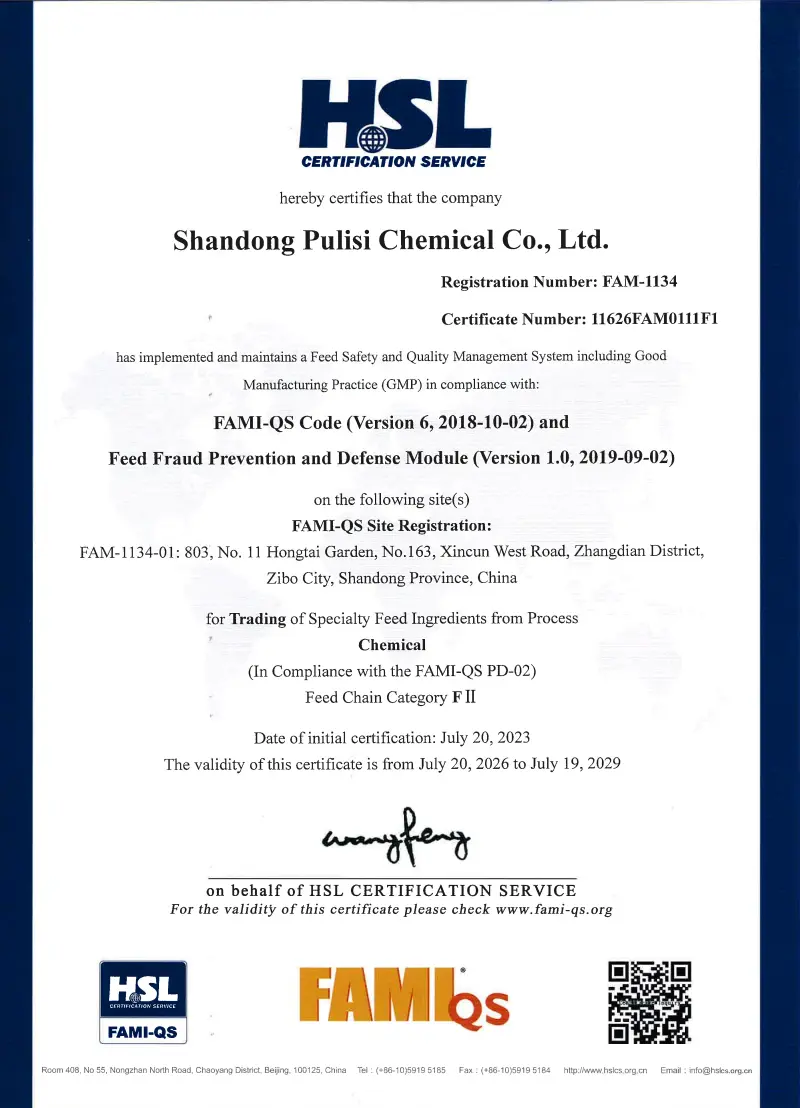
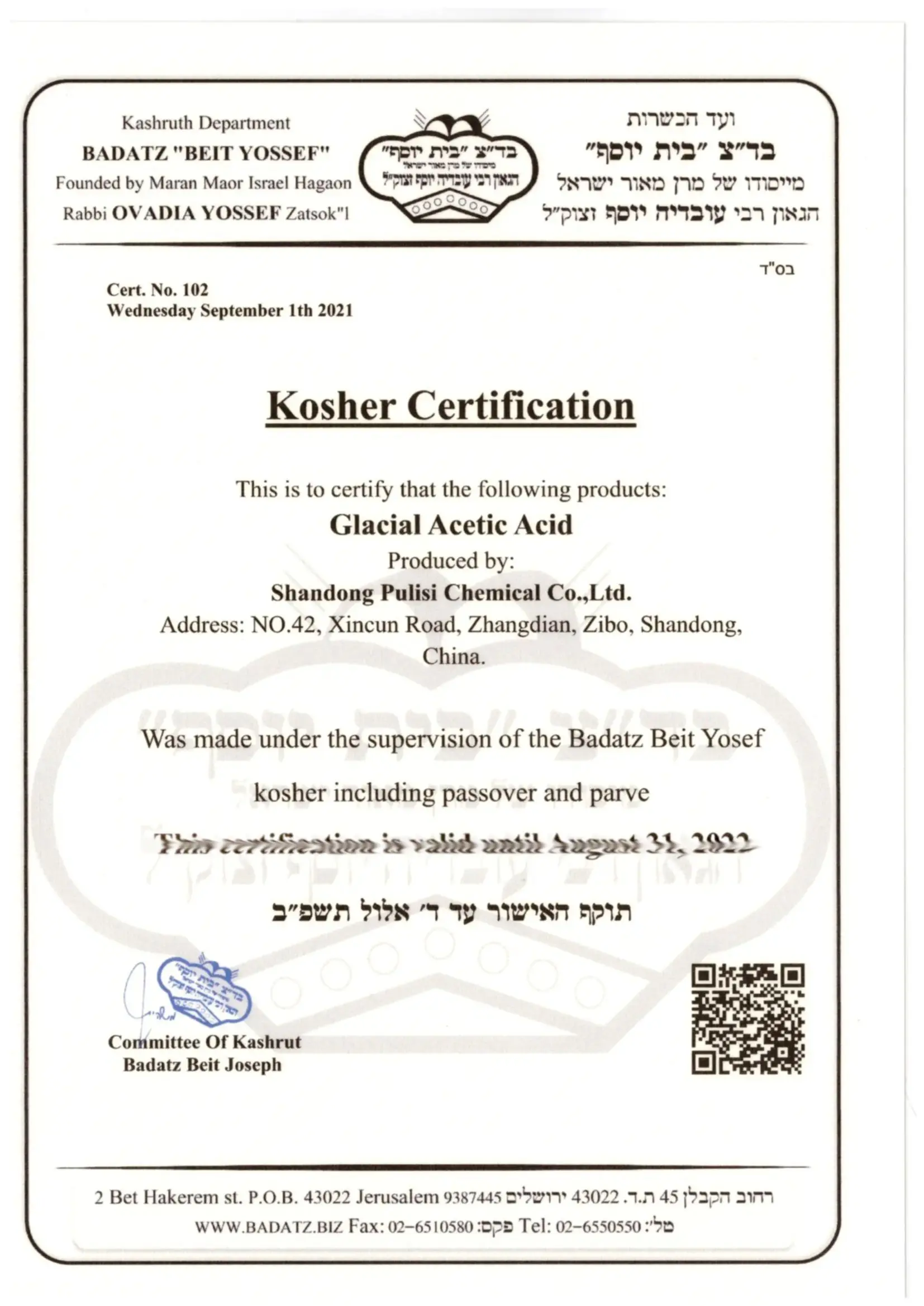
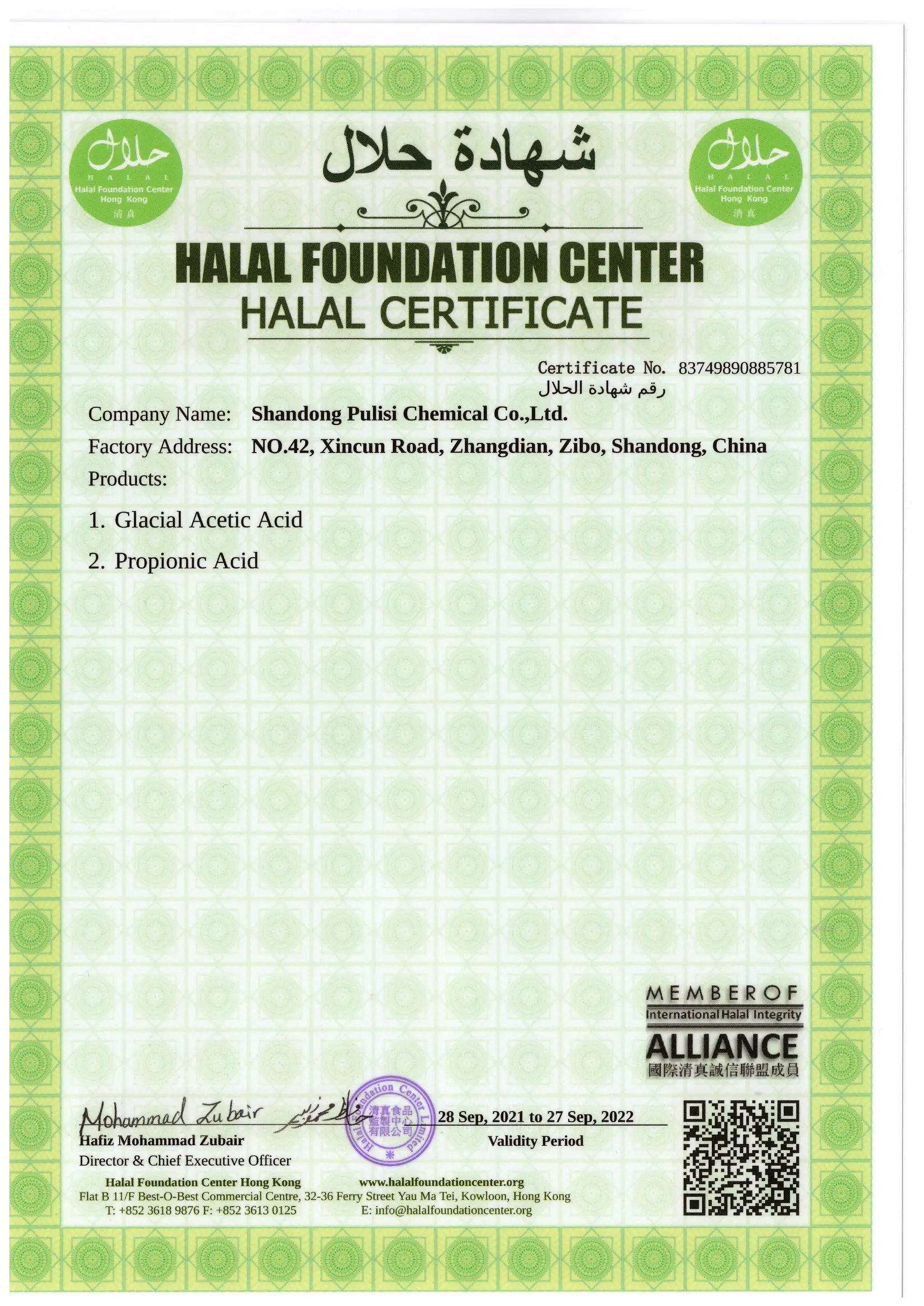
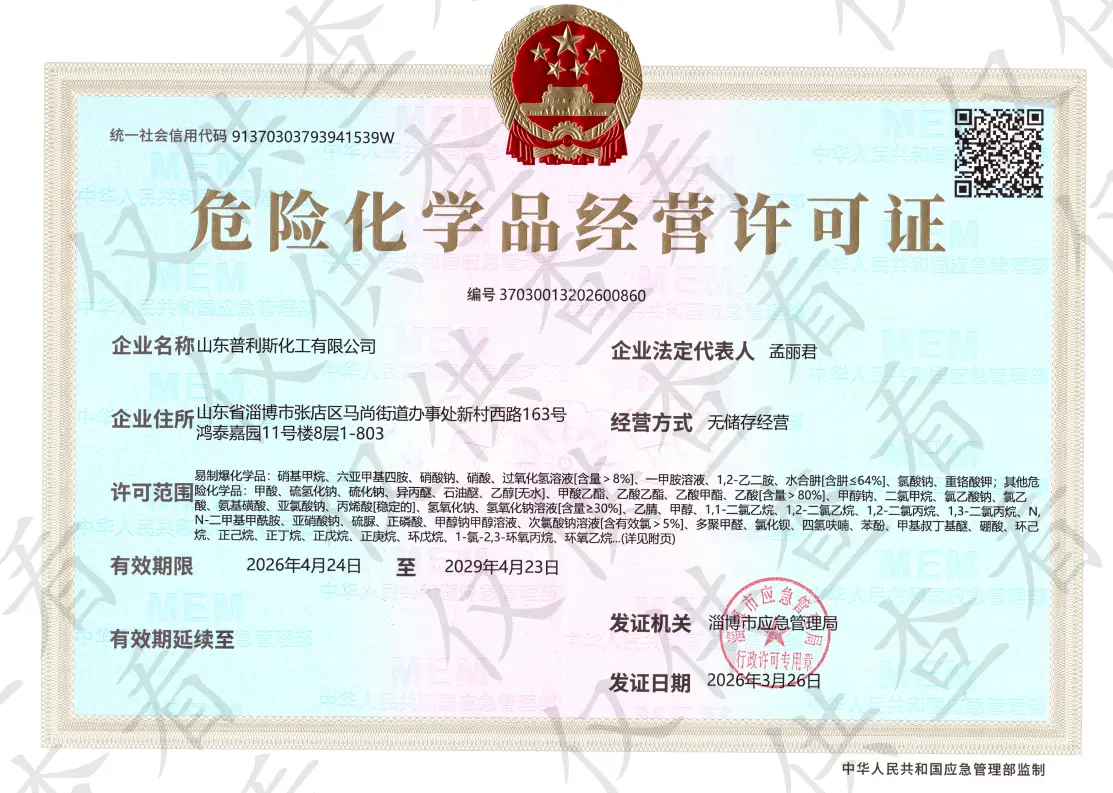
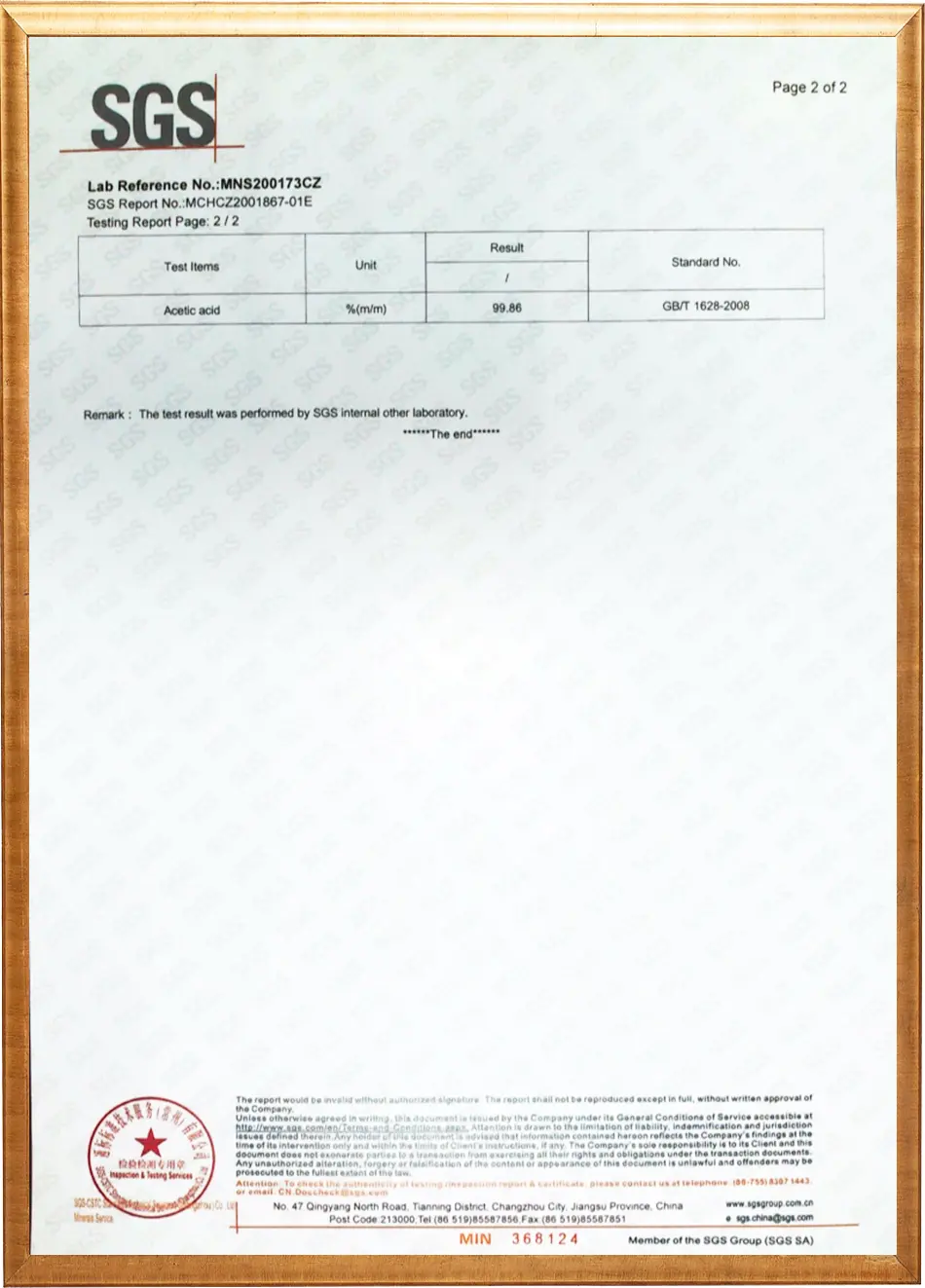
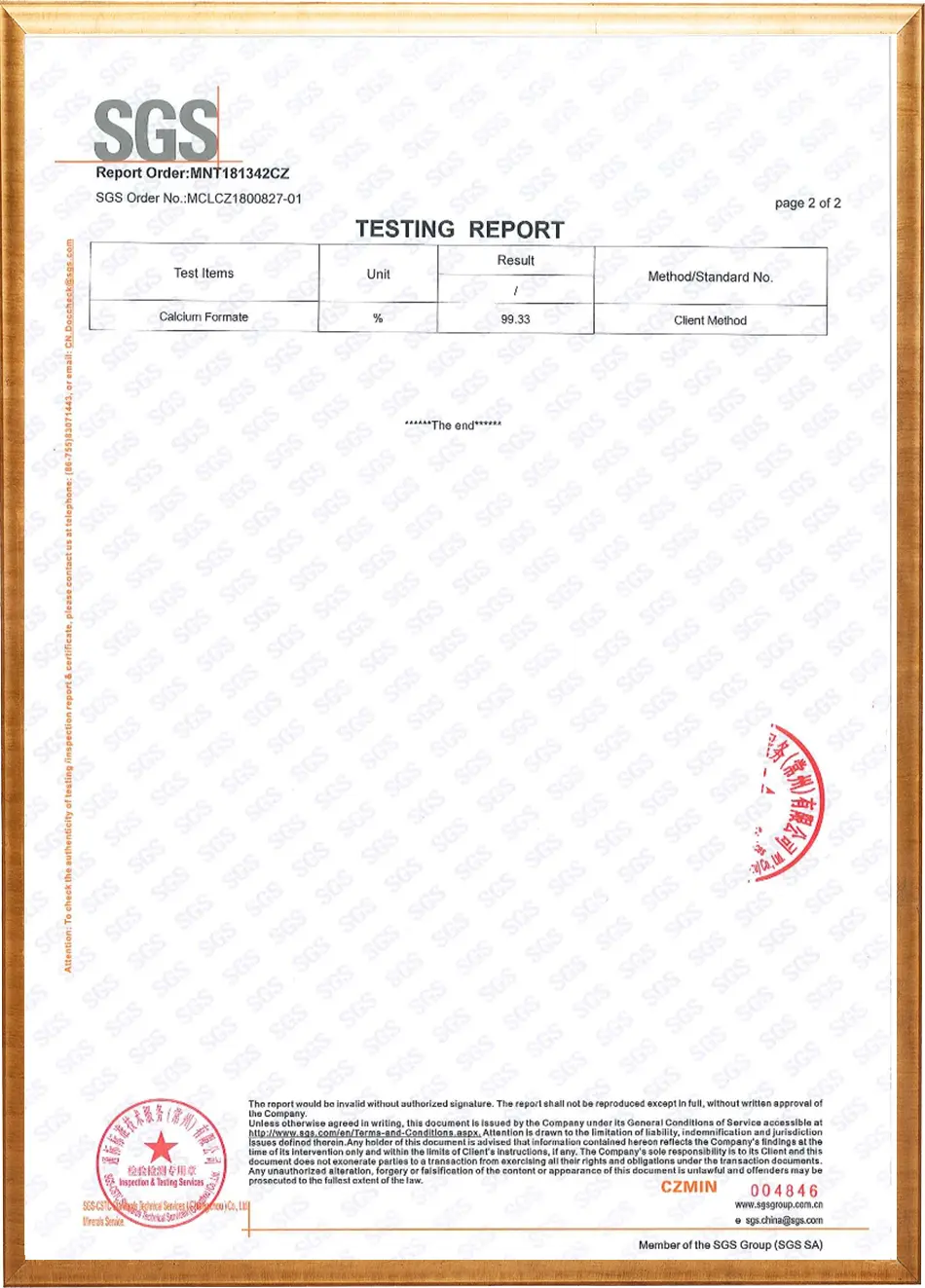
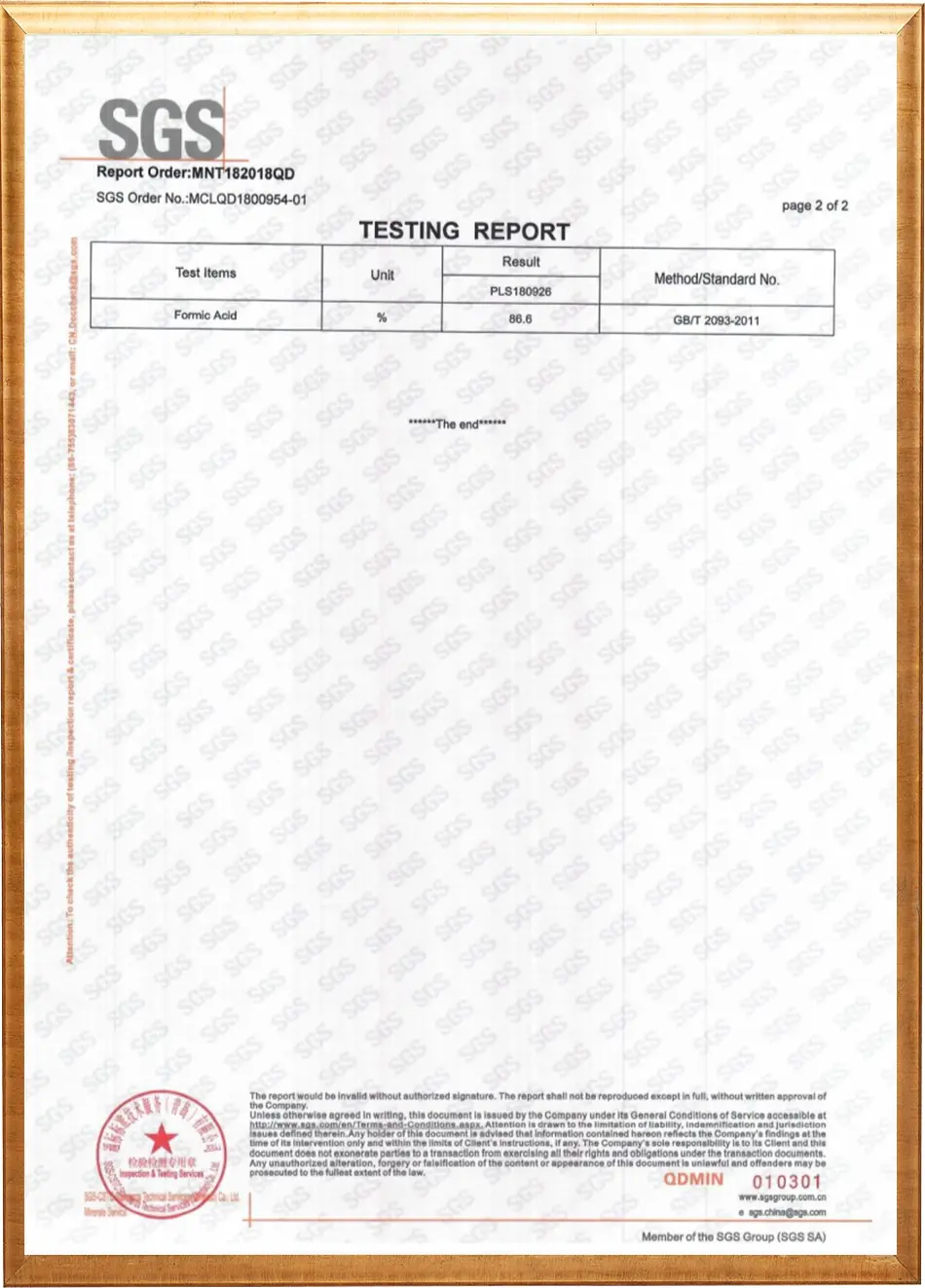
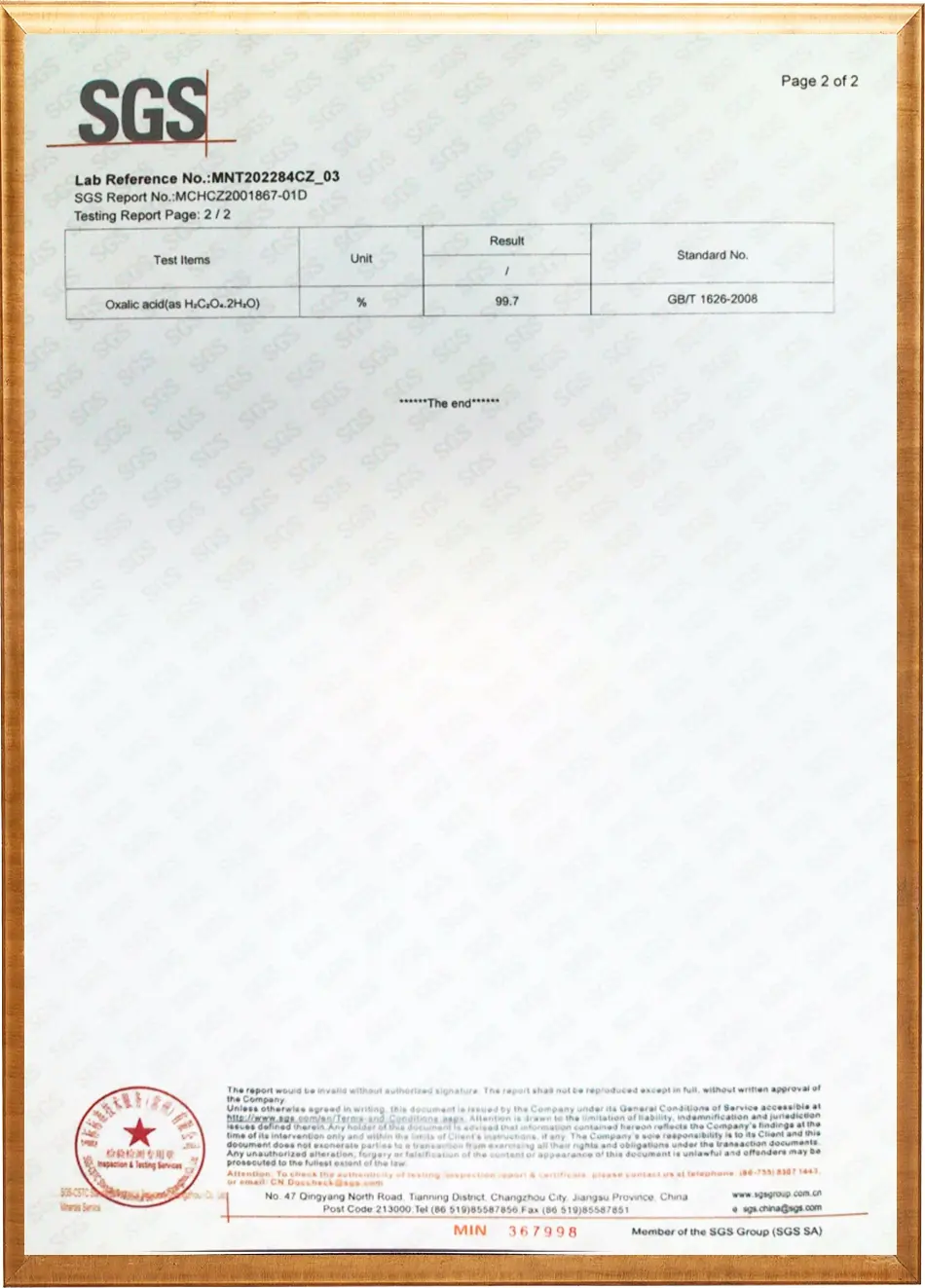
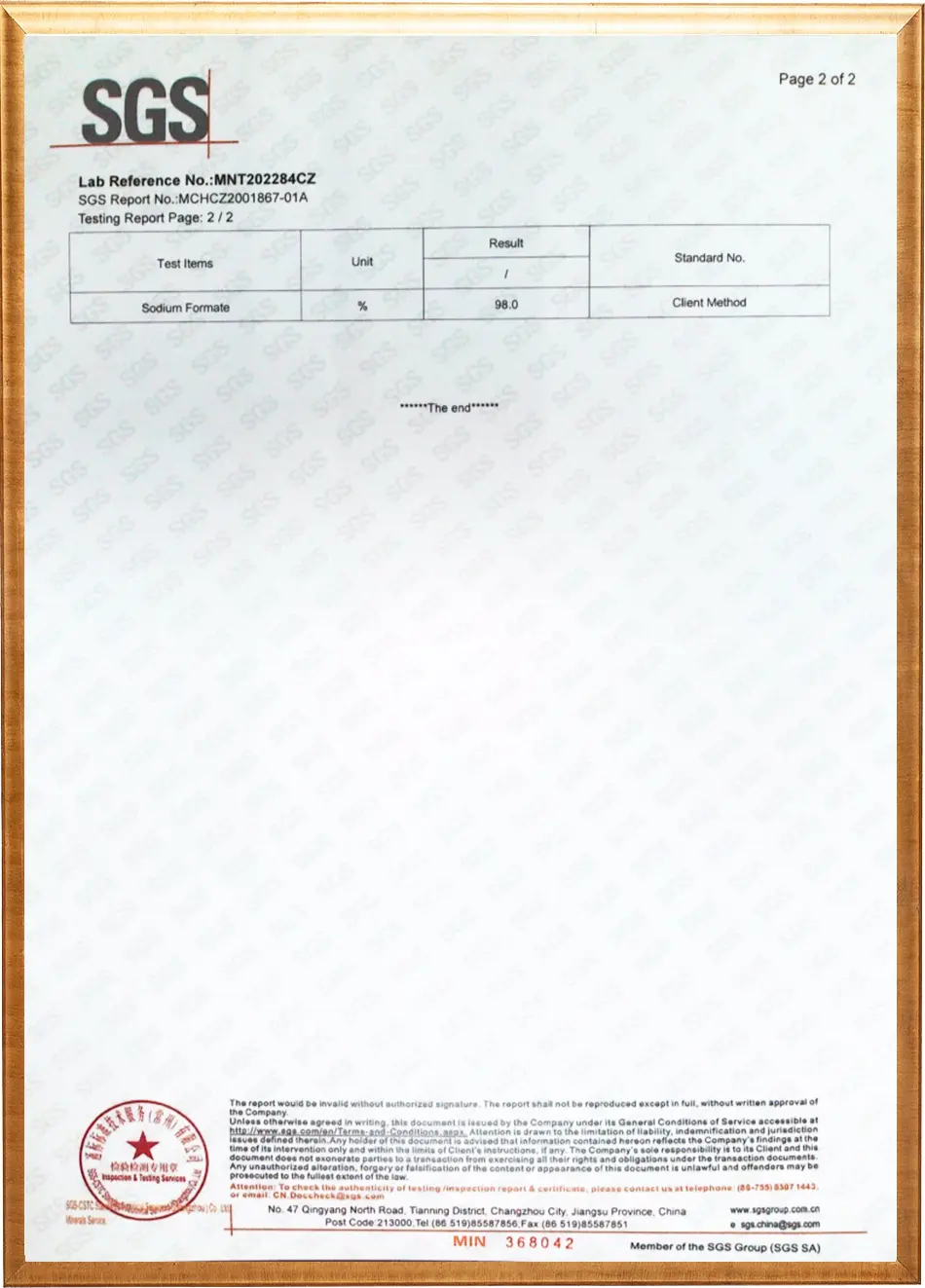
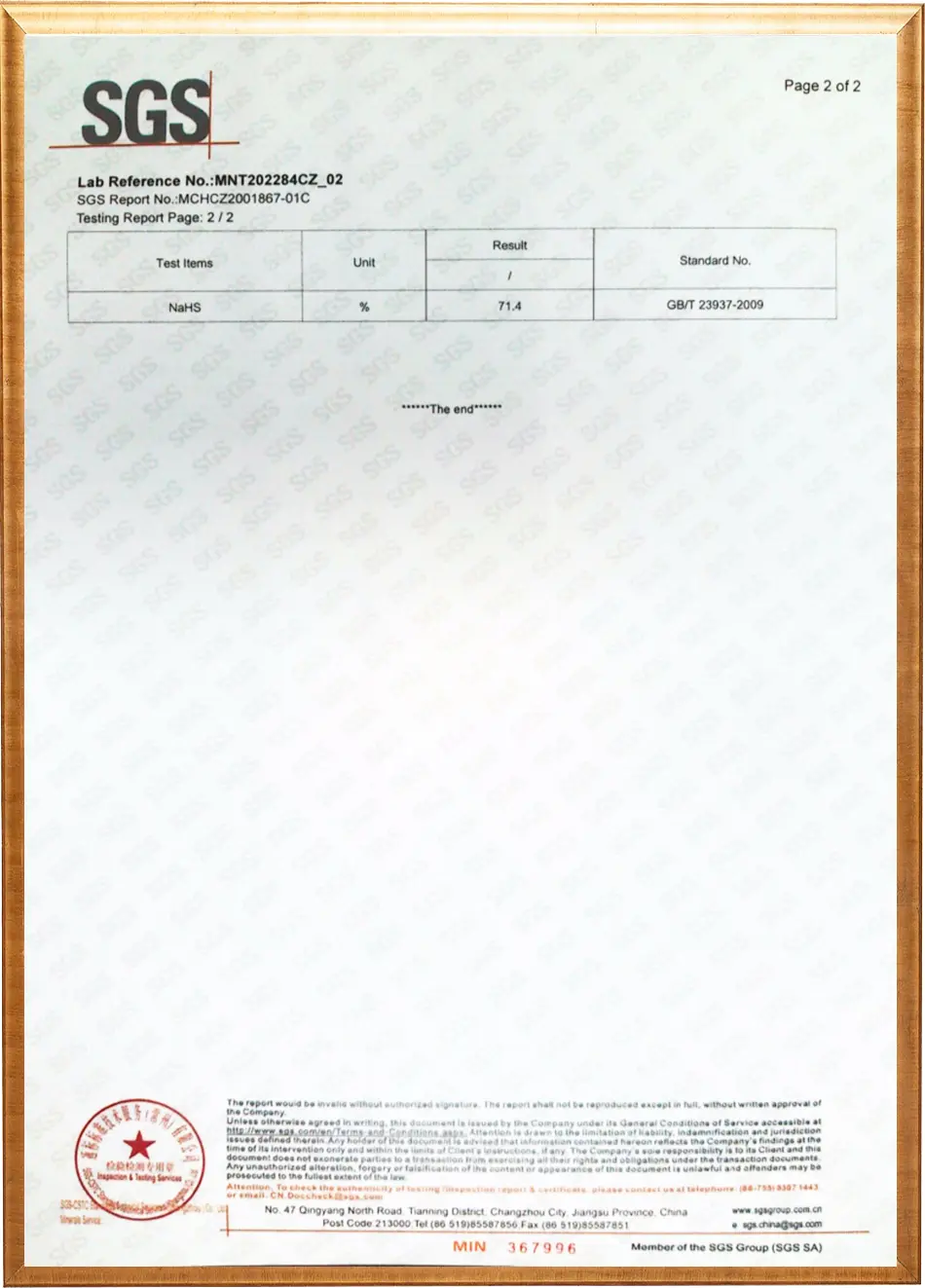
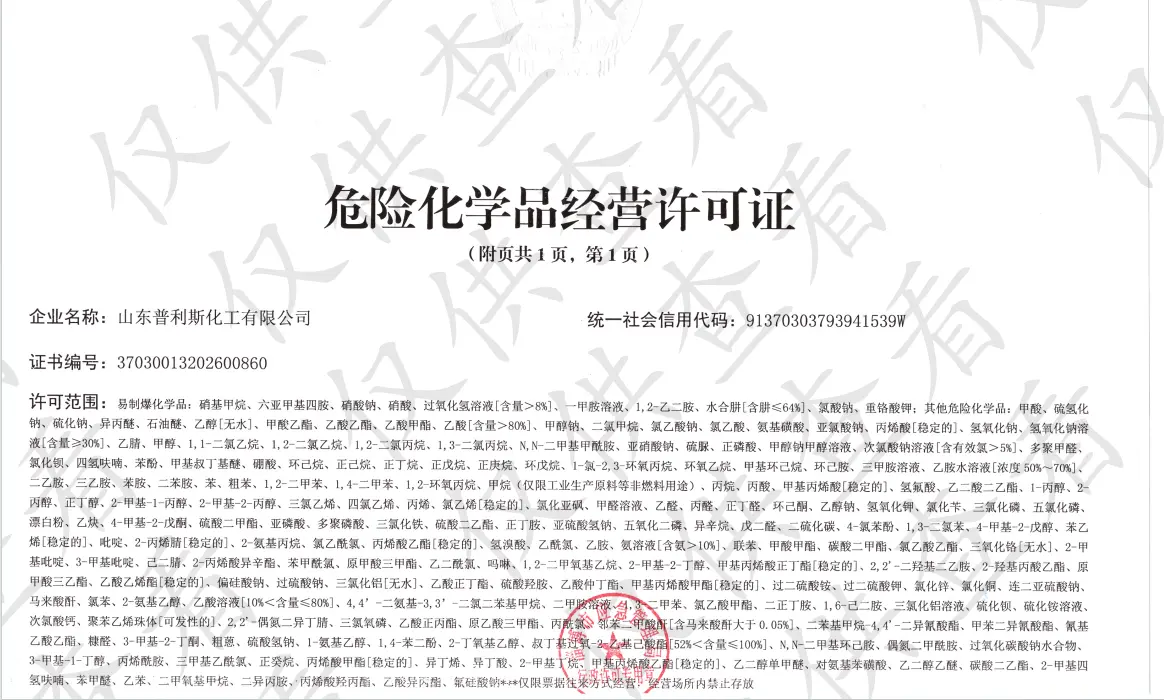
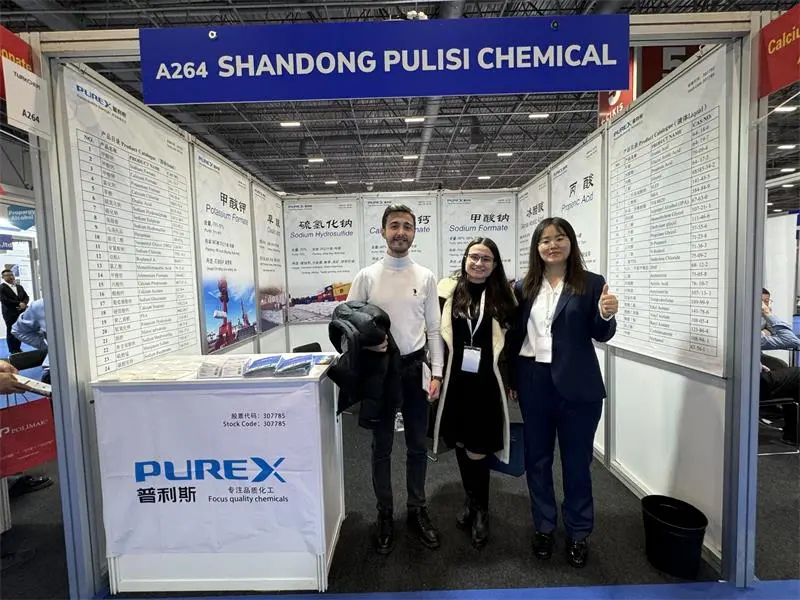
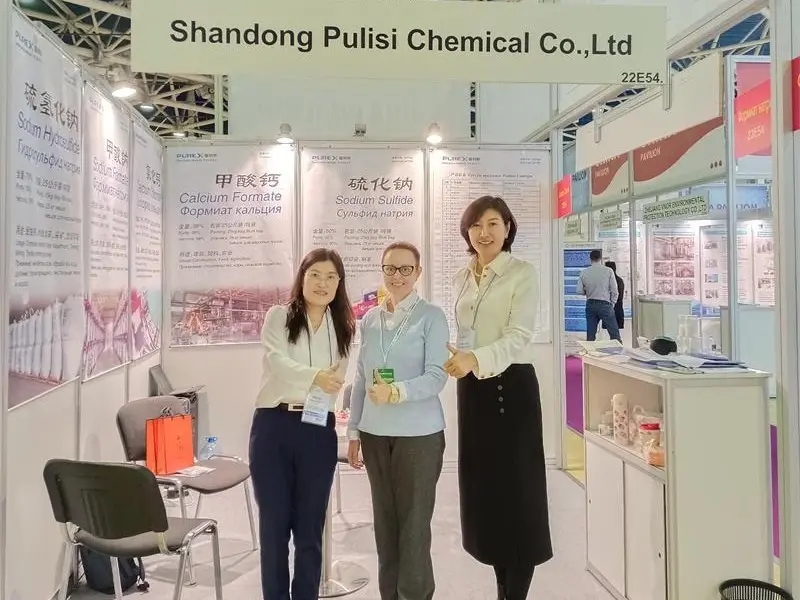
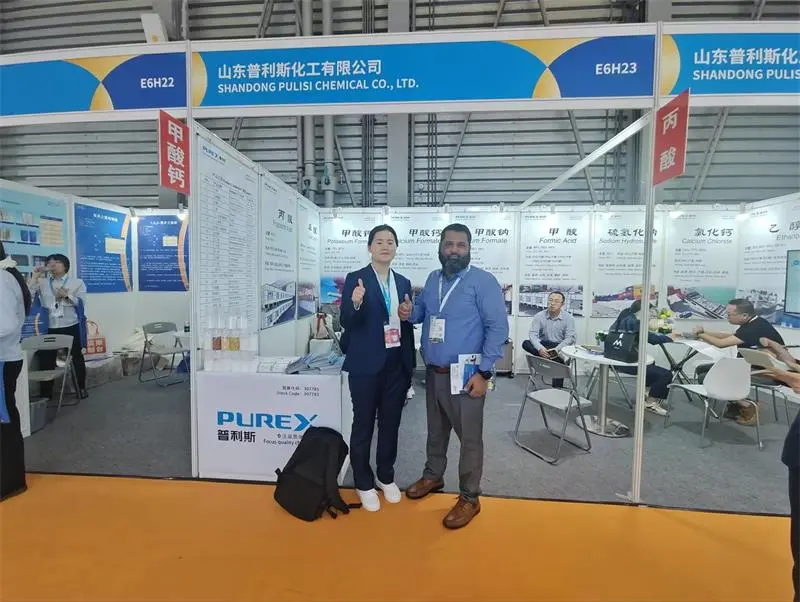
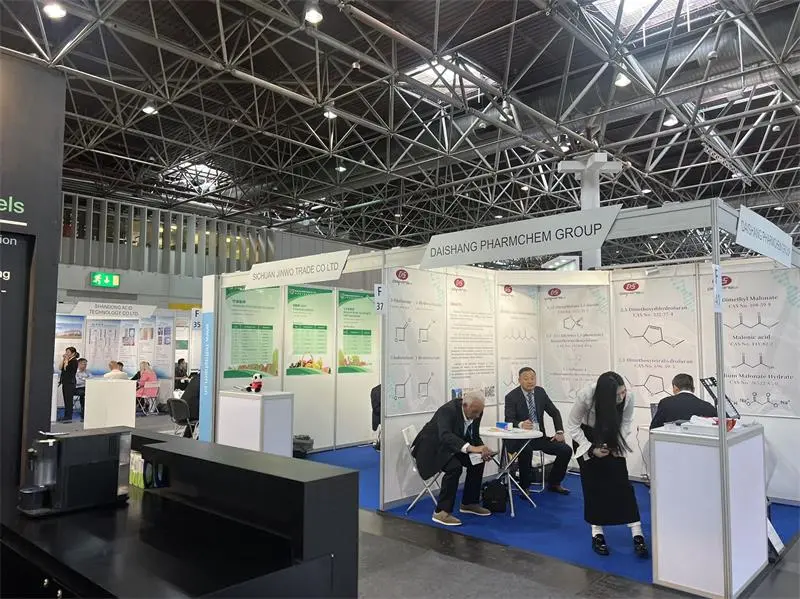
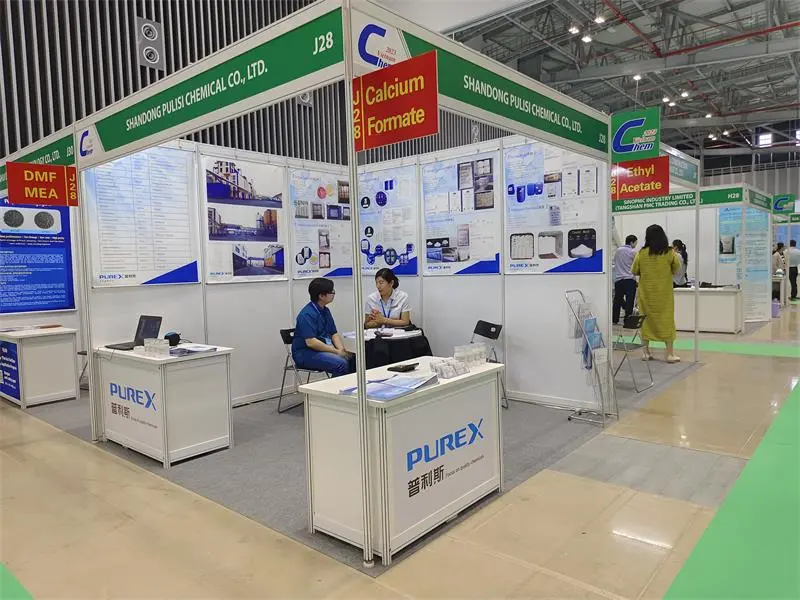
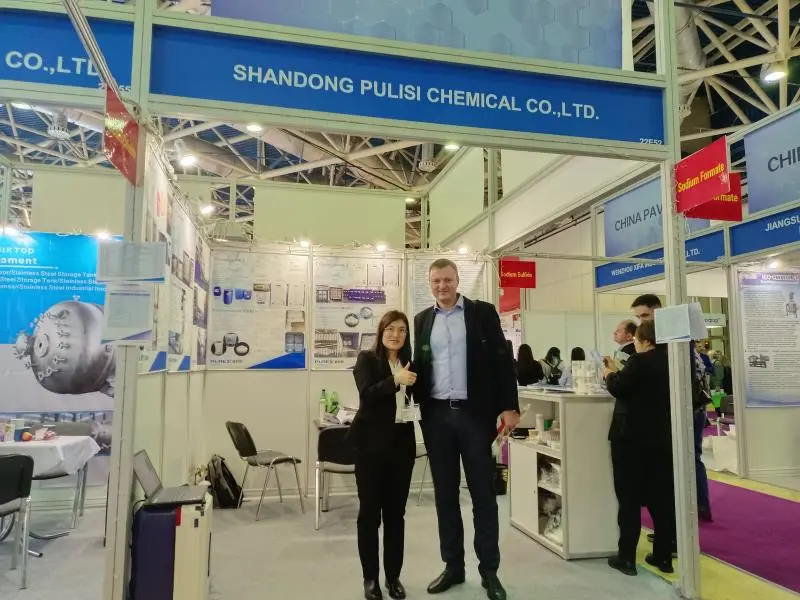
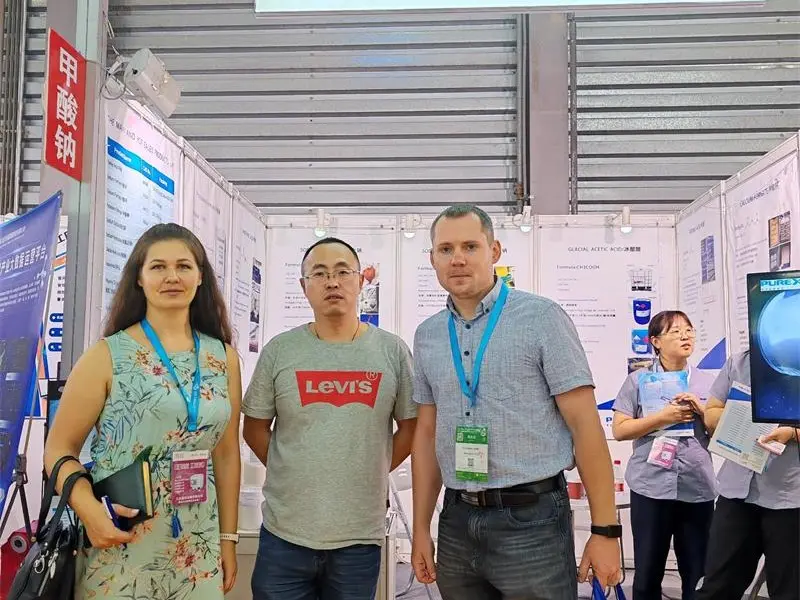
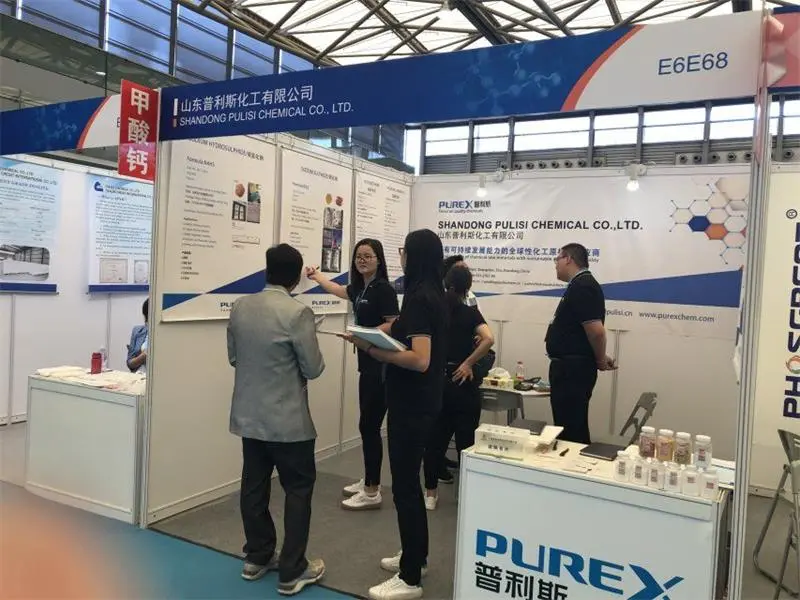
We participate in major global trade shows to engage with industrial partners and keep pace with evolving procurement needs.








An overview of how industrial manufacturing processes achieve low moisture limits in anhydrous oxalic acid.
Sodium formate is heated rapidly to yield sodium oxalate, which is subsequently converted to oxalic acid using sulfuric acid. This provides a stable yield profile with minimal organic impurities.
Starch or glucose is oxidized with nitric acid in the presence of catalyst compounds. This method is highly efficient for generating bulk dihydrate precursor crystallites.
Dihydrate precursor crystals are dried under vacuum at controlled temperatures (typically 100°C to 110°C). This removes the water of crystallization without decomposing the oxalic acid molecules.
Technical and commercial answers for chemical procurement teams.
 Pulisi