Premium petrochemical materials, formates, and industrial precursors managed with direct factory oversight.
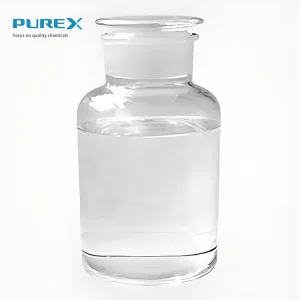
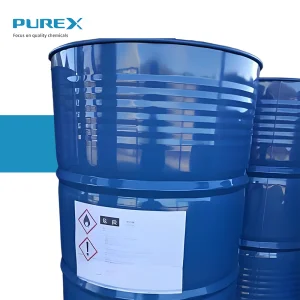
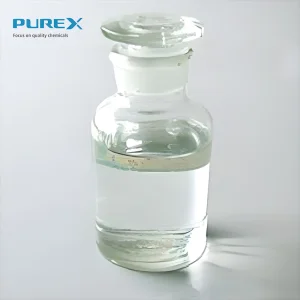
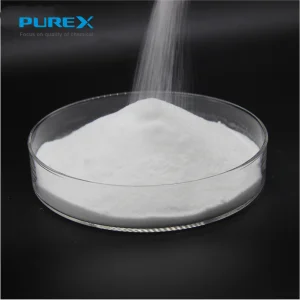
Toluene Diisocyanate (TDI), specifically the 80/20 isomer mixture of 2,4-TDI and 2,6-TDI, serves as a corner-stone in the formulation of high-performance polyurethane (PU) adhesives. By reacting TDI with multifunctional polyols, chemical engineers synthesize polyurethane prepolymers with customized Isocyanate (NCO) content. These prepolymers offer rapid curing times, excellent tensile strength, and durable bonding structures across a wide range of sub-strates including wood, metal, plastic, and textiles.
Understanding the reactivity of the NCO groups is essential for modifying adhesion dynamics. The NCO group at the 4-position in 2,4-TDI is approximately four times more reactive than the NCO group at the 2-position under ambient temperature conditions. This differential reactivity allows for the synthesis of well-defined linear prepolymers with minimal cross-linking, providing exceptional flexibility and shear performance in final adhesive coatings.
| Property Parameter | Standard Value Range | Industrial Relevance |
|---|---|---|
| NCO Content (%) | 2.5 - 12.0 % | Controls curing speed and final matrix stiffness |
| Viscosity at 25°C | 1,500 - 8,000 mPa·s | Determines application method (spray, roll, extrusion) |
| Free TDI Monomer | < 0.5 % (Low Monomer variants) | Crucial for meeting strict EU REACH safety guidelines |
| Tensile Strength | 15 - 35 MPa | Critical for structural bonding requirements |
| Elongation at Break | 150 - 450 % | Maintains adhesive performance under thermal expansion |
Shaping the next generation of polyurethane bonding agents with smart crosslinking and eco-friendly raw materials.
Advancements in vacuum thin-film distillation allow the production of polyurethane prepolymers with residual free TDI monomers below 0.1%. This mitigates workplace hazard exposure and ensures compliance with global environmental mandates.
Developing hybrid TDI prepolymers by introducing natural oil-derived polyols (such as castor oil, soybean oil, and lignin derivatives) to reduce carbon footprints while maintaining the chemical resistance inherent in synthetic diisocyanates.
Incorporating dynamic covalent bonds (such as Diels-Alder chemistry or disulfide links) into the polyurethane backbone. This enables structural adhesives to heal micro-fractures under localized thermal trigger mechanisms.
From heavy structural engineering to high-speed automotive assembly, our chemical derivatives secure robust, flexible bonding.

Elastomeric binders and laminating adhesives formulated with premium prepolymers offer superior washability, dry-clean resistance, and soft-hand properties for technical wear.

TDI-based polyurethane sealants provide high weatherability, structural movement capability, and strong substrate adhesion for bridges, runways, and architectural joints.
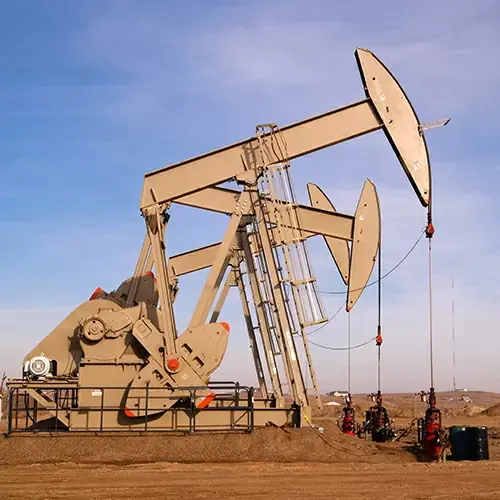
Robust polymeric additives and specialized solvent treatments protect deep-bore infrastructure, optimizing extraction under high pressure and temperature conditions.
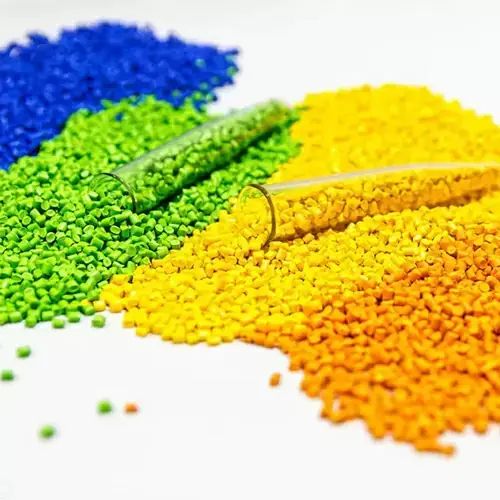
Precursor components that improve the mechanical properties, abrasion resistance, and crosslinking density of thermoplastic polyurethanes (TPU).
Established in 2006 | Stock Code: 307785
Shandong Pulisi Chemical Co., Ltd. was established in 2006 (Stock Code: 307785). The company focuses on petrochemicals, mining chemicals, feed chemicals, and pharmaceutical chemicals. At present, the company has established long-term and stable partnerships with Fortune Global 500 companies such as China National Petroleum Corporation and Saint-Gobain. We always take customer demand as the core orientation and provide tailored solutions to help customers strengthen their market competitiveness.
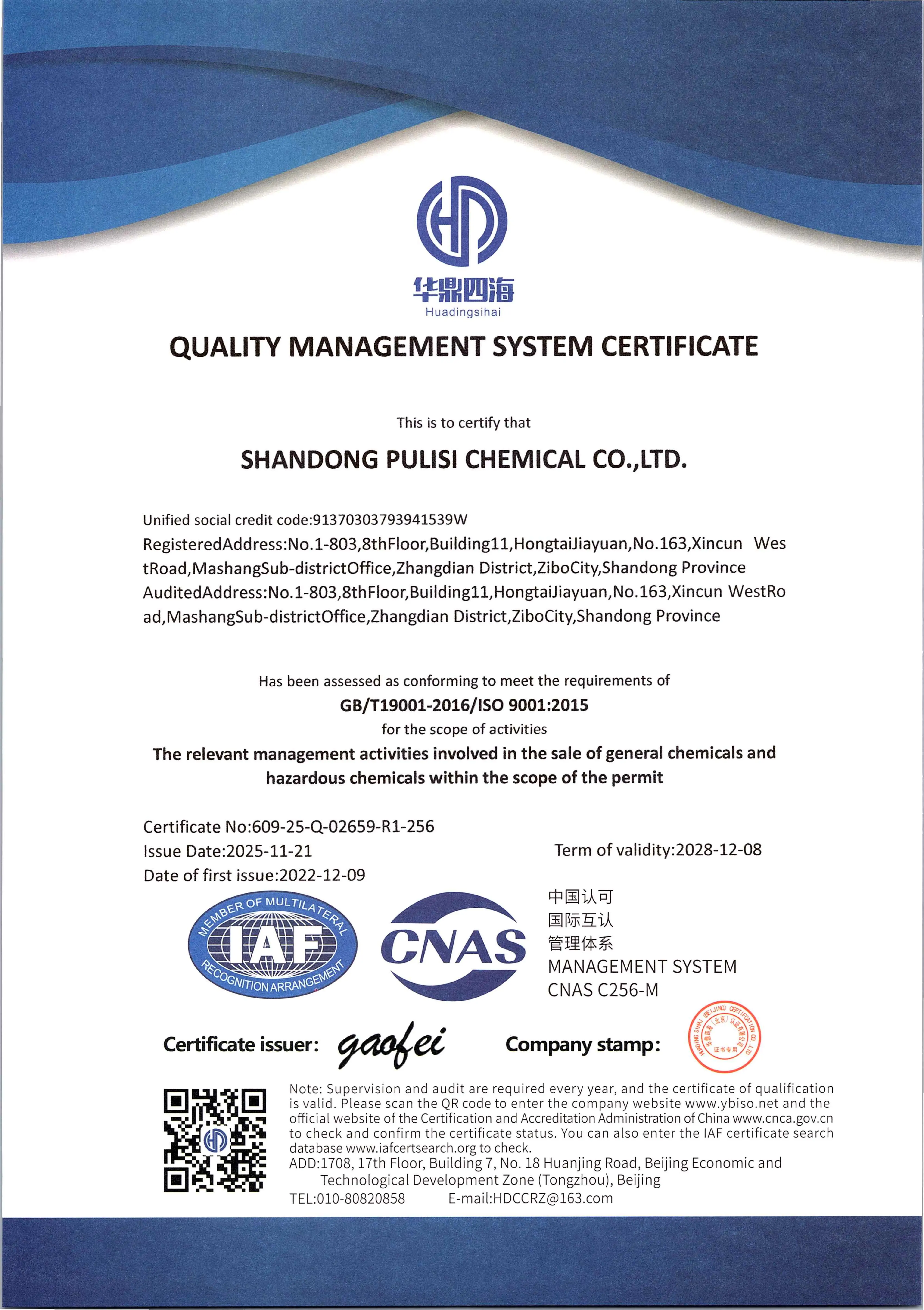
The company has passed ISO9001:2015 Quality Management System Certification and German BV Certification, and has been awarded multiple honors such as Foreign-Oriented Economic Enterprise, Alibaba Demonstration Base, and Contribution Enterprise. In 2023, the company successfully went public with stock code: 307785.
The company upholds the corporate culture philosophy of "Customer First, Rapid Response; Striving as the Foundation, Efficient Collaboration; Integrity and Uprightness, Agile Adaptation." We focus on providing compliant and high-quality products and supporting services, and are committed to becoming a long-term and stable partner for customers.
Meanwhile, the company has established mature warehousing and distribution systems at key logistics hubs, including Qingdao Port, Tianjin Port, and Xinjiang border ports (Alashankou, Khorgos). We are able to provide flexible supply solutions according to customer needs to ensure timely order delivery. No matter where customers are located, Shandong Pulisi Chemical will safeguard their business development with professional service systems and efficient response capabilities.
We always adhere to the mission of "creating value for customers and making their products better," based on reputation and guaranteed by service. We look forward to strengthening cooperation with partners to create a future together!
Strict Statement: Shandong Pulisi has not established branches outside of Shandong Province. If there is any act of impersonating Shandong Pulisi, our company will reserve the right to pursue legal responsibilities.

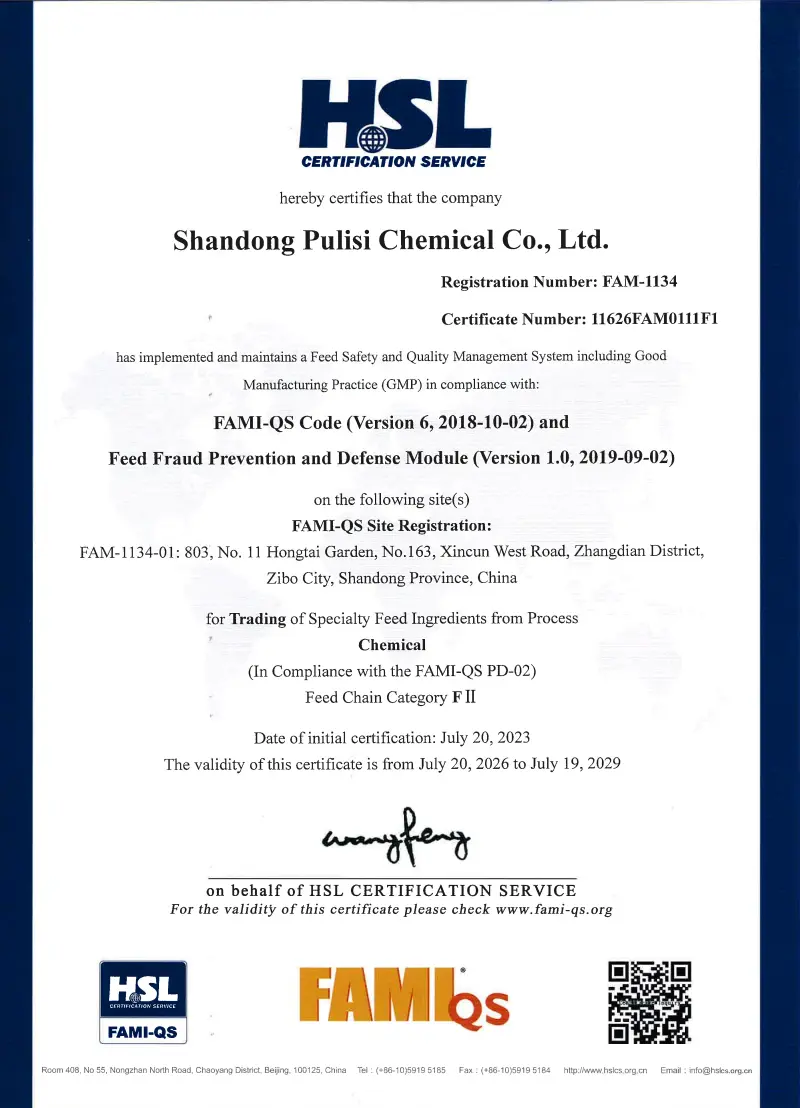
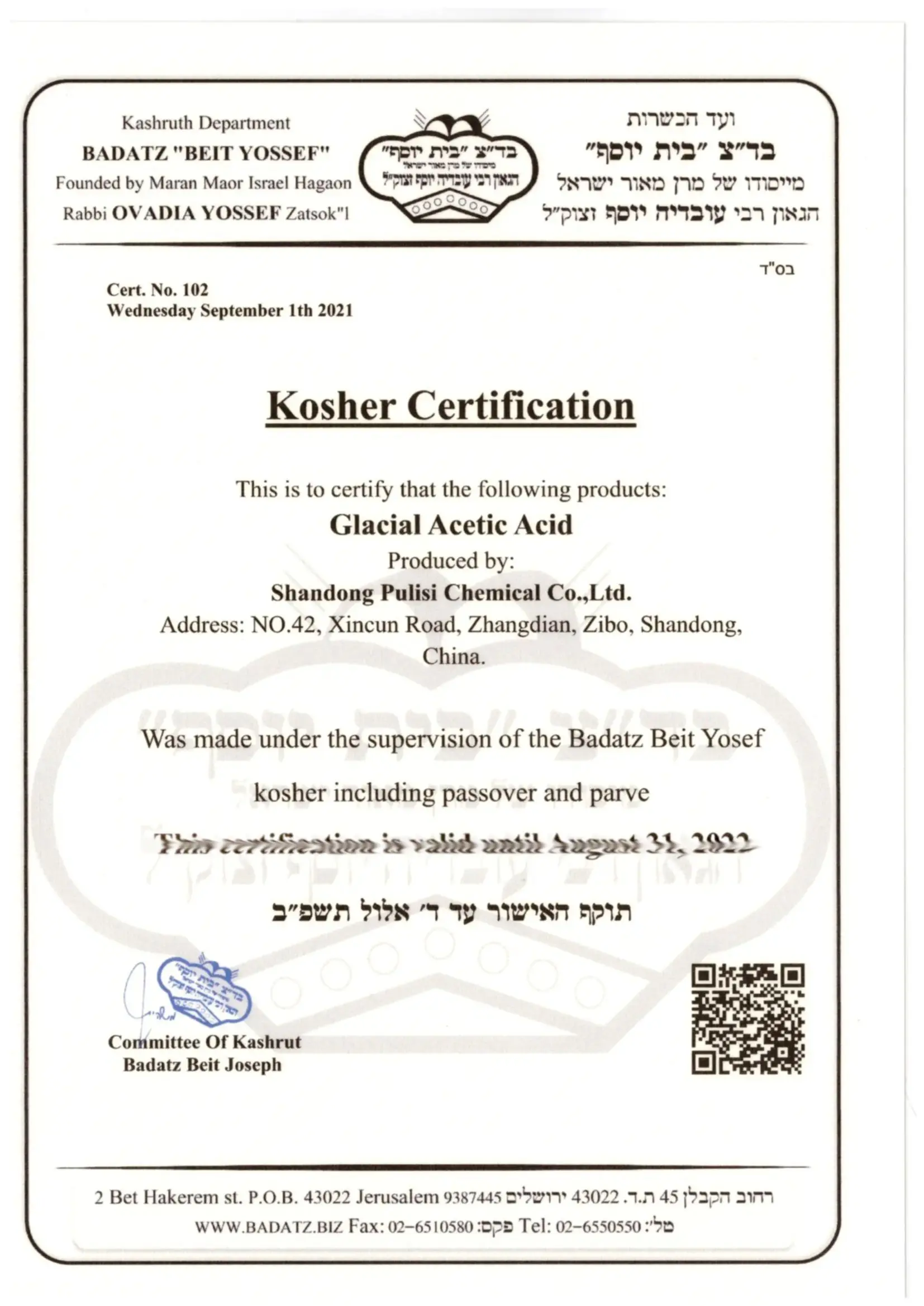
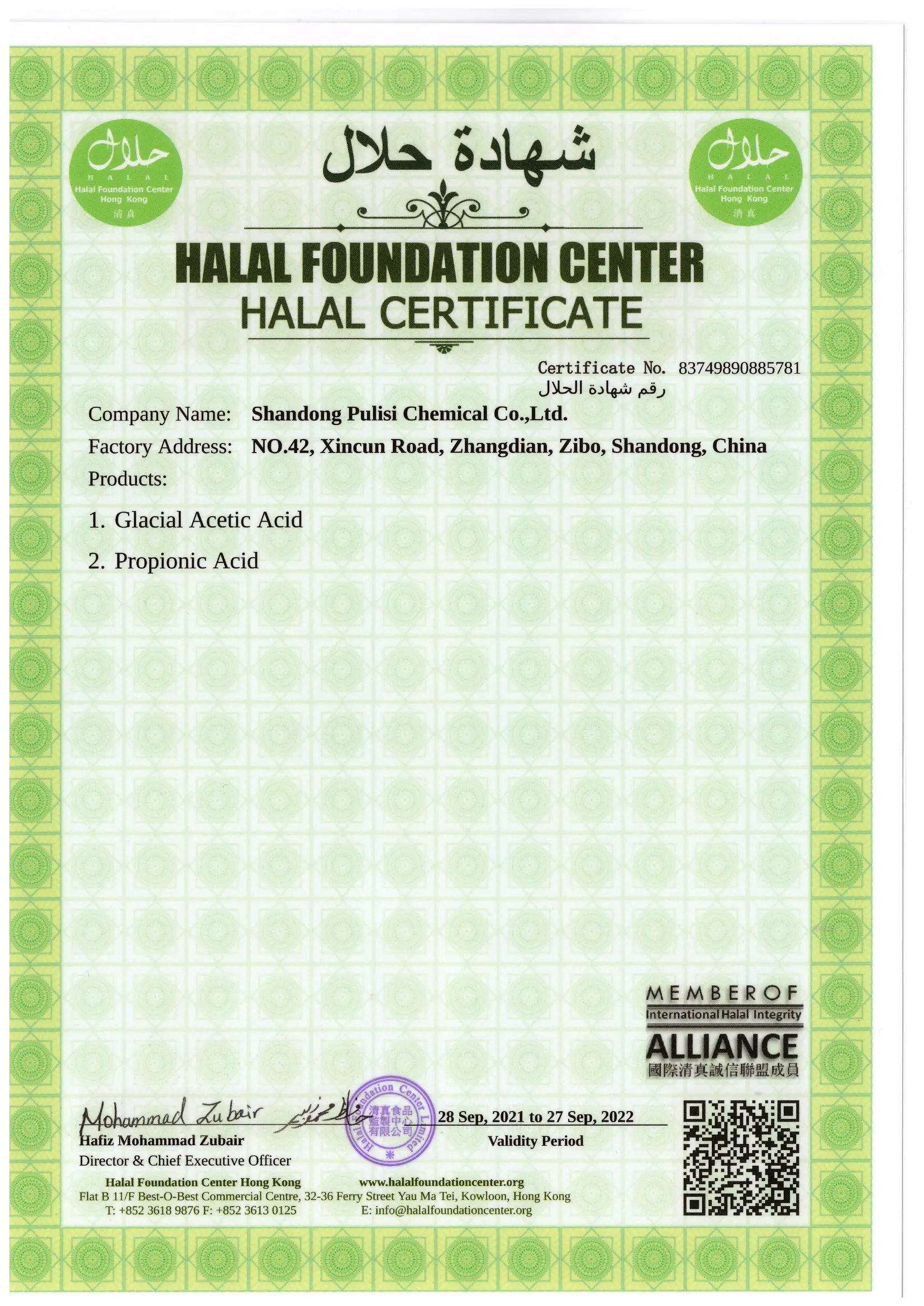
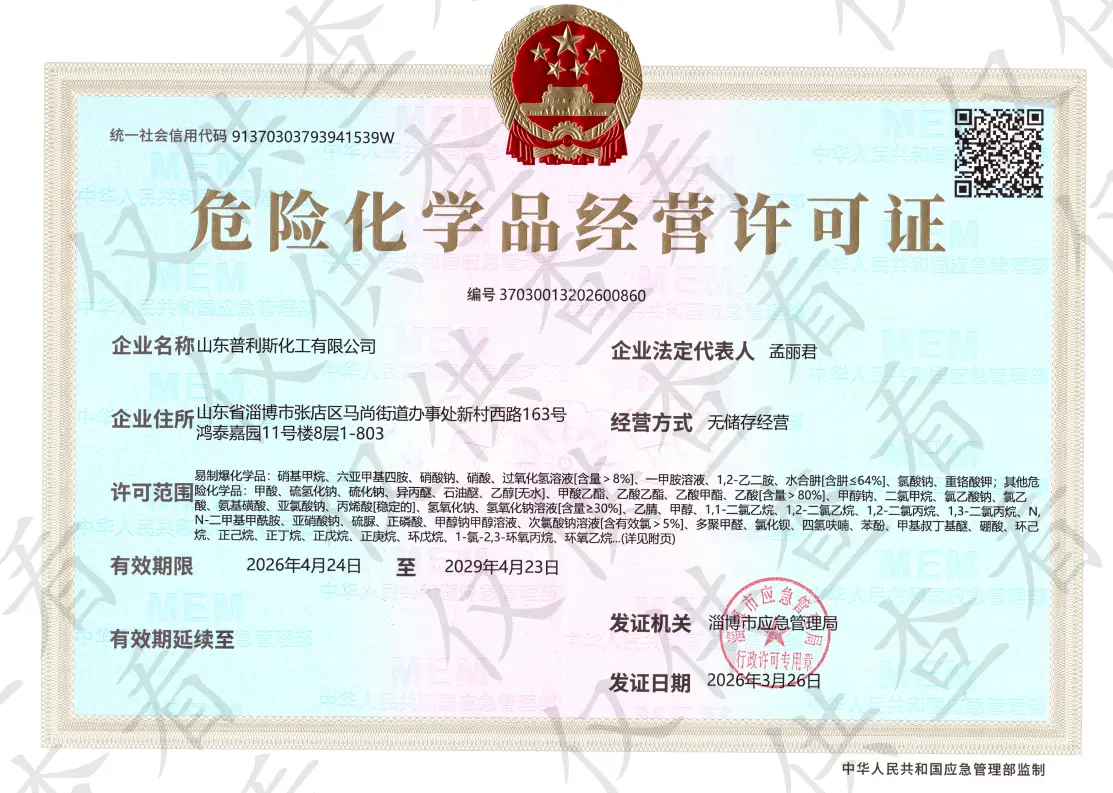
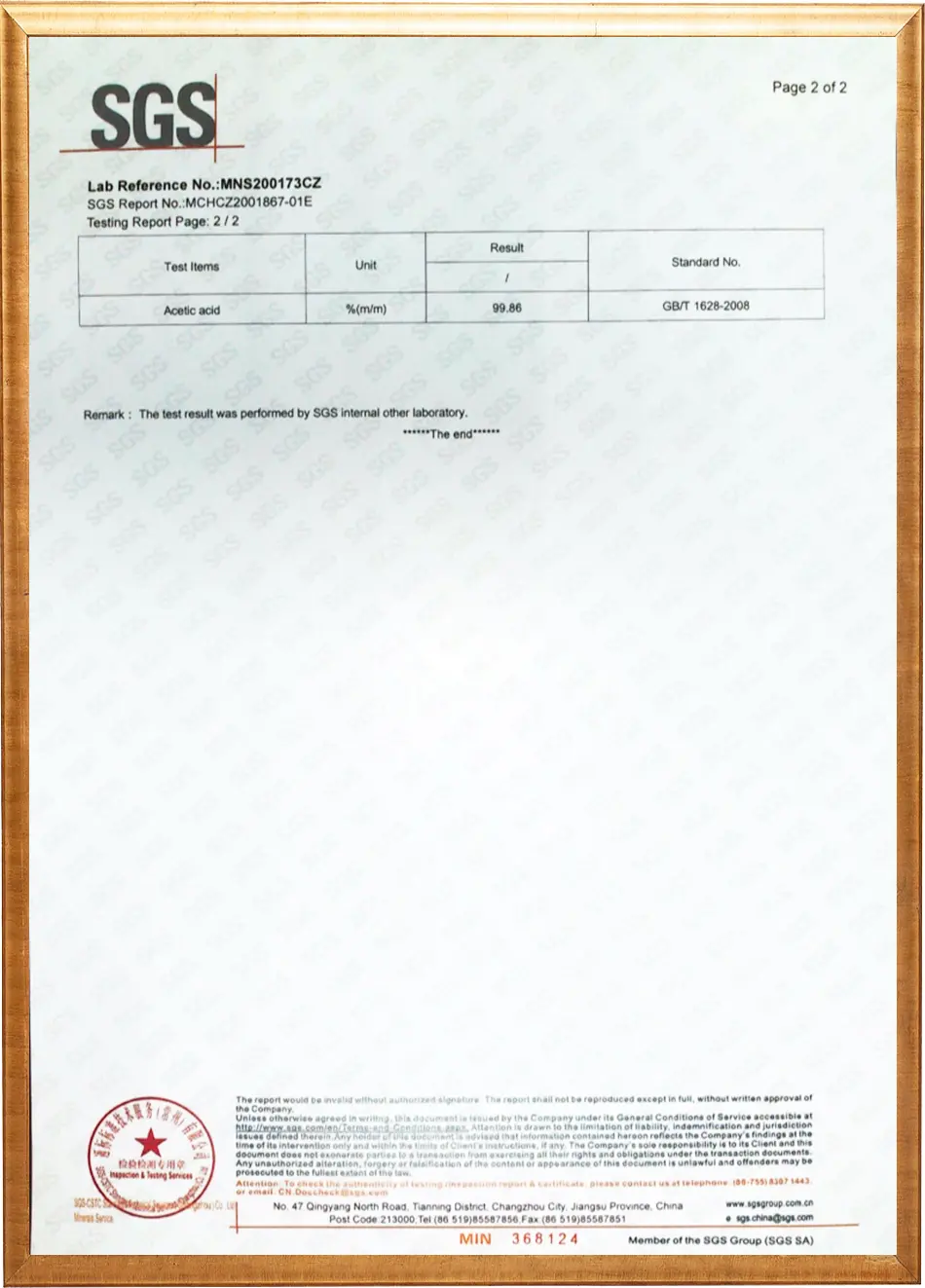
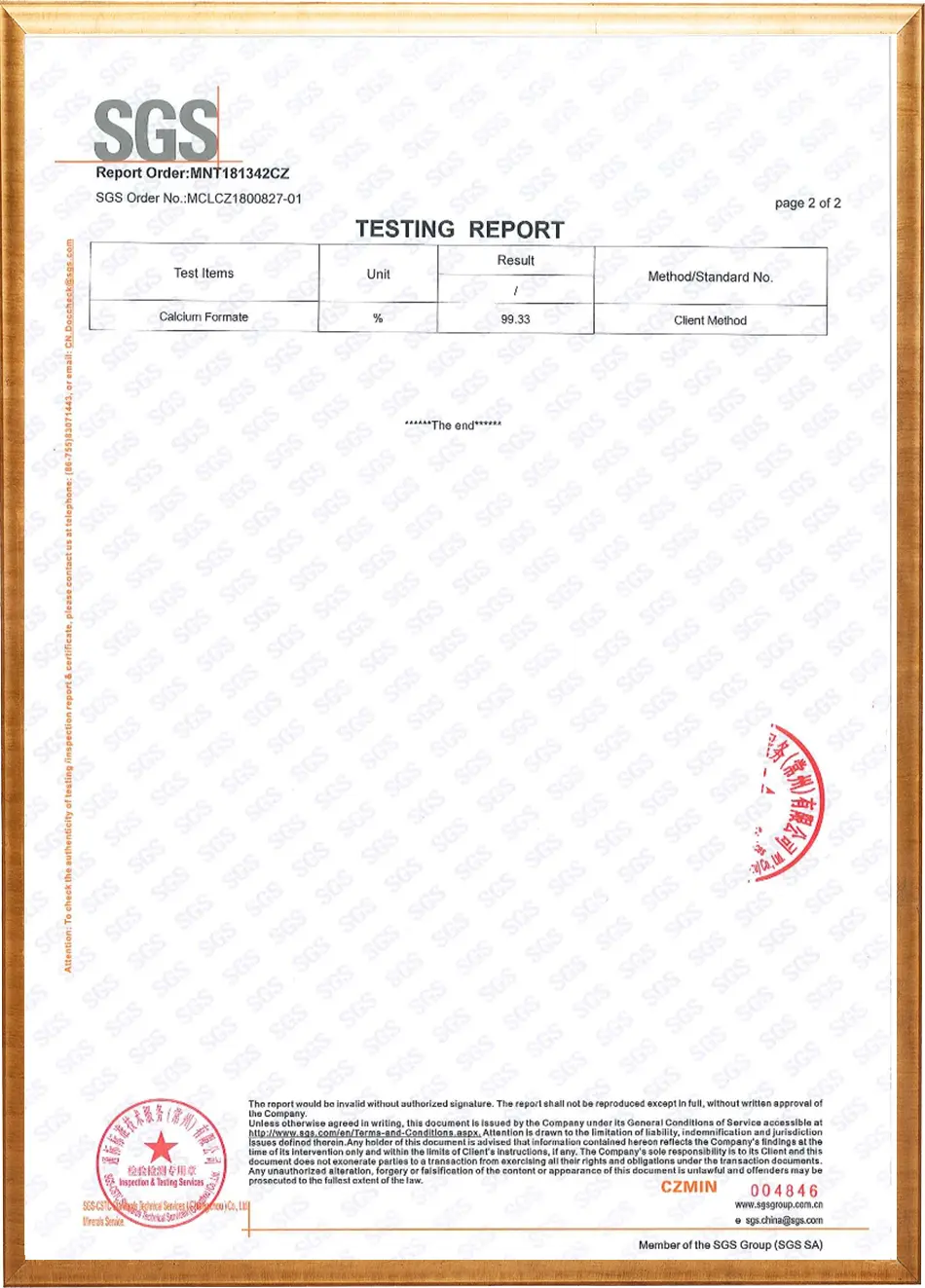
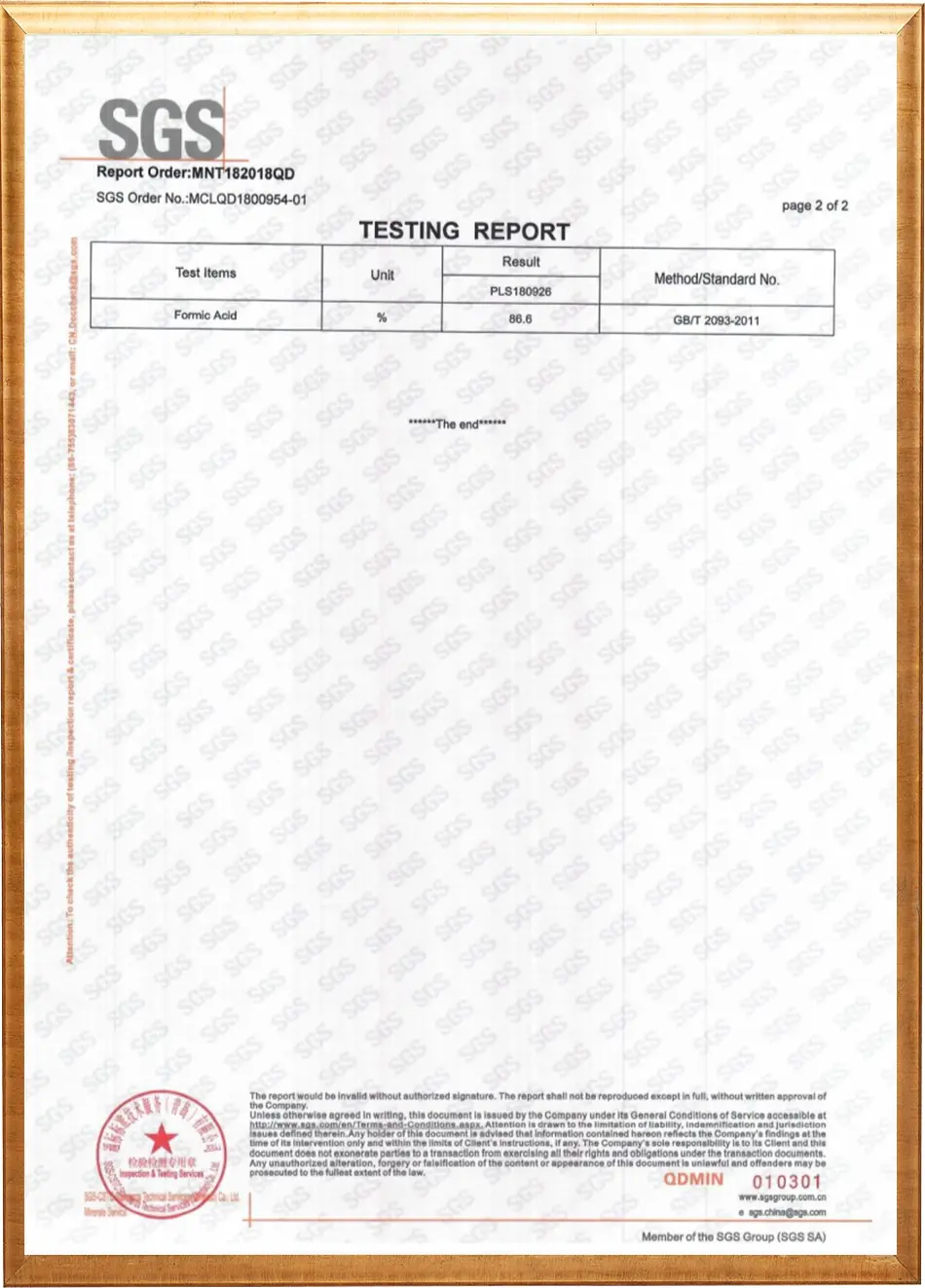
Our commitment to research and chemical raw material safety validated by domestic and international honors.
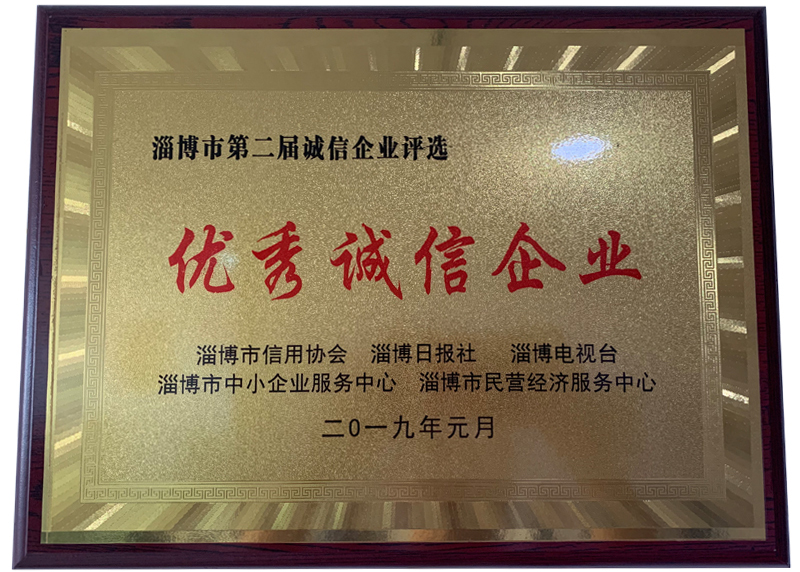
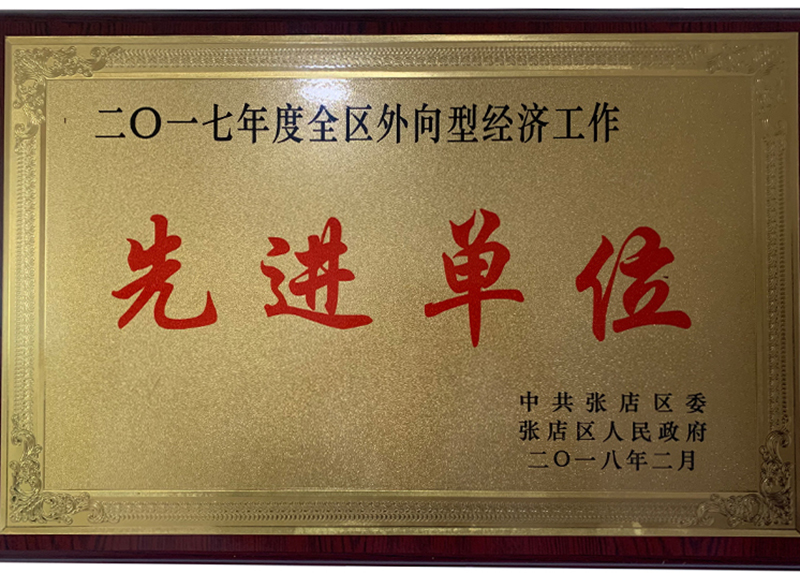
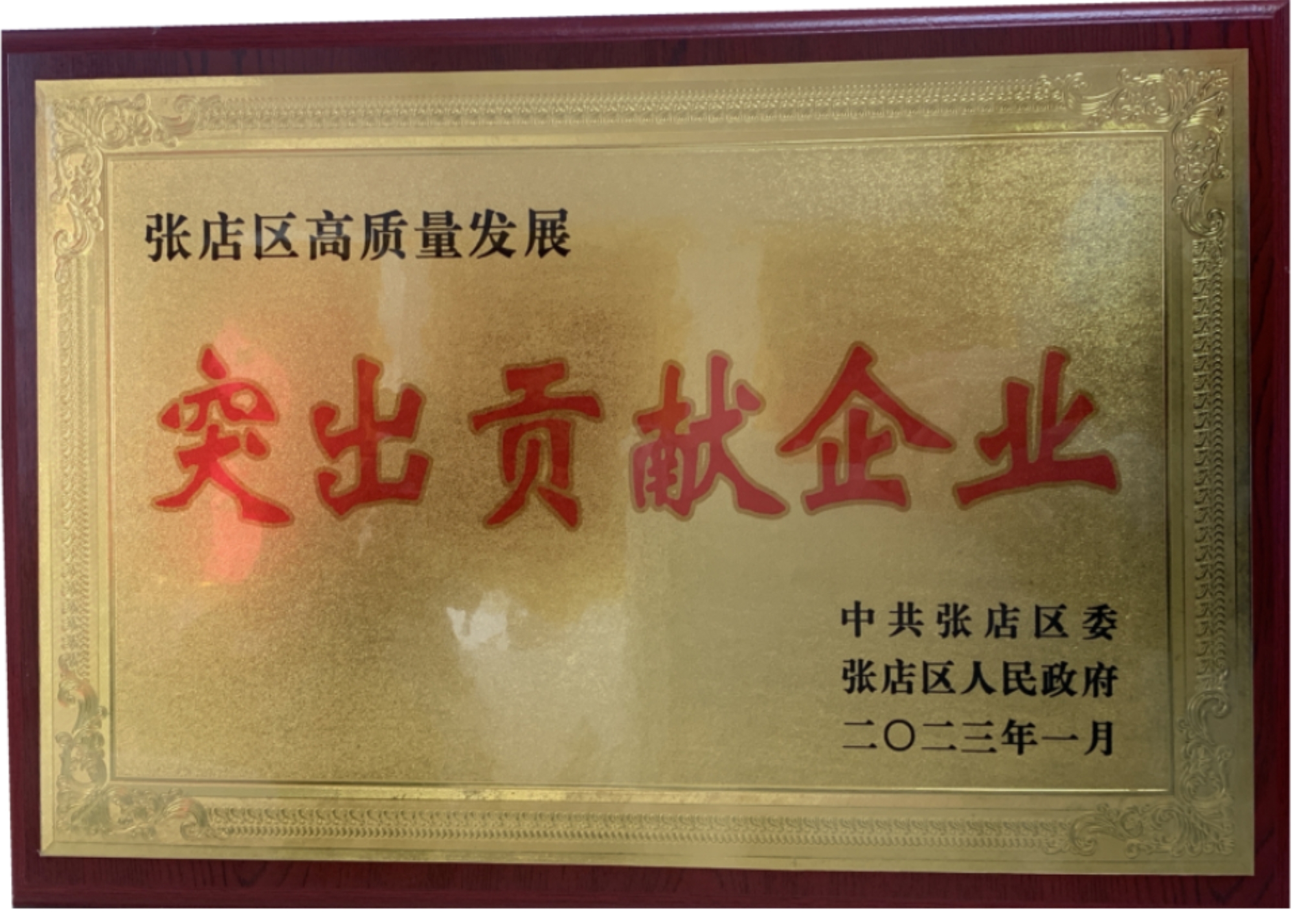
Since its establishment in 2006, the company has always adhered to the core corporate philosophy of "industrial, mining, and chemical raw material supply service provider", and is committed to becoming a leading global supplier of chemical raw materials. We adhere to the strategic orientation of "focusing on the development of quality chemical industry", which is not only reflected in our unremitting pursuit of product quality, but also in our continuous investment in technological innovation and service optimization. We are well aware that sustainable development is the source of vitality for enterprises, so the company attaches great importance to environmental protection and social responsibility, striving to promote economic development while safeguarding our shared blue sky and green space.
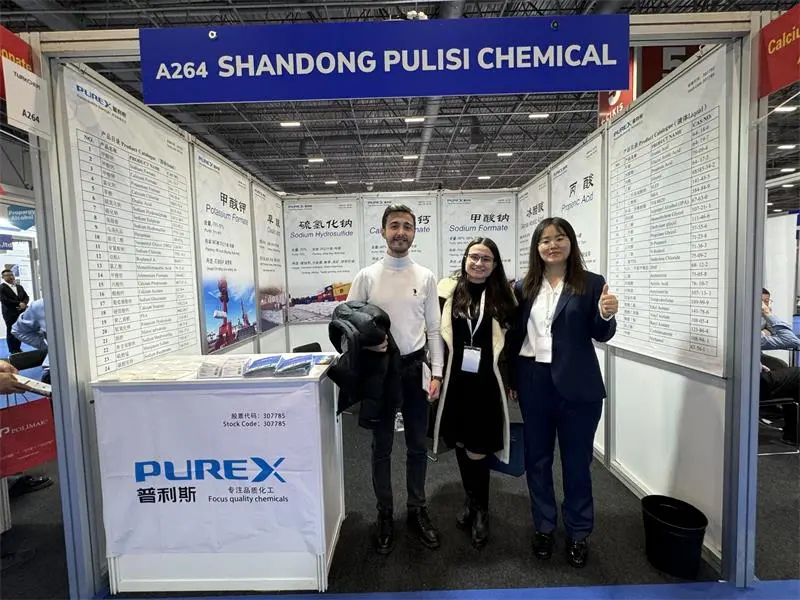
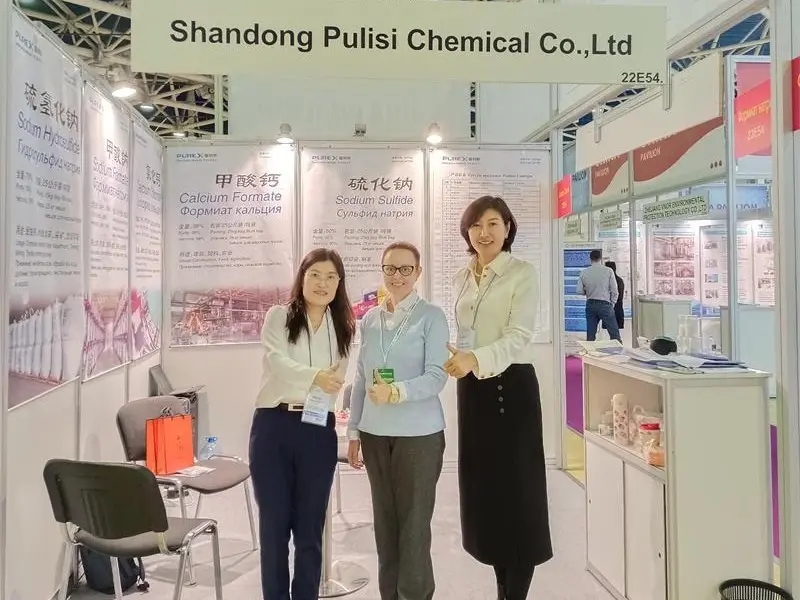
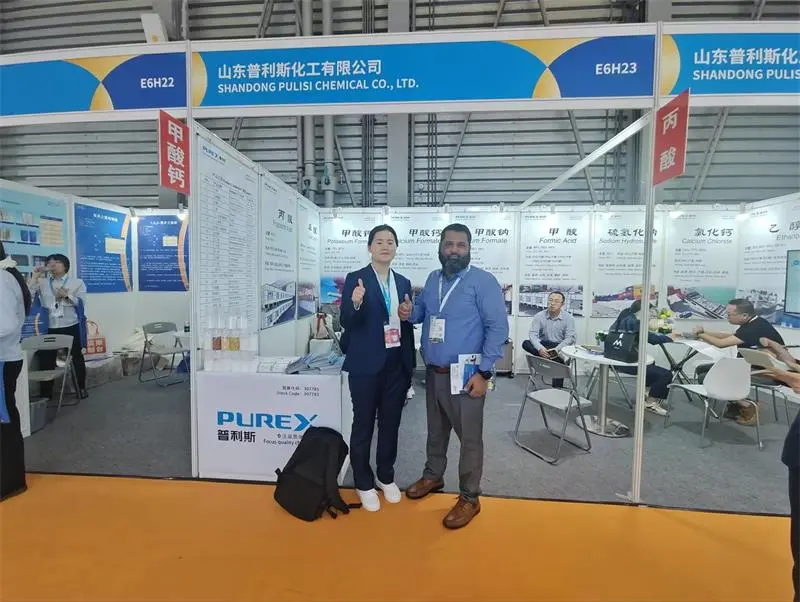
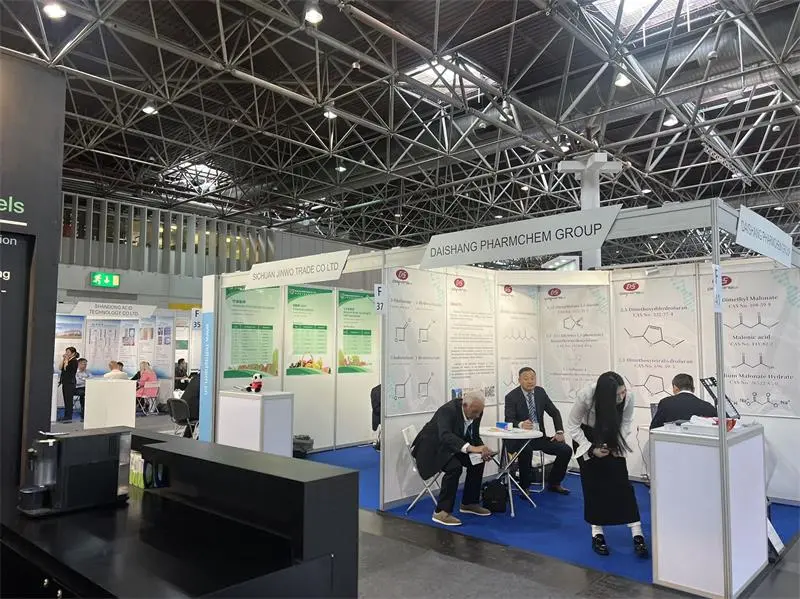
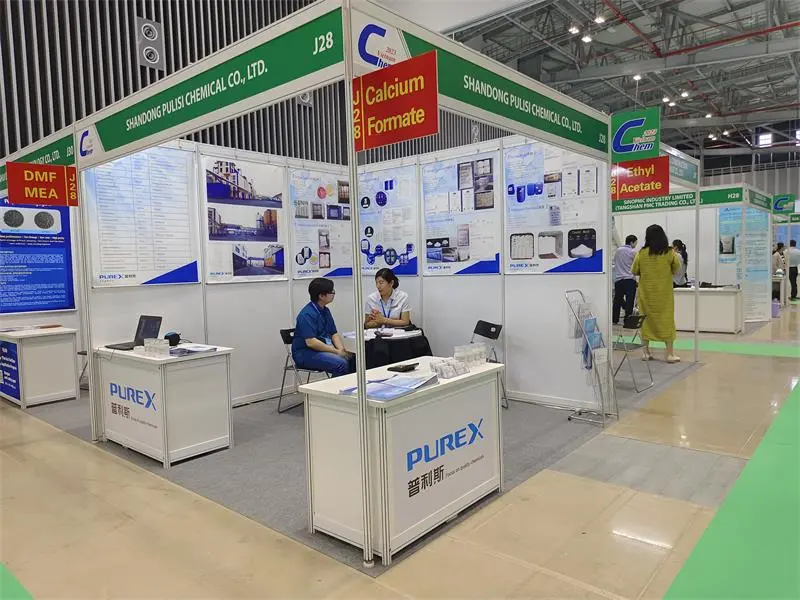
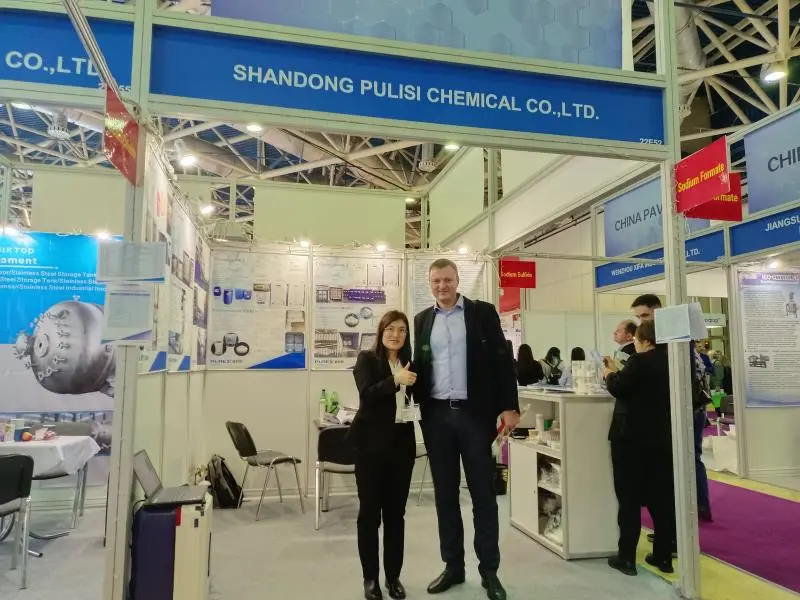

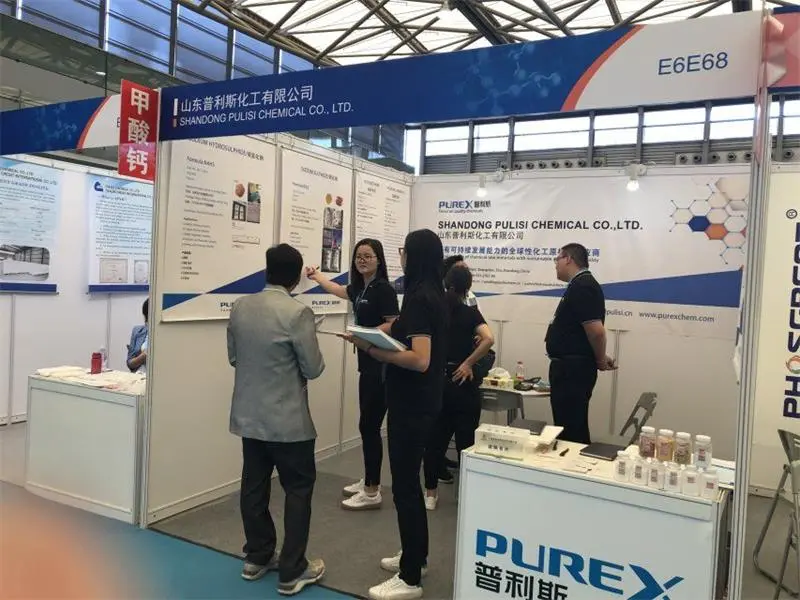
Integrating basic formates, acetates, and sulfonate compounds to optimize downstream compound stability and industrial reactions.
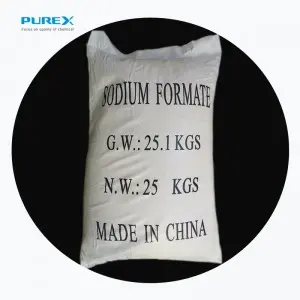
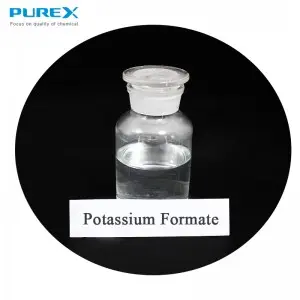
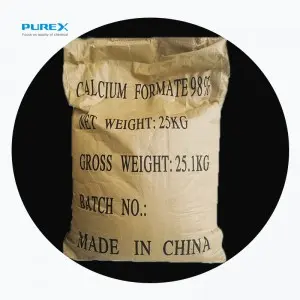
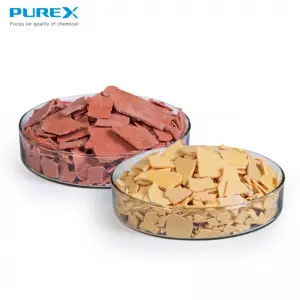
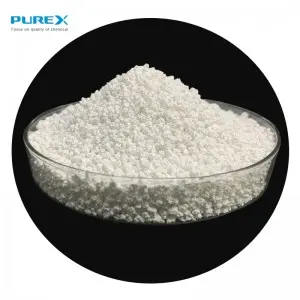
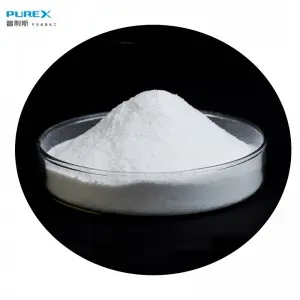
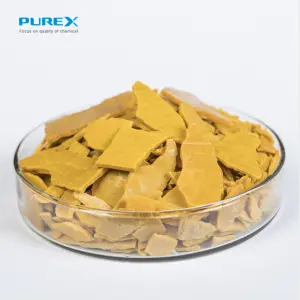
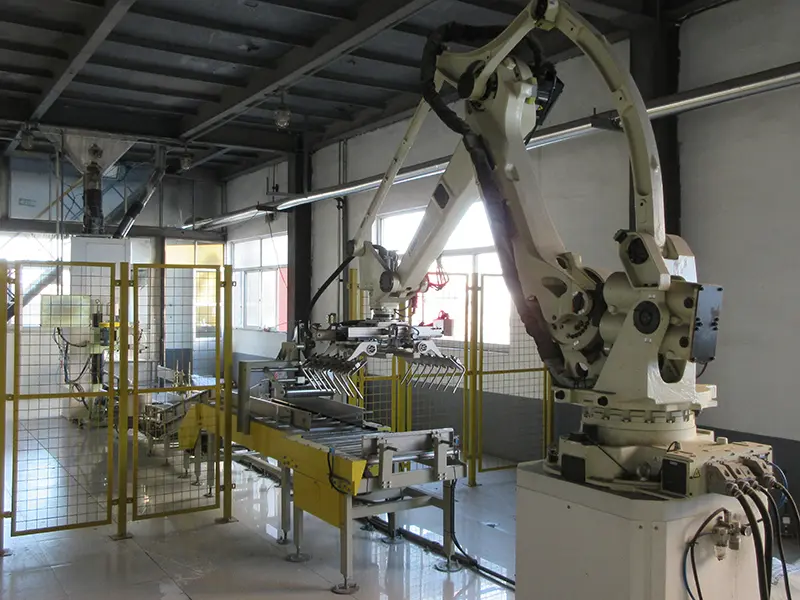
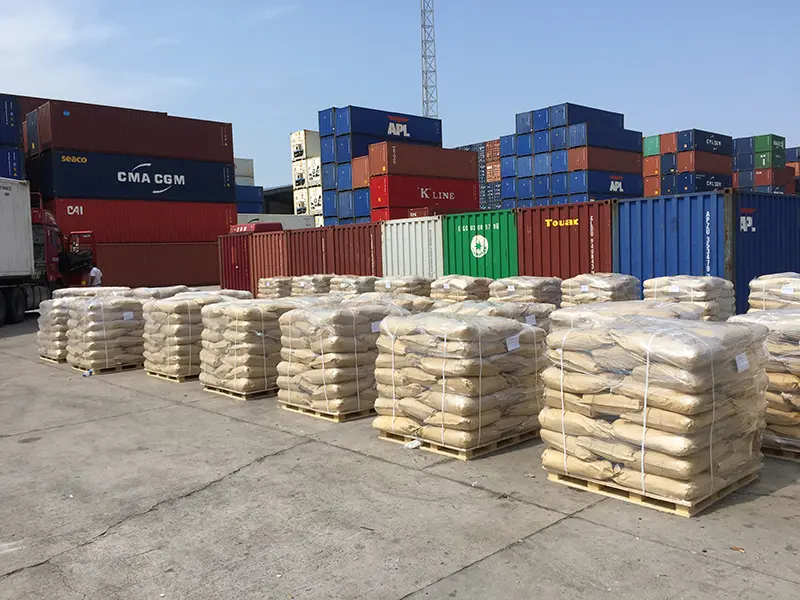
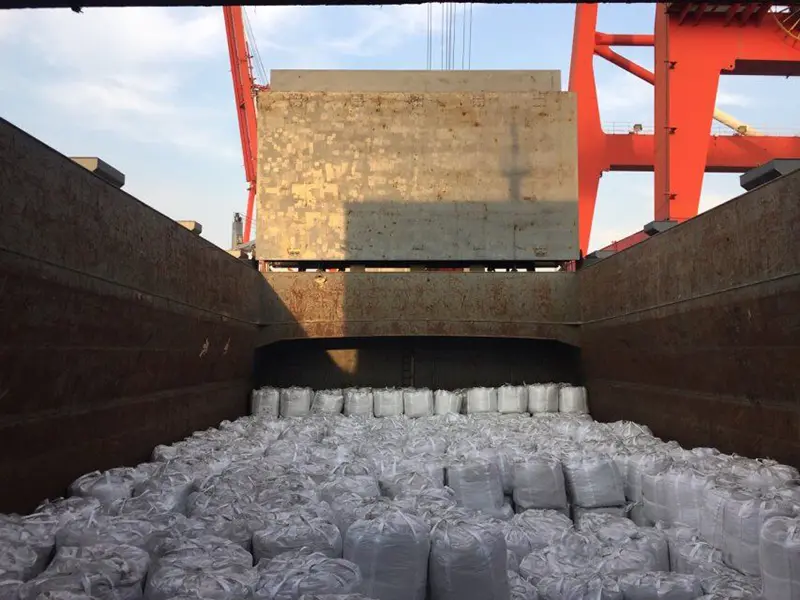
For chemical raw materials such as polyurethane precursors, supply chain stability is critical for continuous production. Shandong Pulisi maintains automated storage and moisture-controlled silos to prevent ambient moisture contamination of sensitive chemicals. Our chemical warehousing systems are strategically integrated with key transport routes.
By establishing physical warehousing and transit hubs at Qingdao Port, Tianjin Port, and overland border crossings in Xinjiang (including Alashankou and Khorgos), we compress delivery lead times to European, Central Asian, and Middle Eastern destinations by up to 35%. This localized network protects industrial buyers from supply disruptions and maritime volatility.
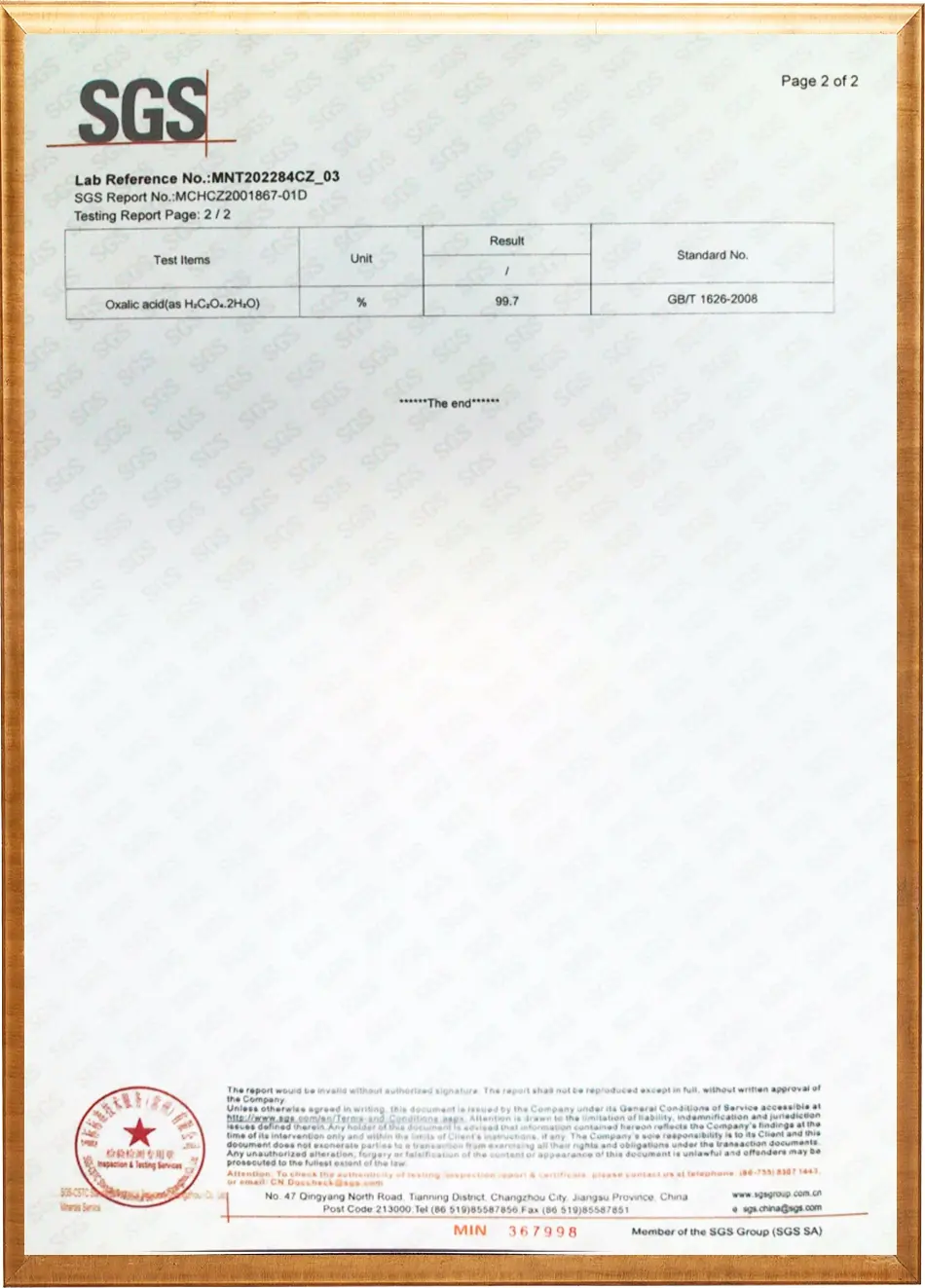
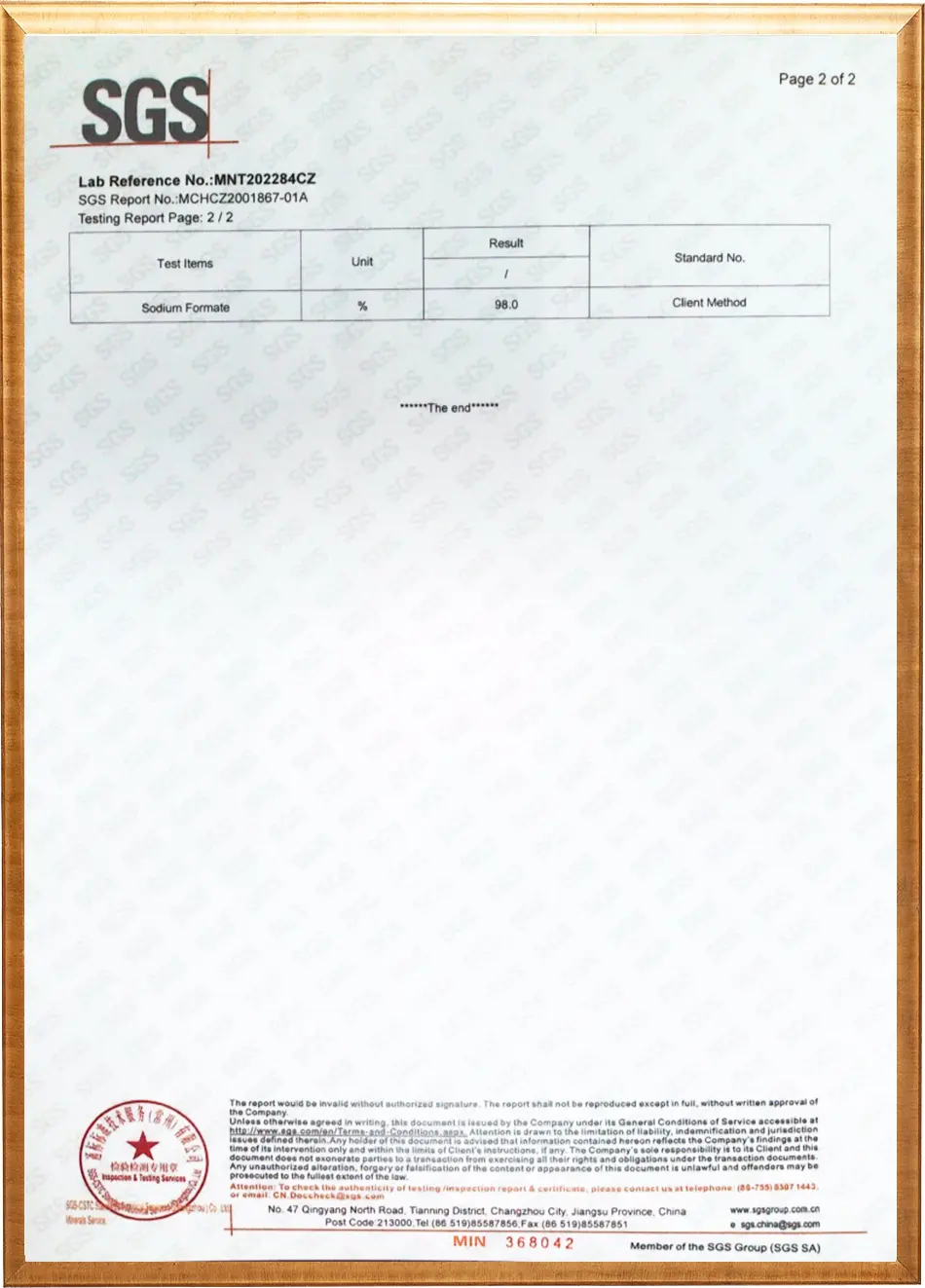
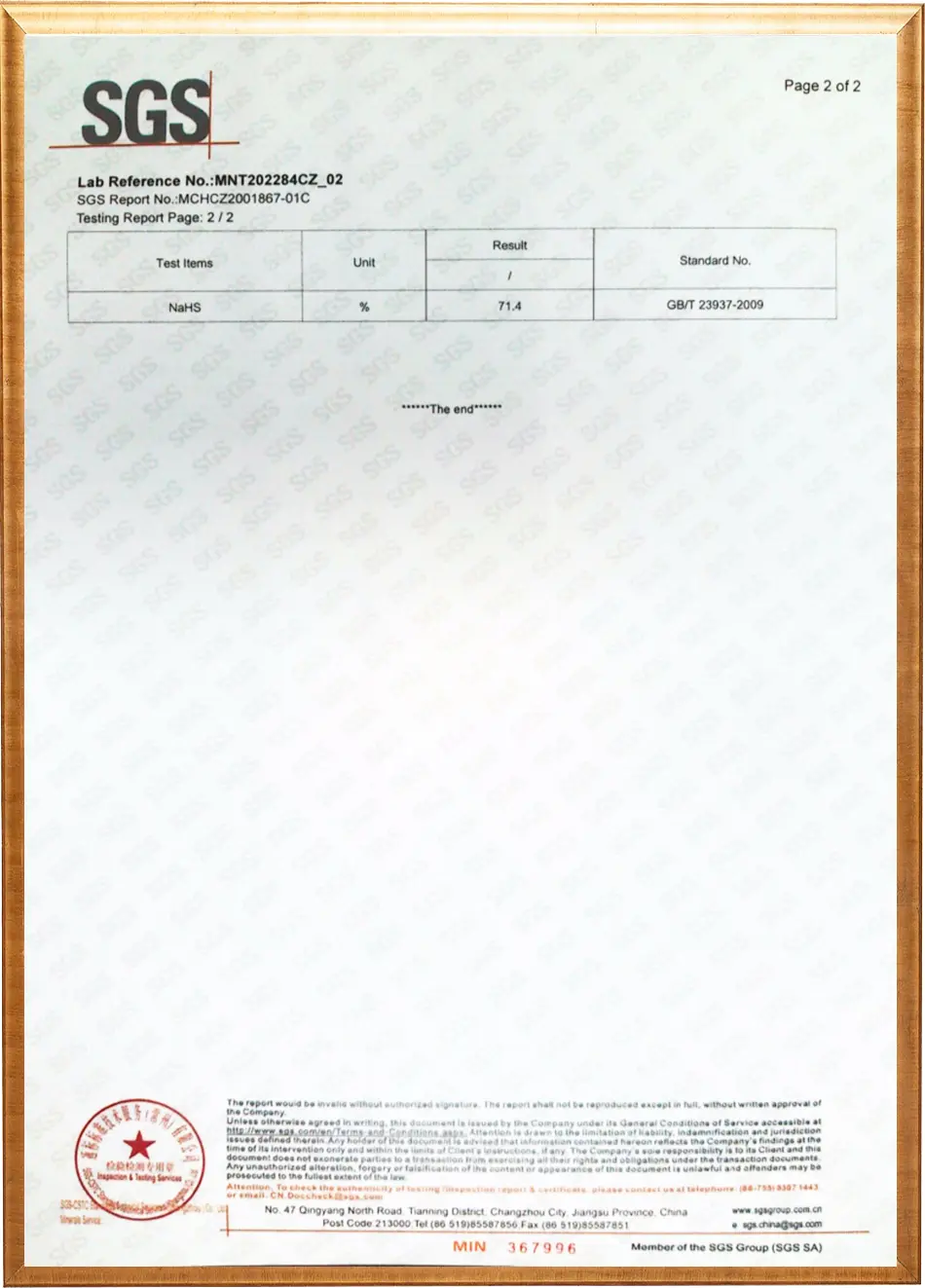
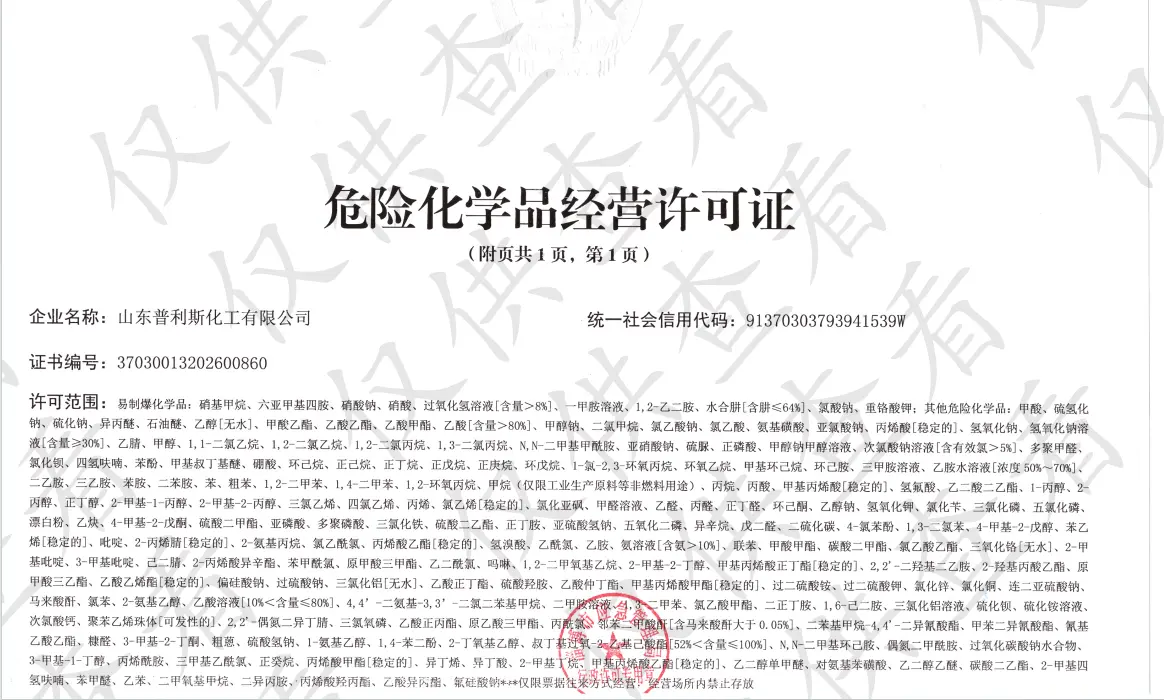
Meeting stringent testing standards to ensure safe integration into local regulatory frameworks.
How procurement departments can optimize quotes, manage market fluctuations, and ensure logistics integrity.
Polyurethane and TDI quotes are closely tied to the prices of toluene, nitric acid, and chlorine precursors. Formulators should establish indexed chemical purchasing contracts to manage feedstock cost volatility.
Diisocyanates are highly sensitive to moisture. Procurement specifications must mandate dry nitrogen purging and double-sealed steel drums or ISO tanks to prevent polymerization during transport.
Ordering functional additives like formates and acetates alongside prepolymers allows buyers to consolidate shipping costs and optimize logistics paperwork, improving supply chain efficiency.
Answers to technical and logistical questions for formulation engineers and purchasing teams.
Collaborating with global corporations to supply high-performance chemical materials.










Supporting diverse industrial applications with high-grade compounds and intermediates.
 Pulisi