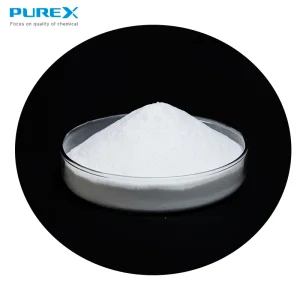
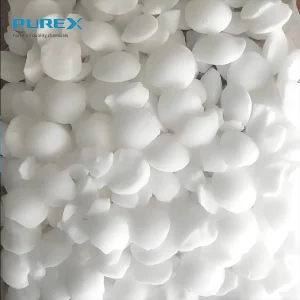
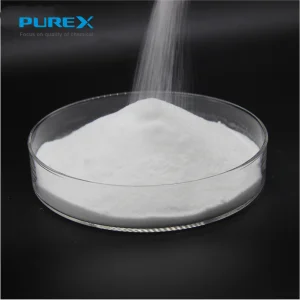
Explore our top-tier chemical compounds and polymer variants delivered globally with full certification and quality assurance.
A comprehensive evaluation of chemical pathways, customized performance grades, and technical specifications for global optical-grade applications.
Poly Methyl Methacrylate (PMMA), chemically designated as $[C_5O_2H_8]_n$, is a synthetic vinyl polymer generated via the free-radical polymerization of methyl methacrylate (MMA) monomers. Standard commercial manufacturing relies heavily on suspension and mass (bulk) polymerization methods. Suspension polymerization yields highly spherical beads optimized for injection molding and extrusion, while bulk polymerization is the premier route for casting high-optical-grade sheets. Through precise thermal control and catalyst selection (e.g., organic peroxides), molecular weight distributions ($M_w$) can be tailored from $100,000$ to upwards of $1,000,000\text{ g/mol}$, dictating mechanical toughness and melt flow indices.
PMMA sets the industry benchmark for optical polymers, displaying a light transmission rate of $92\%$ across the visible spectrum (380–780 nm) and a low haze value of $<1\%$. The polymer's amorphous structure guarantees isotropic refractive indices ($n_d = 1.492$), making it highly sought after for optical lenses, light guide plates (LGPs) in flat-panel displays, and automotive instrument clusters. Custom compounding allows for the integration of UV-absorbers or UV-transmitting agents, tailoring the material's properties for aerospace glazing or concentrated photovoltaic solar concentrators.
Unmodified PMMA can exhibit brittle failure modes under high impact stress. To overcome this limitation, elastomeric core-shell particles (acrylic rubbers) are chemically integrated during the compounding phase. This micro-phase separation mechanism dissipates localized impact energy, enhancing toughness by up to 10-fold without sacrificing optical clarity. Furthermore, structural modifications to the copolymer backbone (such as integrating methacrylic acid or alpha-methylstyrene) elevate the Glass Transition Temperature ($T_g$) up to $115^\circ\text{C}$ for demanding automotive headlamp applications.
| Property Parameter | Standard PMMA (Unmodified) | Impact-Modified PMMA | High Heat-Resistant PMMA | Testing Method (ASTM / ISO) |
|---|---|---|---|---|
| Light Transmittance (%) | 92.0 - 93.0 | 89.0 - 91.5 | 92.0 | ASTM D1003 / ISO 13468 |
| Refractive Index ($n_d$) | 1.49 | 1.49 | 1.49 | ASTM D542 / ISO 489 |
| Tensile Strength (MPa) | 72 - 76 | 45 - 55 | 75 - 80 | ASTM D638 / ISO 527 |
| Izod Impact Strength (J/m) | 16 - 20 | 50 - 120 | 15 - 18 | ASTM D256 / ISO 180 |
| Vicat Softening Temp ($^\circ\text{C}$) | 95 - 100 | 85 - 92 | 108 - 115 | ASTM D1525 / ISO 306 |
| Density ($g/cm^3$) | 1.19 | 1.15 - 1.17 | 1.20 | ASTM D792 / ISO 1183 |
How structural shifts in the automotive, display, and construction sectors shape the global market dynamics of PMMA polymer supply.
The global demand for Poly Methyl Methacrylate has witnessed structured growth, fueled primarily by the transition toward lightweight materials in the automotive sector and the expansion of high-end display technologies. As modern electric vehicles (EVs) demand weight reduction to extend battery ranges, PMMA serves as a premium replacement for glass in backlights, panoramic sunroofs, and exterior trim panels.
Simultaneously, the display panel sector relies on optical-grade PMMA sheets as Light Guide Plates (LGPs) for LCD TVs, monitors, and automotive navigation screens. The chemical industry continues to optimize MMA monomer synthesis routes, mitigating cost fluctuations through integrated upstream supply chains and scaling up production efficiency.
In response to volatile raw material costs, global procurement managers prioritize suppliers that possess vertically integrated chemical routes (from natural gas/petroleum derivatives down to polymerized PMMA granules), ensuring consistent quality control and uninterrupted volume supply.
Analyzing the field performance and structural demands of custom PMMA across diverse regional climates and industries.
In major automotive manufacturing centers, custom PMMA is engineered for Advanced Driver Assistance Systems (ADAS) sensor covers and LiDAR windows, requiring precise infrared transmission properties and high scratch resistance coatings.
Deployments in cold climates (e.g., Northern Europe and Canada) utilize multi-wall extruded PMMA sheets for structural skylights. The material features optimized thermal insulation, low thermal expansion coefficients, and permanent UV blockers to prevent yellowing.
Sterilizable, high-purity medical grades of PMMA are synthesized for diagnostic cuvettes, blood filtration housings, and disposable microfluidic cartridges. These grades are strictly manufactured under cleanroom conditions, complying with ISO 10993 biocompatibility requirements.
Transitioning to sustainable polymer architectures: Bio-MMA, closed-loop chemical recycling, and smart structural coatings.
The chemical industry is pivoting toward non-fossil resources. Current developmental roadmaps include the catalytic conversion of bio-derived glycerol, or the fermentation of agricultural starch to generate methacrylic acid intermediates. This transition reduces the product's carbon footprint by up to 70% while maintaining the chemical equivalence of the resulting PMMA polymer.
Unlike many polyolefins, PMMA exhibits excellent thermal depolymerization properties. Heated to temperatures above $400^\circ\text{C}$ in the absence of oxygen, PMMA chains unzip cleanly back into crude MMA monomer with yields exceeding 95%. Post-industrial and post-consumer scrap can be chemically recycled, purified, and re-polymerized to yield recycled PMMA showing properties identical to virgin resins.
Strategic advantages of Shandong Pulisi Chemical in securing raw materials, managing logistics, and optimizing cost structures.
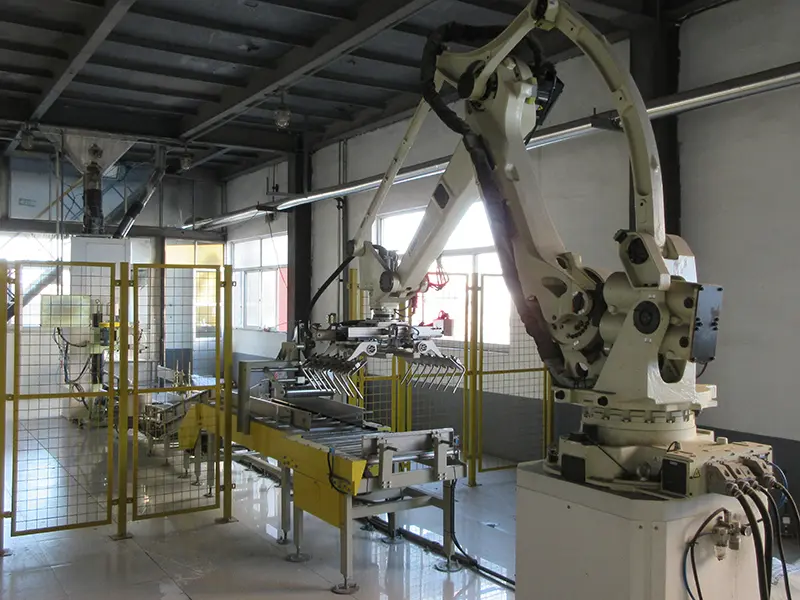
Shandong Pulisi Chemical Co., Ltd. (Stock Code: 307785) capitalizes on China's comprehensive industrial petrochemical supply networks. Our manufacturing facilities utilize automated bulk polymerization processes, minimizing energy consumption and labor costs while maintaining tight control over molecular weight distributions.
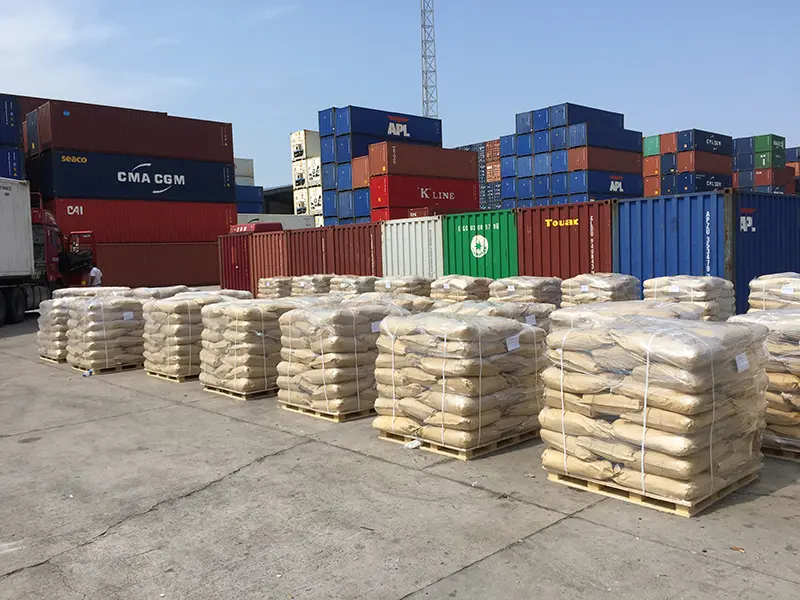
Integrated Port Logistics: By operating specialized storage and distribution terminals at key maritime hubs (Qingdao Port and Tianjin Port) and overland border crossings (Alashankou and Khorgos ports), we ensure swift dispatch and ocean freight optimization to over 100 countries.
Raw Material Buffers: Our localized storage complexes maintain strategic safety buffers of critical monomers and chemical additives. This protects global buyers from sudden supply shocks, factory downtimes, and raw material cost spikes.
Established in 2006 and listed under Stock Code 307785, we focus on high-performance petrochemicals, mining chemicals, feed chemicals, and pharmaceutical chemicals.
Shandong Pulisi Chemical Co., Ltd. was established in 2006 (Stock Code: 307785). The company focuses on petrochemicals, mining chemicals, feed chemicals, and pharmaceutical chemicals. At present, the company has established long-term and stable partnerships with Fortune Global 500 companies such as China National Petroleum Corporation and Saint-Gobain. We always take customer demand as the core orientation and provide tailored solutions to help customers strengthen their market competitiveness.
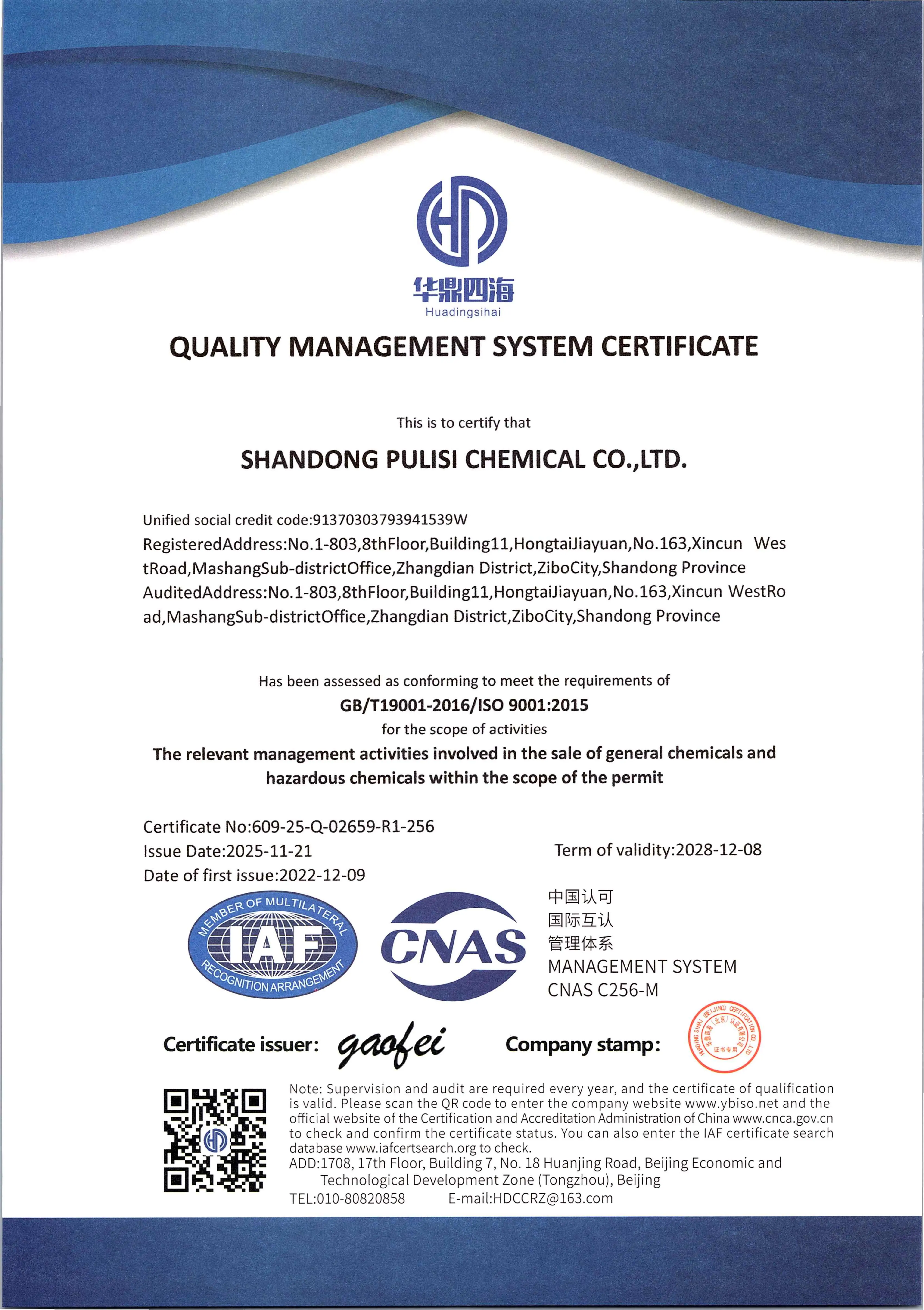
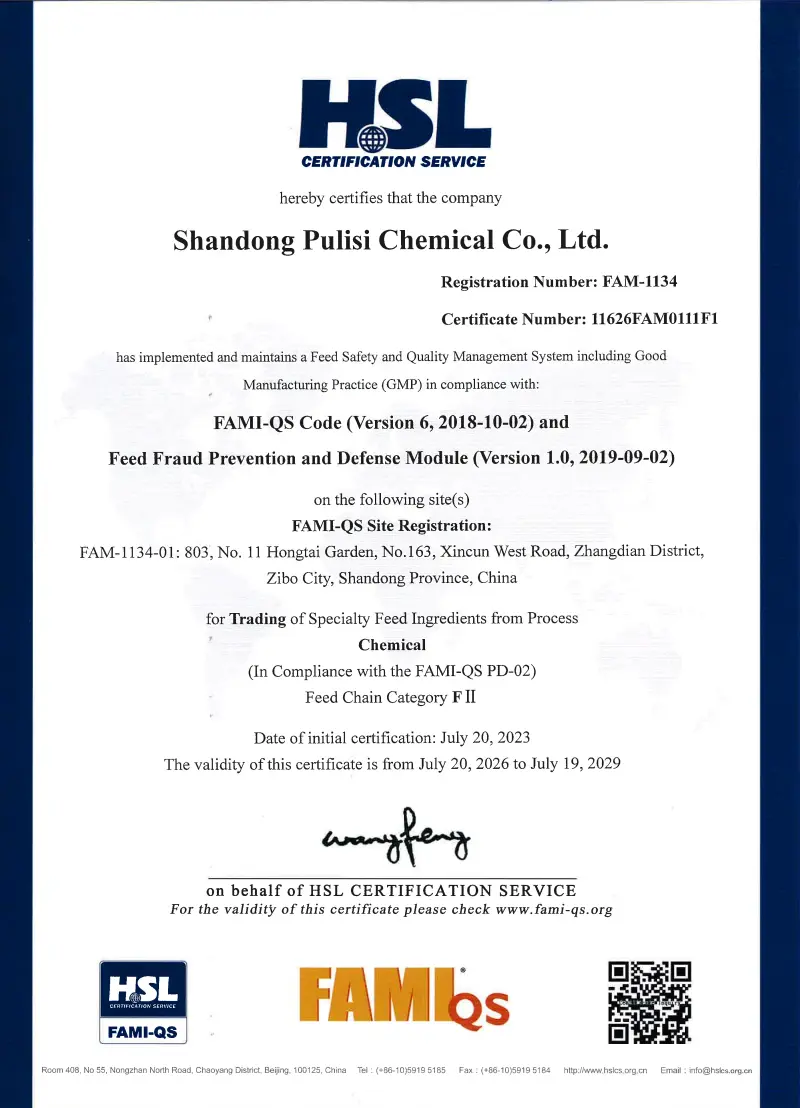
The company has passed ISO9001:2015 Quality Management System Certification and German BV Certification, and has been awarded multiple honors such as Foreign-Oriented Economic Enterprise, Alibaba Demonstration Base, and Contribution Enterprise. In 2023, the company successfully went public with stock code: 307785.
Meanwhile, the company has established mature warehousing and distribution systems at key logistics hubs, including Qingdao Port, Tianjin Port, and Xinjiang border ports (Alashankou, Khorgos). We are able to provide flexible supply solutions according to customer needs to ensure timely order delivery. No matter where customers are located, Shandong Pulisi Chemical will safeguard their business development with professional service systems and efficient response capabilities.

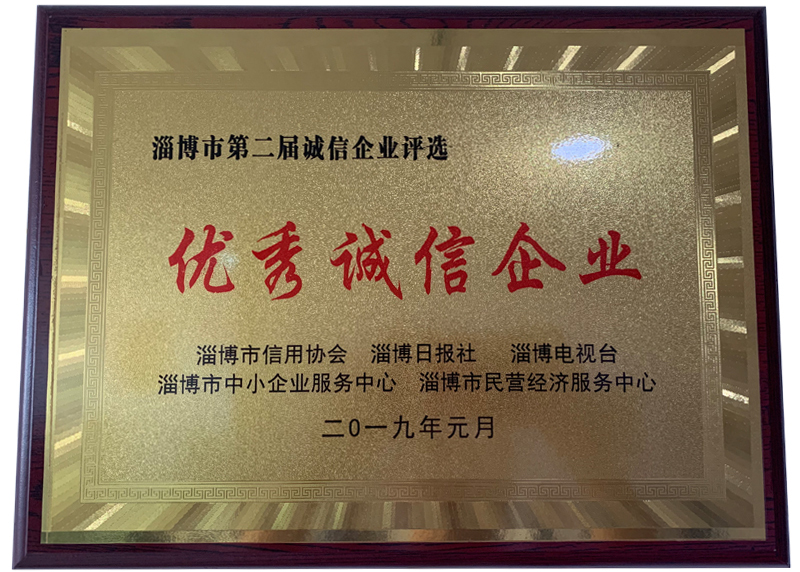
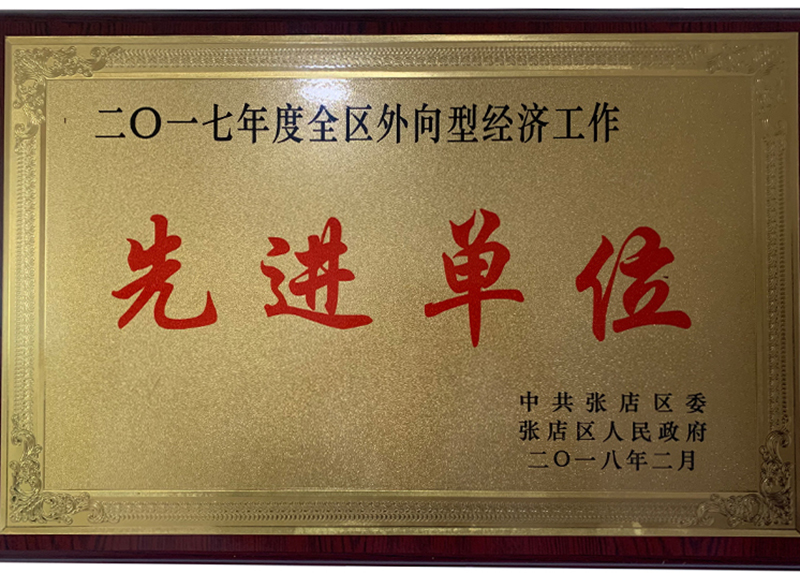
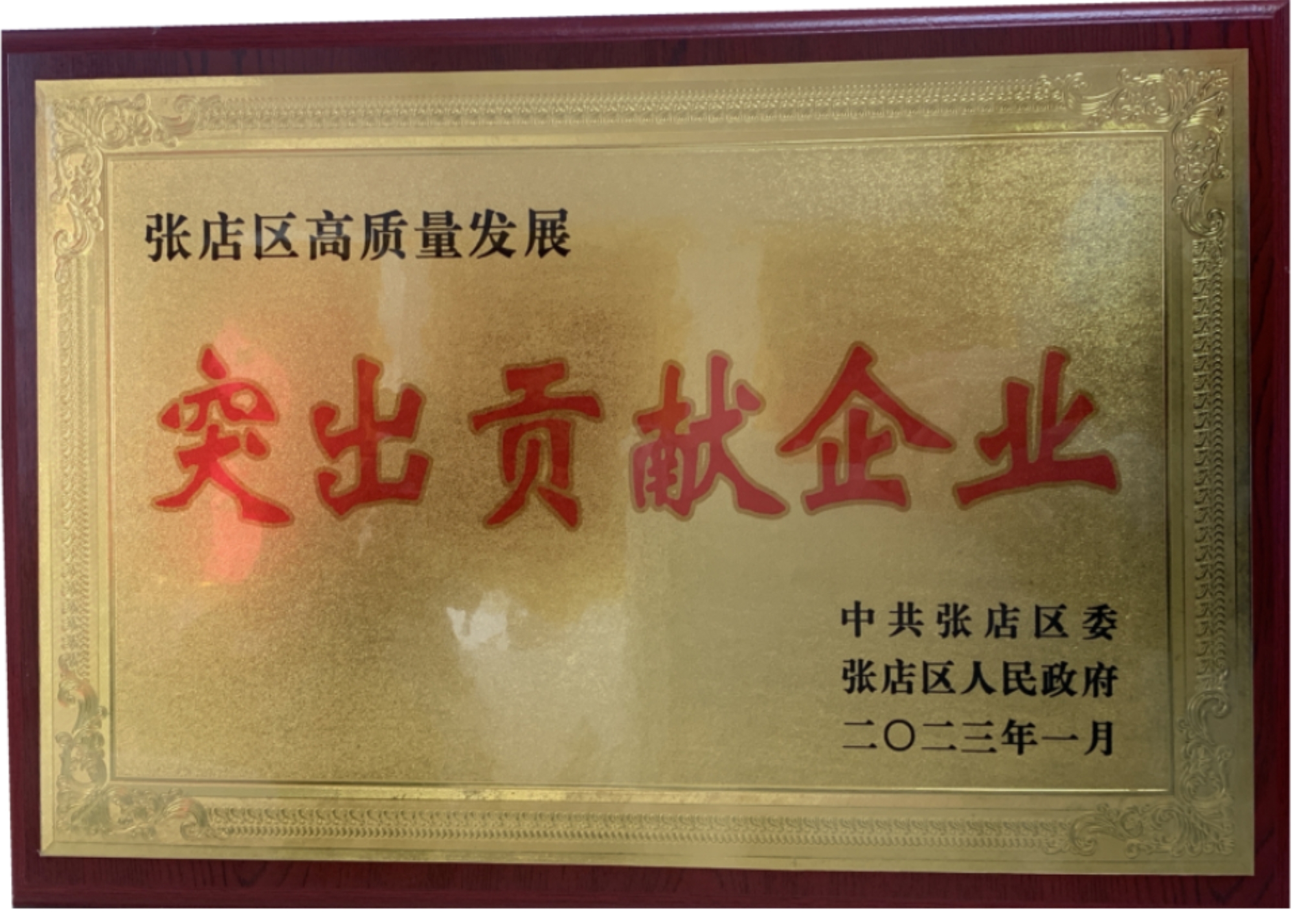
Our raw materials and polymers undergo rigid inspection regimes, ensuring complete regulatory alignment with global markets.
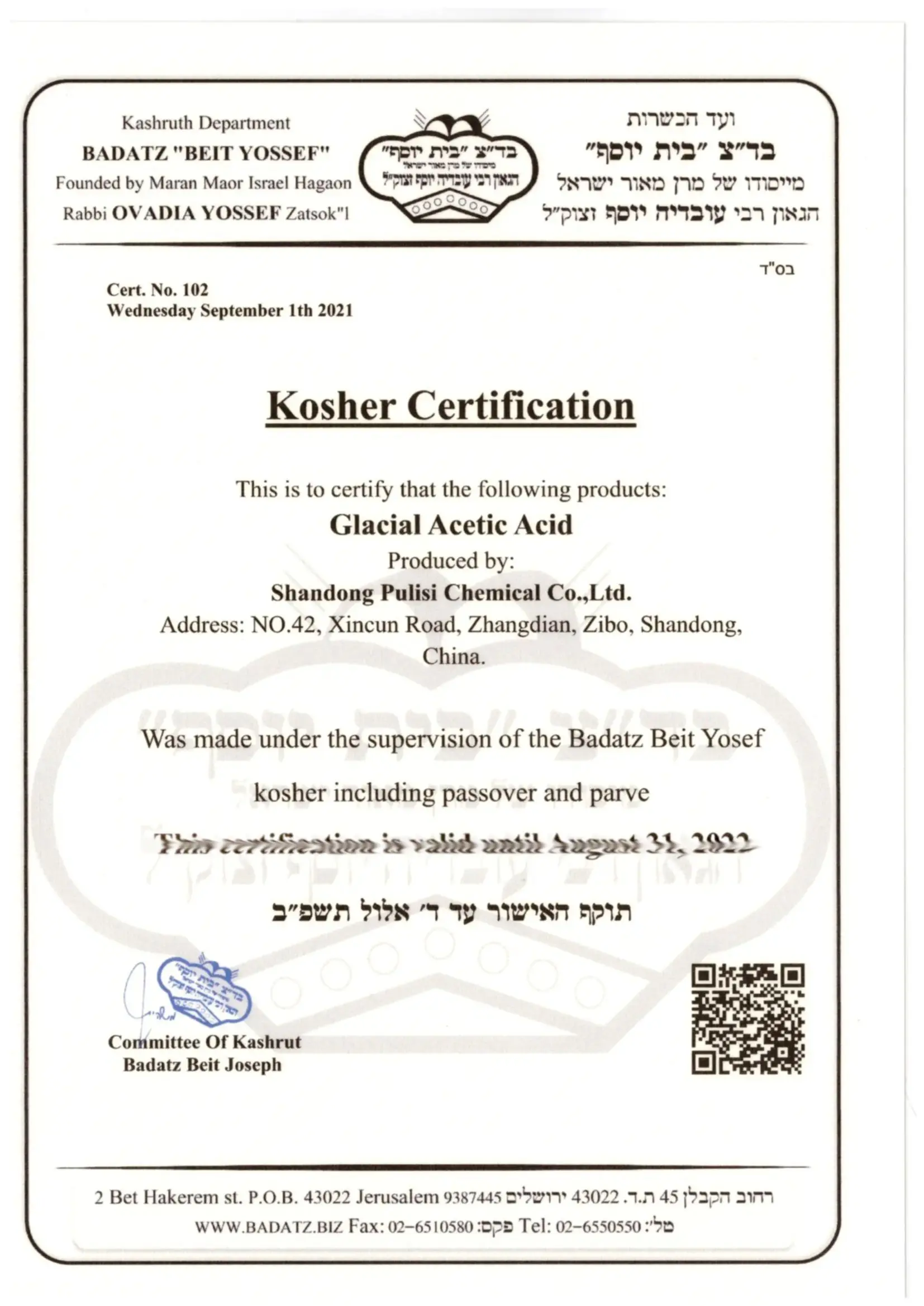
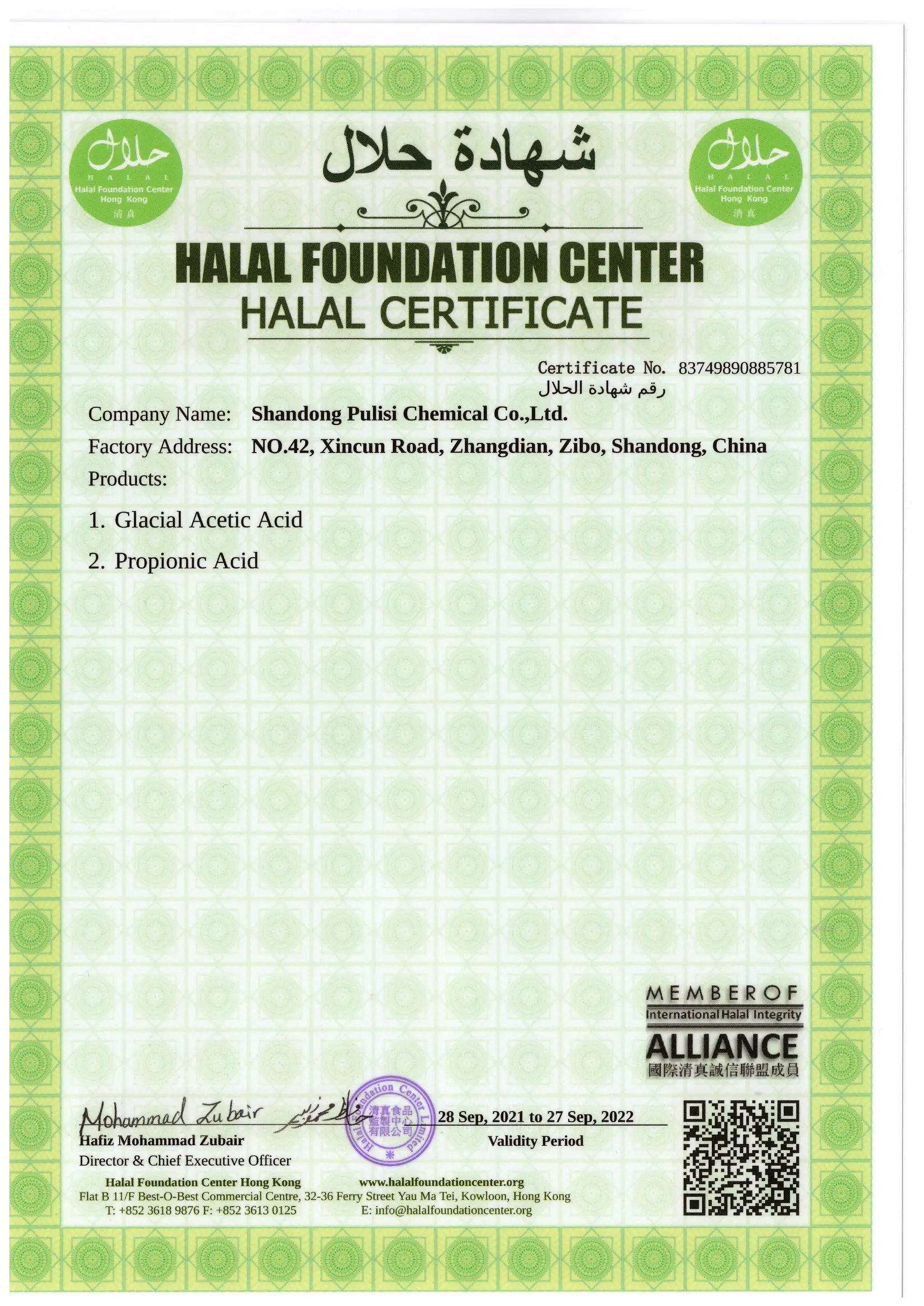
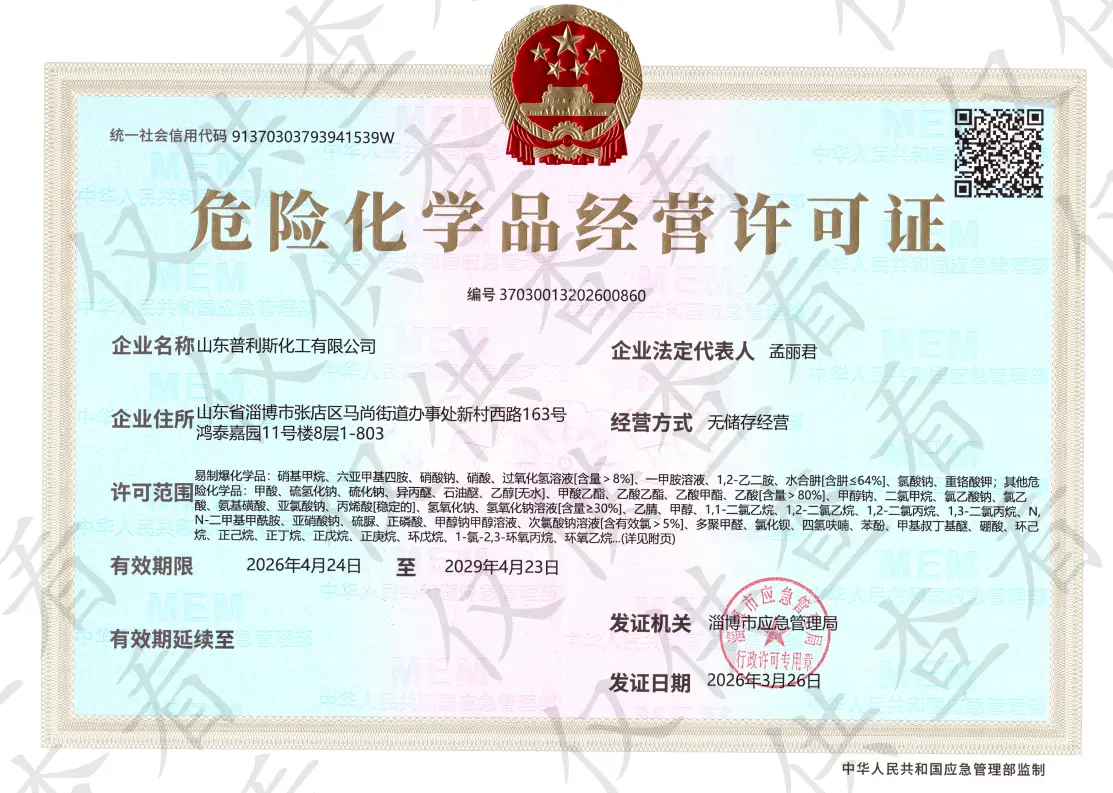
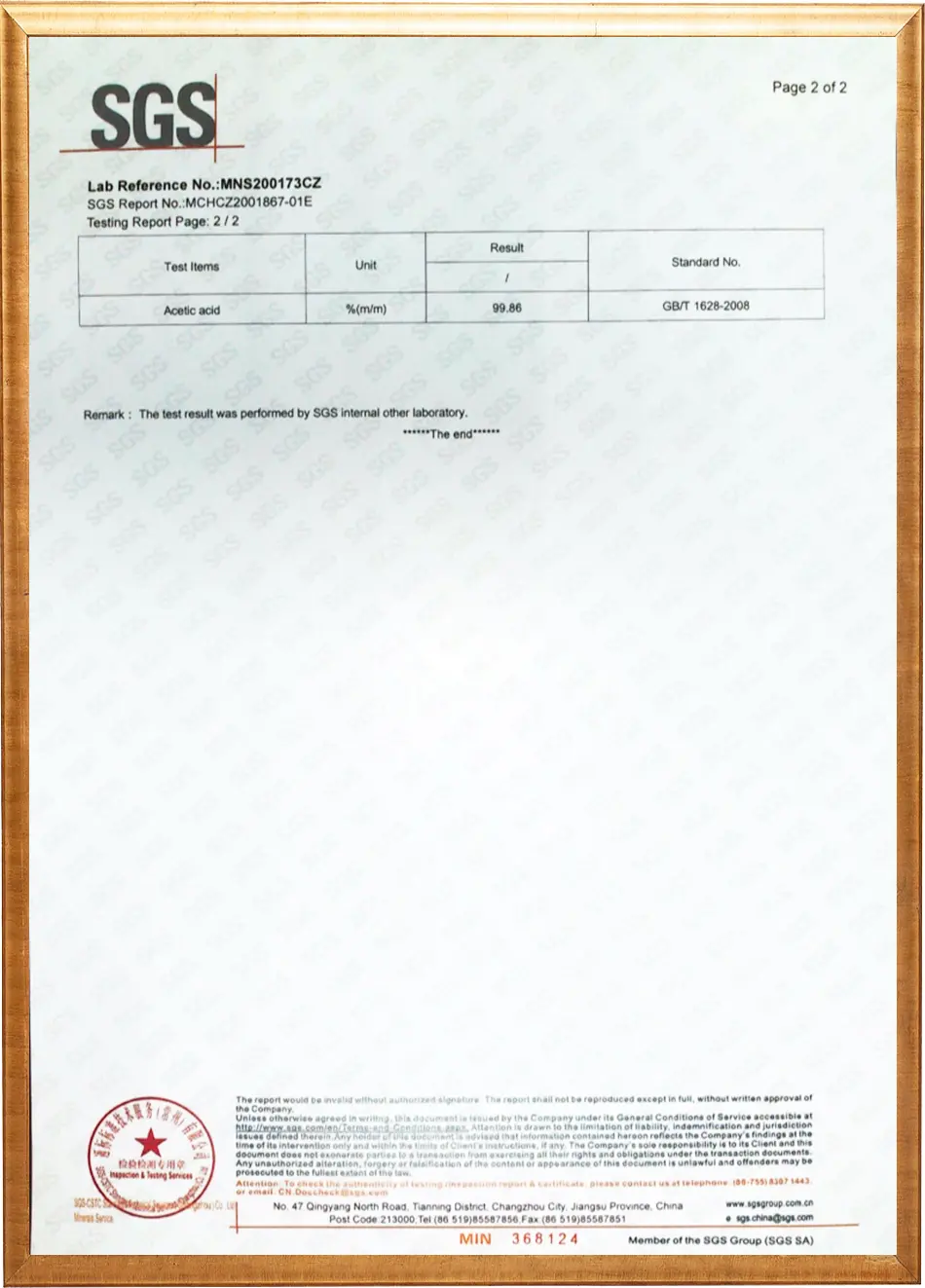
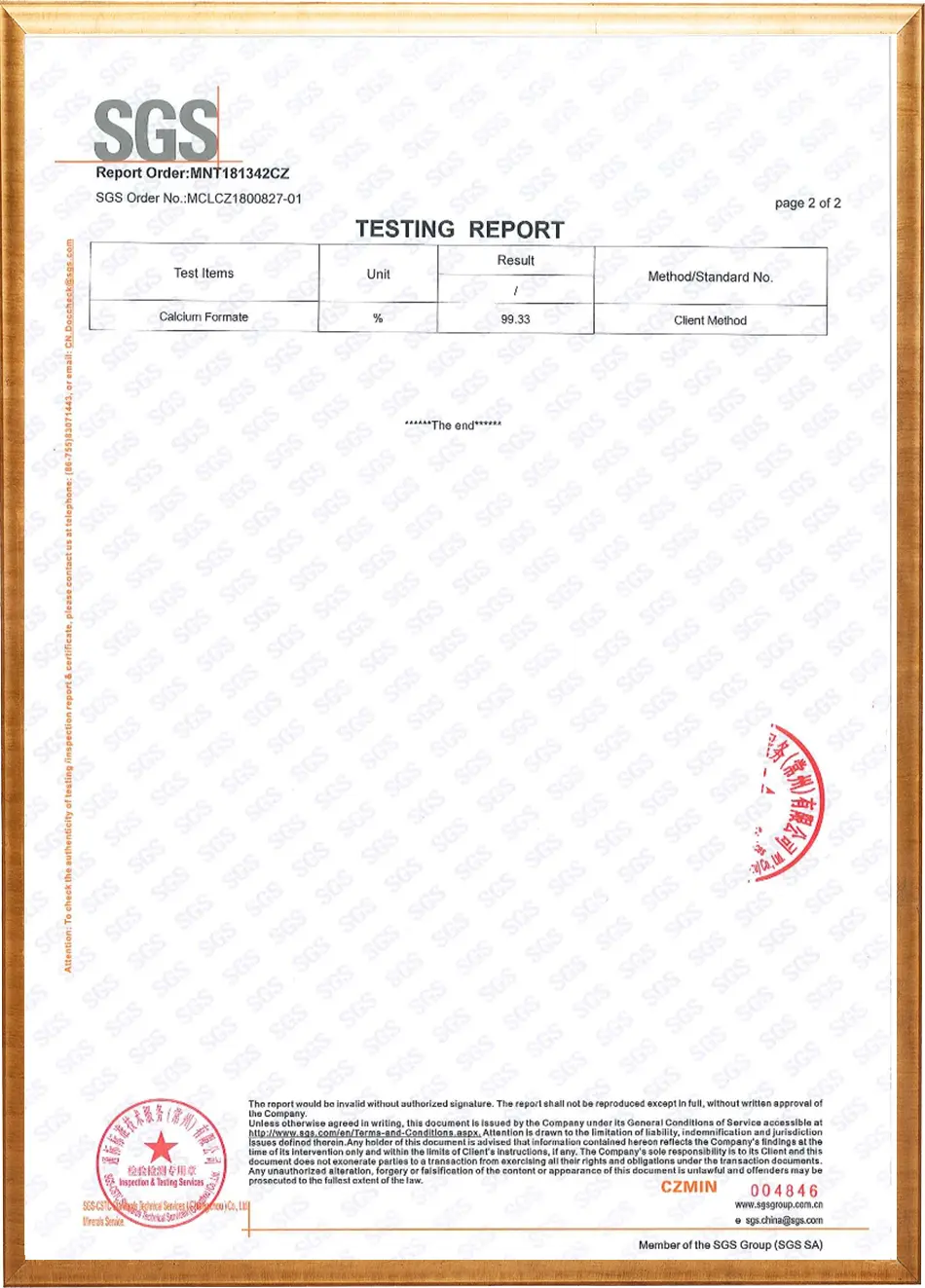
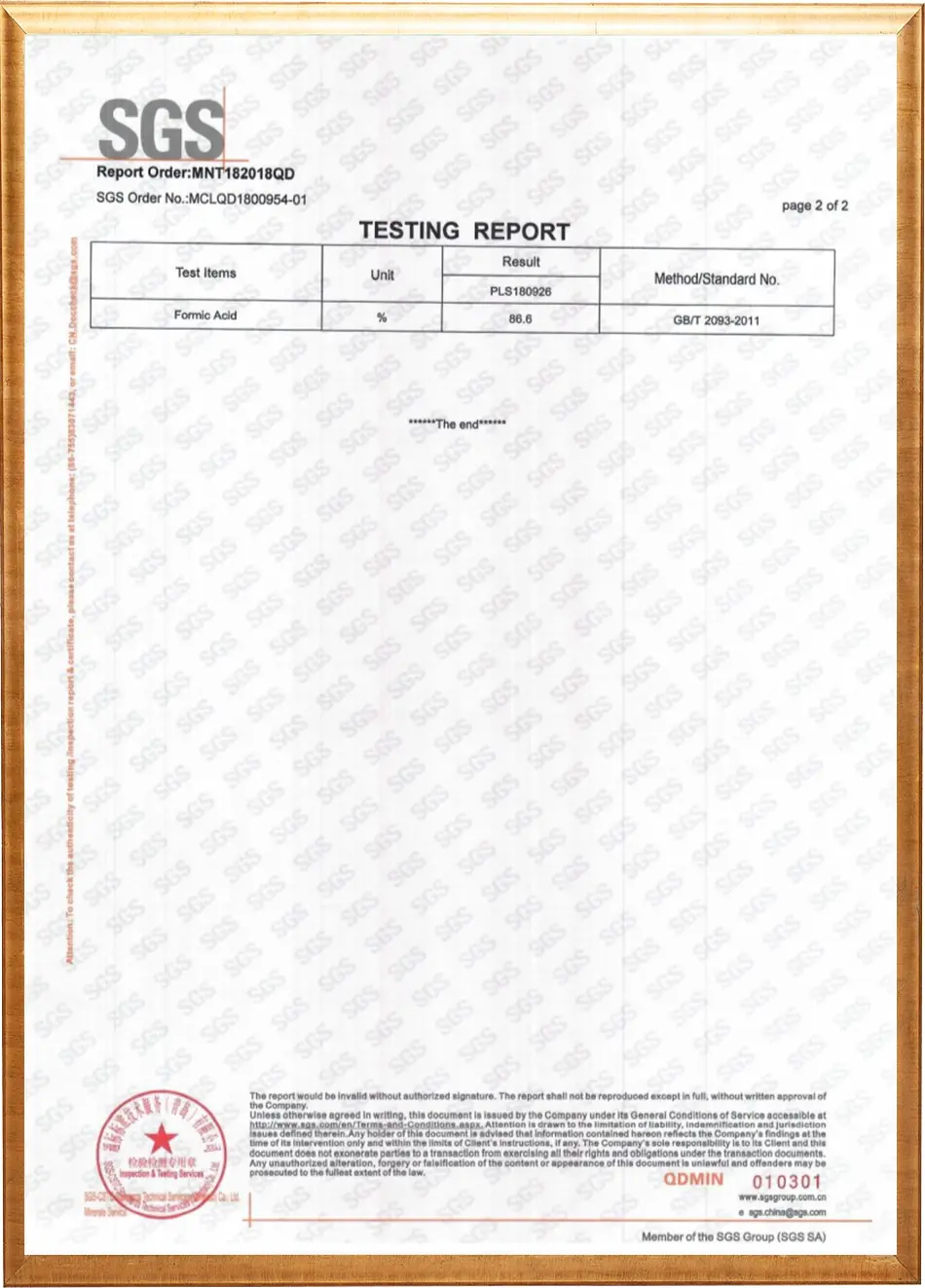
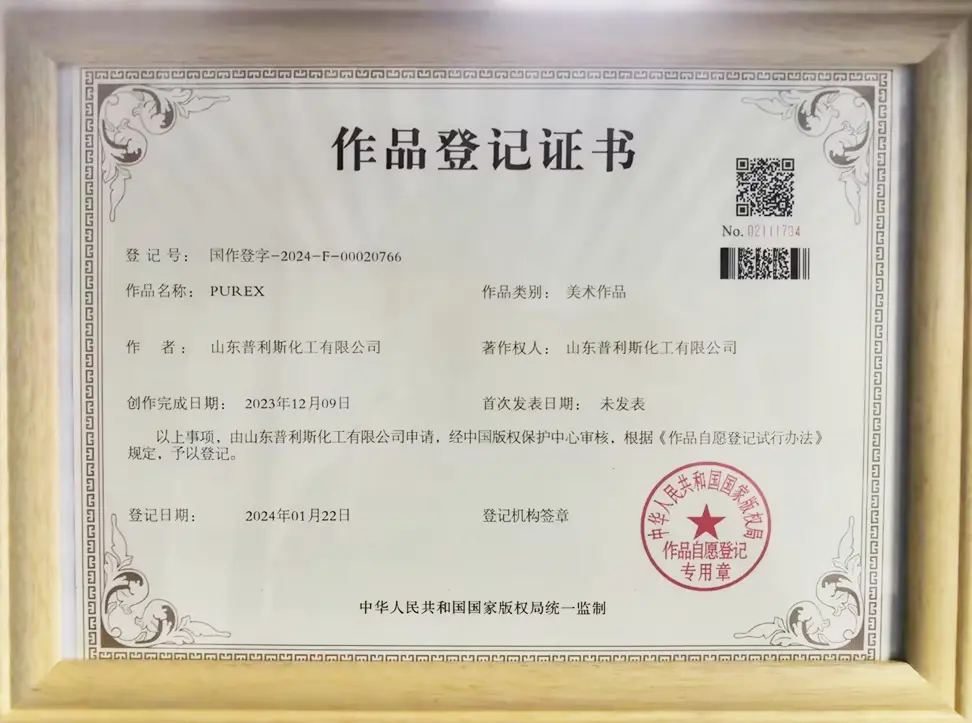
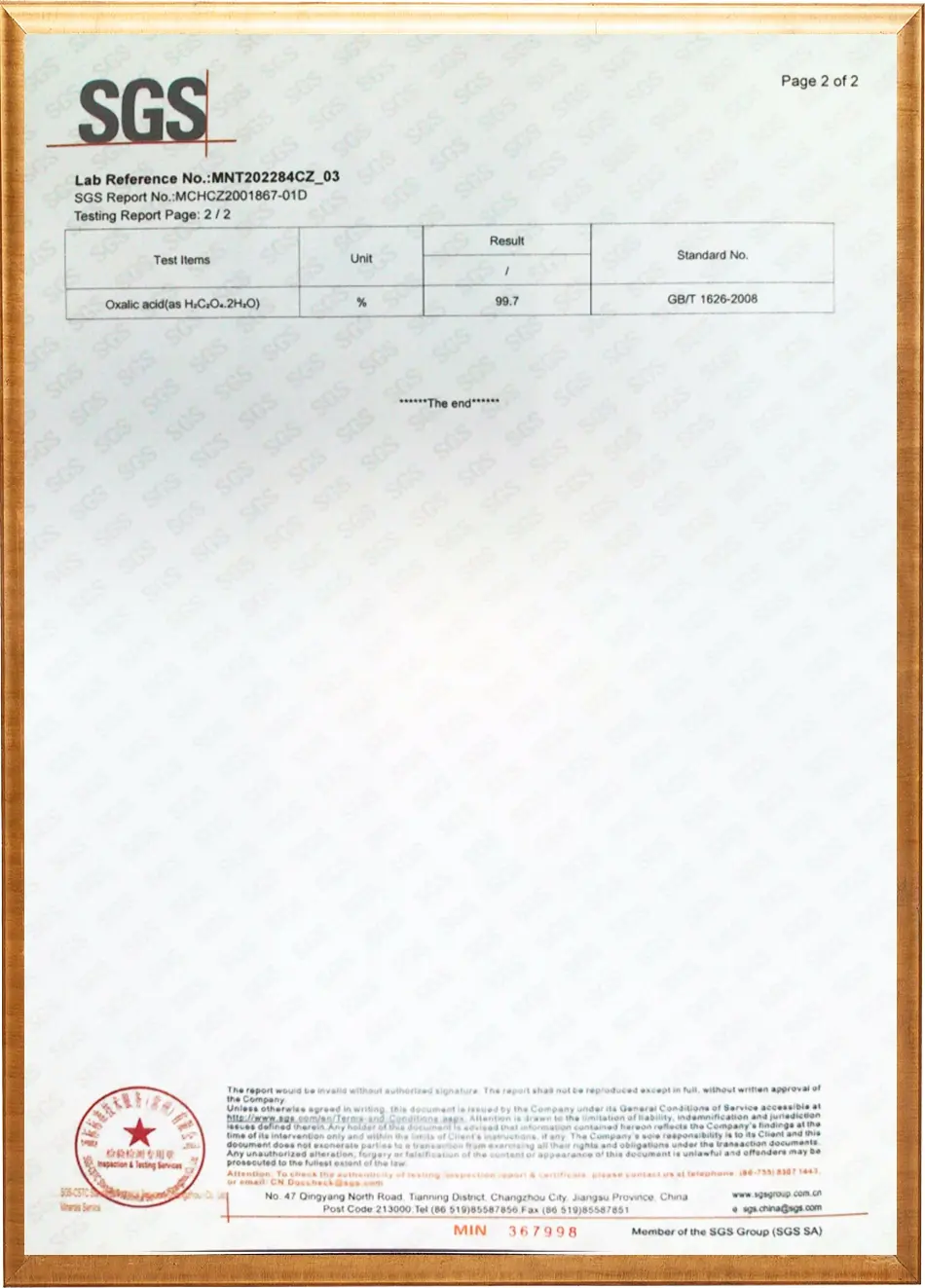
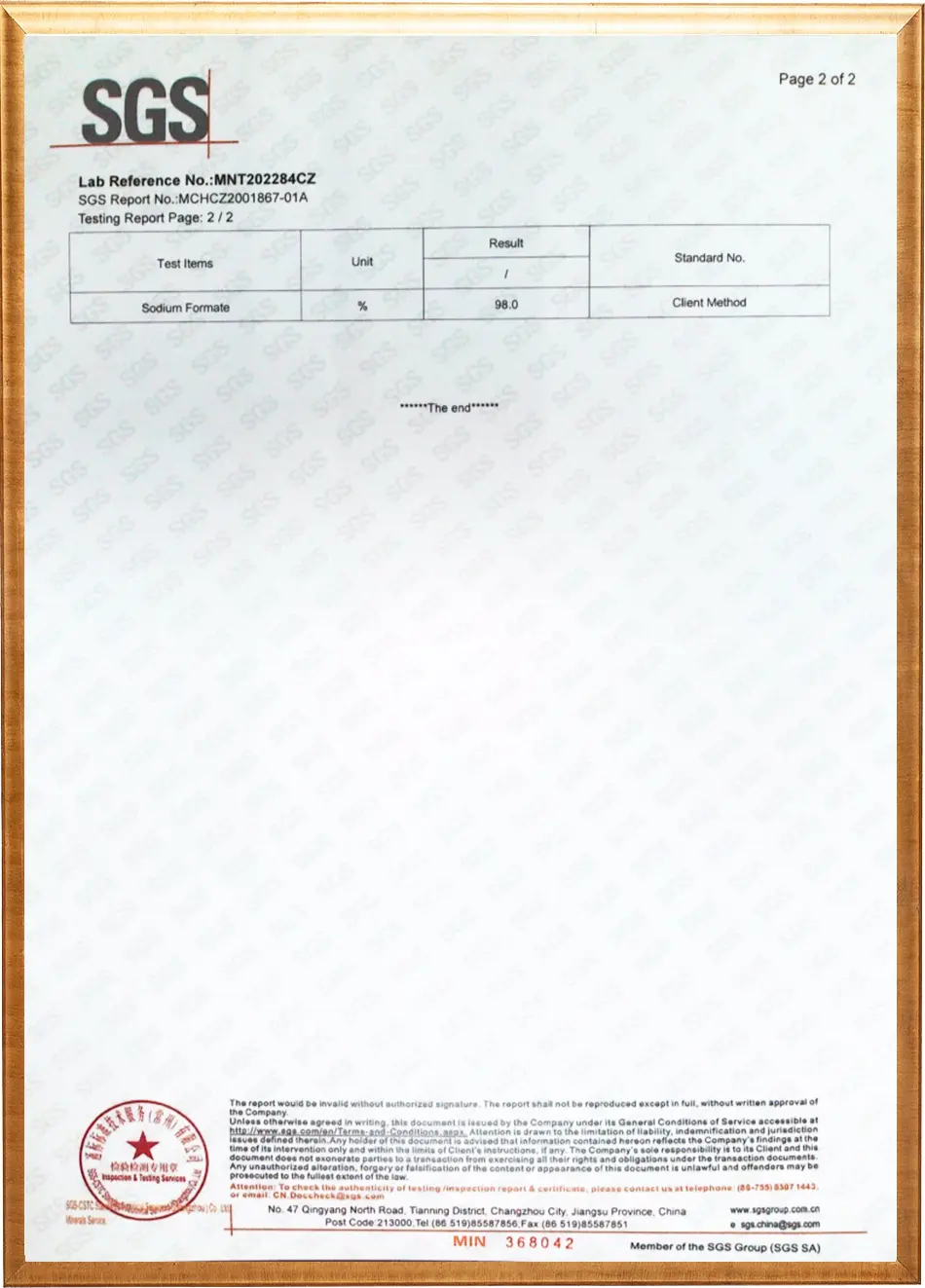
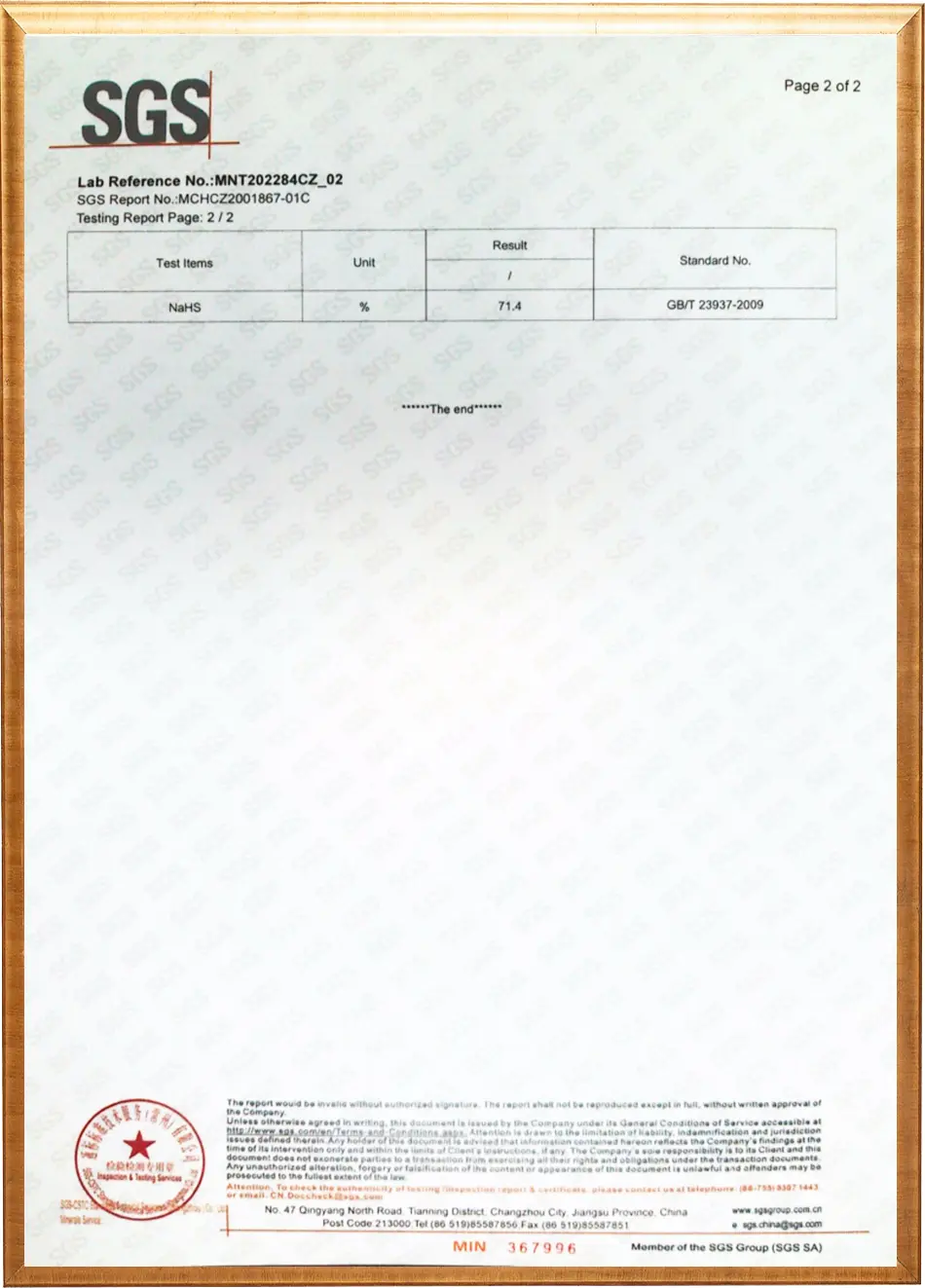
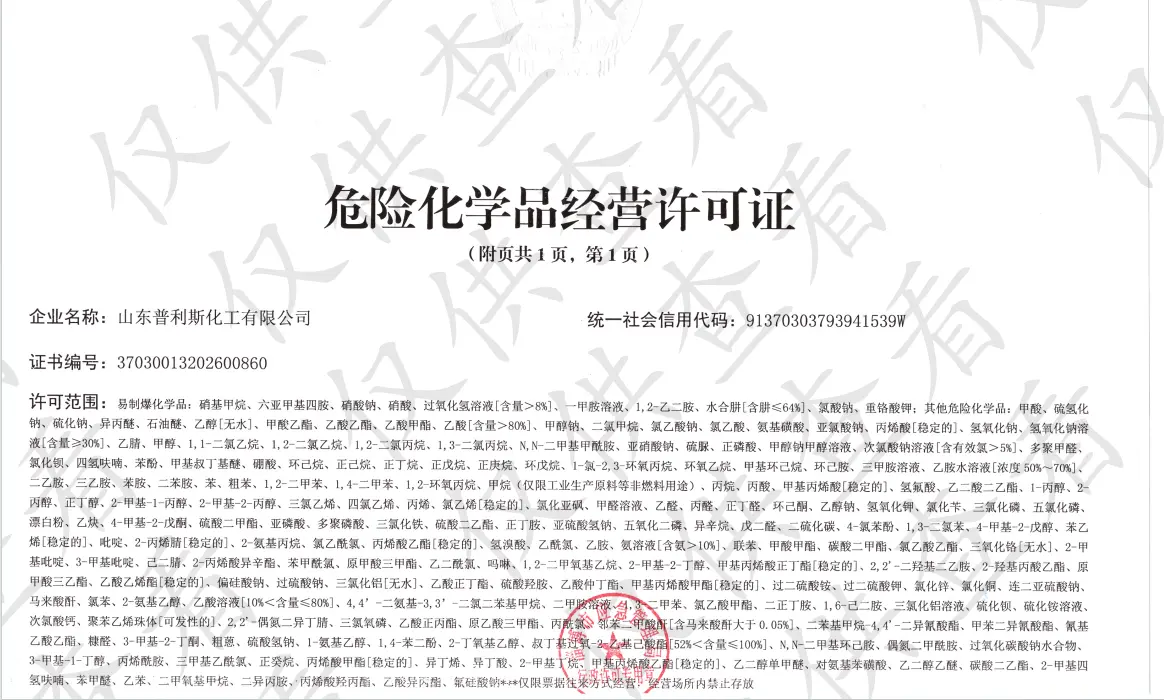
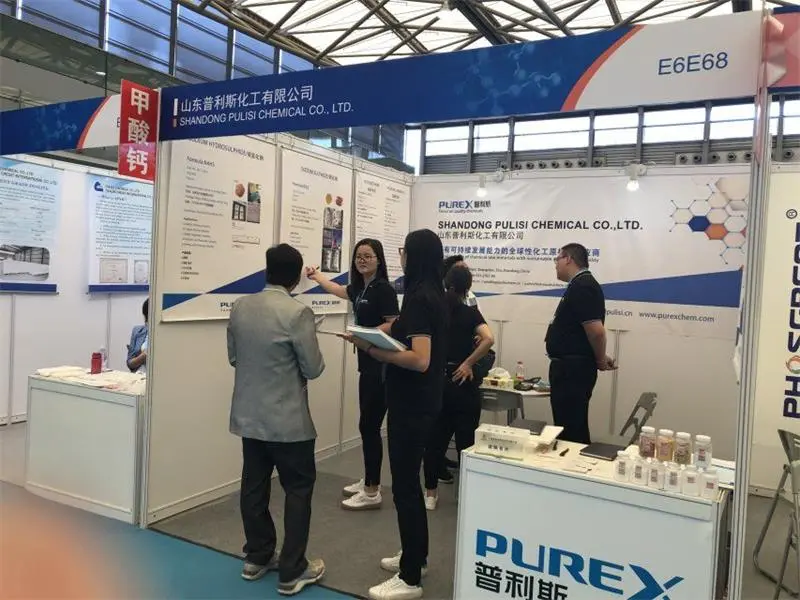
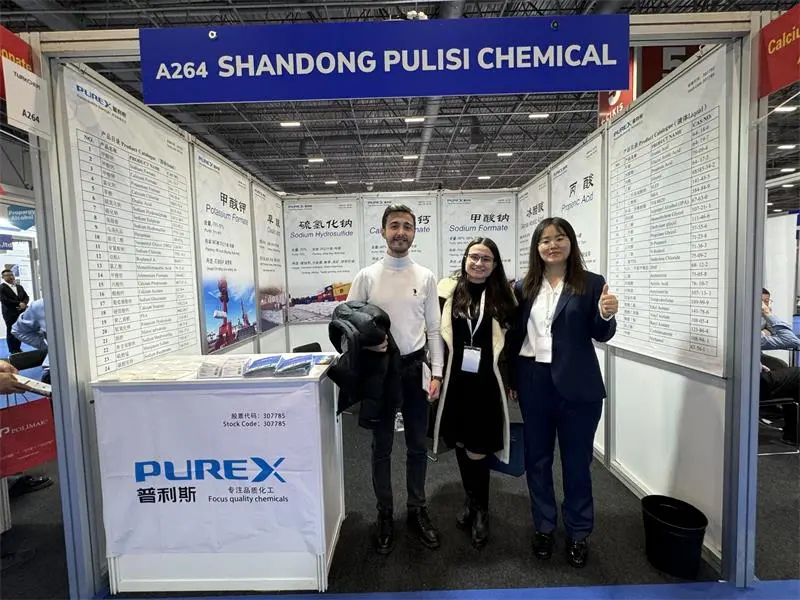
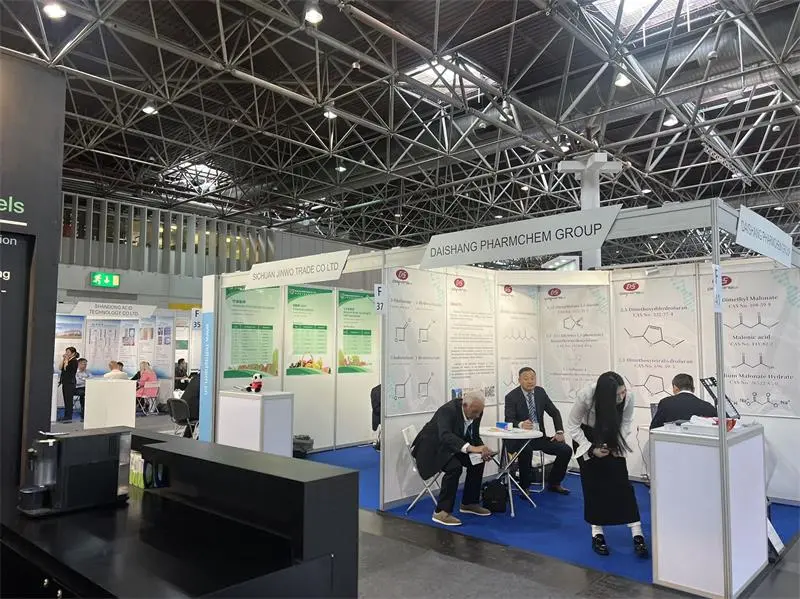
Shandong Pulisi Chemical is committed to building relationships through persistent engagement in major international chemical exhibitions.
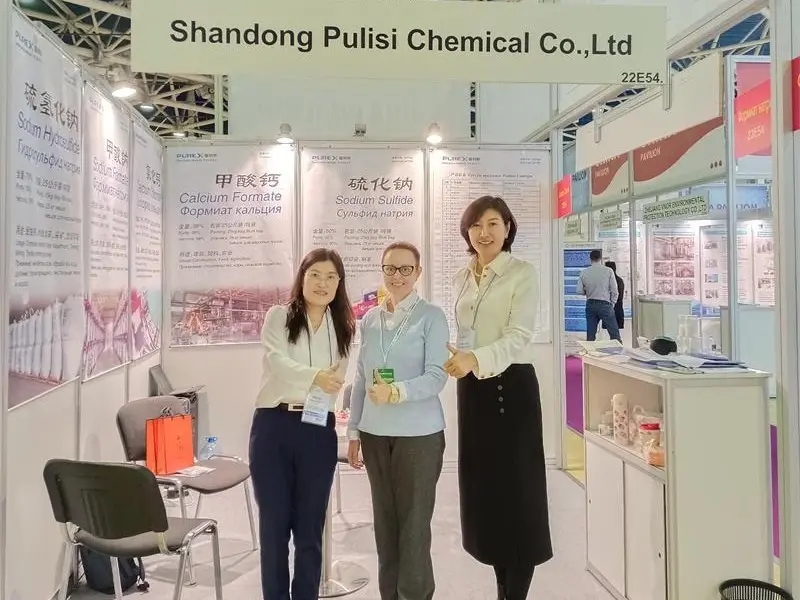
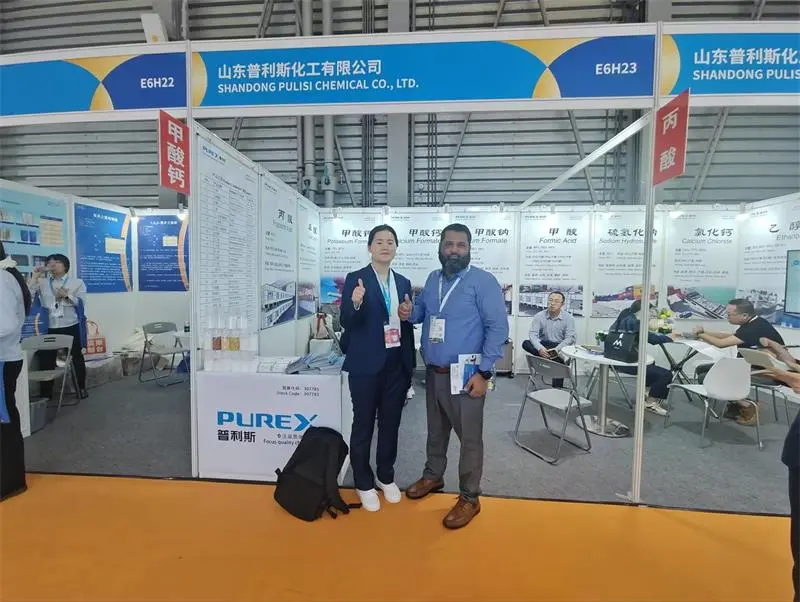
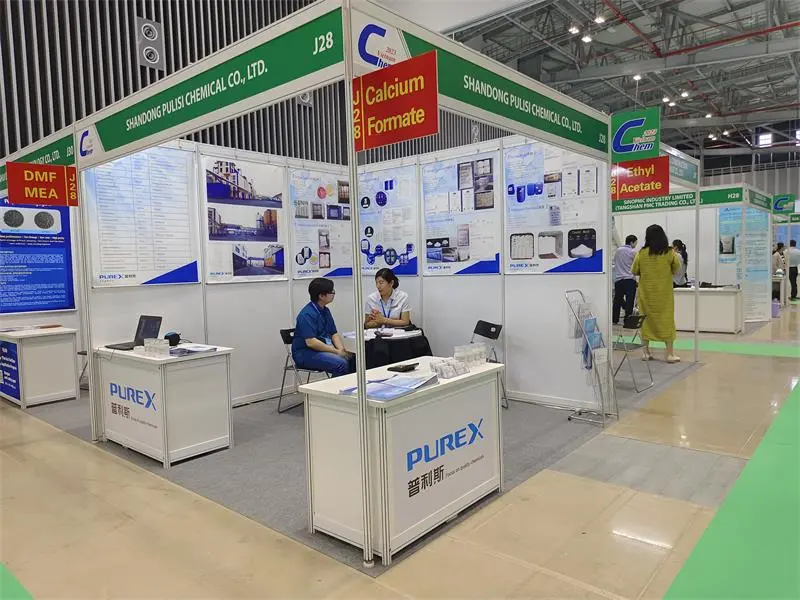
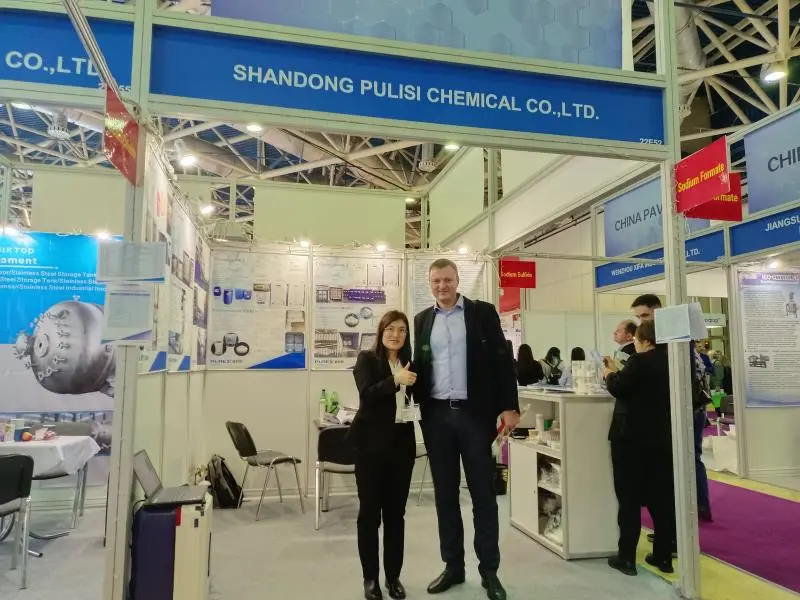
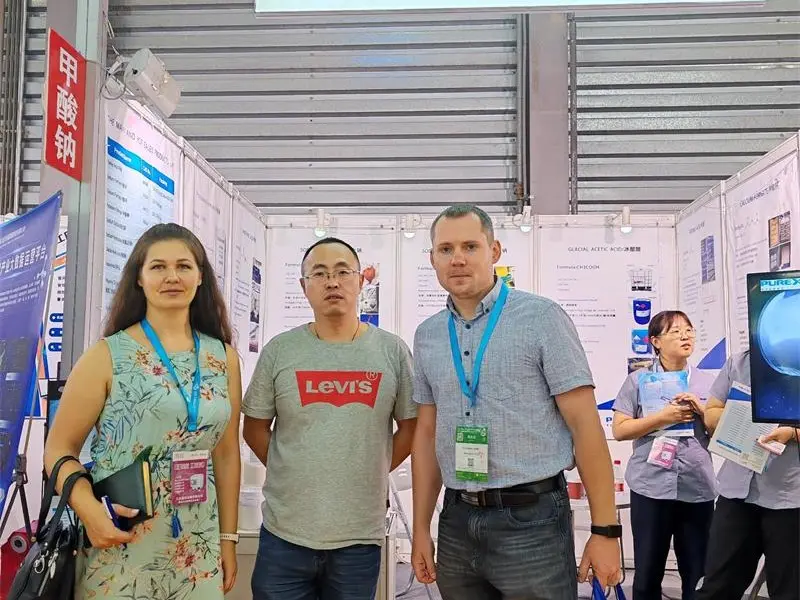
Our primary industrial chemicals, including formates, chlorides, and sulfides, are produced under ISO-compliant conditions.
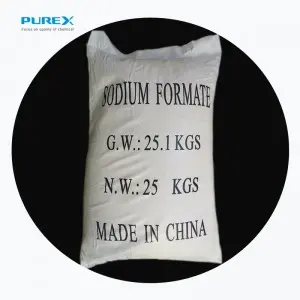
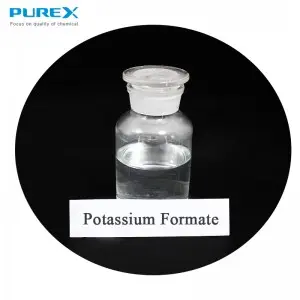
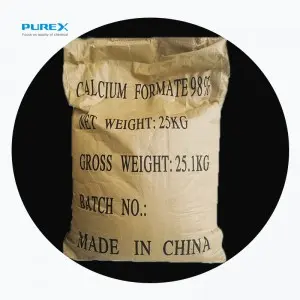
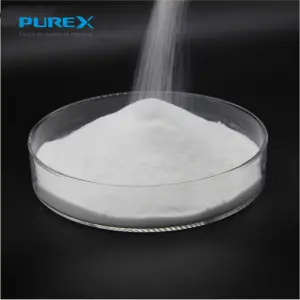
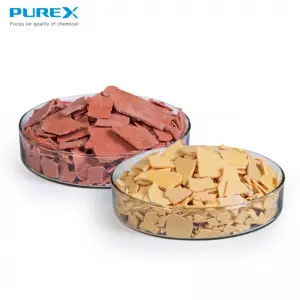
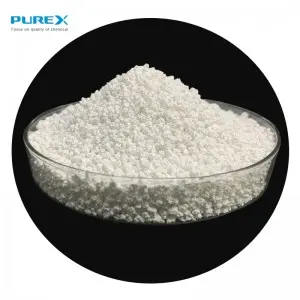
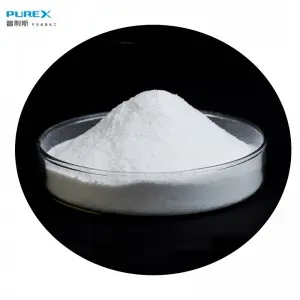
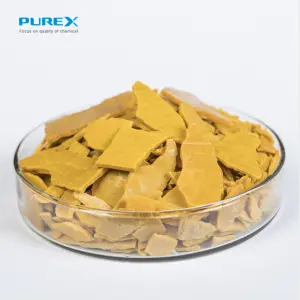
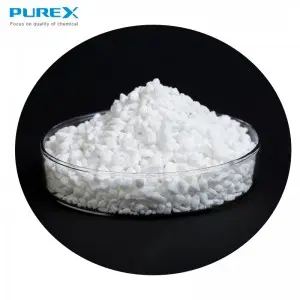
Our diverse raw material outputs support critical applications across multiple global manufacturing sectors.
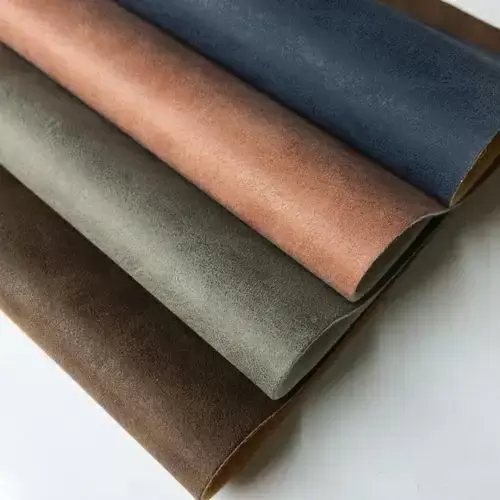



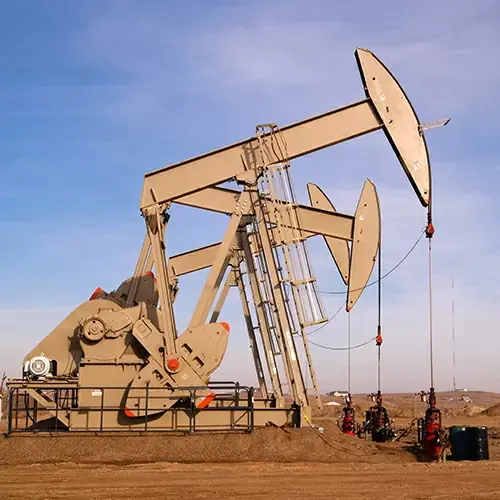


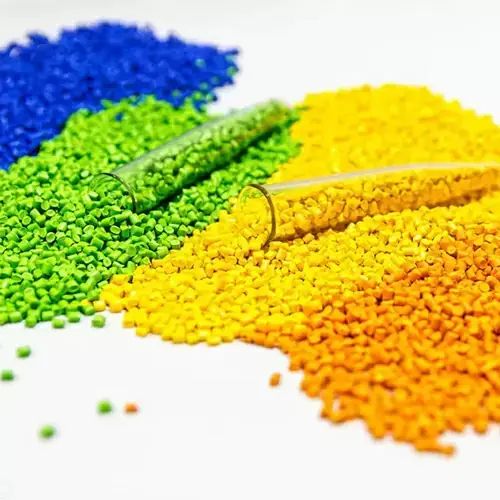
Demonstrating consistent export efficiency, certified quality operations, and warm client-focused business systems.
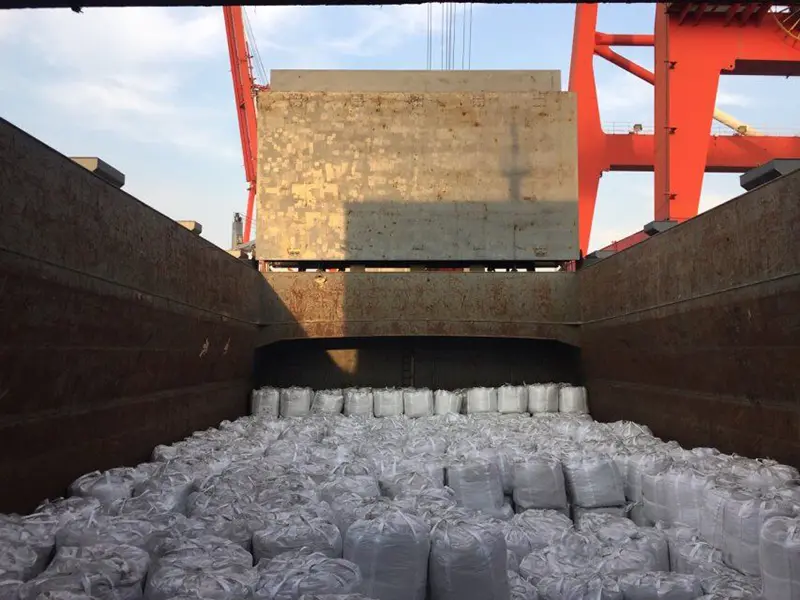
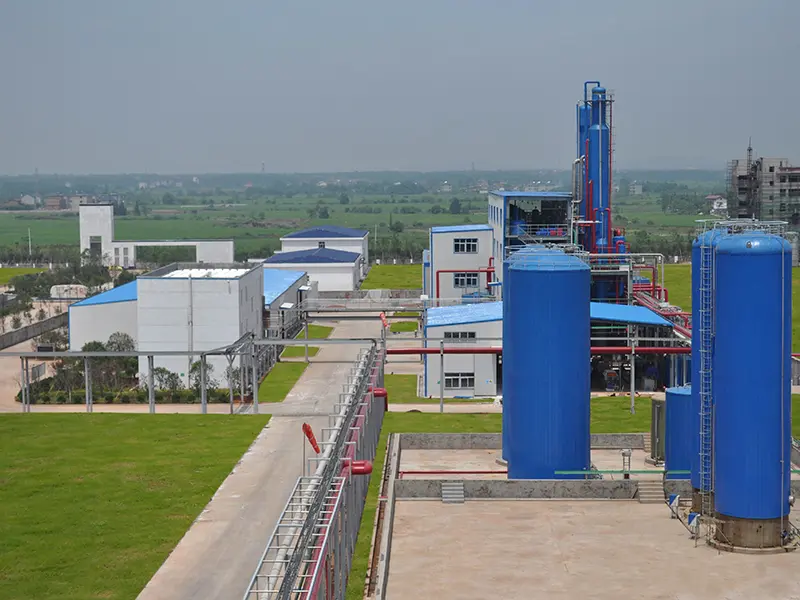
Collaborating closely with leading institutions, distributors, and manufacturing enterprises worldwide.










Detailed professional responses regarding procurement, customization options, safety protocols, and supply logistics.
Our extended chemical catalog features high-grade organic and inorganic intermediates, manufactured to strict industry specifications.
 Pulisi