Discover our portfolio of industrial intermediates and specialized chemical supplies distributed globally.
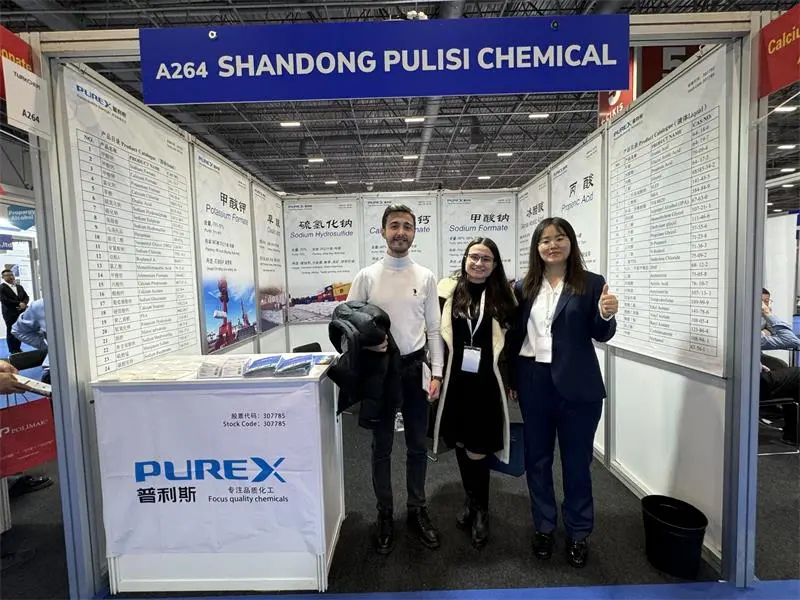
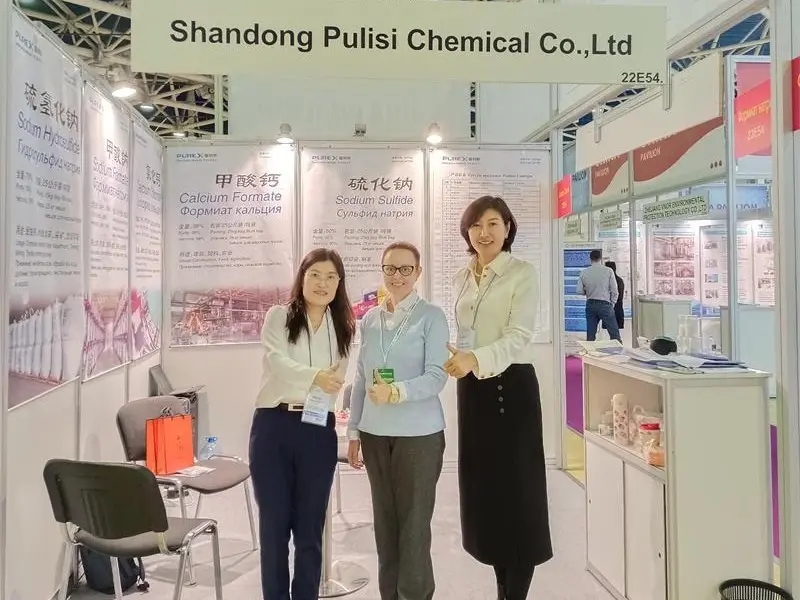
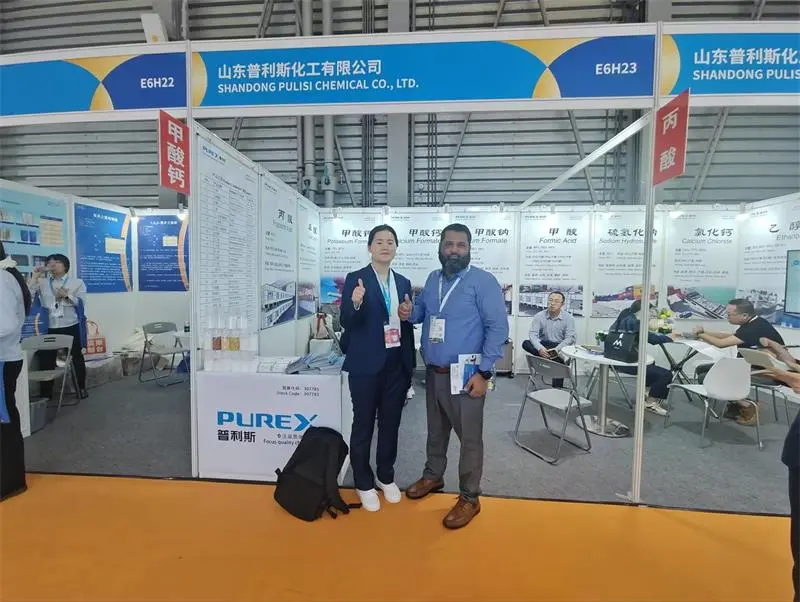
Established in 2006 (Stock Code: 307785), Shandong Pulisi Chemical Co., Ltd. has developed into a premier force in industrial manufacturing, serving as a trusted supplier of petrochemicals, mining chemicals, feed chemicals, and pharmaceutical intermediates. Over nearly two decades, we have fostered long-term, stable relationships with Fortune Global 500 enterprises, including China National Petroleum Corporation (CNPC) and Saint-Gobain. Guided by customer需求, we offer tailored solutions to strengthen our clients' market positions.
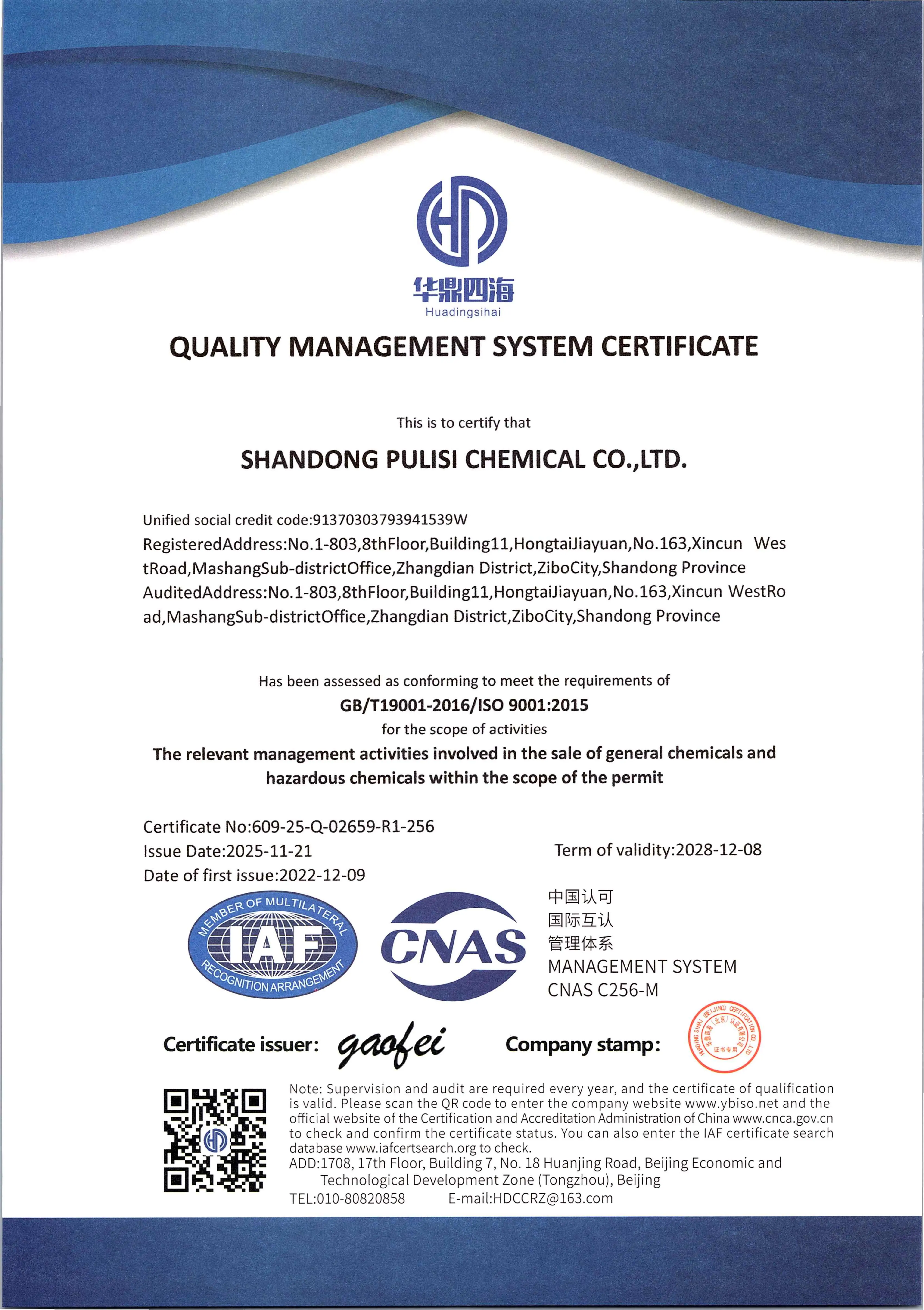
Our operational model integrates stringent quality management with logistical agility. With certificates including ISO9001:2015 and Bureau Veritas (BV) Germany, we operate out of strategic shipping hubs like Qingdao Port, Tianjin Port, and critical Western land gateways (Alashankou and Khorgos border ports). This ensures we can provide flexible delivery mechanisms across diverse geopolitical boundaries, ensuring your industrial supply chain remains uninterrupted.

In-depth technical overview of Maleic Anhydride (C₄H₂O₃) for large-scale industrial buyers.
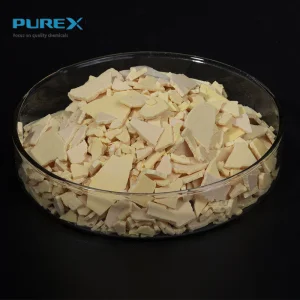
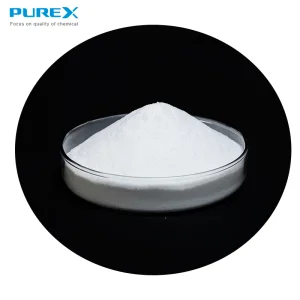
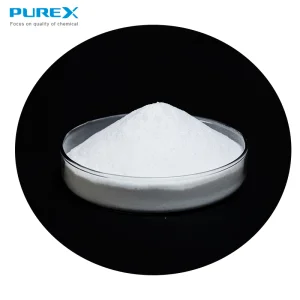
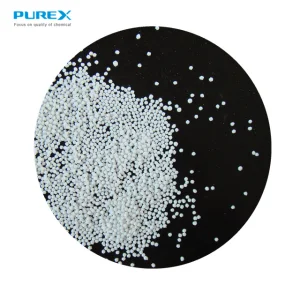
Maleic Anhydride (CAS No. 108-31-6), also known as cis-butenedioic anhydride, is a highly reactive organic compound that appears as white crystalline flakes, briquettes, or molten liquid. Characterized by a sharp, pungent odor, MA is highly soluble in water (readily converting to maleic acid), ethanol, and acetone.
As a crucial bifunctional intermediate, Maleic Anhydride contains an active carbon-carbon double bond and two carbonyl groups. This structure allows it to undergo various chemical processes such as Diels-Alder reactions, esterification, and copolymerization. It is widely used in the synthesis of Unsaturated Polyester Resins (UPR), alkyd resins, agrochemicals, and lubricant additives.
| Parameter / Property | Standard Specification (High Purity) | Test Method |
|---|---|---|
| Appearance | White Briquettes or Flakes / Clear Molten Liquid | Visual Inspection | Purity (C₄H₂O₃) | ≥ 99.5% Min | Gas Chromatography (GC) |
| Molten Color (APHA) | ≤ 25 Hazen | ASTM D3366 |
| Solidification Point | ≥ 52.5 °C | ASTM D1493 |
| Ash Content | ≤ 0.005% Max | Gravimetric Method |
| Maleic Acid Content | ≤ 0.5% Max | High-Performance Liquid Chromatography (HPLC) |
Industrial production of Maleic Anhydride relies primarily on two chemical pathways:
Key quality parameters, logistics safety, and global market dynamics for procurement officers.
For high-performance applications like Unsaturated Polyester Resins (UPR), the molten color stability (measured in APHA) is critical. Impurities like iron or copper can cause yellowing in final polymer coatings, which affects commercial value.
Maleic Anhydride is highly hygroscopic. If it absorbs moisture, it forms Maleic Acid, which can alter reaction stoichiometry in resin synthesis. Proper moisture-barrier packaging (e.g., woven PP bags with PE inner liners) is essential for maintaining product stability.
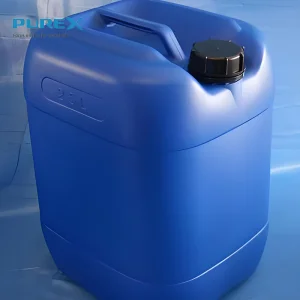
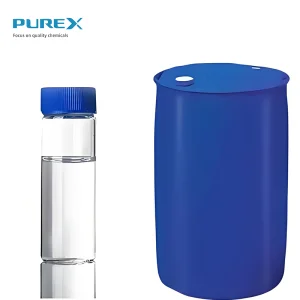
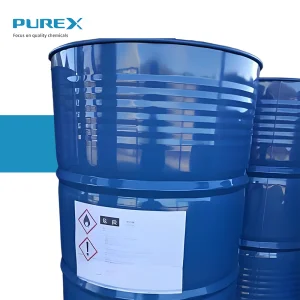
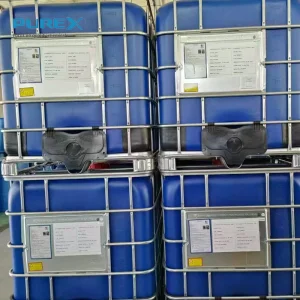
Depending on storage facilities, buyers can purchase MA in solid briquettes/flakes (packaged in 25kg or 500kg bags) or molten liquid shipped via insulated ISO tank containers. Molten shipping eliminates the energy cost of melting the product at the destination, but requires specialized thermal management during transport.
How Maleic Anhydride serves as a primary building block across major manufacturing sectors.

Textile, Printing & Leather
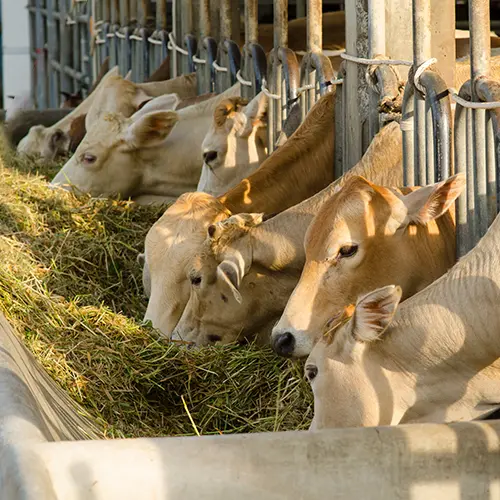
Agriculture & Feed Additives

Construction & Coatings
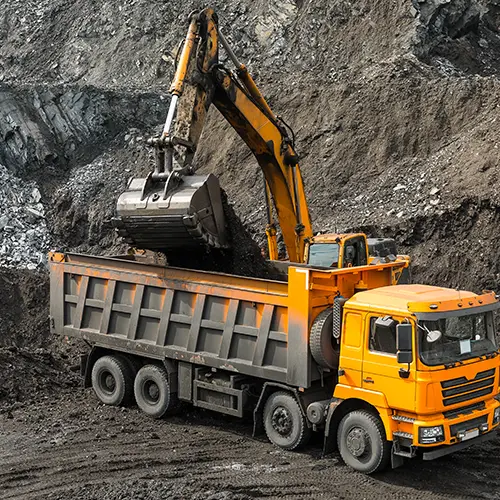
Mining & Ore Extraction
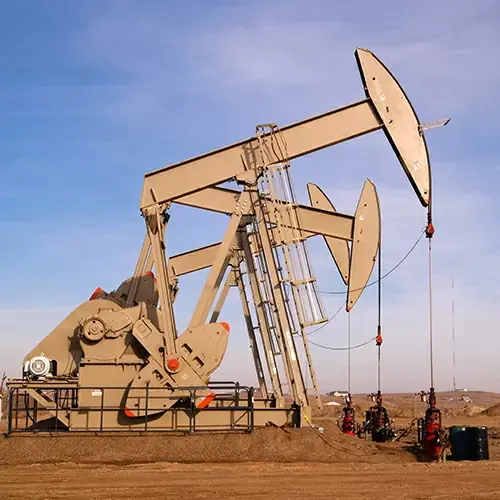
Oil Drilling & Petrochemicals

Disinfectants & Solvents

Water Treatment Systems
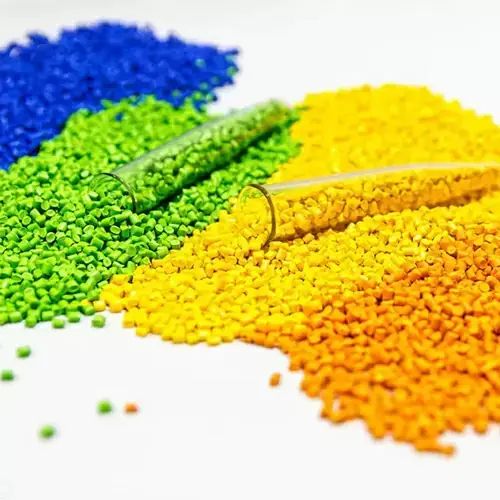
Plastic Raw Materials
Developing sustainable derivatives to meet shifting global compliance demands.
The global maleic anhydride market is undergoing a transition driven by regulatory pressures and shifting downstream demands. With the rise of biodegradable plastics (specifically PBAT and PBS), maleic anhydride is seeing growing use as a key polymer modifier and structural intermediate. Our R&D efforts are focused on the following key areas:
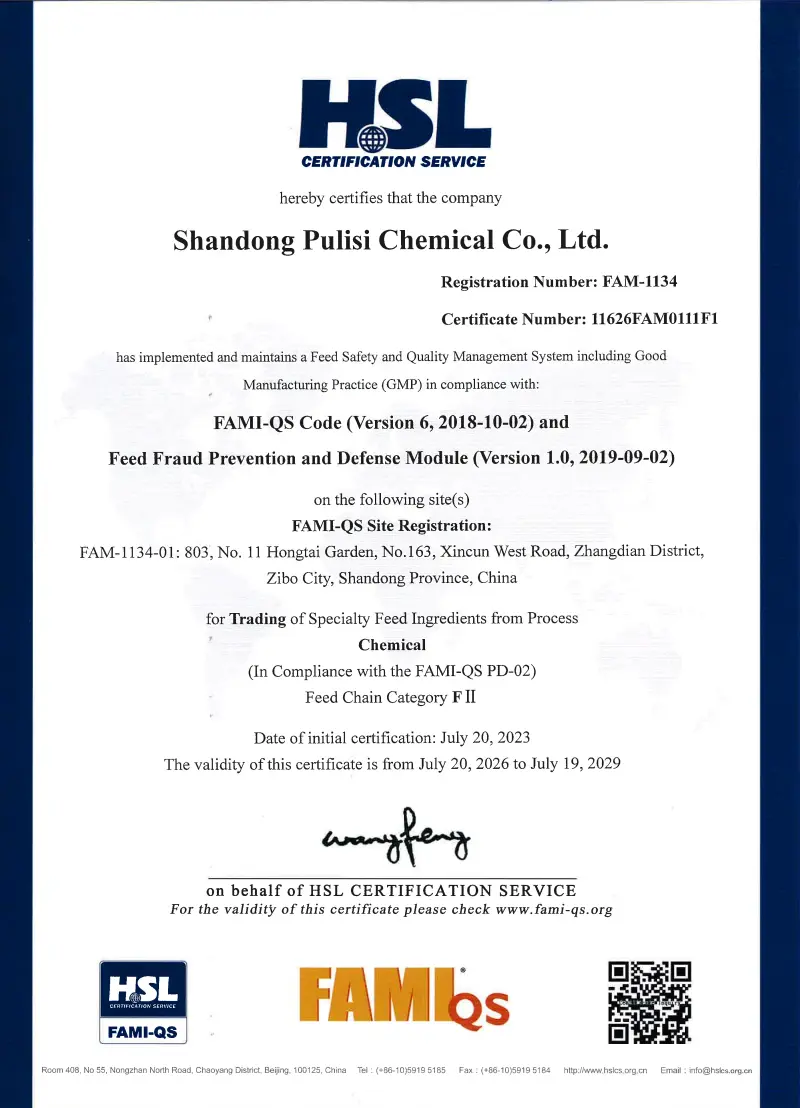
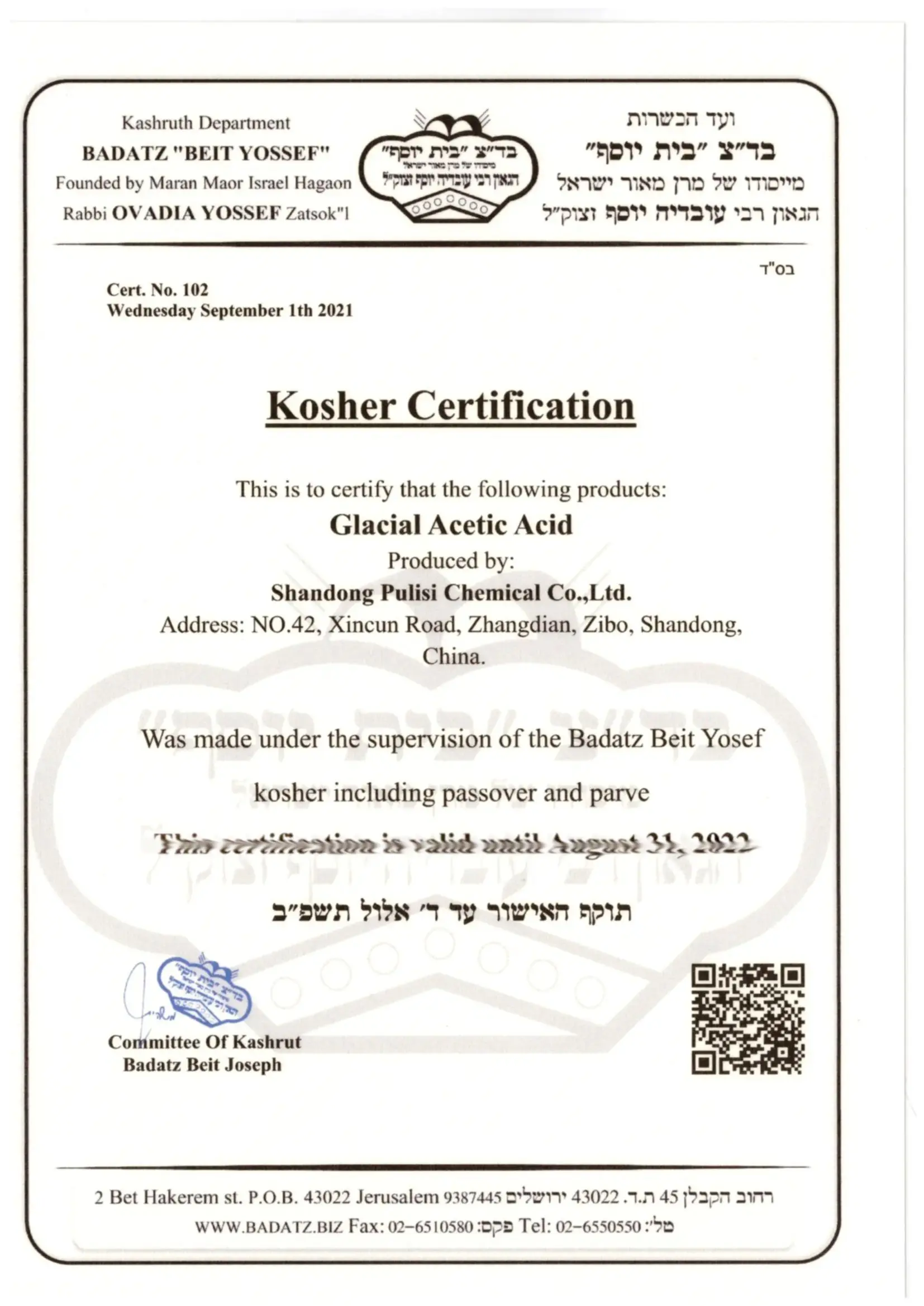
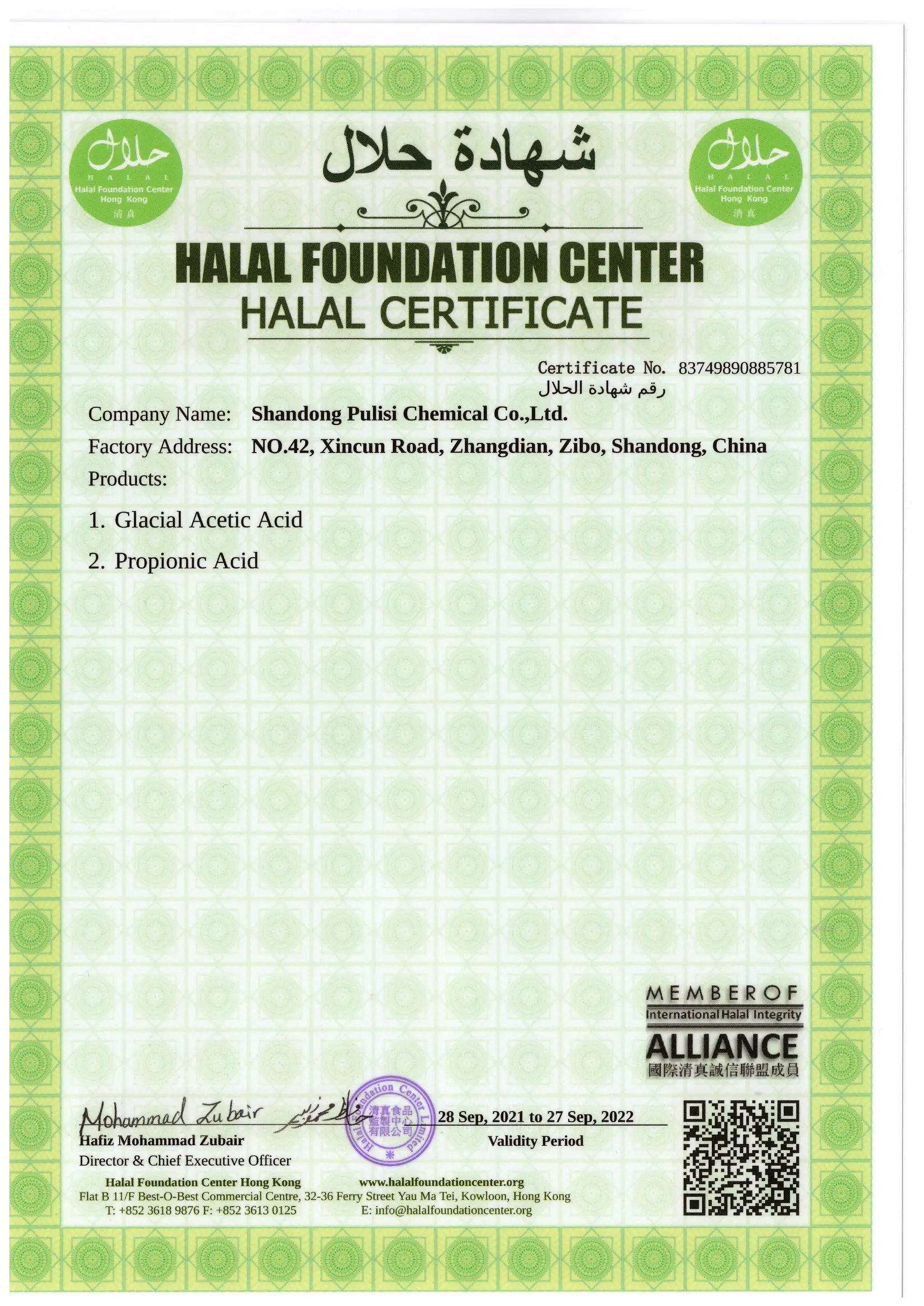
Maintaining the highest international regulatory standards for safety and product quality.
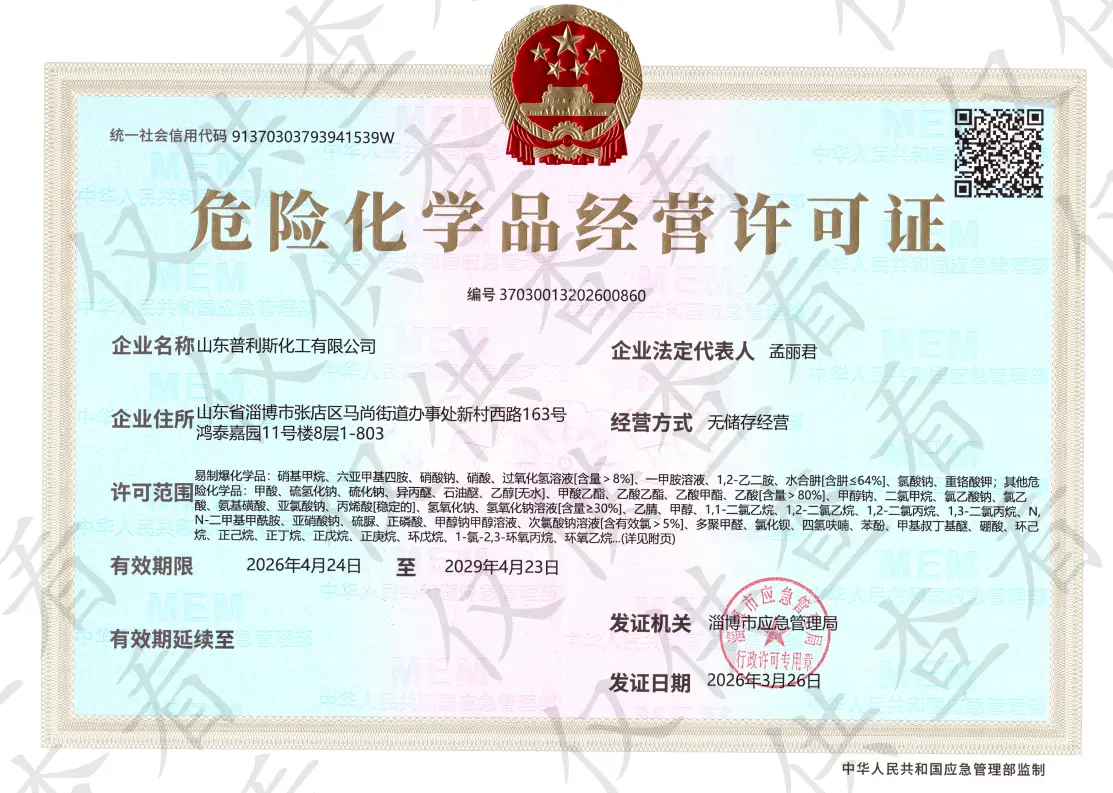
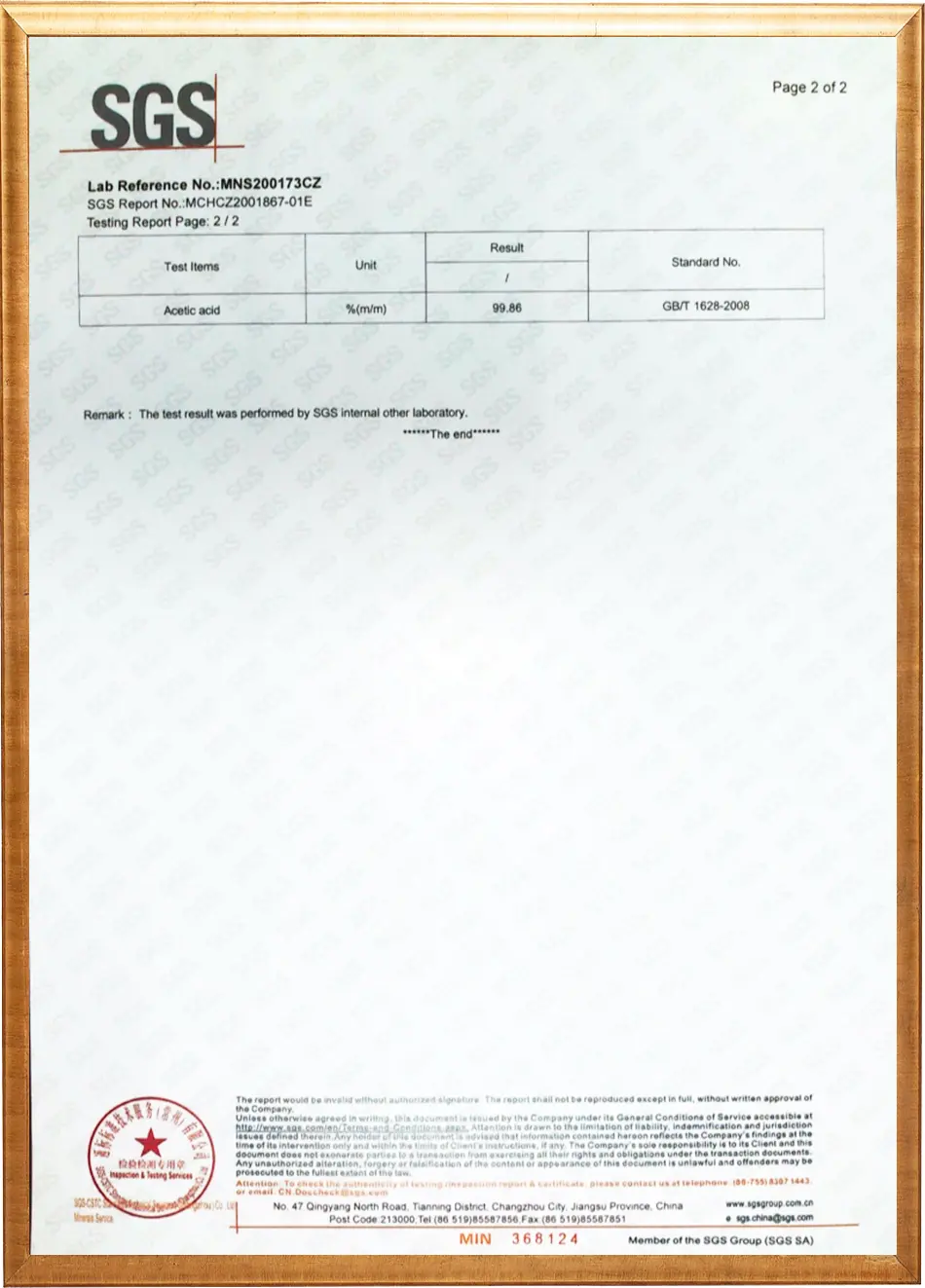
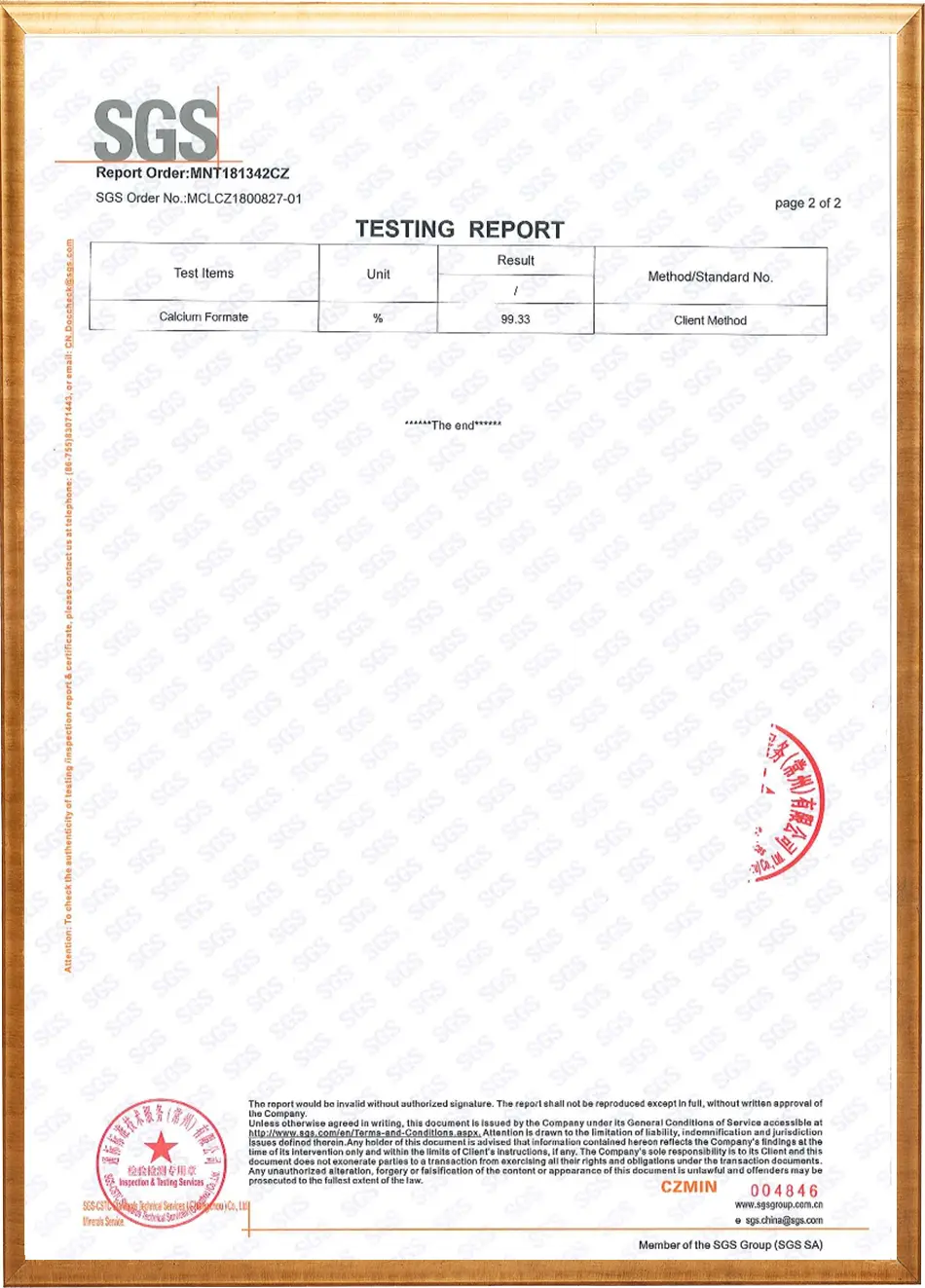
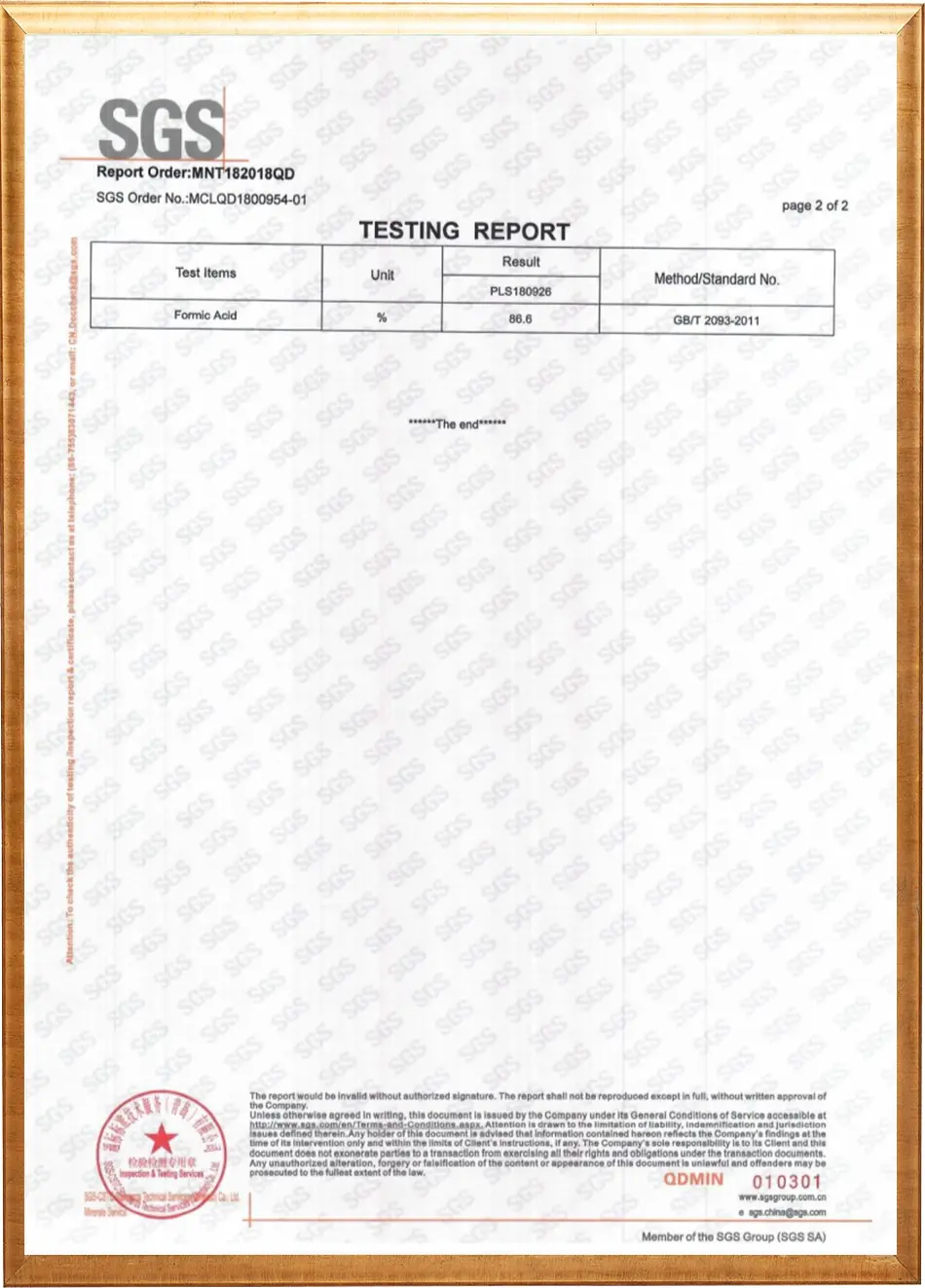
Ensuring timely chemical shipping through our strategic warehousing and supply network.
Logistical delays can disrupt continuous polymer manufacturing. To address this risk, Shandong Pulisi Chemical has built a distributed warehousing network at key shipping points:
Engaging with global chemical markets to build cooperative partnerships.
Maintaining stable cooperative networks with leading global enterprises.








Expert answers regarding technical specifications, ordering, and global shipping policies.
Browse our complete list of industrial chemical raw materials available for worldwide export.
 Pulisi