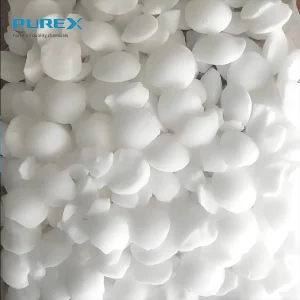
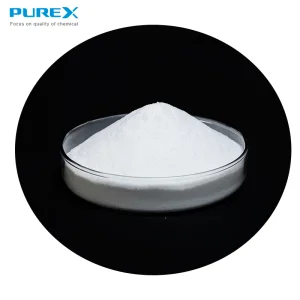
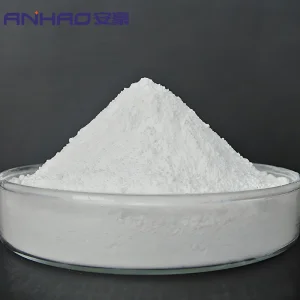
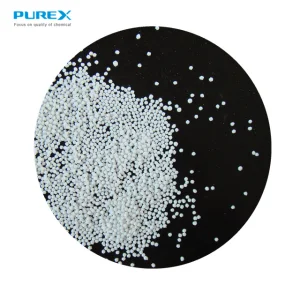
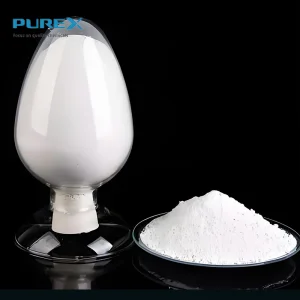
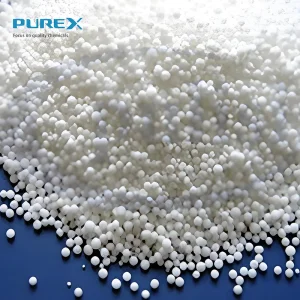
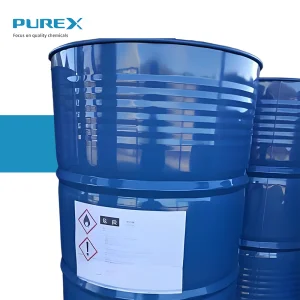
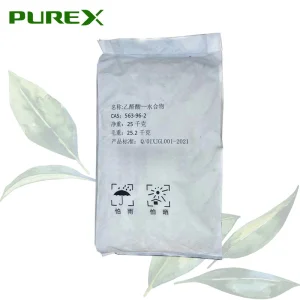
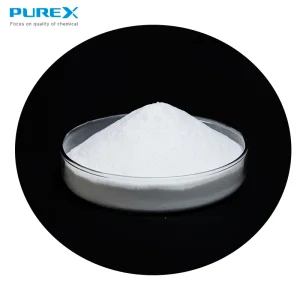
Monochloroacetic Acid (MCA), technically referred to as chloroacetic acid, represents one of the most critical organochlorine intermediates in modern synthetic chemistry. Structurally represented by the formula $CH_2ClCOOH$, it functions as a highly reactive, bifunctional building block capable of undergoing diverse nucleophilic substitutions on the alpha-carbon, alongside traditional carboxylic acid esterifications and amidations. The global production capacity of chloroacetic acid spans approximately one million metric tons annually, heavily anchored in specialized manufacturing clusters in China, Western Europe, and North America.
As global industrial supply chains realign, China has consolidated its position as the premier manufacturer of chloroacetic acid, driving technological advancements in crystallization-based purification and continuous chlorination. This regional concentration is sustained by dense downstream industrial parks, reliable access to primary feedstocks (glacial acetic acid and chlorine gas), and optimized logistics networks that facilitate cost-effective distribution to growing markets across South America, Southeast Asia, and the Middle East.
"High-purity Monochloroacetic Acid (MCA) is critical for pharmaceutical intermediates and cosmetics where Dichloroacetic Acid (DCA) impurities must be strictly minimized. Modern crystallization systems enable the suppression of DCA to levels well below 100 ppm, establishing a new standard for global compliance."
Two primary commercial methods dominate the synthesis of Chloroacetic Acid:
The primary challenge in chlorination synthesis is the co-production of Dichloroacetic Acid (DCA) and Trichloroacetic Acid (TCA). To combat this, advanced manufacturers employ catalytic hydrogenation systems. The raw reaction mixture containing MCA and DCA is passed over a palladium-on-carbon catalyst under hydrogen pressure, selectively reducing the dichloro- byproduct back to monochloroacetic acid. This continuous catalytic purification forms the basis of pharmaceutical-grade MCA manufacturing.
Understanding China Chloroacetic Acid quotes requires an analysis of the upstream feedstocks: glacial acetic acid, liquid chlorine, and sulfur-based catalysts. The pricing structure is inherently cyclical, heavily influenced by global oil and natural gas indexes, coal gasification costs, and local chlorine balance metrics within regional chemical industrial zones.
Beyond raw material prices, regulatory compliance costs exert upward pressure on manufacturing expenses. China's dual-control energy policies and stringent environmental safety assessments mean that only fully integrated, compliant chemical companies can maintain continuous production runs. This operational continuity directly translates to pricing stability for long-term supply agreements.
Established Year
Years of Export Expertise
Exporting Countries
Partner Companies Worldwide
When evaluating suppliers, global buyers must assess port-proximity and warehousing infrastructure. Shandong Pulisi Chemical Co., Ltd. (Stock Code: 307785) addresses supply chain bottlenecks by maintaining strategic warehousing at primary logistics hubs including Qingdao Port, Tianjin Port, and Xinjiang border crossings (Alashankou, Khorgos).
This multi-port strategy allows logistics teams to bypass regional port congestions and balance ocean freight rates against land-based multimodal routes. For instance, European buyers can leverage Central Asian rail routes via Khorgos, reducing transit times from 45 days down to approximately 18 days, while sea shipments to the Americas and Southeast Asia are dispatched from Qingdao to minimize handling and port tariffs.

Chemicals For Textile, Printing & Dyeing & Leather
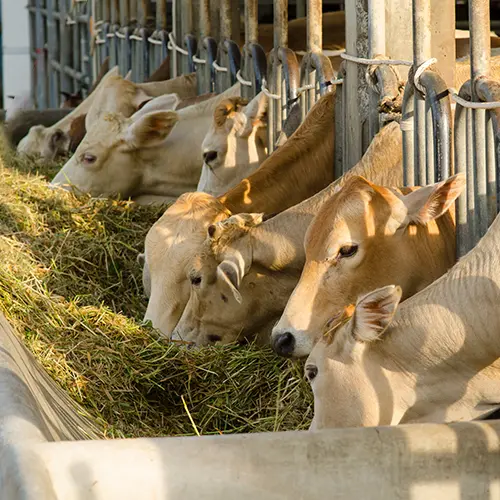
Agricultural Chemicals, Food & Feed Additives

Chemicals For Construction And Coatings
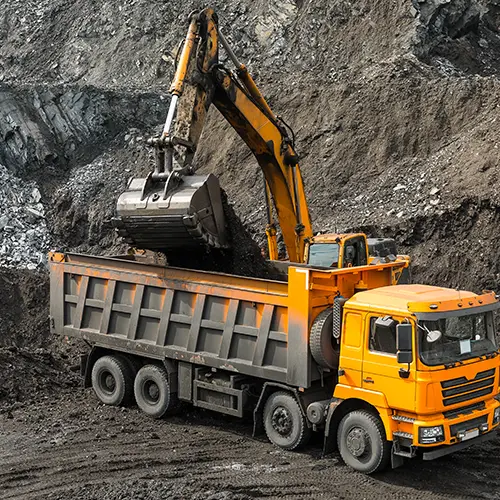
Chemicals For Mining
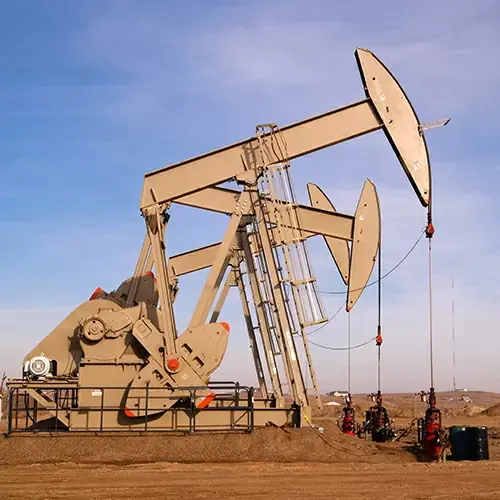
Chemicals For Oil Drilling
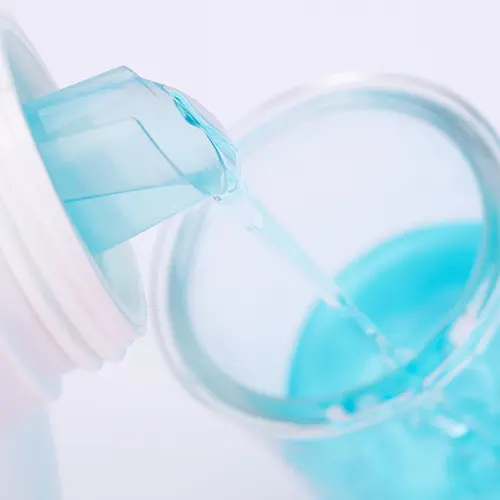
Disinfectant And Solvent Chemicals
Chemicals For Water Treatment
Plastic Raw Material
Carboxymethyl Cellulose represents the single largest downstream market segment for Chloroacetic Acid, consuming over 30% of global output. The synthesis involves the etherification of alkali-treated cellulose with sodium monochloroacetate (SMCA). The degree of substitution (DS) of the resulting CMC, which determines its viscosity, solubility, and performance profile, is directly dependent on the purity and concentration of the SMCA reactant.
High-viscosity CMC grades, which are critical as mud stabilizers in deep-well oil and gas drilling operations, require strict exclusion of Dichloroacetic Acid (DCA). Excess DCA acts as a cross-linking agent, generating undesirable hydrogels that disrupt rheological stability at high downhole temperatures.
MCA serves as a core reactant in the industrial synthesis of key herbicides:
In the personal care sector, MCA is reacted with tertiary fatty amines to produce Cocoamidopropyl Betaine (CAPB) and other alkyl betaines. These mild amphoteric surfactants are utilized in baby shampoo and body washes. For cosmetic-grade applications, the presence of residual chloroacetic acid is regulated to low parts-per-million (ppm) levels to avoid skin sensitization.
The regulatory landscapes for chemical synthesis are changing, with the European Union REACH and global chemical registries imposing stricter occupational exposure and impurity limits. Over the 2025–2030 forecast window, three major technological shifts are expected to transform the chloroacetic acid industry:
Transitioning from traditional stirred batch reactors to micro-channel continuous flow reactors. This minimizes liquid hold-up, yields tighter control over the exothermic chlorination step, and lowers raw energy consumption.
Developing bio-based glacial acetic acid routes derived from agricultural fermentation. Sourcing renewable bio-based raw materials helps down-stream users meet scope-3 emission targets.
Implementing falling-film melt crystallization systems that separate MCAA from DCA without chemical solvents. This process yields ultra-high purity grades (>99.7%) suited for pharmaceutical synthesis.
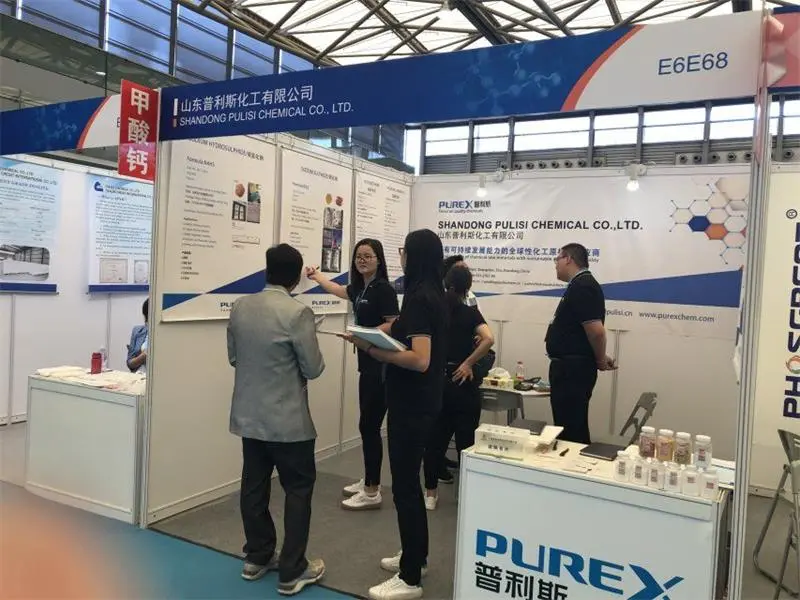
Shandong Pulisi Chemical Co., Ltd. was established in 2006 (Stock Code: 307785). The company focuses on petrochemicals, mining chemicals, feed chemicals, and pharmaceutical chemicals. At present, the company has established long-term and stable partnerships with Fortune Global 500 companies such as China National Petroleum Corporation and Saint-Gobain. We always take customer demand as the core orientation and provide tailored solutions to help customers strengthen their market competitiveness.
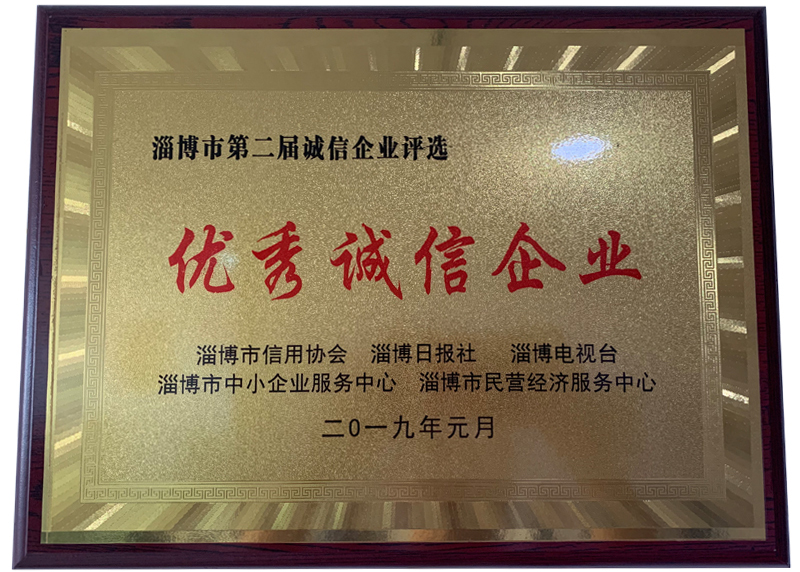
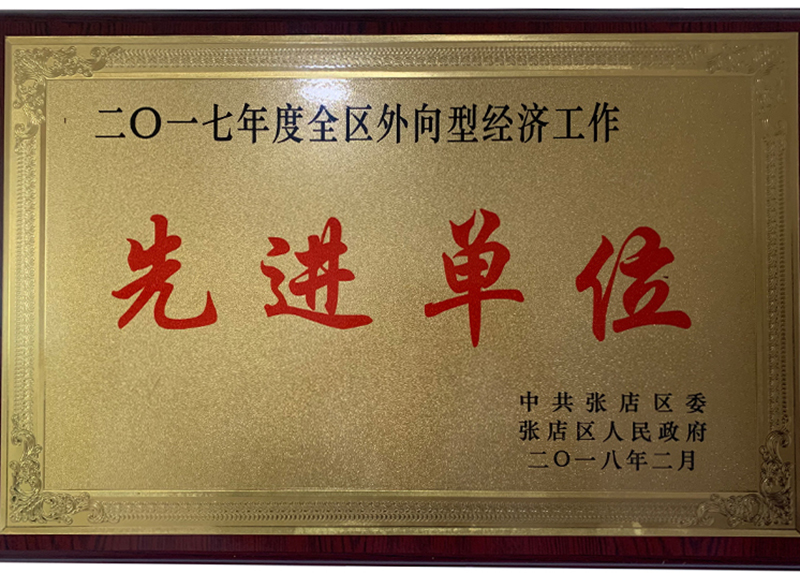
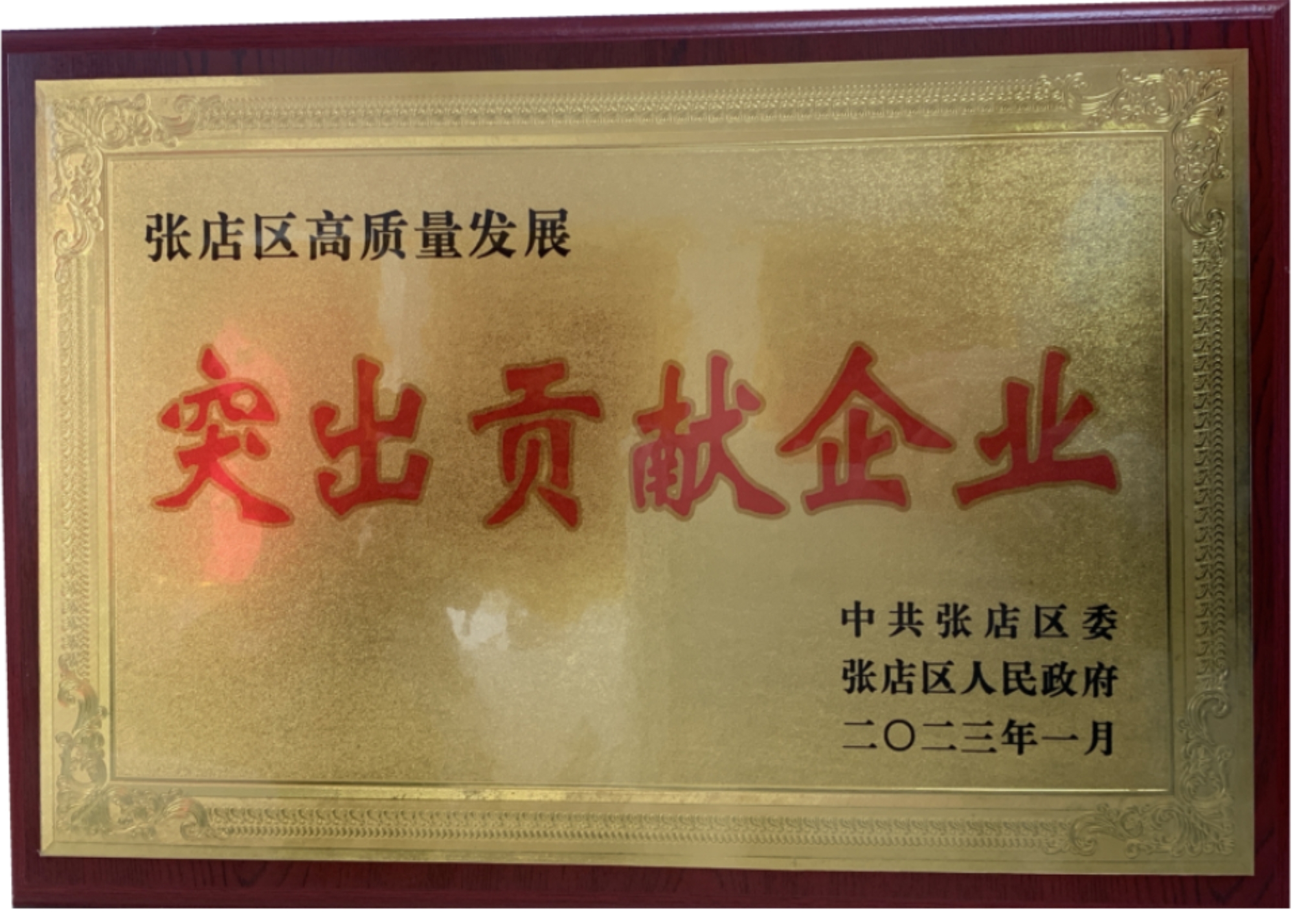
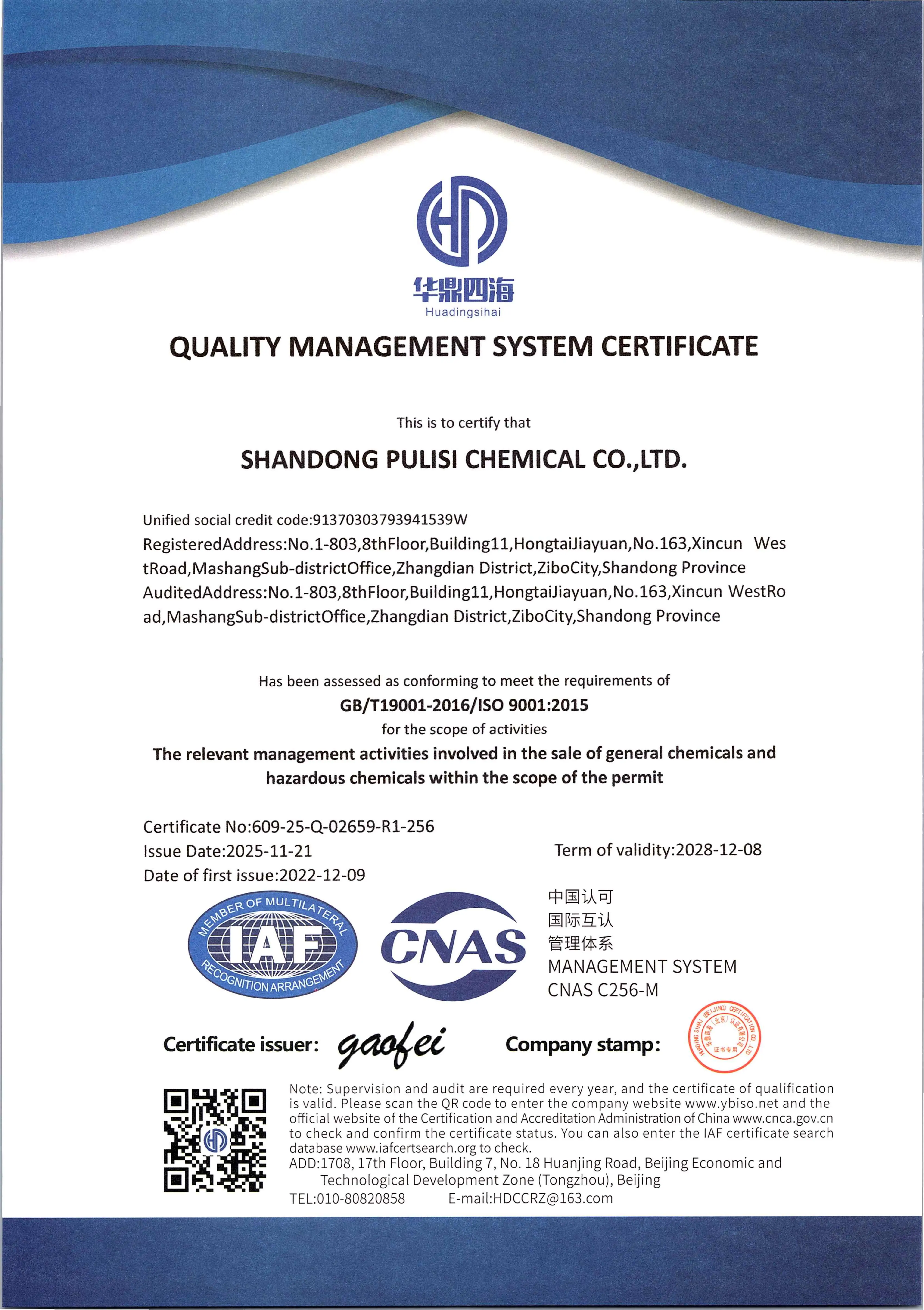
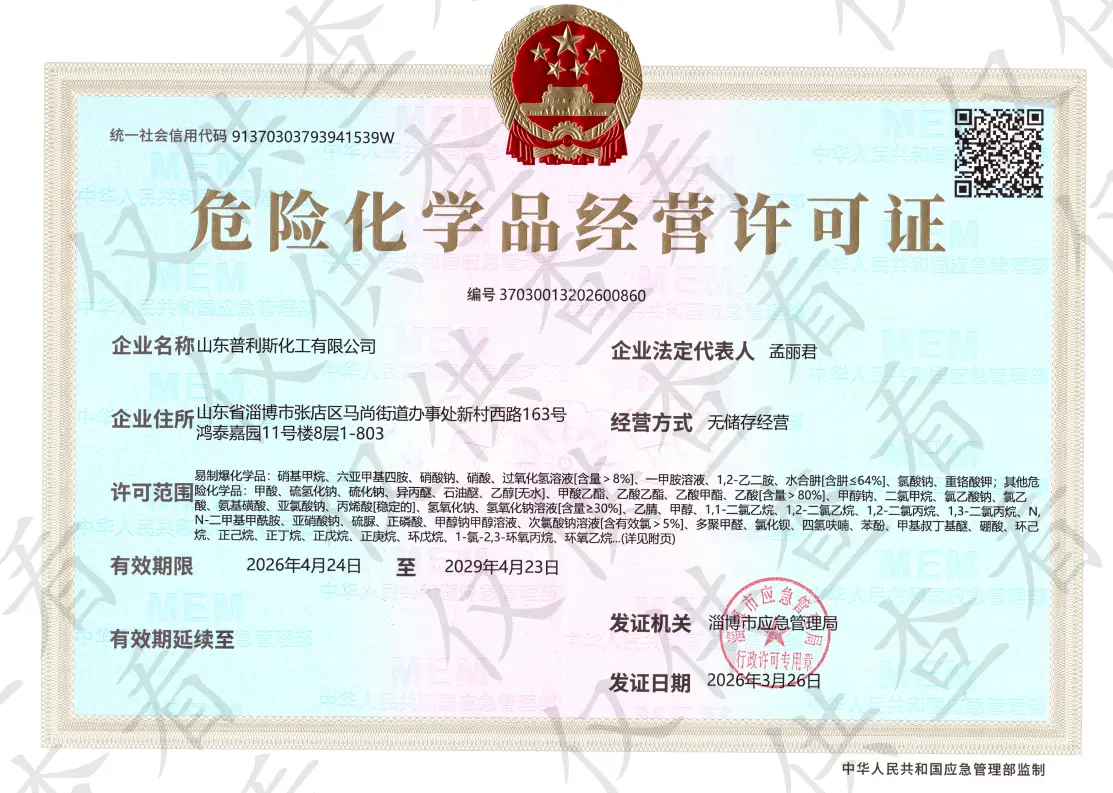
The company has passed ISO9001:2015 Quality Management System Certification and German BV Certification, and has been awarded multiple honors such as Foreign-Oriented Economic Enterprise, Alibaba Demonstration Base, and Contribution Enterprise. In 2023, the company successfully went public with stock code: 307785.
The company upholds the corporate culture philosophy of "Customer First, Rapid Response; Striving as the Foundation, Efficient Collaboration; Integrity and Uprightness, Agile Adaptation." We focus on providing compliant and high-quality products and supporting services, and are committed to becoming a long-term and stable partner for customers.
Meanwhile, the company has established mature warehousing and distribution systems at key logistics hubs, including Qingdao Port, Tianjin Port, and Xinjiang border ports (Alashankou, Khorgos). We are able to provide flexible supply solutions according to customer needs to ensure timely order delivery. No matter where customers are located, Shandong Pulisi Chemical will safeguard their business development with professional service systems and efficient response capabilities.
We always adhere to the mission of "creating value for customers and making their products better," based on reputation and guaranteed by service. We look forward to strengthening cooperation with partners to create a future together!

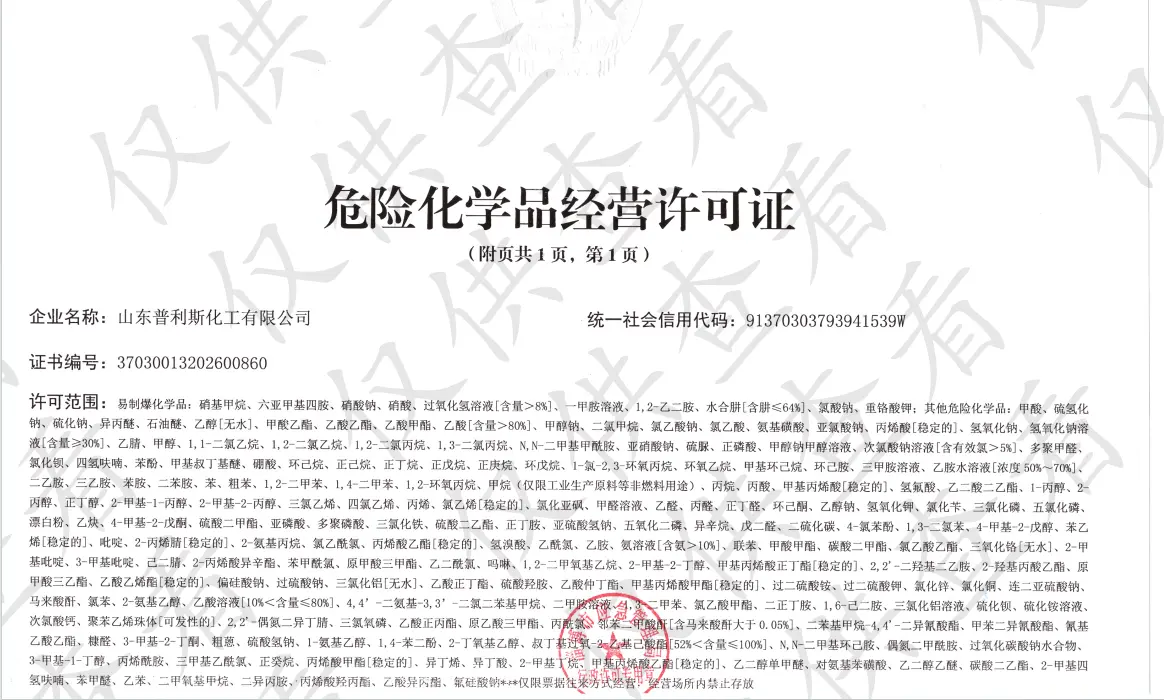
Since its establishment in 2006, the company has adhered to the core corporate philosophy of "industrial, mining, and chemical raw material supply service provider", and is committed to becoming a leading global supplier of chemical raw materials. We focus on the development of a quality chemical industry, investing in technical innovation, environmental safety, and optimized supply chain systems.
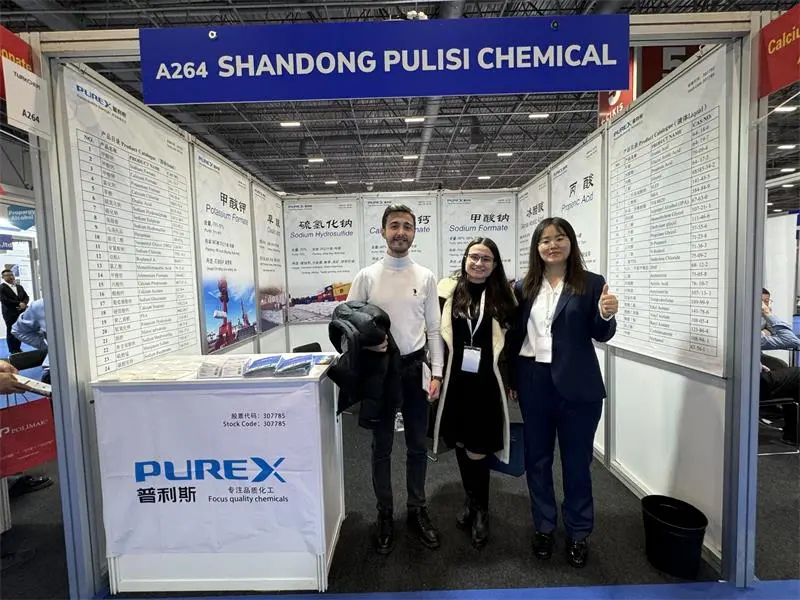
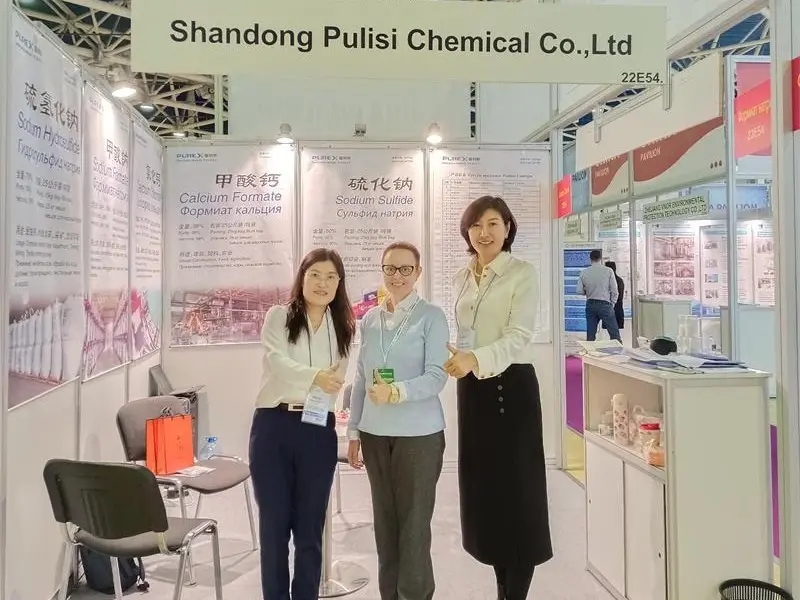
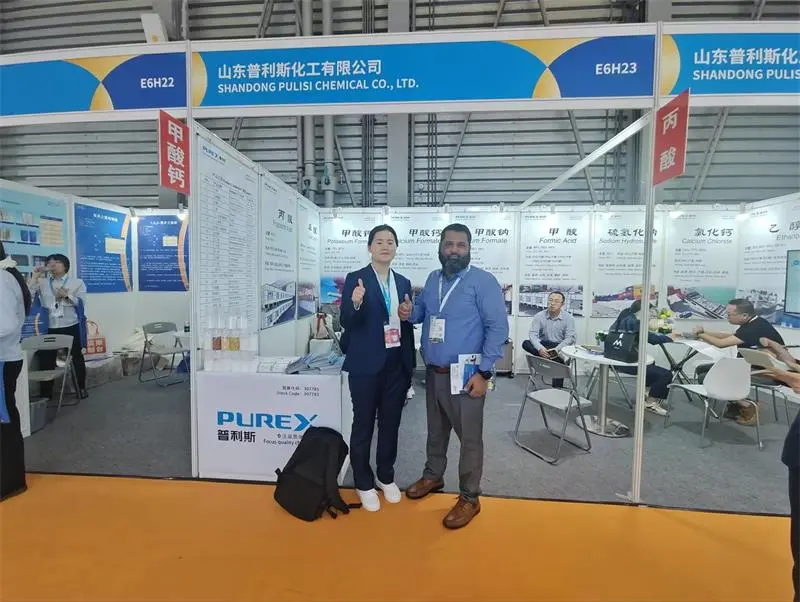
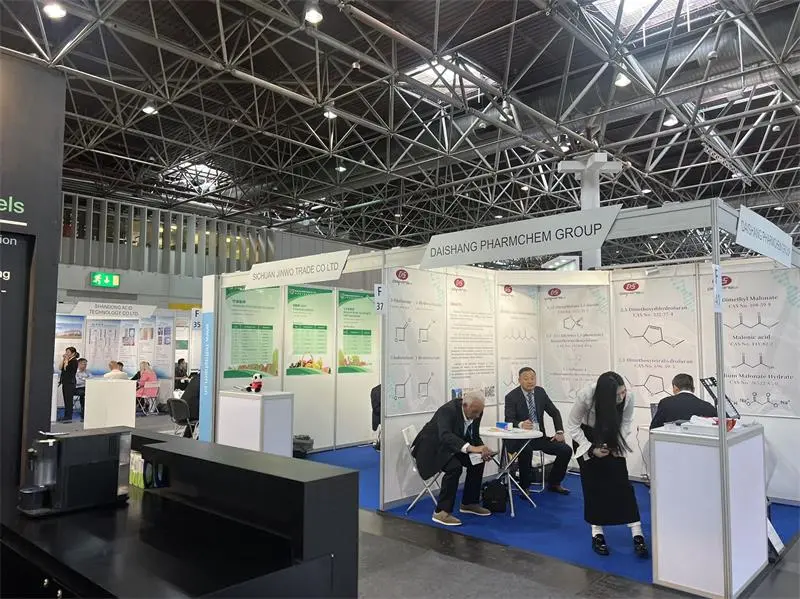
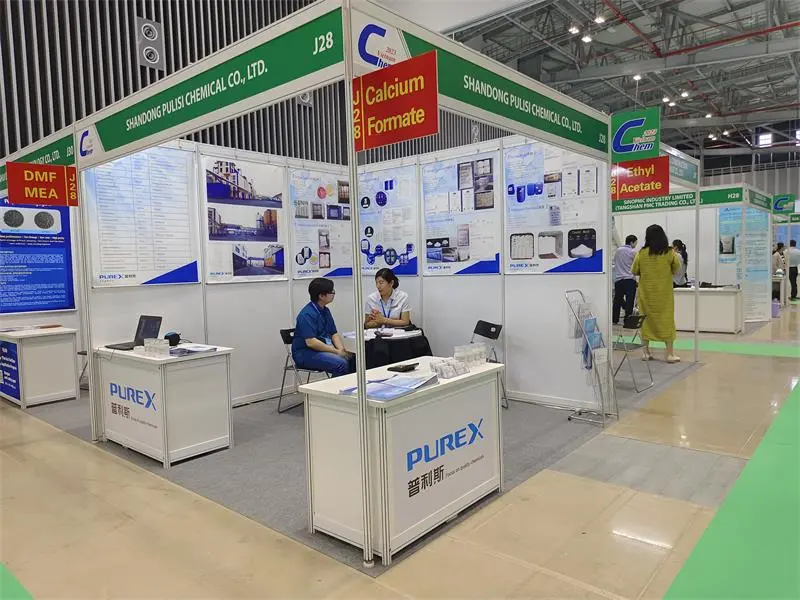
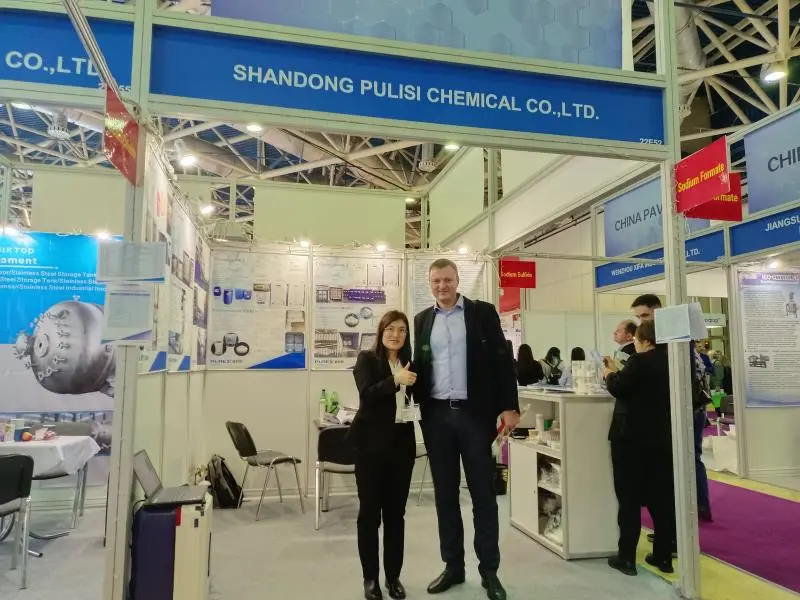
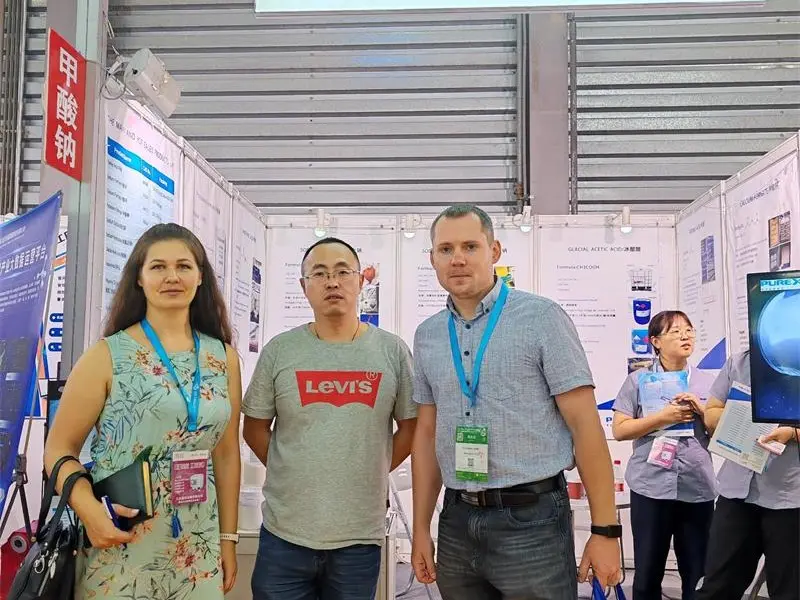
Direct export systems serving over 100 countries with localized shipping support.
20+ years of operational history with long-term distribution agreements with Fortune Global 500 corporations.
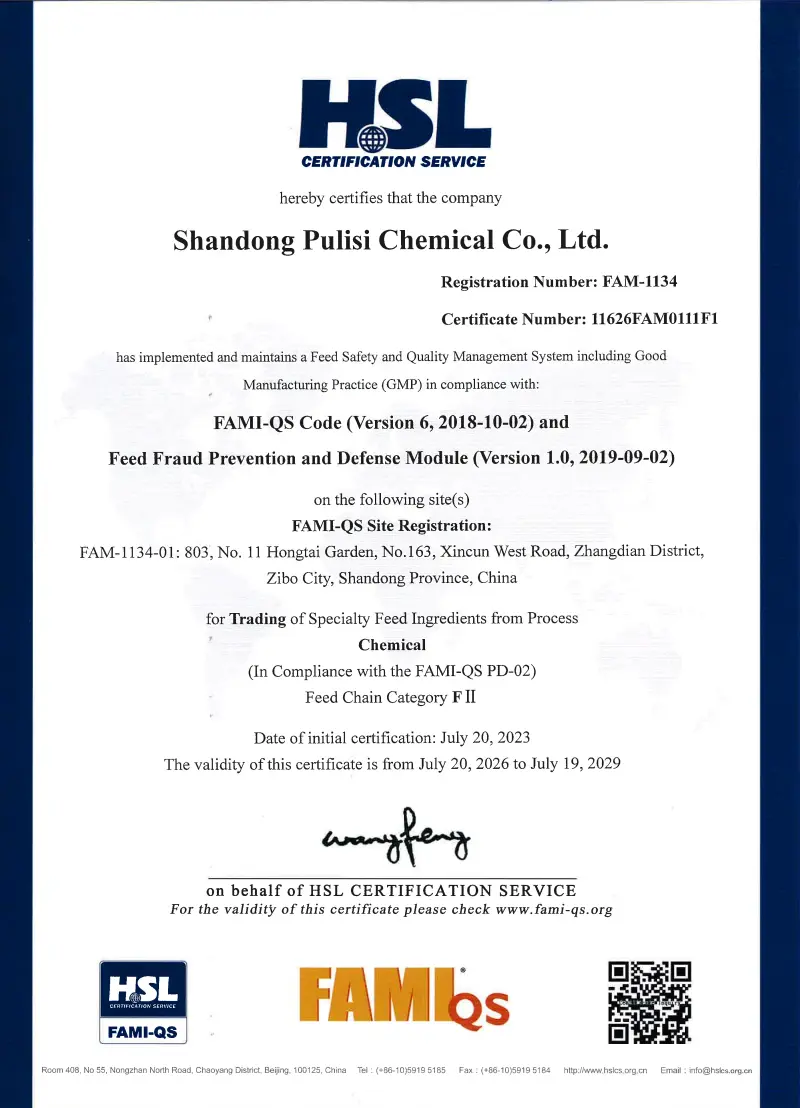
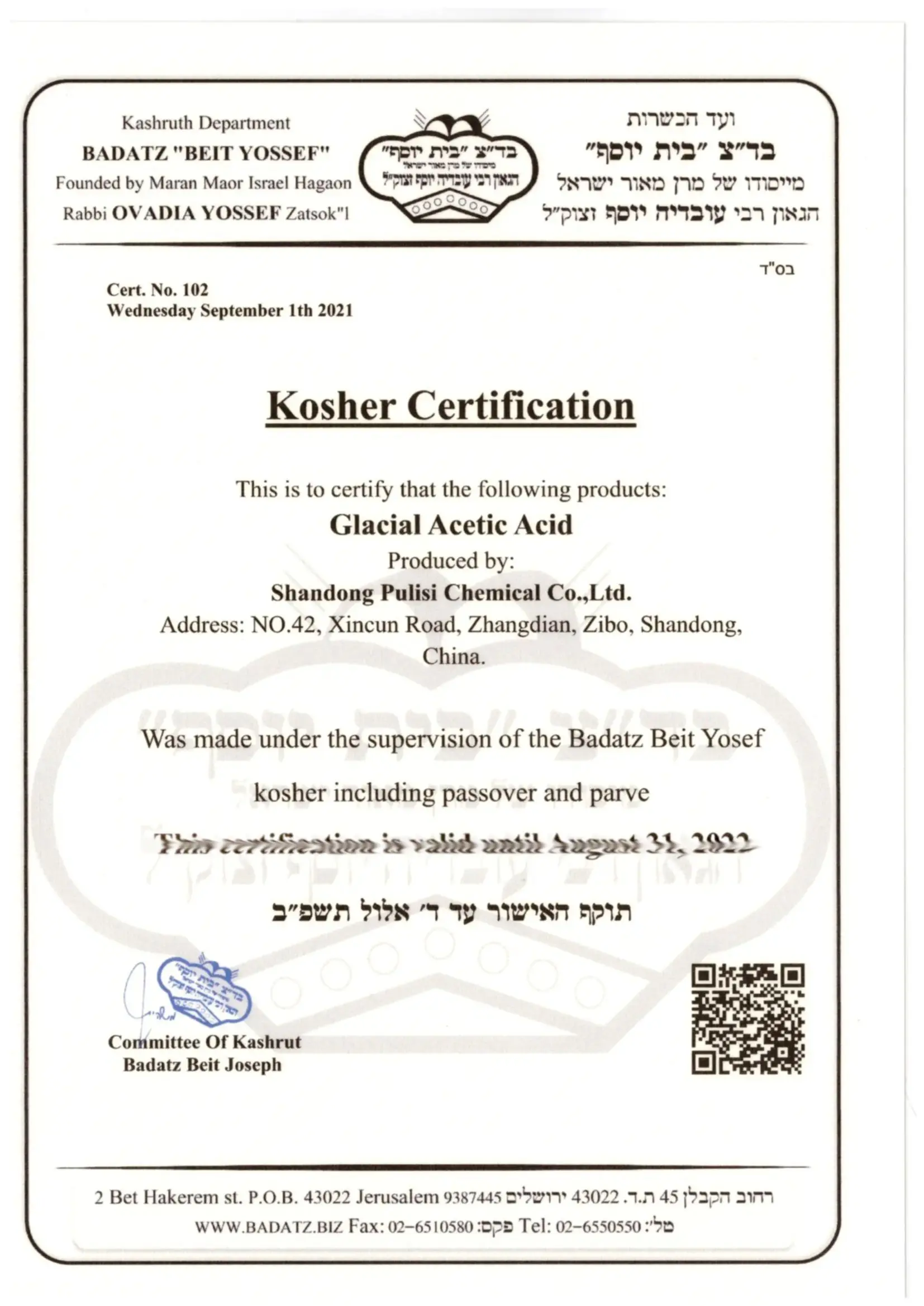
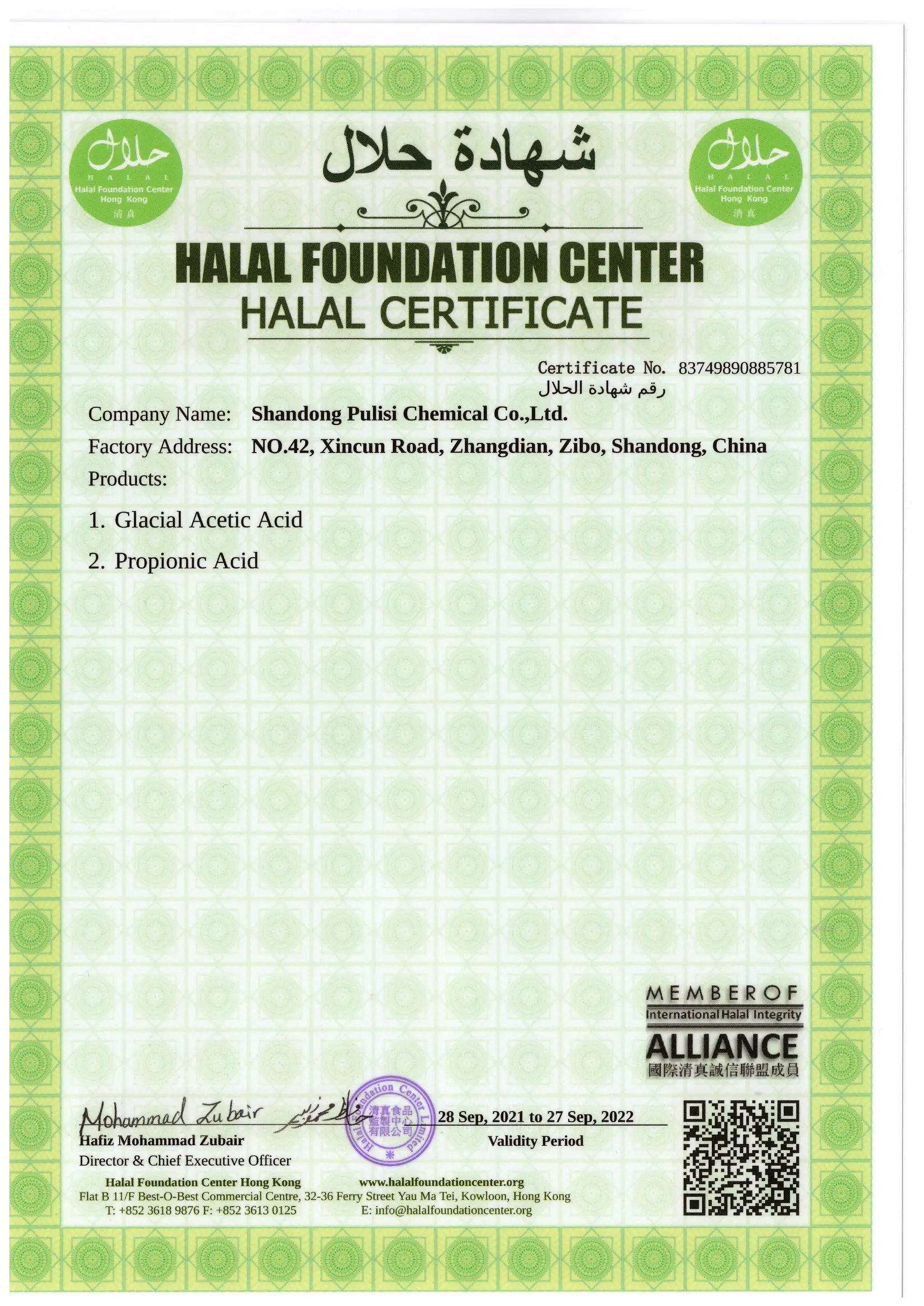
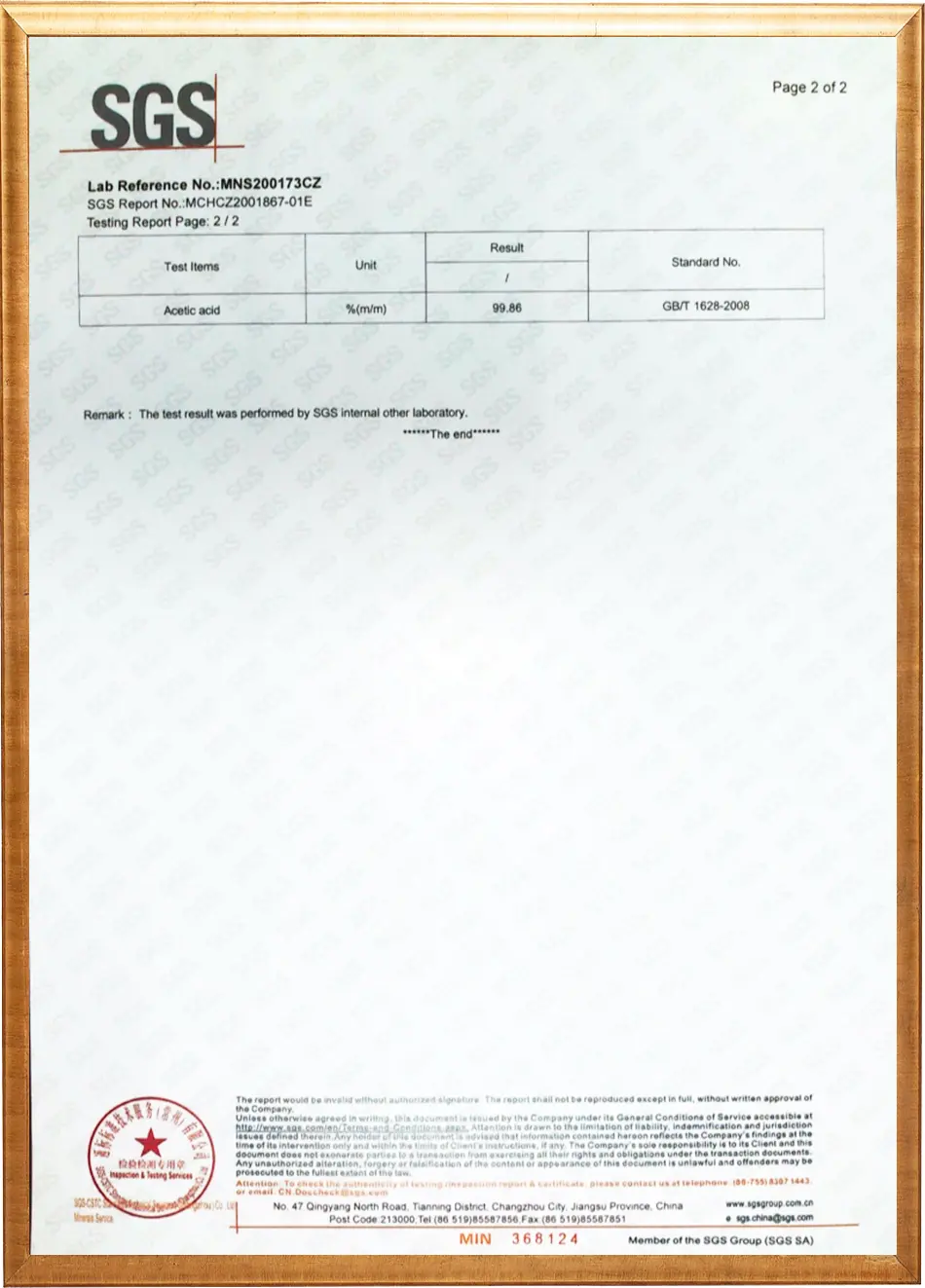
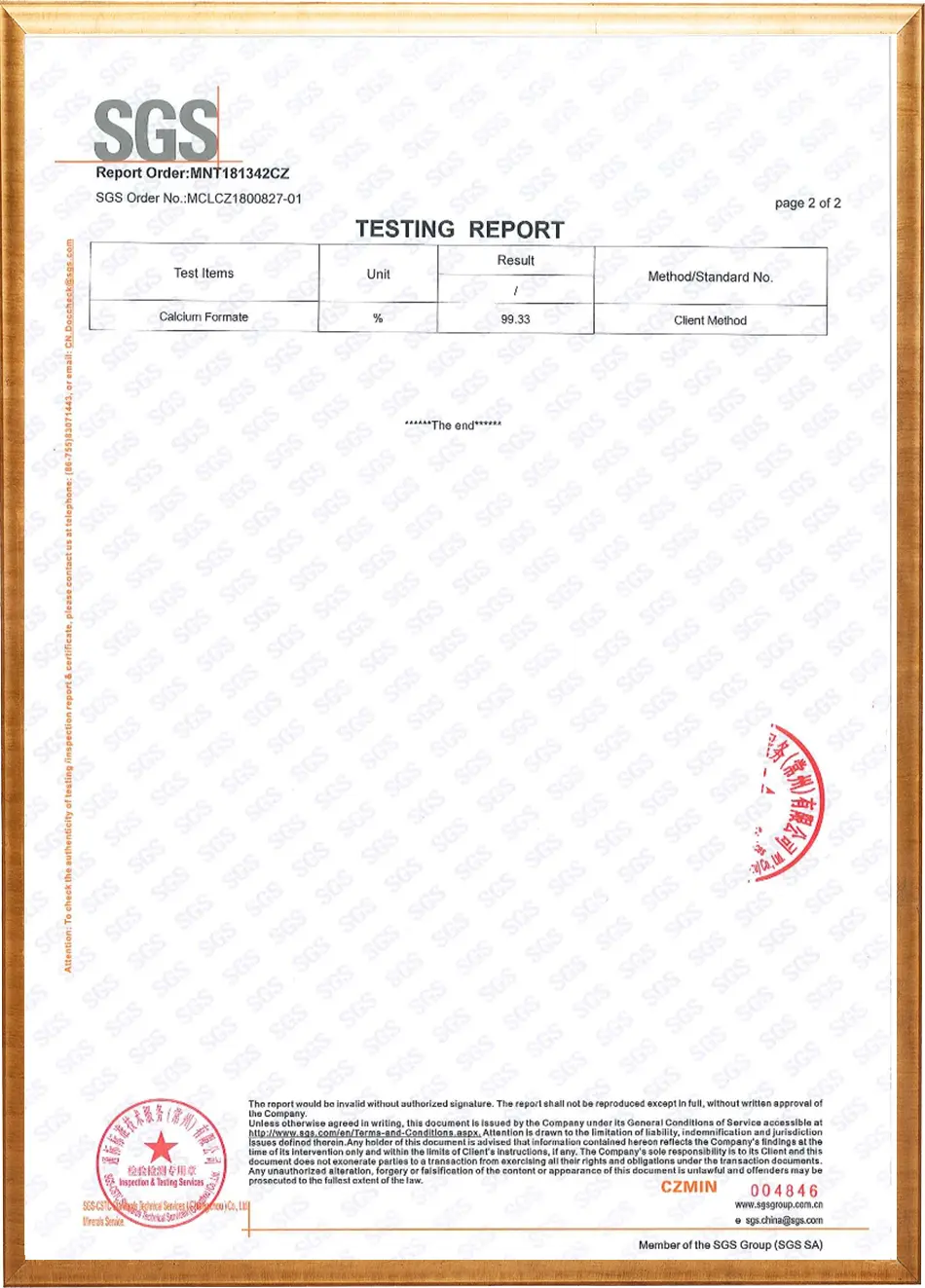
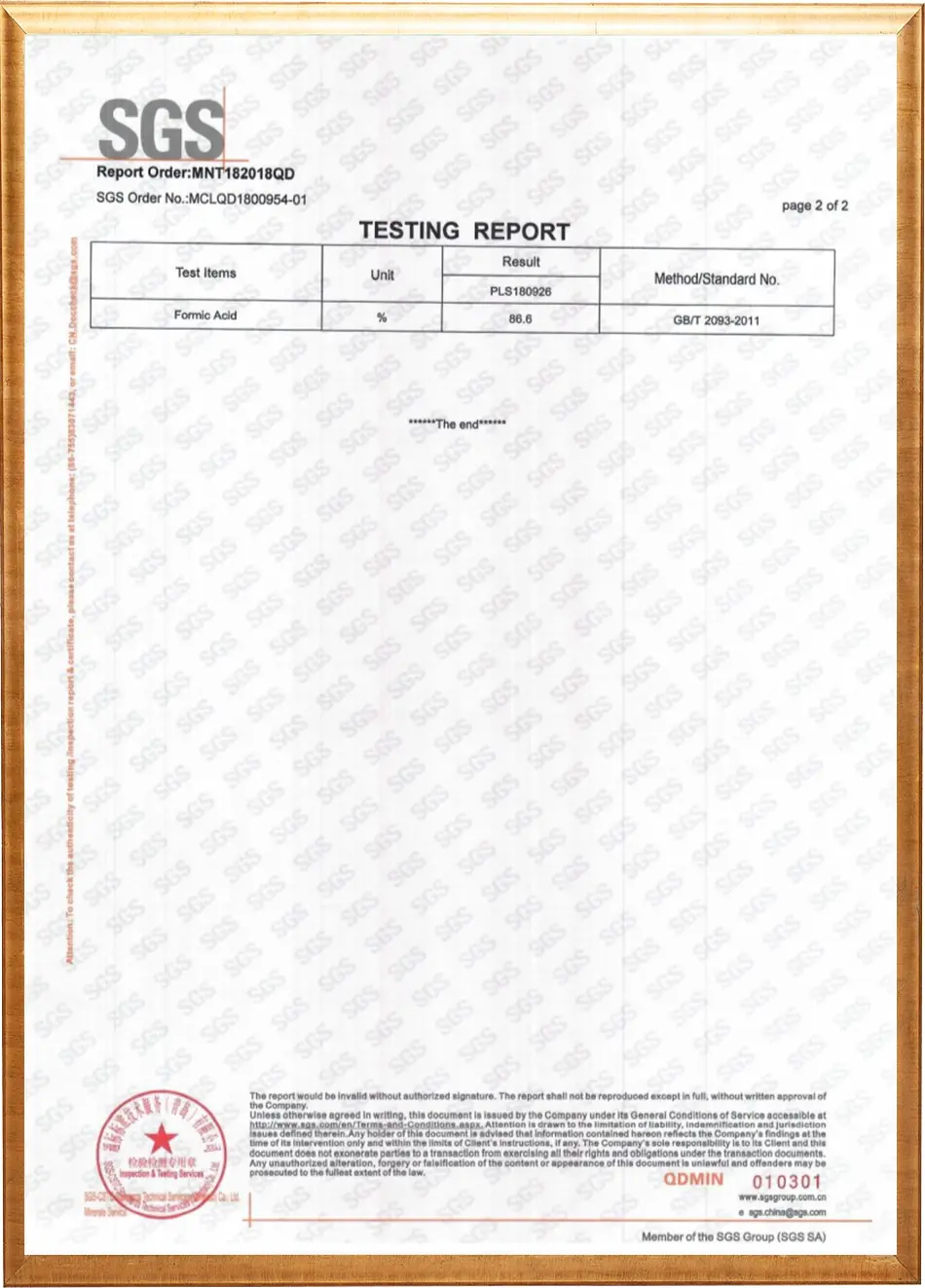
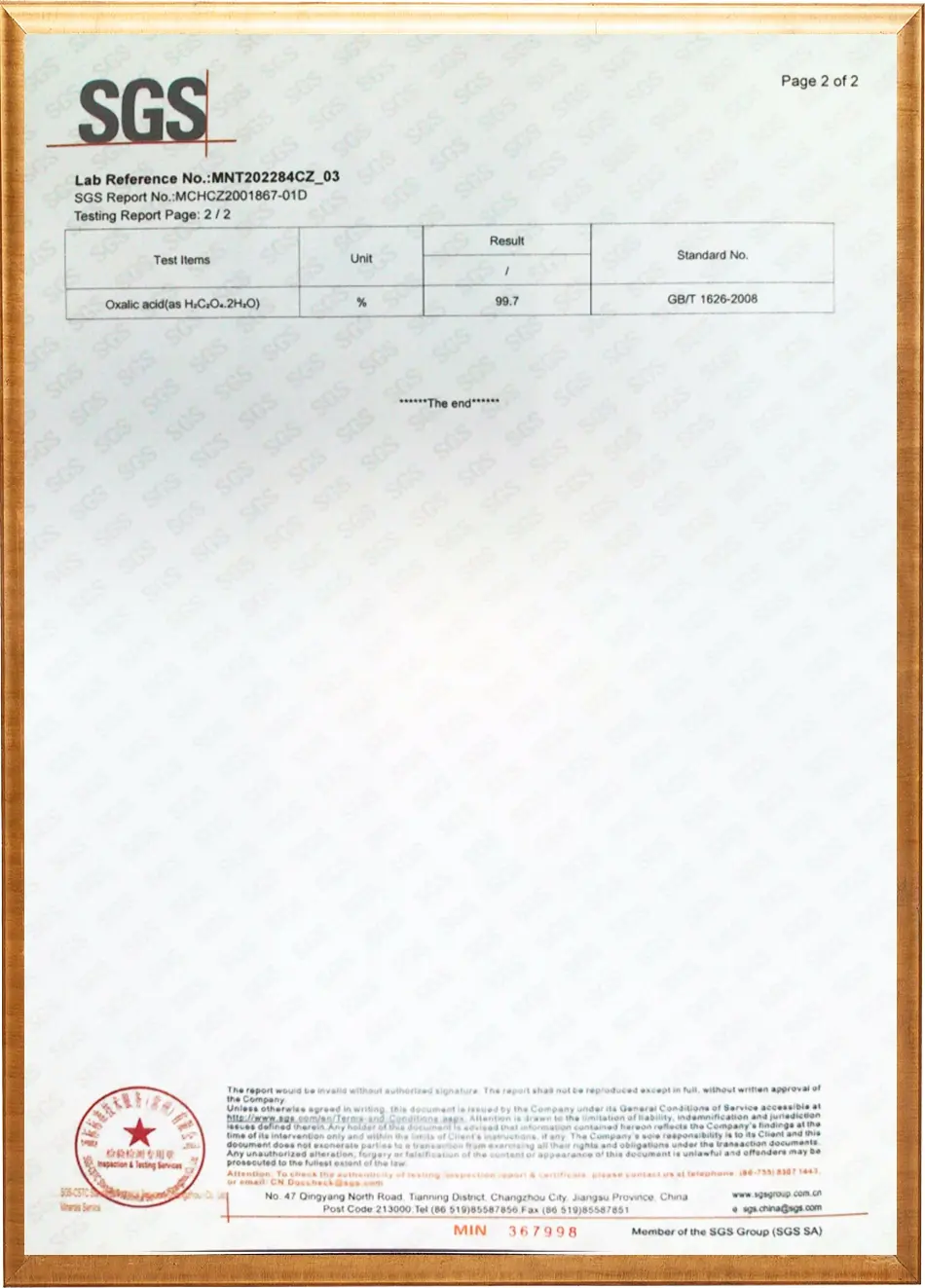
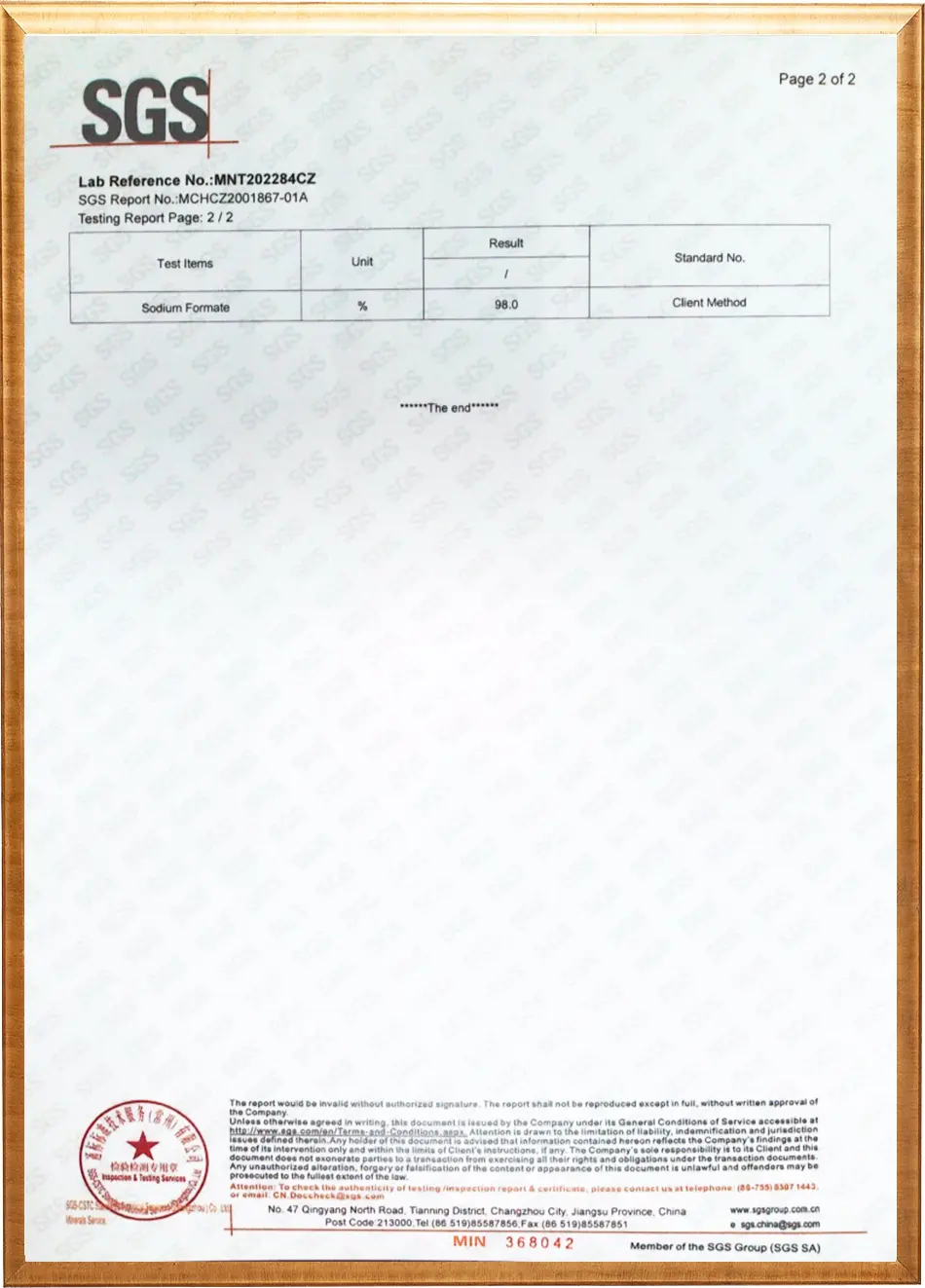
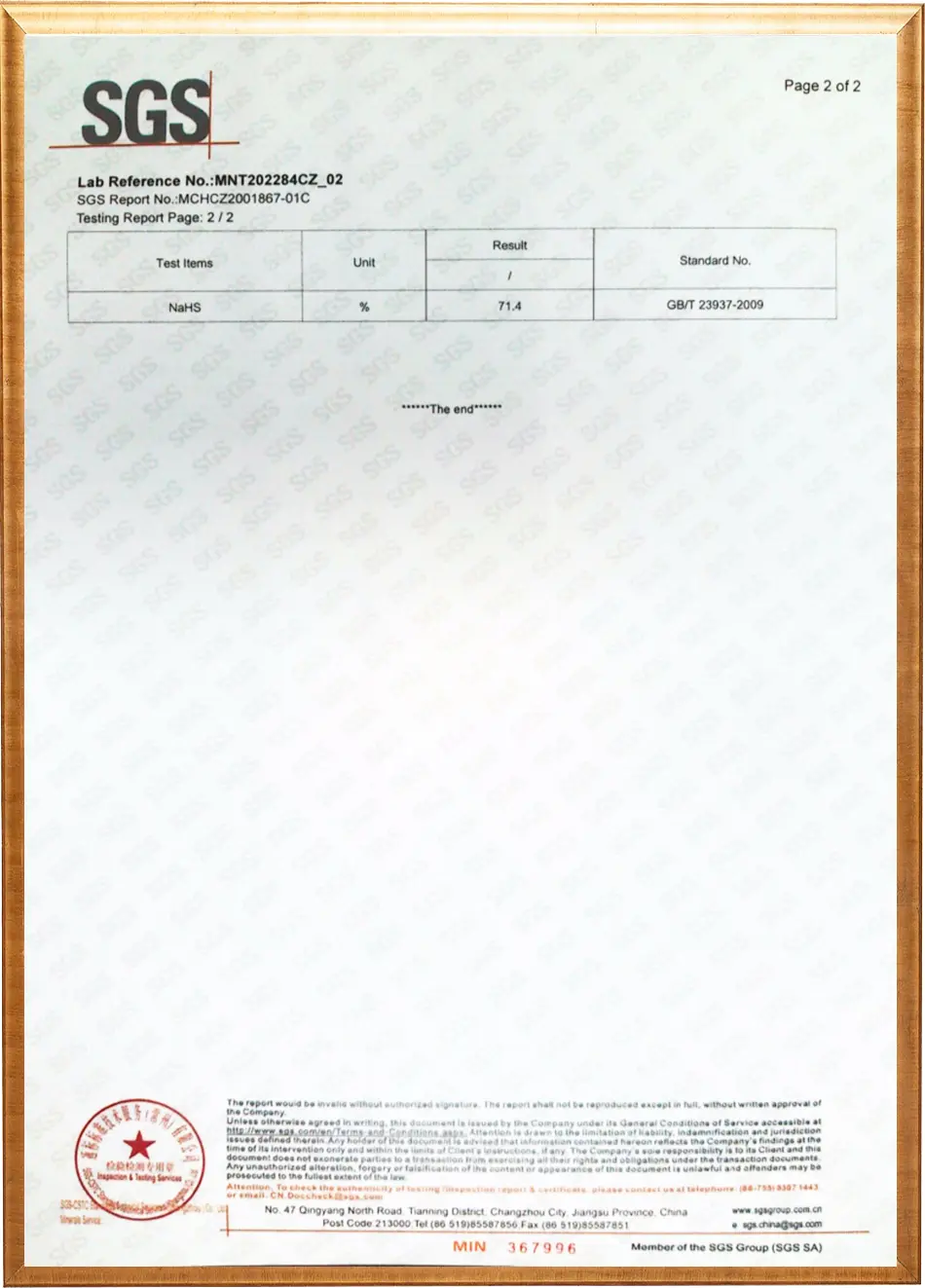
ISO9001:2015, FAM-1134, Kosher, Halal, and SGS third-party certified chemical runs.
Transparent cost optimization based on order packaging customization and container structures.
Warehousing networks adjacent to major shipping ports ensure smooth dispatch.
Multilingual technical team providing support for documentation and customs clearing.









For standard industrial down-stream synthesis (like CMC or agrochemicals), the purity of Monochloroacetic Acid (MCA) is typically ≥99.0%. For specialty pharmaceutical synthesis and cosmetics (surfactants like CAPB), higher purity grades are required (≥99.5% or ≥99.7%) with restricted Dichloroacetic Acid (DCA) levels below 100 ppm.
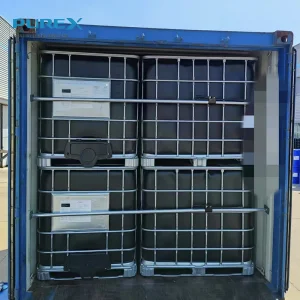
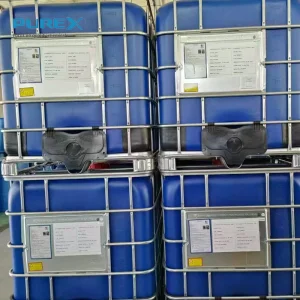
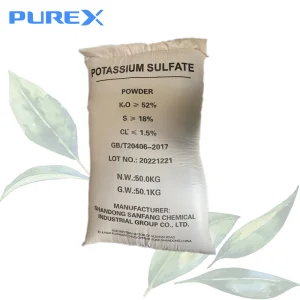
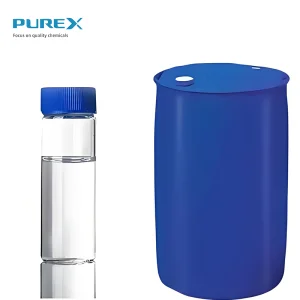
MCA is highly corrosive and hygroscopic. Standard packaging options include 25kg multi-layer woven polypropylene bags with inner polyethylene (PE) liner bags, or 1000kg bulk bags designed for chemical safety. For liquid MCA exports, insulated ISO tank containers equipped with steam heating coils are utilized.
DCA functions as a difunctional reactant, which causes cross-linking. In Carboxymethyl Cellulose (CMC) synthesis, DCA impurities lead to gel formation, lowering product solubility and causing filter plugging in oil-field applications. In personal care betaines, excess DCA is limited due to skin toxicity concerns.
Of course you can. Just send us your logo design and shipping marks, and we can configure custom packaging lines to suit your branding requirements.
If you are a small retailer or entrepreneur, we would absolutely love to grow with you. We look forward to building a long-term relationship with you.
We always put our customers' interests first. Prices are negotiable under different conditions, and we guarantee that you will get the most competitive price.
Yes, we provide free samples for quality verification and lab analysis prior to formal placement of bulk purchase orders.
Yes, of course! We have been specializing in this field for many years and many of our customers have made deals with us because we can deliver on time and guarantee top quality goods!
We accept flexible payment terms, including T/T (Telegraphic Transfer), L/C (Letter of Credit at sight / deferred), D/P (Documents Against Payment), and O/A (Open Account) for long-term partners with strong credit history.
Of course, you are very welcome to visit our company in Zibo, China. (1.5 hours drive from Jinan).
You can send an inquiry directly to our sales representative for detailed order information and we will explain the process to you.
 Pulisi