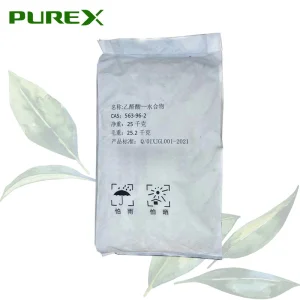
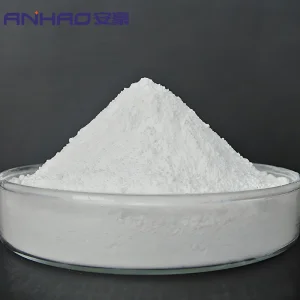
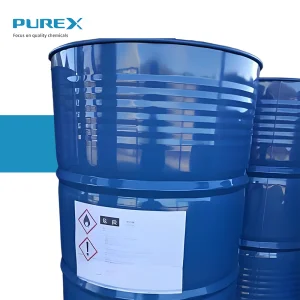
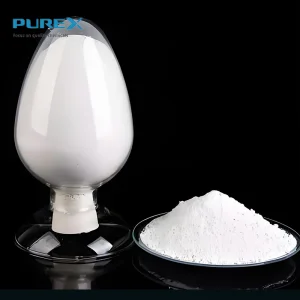
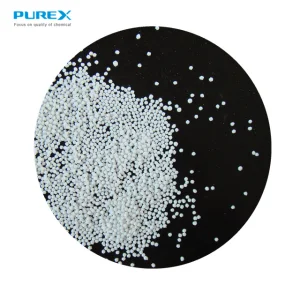
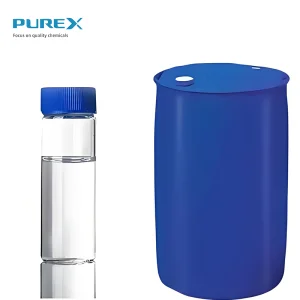
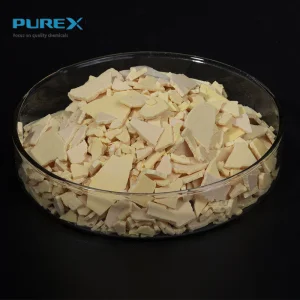
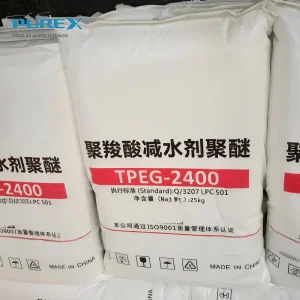
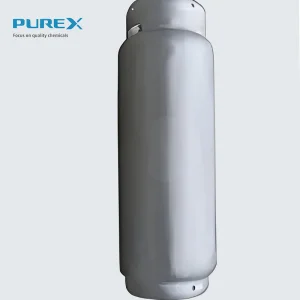
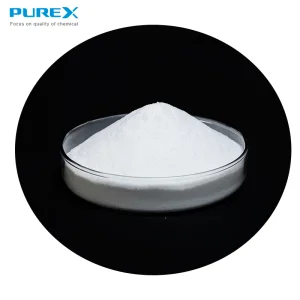
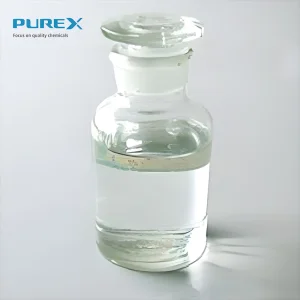
Explore our industrial grade chemical compounds exported worldwide under verified ISO and SGS certifications.
Analyzing Monoethylene Glycol (MEG), Diethylene Glycol (DEG), and Triethylene Glycol (TEG) through structural chemistry, global distribution channels, and industrial value pipelines.
Ethylene glycol serves as a fundamental building block in modern industrial chemistry, driving key value chains across packaging, textiles, automotive thermal management, and natural gas systems. As a leading discount ethylene glycol uses exporter, Shandong Pulisi Chemical Co., Ltd. connects advanced chemical manufacturing with complex downstream industrial demands. This technical report details the properties, applications, and logistical requirements that determine how ethylene glycol is utilized globally.
Ethylene glycol is part of the diol class, consisting of an aliphatic carbon chain with two adjacent hydroxyl groups. Depending on the level of polymerization, three main variations are produced:
The global trade patterns for glycols are driven by consumer packaging requirements and textile manufacturing centers. MEG is highly integrated with polyester fiber production, which supports the global apparel industry. The demand for lightweight, recyclable PET packaging further stabilizes the usage of high-purity MEG. However, because production is closely linked to petrochemical refining, market prices are subject to raw material fluctuations. Shandong Pulisi Chemical mitigates these risks for global buyers through strategic domestic sourcing and optimized logistics networks.
Understanding how physical and chemical characteristics are utilized across key industrial sectors.
More than 80% of global MEG production goes toward polyester synthesis. Reacting MEG with purified terephthalic acid (PTA) produces PET, used for synthetic fibers, packaging films, and beverage containers.
Ethylene glycol-water mixtures lower the freezing point and raise the boiling point of heat transfer fluids. This makes them crucial for automotive engines, industrial chillers, and aircraft deicing systems.
In midstream natural gas processes, TEG removes entrained water vapor from the gas stream. This prevents pipeline corrosion and methane hydrate formation at low temperatures.
(Stock Code: 307785)
Shandong Pulisi Chemical Co., Ltd. was established in 2006. The company focuses on petrochemicals, mining chemicals, feed chemicals, and pharmaceutical chemicals. At present, the company has established long-term and stable partnerships with Fortune Global 500 companies such as China National Petroleum Corporation and Saint-Gobain. We always take customer demand as the core orientation and provide tailored solutions to help customers strengthen their market competitiveness.
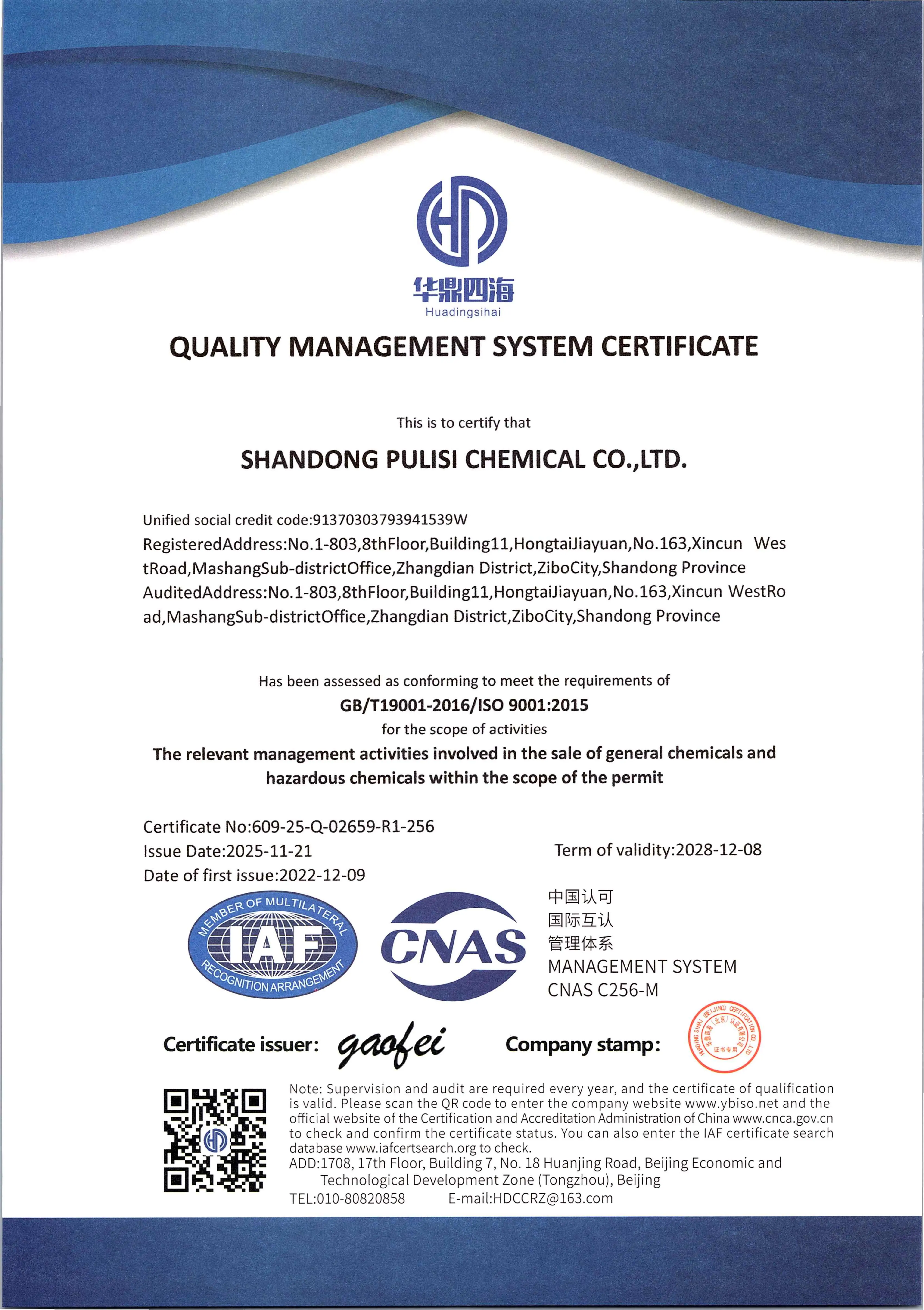
The company has passed ISO9001:2015 Quality Management System Certification and German BV Certification, and has been awarded multiple honors such as Foreign-Oriented Economic Enterprise, Alibaba Demonstration Base, and Contribution Enterprise. In 2023, the company successfully went public with stock code: 307785.
Meanwhile, the company has established mature warehousing and distribution systems at key logistics hubs, including Qingdao Port, Tianjin Port, and Xinjiang border ports (Alashankou, Khorgos). We are able to provide flexible supply solutions according to customer needs to ensure timely order delivery. No matter where customers are located, Shandong Pulisi Chemical will safeguard their business development with professional service systems and efficient response capabilities.
Strict Statement: Shandong pulisi has not established branches outside of Shandong Province. If there is any act of impersonating Shandong Pulisi, our company will reserve the right to pursue legal responsibilities.
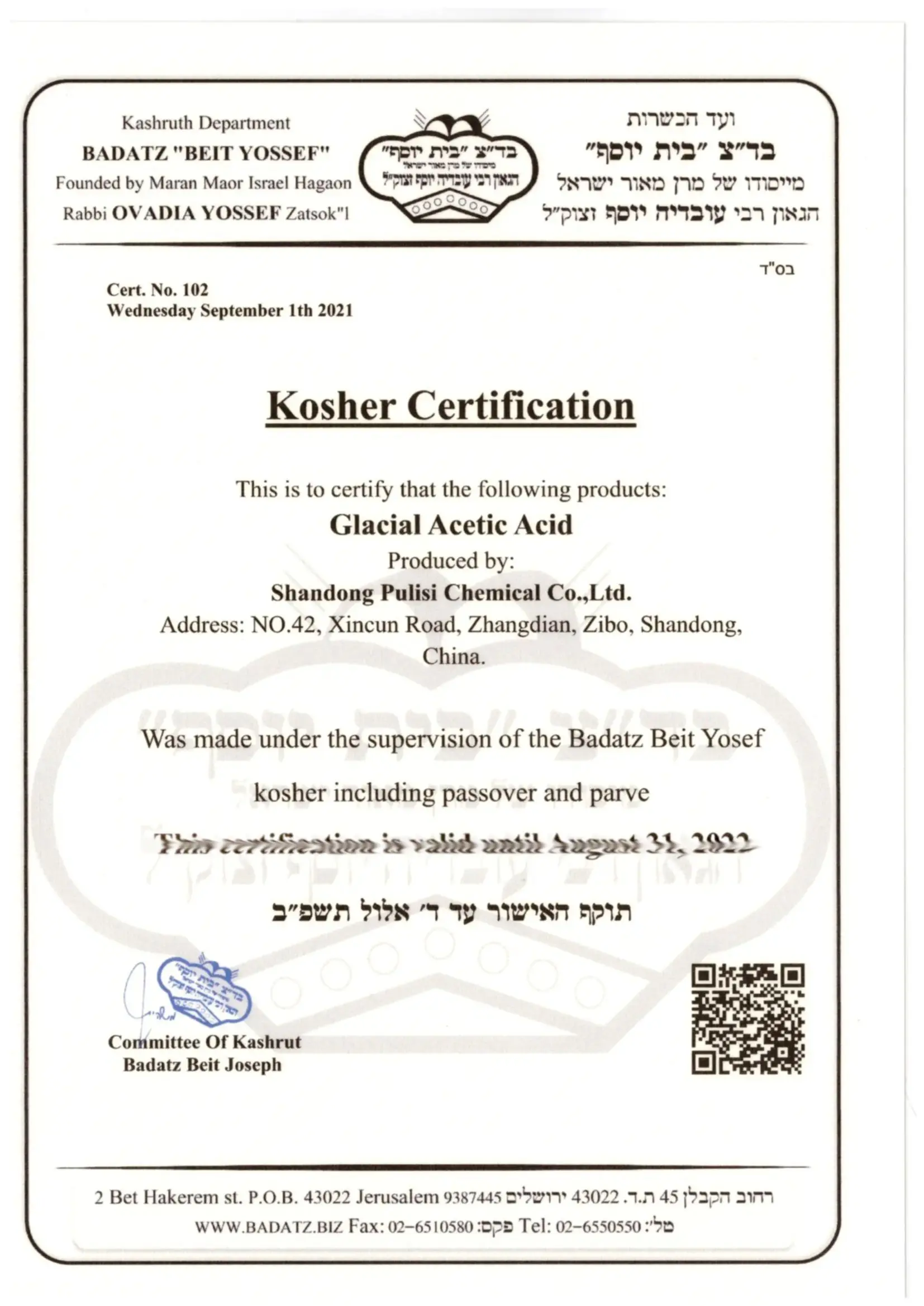
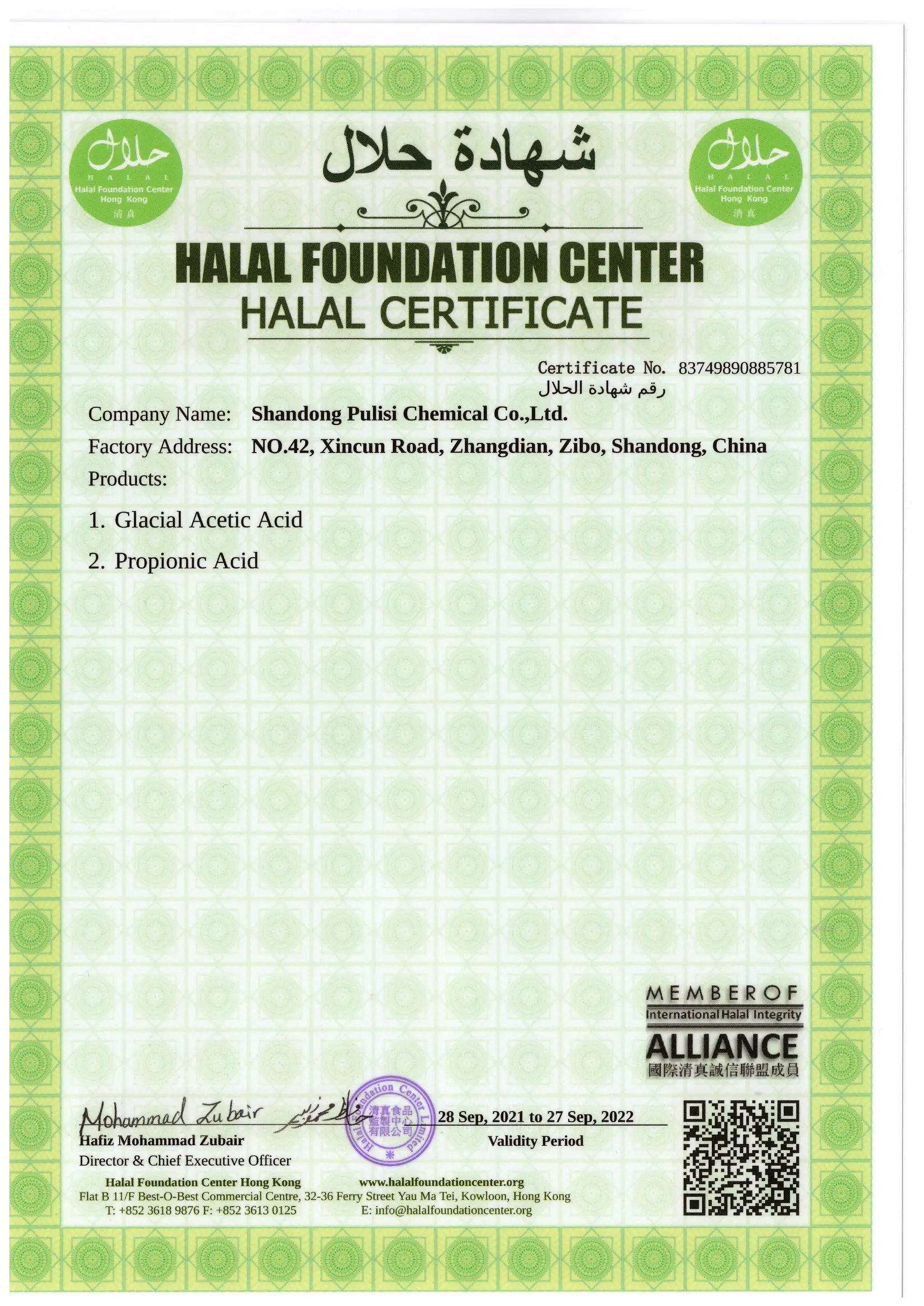
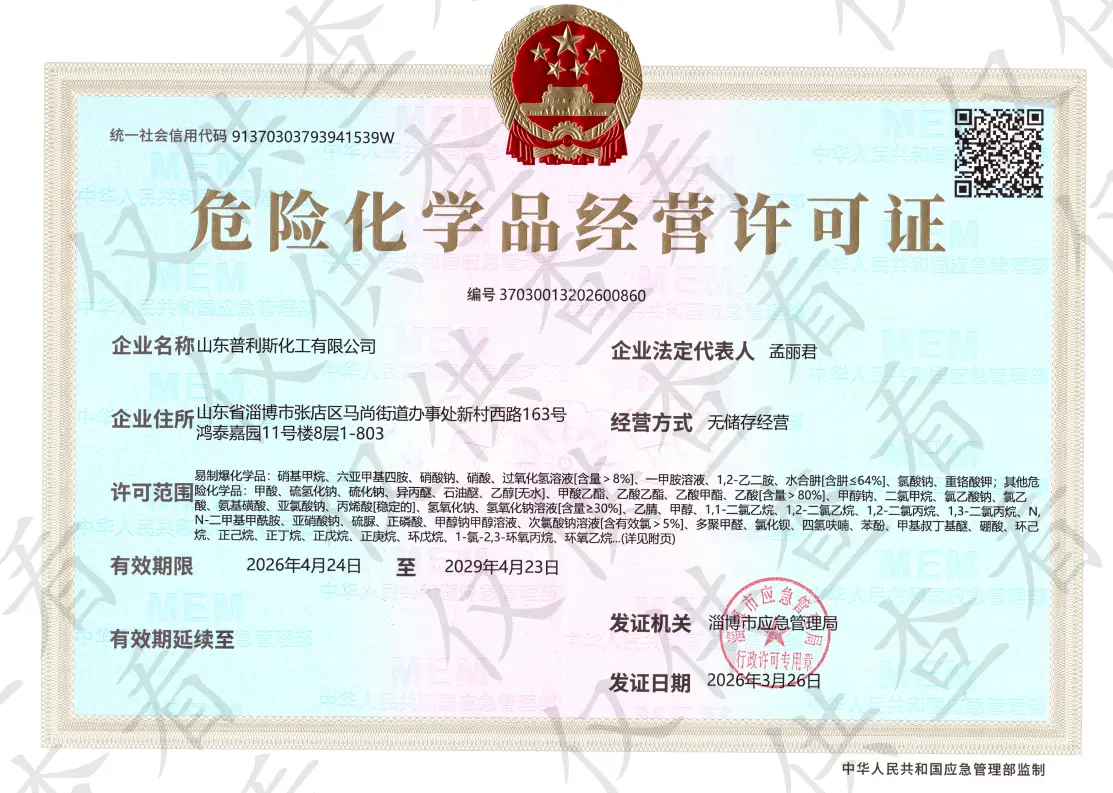
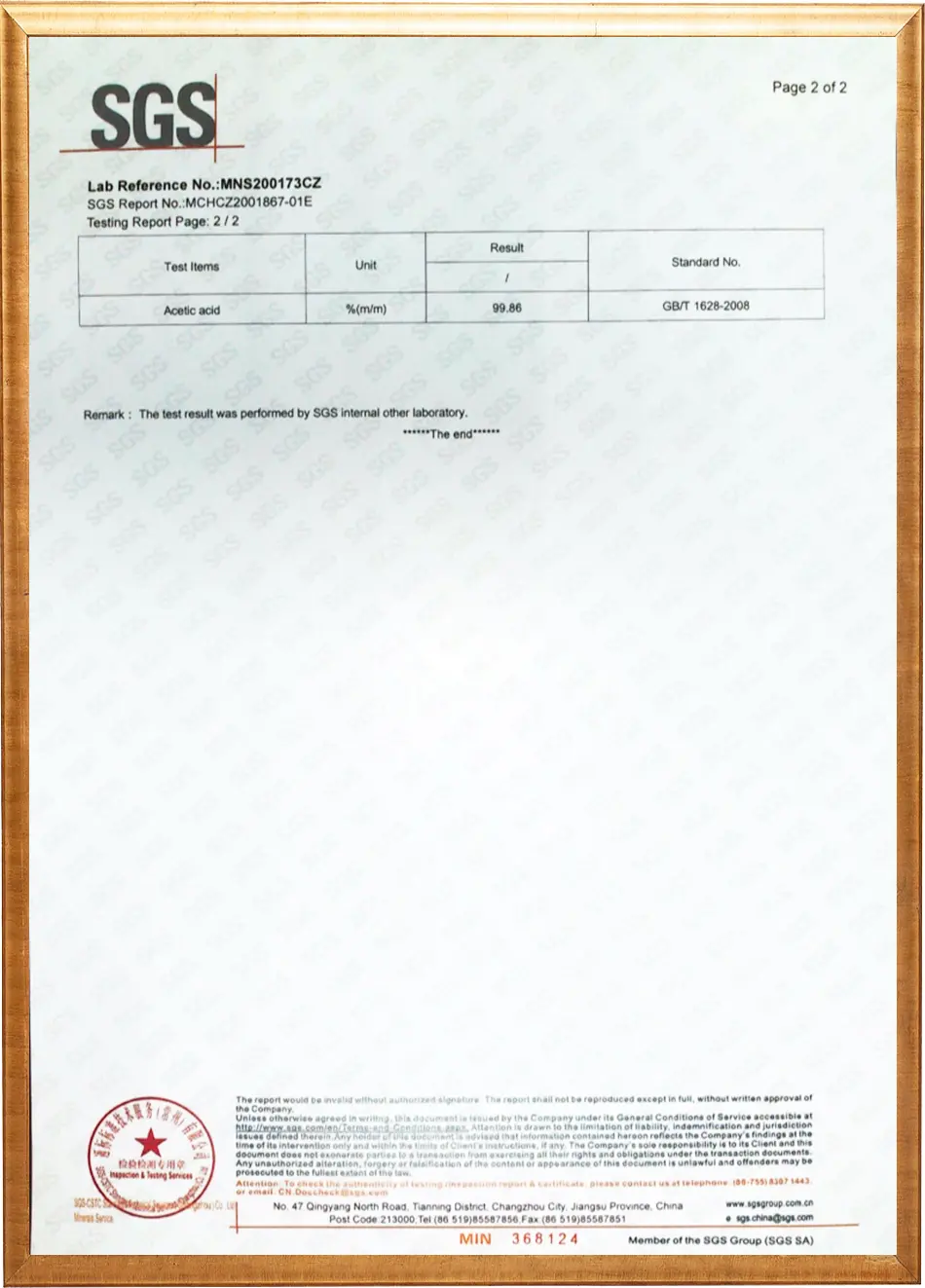
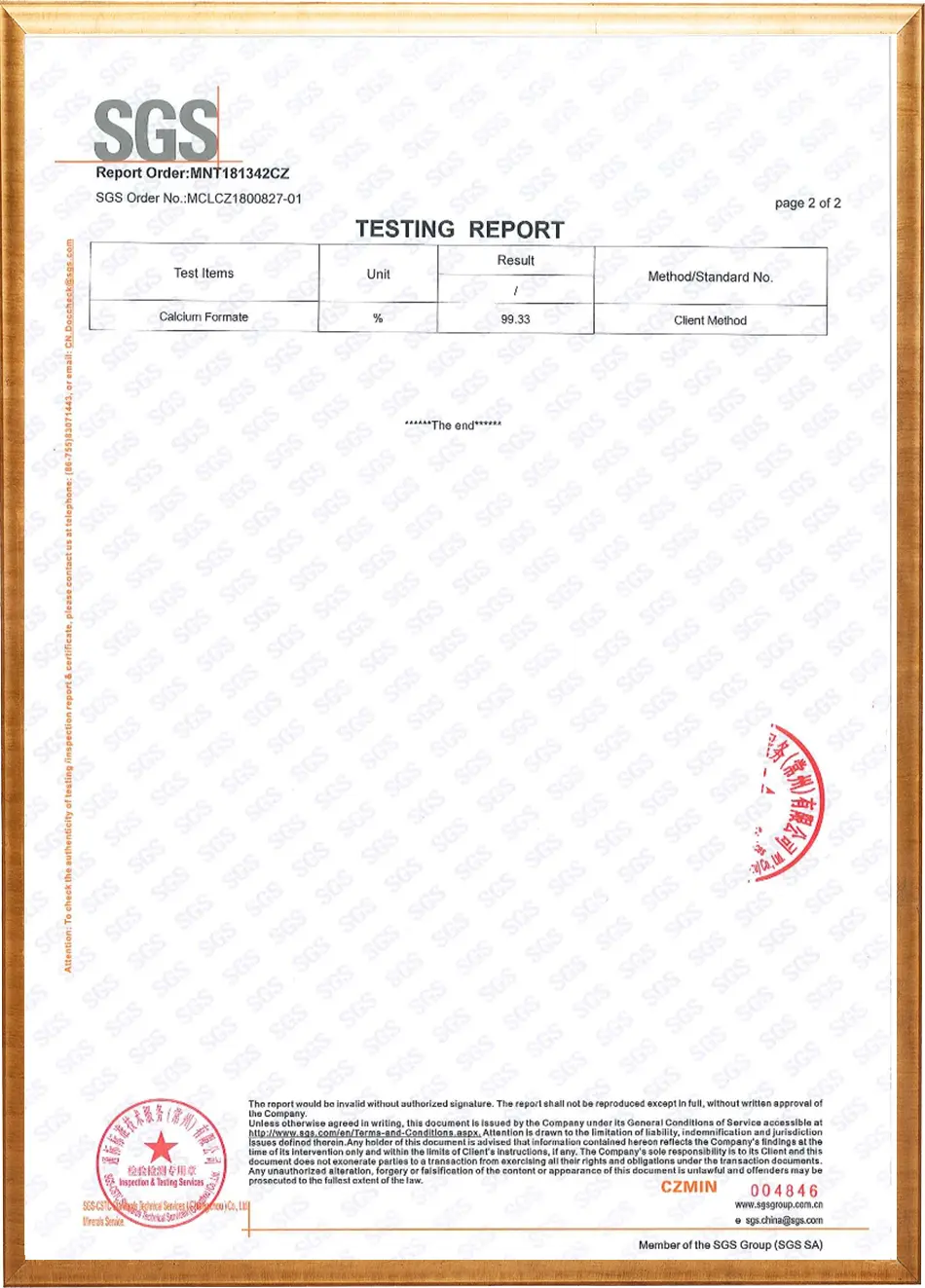
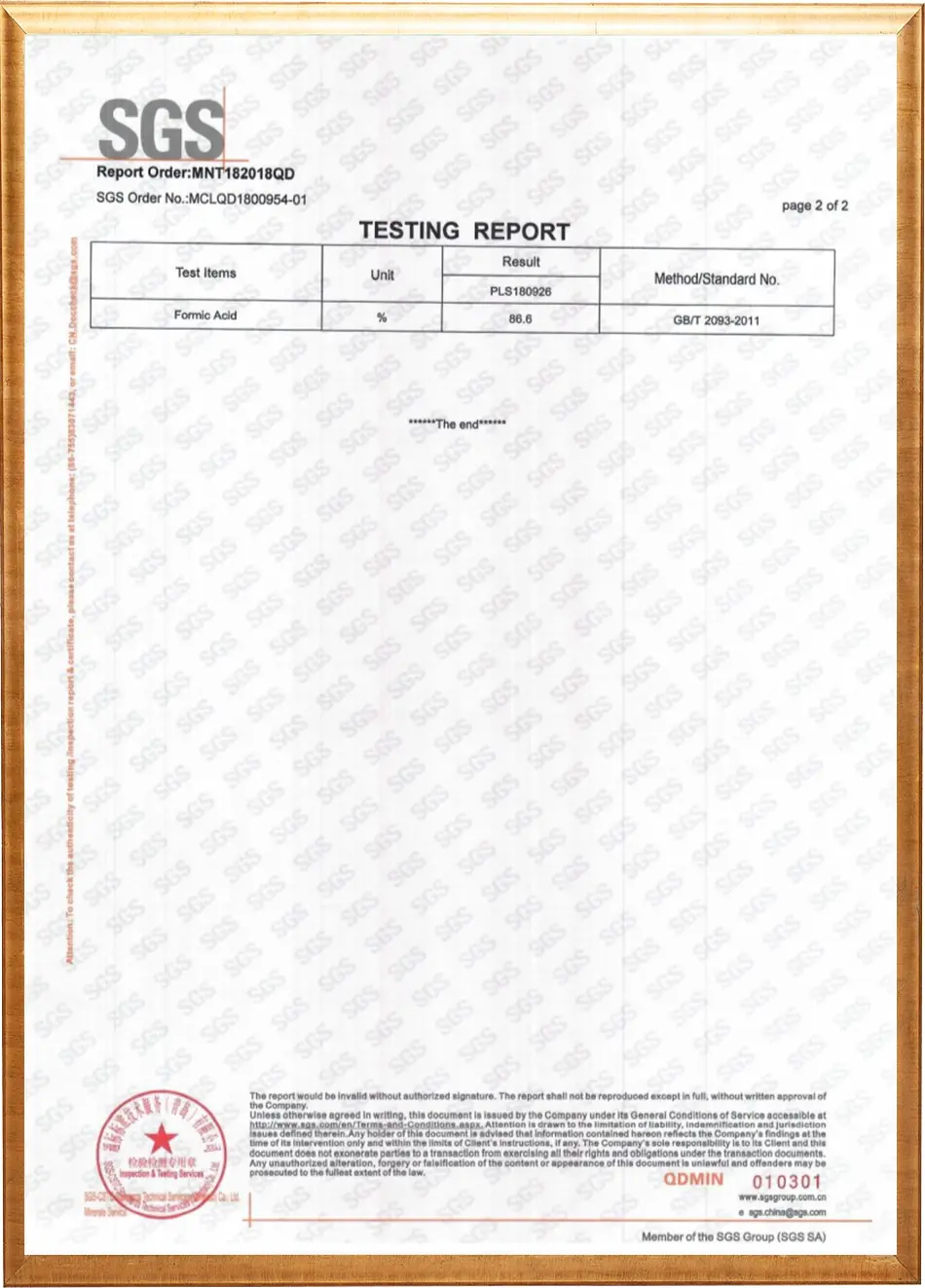
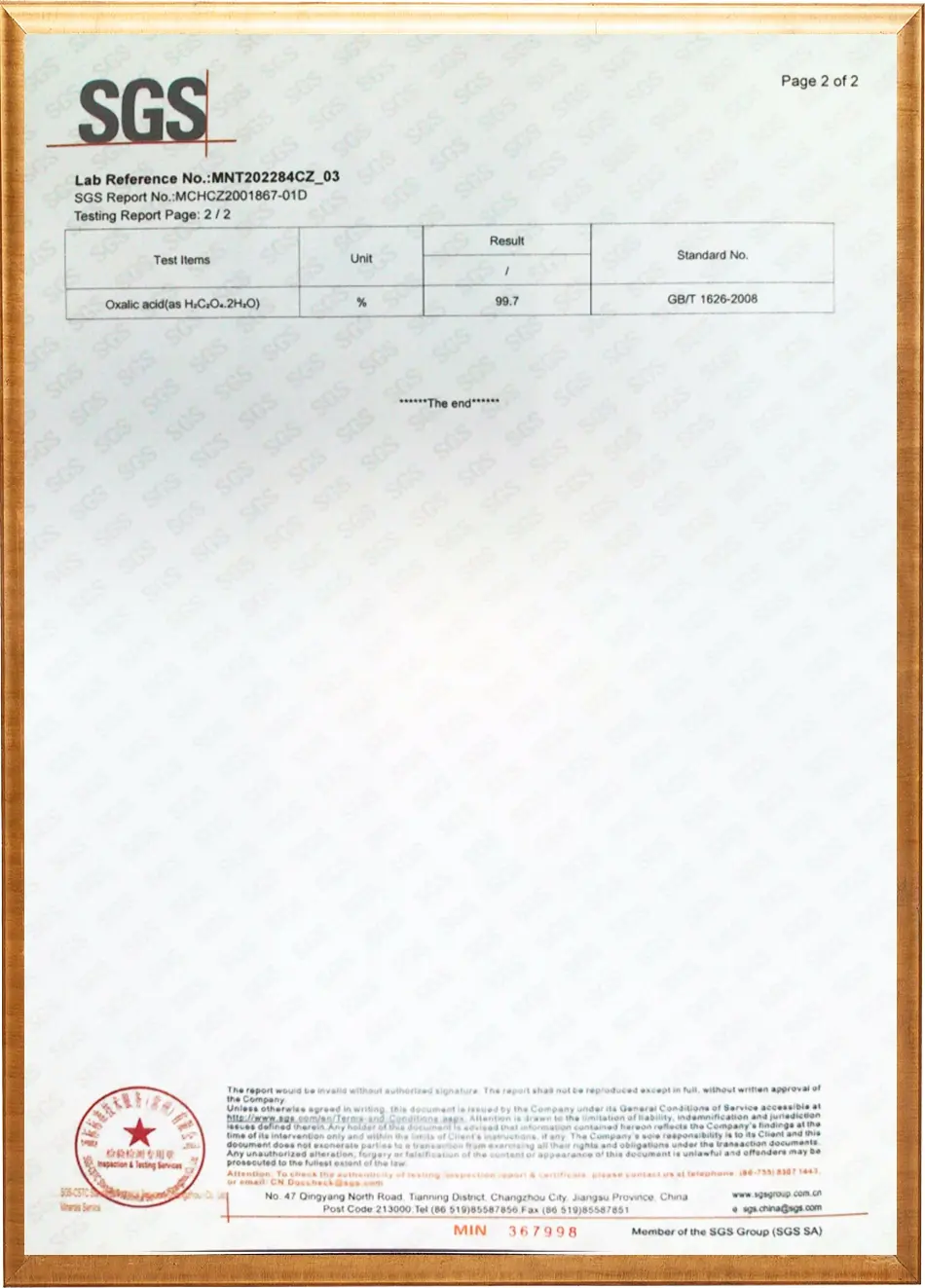
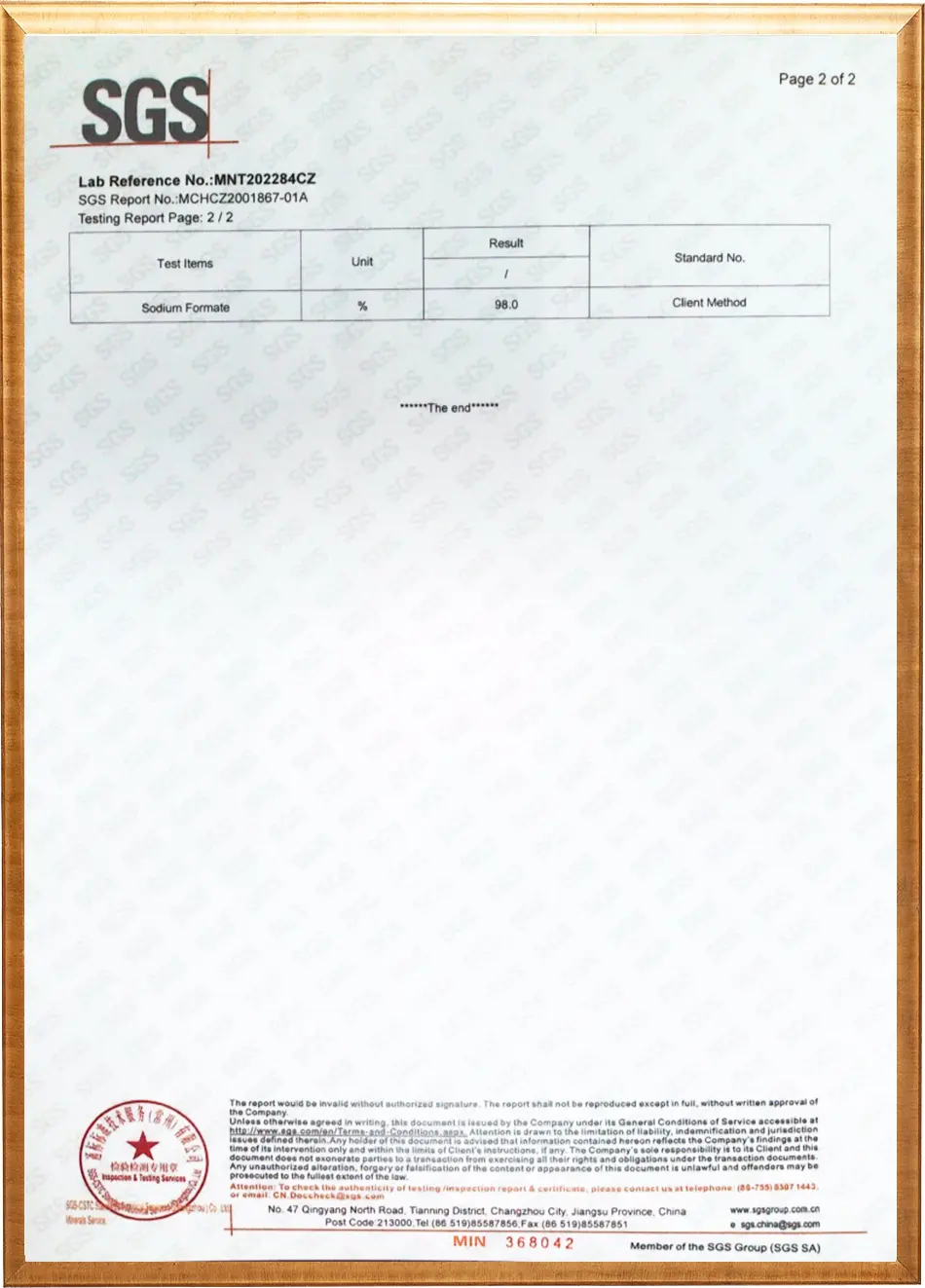
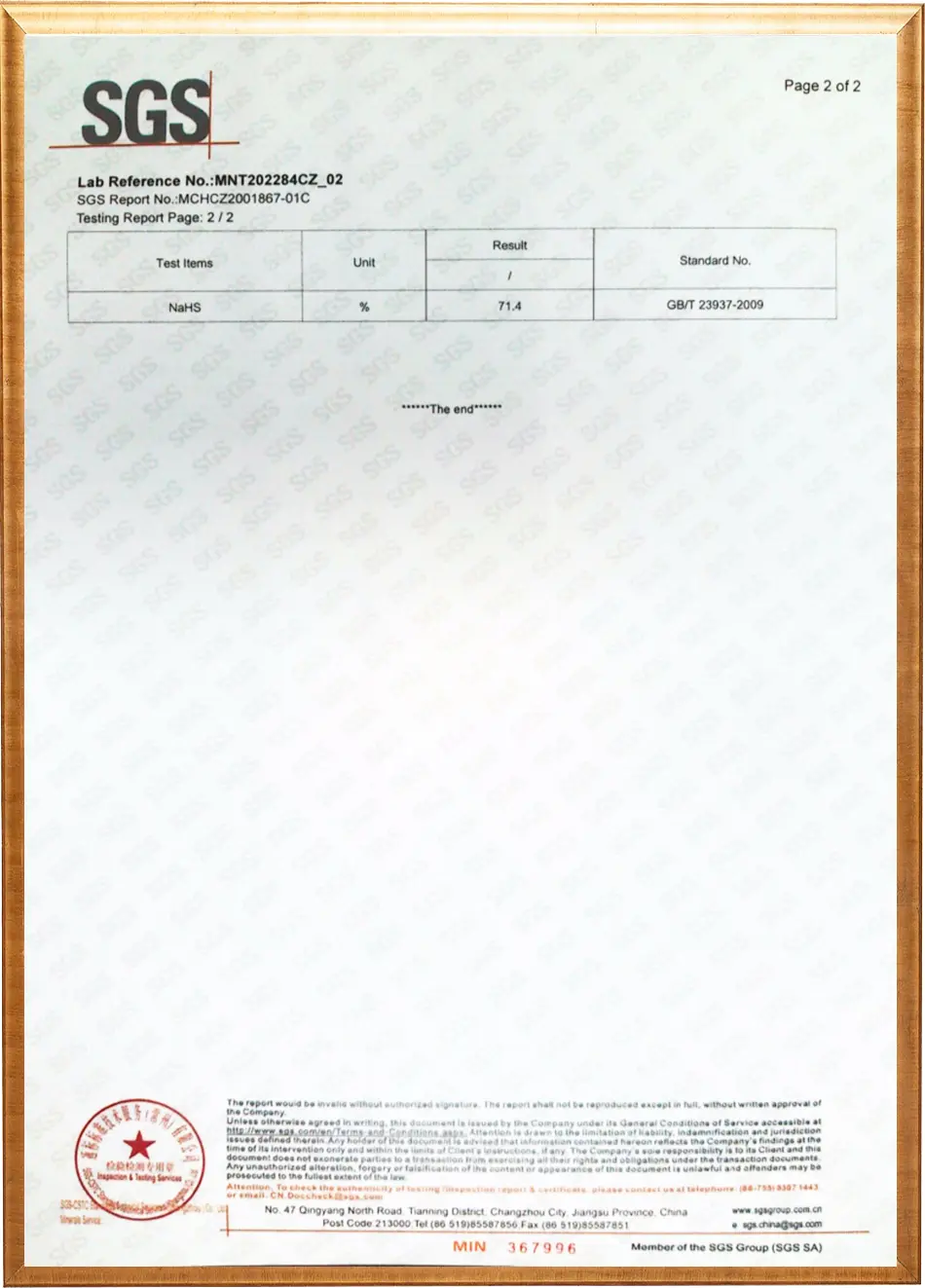
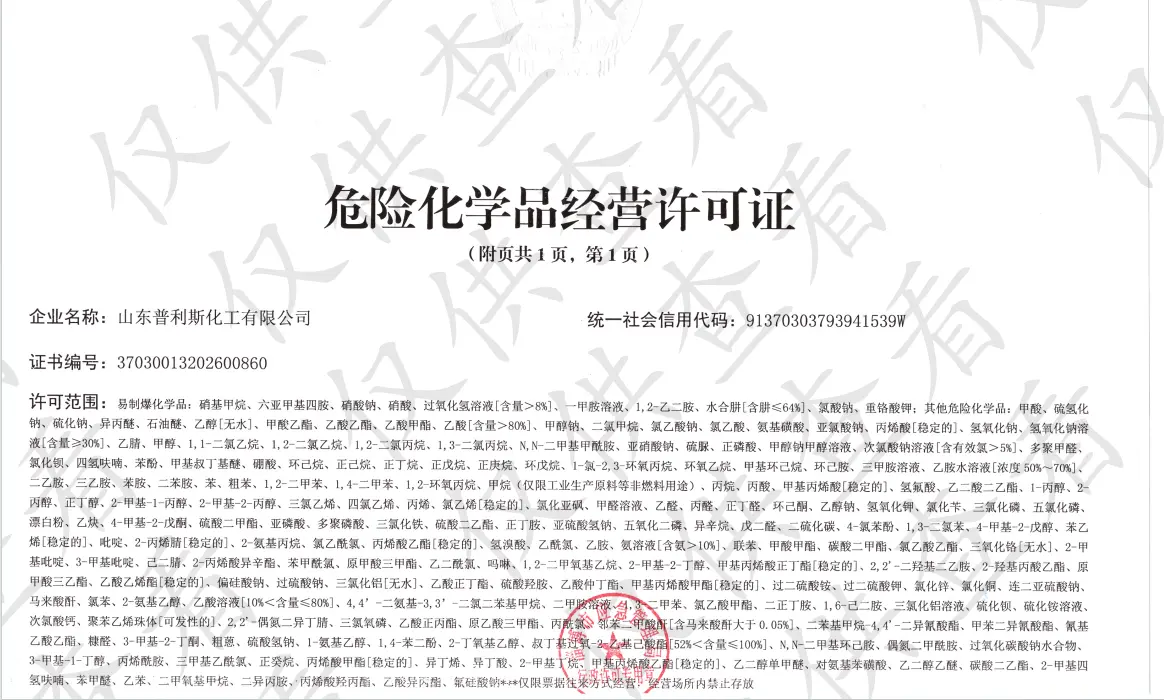
Our products undergo complete verification testing through third-party laboratories to meet regulatory requirements worldwide.
Looking ahead at the shift toward bio-glycols, green chemistry, and circular processing loops.
The chemical industry is increasingly focused on reducing carbon footprint through bio-based alternatives. Bio-monoethylene glycol (Bio-MEG), derived from agricultural waste and plant starches, is identical in structure to petroleum-based MEG but offers lower lifecycle emissions. Major beverage companies and clothing brands are driving the adoption of bio-PET to meet sustainability goals.
At the same time, improvements in recycling technology allow for the recovery of ethylene glycol from spent cooling systems and industrial waste streams. Closed-loop distillation systems help recover and purify the glycol back to technical specifications, lowering procurement costs and reducing environmental impact. We continue to monitor these developments to provide our partners with sustainable chemical sourcing options.
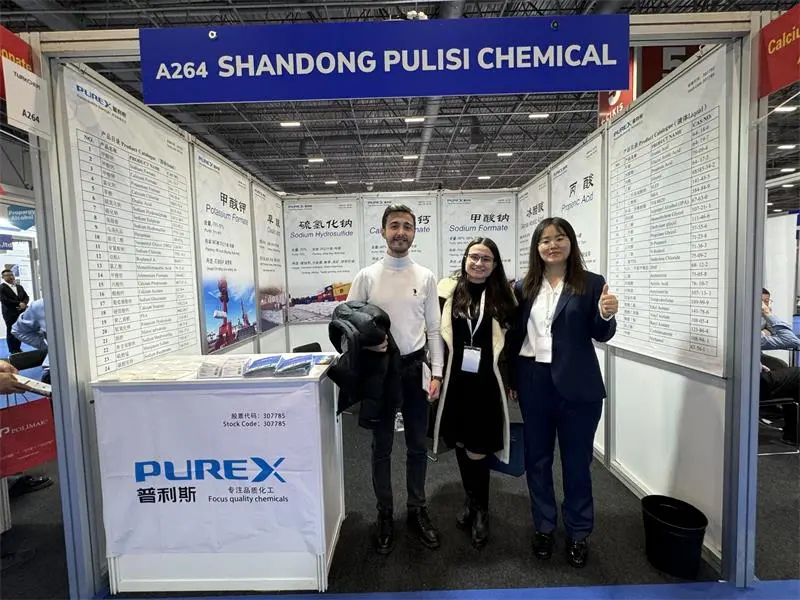
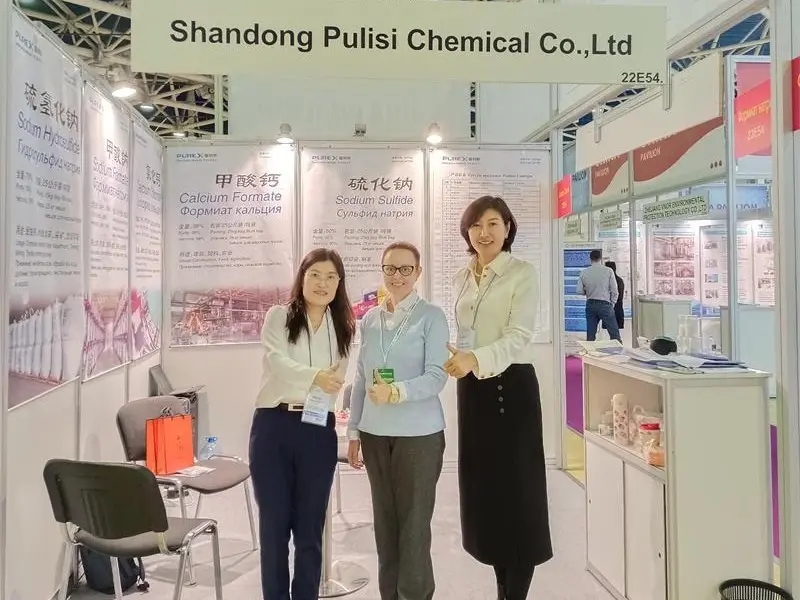
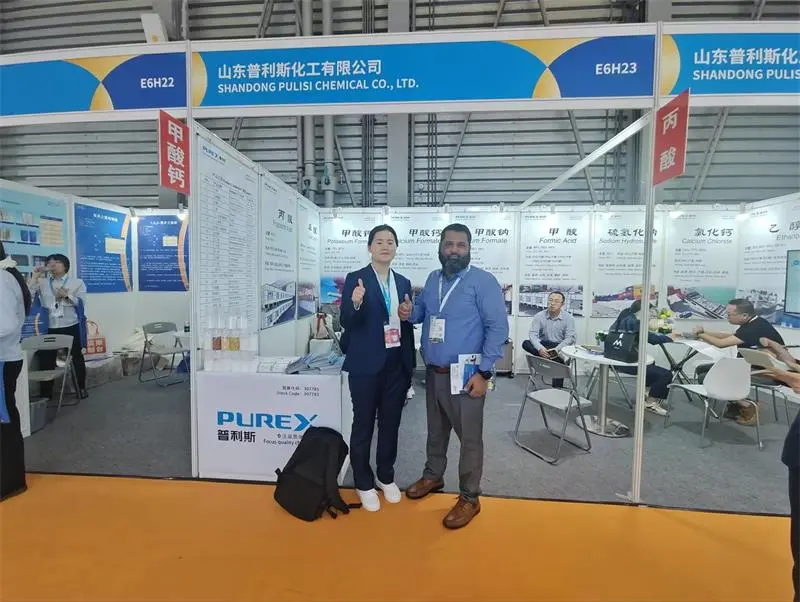
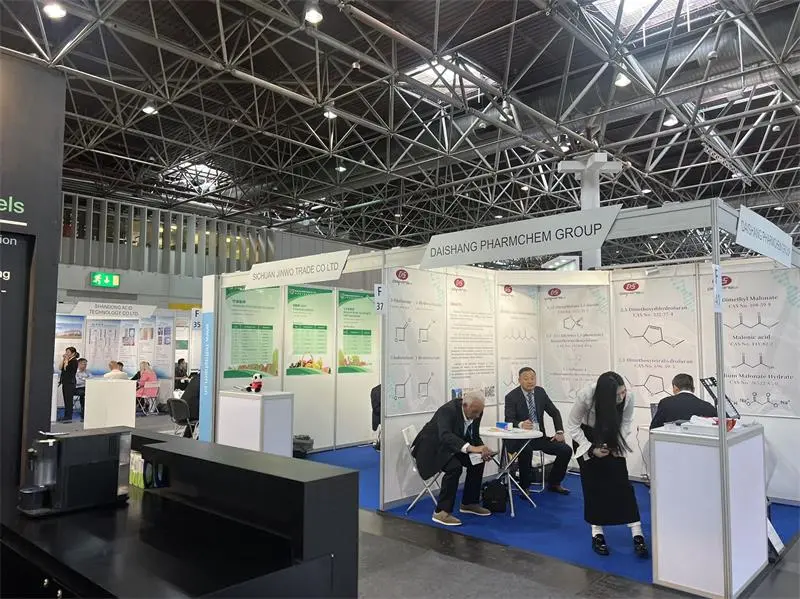
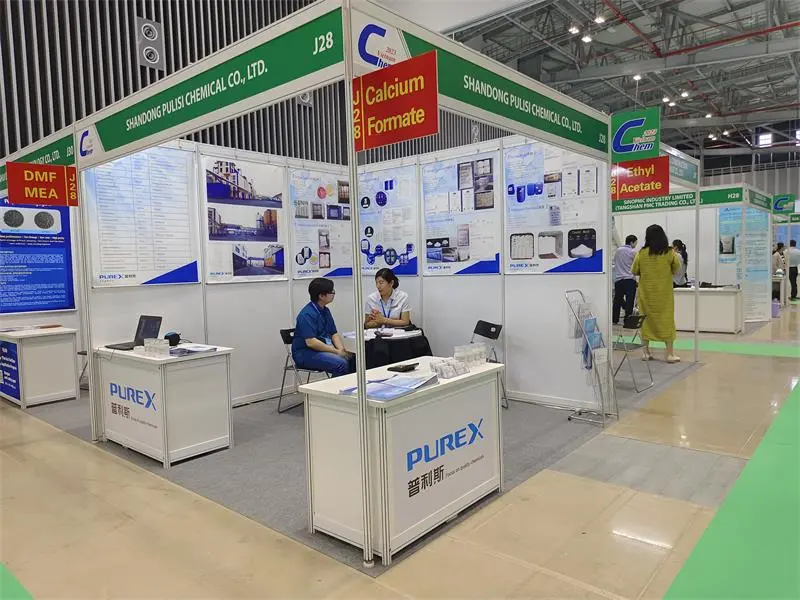
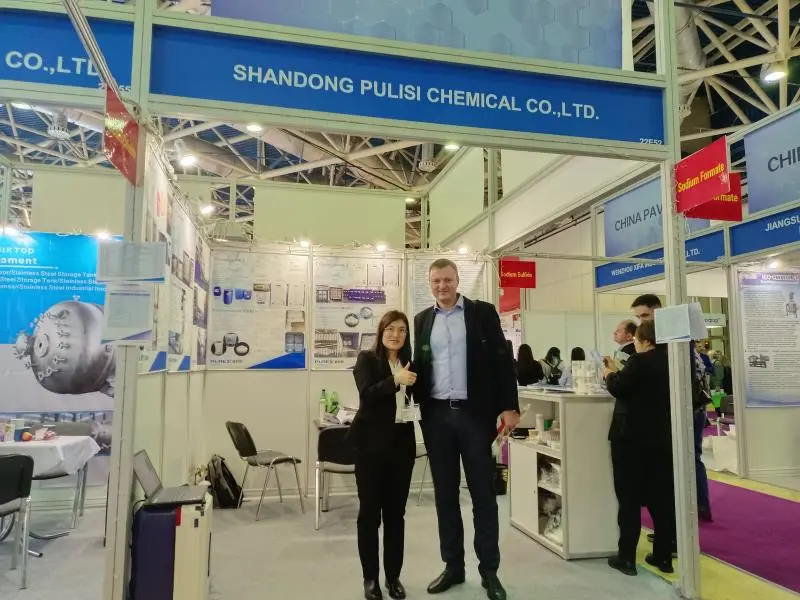
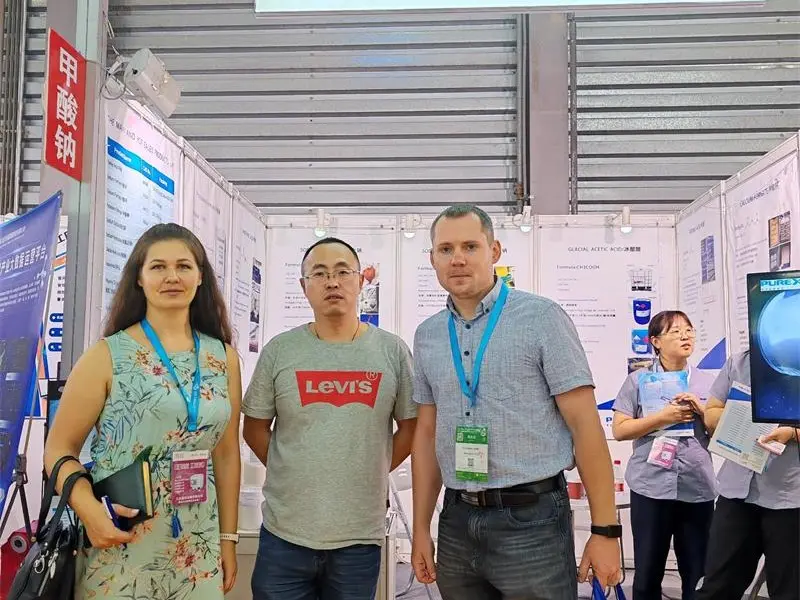
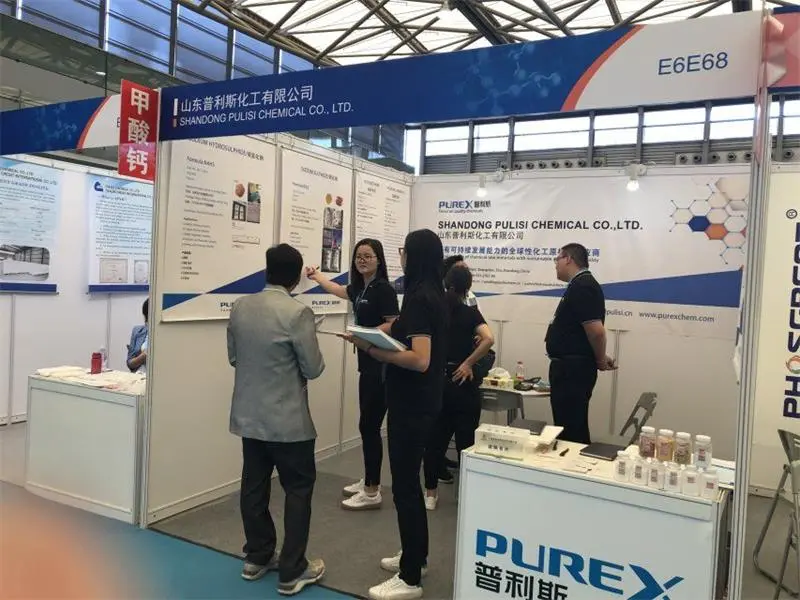
Since 2006, we have participated in international industry events to support global partnerships and display our raw material processing capabilities.

Chemicals for Textile, Printing & Dyeing & Leather
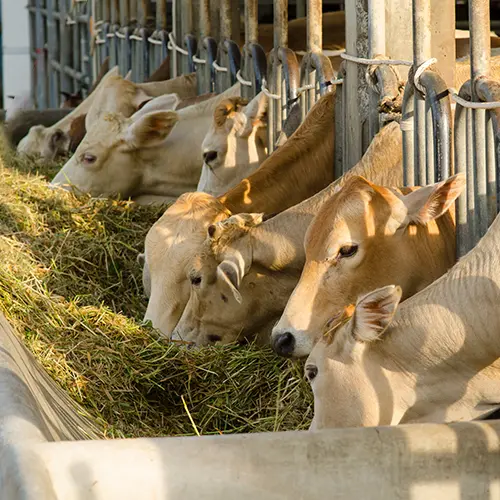
Agricultural Chemicals, Food & Feed Additives

Chemicals for Construction & Coatings
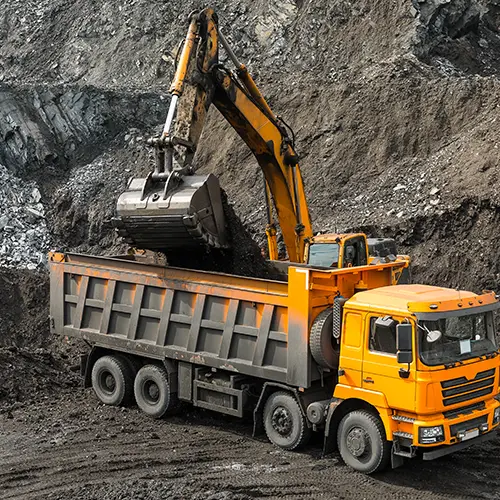
Chemicals for Mining Operations
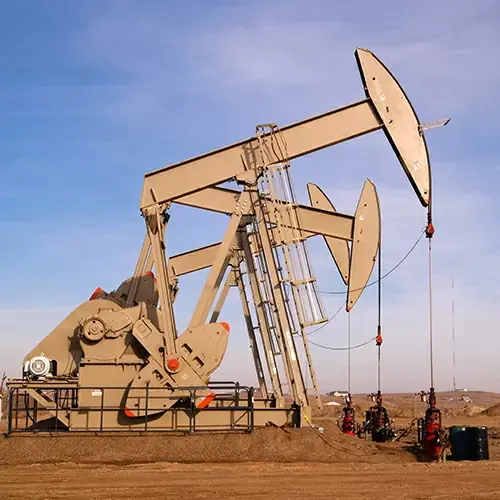
Chemicals for Oil Drilling
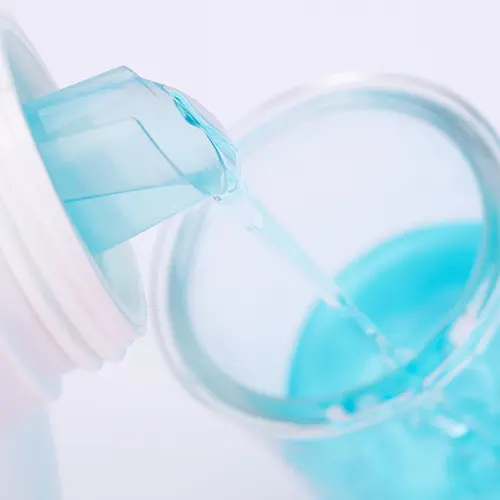
Disinfectants and Solvents
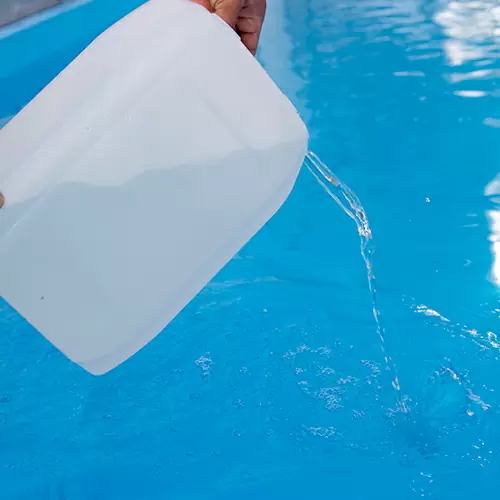
Chemicals for Water Treatment

Plastic Raw Materials & Polymers
How we maintain consistency, pricing stability, and logistics efficiency across global delivery routes.
We export to more than 100 countries and regions, utilizing key logistics hubs at Qingdao, Tianjin, and border ports including Alashankou and Khorgos.
Over 20 years of export experience, maintaining supply relationships with more than 1,000 international enterprises.
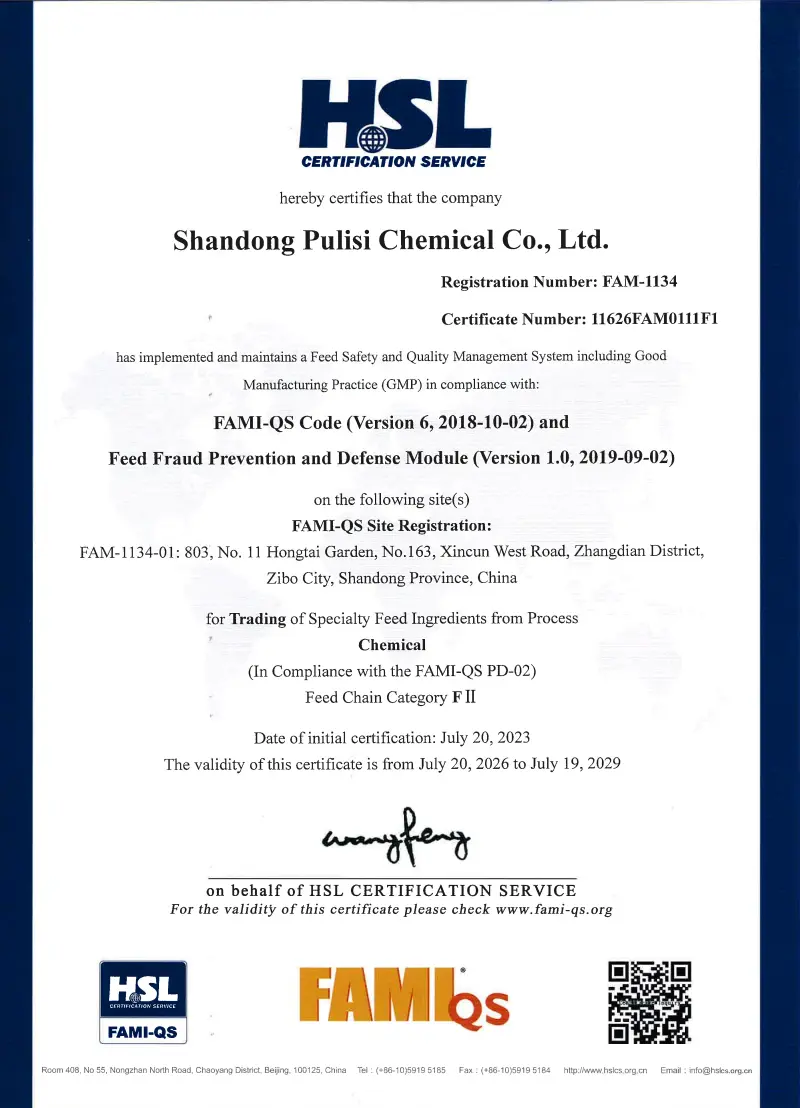
Verified operations under ISO 9001:2015, SGS inspection, K-REACH compliance, and FAMI-QS guidelines.
We provide stable pricing structures based on specific volume commitments and custom chemical formulations.
Strategic warehousing at key shipping ports allows for faster loading times and efficient customs clearance.
An experienced sales and technical support team handles documentation, regulatory compliance, and after-sales support.
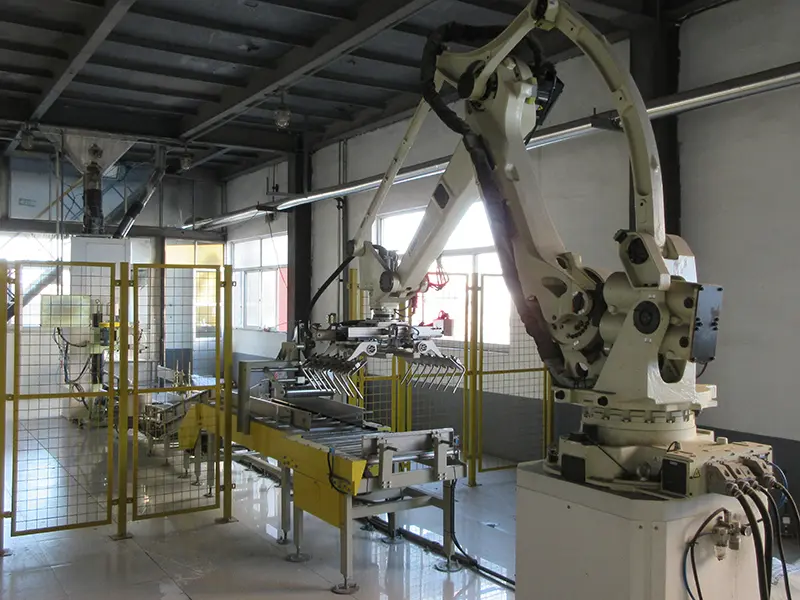
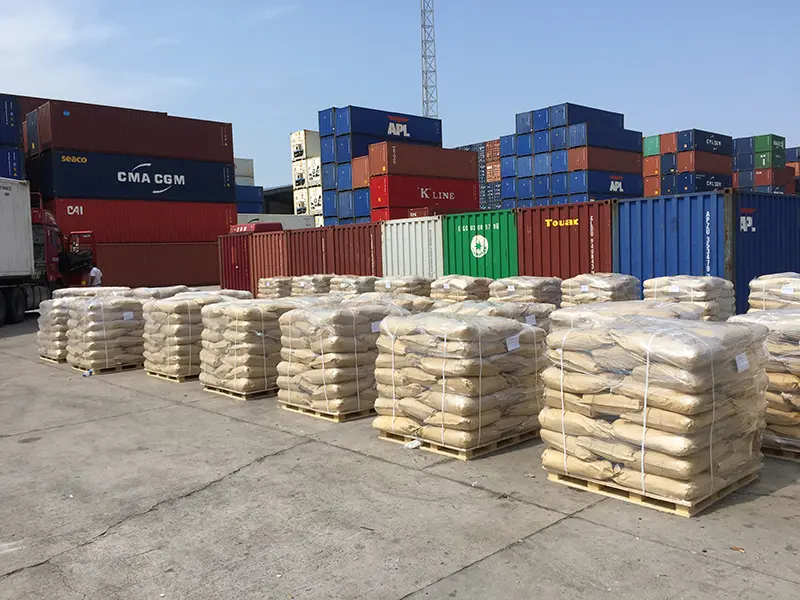
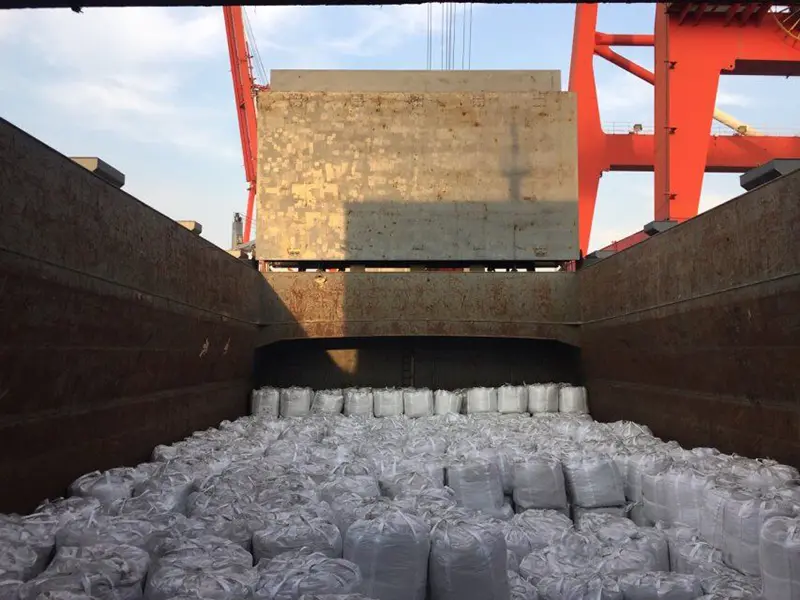
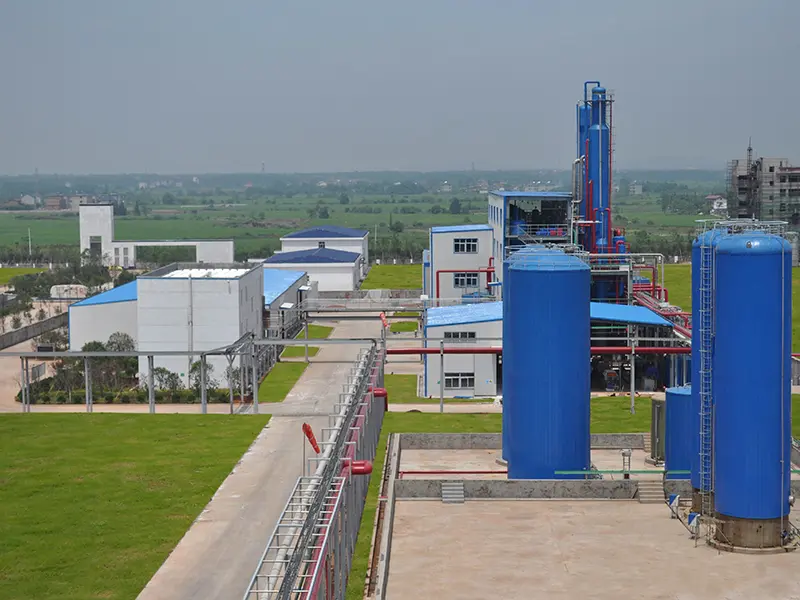
Technical and commercial answers concerning chemical ordering, shipping, and quality assurance processes.
Collaborating with global enterprises to maintain safety, quality, and supply continuity.





Explore our additional chemical compounds and raw materials managed through our global logistics network.
 Pulisi