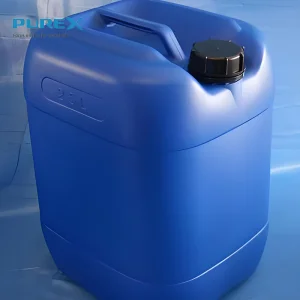
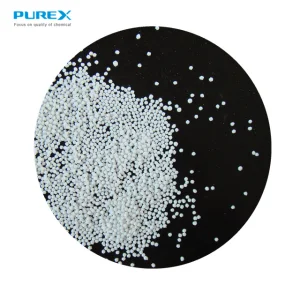
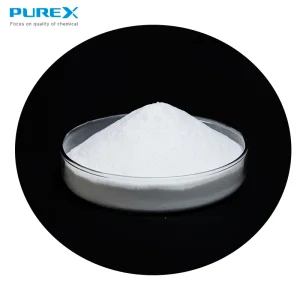
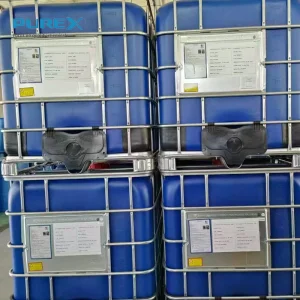
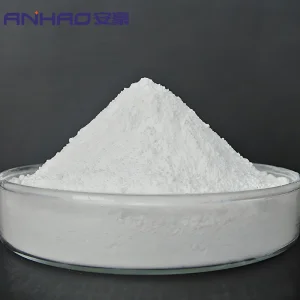
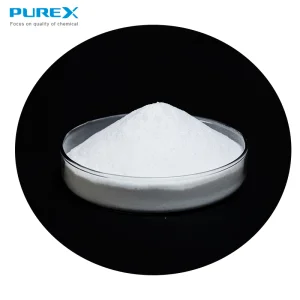
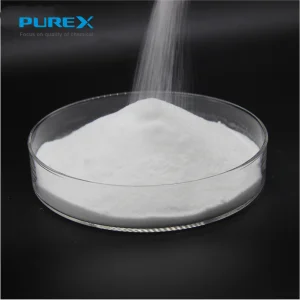
Sulfamic acid, also known as amidosulfonic acid ($NH_2SO_3H$), is a highly stable, dry, and non-volatile monoclinic crystalline solid. Its unique chemical structure, featuring an active amino group bonded directly to a sulfonic acid group, enables it to act as a strong zwitterionic inorganic acid. It dissolves readily in water and liquid ammonia, functioning as an exceptional descaling agent, chemical intermediate, and stabilizer across diverse heavy industries.
Unlike volatile liquid acids (such as hydrochloric or nitric acids), sulfamic acid is remarkably safe to handle in dry form, minimizing hazardous gas releases and reducing accidental spillage risks. When dissolved, it exhibits ionization properties equivalent to strong mineral acids, but is significantly less corrosive to common metallurgy, including stainless steel, copper, and brass, particularly when paired with targeted corrosion inhibitors. This performance profile drives massive demand globally in descaling, synthetic chemistry, water purification, and pulp processing.
In heating, cooling, and boiler systems, the precipitation of calcium carbonate ($CaCO_3$) and magnesium hydroxide ($Mg(OH)_2$) scales severely degrades thermal exchange efficiency. Sulfamic acid reacts rapidly with alkaline earth metal carbonates to form highly soluble sulfamate salts:
CaCO3 + 2NH2SO3H → Ca(NH2SO3)2 + H2O + CO2 ↑
The resulting calcium sulfamate ($Ca(NH_2SO_3)_2$) is exceptionally soluble in water, preventing the secondary precipitation common with sulfuric or phosphoric acid treatments. This reaction path makes it the chemical of choice for industrial cooling towers, shipboard evaporators, and commercial brewing systems.
The global sulfamic acid pricing model is highly sensitive to a clear set of macro-industrial upstream variables and regional logistical constraints. Understanding these factors allows procurement directors to forecast market shifts, lock in competitive contracts, and reduce total cost of ownership (TCO).
| Cost Driver Component | Upstream Market Variable | Impact on Factory Pricing | Sourcing Mitigation Strategy |
|---|---|---|---|
| Urea Feedstock | Agricultural fertilizer demand, natural gas processing costs | High volatility (constitutes ~40% of sulfamic acid chemical synthesis weight) | Align with manufacturers possessing massive bulk-urea storage silos. |
| Fuming Sulfuric Acid | Sulfur mining, industrial chemical processing capacity | Local supply dynamics, environmental production limits | Leverage suppliers in dominant chemical industrial parks (e.g., Shandong). |
| Logistical Port Proximity | Inland diesel rates, proximity to container shipping hubs | Adds $20-$80 per metric ton based on transit to port | Partner with factories near Qingdao or Tianjin ports. |
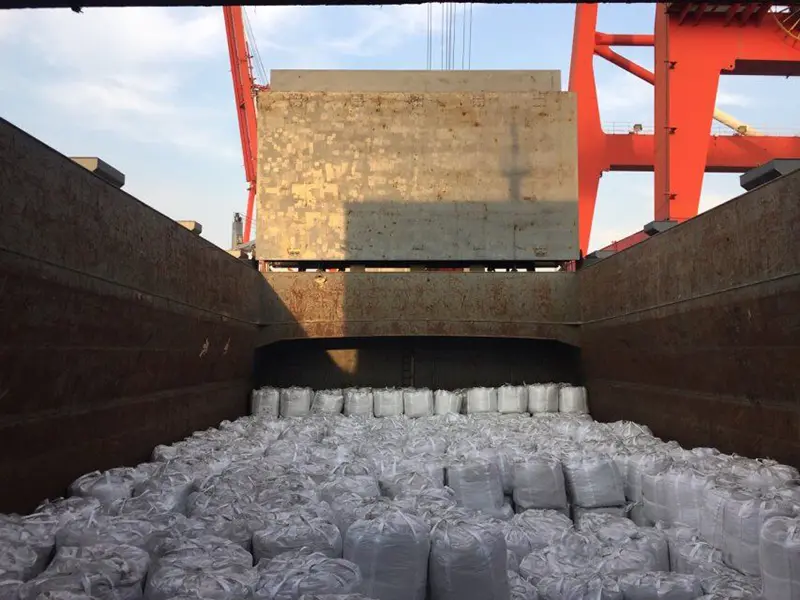
| Anti-Caking Additives | Silica/magnesium carbonate treatment formulation | Impacts flowability, reduces blockages during long sea transport | Always specify anti-caking parameters for long-distance ocean freight. |
Upstream Raw Materials: The manufacturing process relies on reacting urea with fuming sulfuric acid (oleum). Fluctuations in agricultural urea markets directly influence factory gates. Additionally, the production of oleum is capital-intensive and subject to strict regional environmental policies, meaning localized regulations can quickly impact global availability.
Quality Demands of Advanced Industries: Industries like electroplating, sulfamic acid-based chemical synthesis (such as the manufacture of sodium cyclamate), and pulp bleaching require purity profiles exceeding 99.8% with strict ppm limits on chlorides, sulfates, and iron. Lower-grade crystals, though cheaper, introduce impurities that degrade plating bath stability, ruin polymer batches, or cause system-wide corrosion.
The transition from traditional, highly corrosive mineral acids to sulfamic acid solutions represents a major leap forward in both asset protection and occupational safety. Sulfamic acid delivers precise descaling performance while keeping chemical corrosion rates down to manageable levels.
Used to stabilize nitrite diazotization reactions in dye formulations, eliminating excess nitrites in wastewater streams, resulting in brighter colors and reduced environmental load.
Controls and inhibits hemicellulose and cellulose degradation during chlorine dioxide and hypochlorite bleaching stages, improving overall fiber strength and whiteness.
Serves as a reliable acidizing agent in oil wells, dissolving carbonate-based formations to increase oil and gas flow without causing stress-corrosion cracking in downhole steel casings.
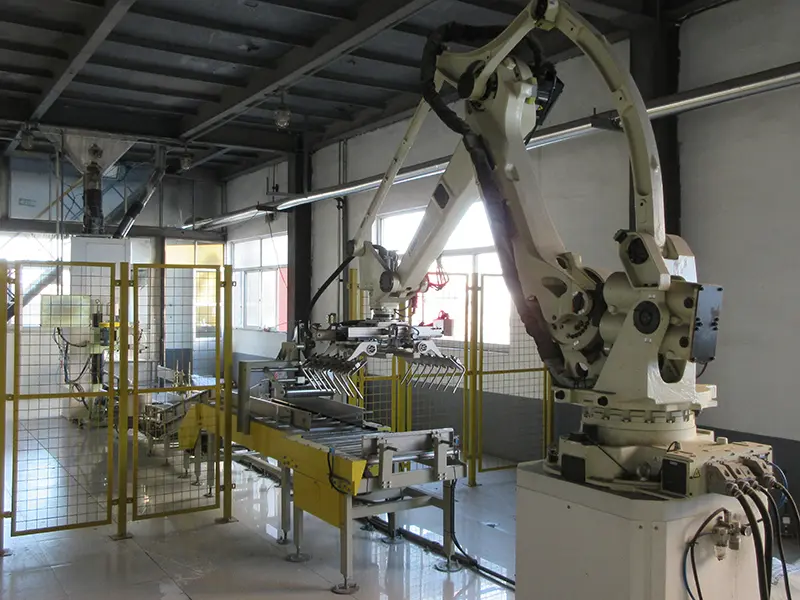
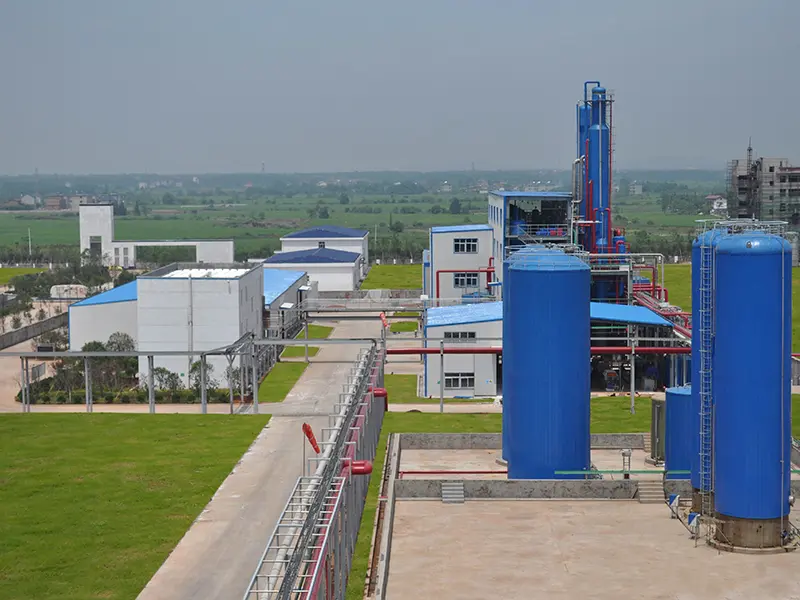
Historically, production of sulfamic acid suffered from high concentrations of by-product ammonium sulfate, which required energy-intensive separation and lowered product purity. Shandong Pulisi Chemical Co., Ltd. uses an advanced continuous gas-solid/liquid-solid phase reaction system. By maintaining strict control over the reaction temperature of the urea-oleum feed, we keep raw material utilization high while minimizing trace iron and heavy metals.
In addition, the crystallization process utilizes multi-stage vacuum cooling systems, which yield uniform crystal sizes. This uniformity improves stability during long ocean voyages and makes bulk handling at downstream facilities much more efficient.
Established in 2006, Shandong Pulisi Chemical is a leading public enterprise focusing on petrochemicals, mining chemicals, feed chemicals, and pharmaceutical raw materials.
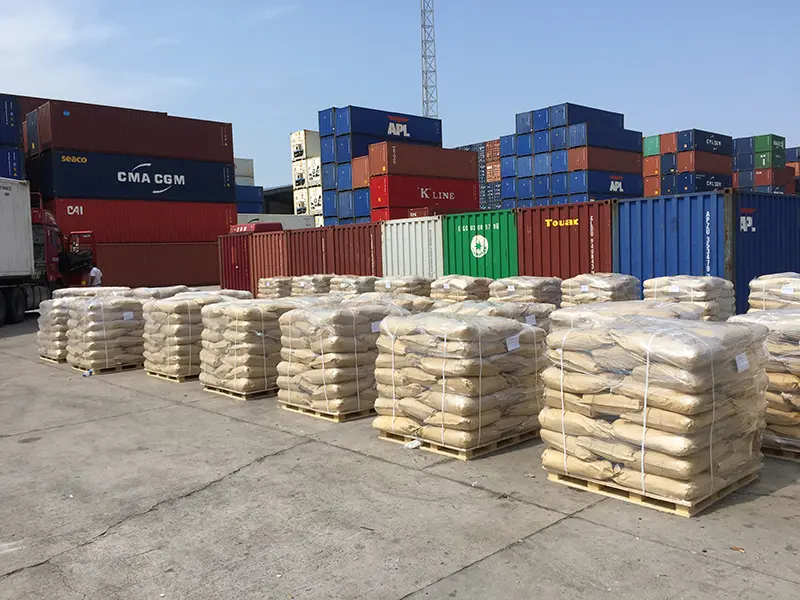
Our mature warehousing and distribution network is strategically located at key domestic logistics hubs, including Qingdao Port, Tianjin Port, and Xinjiang border land ports (Alashankou, Khorgos). This setup enables us to offer highly flexible logistics options, reduce overland transit times, and guarantee reliable deliveries to industrial clients worldwide. We are proud to maintain long-term partnerships with Fortune Global 500 corporations, including China National Petroleum Corporation (CNPC) and Saint-Gobain.
Exporting to more than 100 countries and regions with full documentation support, ensuring hassle-free port clearance.
More than 20+ years of export experience, maintaining active partnerships with over 1,000 corporate buyers.
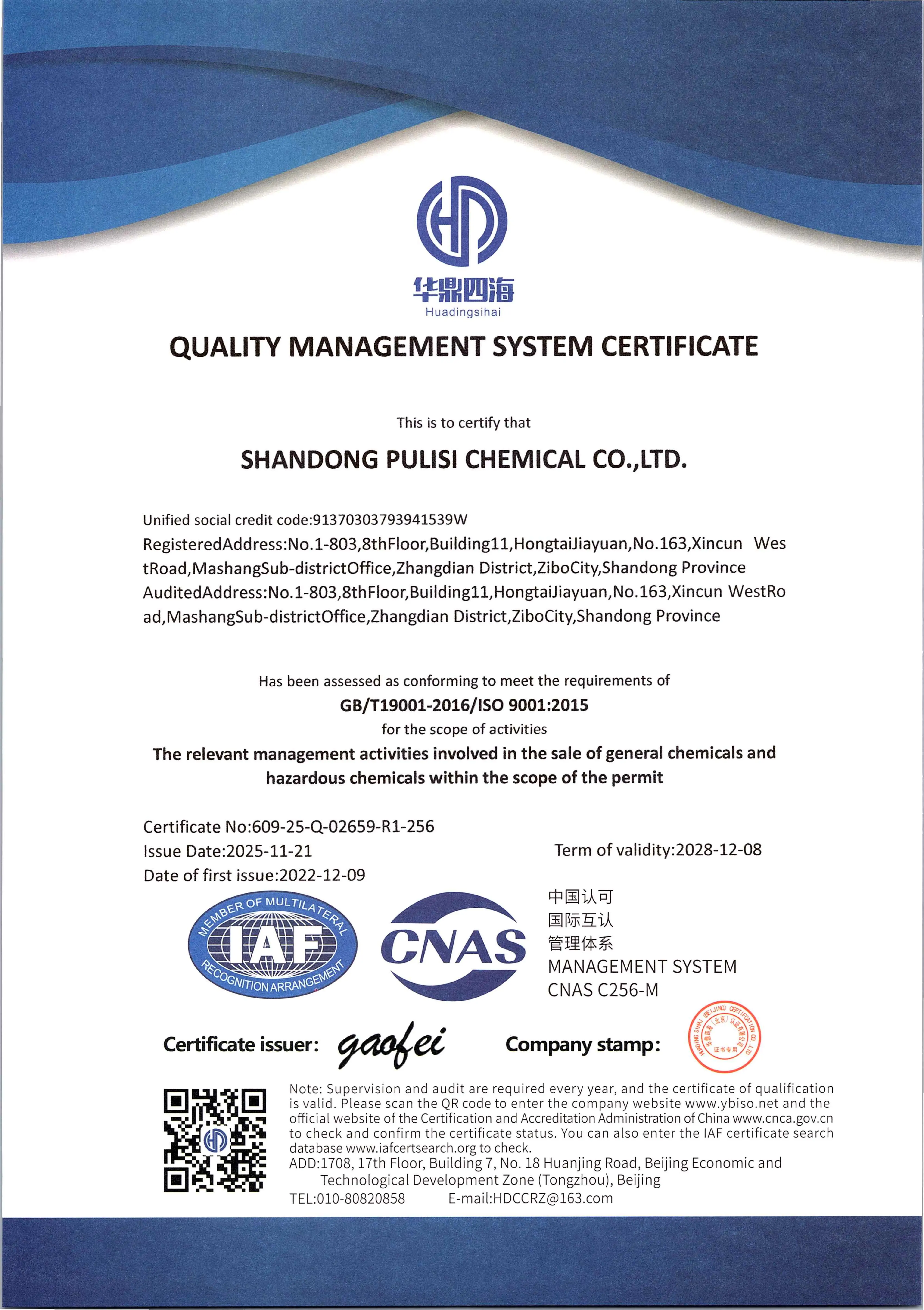
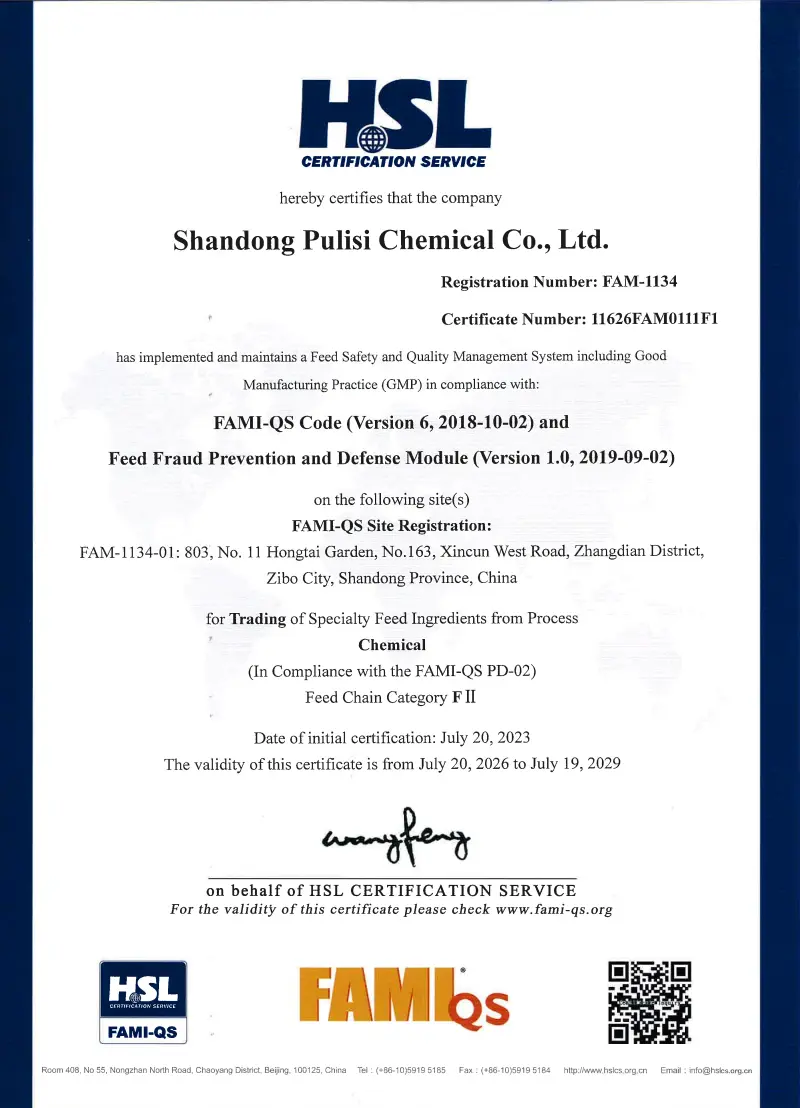
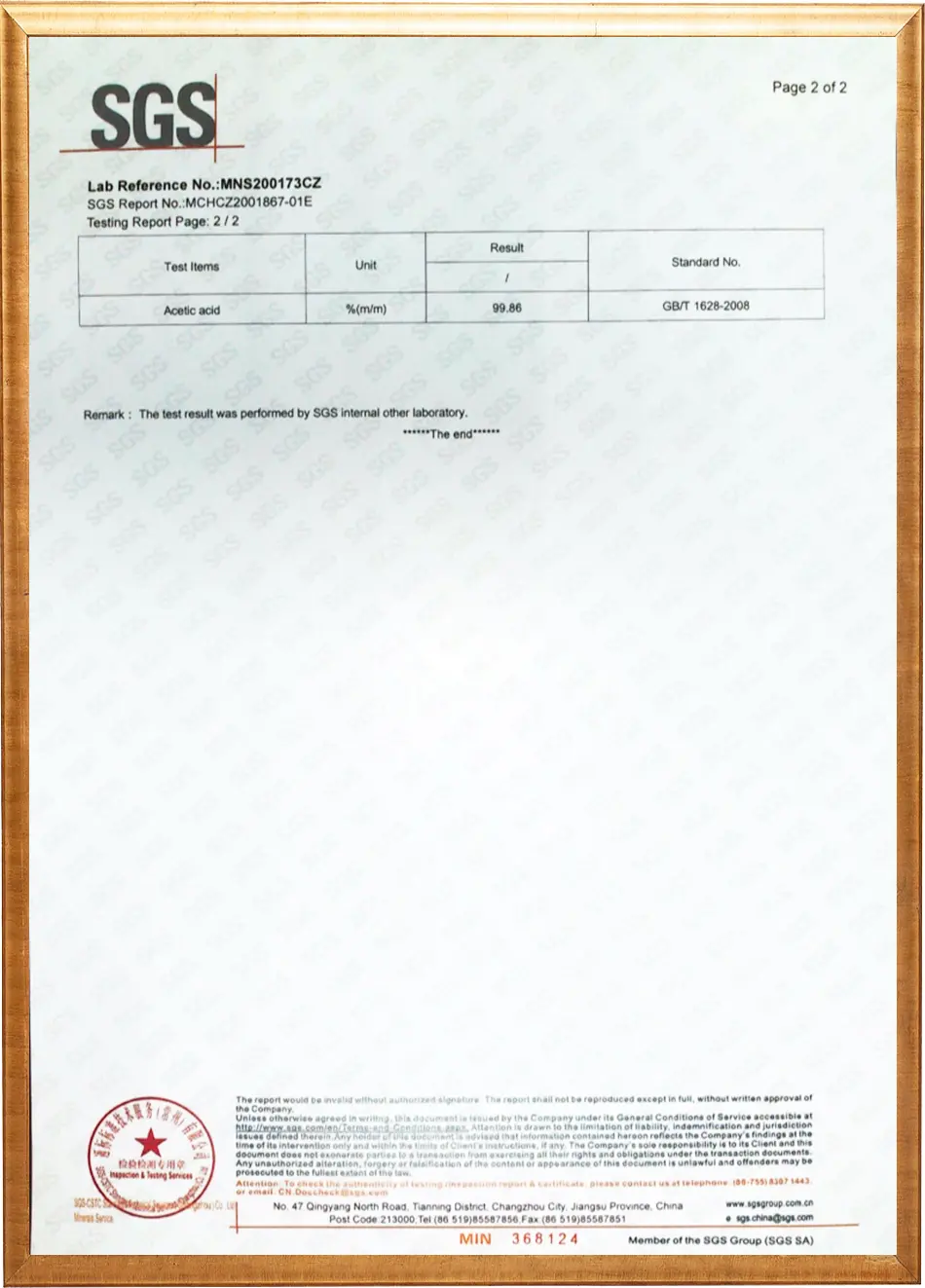
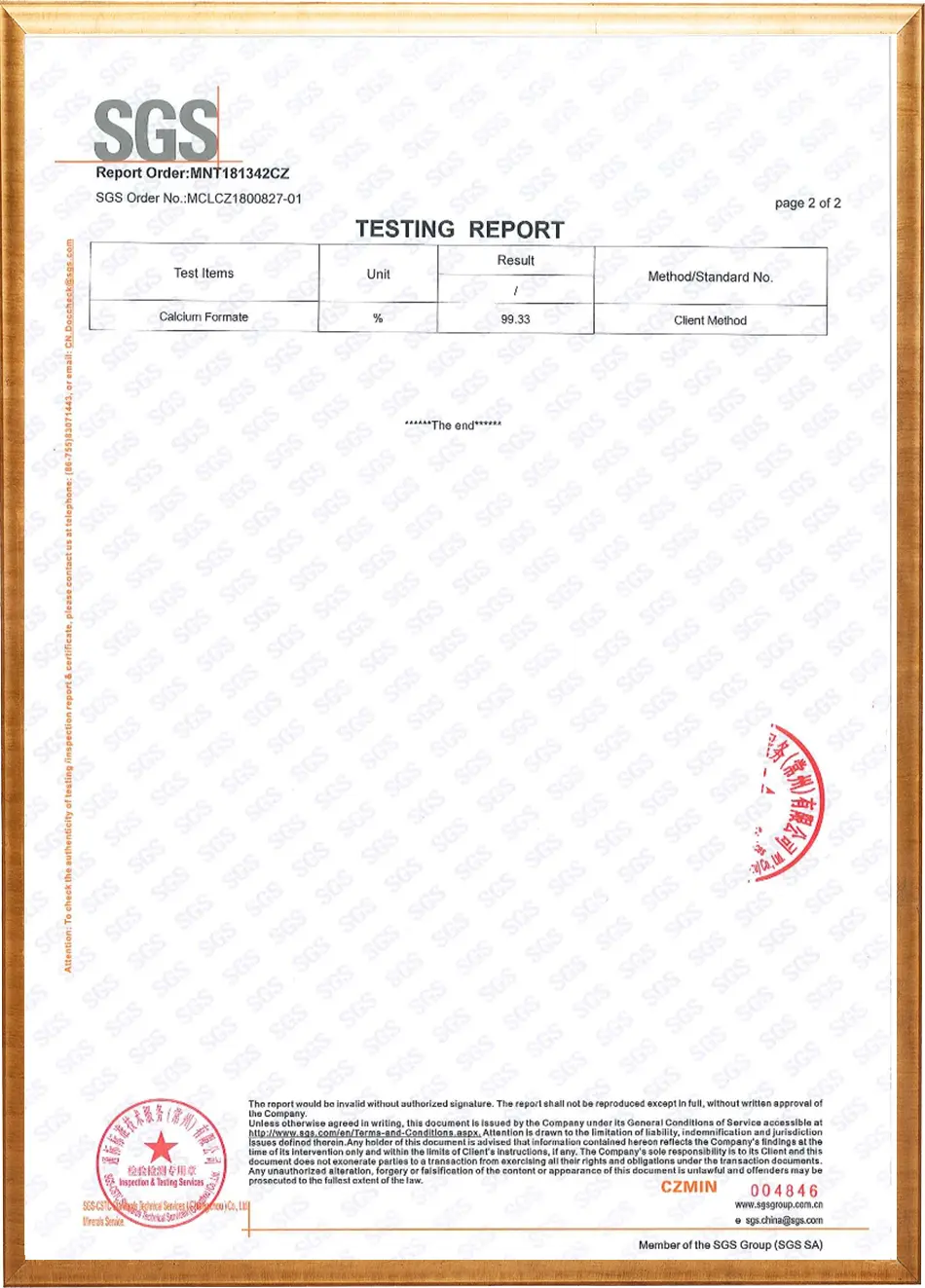
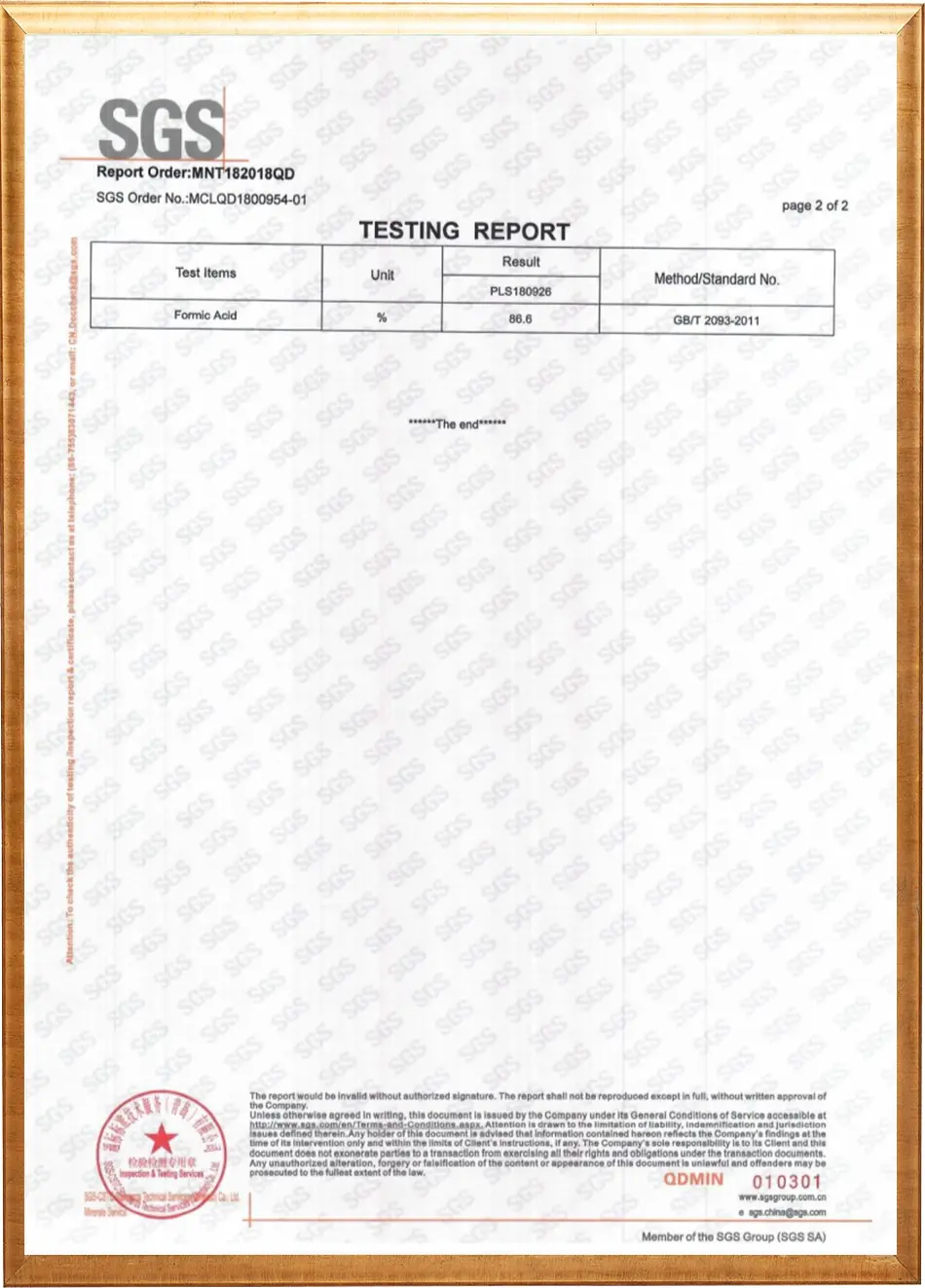
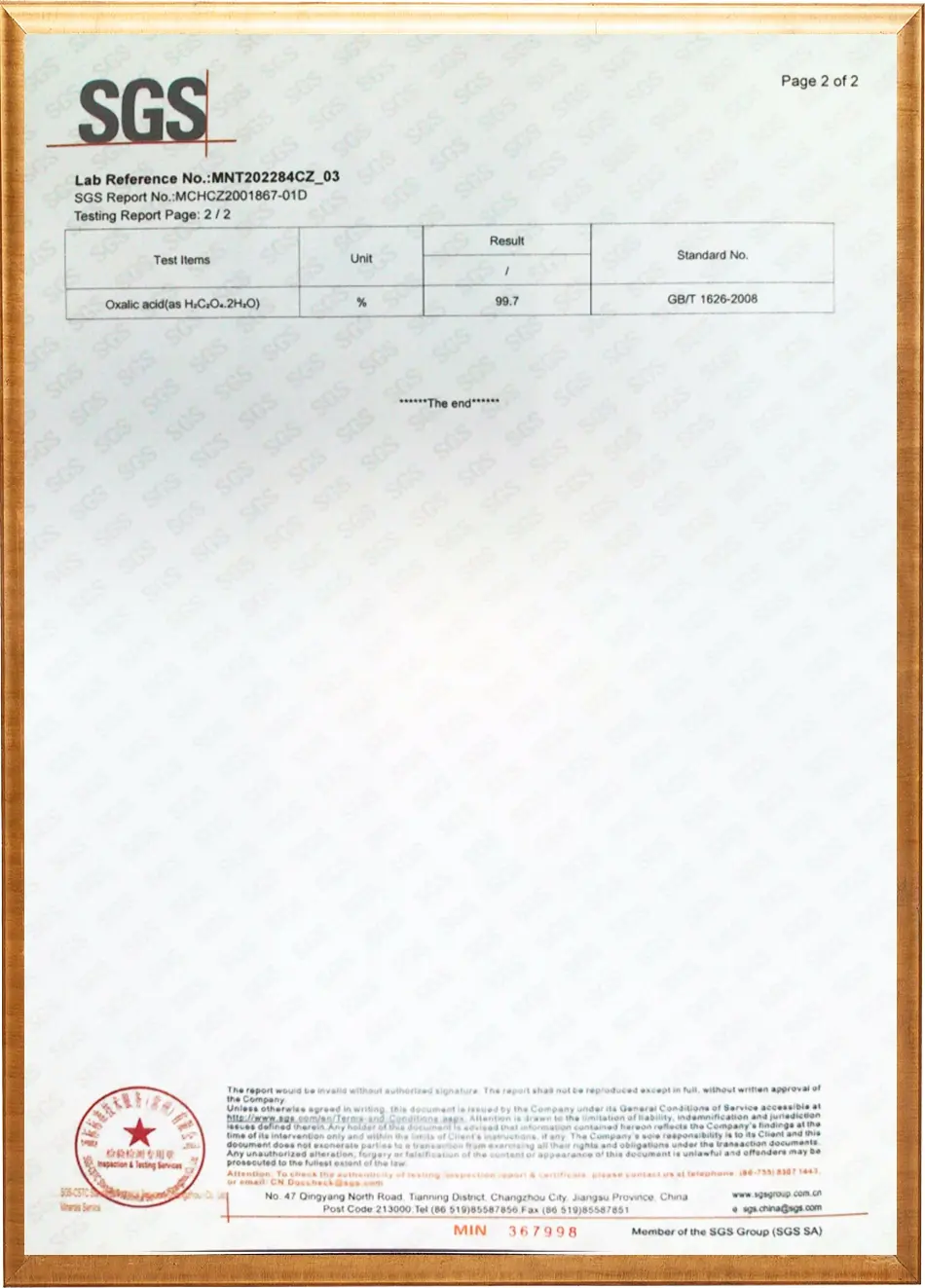
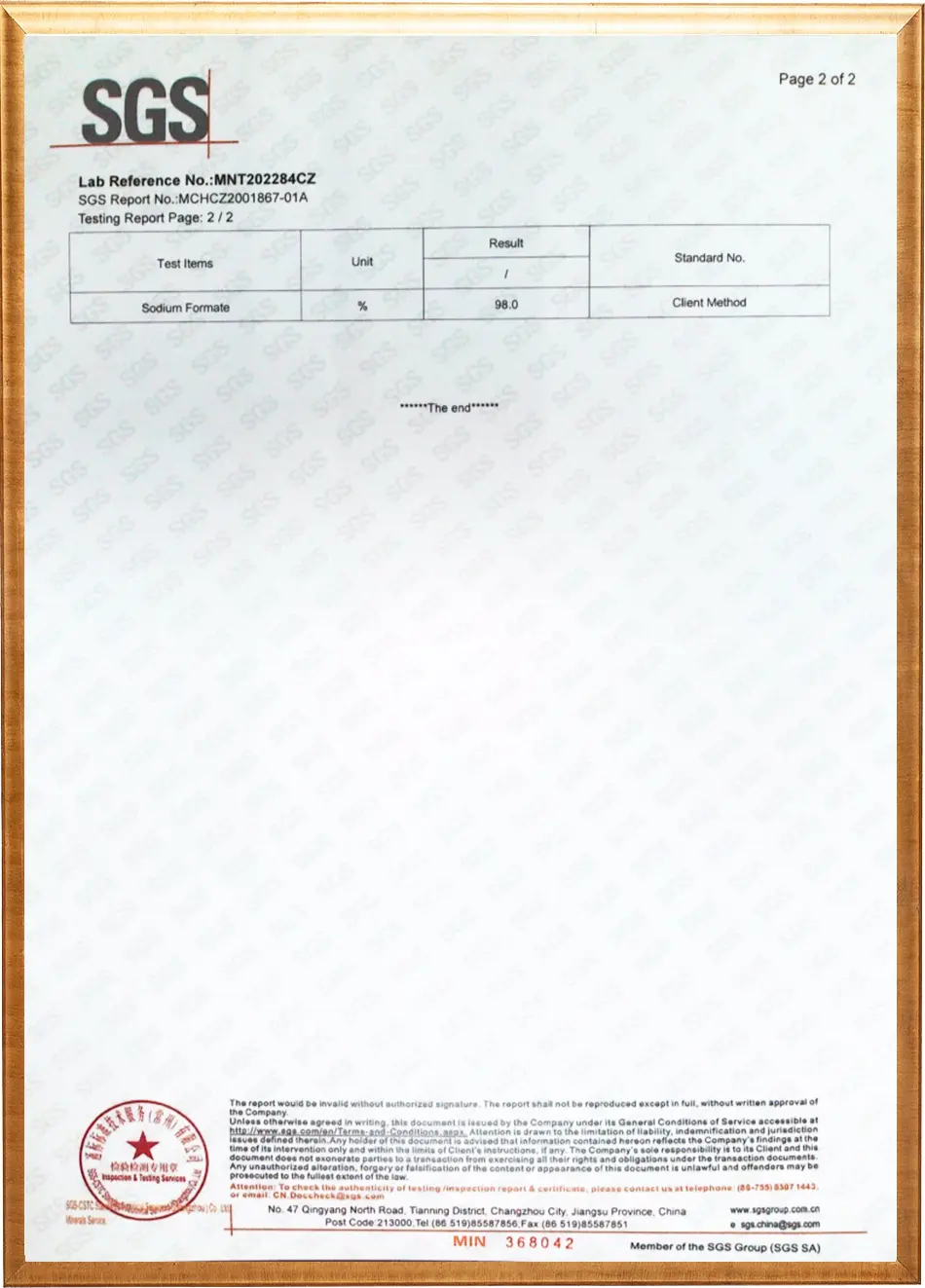
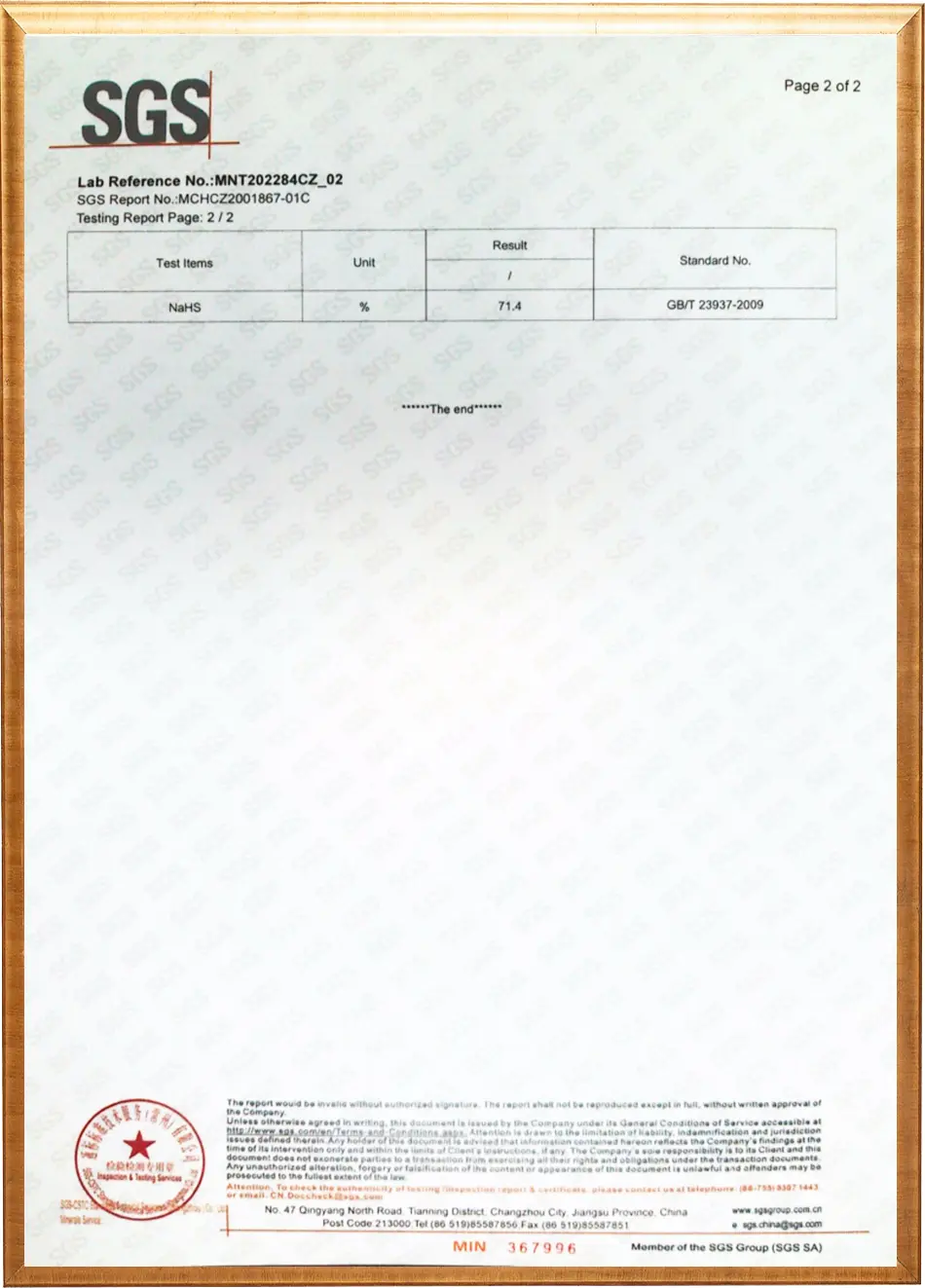
ISO 9001:2015 Certification, SGS analysis, K-REACH pre-registration, and FAMI-QS compliance systems.
We leverage manufacturing efficiencies to deliver highly competitive prices based on packaging and customization requirements.
Strategic warehousing at key shipping ports allows us to dispatch orders quickly once contracts are finalized.
Our multilingual customer support and technical teams provide rapid, professional assistance round the clock.
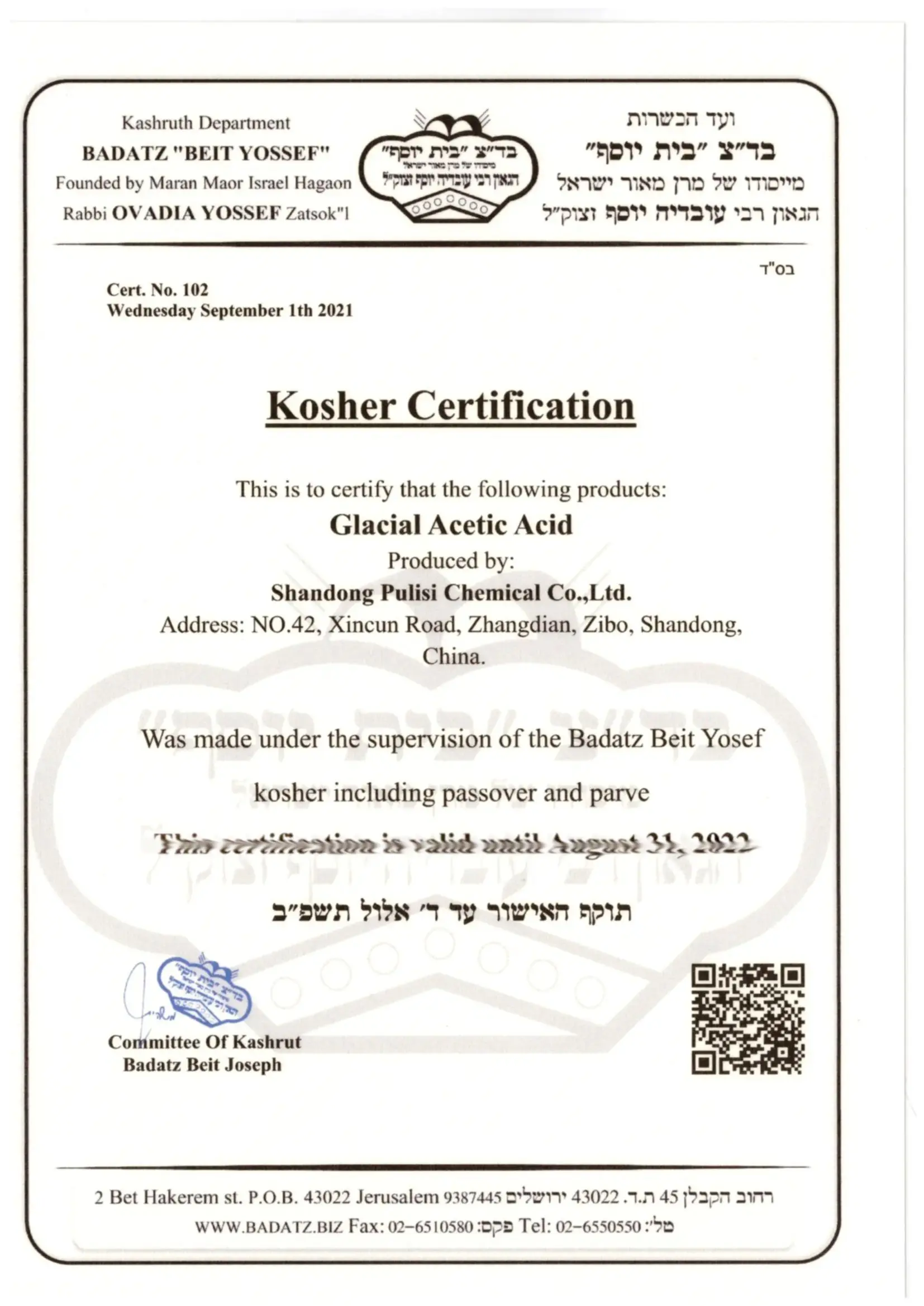
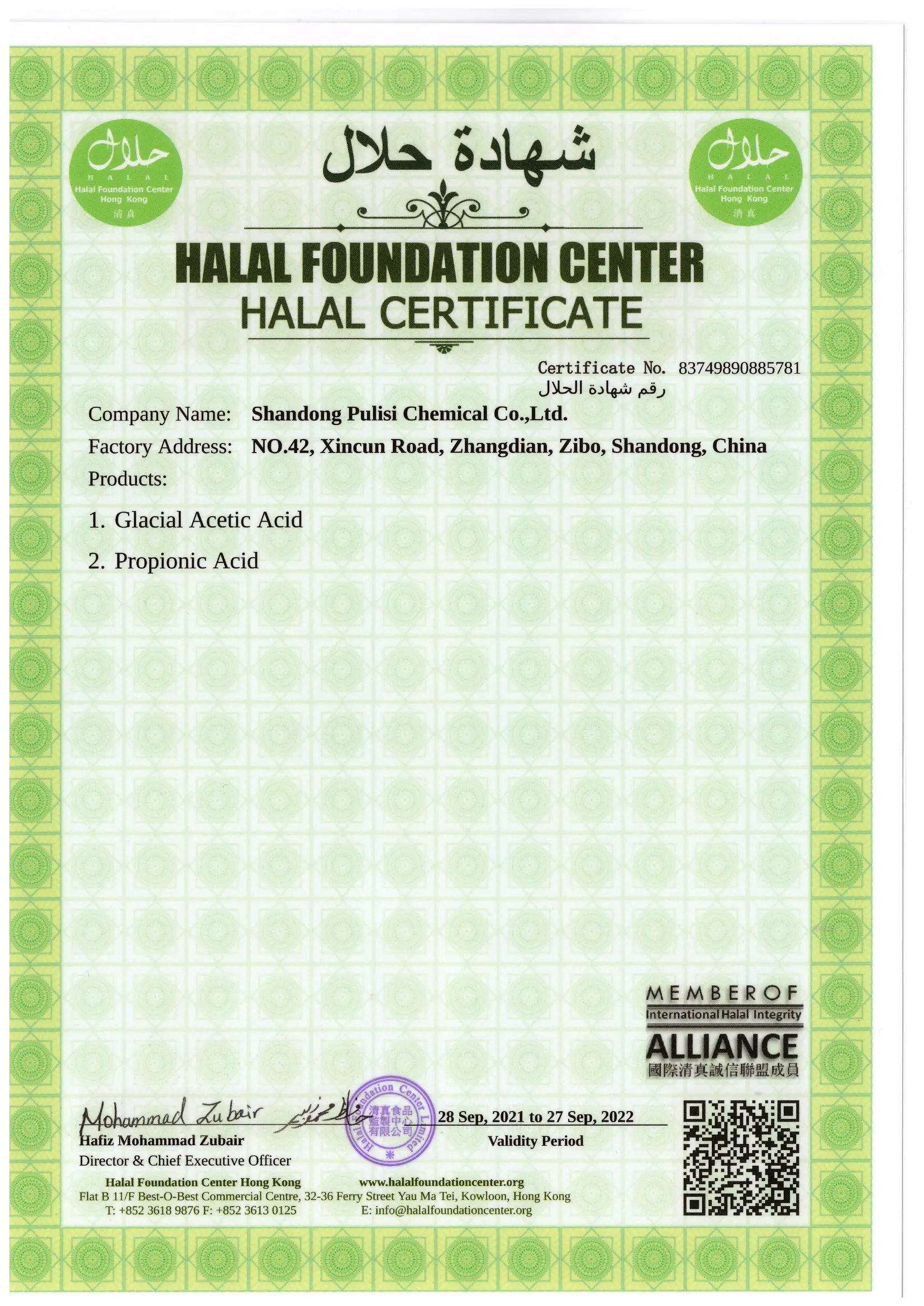
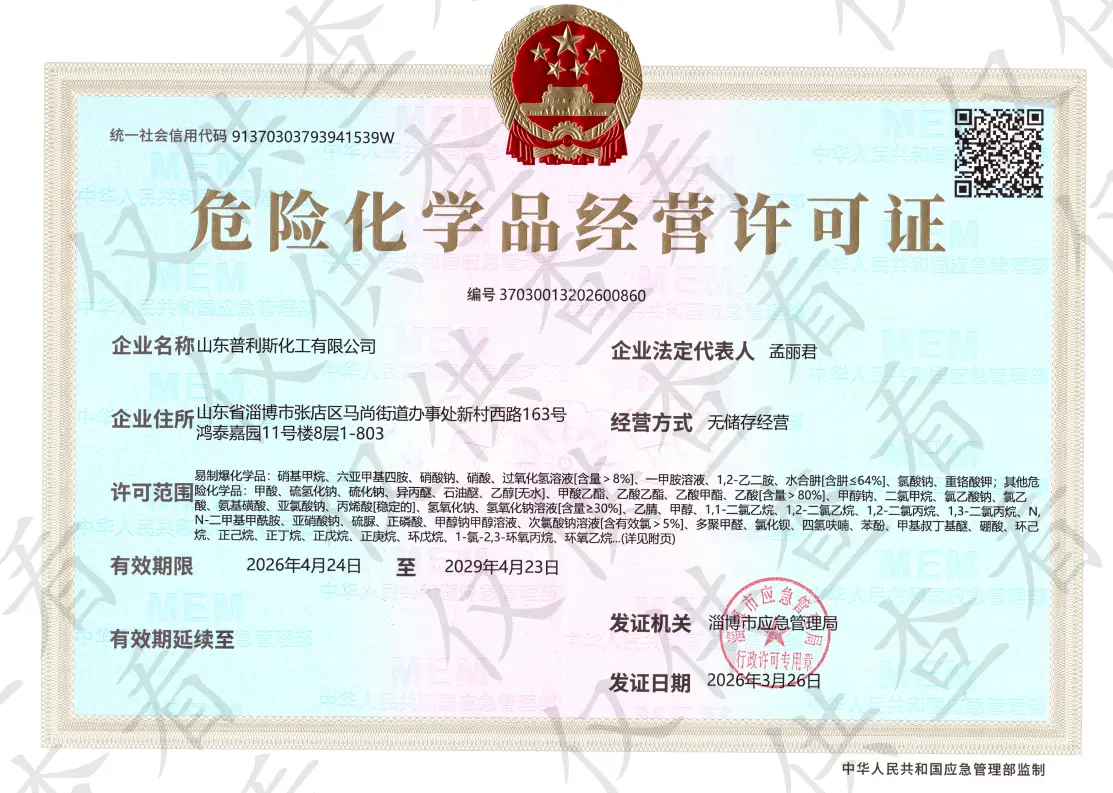
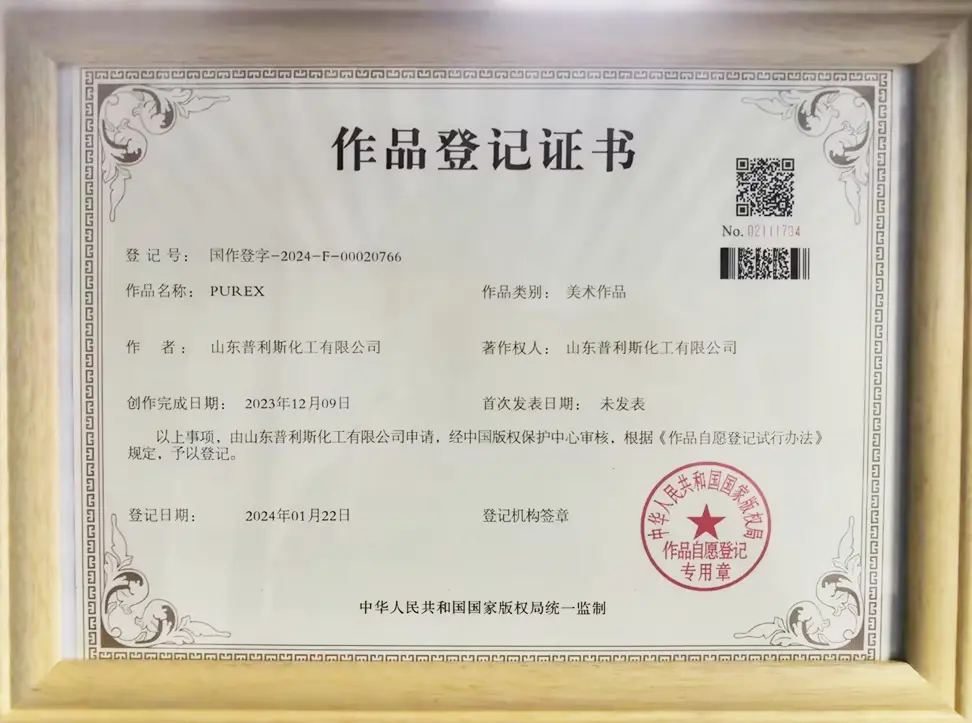
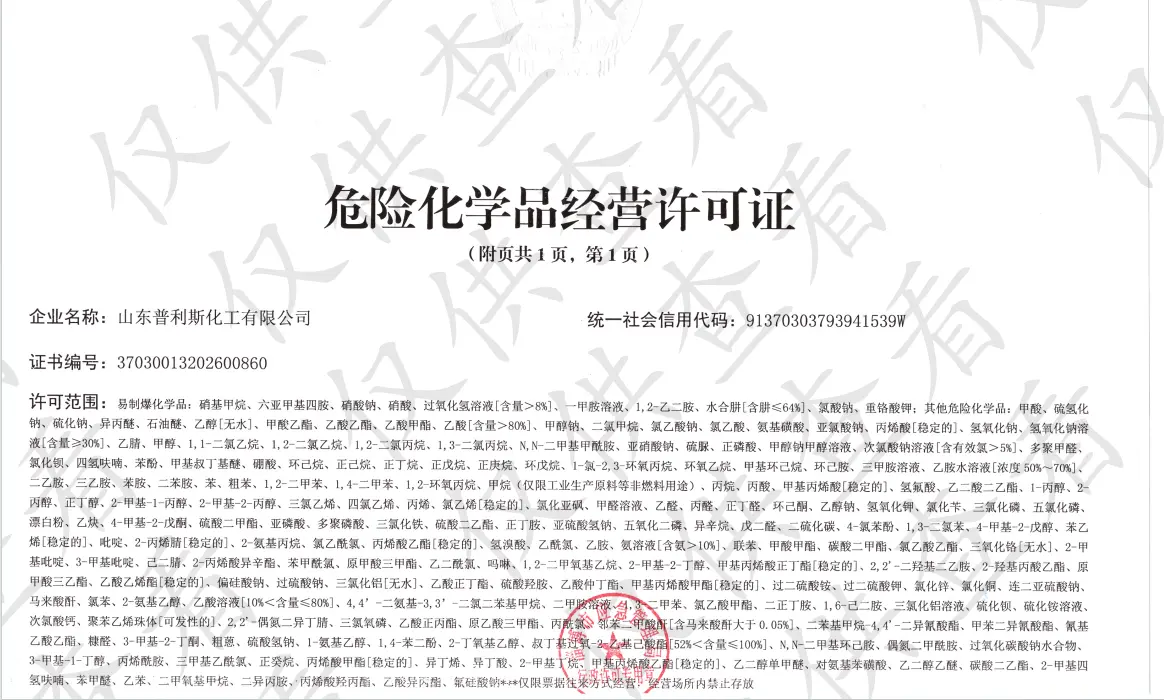
Our commitment to quality control is verified by international inspection bodies. Below are our key regulatory and chemical analysis certificates.
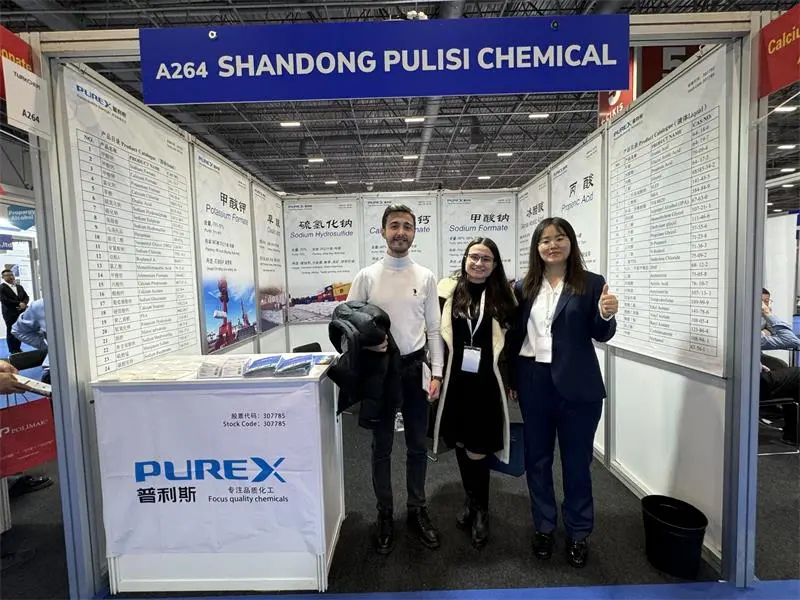
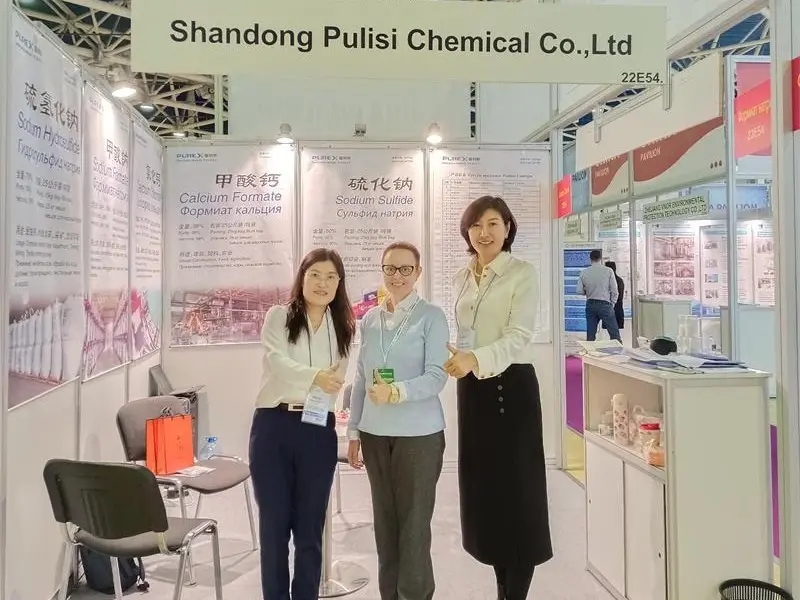
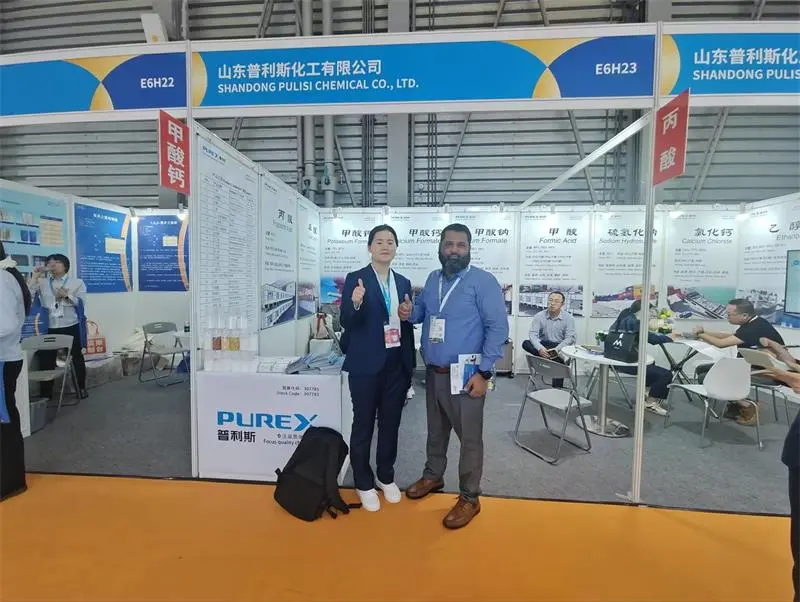
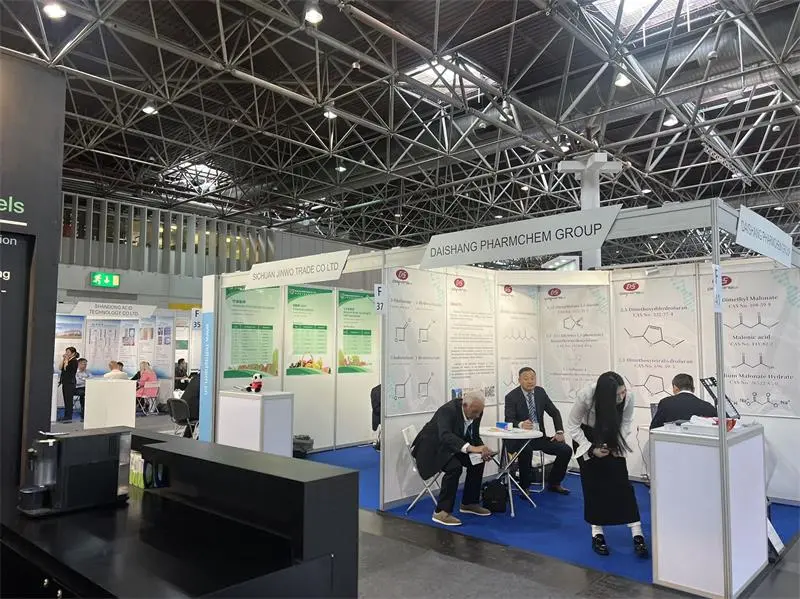
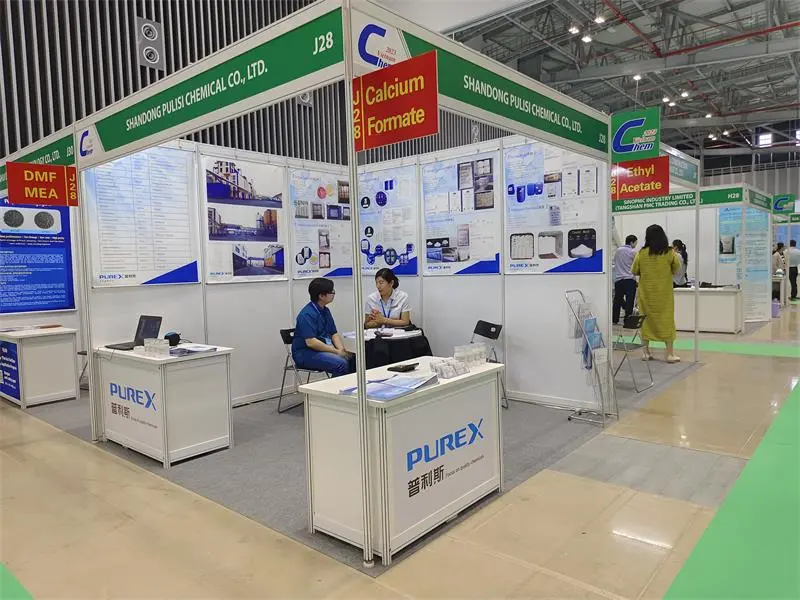
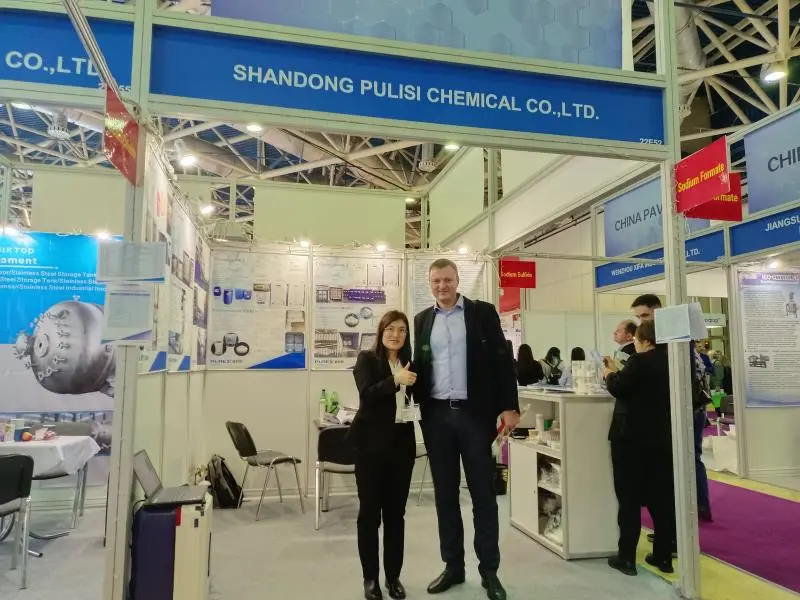
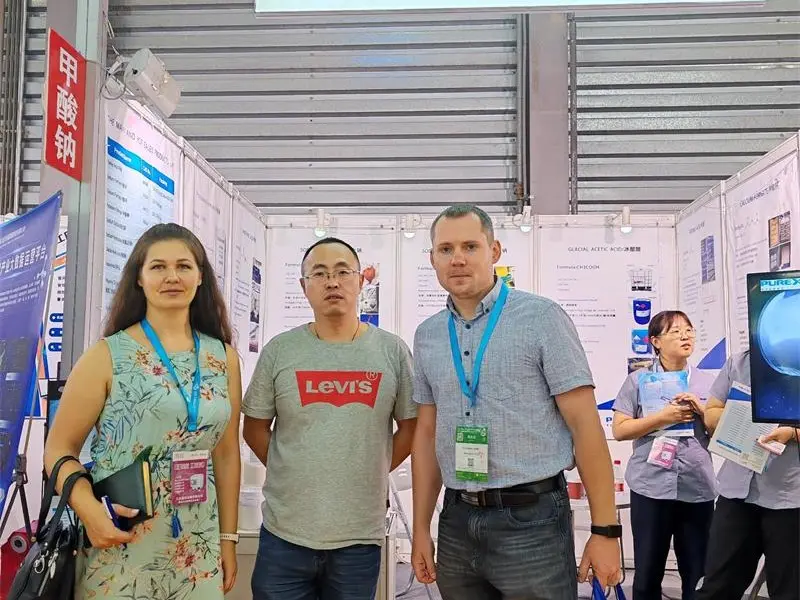
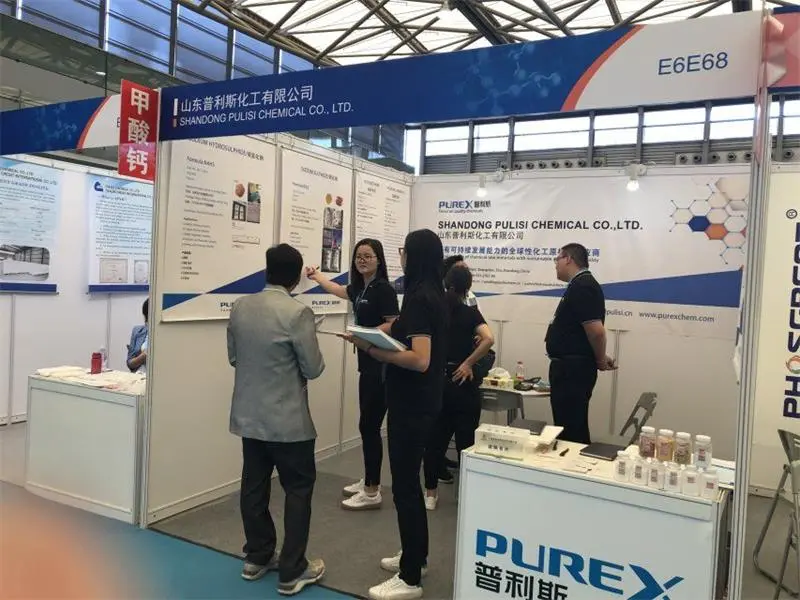
Participating in top international chemical expos helps us stay closely aligned with changing global industry requirements and connect with procurement professionals around the world.
Sulfamic acid's versatility stems from its unique ability to supply strong acid ionization without introducing hazardous volatile fumes or aggressive chloride ions. This characteristics makes it highly valuable in several key industrial fields.

Textile, Printing & Dyeing

Agricultural & Feed Additives

Construction & Coatings

Mining Chemical Solutions
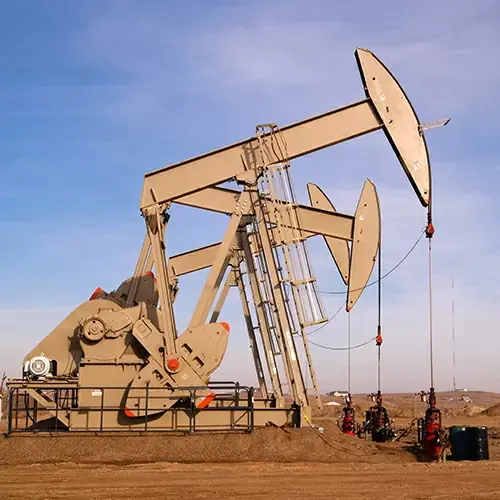
Oil Drilling Formulations
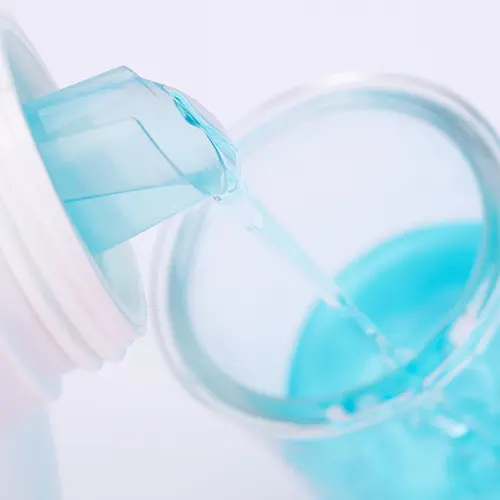
Disinfectants & Solvents

Water Treatment Systems
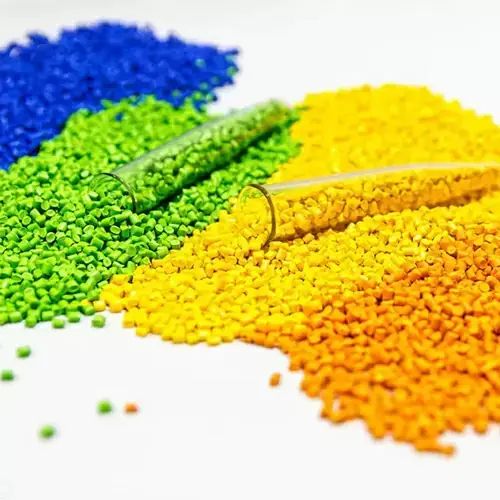
Plastic Raw Materials
1. Advanced Water Treatment: Chlorine gas is widely used for sanitizing swimming pools and industrial cooling towers, but it degrades quickly under direct sunlight. Adding sulfamic acid reacts with active chlorine to produce highly stable chlorosulfamates. This mechanism slowly releases active chlorine over time, reducing overall chemical consumption.
2. Industrial Electroplating Baths: In electroplating, sulfamic acid serves as an electrolyte for depositing metals like nickel, copper, and zinc. Its high metal-salt solubility and low corrosiveness help ensure highly uniform metal deposition, preventing the pitting and roughness often associated with sulfate- or chloride-based baths.
The global chemical industry is moving steadily toward circular economy principles and reduced environmental footprints. Sulfamic acid is well-positioned for this transition. Because it is highly biodegradable, it breaks down into harmless nitrogen and sulfate ions under typical municipal wastewater treatment conditions, making it an excellent alternative to non-biodegradable organic chelating agents like EDTA.
Ongoing R&D at Shandong Pulisi Chemical focuses on further reducing the carbon footprint of our manufacturing process. By recovering thermal energy from the exothermic reaction of oleum and urea, we can feed steam back into our crystallization units. This design reduces external energy use and supports sustainable supply chains for global buyers.
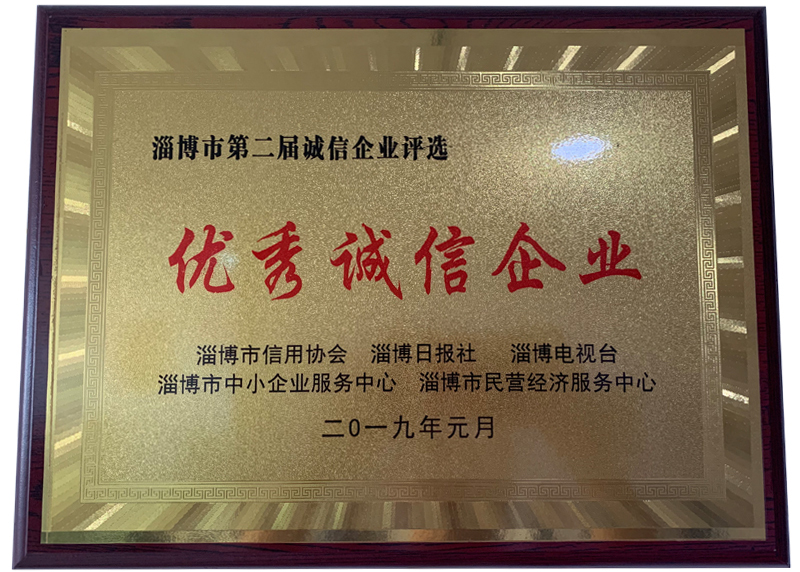
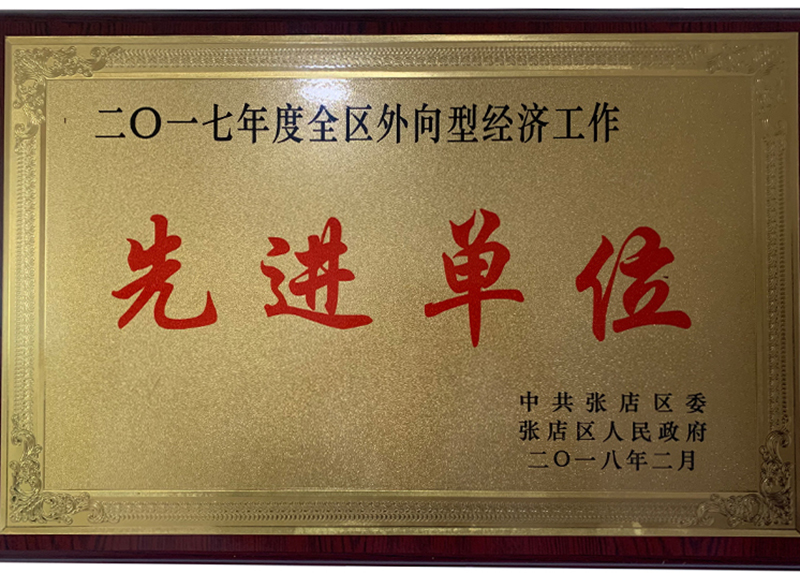
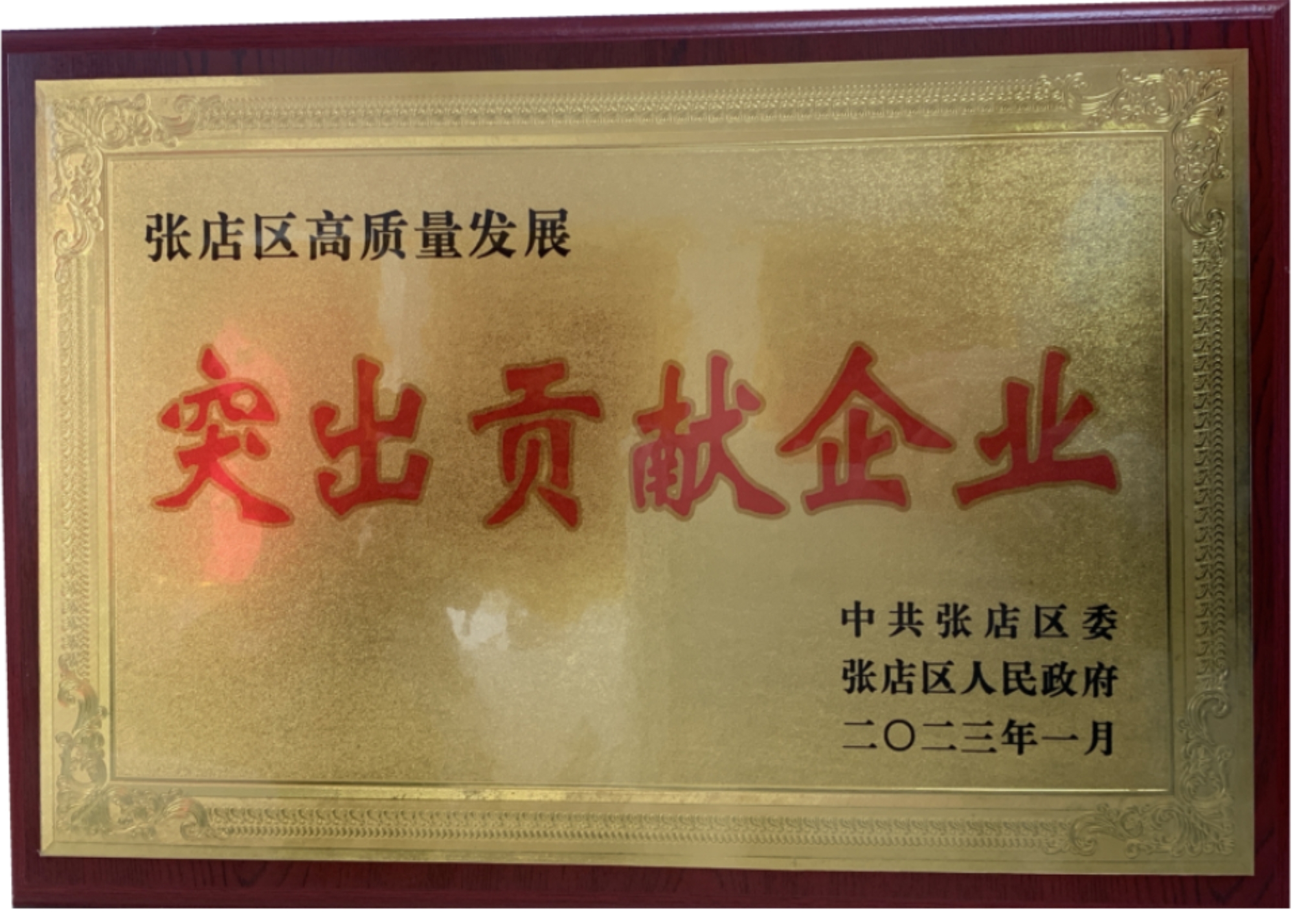
Our long-term commitment to quality, financial transparency, and compliance has earned us recognition from local governments and international agencies.










 Pulisi