Strategic chemical intermediaries, performance chemicals, and industrial salts optimized for target operations.
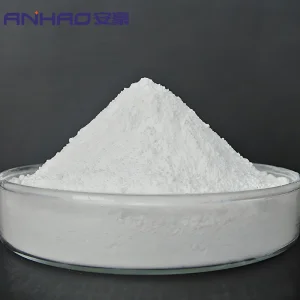
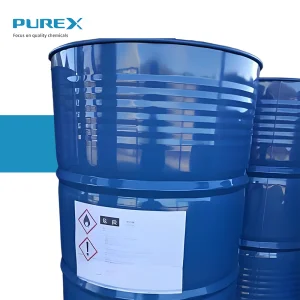
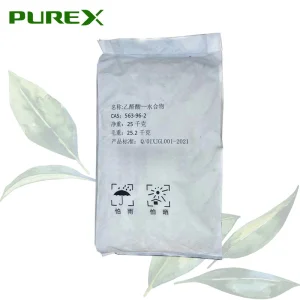
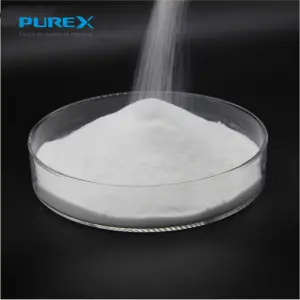
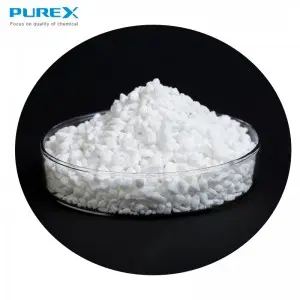
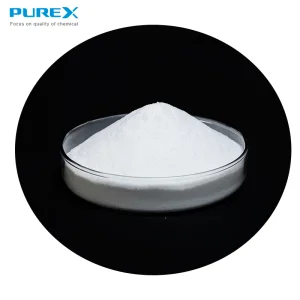
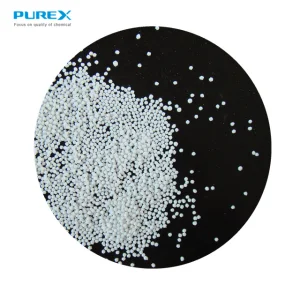
Sodium Acetate Anhydrous is an inorganic sodium salt of acetic acid with the chemical formula CH₃COONa. In its anhydrous state, it presents as a highly hygroscopic white crystalline powder, which readily absorbs atmospheric moisture to form sodium acetate trihydrate (CH₃COONa·3H₂O). Formulating critical industrial solutions requires a strict understanding of its thermodynamic and molecular characteristics.
Unlike its trihydrate counterpart, anhydrous sodium acetate has a higher active chemical content per unit of weight, reducing shipping mass and avoiding water crystallization complications in dry formulations. When dissolved in water, the dissolution is distinctly exothermic (ΔH_soln = -17.3 kJ/mol), contrasting with the endothermic profile of the trihydrate form. This characteristic makes it highly favored in low-temperature localized applications and dry blend formulations, particularly in winterized concrete mixes and oilfield fluid systems.
At the macro-industrial scale, sodium acetate anhydrous serves as a primary buffering agent in chemical synthesis, a kinetic modifier in polymerization, an eco-friendly external carbon source in urban wastewater treatment, and a phase change material (PCM) in green architectural designs.
| Parameter / Property | Specification Details (Anhydrous Grade) | Specification Details (Trihydrate Grade) |
|---|---|---|
| CAS Number | 127-09-3 | 6131-90-4 |
| Molecular Formula | CH₃COONa | CH₃COONa·3H₂O |
| Molecular Weight | 82.03 g/mol | 136.08 g/mol |
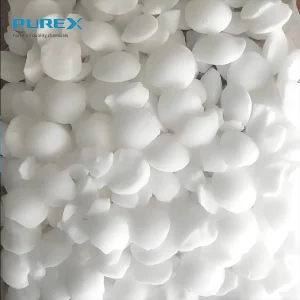
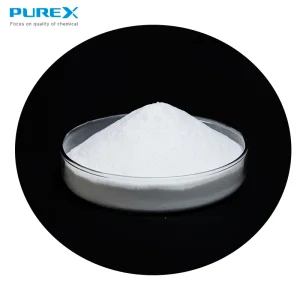
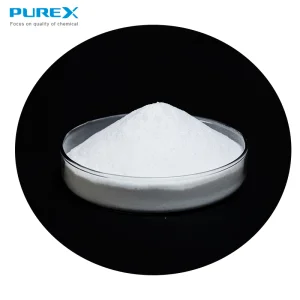
| Appearance | Fine White Crystalline Powder / Granules | Colorless crystals or white crystalline powder |
| Purity / Assay | ≥ 99.0% Min | 99.0% - 101.0% |
| Moisture Content | ≤ 1.0% Max | 36.0% - 41.0% |
| pH (5% Aqueous Solution) | 7.5 - 9.0 | 7.5 - 9.2 |
| Water Solubility | 365 g/L (at 20°C) | 465 g/L (at 20°C) |
| Thermodynamic Dissolution Profile | Exothermic (Releases heat) | Endothermic (Absorbs heat) |
Supply chain trajectories, pricing dynamics, and raw material positioning across major global markets.
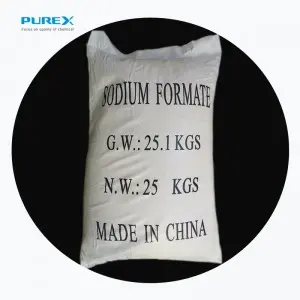
The global demand for Sodium Acetate Anhydrous has witnessed steady growth, driven by expanding infrastructure projects, strict wastewater discharge standards, and high-performance requirements in oilfield development. The APAC region, specifically China, continues to dominate the global production capacity, boasting advanced chemical complexes with fully integrated upstream acetic acid resources.
In North America, demand is heavily tied to local oilfield exploration (as a completion fluid component) and the food preservation sector. In Europe, strict environmental policies have accelerated the adoption of sodium acetate anhydrous in municipal wastewater denitrification systems, replacing toxic options like methanol or volatile carbon sources.
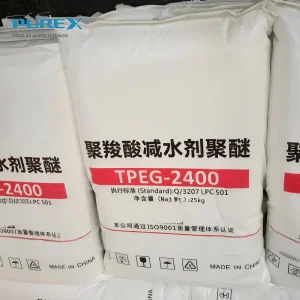
However, shipping dry, highly hygroscopic salts across long maritime distances poses challenges. Product exposure to ambient humidity leads to caking and structural degradation. Thus, sourcing from manufacturers with advanced barrier packaging capabilities (such as multi-layer moisture-proof valve bags with PE liners) and regional port-adjacent storage is critical to maintaining operational integrity.
The industrial-scale chemical pathways to produce high-purity anhydrous sodium acetate.
The dominant manufacturing route, reacting glacial acetic acid with sodium hydroxide (caustic soda) or sodium carbonate (soda ash). The process requires precise temperature controls to avoid runaway thermal events, followed by crystallizing the intermediate sodium acetate trihydrate.
To convert the trihydrate form to anhydrous, the intermediate crystals undergo drying in specialized fluidized bed dryers or rotary kilns at 120°C to 250°C. Removing the three bound water molecules requires optimized energy profiles to prevent localized thermal degradation or carbonization of the acetate radical.
After dehydration, the product is milled, screened to specified particle sizing (from ultra-fine powders to dust-free granules), and immediately routed to hermetic packaging stations. Nitrogen purging is often applied in the packaging line to minimize air-contact moisture re-absorption.
How Sodium Acetate Anhydrous is deployed across diverse vertical industries globally.
In modern concrete formulations, anhydrous sodium acetate serves as an effective crystallization waterproofing admixture and set retarder. It acts as an active crystal modifier within the cement paste matrix. When concrete cracks and moisture penetrates, the dissolved sodium acetate reacts with calcium hydroxide in the concrete pore solution, forming stable crystalline structures that fill micro-voids and seal cracks.
Furthermore, in cold-weather concrete applications, its exothermic dissolution helps maintain early hydration temperatures, preventing structural cracking caused by internal freezing without using chloride-based accelerators that degrade internal steel reinforcement structures.
Biological wastewater treatment processes face challenges when sewage streams lack sufficient biodegradable carbon to complete the denitrification step (reducing nitrate, NO₃⁻, to nitrogen gas, N₂). Adding an external carbon source is essential.
Sodium acetate anhydrous is highly bio-available, allowing denitrifying bacteria to adapt instantly with zero lag phase compared to complex alcohols or sugars. Since anhydrous contains zero water, it offers lower transportation costs per unit of active organic carbon, making it highly cost-effective for large municipal sewage treatment plants operating under strict regulatory discharge parameters.


In the textile sector, sodium acetate anhydrous is used to neutralize sulfuric acid waste streams and buffer dye baths. It stabilizes the pH of dyeing solutions, particularly when applying aniline dyes, ensuring uniform dye penetration and preventing patchiness.
In leather tanning, it behaves as a neutralizing agent, allowing chrome tanning agents to penetrate the hides uniformly. It prevents rapid surface precipitation and yields high-grade, supple leather fibers.
Anhydrous sodium acetate is widely studied and deployed in phase change material (PCM) applications. With its high latent heat of fusion (approx. 264 J/g when formulated into eutectic mixtures), it stores thermal energy by melting at specific temperatures and releasing heat during crystallization. This is highly utilized in green building heating loops and solar heat harvesting arrays.
Established in 2006 (Stock Code: 307785), focusing on petrochemicals, mining chemicals, feed chemicals, and pharmaceutical chemicals.
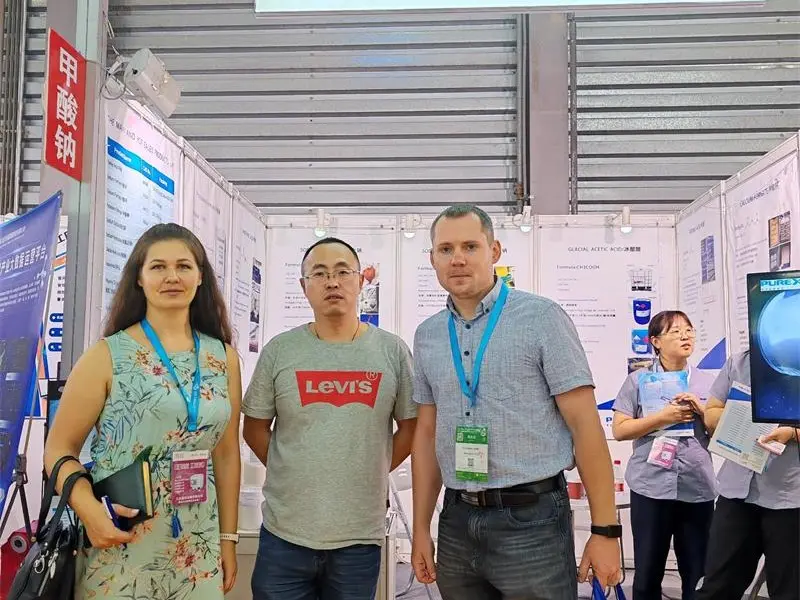
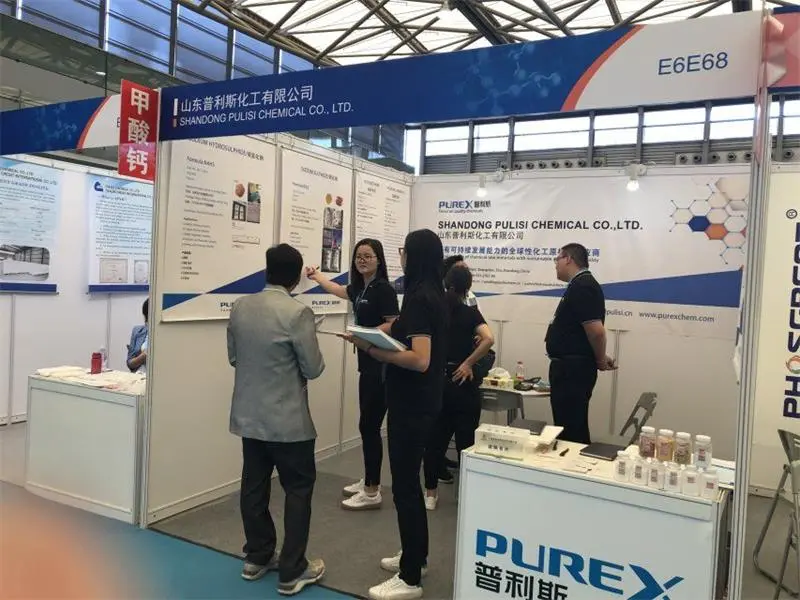
Shandong Pulisi Chemical Co., Ltd. was established in 2006 (Stock Code: 307785). The company focuses on petrochemicals, mining chemicals, feed chemicals, and pharmaceutical chemicals. At present, the company has established long-term and stable partnerships with Fortune Global 500 companies such as China National Petroleum Corporation and Saint-Gobain. We always take customer demand as the core orientation and provide tailored solutions to help customers strengthen their market competitiveness.
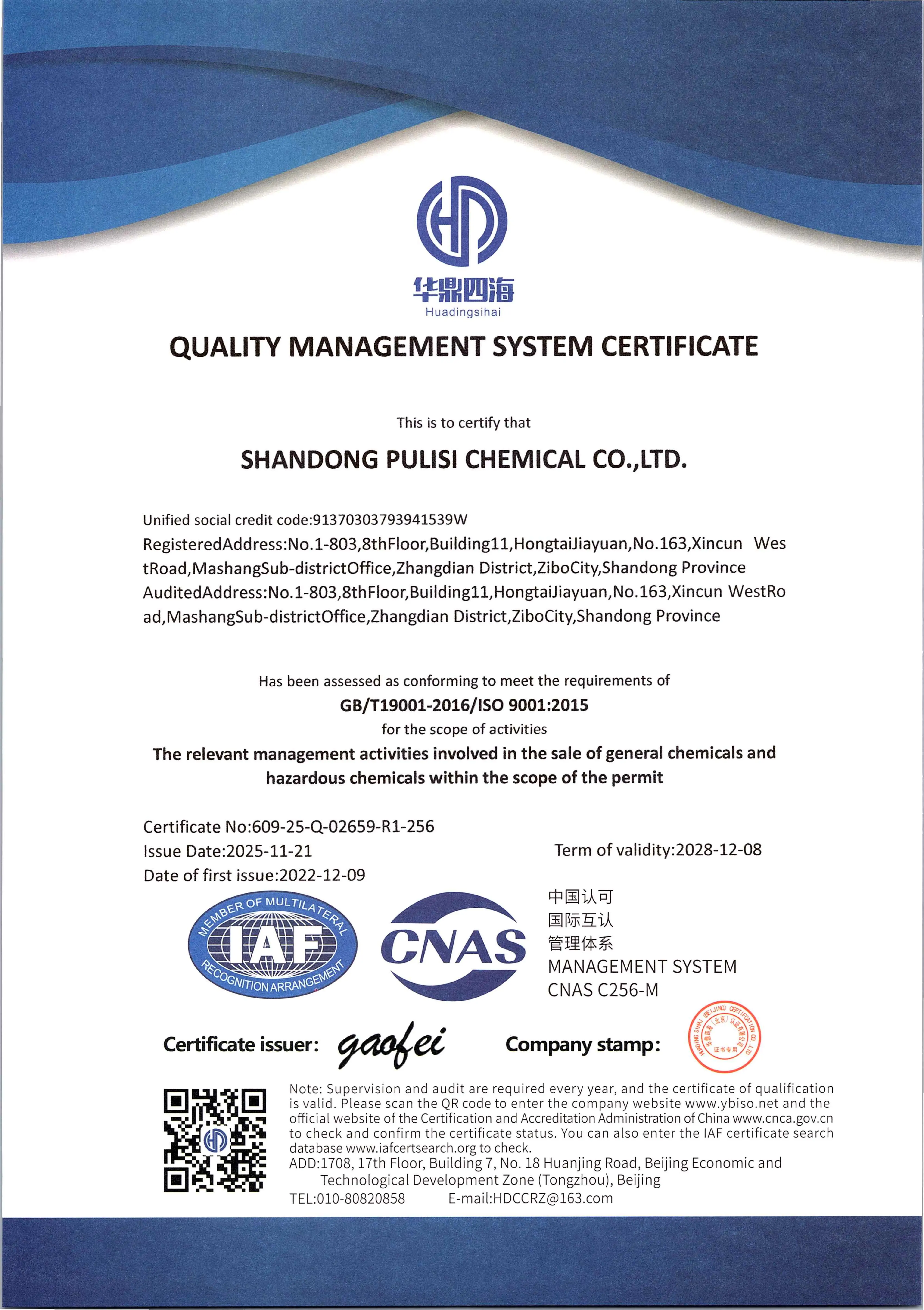
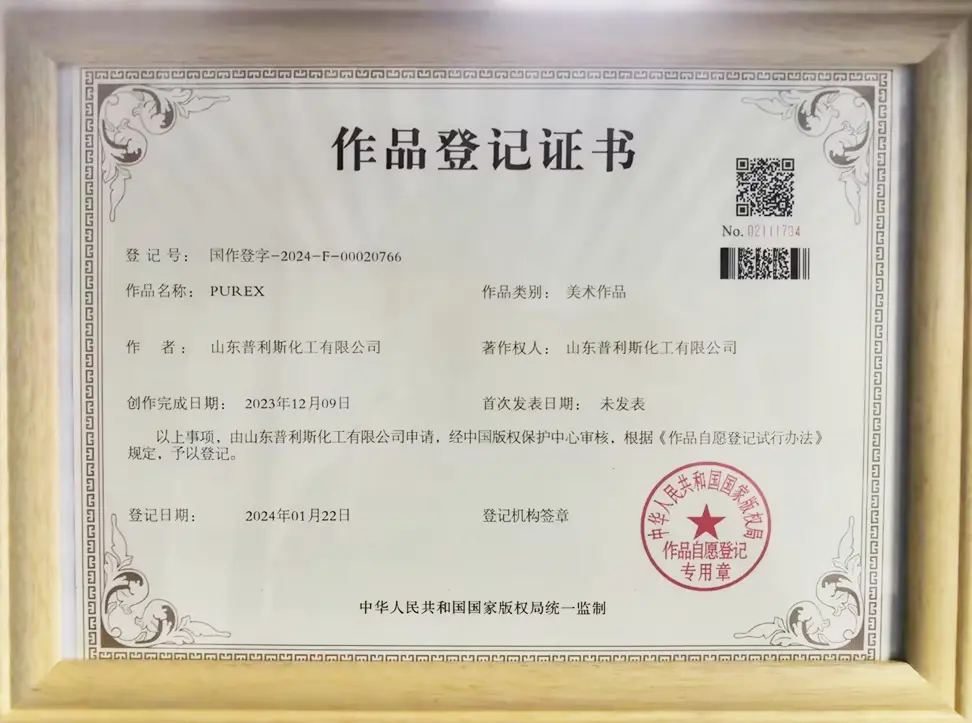
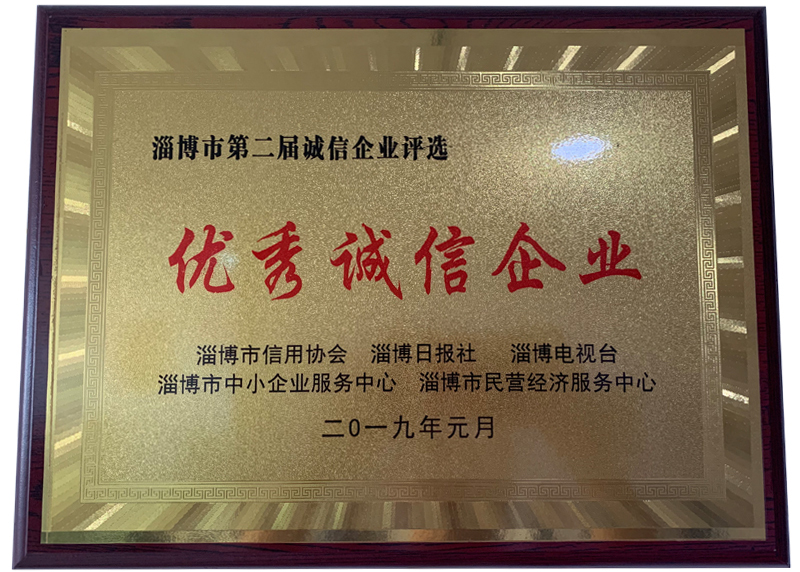
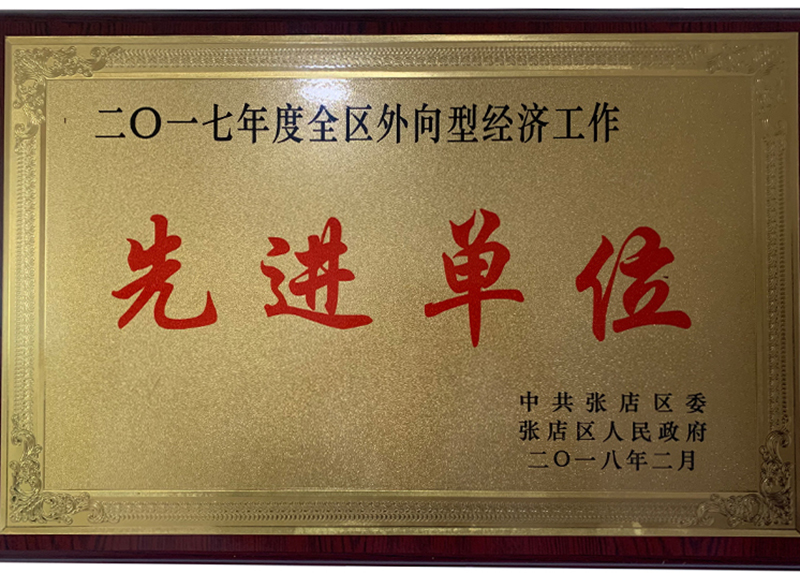
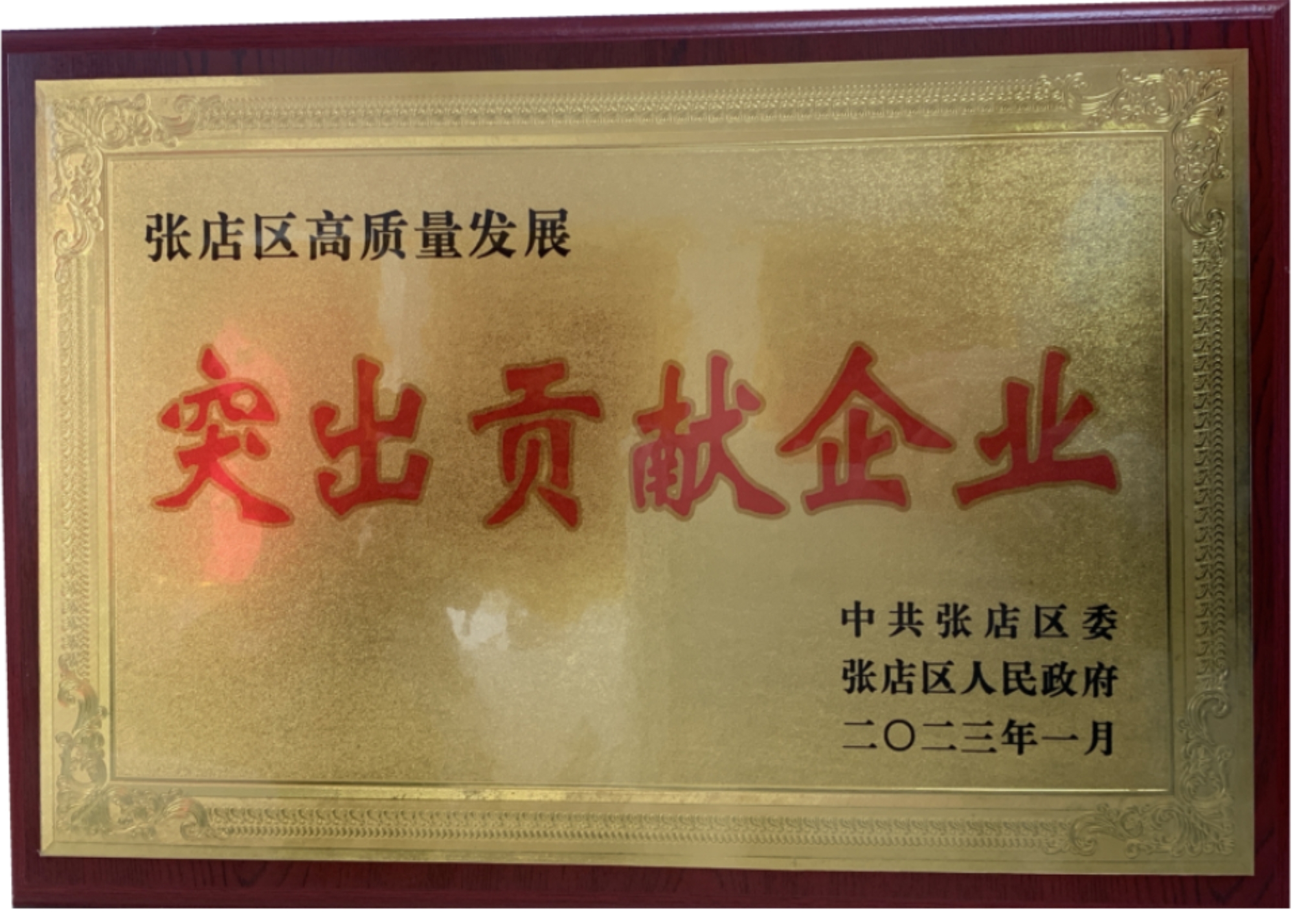
The company has passed ISO9001:2015 Quality Management System Certification and German BV Certification, and has been awarded multiple honors such as Foreign-Oriented Economic Enterprise, Alibaba Demonstration Base, and Contribution Enterprise. In 2023, the company successfully went public with stock code: 307785.
The company upholds the corporate culture philosophy of "Customer First, Rapid Response; Striving as the Foundation, Efficient Collaboration; Integrity and Uprightness, Agile Adaptation." We focus on providing compliant and high-quality products and supporting services, and are committed to becoming a long-term and stable partner for customers.
Meanwhile, the company has established mature warehousing and distribution systems at key logistics hubs, including Qingdao Port, Tianjin Port, and Xinjiang border ports (Alashankou, Khorgos). We are able to provide flexible supply solutions according to customer needs to ensure timely order delivery. No matter where customers are located, Shandong Pulisi Chemical will safeguard their business development with professional service systems and efficient response capabilities.
We always adhere to the mission of "creating value for customers and making their products better," based on reputation and guaranteed by service. We look forward to strengthening cooperation with partners to create a future together! (Strict Statement: Shandong pulisi has not established branches outside of Shandong Province. If there is any act of impersonating Shandong Pulisi, our company will reserve the right to pursue legal responsibilities.)

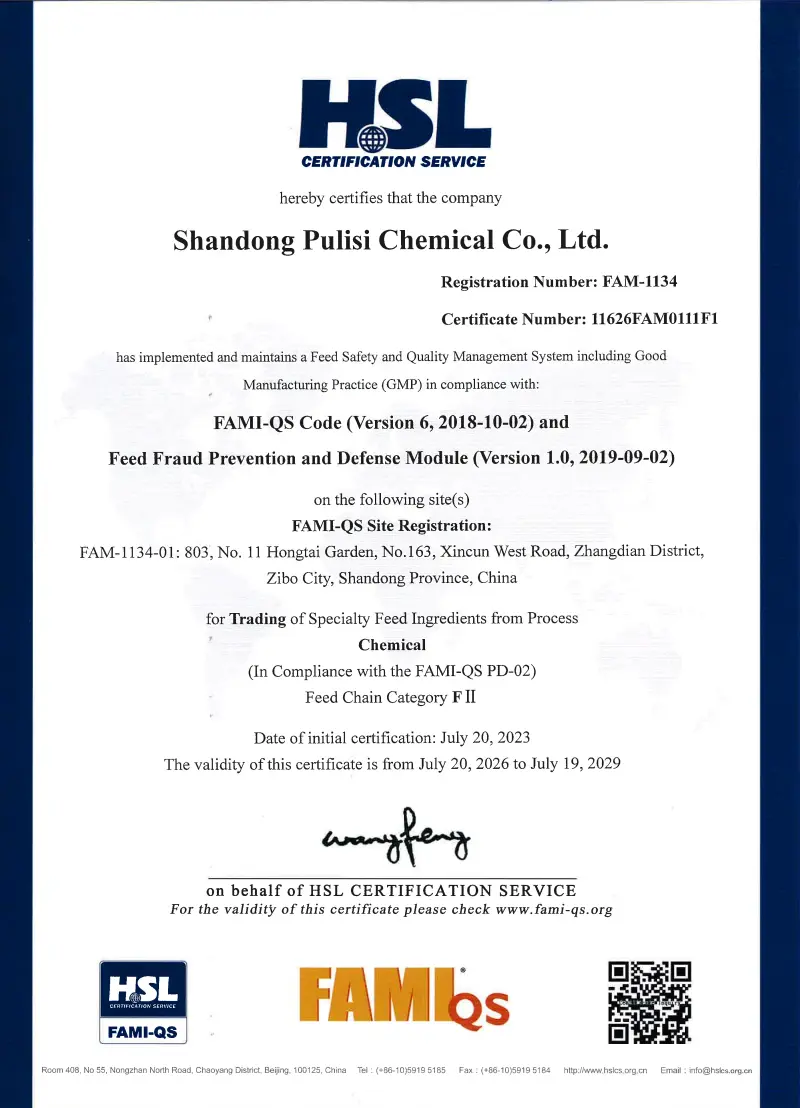
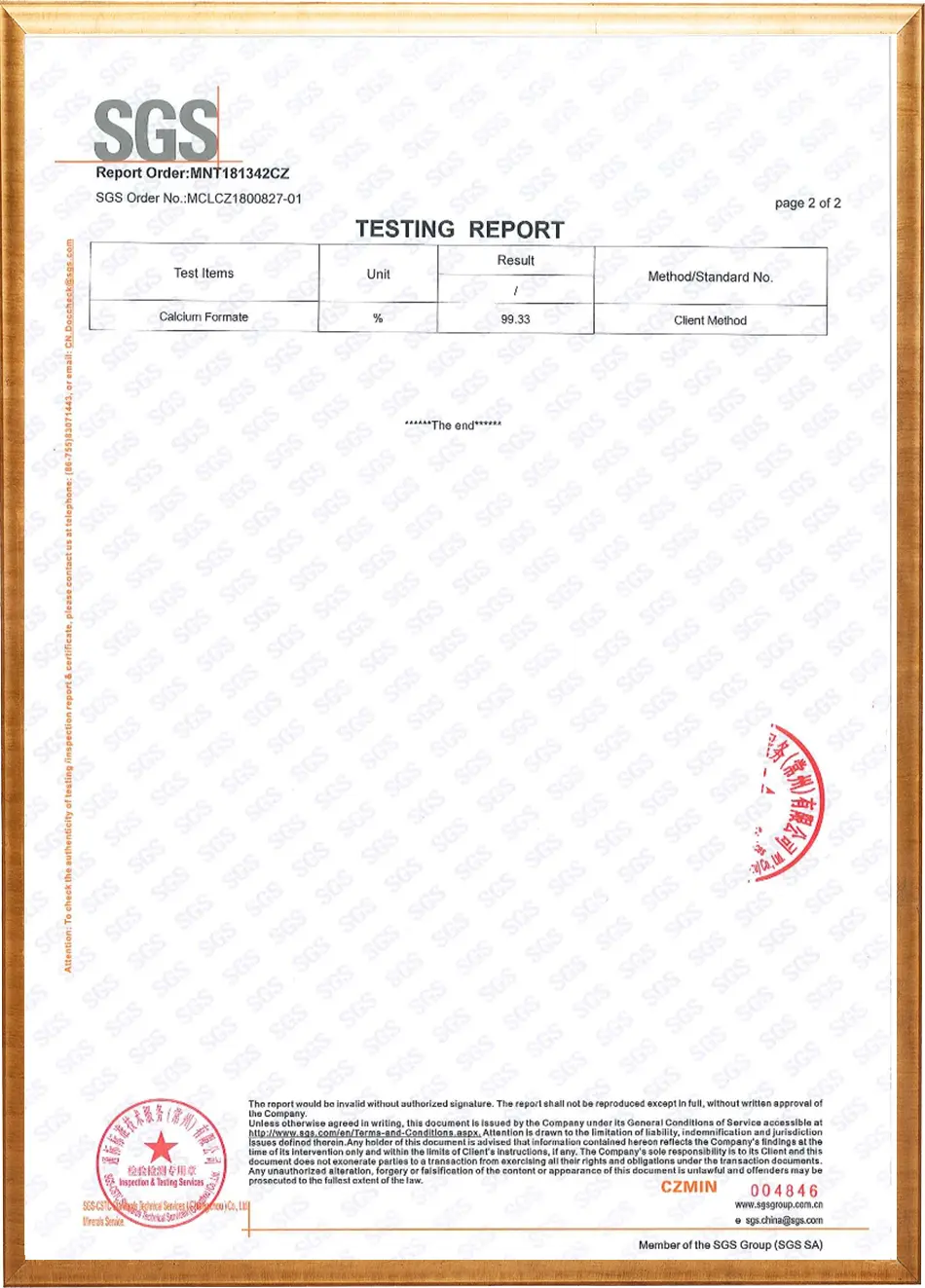
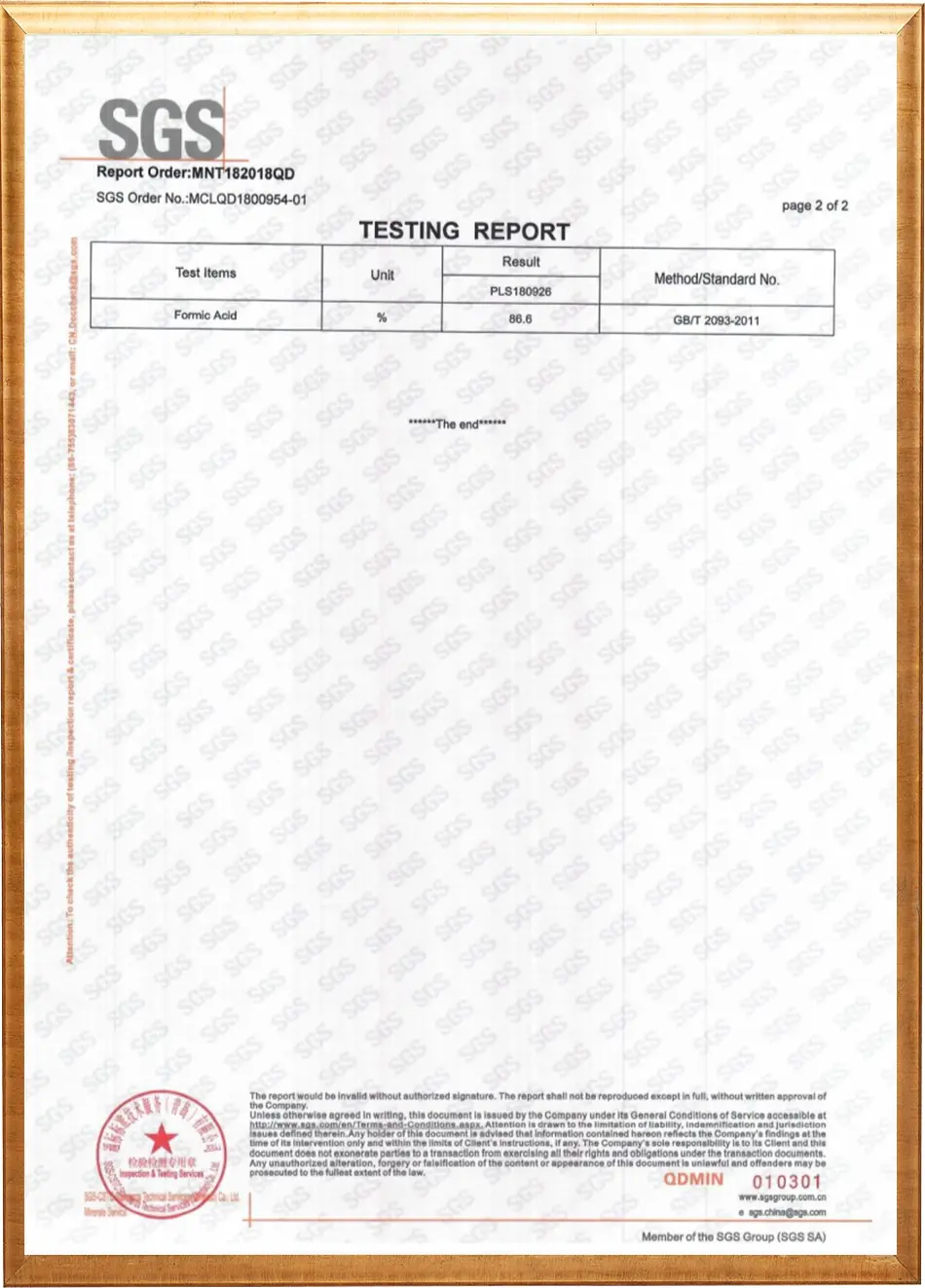
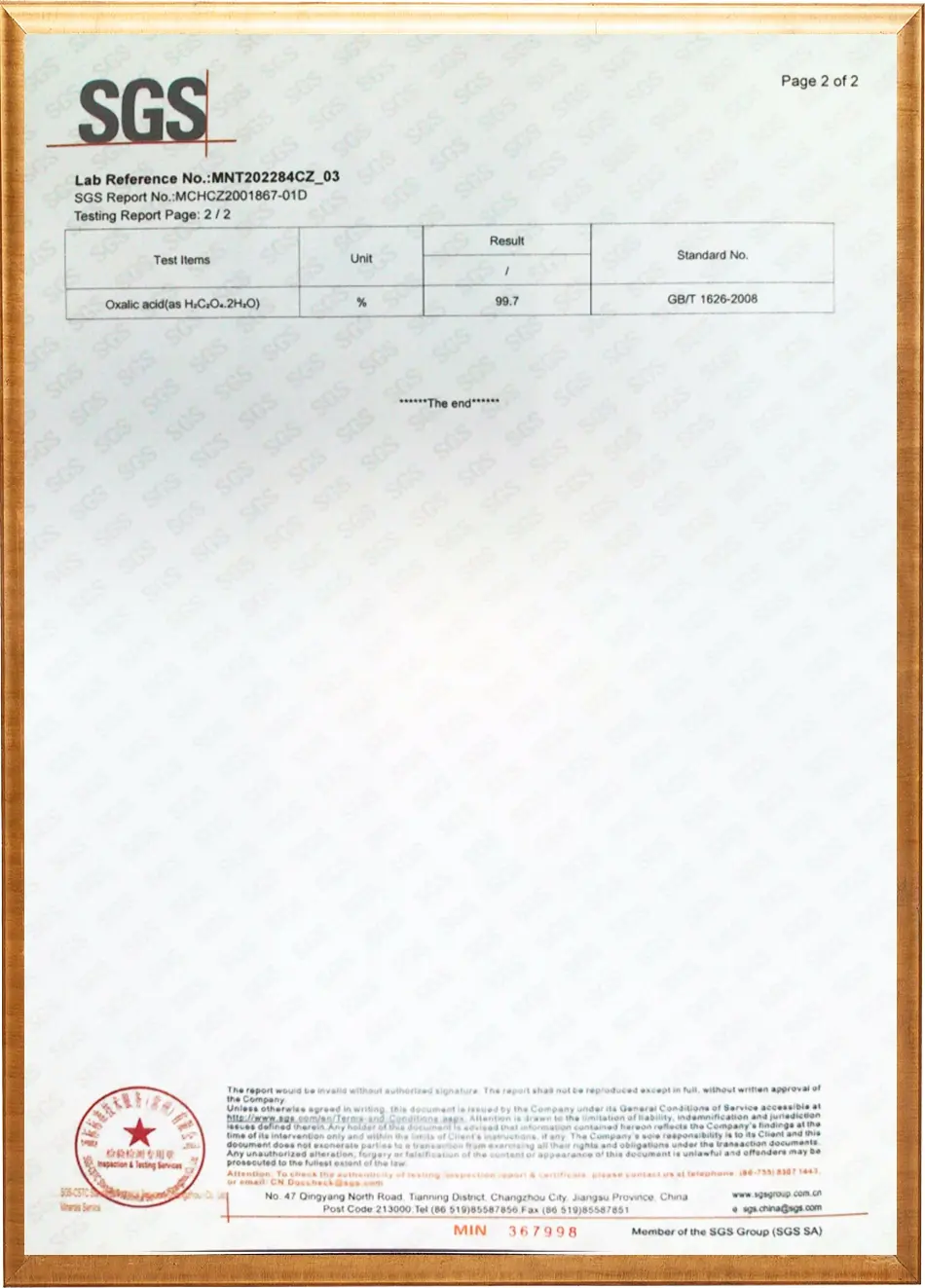
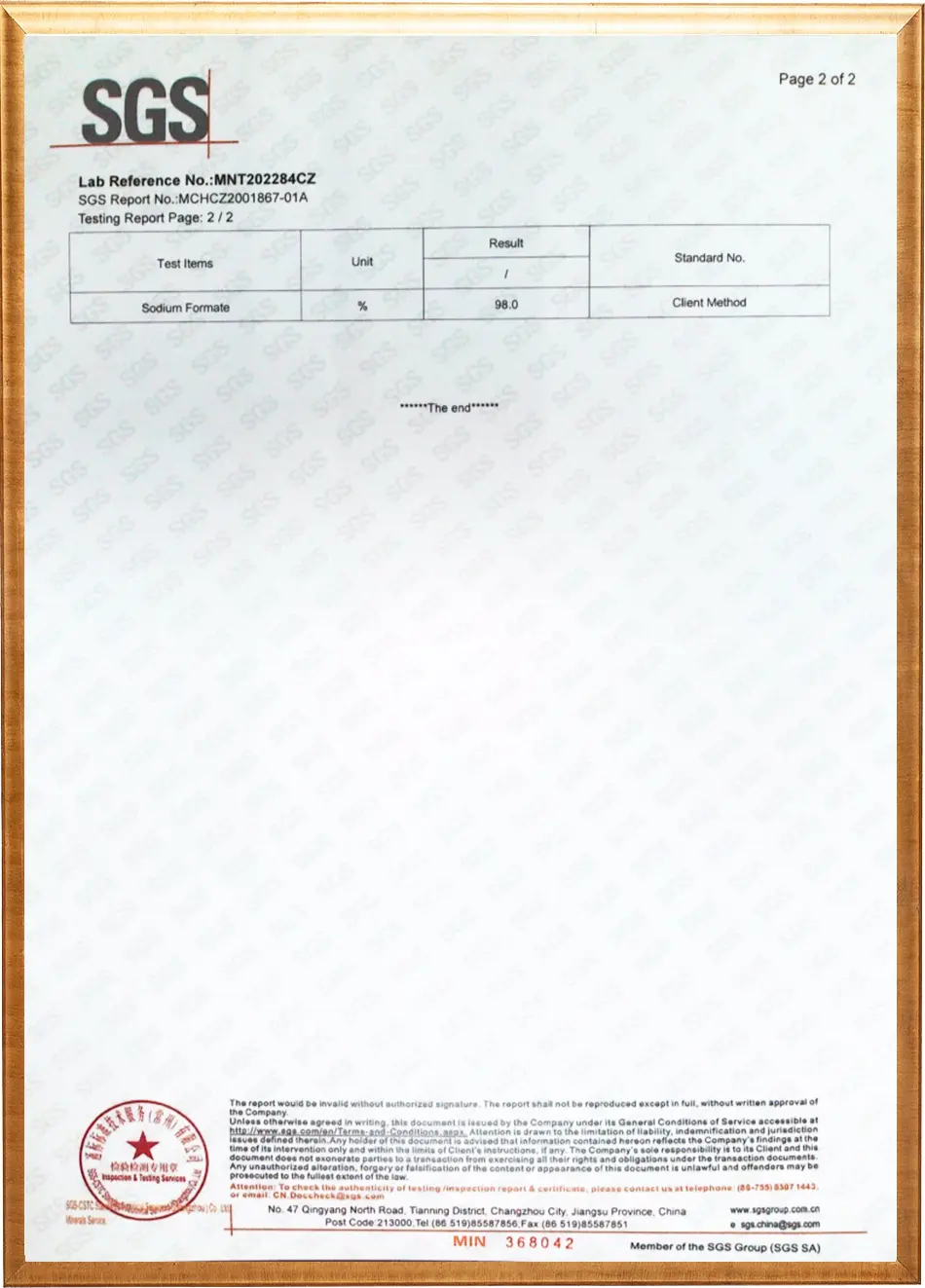
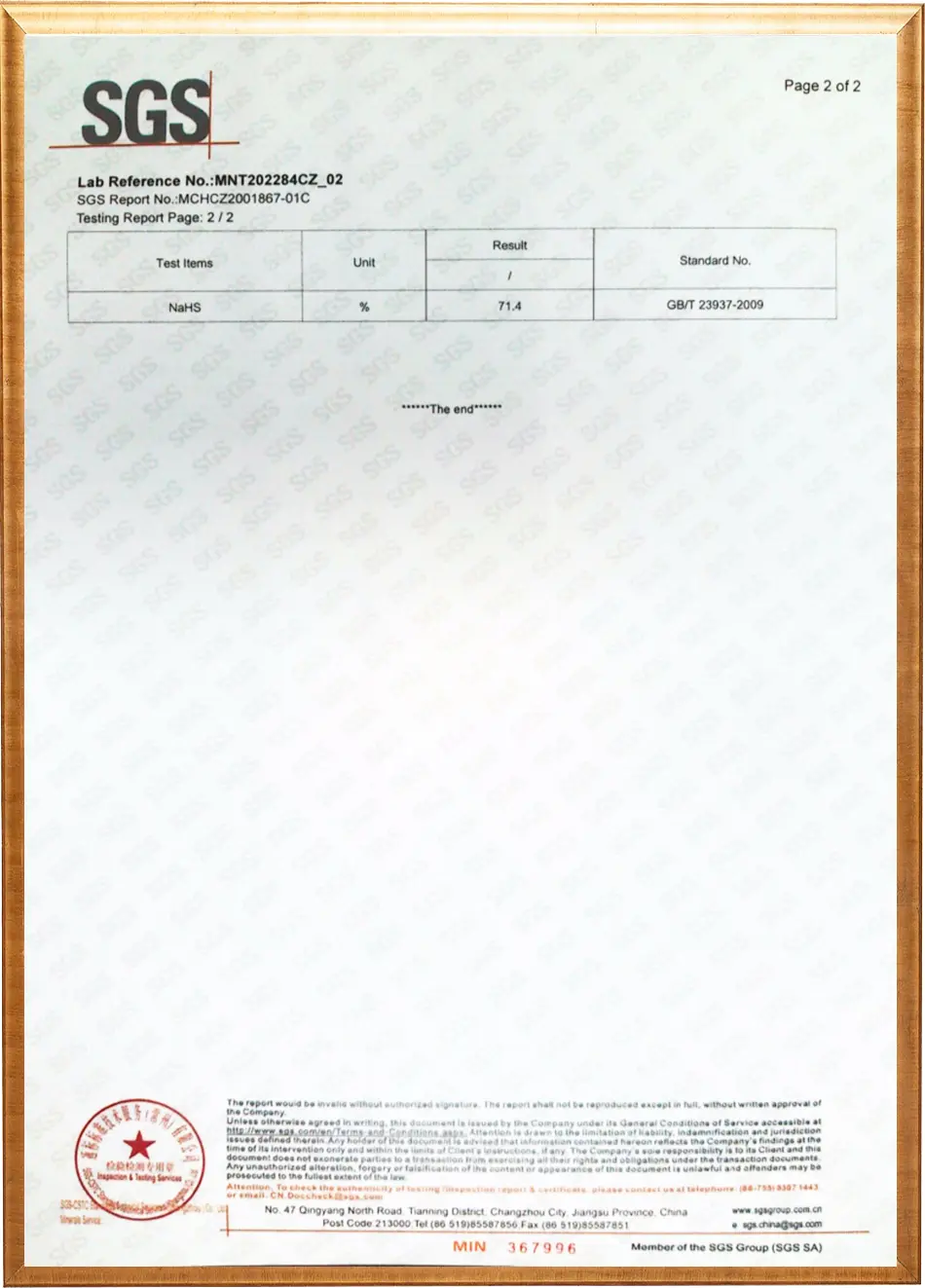
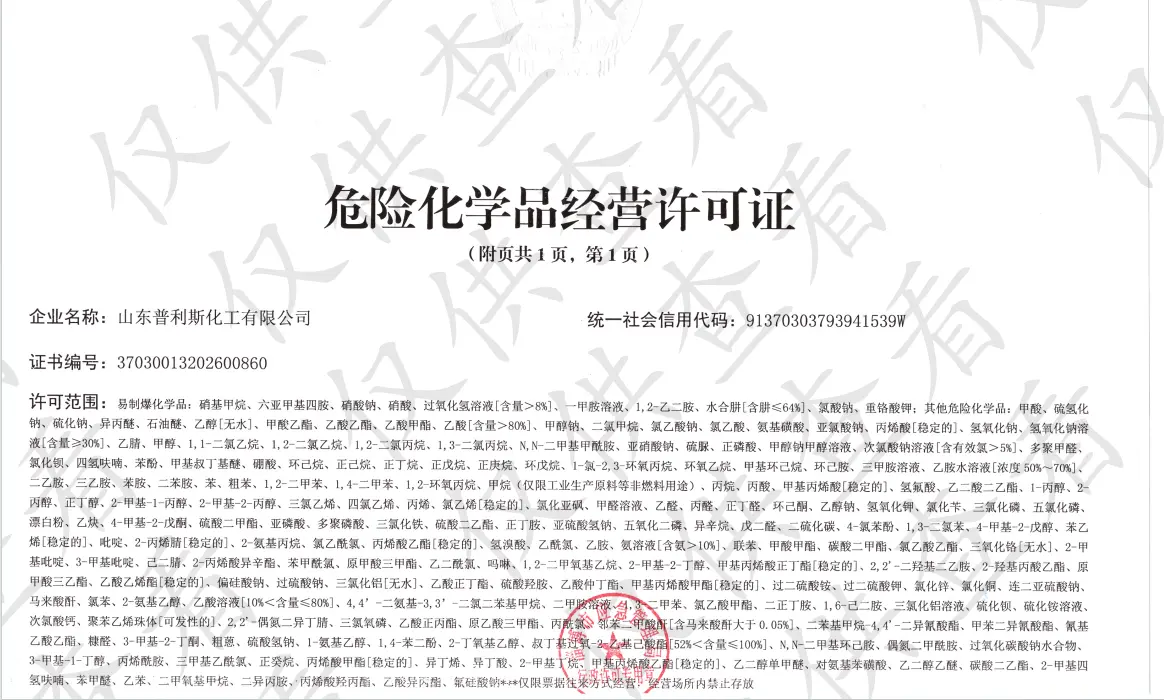
Our commitment to compliance, verified by global regulatory auditing bodies.
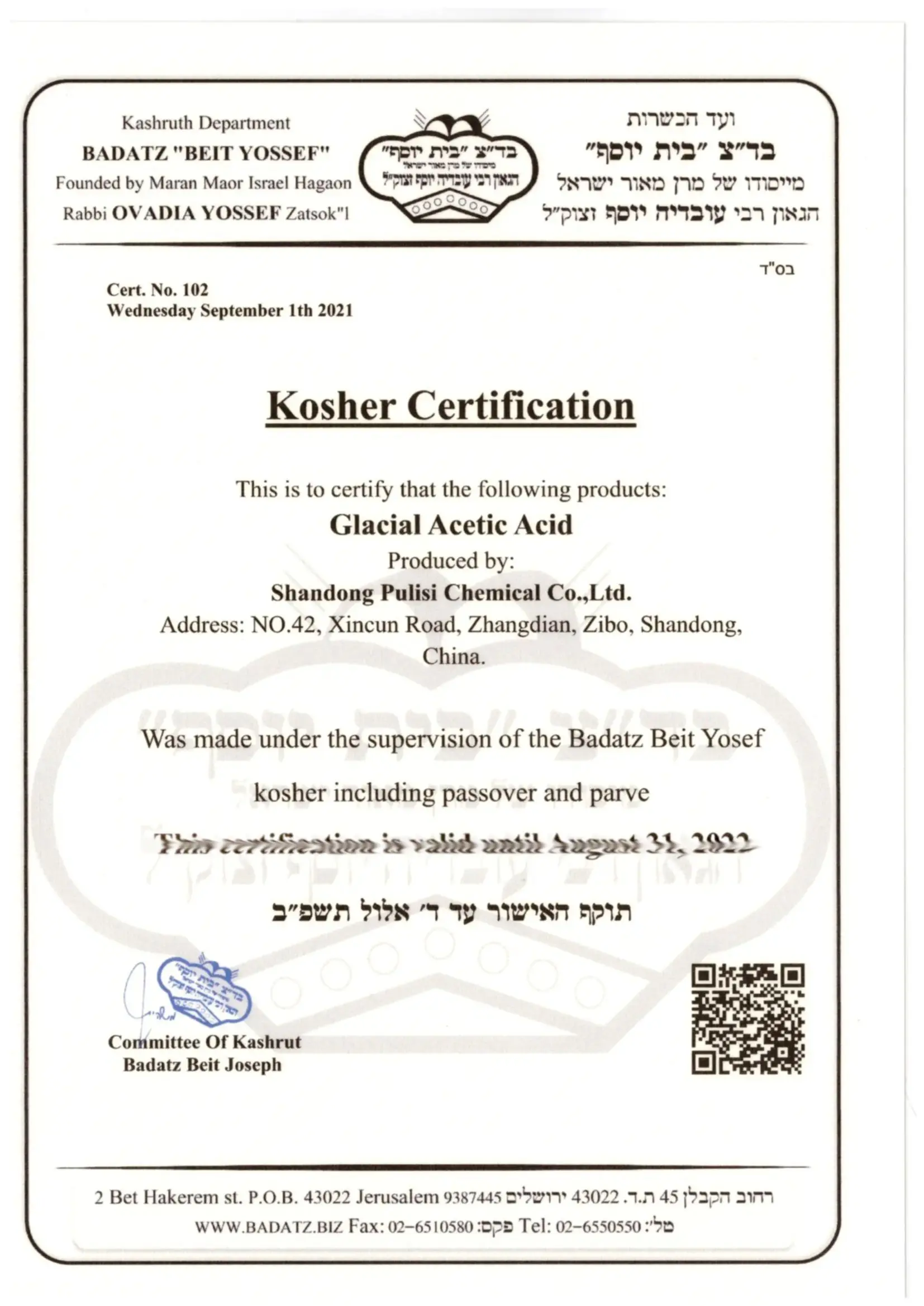
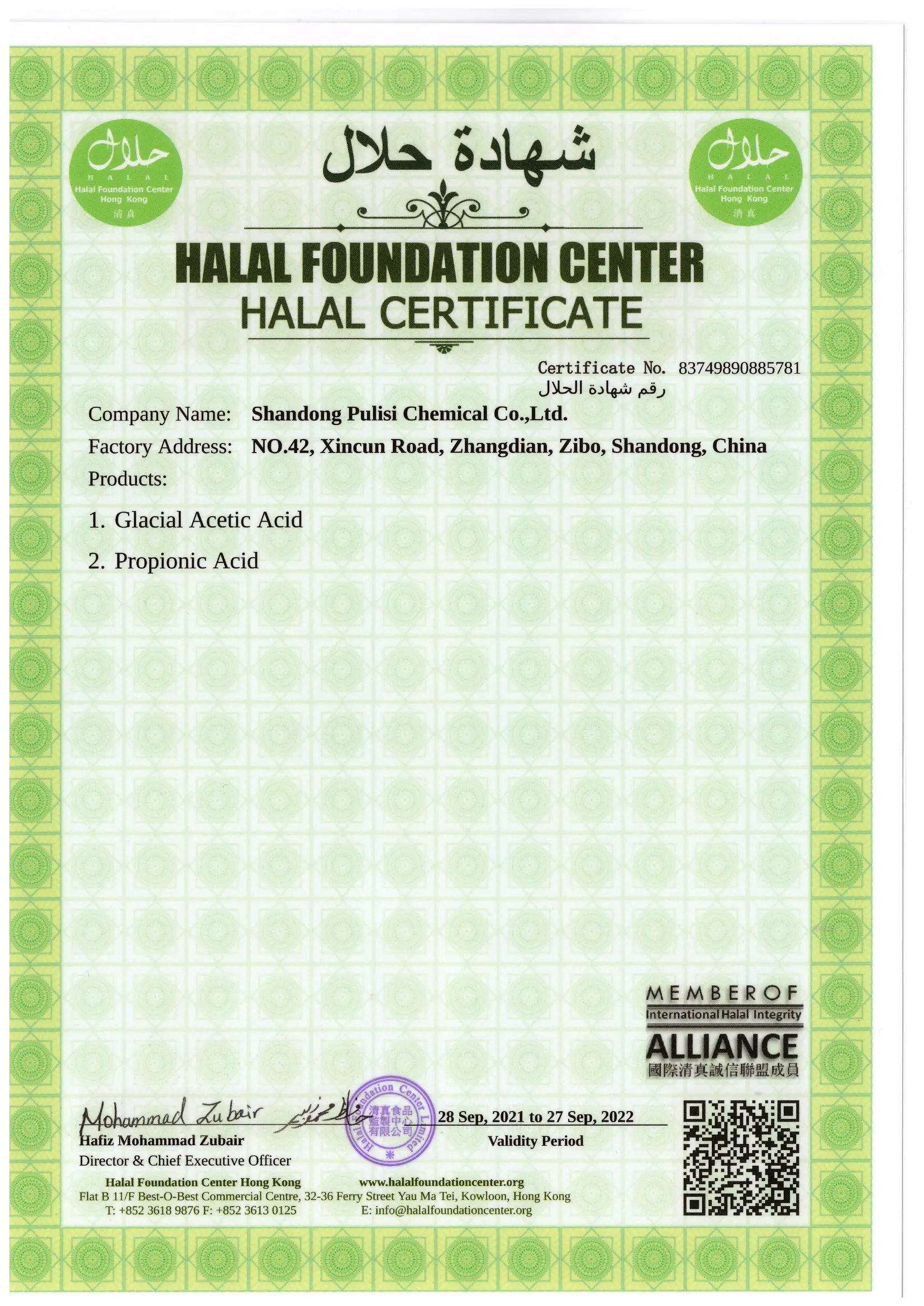
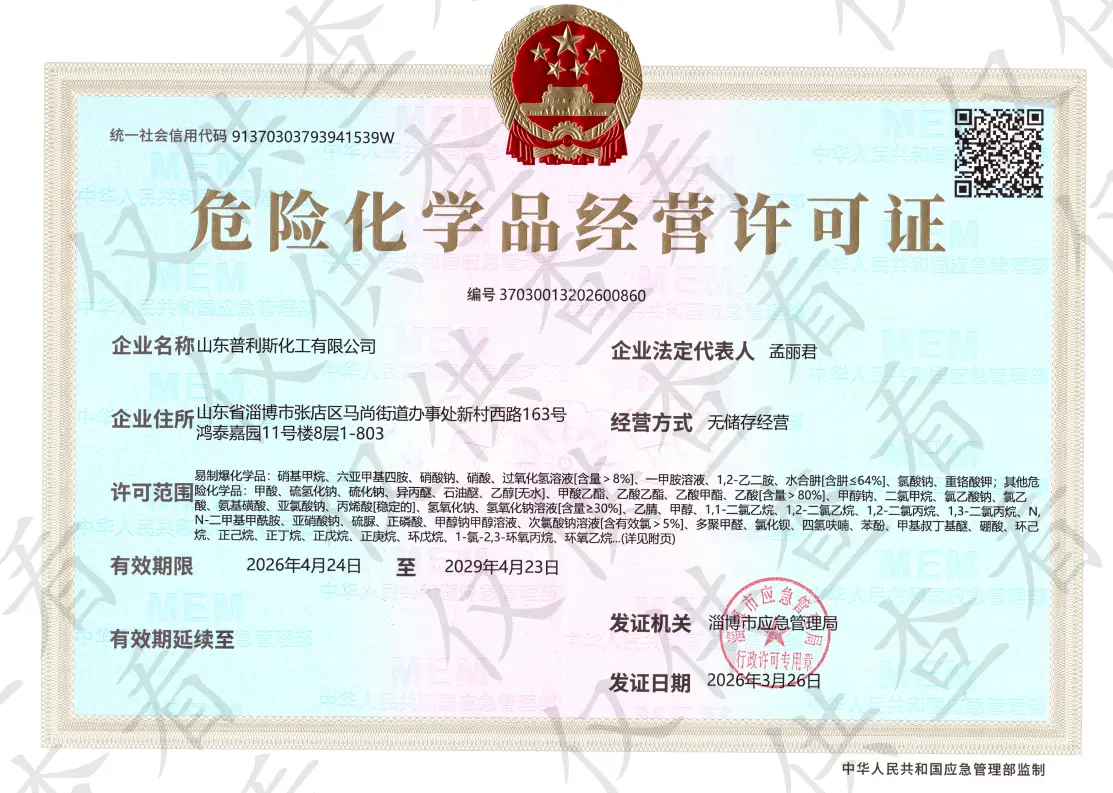
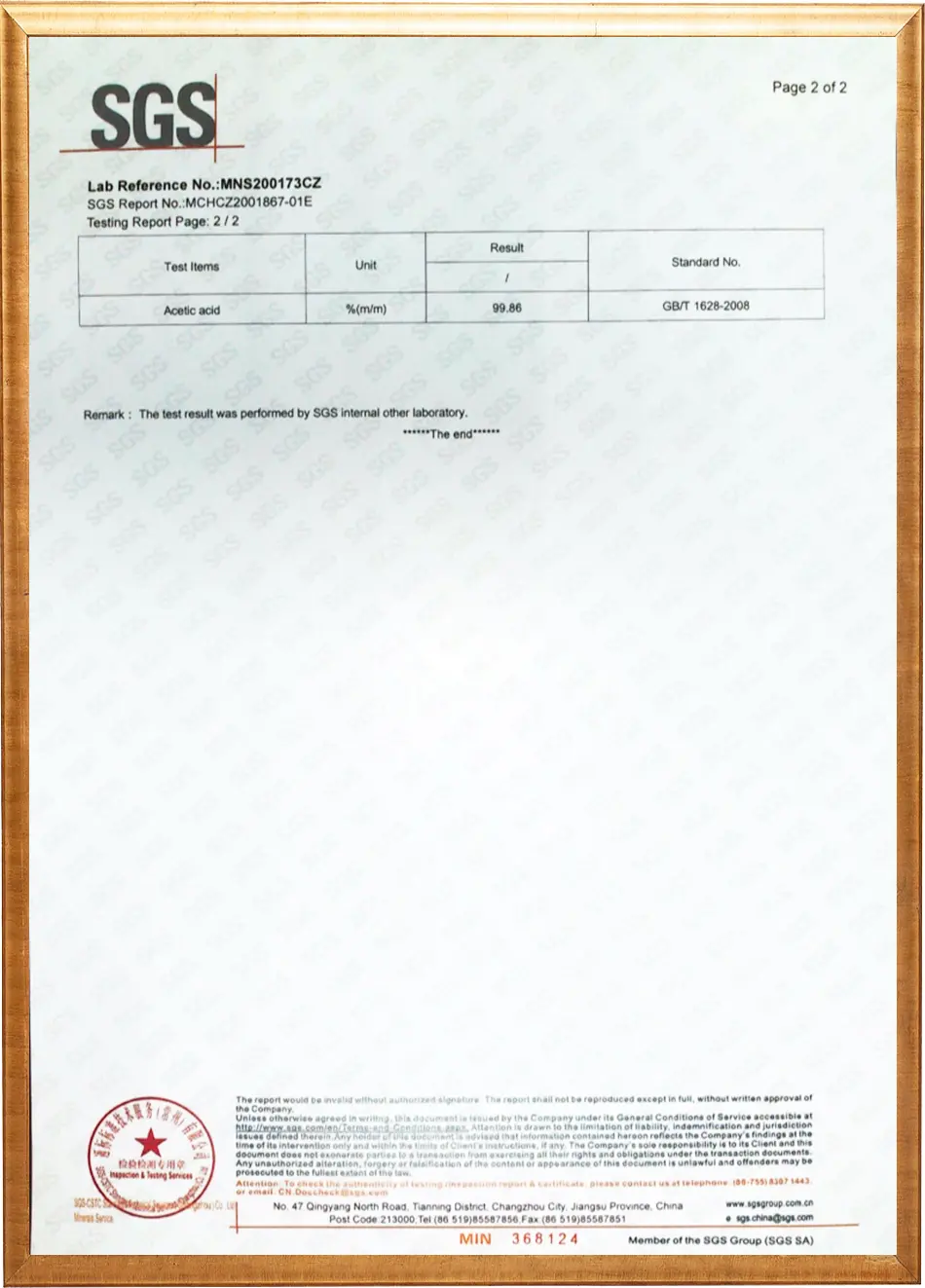
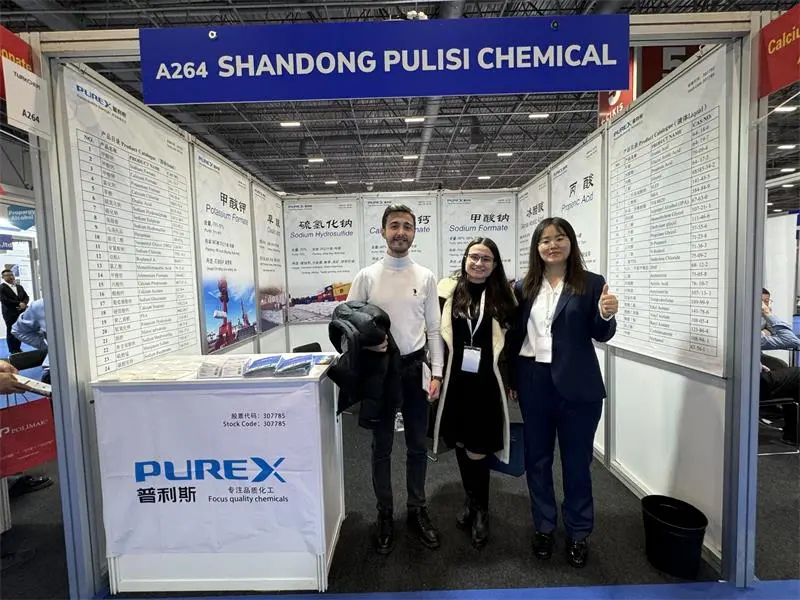
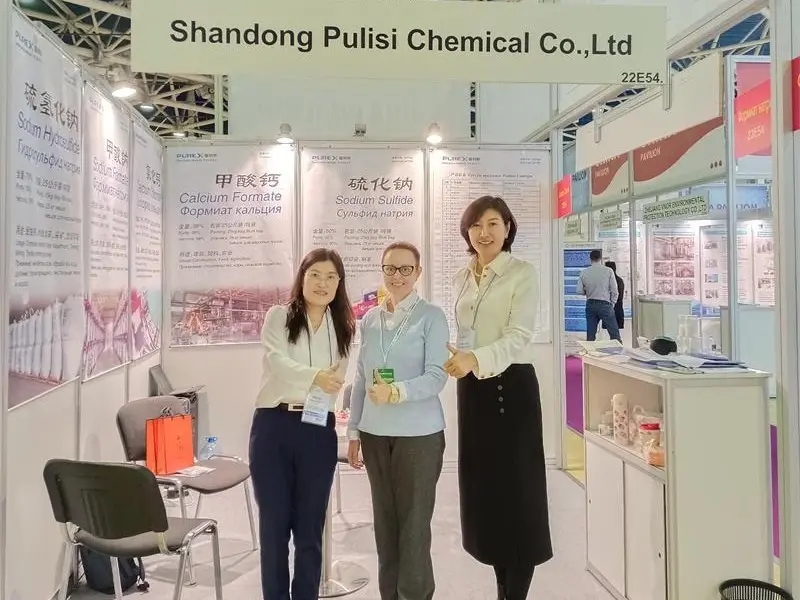
Leading discussions, sharing technological paths, and driving standardizations worldwide.
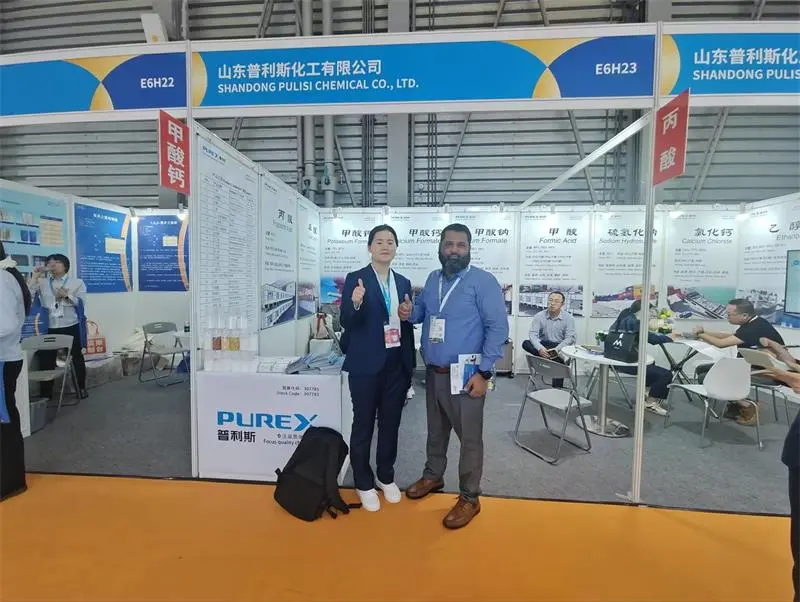
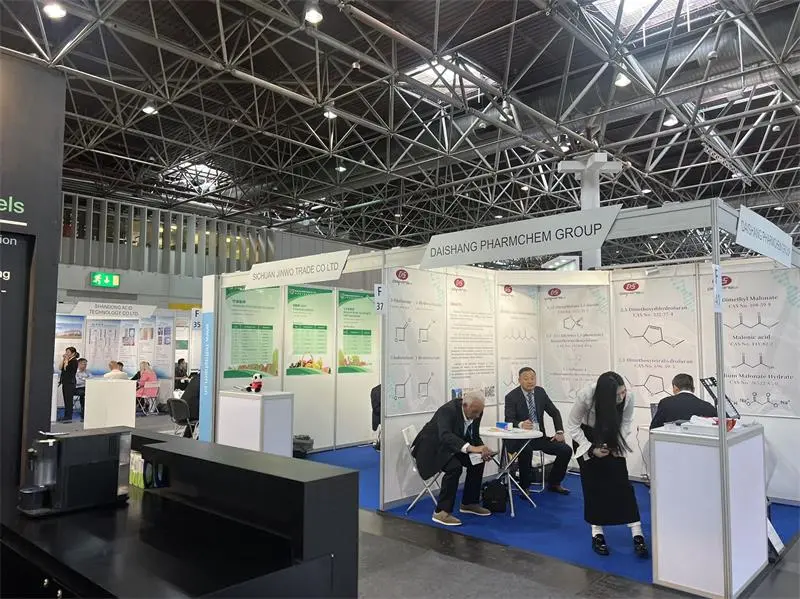
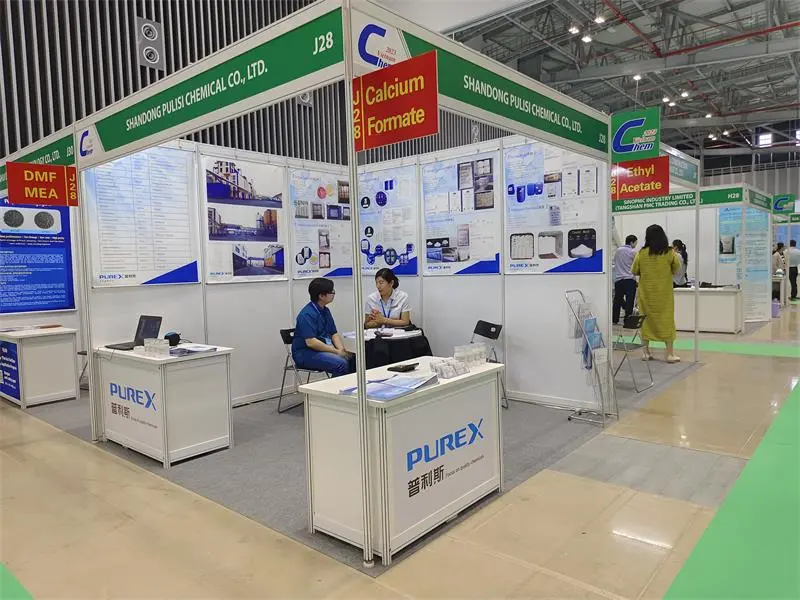
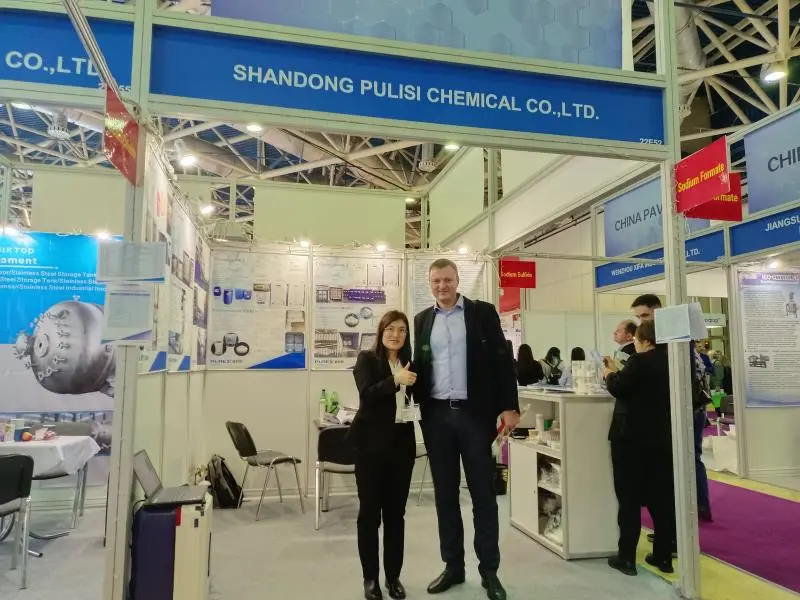
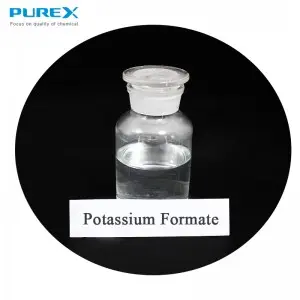
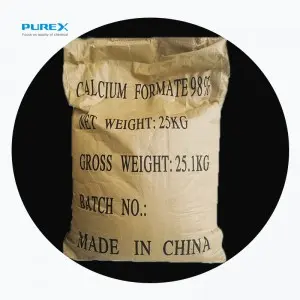
A broad array of high-grade organic salts and intermediate compounds ready for global shipment.
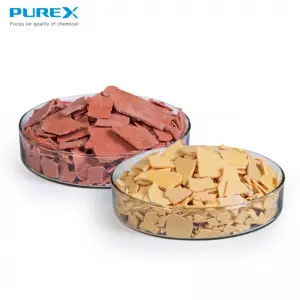
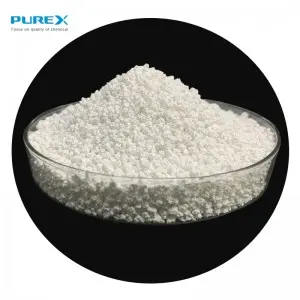
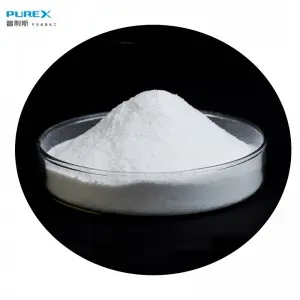
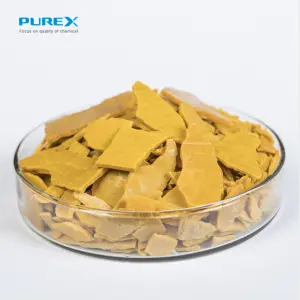
Serving major production sectors with highly pure, functional chemical additions.
Textile, Printing & Dyeing & Leather

Agricultural, Food & Feed Additives

Construction & Coatings

Mining Applications

Oil Drilling Operations

Disinfectants & Solvents
Water Treatment Systems

Plastic Raw Materials
Mitigating cross-border supply chain risks through experienced logistics and quality control protocols.
Successfully exporting to more than 100 countries and regions globally, coordinating with international shipping frameworks.
Over 20+ years of dedicated export experience, maintaining active commercial accounts with more than 1,000 global enterprises.
ISO9001:2015, SGS certificates, Kosher, Halal, K-REACH, and FAMI-QS compliant, ensuring zero batch-to-batch variation.
We provide stable pricing formulas based on volume commitments, customization specs, and raw material index calculations.
Maintained large-volume inventories at key transit ports including Qingdao Port, Tianjin Port, and Xinjiang border rail yards.
Our chemical engineering support team provides guidance on dosage calculations, dissolution parameters, and storage setup.
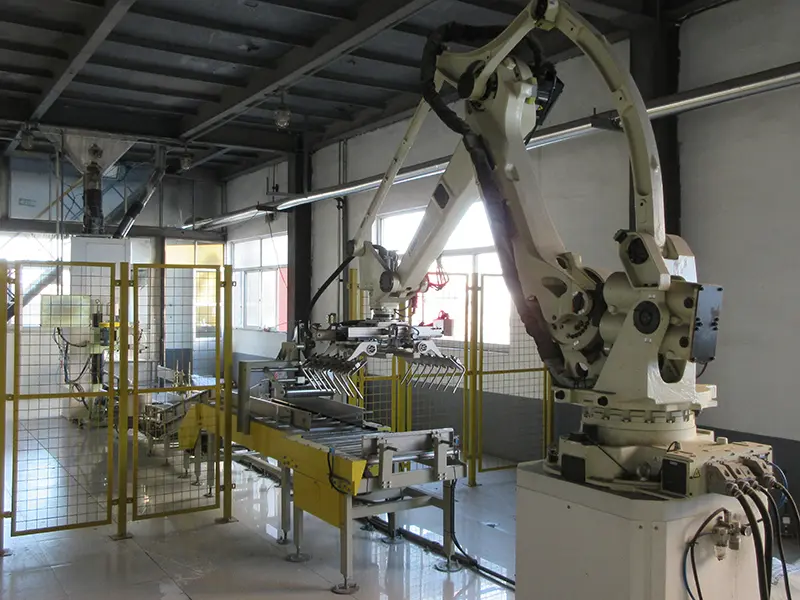
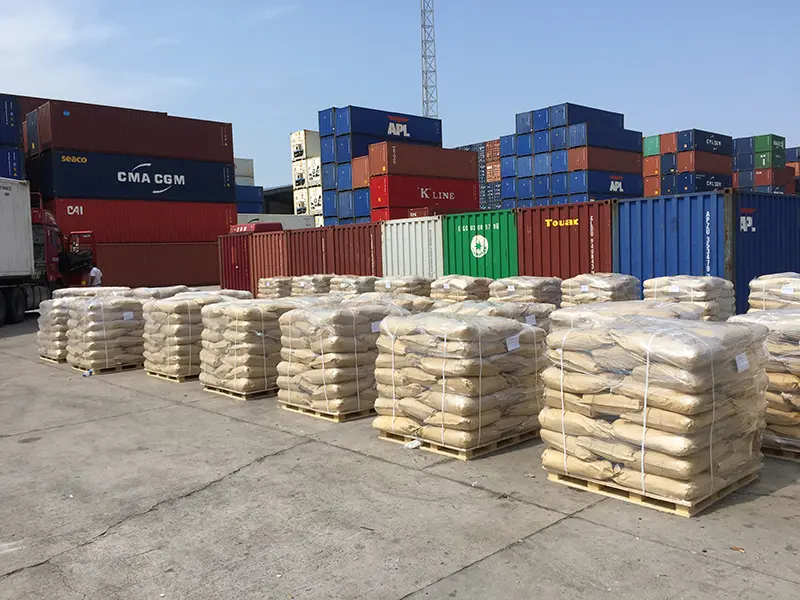
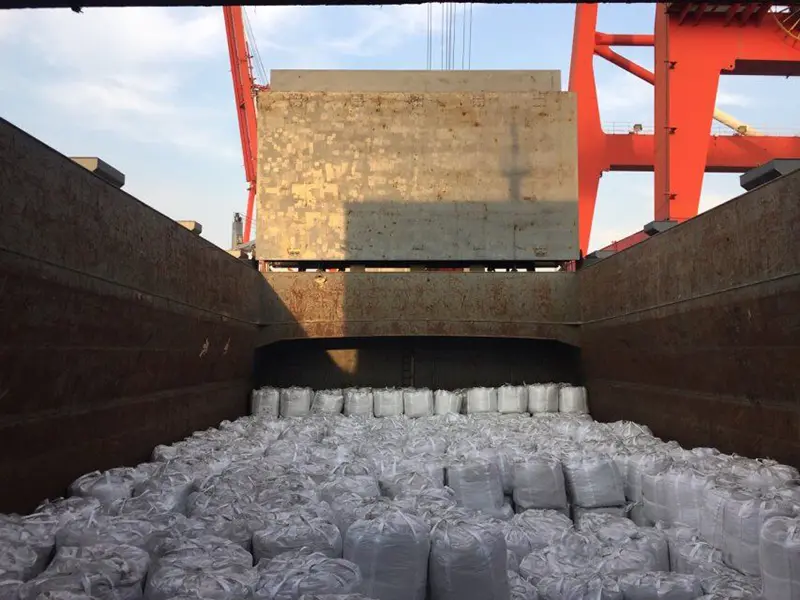
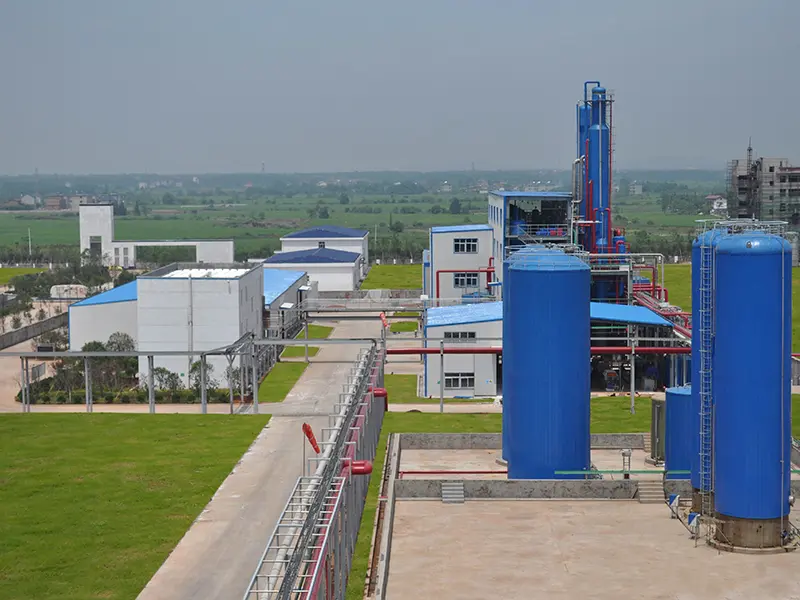
Cooperating with leading logistics providers to ensure delivery times match project schedules.










Addressing the critical procurement, storage, and application questions of industrial buyers.
Premium raw materials and chemicals verified for consistency and processing performance.
 Pulisi