Premium grade raw chemical materials and derivatives engineered for critical global manufacturing processes
Analyzing market dynamics, capacity demands, and key economic drivers of Methanoic Acid ($CH_2O_2$)
Formic Acid (Methanoic Acid, CAS 64-18-6) is the simplest carboxylic acid, characterized by its sharp odor, high miscibility in water, and powerful reducing properties. Globally, formic acid has evolved from a niche chemical processing agent to a vital block in sustainable agriculture, animal husbandry, high-tech oil drilling, and green energy applications. With the global community pressing for environmentally sound industrial practices, the demand for formic acid continues to rise exponentially due to its biodegradable and low-toxicity profile compared to inorganic mineral acids.
Estimates place the current global formic acid production capacity at over 1 million metric tons per annum, with the Asia-Pacific region—primarily driven by Chinese manufacturing hubs—leading both production output and structural export volumes. European countries remain significant consumers, particularly for animal feed additives and silage preservation, where regulatory directives have restricted antibiotic growth promoters (AGPs). Across North and South America, the rise of modern horizontal drilling and hydraulic fracturing operations has elevated the requirement for low-corrosion organic acid systems, pushing formic acid to the forefront of petroleum completions.
Understanding how regional industries deploy methanoic acid to address localized operational and regulatory goals
In Europe and North America, silage preservation is highly localized. High moisture levels in grass and corn fodder often trigger butyric acid fermentation, destroying feed quality. Formic acid, applied in precise ratios (typically 85% concentration), acts as a potent antibacterial agent that suppresses undesirable bacterial growth (like Clostridium) while promoting beneficial lactic acid fermentation, ensuring optimal nutritional retention.
In manufacturing hubs across Southeast Asia (Vietnam, Bangladesh) and Central America, formic acid is used in the deliming and pickling stages of leather processing. It provides a controlled, homogeneous pH reduction of animal pelts without causing swelling or acid-burn damage to the delicate fibrous structure of hides. In textile dyeing, it acts as a non-volatile acid regulator to achieve even fixation of dyestuffs on synthetic and natural fibers.
In deep oil and gas wells, high temperature and pressure render conventional hydrochloric acid (HCl) treatments highly corrosive to expensive tubular alloys. In the Middle East and Gulf of Mexico, formic acid serves as a high-performance, low-corrosive alternative for acidizing carbonate formations, stripping carbonate scales, and formulating stable organic packer fluids.
Northern Europe and Canada utilize potassium formate (derived from formic acid) as an environmentally friendly runway de-icer that maintains low freezing points without contributing to nitrogen/phosphorus eutrophication in nearby waterways. Simultaneously, rubber plantations in Malaysia and Indonesia use formic acid as a clean coagulant for natural latex, offering consistent pH drop and minimum residue.
A deep chemical engineering review of current industrial synthesis and sustainable decarbonization trends
Modern formic acid factories predominantly employ two chemical pathways: the Methyl Formate Hydrolysis Route and the Sodium Formate Acidification Route. Understanding these routes is vital for industrial procurement teams looking to optimize their pricing models and assess the life-cycle carbon footprints of their feedstock.
This is the standard modern synthesis pathway. Carbon monoxide (CO) is reacted with methanol ($CH_3OH$) under pressure in the presence of a basic catalyst (typically sodium methoxide) to yield methyl formate ($HCOOCH_3$). In the second step, the methyl formate is hydrolyzed with water to produce formic acid and methanol. The methanol is recovered and cycled back to the initial carbonylation reactor. This route yields high-purity formic acid (85%, 90%, 94%, and 99%) with minimal mineral salt byproducts, making it the preferred method for high-capacity industrial plants aiming for cost-competitive, massive-scale outputs.
Mainly utilized in multi-product chemical installations, sodium formate is acidified with sulfuric acid to release formic acid, with sodium sulfate ($Na_2SO_4$) produced as a byproduct. While this process requires neutralization and mineral waste management, it remains a highly robust option for factories integrated with local sodium-based chemical processes. It offers strong production flexibility and allows for cheaper setups during peak raw-material cost fluctuations.
As the chemical industry shifts toward carbon neutrality, the next-generation technical route involves the direct hydrogenation of carbon dioxide ($CO_2 + H_2 \rightarrow HCOOH$). By capturing industrial flue gases and reacting them with green hydrogen (derived from water electrolysis powered by renewable energy), factories are developing pilot-scale, carbon-negative formic acid plants. Formic acid is also being investigated as a safe, liquid hydrogen carrier, as it can be catalytically decomposed back to hydrogen and carbon dioxide on demand, bypassing the need for high-pressure cryogenic hydrogen transport.
How Shandong Pulisi Chemical Co., Ltd. secures cost leadership, logistical consistency, and global delivery guarantees
Industrial chemical purchasing demands strict adherence to price consistency, purity tolerances, and shipping timelines. Operating as a major industrial supply chain player, Shandong Pulisi Chemical Co., Ltd. (Stock Code: 307785) leverages China's highly integrated petrochemical ecosystems to maintain raw material stability, cost leadership, and robust logistics infrastructure.
Our manufacturing and processing structures capitalize on localized synergies, including direct pipeline access to basic chemical precursors and energy-efficient heat integration. These structural advantages keep our formic acid production costs highly competitive. We operate modern, automated storage and packaging facilities near major northern shipping hubs, enabling rapid delivery and cargo protection.
By operating storage warehouses at Qingdao Port, Tianjin Port, and critical land ports like Alashankou and Khorgos, we guarantee rapid shipping options for both ocean freight and trans-Eurasian rail corridors.
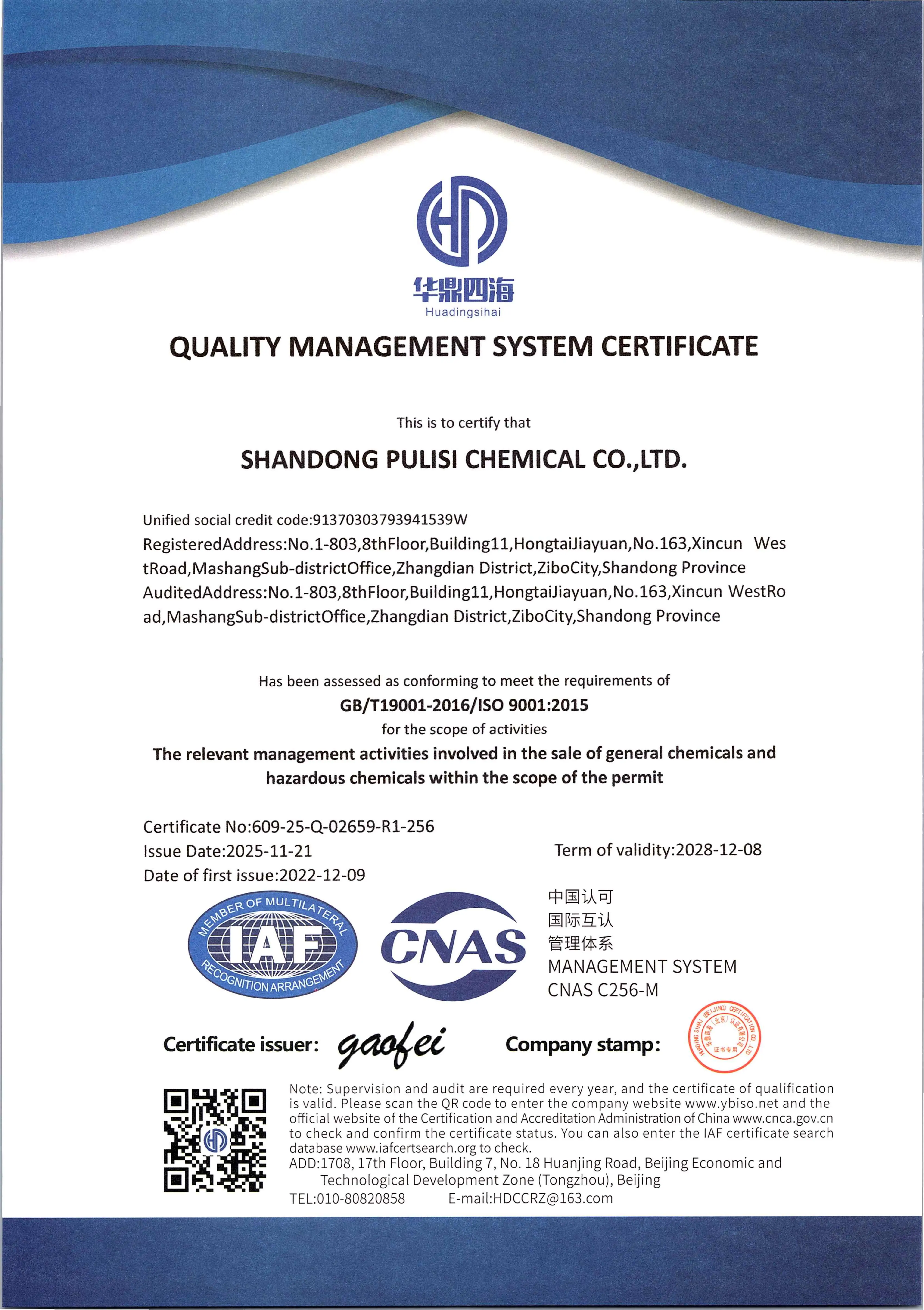
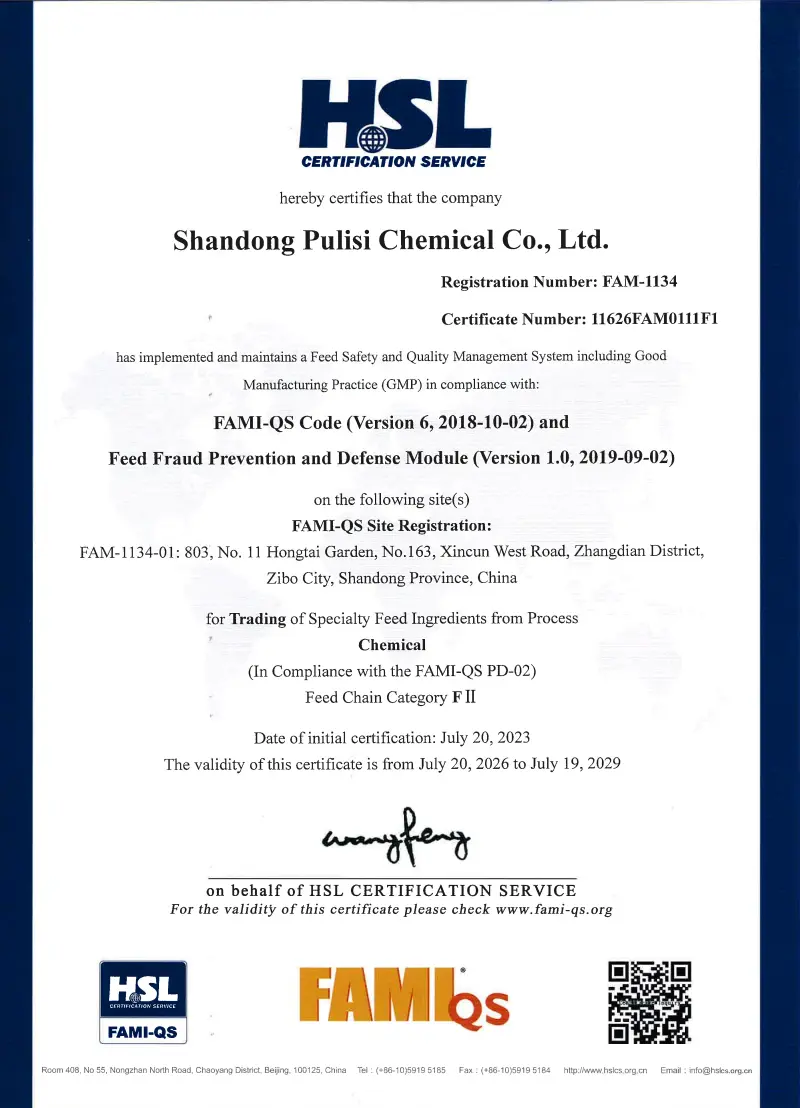
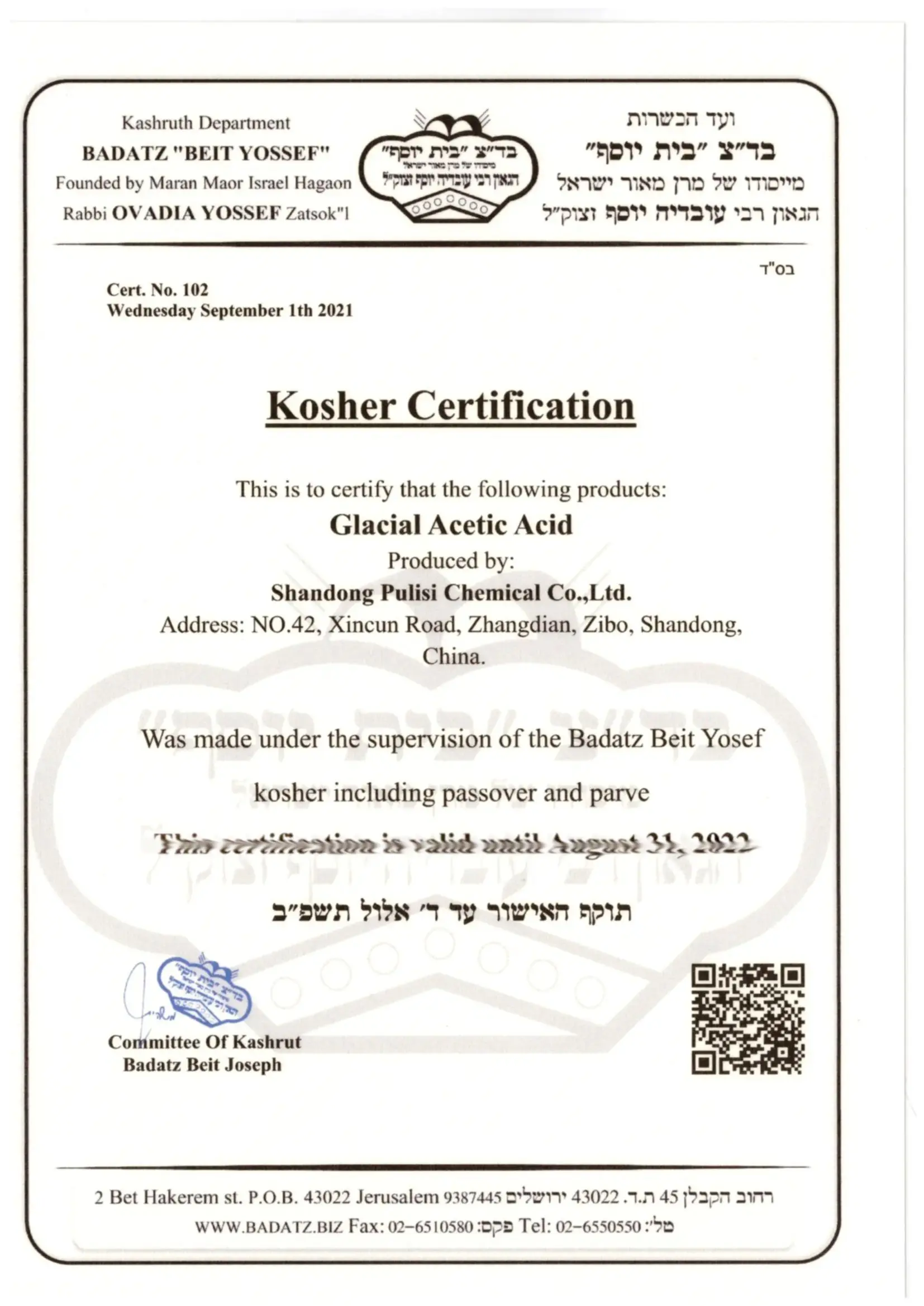
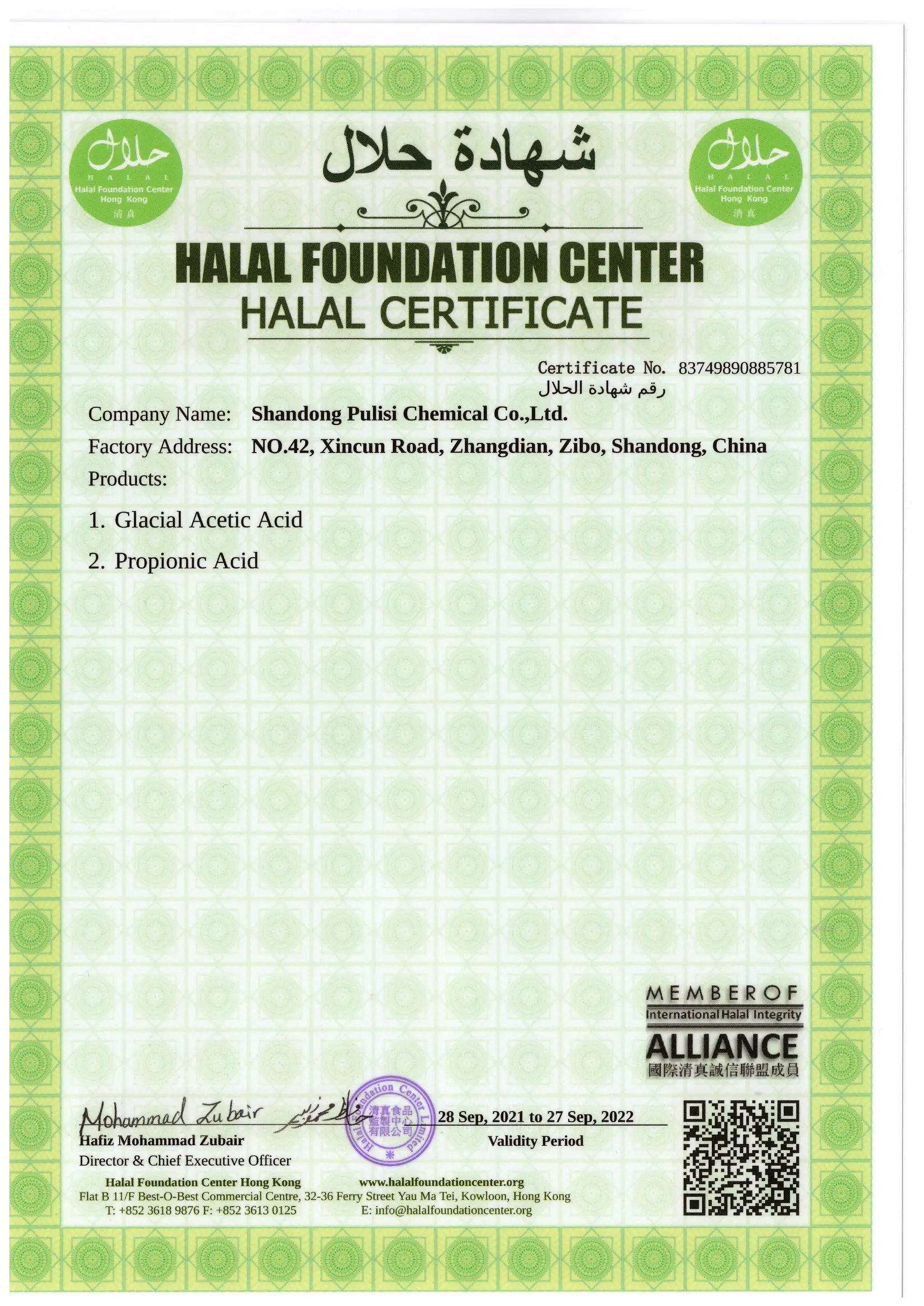
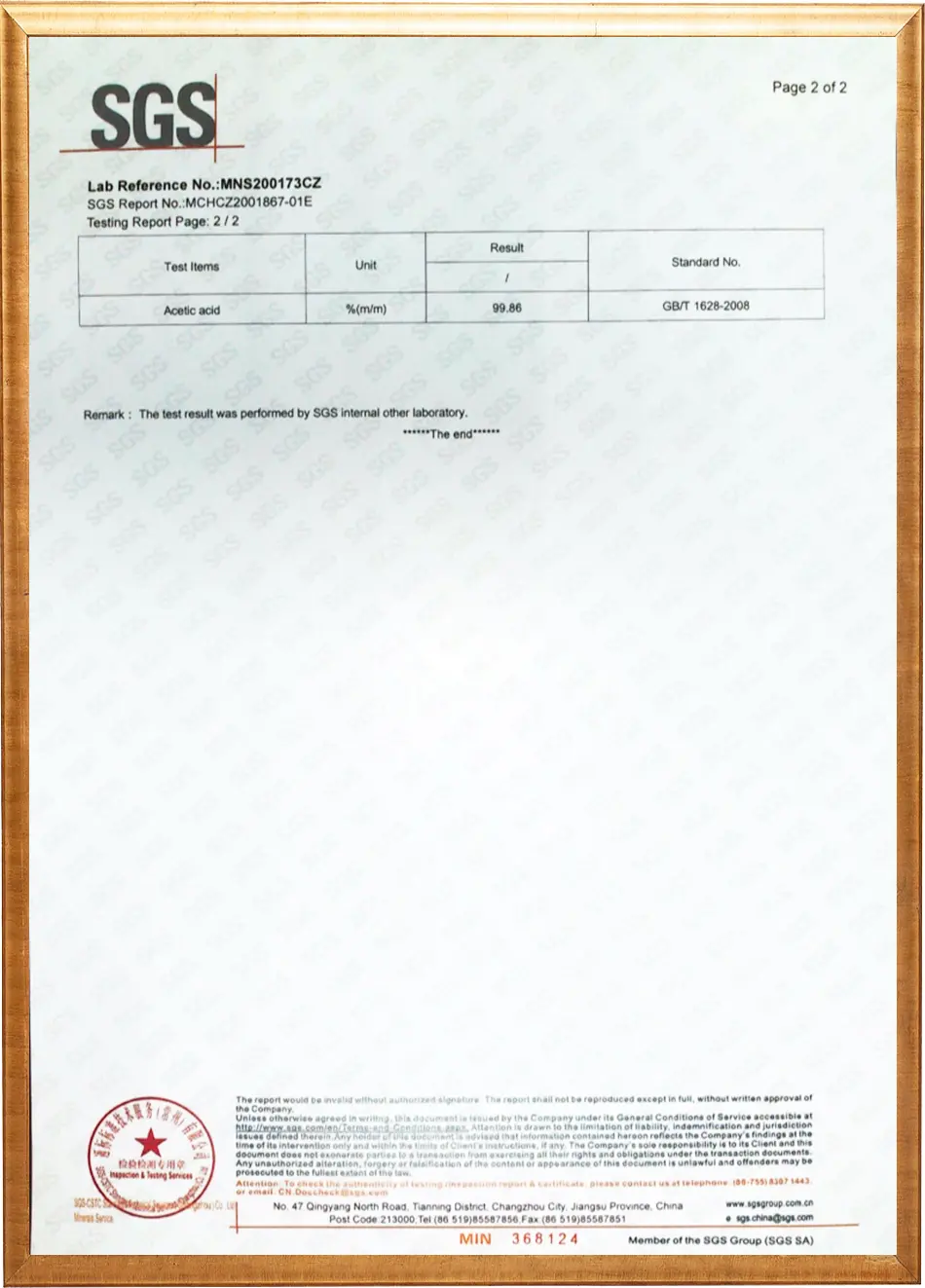
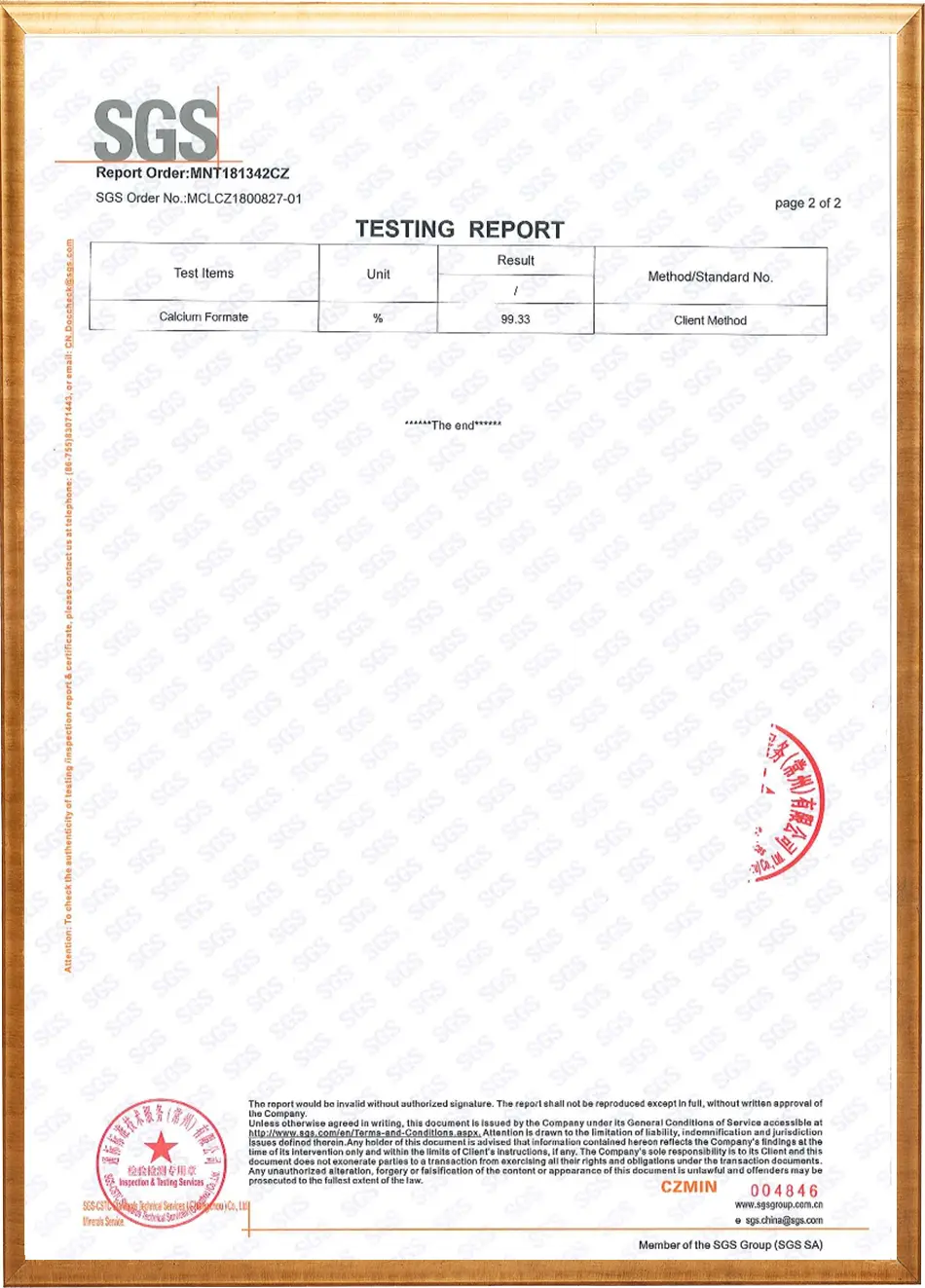
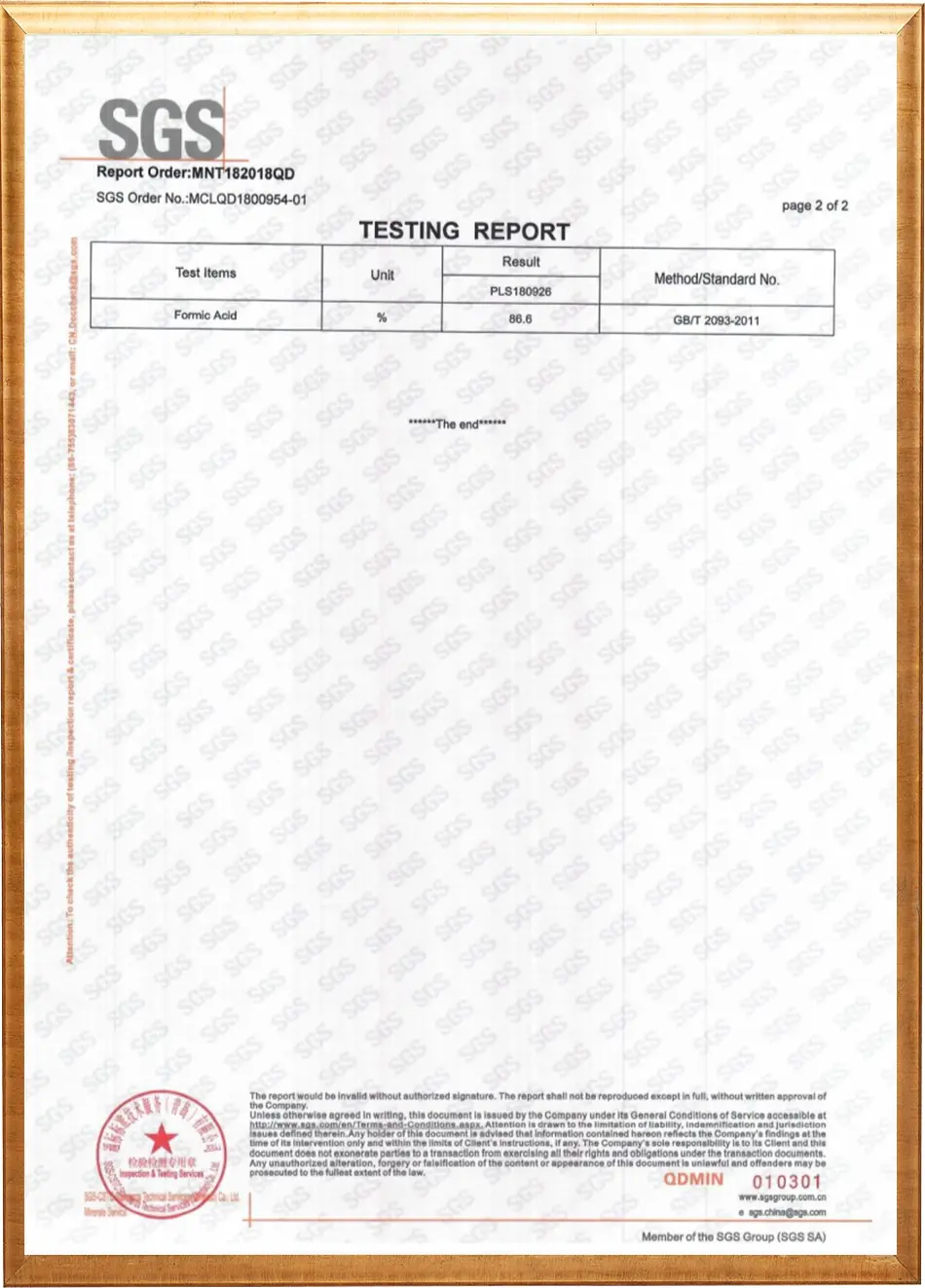
Our operations hold ISO9001:2015 Quality Management and German BV certifications. We supply certified products including FAMI-QS, Halal, Kosher, and REACH/K-REACH compliant materials.
Going public in 2023 under Stock Code: 307785, we operate with transparent corporate governance, strong financial backing, and long-term supply agreements with Fortune Global 500 giants like CNPC.
A trusted global supplier of petrochemicals, mining chemicals, feed additives, and pharmaceutical inputs

Established in 2006, Shandong Pulisi Chemical Co., Ltd. (Stock Code: 307785) focuses on petrochemicals, mining chemicals, feed chemicals, and pharmaceutical chemicals. The company has established long-term and stable partnerships with Fortune Global 500 companies such as China National Petroleum Corporation and Saint-Gobain. We take customer demand as our core focus, providing tailored solutions to strengthen our customers' market competitiveness.
Our operations have passed ISO9001:2015 Quality Management System Certification and German BV Certification, and have been recognized as a Foreign-Oriented Economic Enterprise and an Alibaba Demonstration Base. In 2023, we went public to secure our position as a reliable global sourcing partner.
We maintain warehousing and distribution systems at key logistics hubs, including Qingdao Port, Tianjin Port, and Xinjiang border ports (Alashankou, Khorgos), enabling us to provide flexible, timely supply solutions. No matter where our customers are located, we protect their business continuity with professional service and efficient response times.
Strict Statement: Shandong Pulisi has not established branches outside of Shandong Province. Our company reserves the right to pursue legal action against any entities impersonating our brand.
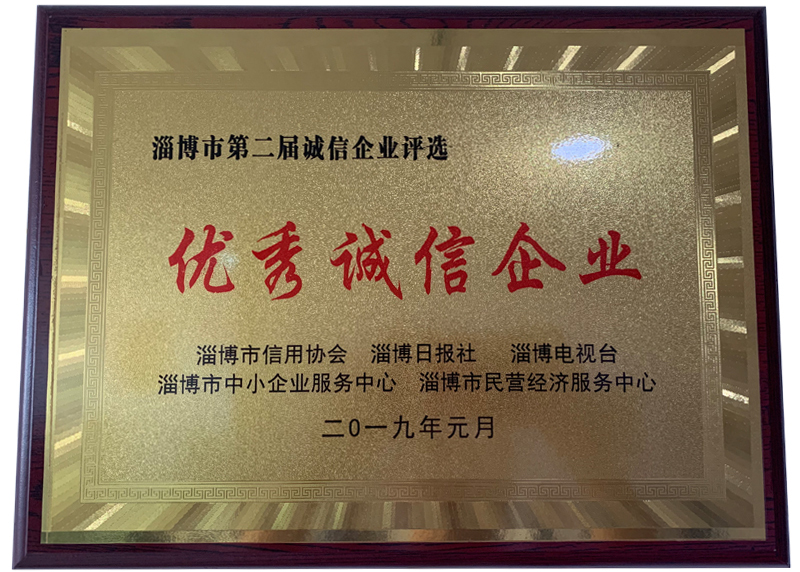
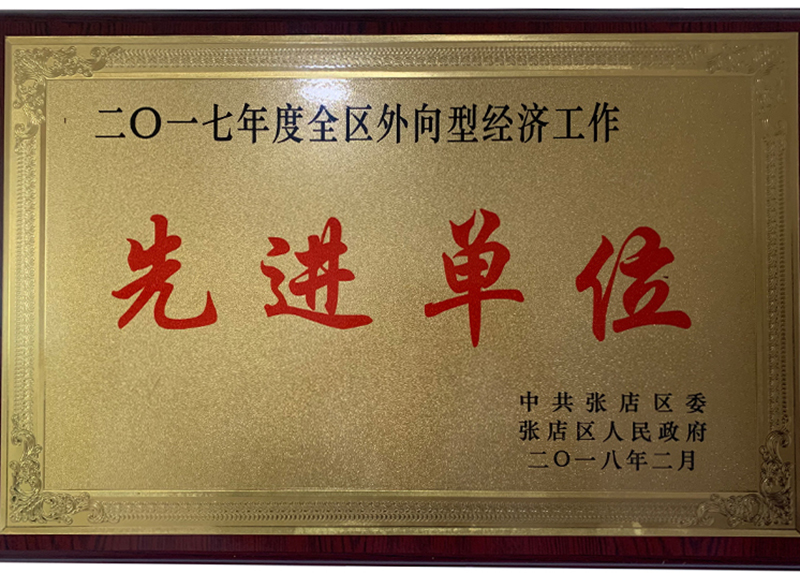
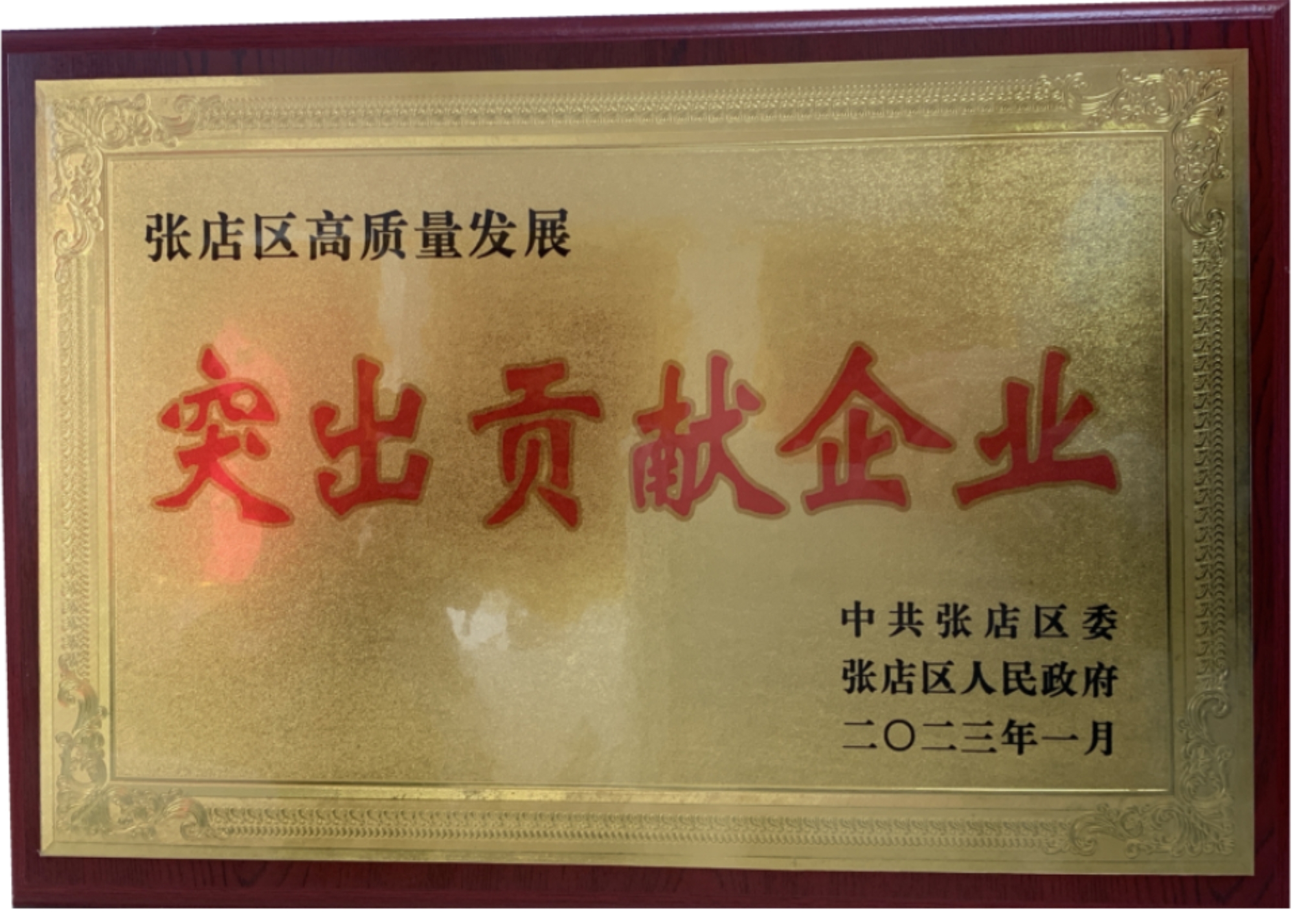
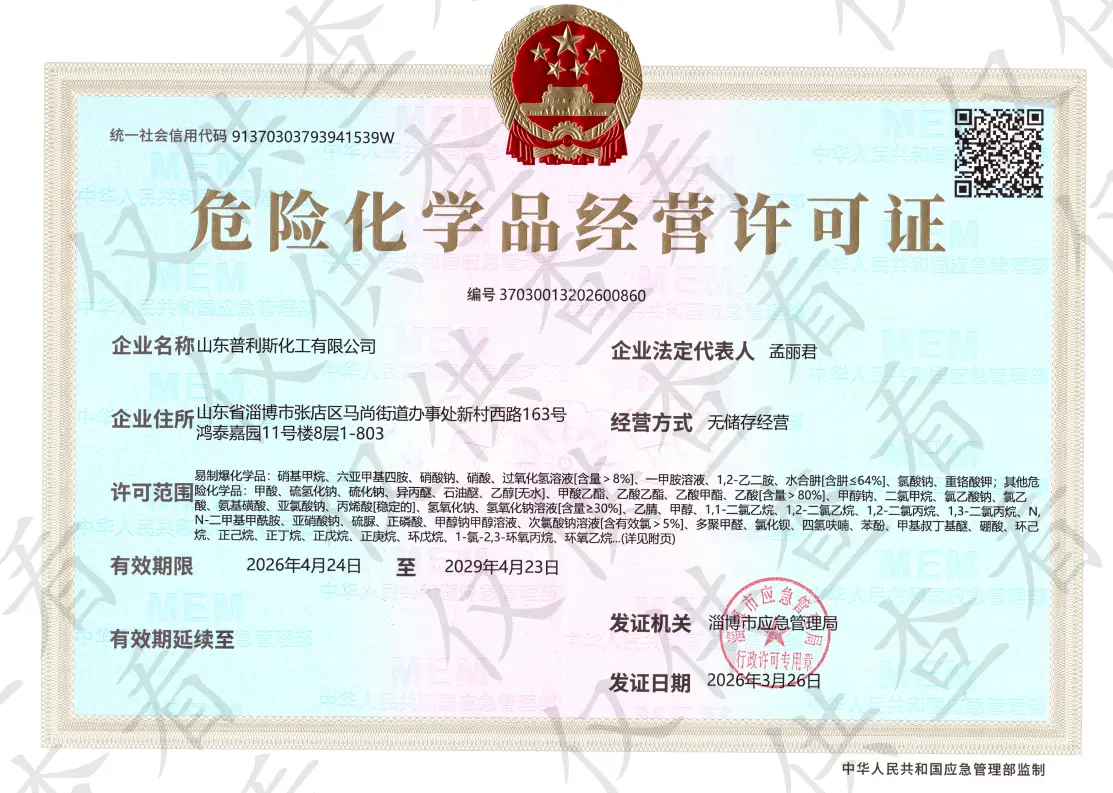
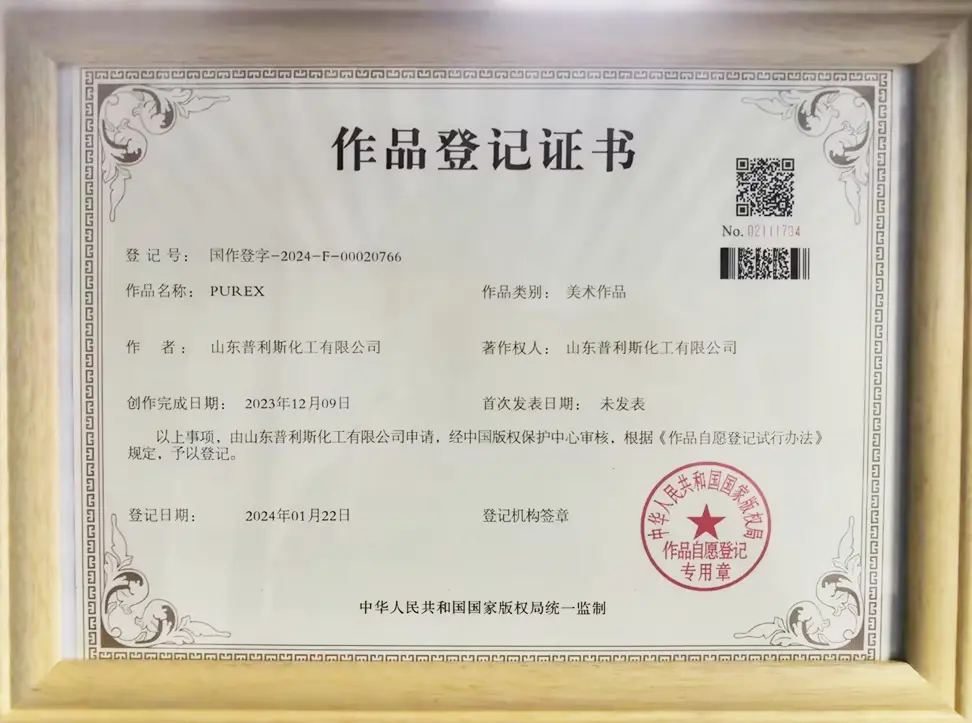
Verified compliance documentation representing our adherence to global quality and safety standards
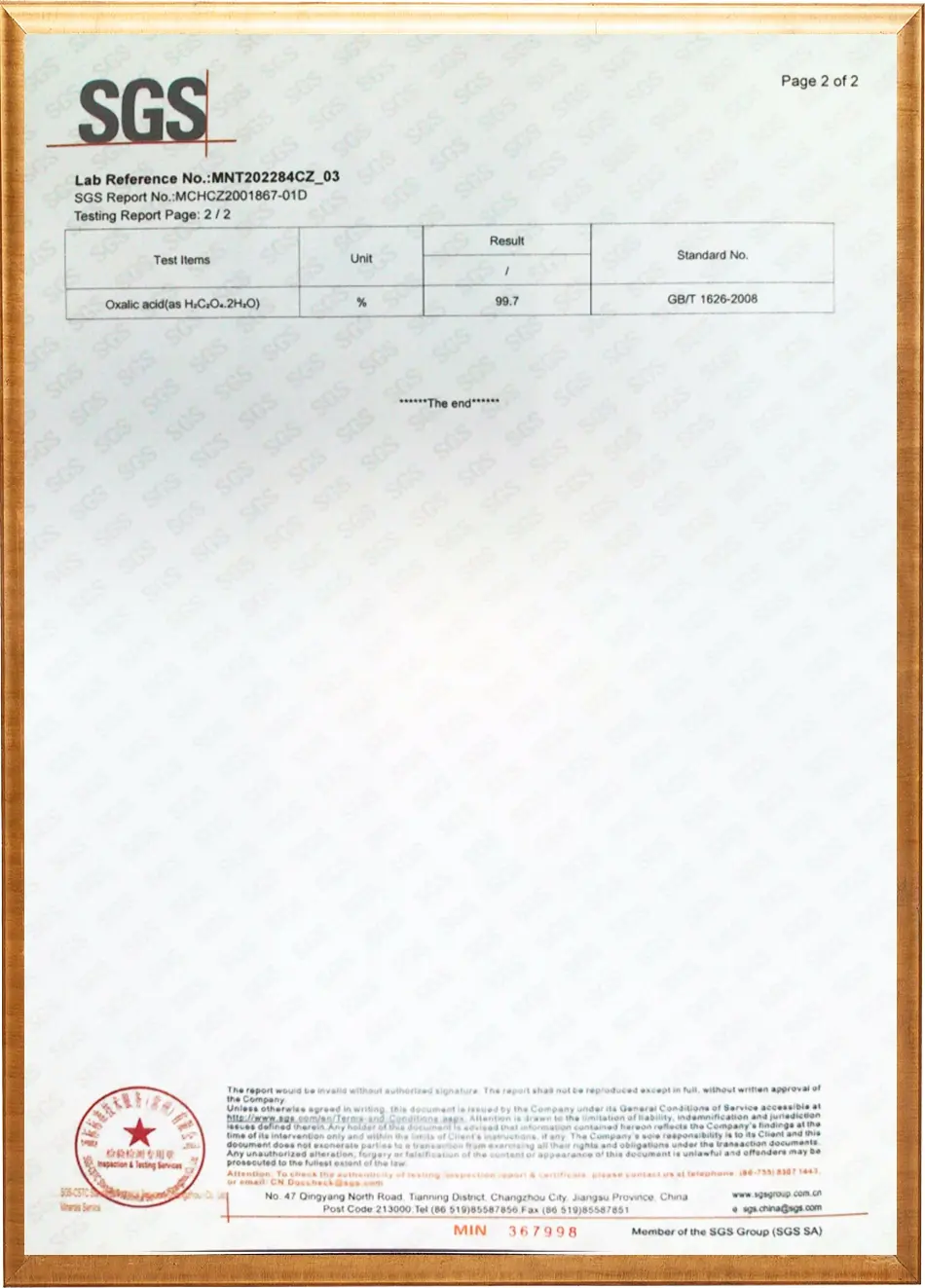
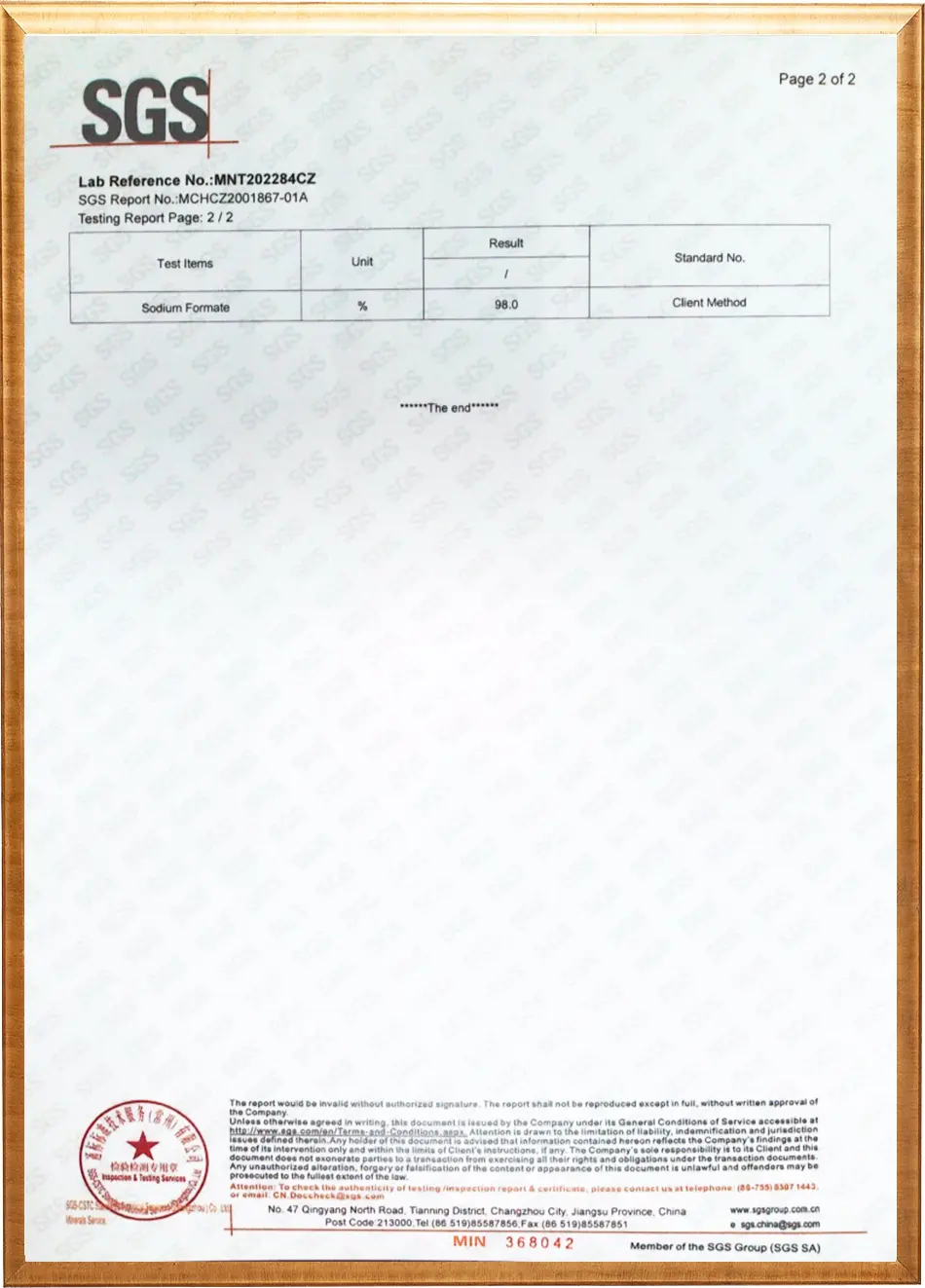
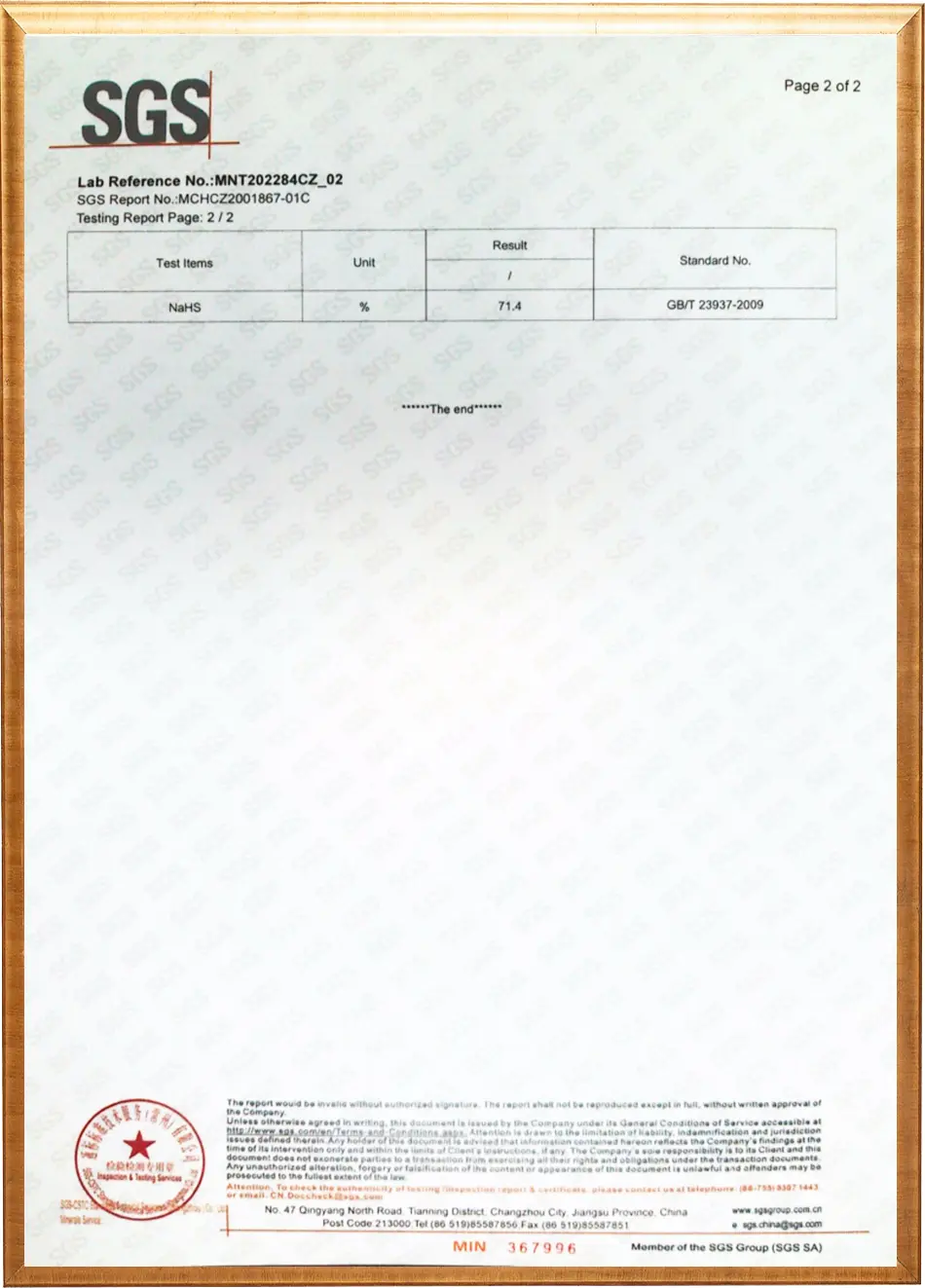
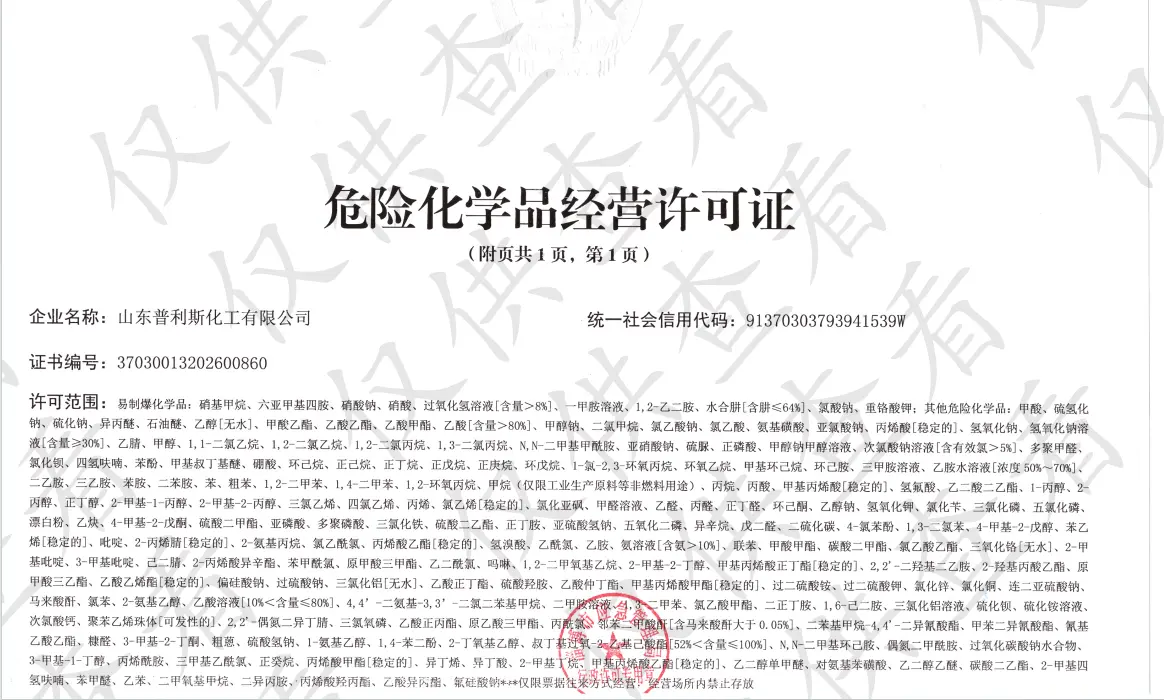
High-grade organic acid salts and chemical intermediates designed for industrial, feed, and oilfield applications
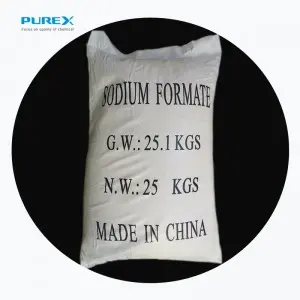
Used in tanning, de-icing, and construction industries.
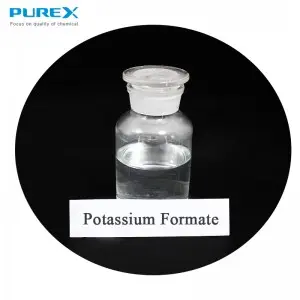
High-density completion fluid for deep drilling operations.
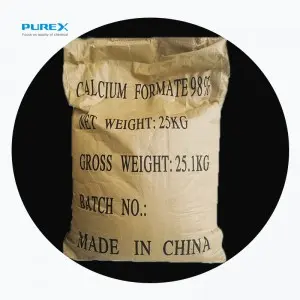
Accelerates cement setting time and enhances early strength.
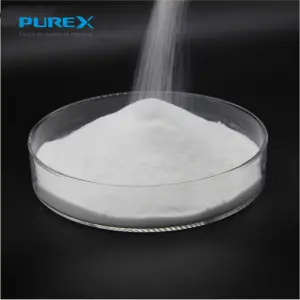
High-purity grade serving as a food stabilizer and industrial reagent.
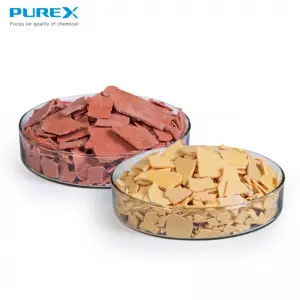
Essential chemical agent for mineral flotation and leather unhairing.
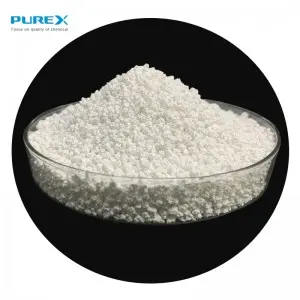
Effective dust suppressant, de-icer, and drilling fluid additive.
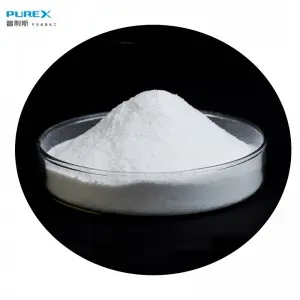
FAMI-QS certified acidifier and calcium source for young animals.
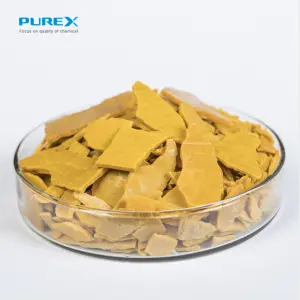
High-purity depressant for copper ore processing.
Our chemicals serve a wide range of industries, delivering reliable performance and cost efficiency

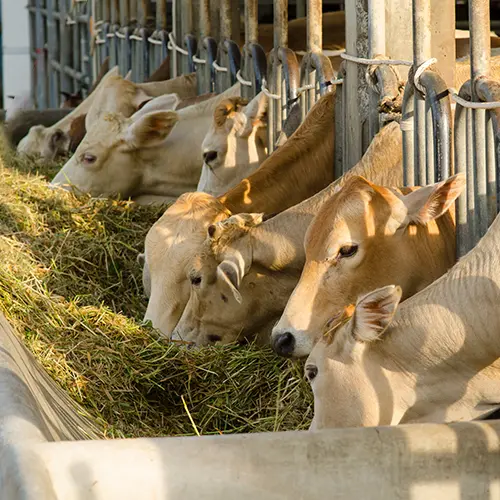

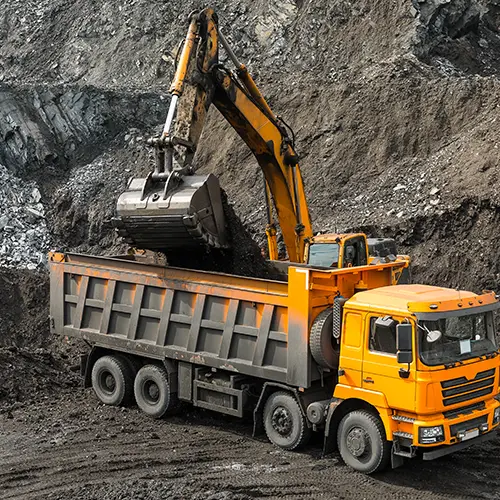
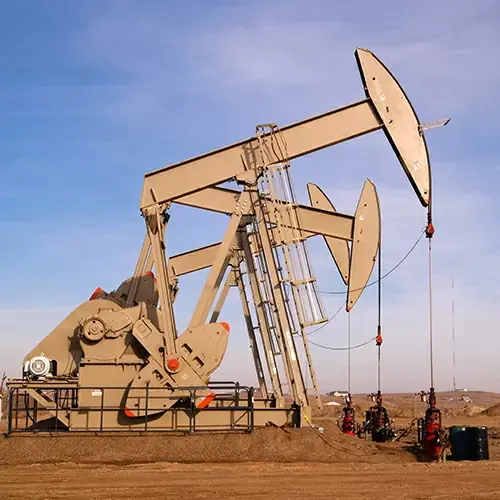
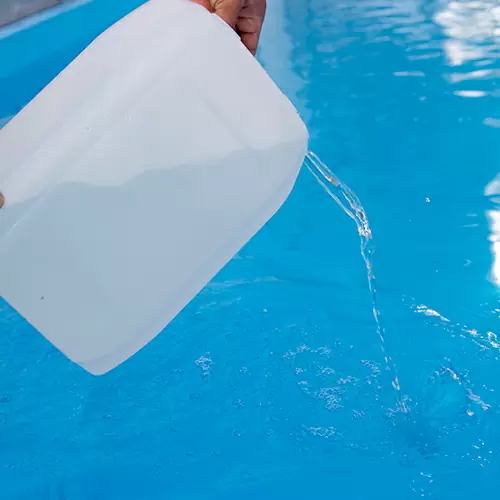
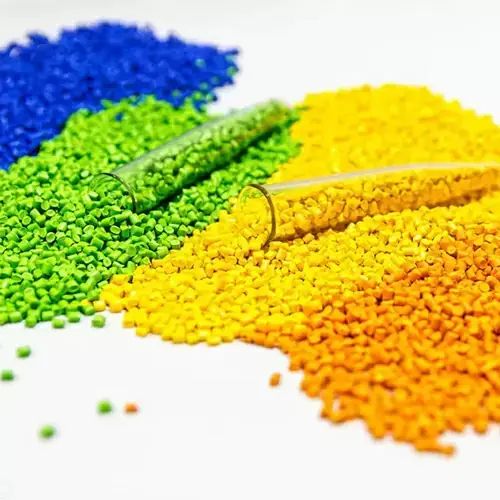
A combination of industrial capability, strict quality control, and responsive customer service
Active distribution lines spanning across 100+ countries, delivering consistent logistics through dry cargo containers, liquid tankers, and intermodal systems.
Over 20+ years of export operations, maintaining long-term relationships with 1,000+ chemical importers and processing factories worldwide.
Strict quality control processes backed by ISO, SGS, K-REACH, and FAMI-QS certifications to guarantee specification compliance on every batch.
Direct supply agreements with chemical precursors and large-scale manufacturing structures allow us to offer stable, competitive pricing.
We maintain inventory reserves at major ports, including Qingdao and Tianjin, to enable rapid dispatch and reduce ocean freight transit times.
Our sales and technical support teams operate 24/7, providing quick response times, regulatory documentation, and after-sales support.
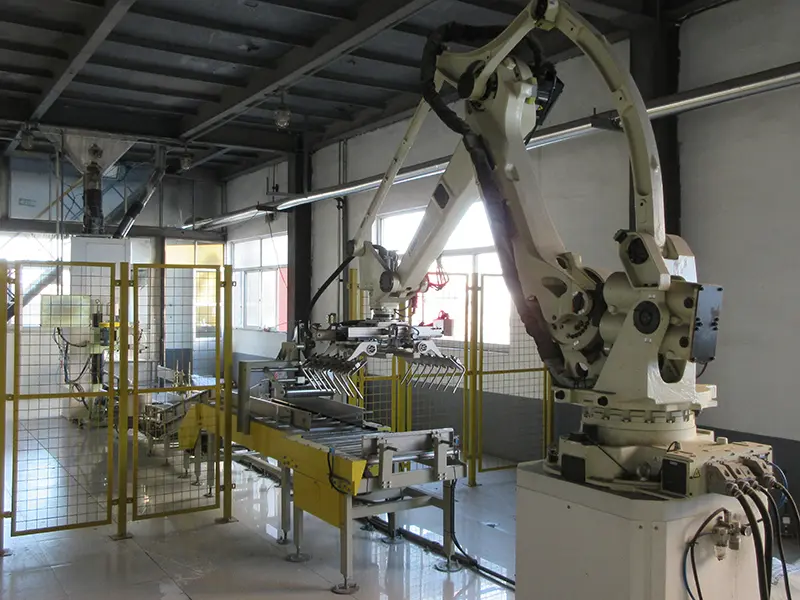
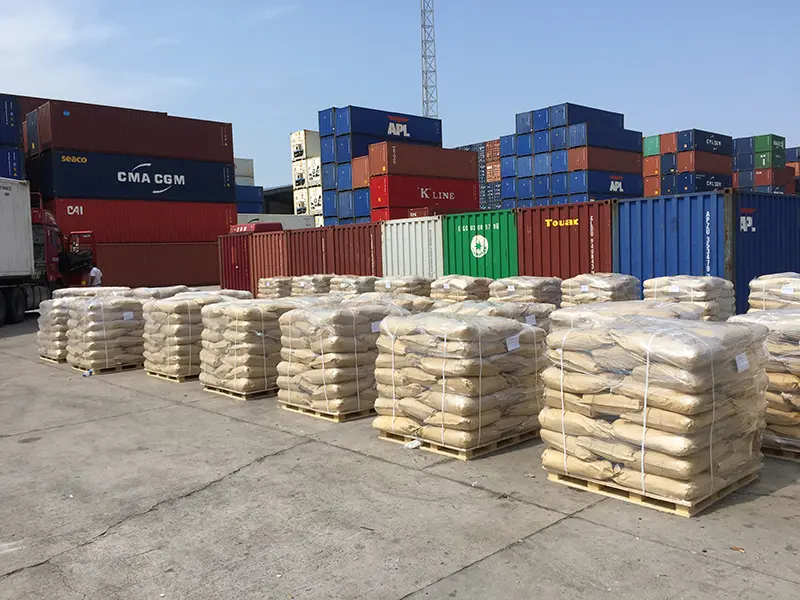
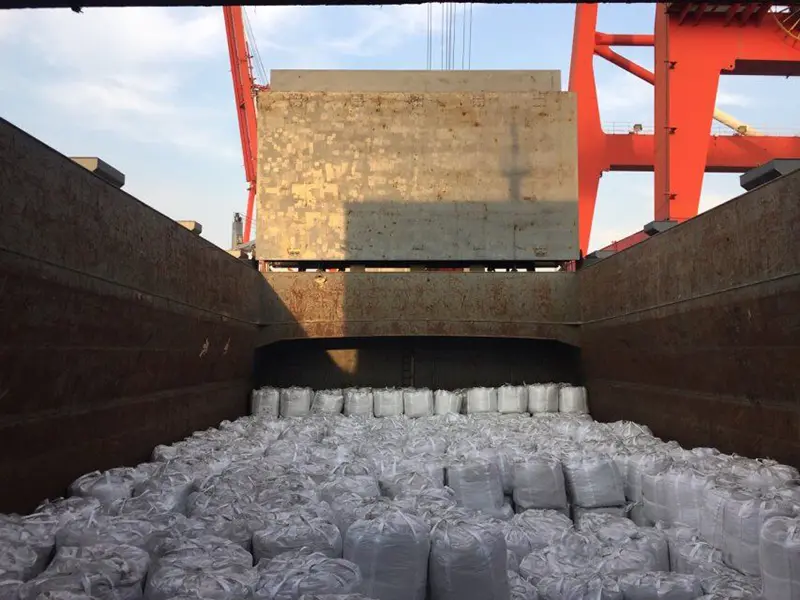
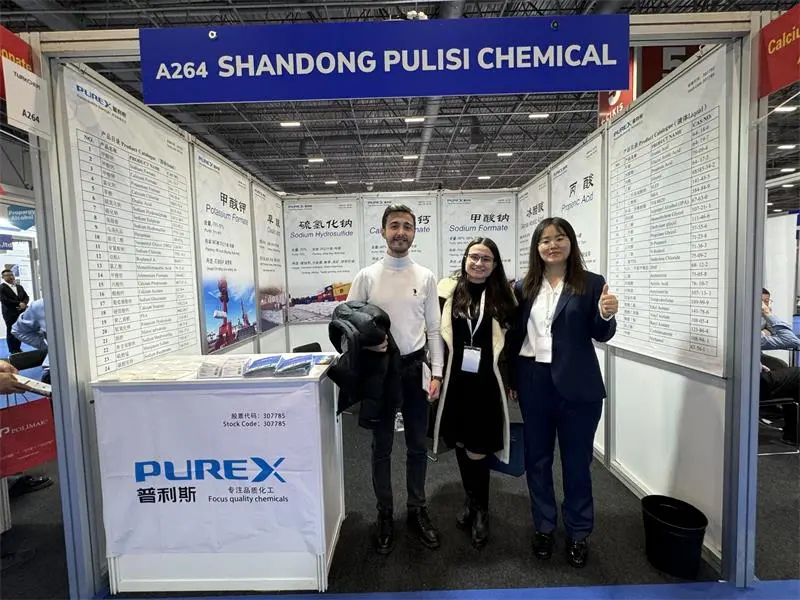
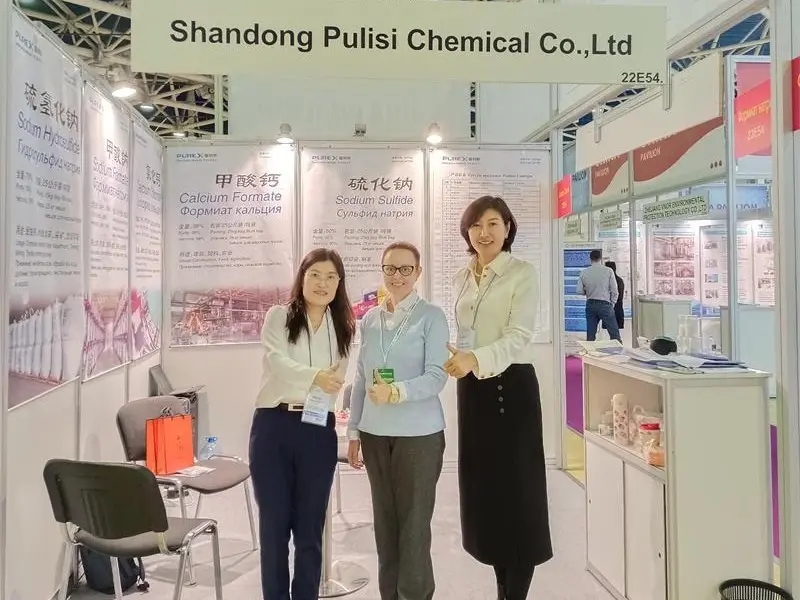
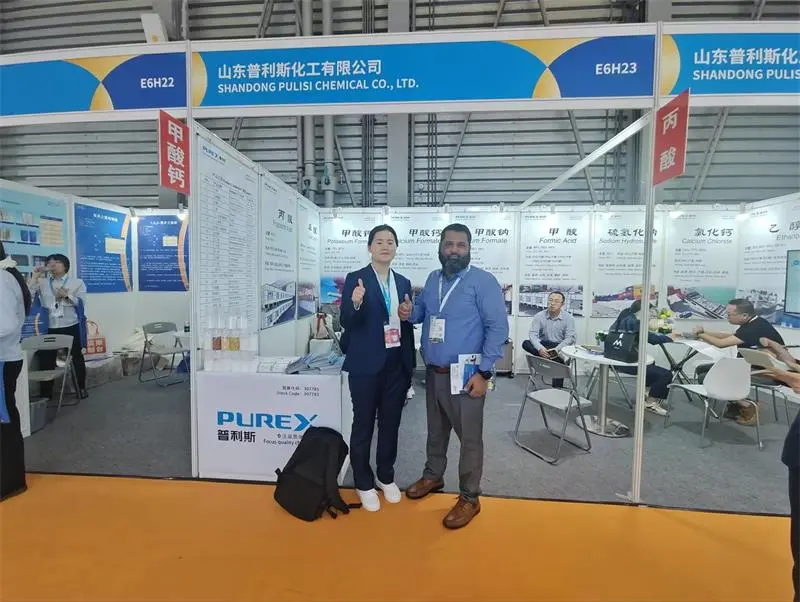
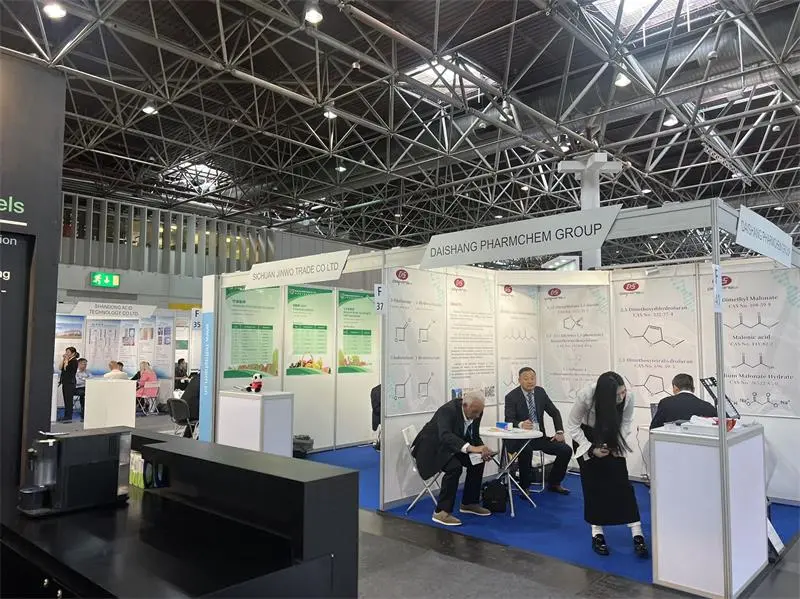
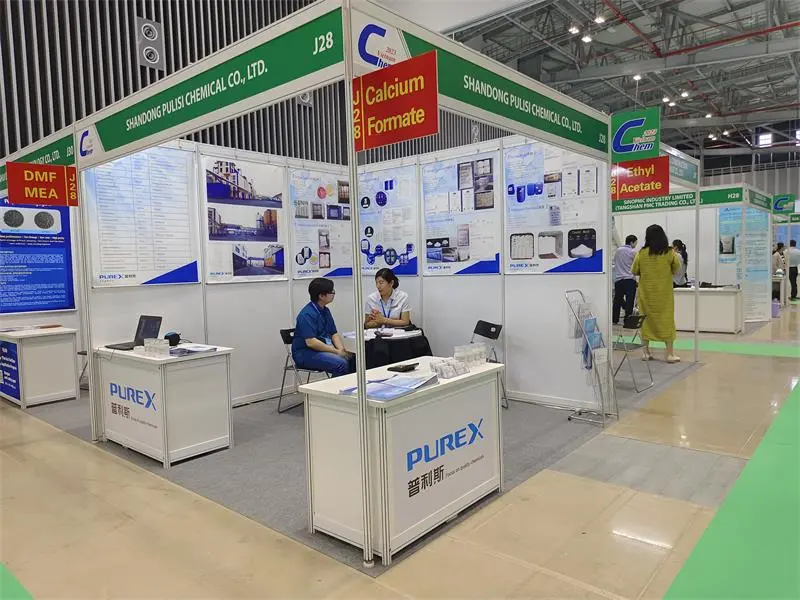
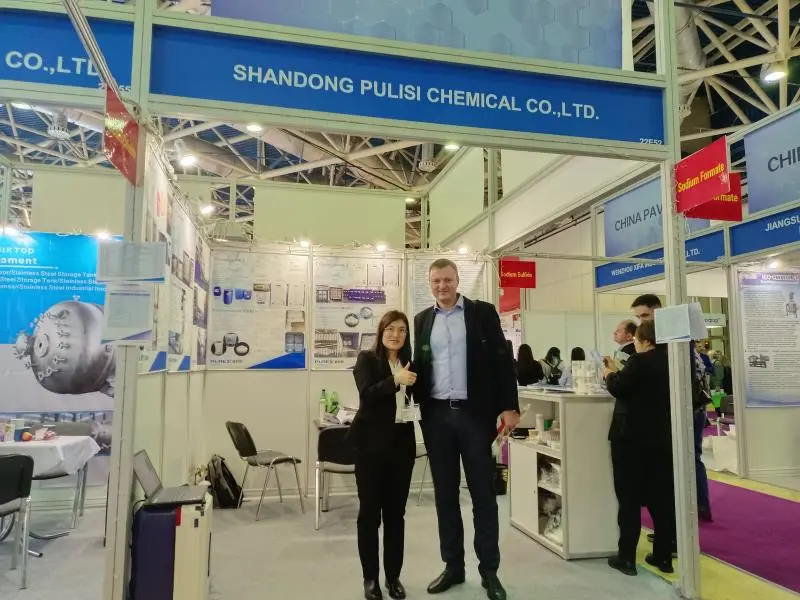
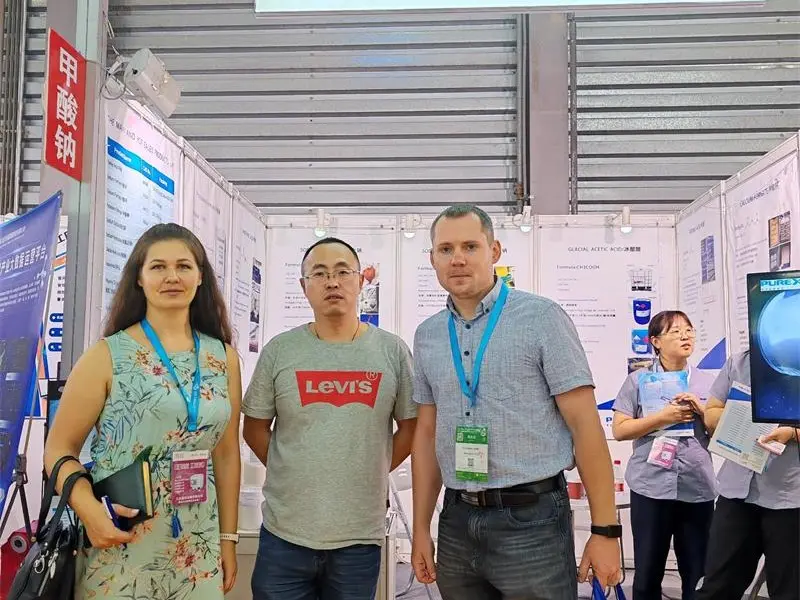
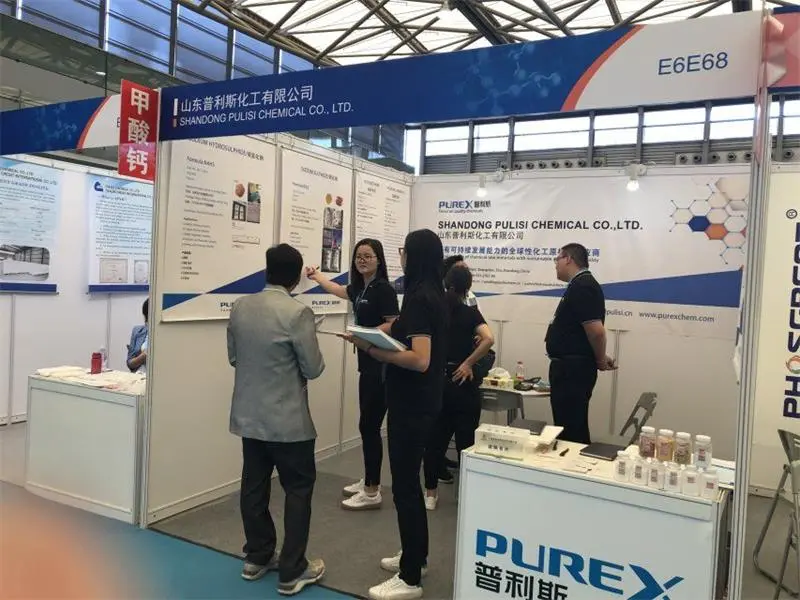
Expanding our global logistics network and connecting with industry partners at chemical trade events worldwide



Crucial commercial, technical, and regulatory answers for chemical procurement professionals
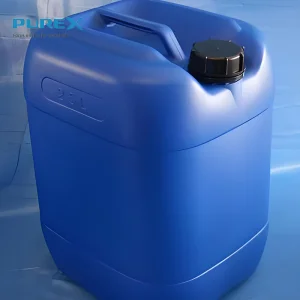
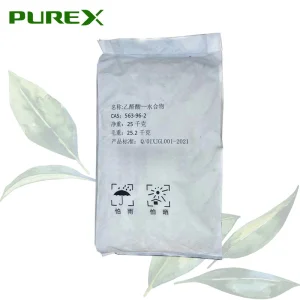
Yes. We offer custom packaging, labeling, and printing options. You can send us your brand and logo design specifications, and we will apply them to the containers (IBC drums, plastic drums, or paper bags) according to regulatory requirements.
Yes. Whether you are an entrepreneur or a small-scale regional chemical distributor, we support trial order sizes to help you test the market and establish a long-term supply relationship with us.
We work to optimize raw material supply chains and maintain efficient production costs, allowing us to offer highly competitive pricing. Large volume orders are eligible for bulk discounts based on contract length and quantity commitments.
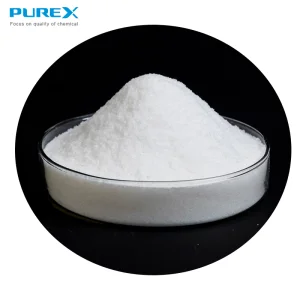
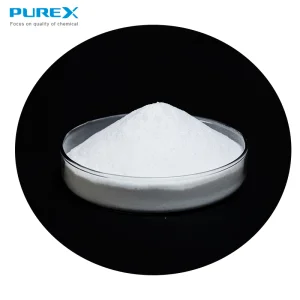
Yes. We offer free samples (typically 200g to 500g in protective packaging) for lab evaluation and quality testing. Customers are responsible for shipping/express costs, which can be credited back upon placing an order.
We maintain product inventory at major port warehouses in Qingdao, Tianjin, and strategic border hubs. Standard orders typically ship within 7–14 days of receiving your payment deposit or Letter of Credit.
We accept T/T (Telegraphic Transfer), L/C (Letter of Credit at sight), D/P (Documents Against Payment), and O/A (Open Account) terms, depending on transaction histories and credit evaluations.
Yes. You are welcome to visit our headquarters and production base in Zibo, Shandong Province, located a 1.5-hour drive from Jinan Airport. Please coordinate with our sales team to arrange site access and schedule a factory tour.
Formic acid is classified as a Class 8 hazardous chemical (corrosive, UN 1779). We coordinate our packaging and logistics with certified hazardous materials transport companies to ensure compliance with ADR, IMDG, and IATA regulations.
Providing essential raw materials and compounds to support industrial manufacturing processes
 Pulisi