Explore our high-demand specialty chemicals, manufactured under rigorous quality controls and optimized for international logistics.
A comparative evaluation of modern catalytic oxidation systems against conventional carbohydrate synthesis routes.
Oxalic Acid ($C_2H_2O_4$), also systematically designated as ethanedioic acid, represents a critical dicarboxylic acid with primary applications in hydrometallurgical extraction, pharmaceutical synthesis, rust removal, and textile treatment. Historically, industrial manufacturing of oxalic acid relied on raw carbohydrate oxidation or the multi-step sodium formate process (via carbon monoxide and sodium hydroxide). However, these conventional pathways are increasingly restricted due to high byproduct footprint, intense wastewater discharge, and fluctuating raw material supply chains.
The contemporary chemical manufacturing landscape has experienced a pivotal transition toward the Ethylene-to-Oxalic Acid synthesis pathway. This process utilizes catalytic nitric acid oxidation of ethylene ($C_2H_4$) in liquid phases to secure high product yields and minimized carbon outputs. The fundamental chemical reaction sequence occurs via the formation of intermediate glyoxal and glycolic acid before final conversion to oxalic acid dihydrate crystals:
$$CH_2=CH_2 + 4HNO_3 \xrightarrow{[Catalyst]} (COOH)_2 + 4NO \uparrow + 2H_2O$$
Through sophisticated recovery units, Shandong Pulisi captures the gaseous $NO_x$ byproducts, recycling them back into nitric acid reagents. This close-loop engineering design achieves a sustainable material circularity rate exceeding 98.5%, significantly reducing waste treatment expenses and lower pricing overheads for our global partners.
From an optimization standpoint, selecting the right catalyst system—such as palladium-copper alloys, mixed metal oxides, or strong inorganic acid mixtures—directly influences the reaction selectivity. Industrial grade ethylene-to-oxalic acid methods produce an average purity profile of $\ge 99.6\%$, which fulfills the demanding specifications required by downstream pharmaceutical processing and rare earth mining refinement sectors.
Assessing cost structural variables, trade corridors, and commercial supply strategies for global buyers.
Because the synthesis pathway utilizes ethylene, final product pricing tracks global petrochemical and crude oil pricing corridors. Contract optimization allows bulk buyers to hedge against raw material price shocks through structured pricing matrices.
Operating dedicated warehousing systems at strategic locations—including Qingdao Port, Tianjin Port, and Xinjiang border ports (Alashankou and Khorgos)—insulates our distribution channels from localized freight congestion, keeping freight rates competitive.
Drying and crystallization operations constitute primary energy sinks. Our integration of waste-heat recuperators and automated evaporators reduces power draw per metric ton, enabling highly competitive bulk pricing tiers.
Maximizing efficiency in downstream industries using specialized oxalic acid derivatives and direct reagents.
Critical in separating rare earth oxides. High-purity oxalic acid selectively precipitates elements like Lanthanum and Neodymium, leaving impurities behind.
Essential for acid leaching of lithium-ion battery wastes. Precipitates Cobalt and Nickel salts from sulfuric acid mixtures, ensuring maximum raw material recovery.
Acts as an effective reducing agent. Destroys organic coloration compounds, neutralizes excess alkali agents, and removes iron rust contaminants from fabrics.
Forms complex oxalate barrier coatings on metallic substrates, enhancing paint adhesion and serving as an rust-resistant surface treatment.
Established in 2006 (Stock Code: 307785), we are a leading petrochemical, mining, feed, and pharmaceutical chemical provider.

At present, Shandong Pulisi has established long-term and stable partnerships with Fortune Global 500 companies such as China National Petroleum Corporation and Saint-Gobain. We always take customer demand as the core orientation and provide tailored solutions to help customers strengthen their market competitiveness.
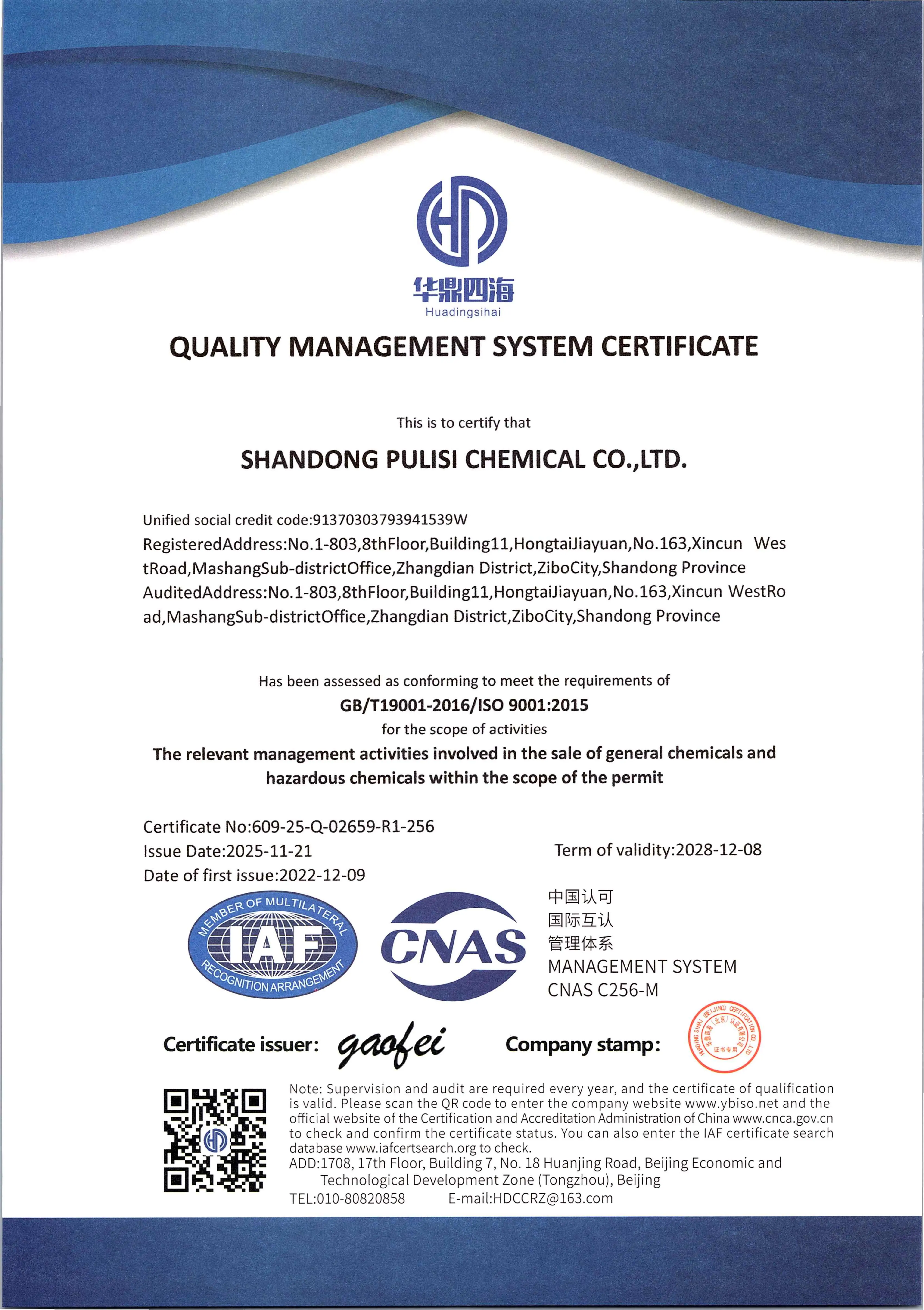
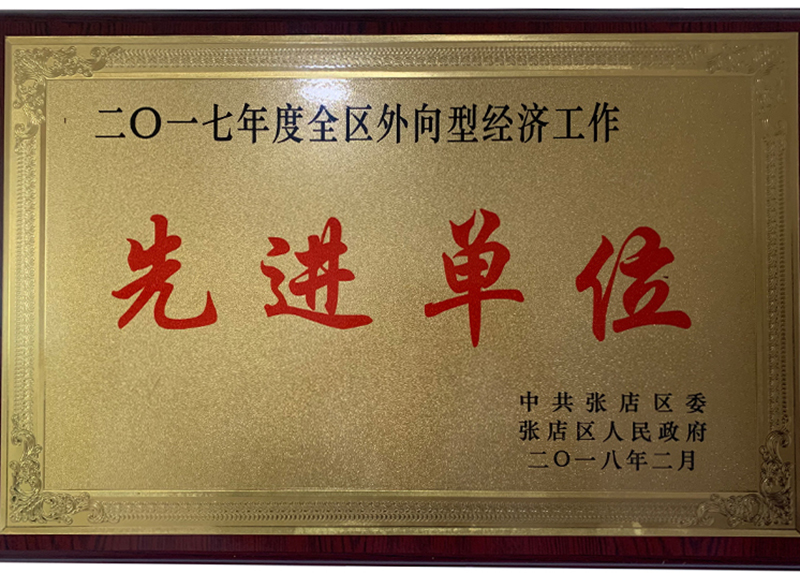
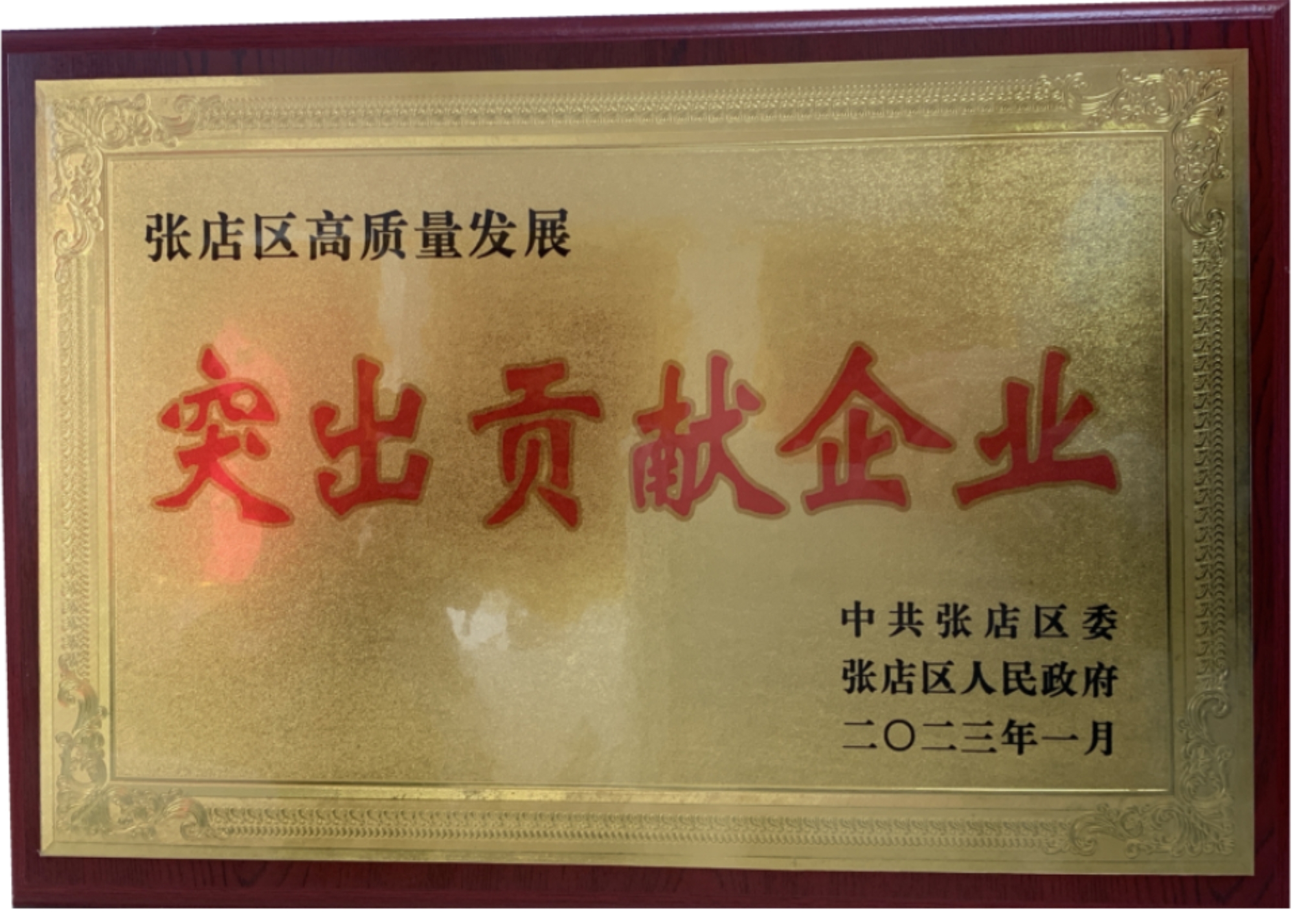
The company has passed ISO9001:2015 Quality Management System Certification and German BV Certification, and has been awarded multiple honors such as Foreign-Oriented Economic Enterprise, Alibaba Demonstration Base, and Contribution Enterprise. In 2023, the company successfully went public with stock code: 307785.
Meanwhile, the company has established mature warehousing and distribution systems at key logistics hubs, including Qingdao Port, Tianjin Port, and Xinjiang border ports (Alashankou, Khorgos). We are able to provide flexible supply solutions according to customer needs to ensure timely order delivery.
Strict Statement: Shandong pulisi has not established branches outside of Shandong Province. If there is any act of impersonating Shandong Pulisi, our company will reserve the right to pursue legal responsibilities.
Rigorous regulatory compliance processes ensuring safety, traceability, and global export viability.
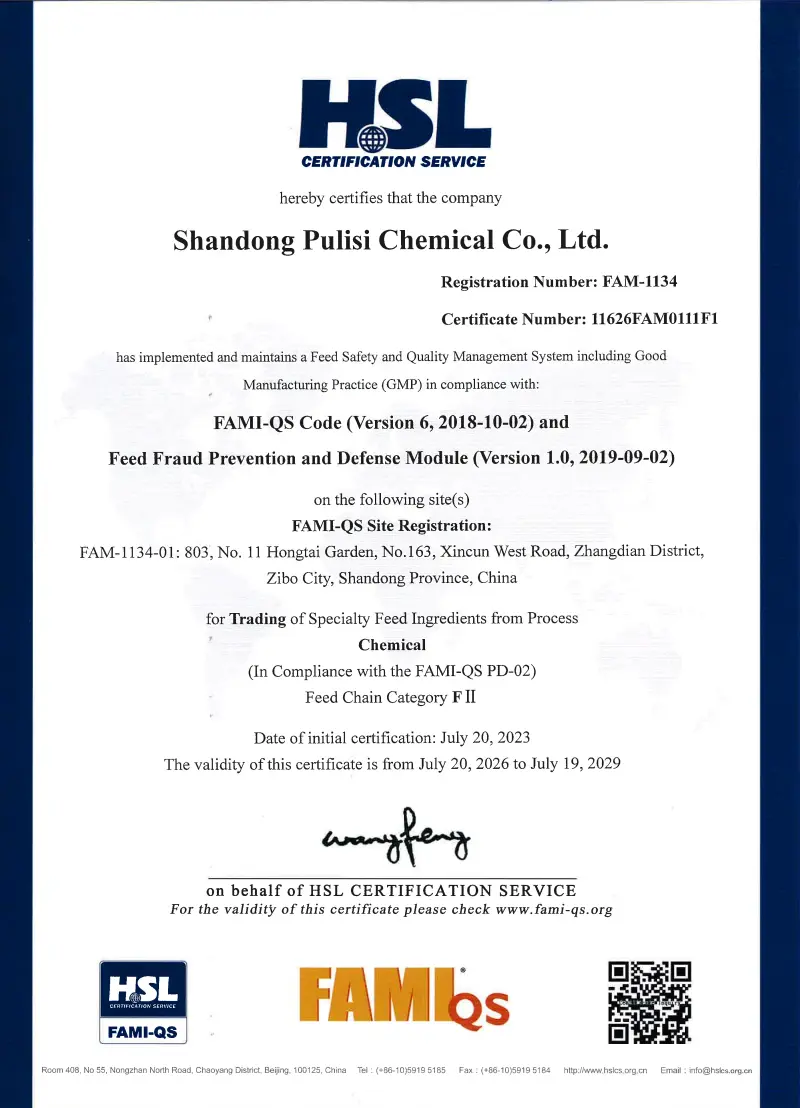
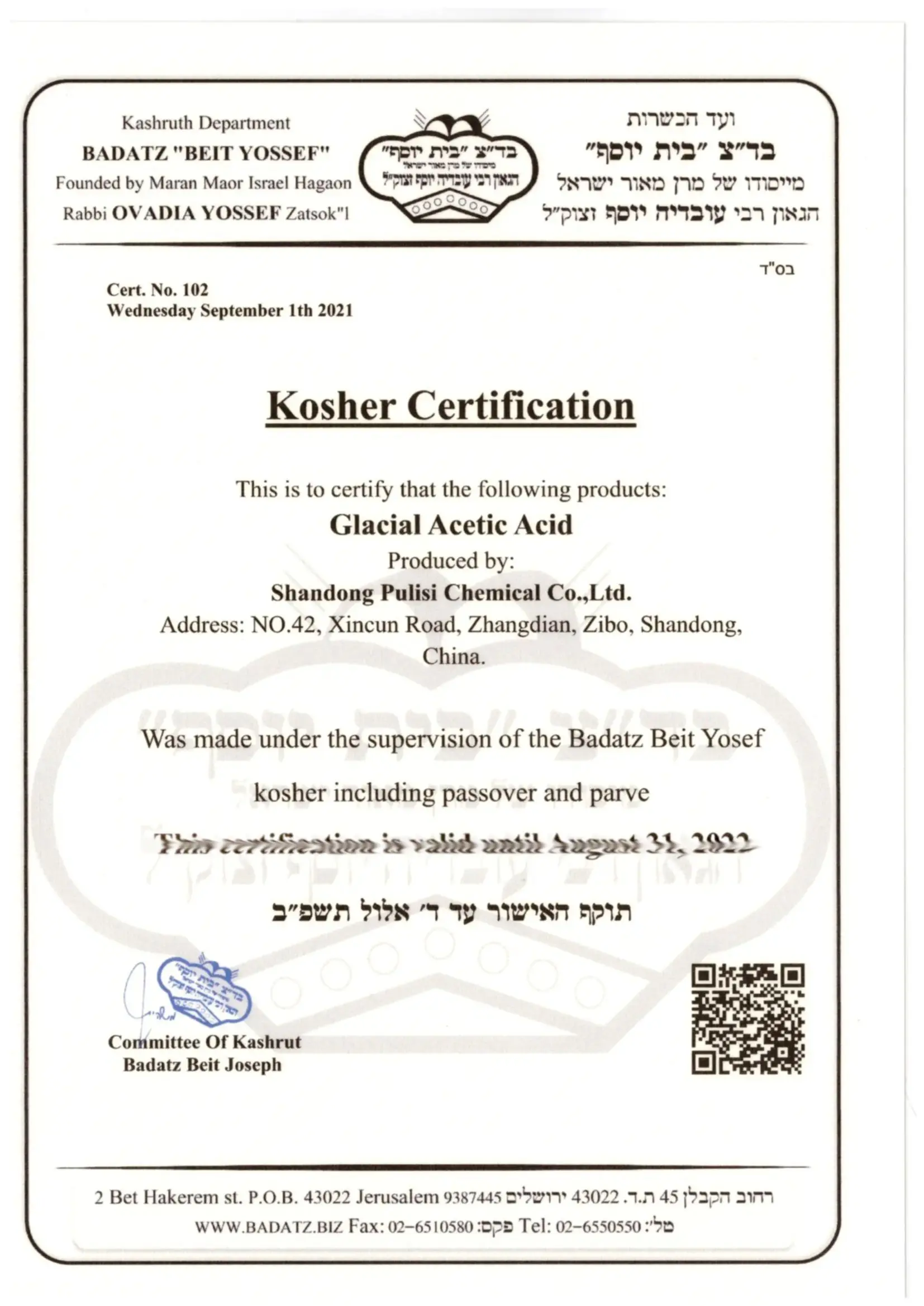
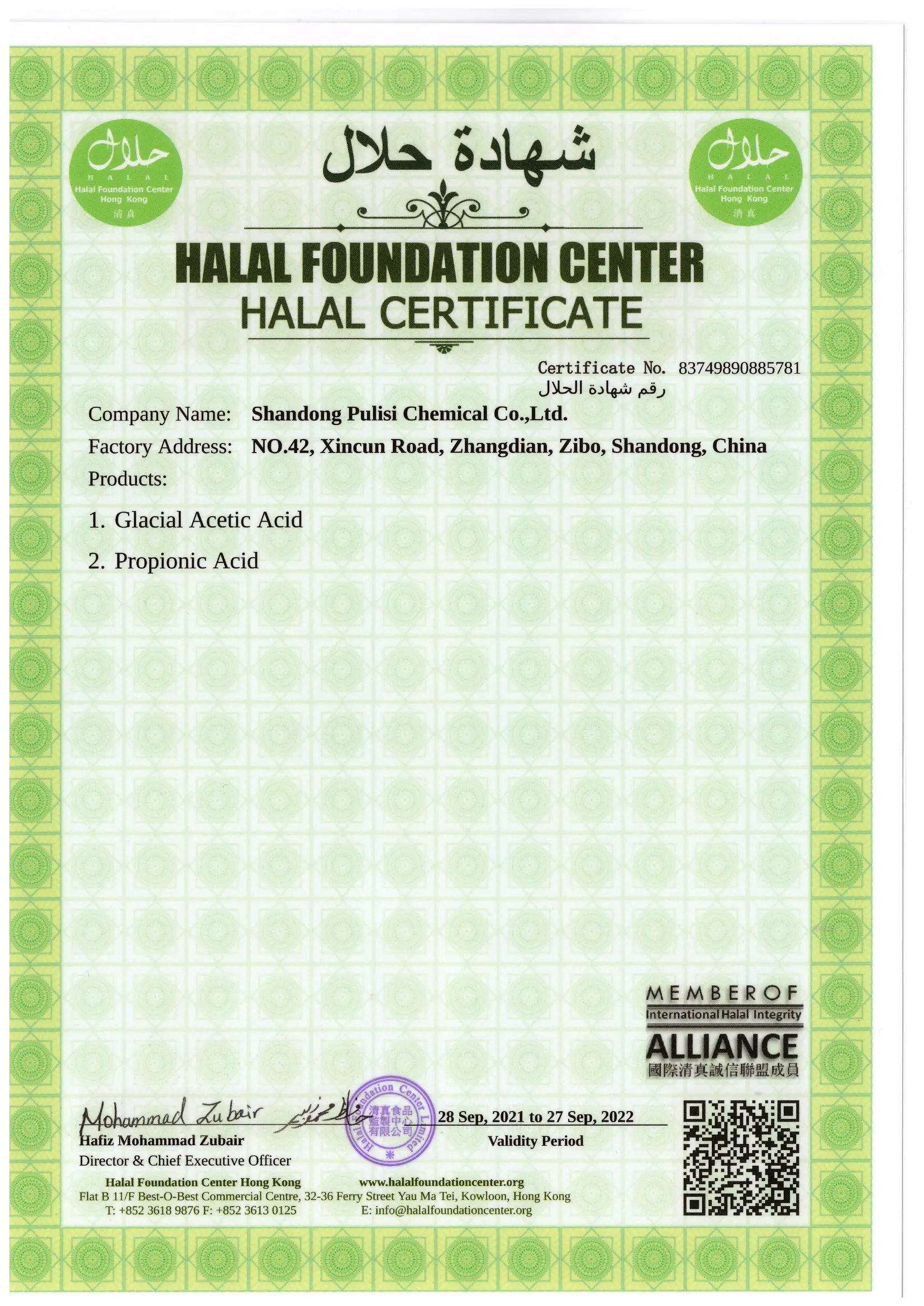
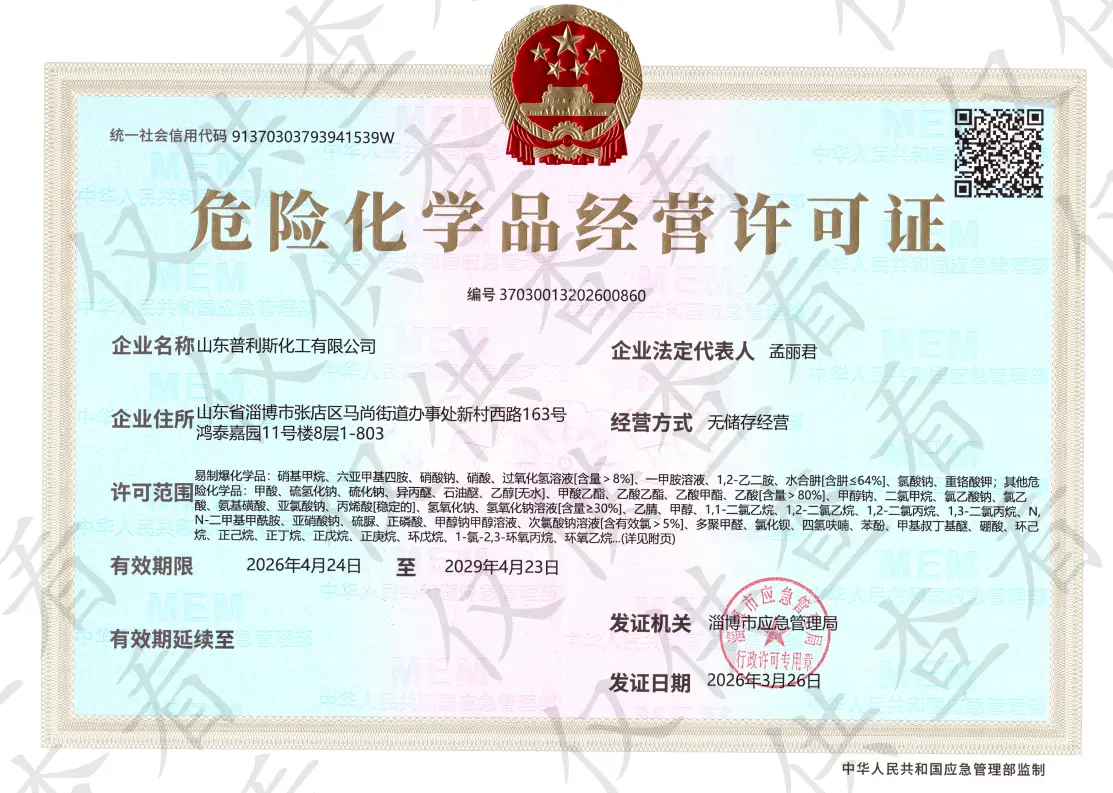
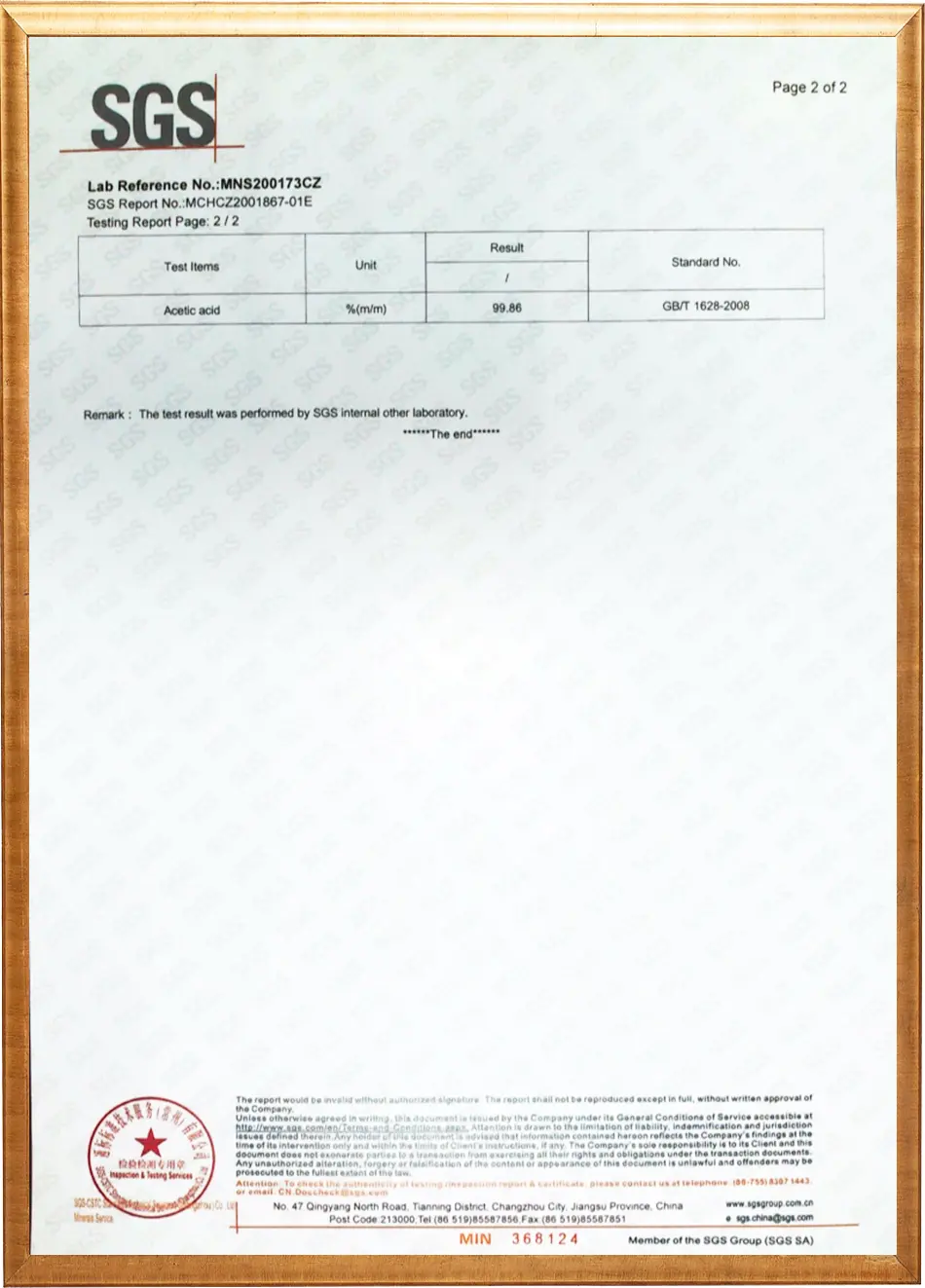
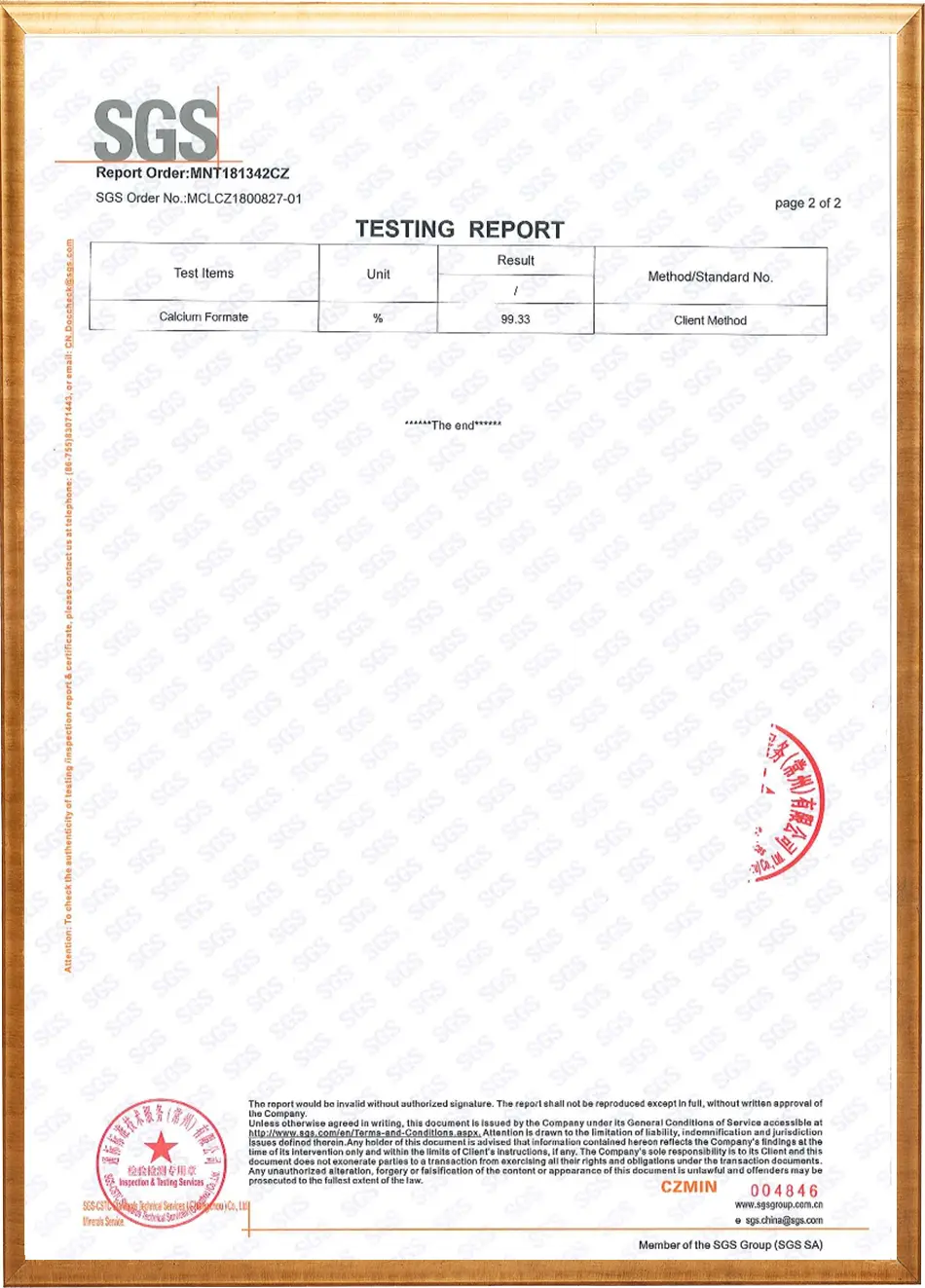
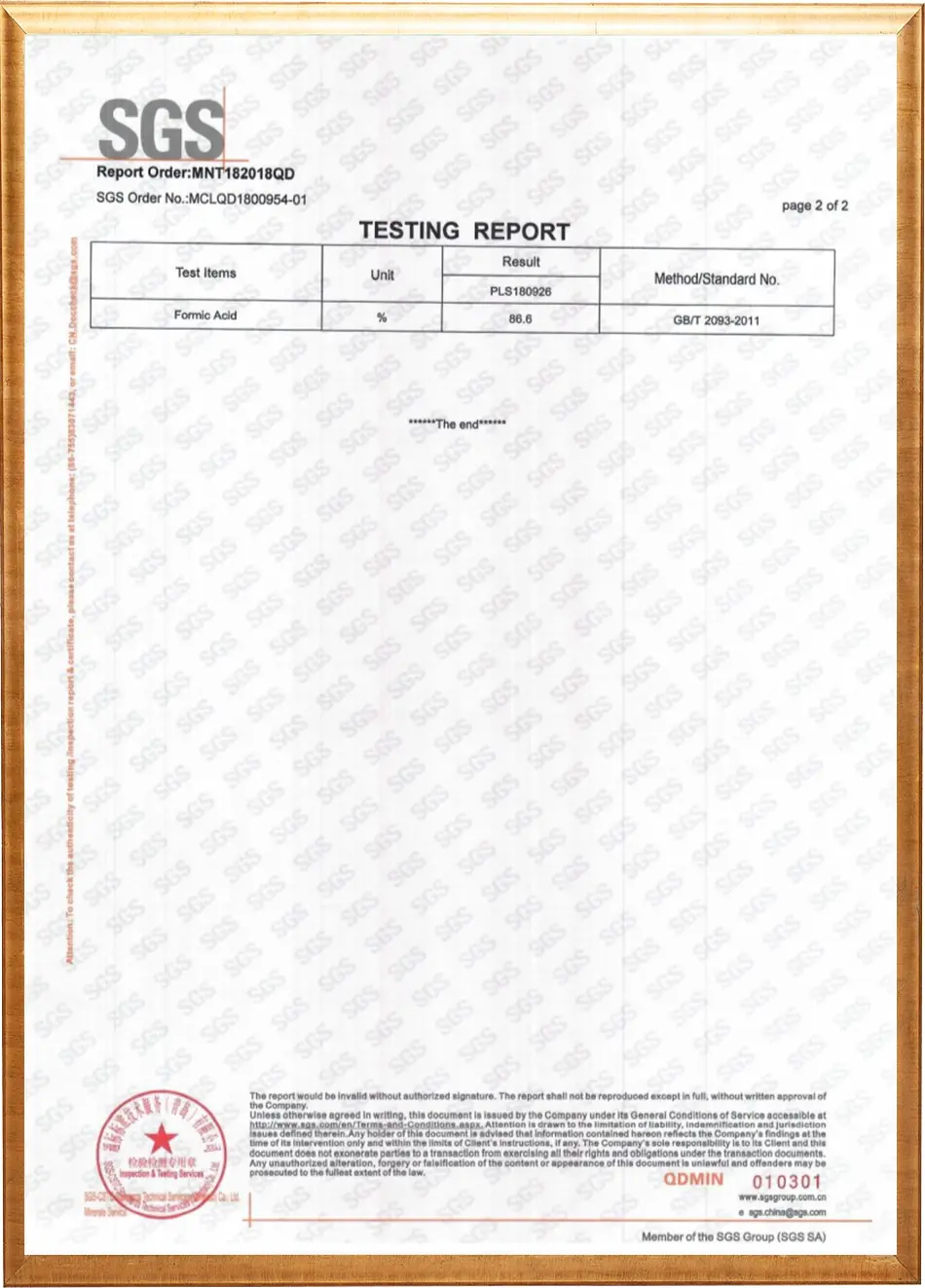
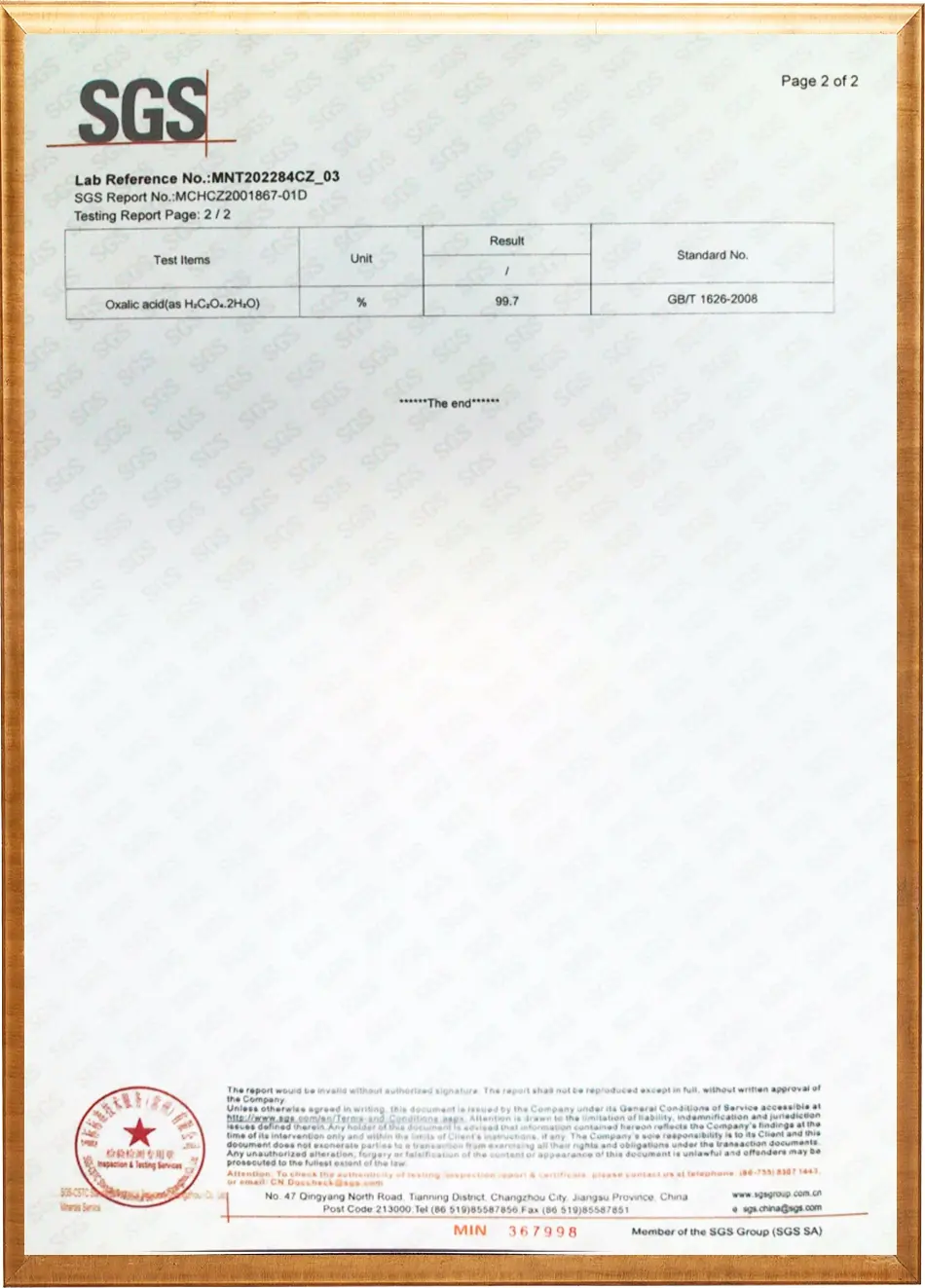
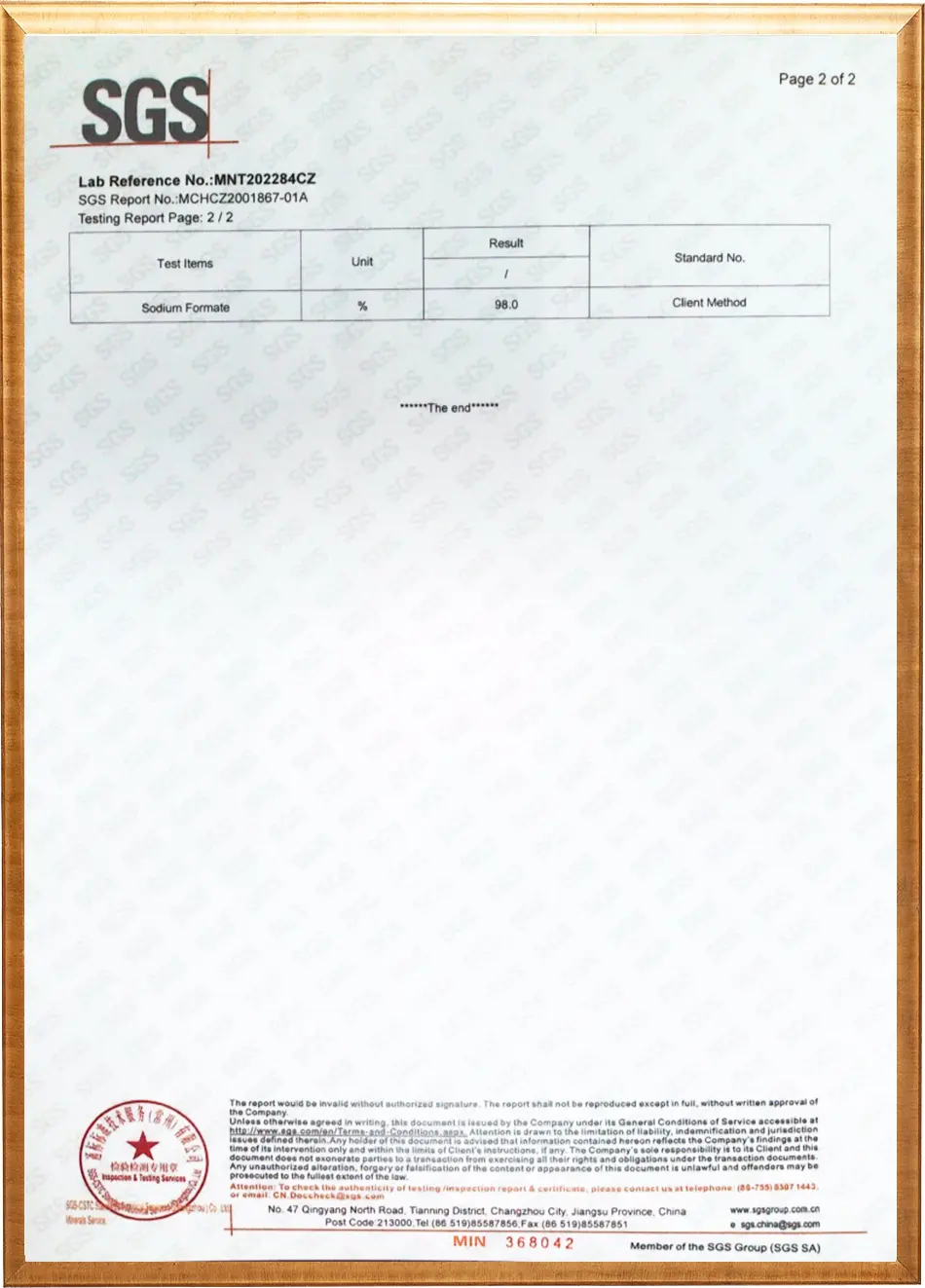
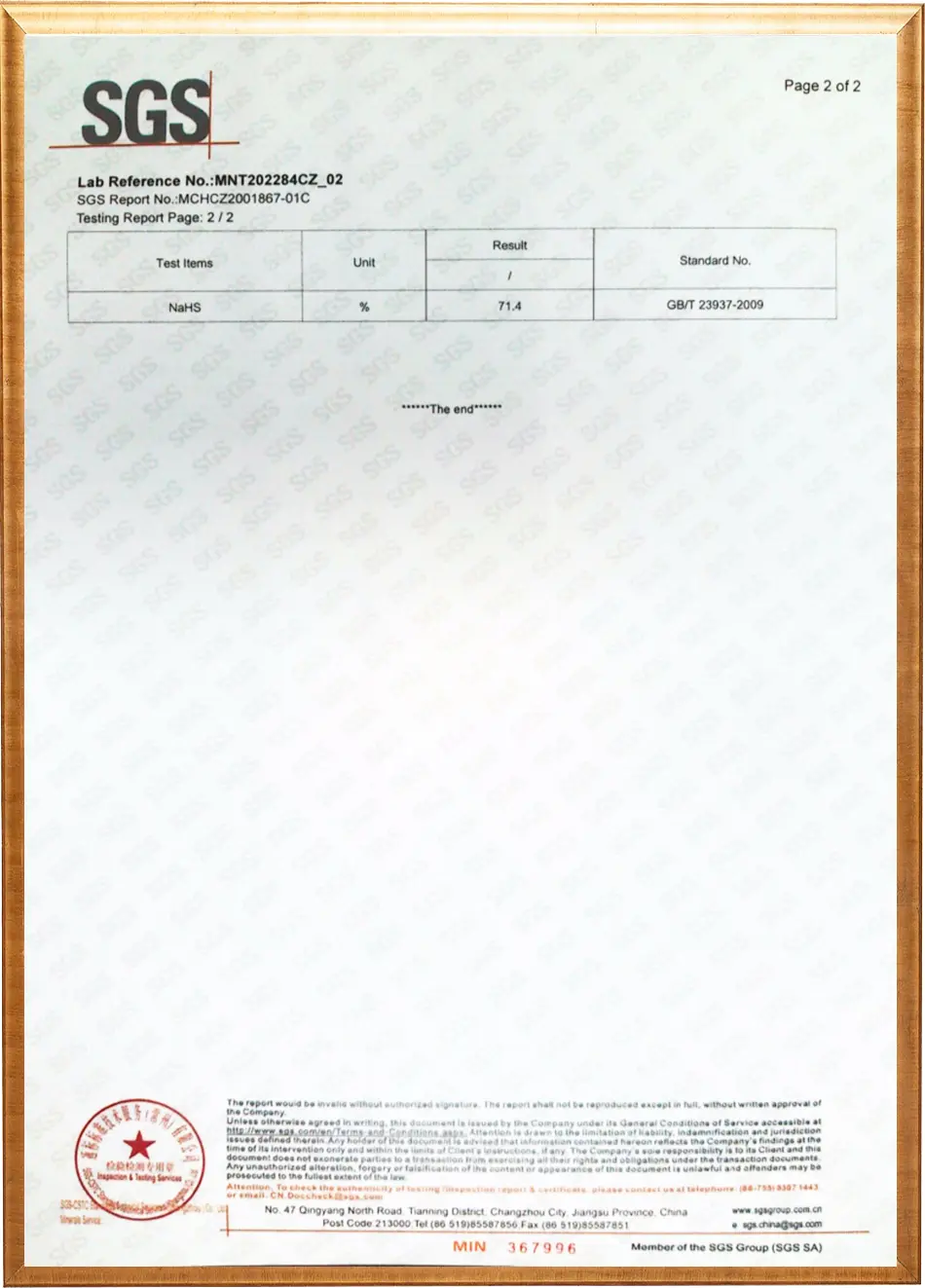
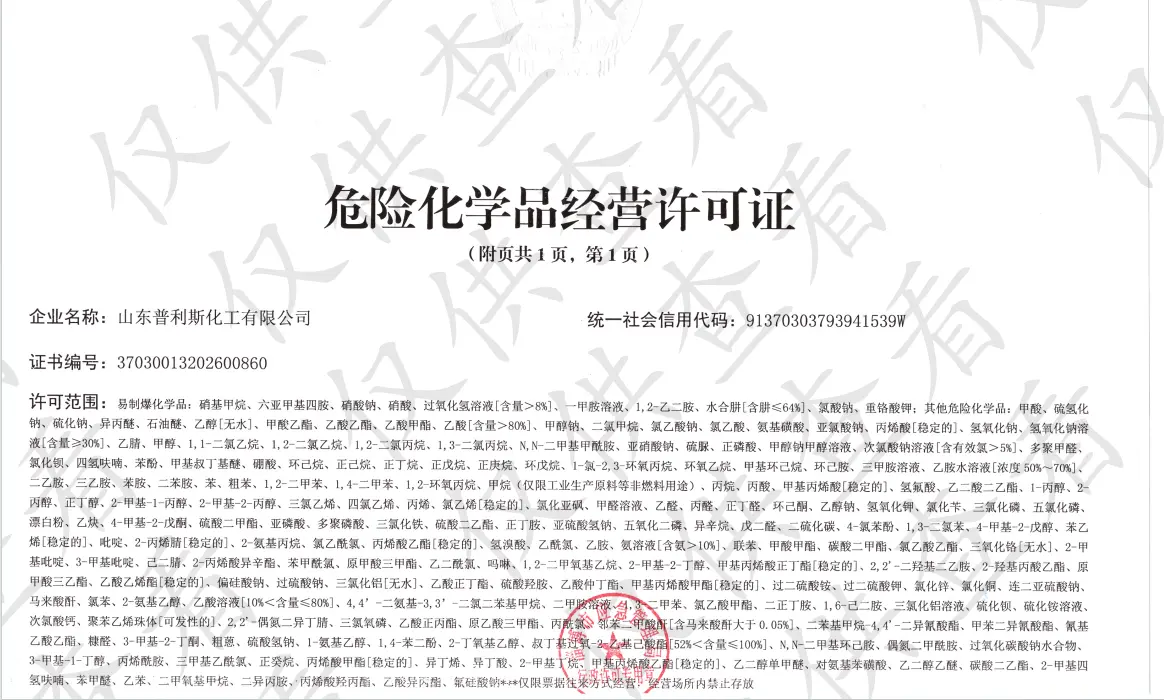
High-purity crystalline and liquid products designed to meet demanding industrial parameters.
Engaging with global chemical markets to drive sustainable chemical supply structures.
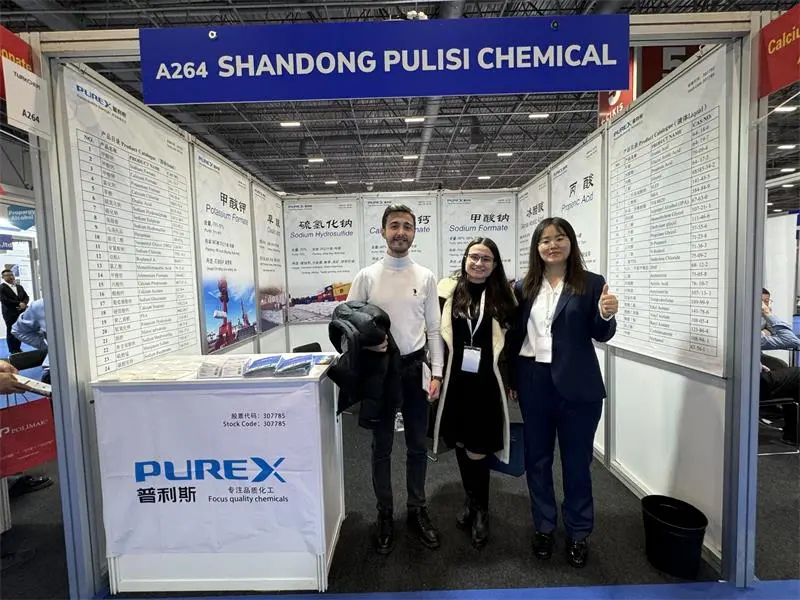
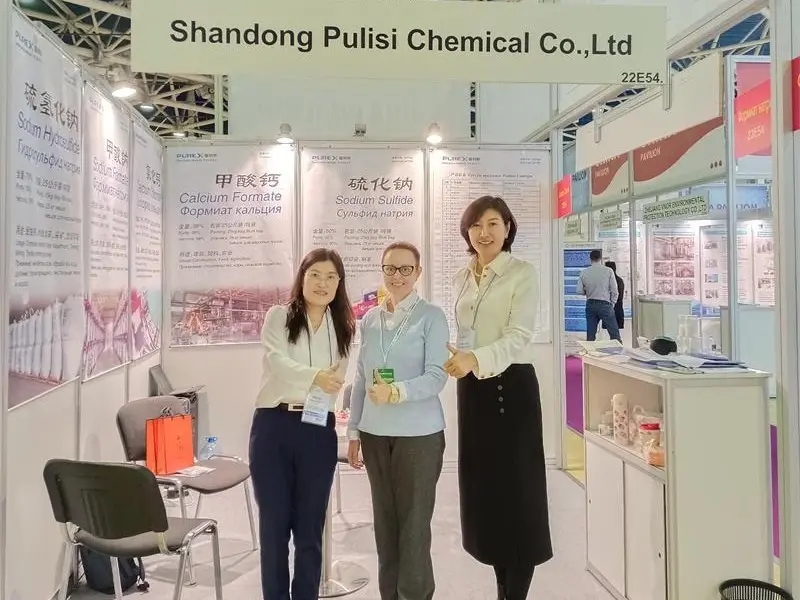
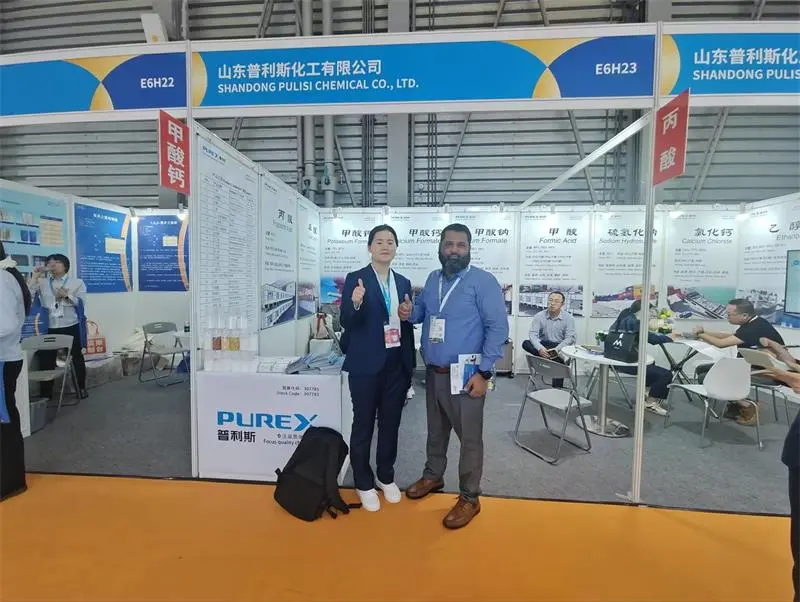
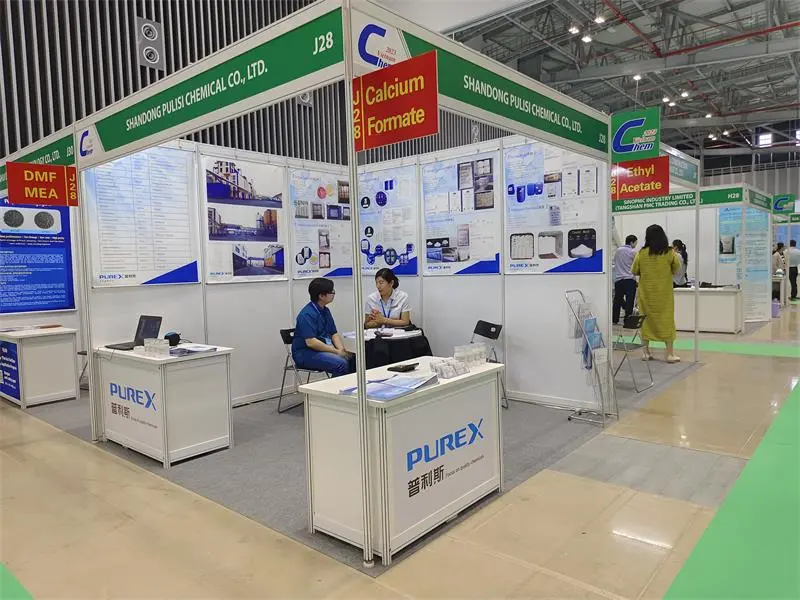
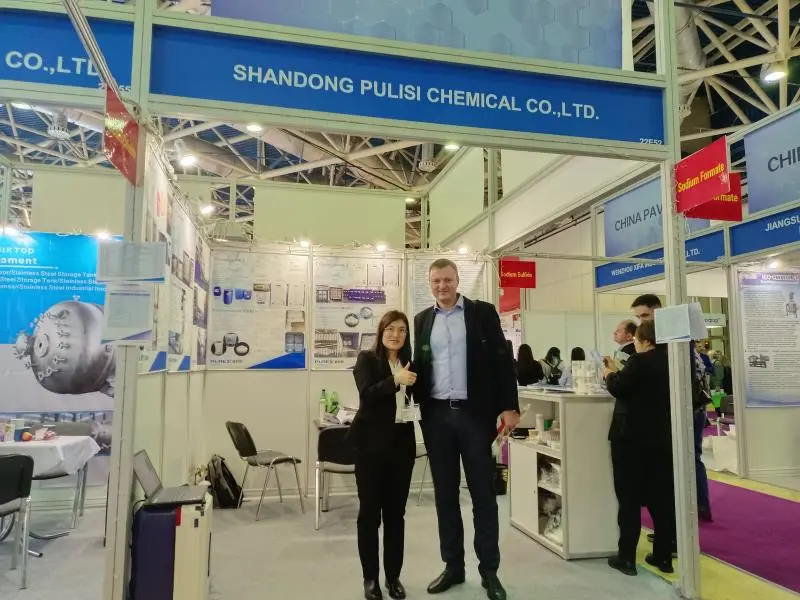
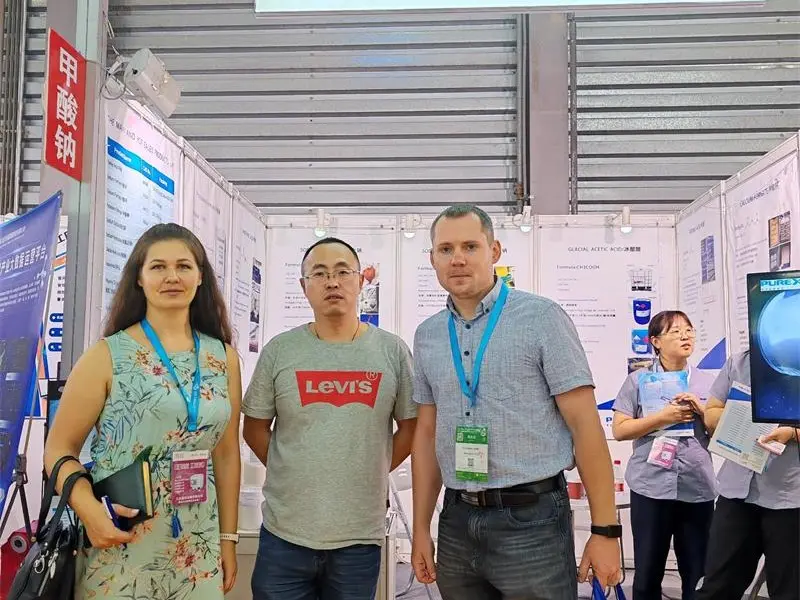
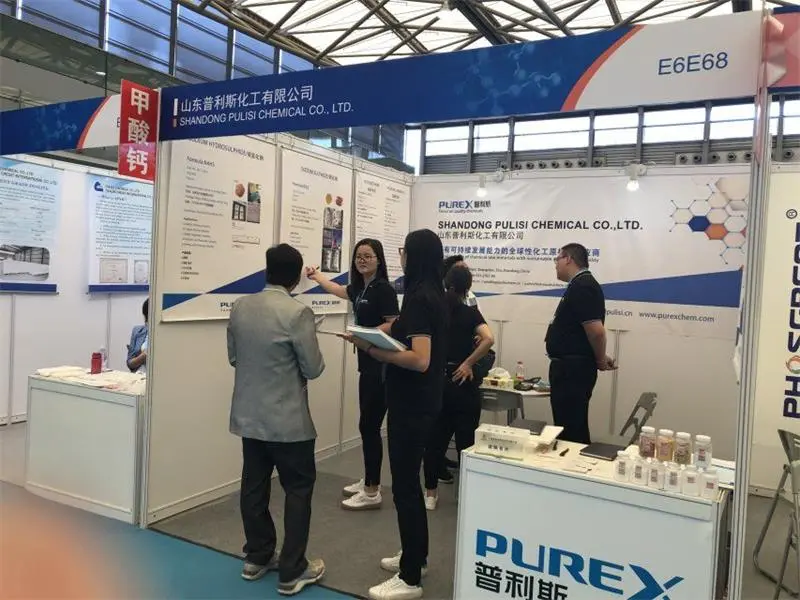
Aligning with green chemistry standards and minimizing structural carbon footprint in synthesis methods.
In accordance with global commitments toward industrial decarbonization, Shandong Pulisi is researching carbon-capture utilization (CCU) technologies to collect process $CO_2$ and convert it into synthesis feedstock. The future roadmap of ethylene-to-oxalic acid pathway aims to utilize bio-based ethylene derived from sustainable agricultural waste fermentation. This development will reduce the lifecycle carbon emission of oxalic acid by up to 60%, providing an ecologically sound option for industrial buyers who prioritize sustainable supply chains.
A testament to our quality, transparency, and contribution to international chemical trade.
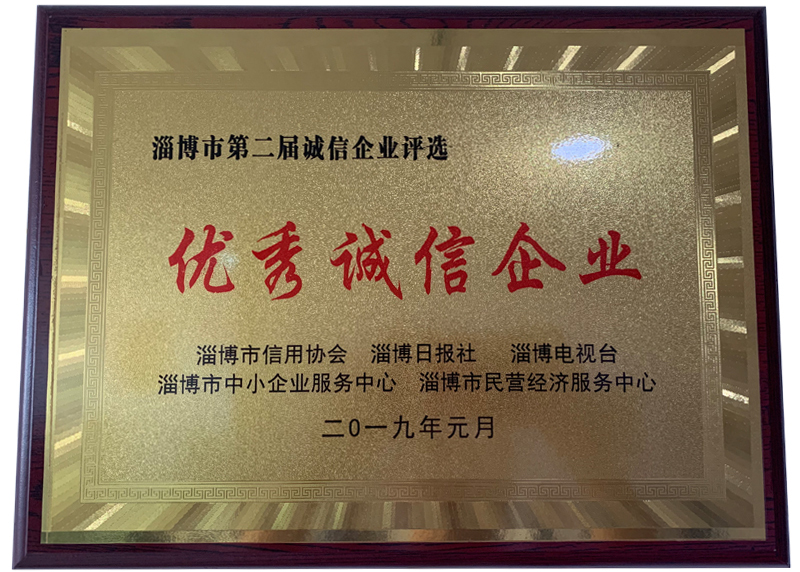
Fostering collaboration with leading global chemical organizations and manufacturing groups.










Technical clarifications, trade policies, logistics procedures, and product customizations.
Extended selection of custom-grade products for global shipping and raw material replenishment.
 Pulisi