How to Source Quality Sodium Formate for Leather Production?

Time:2026-07-30 Author:Aria
0%

Sourcing quality sodium formate for leather production is crucial for achieving high-quality end products. Sodium formate leather applications require a concentration on both quality and purity. The right sodium formate can enhance the tanning process, improve leather's durability, and increase its visual appeal. However, not all suppliers meet industry standards.

When searching for sodium formate, it’s essential to evaluate potential suppliers thoroughly. Look for those with a proven track record in the leather industry. Request product samples to assess quality before making bulk orders. Many suppliers boast about their materials, but not all live up to their claims. It's important to verify their certifications and quality control measures.

A transparent supply chain is key. Seek suppliers who provide clear sourcing information. Understanding the origin of sodium formate can ensure ethical production practices. Take note of the suppliers’ customer reviews as well. This can offer insights into their reliability and service quality. Quality sodium formate leather production requires diligence and effort. It’s a complex journey that demands attention to detail and a commitment to excellence.
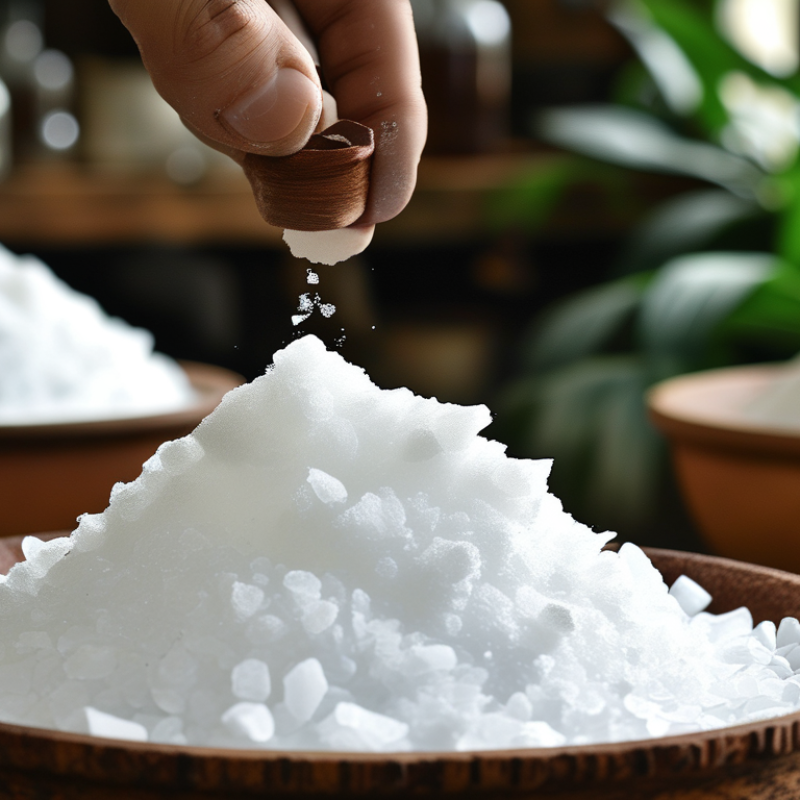
How to Source Quality Sodium Formate for Leather Production?

Understanding Sodium Formate and Its Role in Leather Production

Sodium formate plays a crucial role in leather production. This compound functions primarily as a buffering agent. It helps maintain pH levels during the tanning process, ensuring consistent color and texture for leather products. Additionally, sodium formate acts as a reducing agent, aiding in the removal of unwanted materials from animal hides.

Understanding the sourcing of quality sodium formate is vital. Not all suppliers offer the same purity or consistency. It's essential to evaluate suppliers carefully. Look for those with a track record in the leather industry. Request samples before making large purchases. Analyze the samples for quality, as impurities can affect the final product's quality.

While many suppliers claim to offer high-grade sodium formate, verify their certifications and quality control processes. It’s necessary to reflect on the reliability of your sources. A good partnership can impact your production efficiency significantly. Take the time to build relationships with trustworthy suppliers for the best results in leather production.

Identifying Reliable Suppliers for Quality Sodium Formate

Finding quality sodium formate for leather production can be challenging. It requires a careful approach to sourcing. Reliable suppliers are essential. Begin by researching suppliers who focus on raw materials for leather production. Look for those with a solid track record in the industry. Their experience can provide more than just products; it offers peace of mind.

Check online reviews and testimonials to gauge their reputation. This is where details matter. A supplier with consistent positive feedback demonstrates reliability. Additionally, connect with industry peers to gather recommendations. Personal experiences can lead you to trustworthy sources. Don’t shy away from asking about their quality control processes. Understanding how they maintain product standards can reveal much about their reliability.

While exploring options, be open to potential shortcomings. Not every supplier will meet your expectations. Some may have delays or fluctuating quality. This is worth noting during your search. Document interactions with suppliers. This helps track your experience over time. Your goal is to build a solid partnership that supports your production needs effectively.

Evaluating the Purity and Specifications of Sodium Formate

When sourcing sodium formate for leather production, evaluating its purity is crucial. The ideal purity level for sodium formate in leather production should be above 95%. Impurities can affect the tanning process, leading to lower quality leather. A common standard is to check for chloride content, which should be below 0.1%. This ensures that the sodium formate will not react negatively with other chemicals used in tanning.

Tips: Always request a Certificate of Analysis (CoA) from suppliers. A reliable CoA provides detailed information about the chemical composition and purity of the sodium formate you are considering.

It is essential to consider the source of the sodium formate. Studies indicate that the method of production impacts the final product's quality. Some manufacturers use lower quality raw materials, impacting the purity. Additionally, keep in mind that fluctuations in quality can occur between batches. Regular testing of incoming materials is recommended to maintain consistent standards in leather production.

Tips: Set up a quality control protocol to regularly assess incoming sodium formate. This proactive approach helps address any issues early on, ensuring that leather quality remains high.

How to Source Quality Sodium Formate for Leather Production? - Evaluating the Purity and Specifications of Sodium Formate

Specification Value Importance
Purity > 95% Essential for consistent quality in leather production
Moisture Content < 2% High moisture can affect the properties of the final product
pH Level 6.5 - 7.5 A balanced pH level is crucial for leather tanning
Heavy Metals Content < 10 ppm Minimizing heavy metals ensures product safety and compliance
Granule Size 1-5 mm Optimal granule size improves solubility and application

Cost Considerations in Sourcing Sodium Formate

Cost considerations play a crucial role when sourcing sodium formate for leather production. Prices can fluctuate based on various factors, including supplier location and market demand. It's essential to conduct thorough research to find reliable suppliers who offer competitive pricing. Comparing multiple quotes can help in identifying the best value for your investment.

Another critical aspect is assessing the quality of sodium formate. Lower prices might indicate subpar quality, leading to increased defect rates in leather goods. Balancing cost with quality is vital. Always request samples for testing. Evaluating the material’s performance can save money in the long run by preventing costly production errors.

Logistics should also be part of your cost analysis. Shipping expenses vary, impacting the overall price. Consider local suppliers to minimize transportation costs. Inconsistent delivery schedules can lead to production delays. Establishing a good relationship with reliable suppliers can ensure timely delivery and consistent pricing. Reflecting on these factors can guide better decisions in sourcing sodium formate.

Best Practices for Storing and Handling Sodium Formate in Leather Industry

Proper storage and handling of sodium formate are crucial in the leather production industry. Sodium formate, a versatile chemical used in tanning, requires specific conditions to maintain its quality. It is essential to store sodium formate in a cool, dry place away from moisture. Data from the International Journal of Leather Research indicates that exposure to humidity can lead to the degradation of sodium formate, affecting its performance in tanning processes.

When handling sodium formate, safety is a top priority. Operators should wear appropriate personal protective equipment, such as gloves and masks, to prevent skin and respiratory issues. According to industry reports, improper handling can lead to skin irritations and respiratory complications. Training staff on proper techniques ensures both safety and quality control. Regular audits of storage conditions are vital for maintaining the integrity of sodium formate; any inconsistencies can result in lower quality leather products.

Consider the implications of bulk storage. Storing large quantities of sodium formate carries risks. Spills can create both safety hazards and financial losses. Effective labeling and clear organizational systems can mitigate these risks. It's essential to frequently check inventory levels and the condition of stored chemical to prevent deterioration. Implementing these best practices not only improves product quality but also enhances operational efficiency.

FAQS

: What is the role of sodium formate in leather production?

: Sodium formate acts as a buffering agent, maintaining pH levels during tanning. It also helps remove unwanted materials from hides.

How can I find reliable suppliers for sodium formate?

Research suppliers who specialize in raw materials for leather. Check their industry track record for peace of mind.

Why is the purity of sodium formate important?

Higher purity ensures better tanning results. Impurities can lead to lower quality leather products.

What should I check when evaluating sodium formate?

Evaluate chloride content and aim for below 0.1%. Also, request a Certificate of Analysis from your supplier.

How can I ensure consistent quality in sodium formate?

Regularly test incoming materials and set up a quality control protocol. This helps catch issues early.

What common issues might suppliers face?

Some suppliers may have fluctuations in quality or delivery delays. Documenting experiences can help track these inconsistencies.

How important is supplier communication?

Open communication is essential. Discuss quality control processes and share feedback for better partnerships.

Should I always trust supplier claims?

Be cautious. Verify certifications and past performance. Not all suppliers may deliver as promised.

Can the source of sodium formate affect quality?

Yes, the production method can impact purity. Research manufacturers to ensure quality raw materials are used.

What if I receive batch variations in sodium formate?

Regular testing and monitoring help address these variations. Adapt your processes to maintain leather quality.

Conclusion

Sodium formate is a crucial chemical in leather production, serving as a buffering agent that helps in maintaining the desired pH levels during the tanning process. Understanding its role is fundamental for manufacturers aiming to achieve high-quality leather outputs. To ensure the best results, identifying reliable suppliers who provide quality sodium formate is essential. It’s vital to evaluate the purity and specifications of the sodium formate sourced, as this directly impacts the leather's characteristics and durability.

Cost considerations also play a significant role in the procurement process, as businesses must balance quality with budget constraints. In addition, implementing best practices for storing and handling sodium formate is important to maintain its integrity and efficacy in leather production. By following these guidelines, manufacturers can optimize the use of sodium formate leather, leading to superior quality in their final products.

Aria

Aria

Aria is a dedicated marketing professional with a deep passion for innovative strategies and a keen understanding of our company's product offerings. With a wealth of experience in the industry, Aria excels at crafting engaging content that highlights the unique features and benefits of our......